

De conversaciones estancadas a un acuerdo histórico: las naciones avanzan en una estrategia de cosecha histórica para el atún azul del Pacífico
En una reunión de último minuto en agosto, los negociadores internacionales alcanzan un consenso crucial sobre un plan de gestión vinculante, consolidando décadas de trabajo de recuperación basado en la ciencia para el atún aleta azul del Pacífico.
En una victoria histórica para la conservación del océano y las comunidades costeras del Pacífico, los negociadores internacionales han acordado una estrategia de cosecha vinculante y a largo plazo para el atún azul del Pacífico. La nueva estrategia de cosecha reemplaza las negociaciones anuales tradicionales sobre cuotas con un plan a largo plazo basado en la ciencia, precautorio y sostenible para gestionar el atún azul del Pacífico.
El acuerdo marca un cambio dramático después de que las negociaciones se estancaran en julio, dejando la frágil recuperación de la especie en un limbo. Reconociendo la alta apuesta, los delegados se reunieron nuevamente en agosto para una reunión de último minuto para romper el estancamiento. Esa diplomacia dio lugar a un acuerdo histórico, trasladando la gestión del atún azul del Pacífico de medidas temporales de recuperación a un marco permanente basado en la ciencia.
Para una especie que alguna vez se redujo a solo el dos por ciento de su población histórica, el acuerdo consolida un esfuerzo de recuperación de 14 años liderado por científicos, pescadores y líderes de conservación.
“Alcanzar un consenso sobre una estrategia de cosecha vinculante es un logro monumental”, dijo Josh Madeira, director de políticas y participación de interesados en el Monterey Bay Aquarium y copresidente del grupo de trabajo conjunto internacional. “Este plan tan esperado posicionará al atún azul del Pacífico para seguir siendo un ícono oceánico que puede apoyar oportunidades económicas en las comunidades costeras y servir como un ejemplo de éxito en conservación basada en la ciencia.”
Consolidando la estabilidad para los frentes de trabajo
La nueva estrategia de cosecha reemplaza las negociaciones anuales tradicionales sobre cuotas con un plan a largo plazo basado en la ciencia, precautorio y sostenible para gestionar el atún azul del Pacífico. Este enfoque moderno, definido como una estrategia de cosecha, apoyará a los negocios, trabajadores y comunidades que dependen de un océano saludable. Está destinado a crear estabilidad y oportunidades de mercado para las flotas comerciales, operadores de chárter y tiendas de artículos de pesca, al tiempo que brinda a distribuidores, minoristas y chefs la confianza para invertir y crecer.
Una victoria de conservación que puedes saborear
Poderoso, rápido y capaz de cruzar un océano entero, el atún azul se encuentra entre los peces más notables del planeta y es parte del legado vivo de la Corriente de California. El rico sabor, color vibrante y textura mantequillosa del atún azul lo convierten en una de las experiencias gastronómicas más celebradas del mundo, desde sashimi hasta filetes sellados.
Décadas de gestión colaborativa basada en la ciencia no siempre fueron fáciles. Después de que la población cayera a niveles extremadamente bajos en 2012, los gestores internacionales, científicos y organizaciones de conservación trabajaron juntos a lo largo del Pacífico para reconstruir antes de lo previsto. El atún azul logró pasar de la lista "Roja" (Evitar) de Seafood Watch a la lista "Amarilla" (Buena Alternativa). Pero una calificación "Amarilla" es un hito, no el destino final, y la especie necesita apoyo continuo para seguir siendo saludable, resistente y productiva para las generaciones venideras.
Con esta victoria de estrategia de cosecha a largo plazo, chefs y consumidores pueden ahora disfrutar de esta delicadeza sabiendo que tiene el potencial de estar entre las pesquerías mejor gestionadas del mundo.
“Cada atún azul gestionado responsablemente que llega a un muelle de California refleja años de arduo trabajo, rigor científico y sacrificio por parte de pescadores y responsables de políticas”, dijo Jennifer Dianto Kemmerly, vicepresidenta de conservación global del océano en el Monterey Bay Aquarium. “Estamos orgullosos de ver que esta historia con raíces en California se convierta en un modelo global para pesquerías sostenibles.”
Un legado duradero para la custodia del océano
Alcanzar un consenso durante la sesión de emergencia de agosto requirió una cooperación global extraordinaria.
Esta decisión histórica ahora se mueve hacia un proceso internacional para su consideración. La adopción por parte de todos los miembros de la Comisión Interamericana del Atún Tropical (IATTC) y de la Comisión de Pesca del Pacífico Occidental y Central (WCPFC) podría ocurrir tan pronto como en sus próximas reuniones anuales en septiembre y diciembre, respectivamente. La nueva estrategia entraría en vigor el 1 de enero de 2027.
El Monterey Bay Aquarium apoya a las naciones del Pacífico para que tomen las medidas necesarias para adoptar estas medidas y asegurar el futuro del atún azul del Pacífico.
Acerca del Monterey Bay Aquarium
Con la misión de inspirar la conservación del océano, Monterey Bay Aquarium es el acuario más admirado de los Estados Unidos. Es líder en educación de las ciencias, y una voz en favor de la conservación del océano por medio de programas integrales de ciencias y políticas públicas. Todo lo que hacemos está dirigido a proteger el futuro de nuestro planeta azul. Para más información: MontereyBayAquarium.org/español.
Ver más noticias
Comunicado de prensa
Ocean in Motion / La Danza del Mar opens November 7, 2026
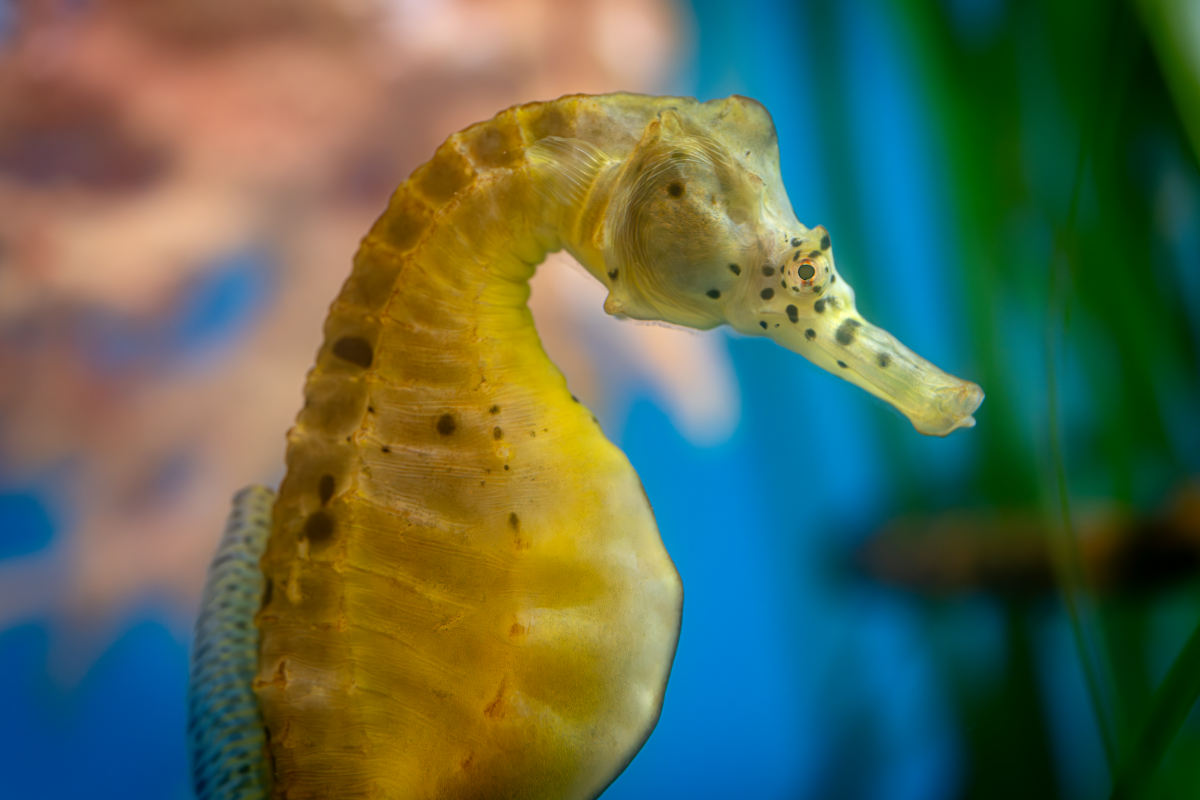
The exhibit features an expanded African penguin habitat, big-bellied seahorses, and colorful coral reefs.
Leer comunicado de prensa – Ocean in Motion / La Danza del Mar opens November 7, 2026
Comunicado de prensa
Sandy Trautwein se une como Vicepresidenta de Bienestar Animal
Trautwein se une al Acuario a partir del 21 de septiembre de 2026, tras una búsqueda a nivel nacional.
Leer comunicado de prensa – Sandy Trautwein se une como Vicepresidenta de Bienestar Animal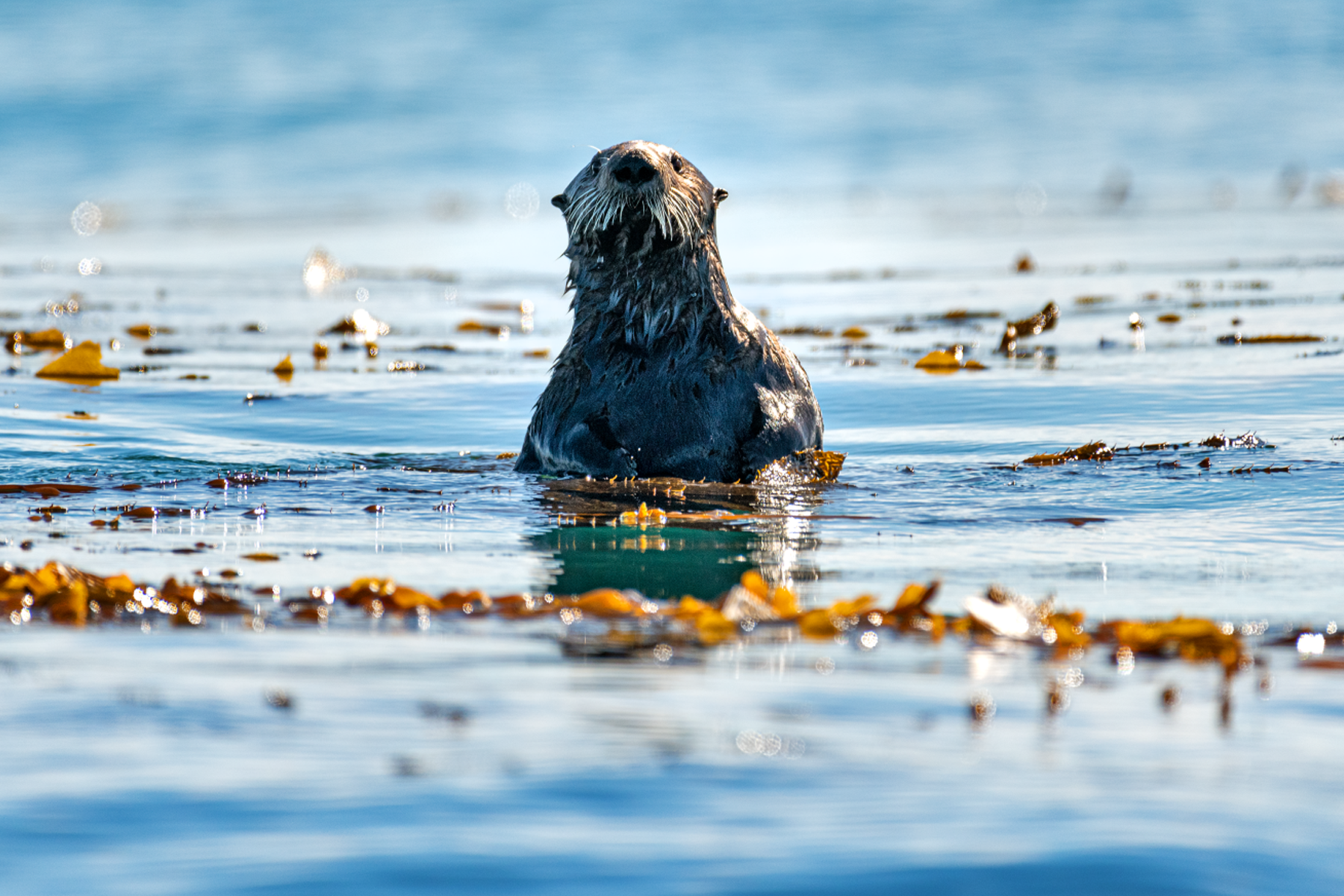
Declaración
El Monterey Bay Aquarium denuncia el debilitamiento de la ESA por parte de la administración Trump-Vance.
Las nuevas regulaciones impuestas por la administración Trump-Vance debilitan la Ley de Especies en Peligro d…
Leer comunicado – El Monterey Bay Aquarium denuncia el debilitamiento de la ESA por parte de la administración Trump-Vance.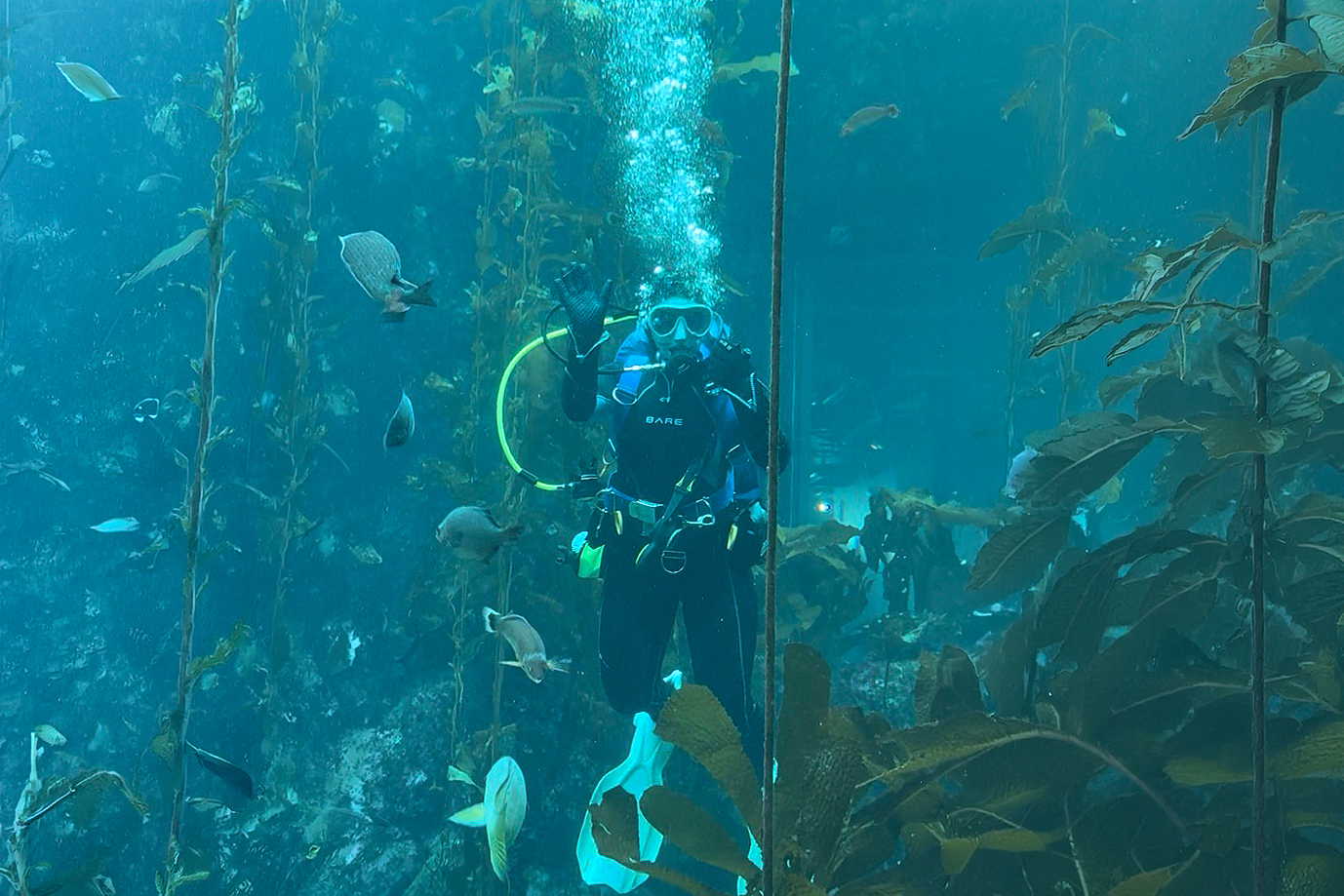
Historia
Cómo es realizar el entrenamiento de buceo en el Monterey Bay Aquarium
Descubre lo que se necesita para convertirte en buceador del Monterey Bay Aquarium.
Leer historia – Cómo es realizar el entrenamiento de buceo en el Monterey Bay Aquarium