
How to reduce plastic pollution
Plastic pollution is one of the biggest threats to our oceans, wildlife, and health. Even small actions—like recycling properly, choosing alternatives to single-use plastics, and participating in community cleanups, and speaking up in favor of regulations—can make a big difference.
Here are ways to help.
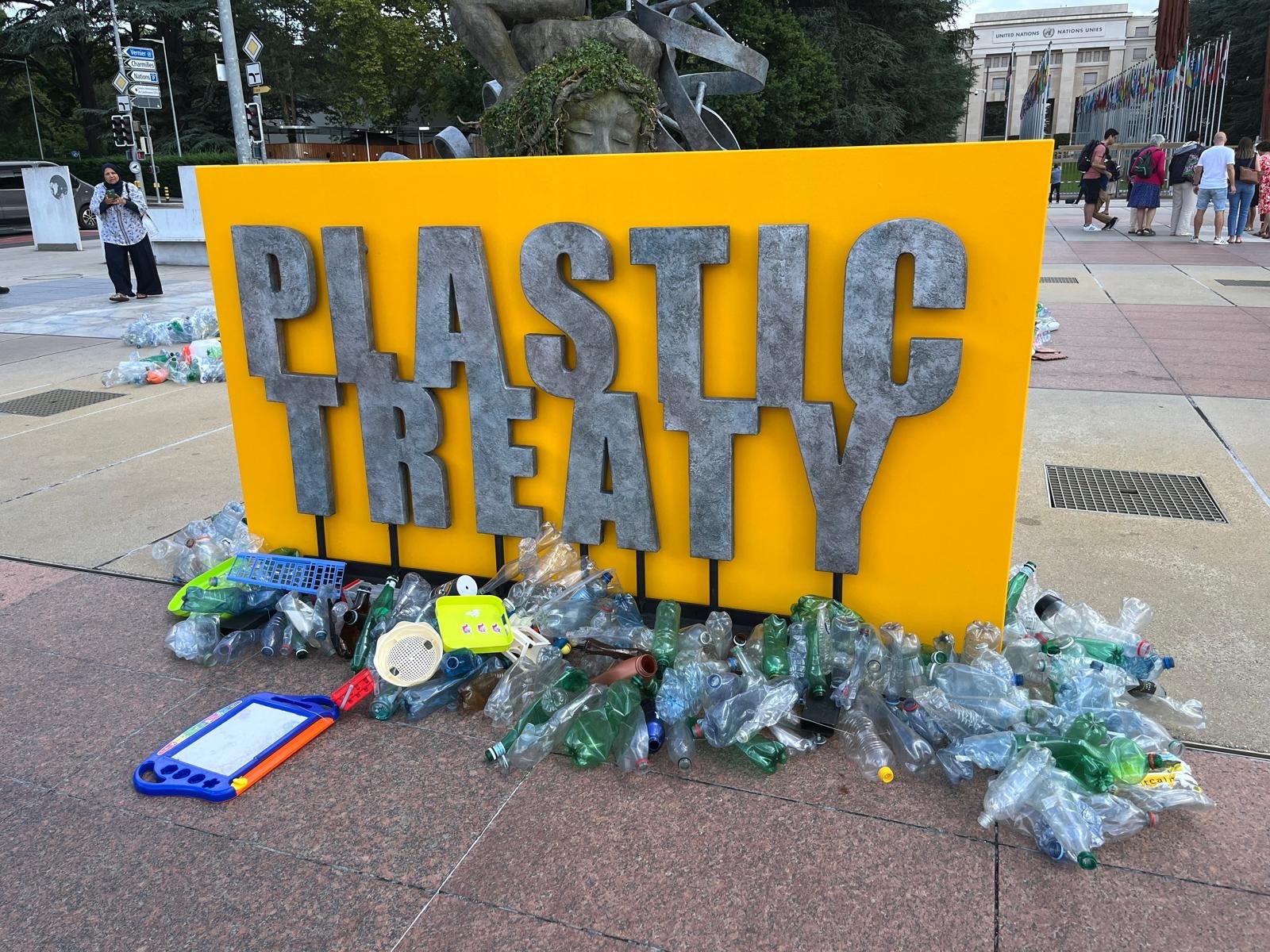
Support policies to reduce single-use plastic
Imagine a world where your family could buy and use everything you need without sending anything to the landfill. This is the vision of a circular economy, where products and materials are designed to stay in use as long as possible, then recovered or regenerated into new items.
Making this vision a reality requires manufacturers, waste managers, and governments to work together to improve both packaging and waste disposal systems. That means recyclable materials actually get recycled, and compostable materials are properly composted.
Government policies that limit certain single-use plastics in favor of reusable alternatives can accelerate this transition and promote environmentally responsible products.
How you can take action
- Sign up for the Ocean Action email to receive alerts when key moments arise to use your voice.
- Support legislation that reduces single-use plastics and protects ocean health.
- Contact your elected officials to improve local recycling and waste management systems.

Cut back on single-use plastic
Plastic is everywhere—but you can make a difference by using less every day. Small changes in your routine can replace single-use plastics with more environmentally responsible options. Over time, these swaps add up to less plastic in landfills and oceans.
Simple swaps to reduce plastic
- Use reusable coffee cups and shopping bags instead of disposable ones.
- Replace single-use sandwich bags with reusable silicone bags or other durable containers.
- Buy in bulk when possible by filling your own containers.
- Choose products with less plastic packaging and support businesses working to reduce plastic waste.
Tip: Your consumer choices send a clear signal to companies and can help drive larger, systemic changes.
Make it manageable: Shifting to a lower-plastic lifestyle can be intimidating since plastic is part of many aspects of our lives. But just as with any ocean-friendly habit, we can take small steps that lead to bigger changes. Remember to focus on progress over perfection.
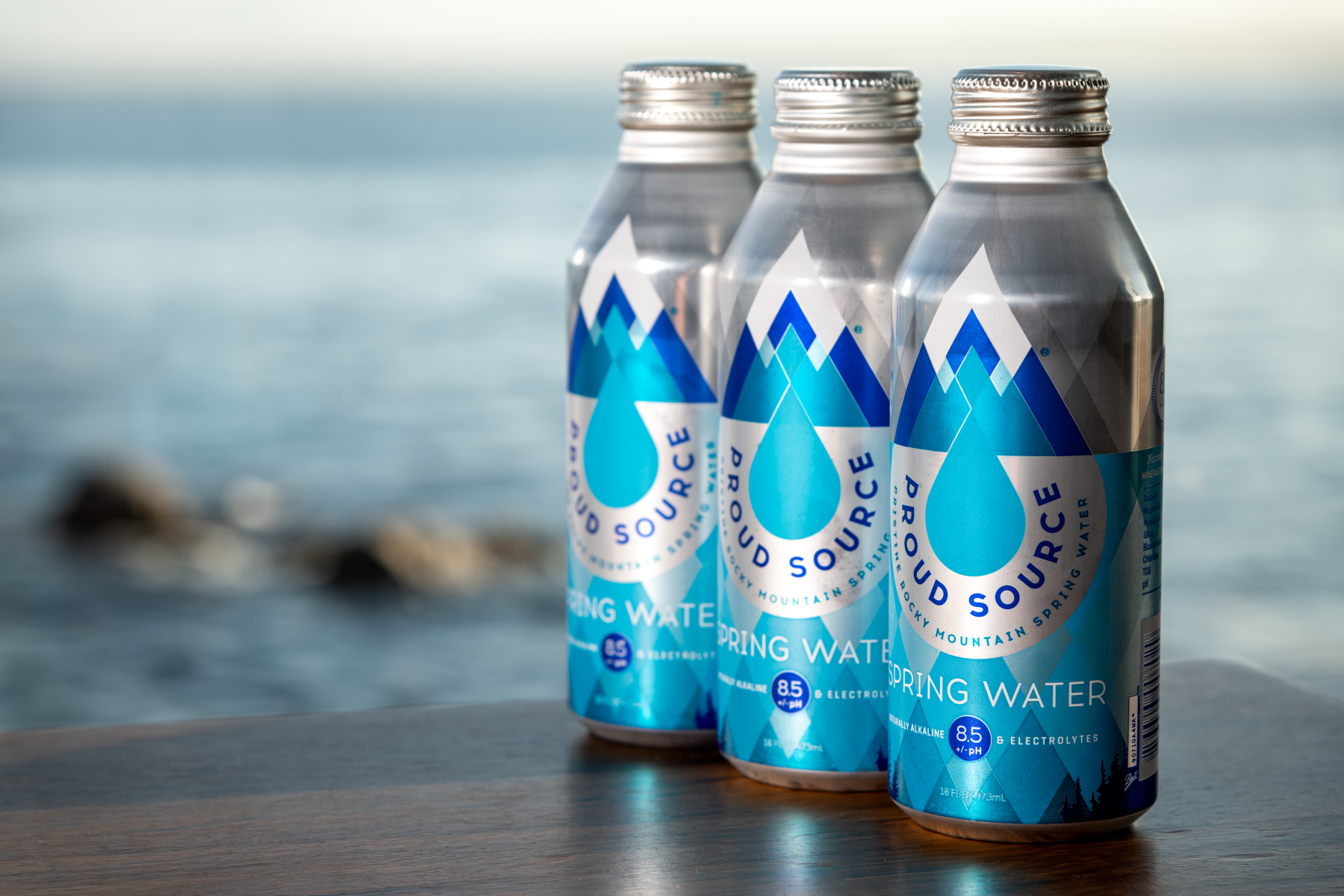
Recycle properly
Recycling plastic correctly is an important way to prevent it from reaching the ocean. After reducing your use of single-use plastics, capturing the rest for recycling is critical.
Did you know? In the U.S., we recycle only about 5% of the plastic we use. Many single-use plastics are not readily recyclable, and infrastructure gaps make proper recycling difficult.
Tips for recycling plastic
- Choose products with recycled plastic content whenever possible instead of those made with virgin plastic.
- Support local recycling improvements. If your community doesn’t have a curbside recycling service, ask for it!
- Check before you toss plastic waste in the blue bin. Look at the bottom of plastic items for a number 1-7 inside the recycling arrow. Lower numbers are generally easier to recycle.
- Know your community rules: each city or county has its own regulations. Check with your waste management district to see what’s accepted.
Limit your exposure to plastic chemicals
Plastics can contain harmful chemicals that may impact human health, including risks for cancer and neurodevelopmental disorders. Common exposure comes from plastic items we use daily, including food packaging and containers.
How to reduce your exposure
- Use reusable wraps (beeswax, silicone) or recyclable alternatives (aluminum) instead of plastic wrap.
- Store food in metal or glass containers instead of plastic. Reuse jars from store-bought items.
- Avoid microwaving or dishwashing plastic containers. Heat can release harmful chemicals into your food.
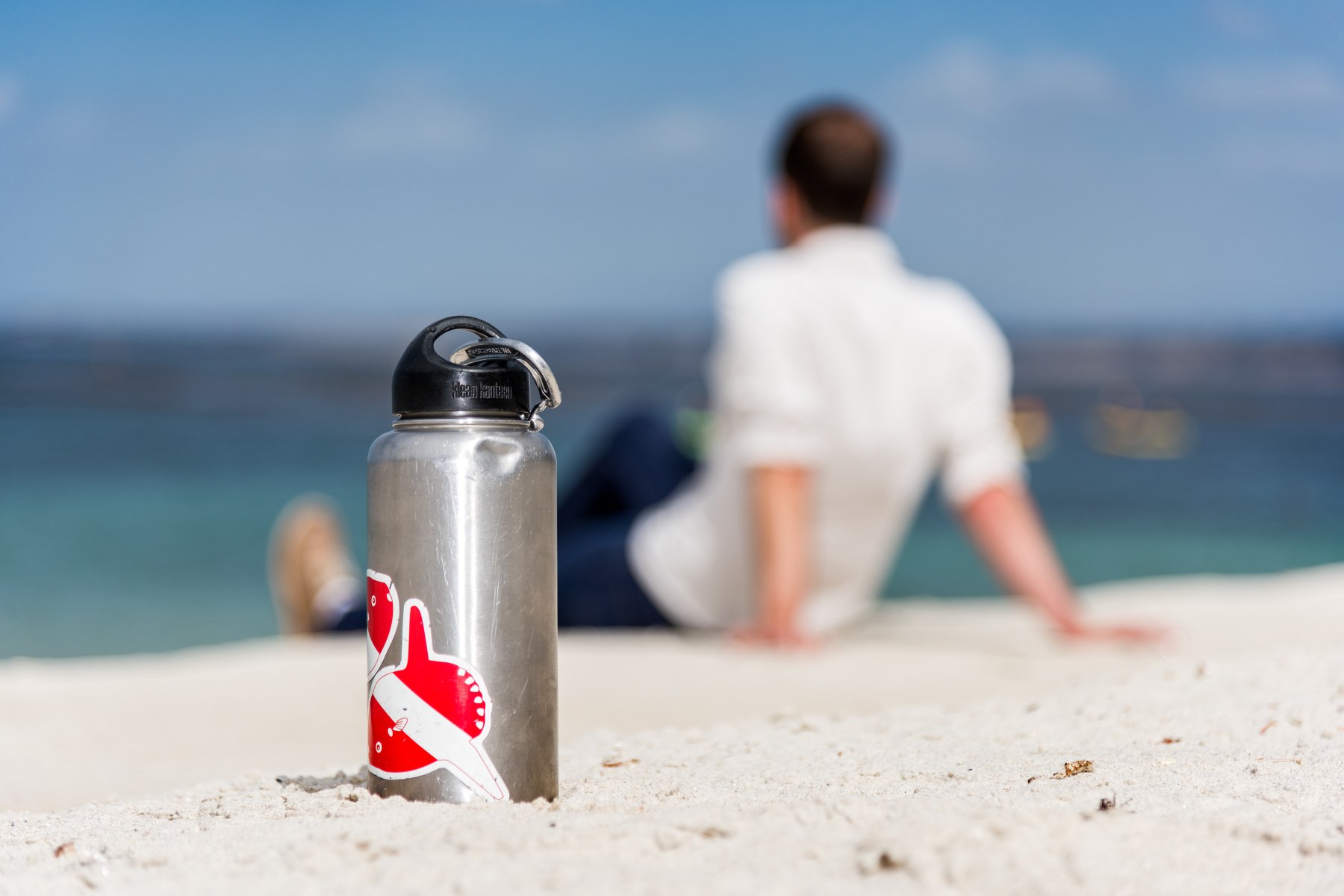
- Choose reusable water bottles over plastic ones (unless water quality is a concern in the area where you live).
- Choose loose or unwrapped produce instead of plastic-wrapped items.
- Vacuum and dust your home often to reduce microplastics.
Get involved in reducing ocean plastic
Plastic trash often reaches the ocean via rivers, storm drains, and wind—even if you live inland. Your actions can help reduce this flow.
Ways you can take action
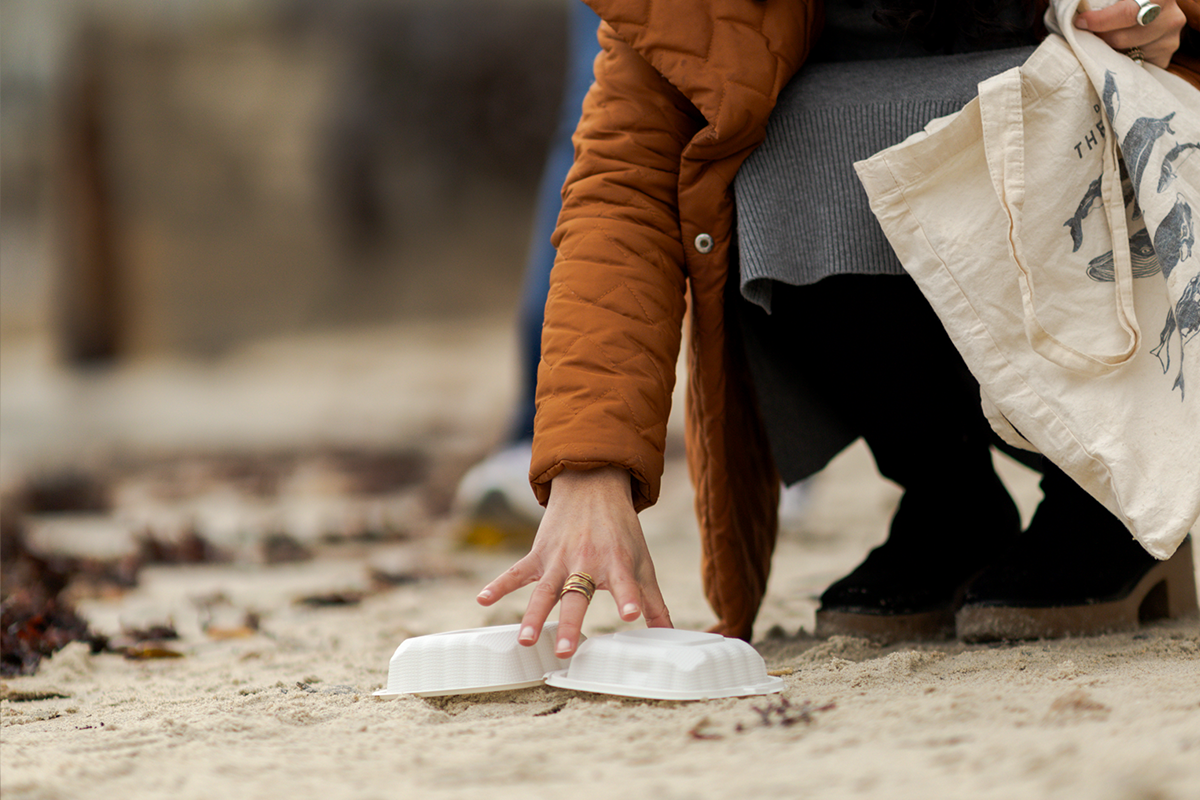
- Participate in local cleanups to keep plastic out of waterways.
- Reduce single-use plastics in your daily life—tackling the source has the biggest impact.
- Speak up and share ideas about ocean plastic pollution to encourage community and policy change.
Frequently asked questions about plastic
How do I know if a plastic item is recyclable?
Turn it over and look at the bottom. Plastic products are stamped with a number between 1 and 7 inside a recycling arrow logo. The number indicates what type of plastic resin the product is made from—generally, lower numbers are more recyclable.
Every community has its own regulations on what you can recycle and how to do it properly. Check with your waste management district to understand what they accept.
What simple swaps can I make to reduce plastic?
Use metal and glass food containers instead of plastic. Decline a straw if you don't need it. Use local "refill" stores to fill up on shampoos, soaps, and detergents. Check what is available in your local community! There are alternatives all around us.
How can I support policies to reduce single-use plastics?
You can support policies and candidates who are in support of legislation to reduce plastic production and its negative impacts on communities. You can use your voice to let your representatives know that you want the plastic industry to be held accountable for waste that is being created.
Be a voice for the ocean
Sign up for our quarterly ocean action emails and get inspiring conservation stories, tips on living a sustainable lifestyle, and opportunities to take action to protect the ocean—delivered to your inbox.
Keep exploring
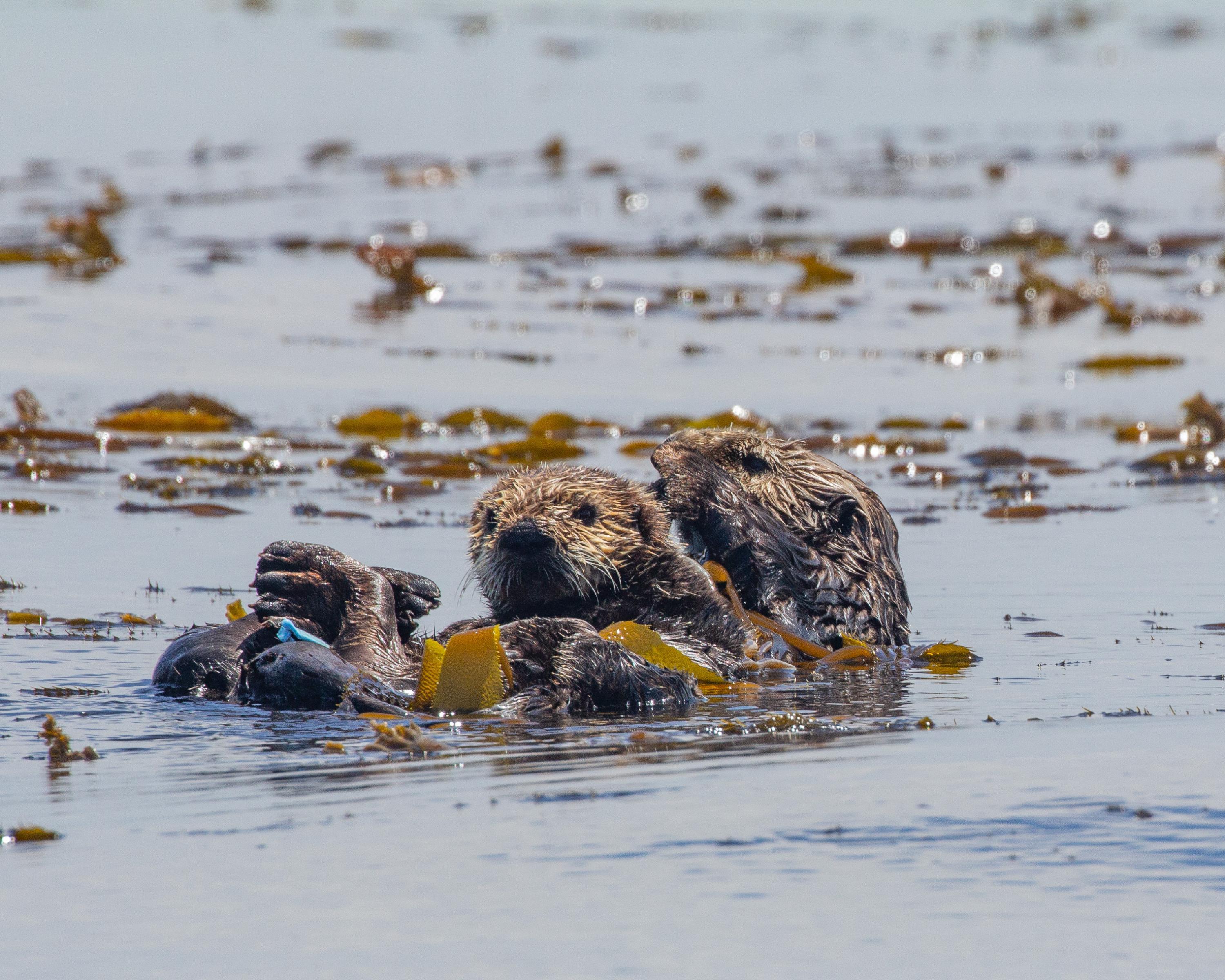
Change & impact
Our conservation work
For more than 40 years, the Aquarium has worked to protect the ocean that shapes our lives.
Read more – Our conservation work
Change & impact
10 simple actions that help protect the ocean
Wondering how to help the ocean? Protecting our ocean starts with simple, everyday actions that add up.
Read more – 10 simple actions that help protect the ocean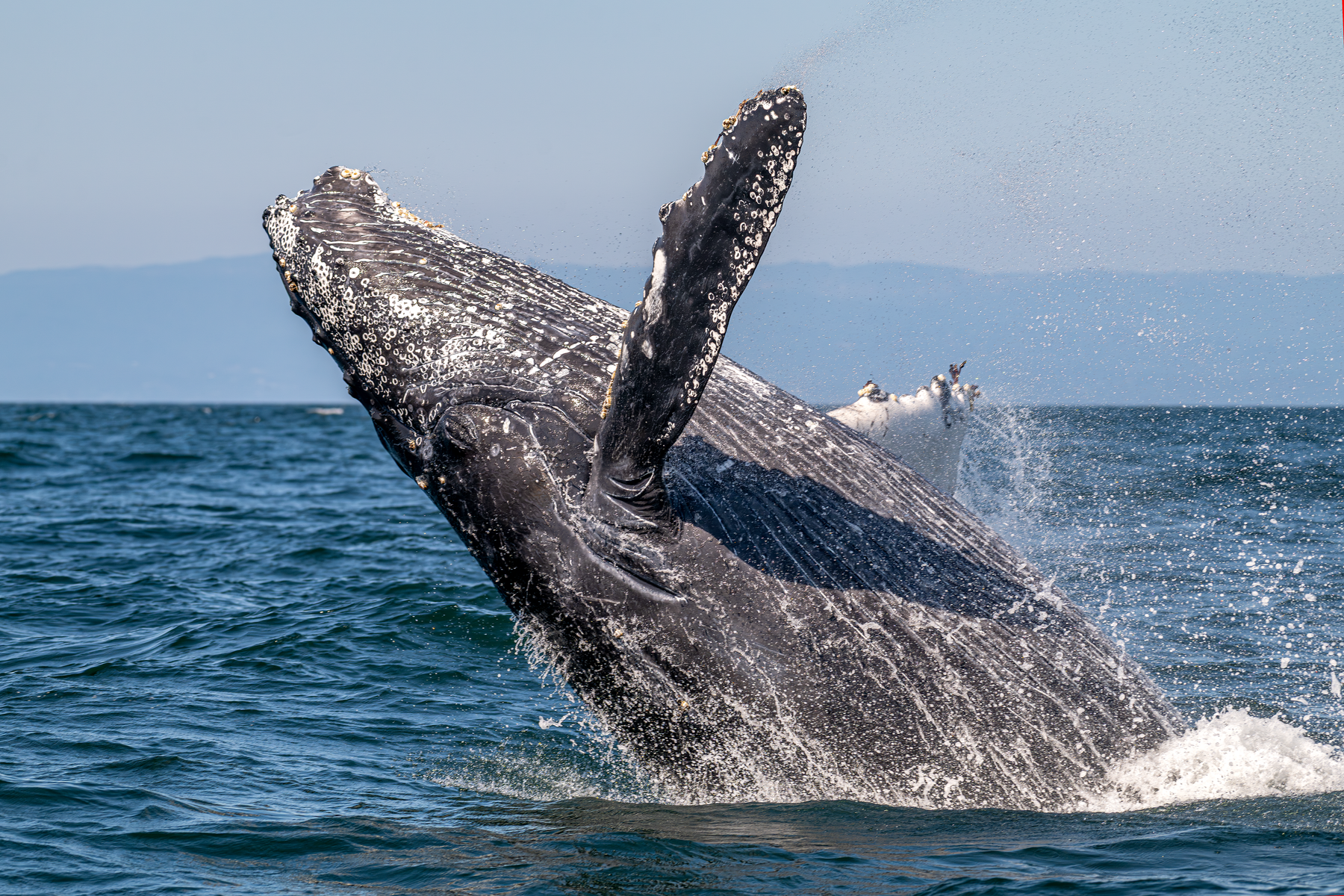
Change & impact
How to protect marine wildlife
You can protect marine wildlife by making choices every day that protect ocean habitats.
Read more – How to protect marine wildlife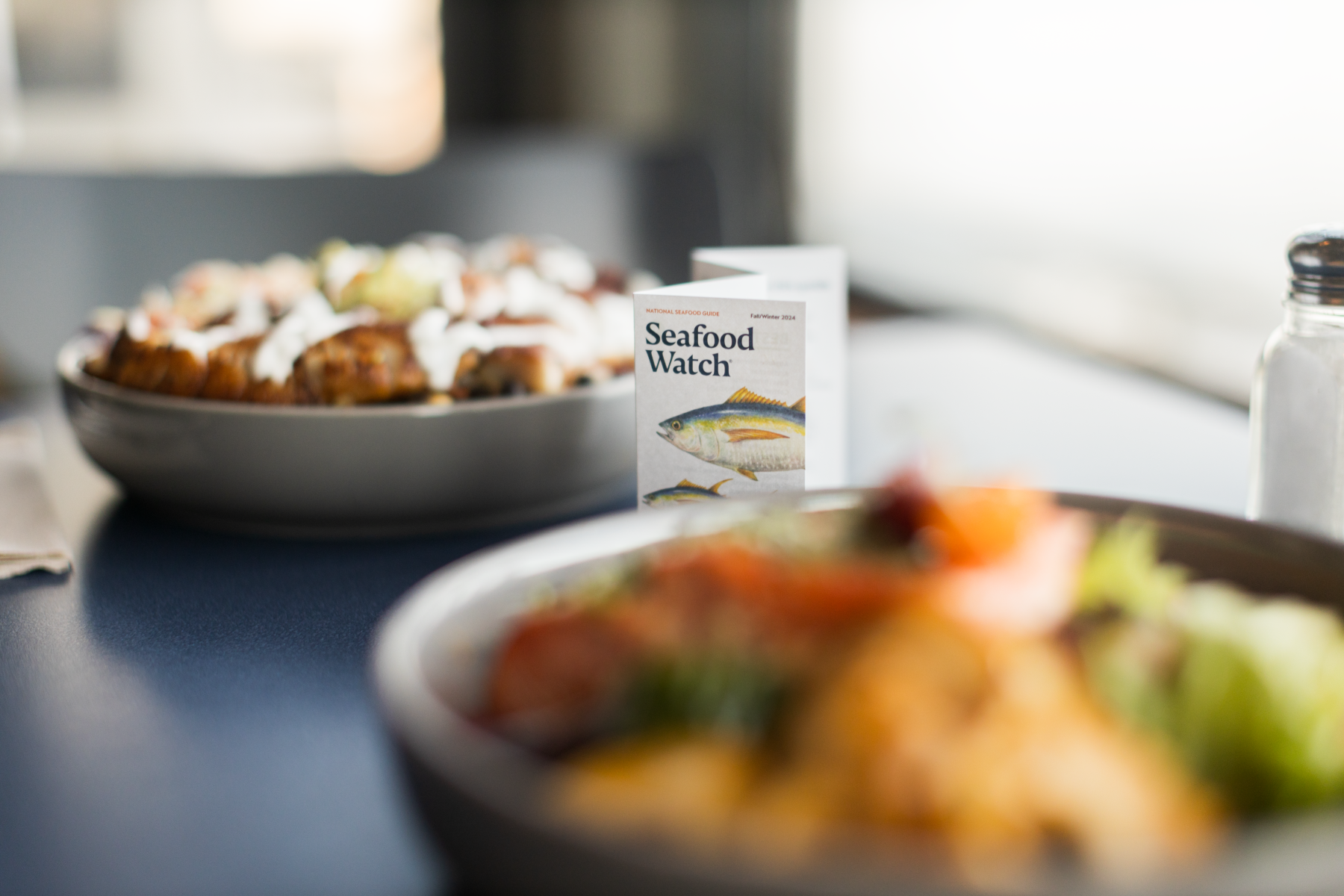
Change & impact
How to choose sustainable seafood
Use our guides and tools to find ocean-friendly seafood whether you’re shopping, cooking, or dining out.
Explore – How to choose sustainable seafood