
How to protect marine wildlife
Our oceans are home to incredible creatures—from sea otters and sharks to seabirds and deep-sea species. But human activity, including overfishing, habitat destruction, pollution, and climate change, puts these animals at risk. Even small actions—like choosing sustainable seafood, reducing plastic use, and supporting protected areas—can help safeguard wildlife for generations to come.
Here’s how you can help.
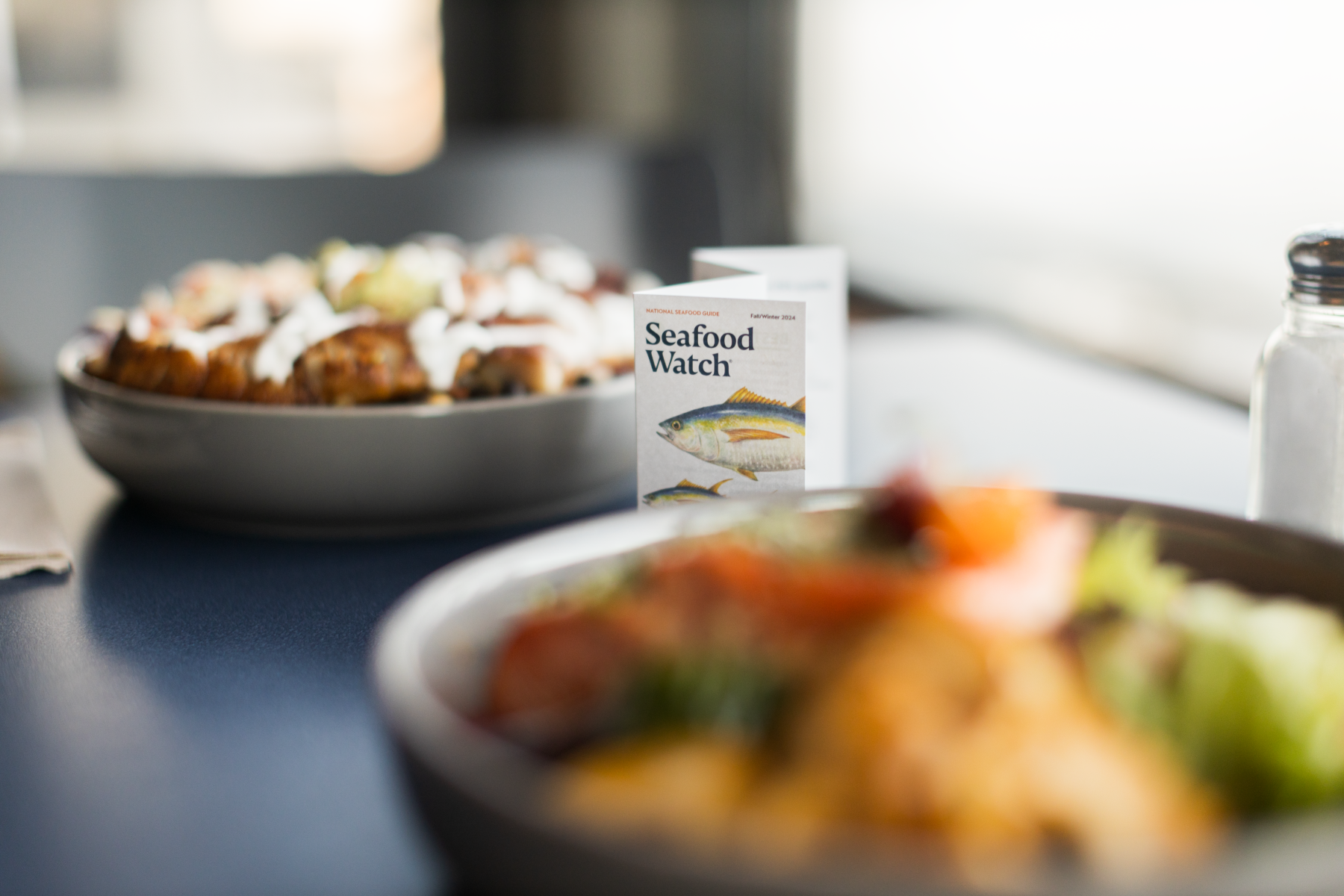
Choose sustainable seafood
Overfishing is one of the biggest threats to marine life. By choosing seafood that is sustainably sourced, you can protect fish populations, support ocean ecosystems, and reduce bycatch of vulnerable species.
How you can take action
- Use the Sustainable Seafood Guides to choose responsibly.
- Check out the restaurant finder to support businesses serving sustainable seafood.
- Try the Super Green List for healthy, ocean-friendly options.
- Encourage friends and family to make ocean-friendly seafood choices.

Reduce plastic pollution
Plastic in the ocean harms wildlife through ingestion and entanglement. Every piece of plastic we prevent from entering the ocean helps protect marine life.
How you can take action
- Say no to single-use plastics including bags, straws, cutlery, and packaging.
- Recycle properly and support improvements to recycling in your community.
- Participate in local coastal or river cleanups.
- Choose products with less plastic packaging.
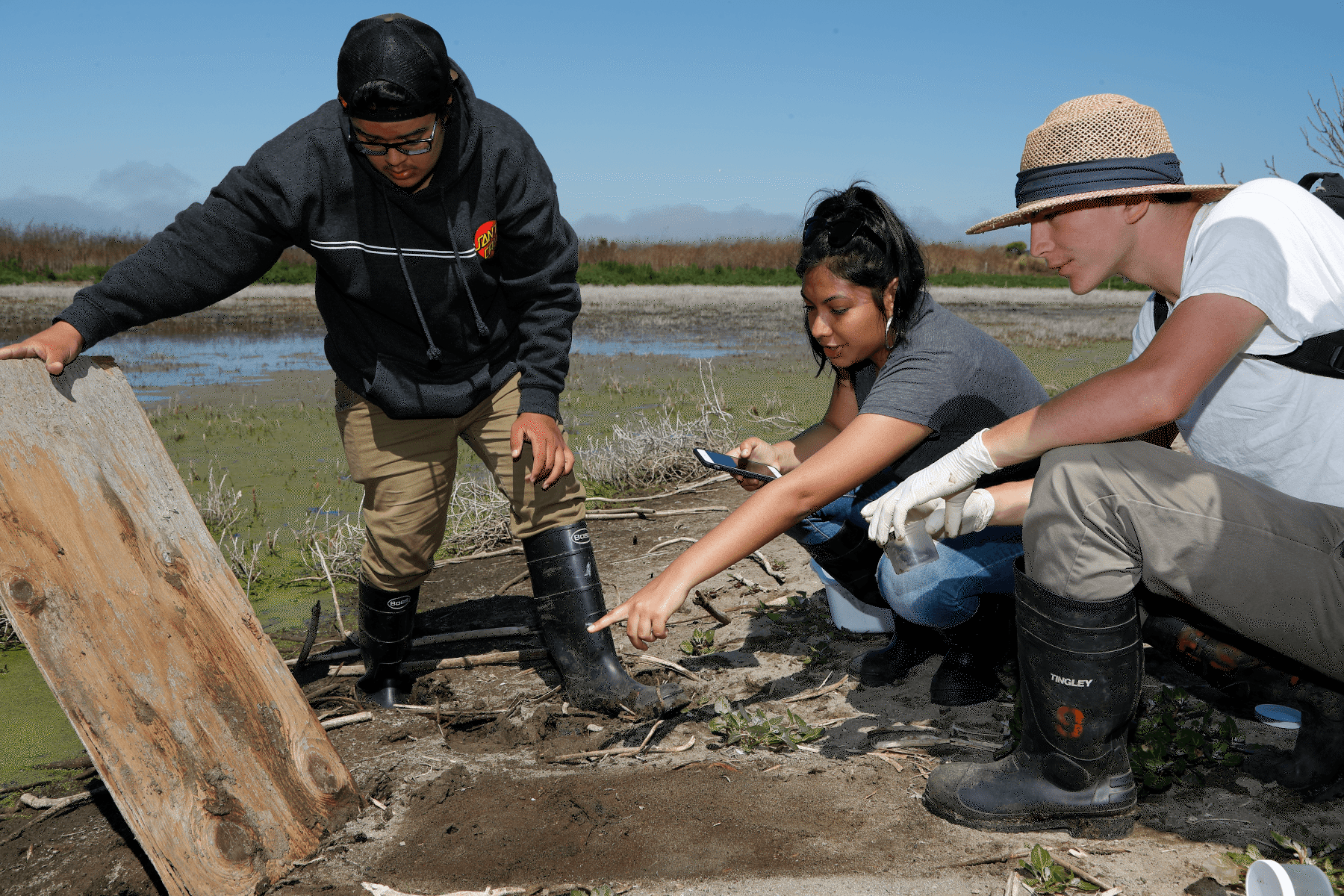
Protect critical habitats
Healthy habitats are essential for wildlife survival—from kelp forests and eelgrass beds to coral reefs and deep-sea ecosystems. Protecting these areas helps maintain biodiversity and ecosystem function.
How you can take action
- Support marine protected areas to safeguard essential wildlife habitats.
- Volunteer with habitat restoration projects in your area.
- Advocate for policies that preserve critical ecosystems.
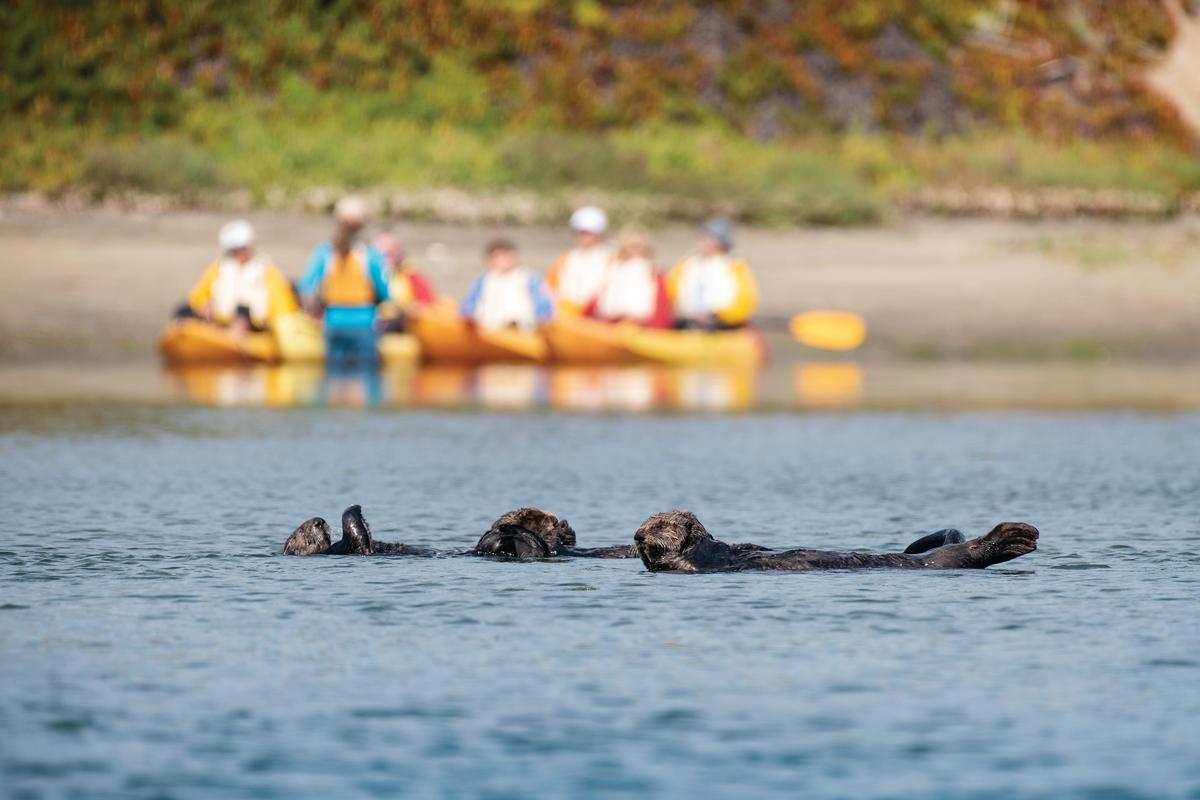
Reduce human-wildlife conflict
Even well-meaning human activity can disturb wildlife. By minimizing interference, you can help species thrive.
How you can take action
- Keep a safe distance from wildlife when on land or at sea.
- Never feed wild animals—it disrupts natural behavior and diets.
- Respect protected areas and seasonal closures for breeding or nesting.
Share your voice
Protecting wildlife requires collective action. Your voice matters in shaping policies, raising awareness, and inspiring others to act.
How you can take action
- Speak up for wildlife-friendly policies at local, state, and national levels.
- Share your knowledge with friends, family, and social networks.
- Sign up for Ocean Action emails to receive alerts about advocacy opportunities.
Be a voice for marine wildlife
Sign up for our quarterly ocean action emails and get inspiring conservation stories, tips on living a sustainable lifestyle, and opportunities to take action to protect the ocean—delivered to your inbox.
Keep exploring
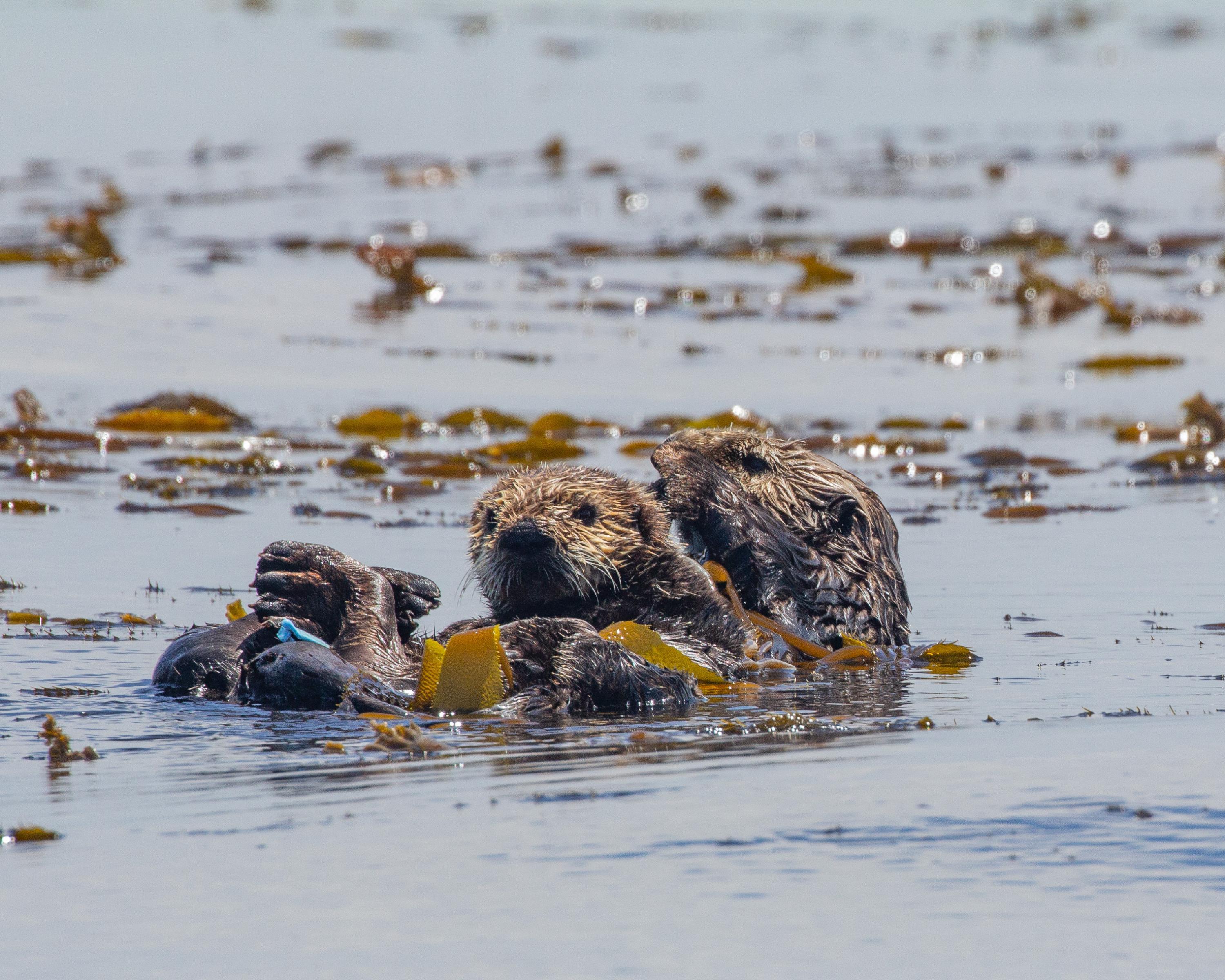
Change & impact
Our conservation work
For more than 40 years, the Aquarium has worked to protect the ocean that shapes our lives.
Read more – Our conservation work
Change & impact
10 simple actions that help protect the ocean
Wondering how to help the ocean? Protecting our ocean starts with simple, everyday actions that add up.
Read more – 10 simple actions that help protect the ocean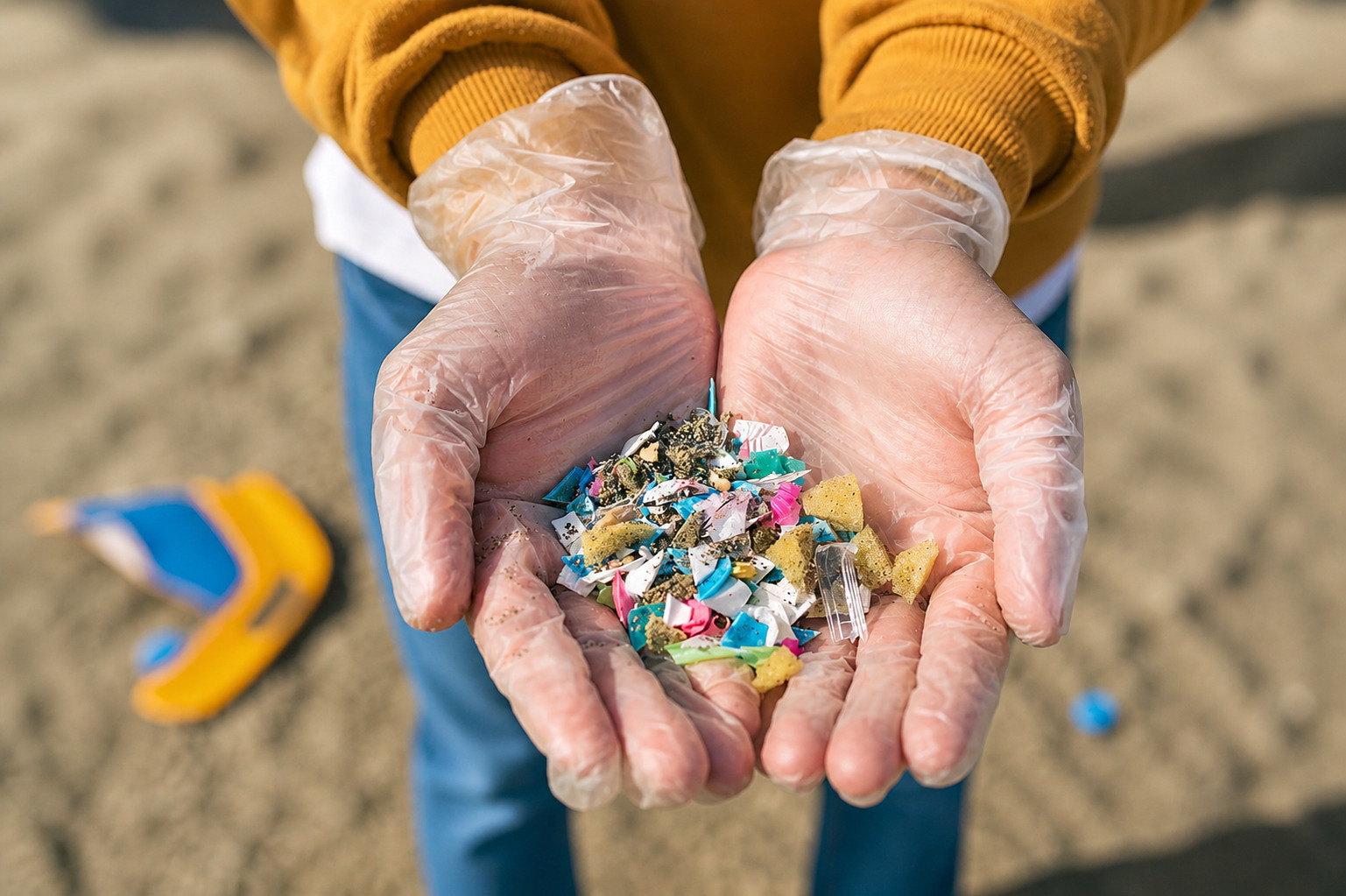
Change & impact
How to reduce plastic pollution
You can reduce plastic pollution by finding ways to recycle, limit exposure, reduce plastic use, and take…
Read more – How to reduce plastic pollution
Change & impact
How to choose sustainable seafood
Use our guides and tools to find ocean-friendly seafood whether you’re shopping, cooking, or dining out.
Explore – How to choose sustainable seafood