
Solutions to climate change
We can work together on solutions that slow the impacts of climate change. In the face of accelerating climate change maintaining hope is essential. Hope fuels the persistence and creativity needed to tackle a problem of this scale, keeping individuals, communities, and governments engaged rather than overwhelmed or apathetic. History shows that large, complex challenges—from public health crises to environmental recoveries—have been met with innovation and collective action when people believed progress was possible. By making small lifestyle changes, we have the power to control the negative impacts of climate change.
Reduce your carbon footprint
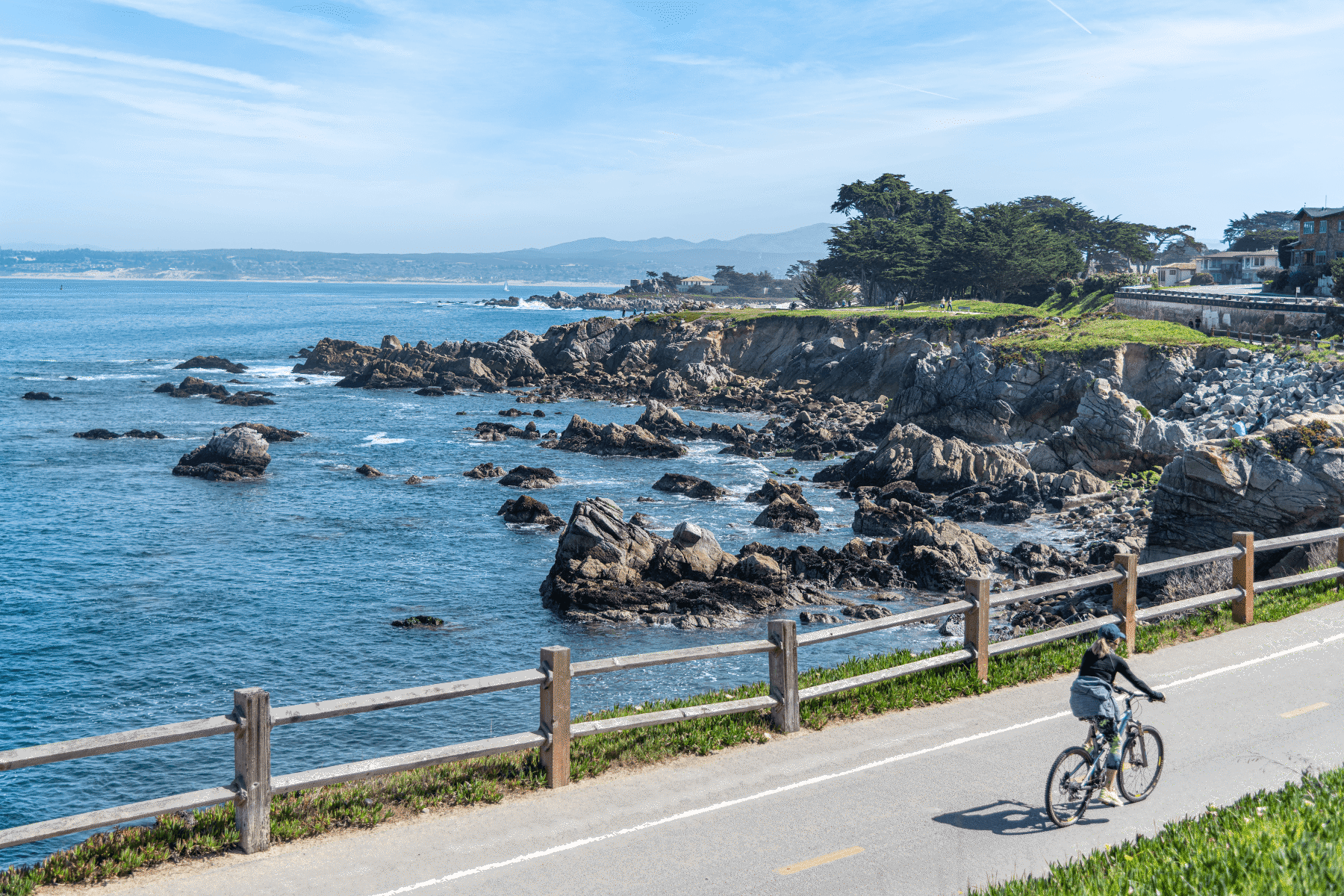
Changing your transportation habits is a great way to reduce your carbon footprint. In the United States, transportation is the single largest source of greenhouse gas emissions.
Ride your bike
Biking reduces carbon emissions because it replaces trips that would otherwise be made by cars, which burn fossil fuels and release carbon dioxide into the atmosphere. Unlike motor vehicles, bicycles produce zero direct emissions and require far less energy and resources to manufacture and maintain. Even short car trips contribute disproportionately to pollution, so choosing to bike instead can significantly cut an individual’s carbon footprint. As more people shift to biking, the overall demand for fuel decreases, leading to lower greenhouse gas emissions and cleaner air.
Take the bus or train
Using public transit like buses and trains helps reduce our carbon footprint by moving many people at once instead of relying on individual cars. This shared transportation model uses less fuel per passenger and results in significantly lower greenhouse gas emissions overall. Modern transit systems are also becoming more energy-efficient, with many incorporating electric or low-emission technologies. By choosing public transit, individuals can help decrease traffic congestion, reduce air pollution, and lower the total demand for fossil fuels in daily transportation.
Carpool
Carpooling is a shore way to make waves in the fight against climate change. By sharing rides, you’re not just going with the flow—you’re cutting down on emissions that would otherwise drift into the atmosphere. Fewer cars on the road means less fuel being burned, so we can all help tide things over for the planet. It’s a fin-tastic way to reduce your carbon footprint while cruising with your crew, proving that when we pool our resources, we can make real change!

Stop buying new “stuff”
Choose well-made reusables over single-use items. Purchase only what you need (secondhand if possible), make it last, and use it up before you buy more. Think about the group settings—like your workplace, school or faith center—where you can help reduce waste and increase reuse and recycling. Tap into the resources in your community, like Buy Nothing groups and secondhand stores, that can help you re-home the things you no longer need and find gently used treasures.
Don't replace, repair
Another big lever is maintenance. Taking care of what you already own—repairing clothes, fixing appliances, cleaning and storing things properly—extends their life and reduces the need to replace them. Learning a few basic repair skills pays off quickly.
Try borrowing instead
Shift from buying to borrowing or sharing whenever possible. Libraries aren’t just for books—they often lend tools, equipment, even seeds. Friends, neighbors, or community groups can fill gaps without adding new stuff into the world. When you do need something, try secondhand first—thrift stores, online marketplaces, or local swap groups keep items in circulation.
Buy used
Buying used items helps reduce carbon emissions because it extends the life of products that have already been manufactured, avoiding the need for new production. Making new goods requires raw materials, energy, and transportation—all of which generate greenhouse gases. By choosing secondhand, you cut down on demand for these resource-intensive processes and keep usable items out of landfills, where they can contribute to additional emissions. In this way, buying used is a simple but effective way to lower your environmental impact.
Protect our wetlands
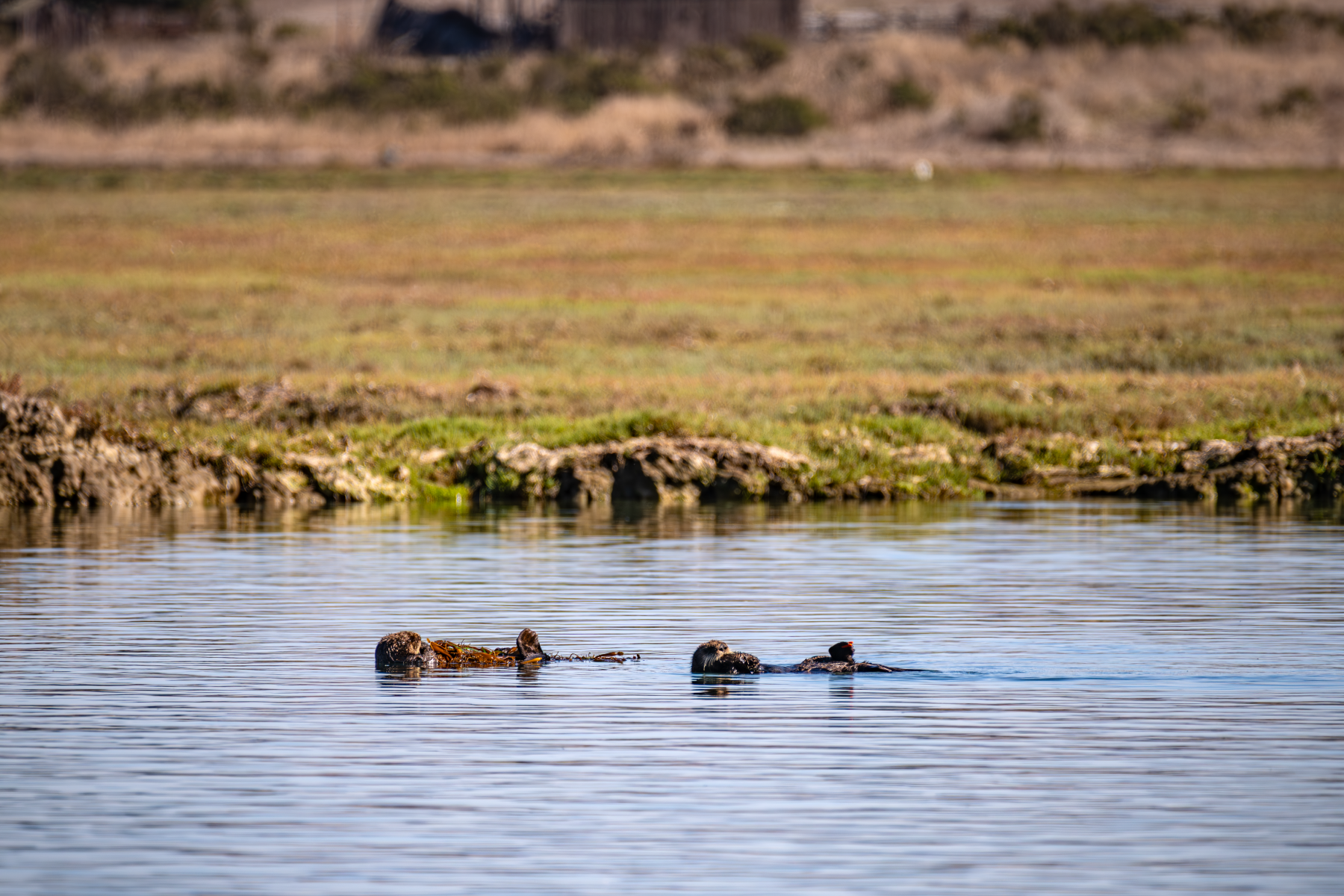
Mangroves, seagrasses and wetlands—sometimes called “blue carbon” ecosystems—act as carbon sinks, absorbing carbon dioxide and storing it below ground. Restoring blue carbon ecosystems is an important climate solution. Together we can protect and restore our critical ecosystems. Restoring tidal marshes, mangroves, and more is one way we can address climate change. There are many organizations that focus on replanting and nursing destroyed or degraded wetlands. Get involved in a local initiative or research “blue-carbon” activities.
Volunteer for a local restoration project
Wetlands are powerful natural carbon sinks that absorb and store large amounts of carbon dioxide. By supporting restoration and conservation efforts, volunteers help maintain the health of these ecosystems so they can continue filtering pollutants, buffering against floods, and protecting biodiversity. Healthy wetlands also improve water quality and resilience to extreme weather, making them a critical frontline defense in a changing climate. Contributing your time to these areas directly supports environmental stability and long-term climate solutions.
Find a wetland near you
The U.S. Fish and Wildlife Service has a data mapper that shows American wetland and deepwater habitats, as well as monitor changes in these habitats through time. Places like Elkhorn Slough Reserve— one of the most important wetland ecosystems on the West Coast—regularly hosts opportunities focused on habitat restoration and conservation.
Back climate leaders
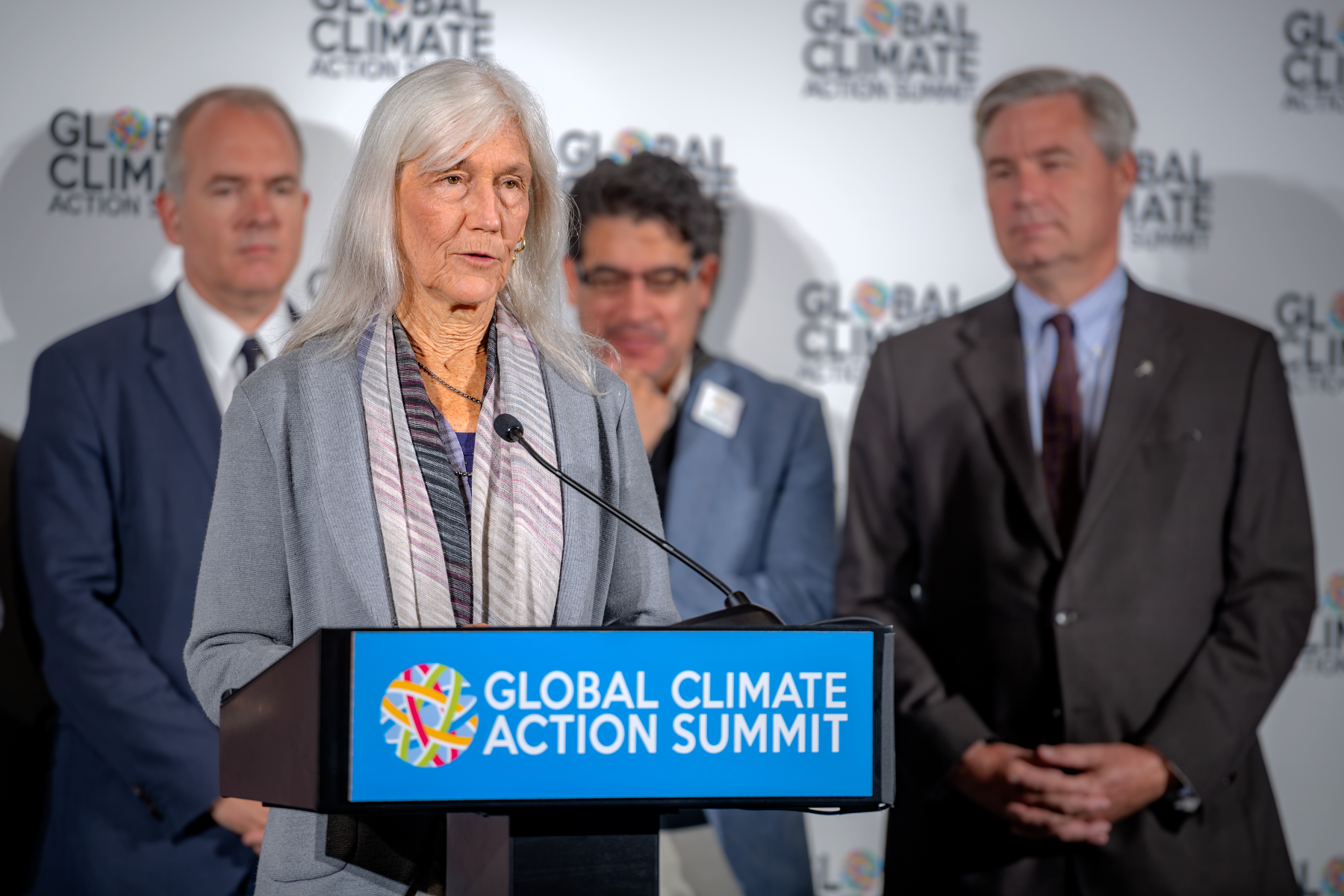
Who are your elected leaders and what are they doing to help address climate change? Tell candidates for public office, from your city council to U.S. president, that climate change is important to you. Local, state and global leaders are creating policies designed to reduce greenhouse gas emissions and protect ocean habitats and communities from the impacts of climate change. Speaking up on local issues is a great way to become a climate leader in your community—from volunteering in your neighborhood park group, to applying for a seat on a city commission, to running for elected office.
Find candidates concerned about climate
If you’re looking to find politicians who prioritize climate action, there are several helpful resources you can explore: the League of Conservation Voters Scorecard lets you see how elected officials actually vote on environmental issues, while Climate Cabinet highlights candidates—especially at the local level—who are committed to strong climate policies. You can also check out Climate Mayors to see city leaders actively working on climate solutions, and use the State Climate Policy Dashboard to connect policies to the politicians supporting them. For direct engagement and advocacy, Citizens’ Climate Lobby helps you identify and communicate with representatives who are open to climate solutions.

Avoid single-use plastic
Millions of tons of plastic trash litter our coastlines and ocean, from the surface to the deep sea. Avoid single-use plastic and take part in coastal cleanups to keep plastic from polluting our ocean. One of the most important things consumers and businesses can do is to reduce their own plastic consumption. Avoid plastic consumption yourself and vote for government policies that restrict certain types of single-use plastic in favor of reusable alternatives to help accelerate the transition away from single-use plastic.
- Switch to reusable items (like carrying a refillable water bottle, coffee cup, and shopping bags instead of relying on single-use plastics)
- Buy bulk to reduce packaging
- Replace common plastic household items with longer-lasting alternatives

Eat sustainably
Choose sustainable seafood and help protect the ocean food web. Support marine protected areas to preserve critical habitats and sustain the diversity of marine life. Seafood Watch makes it easy to find seafood that is good for us to eat and our ocean! You can get updates on our sustainable seafood ratings by checking out our seafood guides. Choosing sustainable seafood helps our fisheries around the world stay plentiful and thrive!
Cook using sustainable seafood
Choosing sustainable seafood helps protect ocean ecosystems by ensuring that fish and other marine species are harvested at rates that allow populations to recover and thrive. It also supports fishing practices that minimize damage to habitats and reduce bycatch, which is the unintentional capture of other marine life like turtles and dolphins. By making more responsible seafood choices, consumers can help maintain biodiversity, support healthier oceans, and encourage the fishing industry to adopt practices that safeguard marine environments for the future.
Find a restaurant that serves sustainable seafood
The Monterey Bay Aquarium’s Seafood Watch Best Choice Restaurant Program makes it easy to find restaurants that are committed to serving environmentally responsible seafood. Restaurants in the program follow science-based recommendations to source seafood that is sustainably caught or farmed, helping to protect ocean ecosystems and reduce overfishing. By choosing to dine at these establishments, consumers can feel confident that their meals support healthier oceans while also encouraging more businesses to adopt sustainable practices. This program takes the guesswork out of responsible dining and empowers people to make choices that align with ocean conservation.
Keep exploring
Animals & the ocean
Causes of climate change
Learn the causes of climate change and take hopeful action—discover how you can help.
Read more – Causes of climate change
Animals & the ocean
Impacts of climate change on our ocean
Holy Mackerel! The ocean has absorbed more than 90 percent of the extra heat caused by our greenhouse gas emi…
Read more – Impacts of climate change on our ocean
Animals & the ocean
FAQs about offshore wind development off of California
Over the past four years, the U.S. federal government and the State of California have set ambitious goals fo…
Read more – FAQs about offshore wind development off of California