
Fishing & farming seafood
How we fish and farm seafood shapes the health of our ocean. Understand the impacts of seafood production and solutions for making it more sustainable.
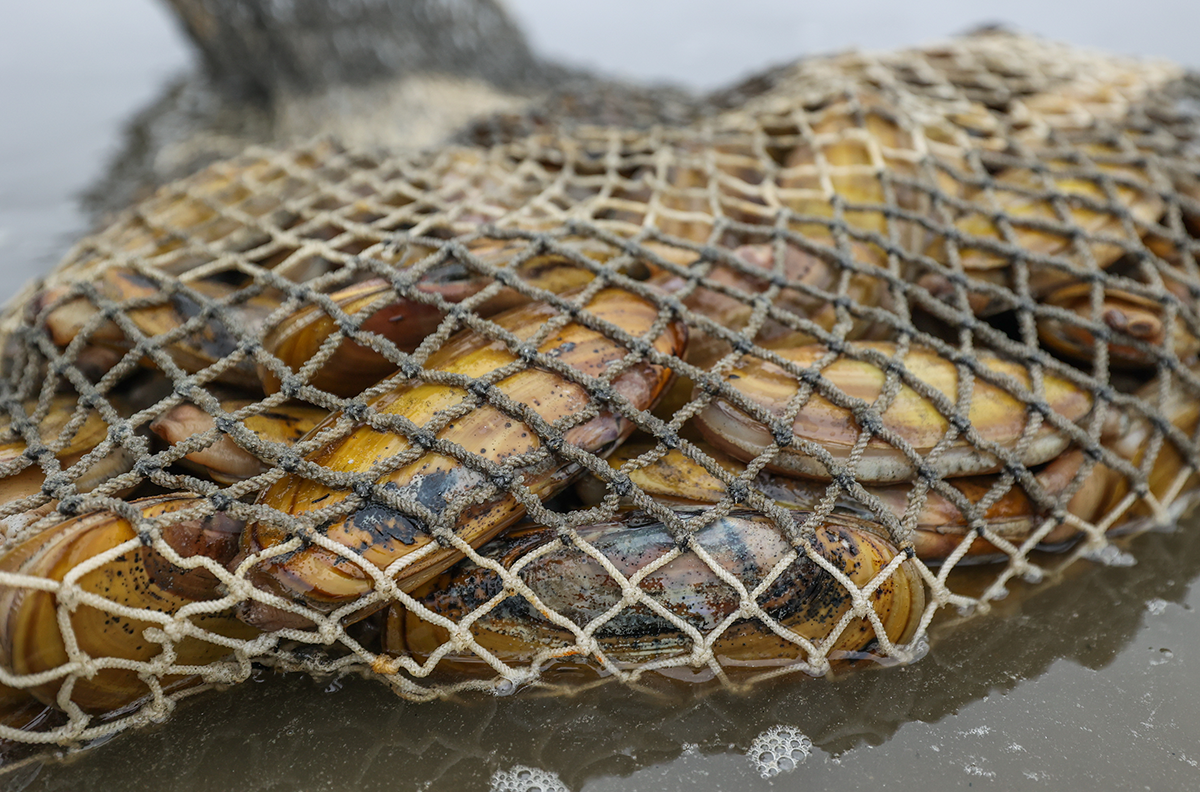
The health of our ocean depends on how we catch and farm seafood
Fishing and farming methods vary widely in how much they impact the environment and wildlife. The most destructive methods can cause lasting damage, while others are designed to minimize their impact on wildlife, waterways, and habitats. When you choose sustainable seafood, you support the fishermen and farmers who use less harmful methods and follow best practices.
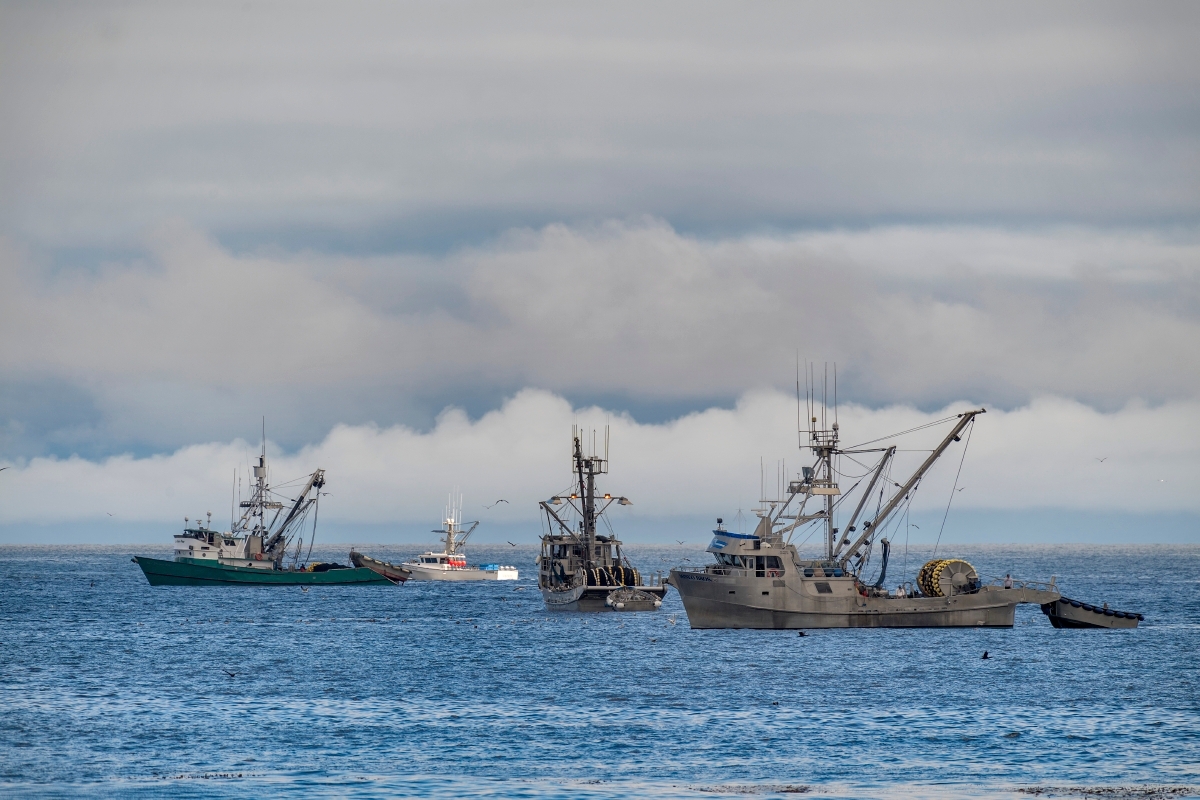
Seafood demand is putting our ocean under pressure
Three billion people around the world rely on seafood as a major source of protein, and we need more every year. To meet this demand, we’re harvesting more seafood in ways that harm the ocean and marine life. Fish populations are shrinking. Sensitive habitats are being damaged. Waters are getting polluted. While there are many challenges, there are also solutions—we can feed the world today while protecting our ocean for tomorrow.
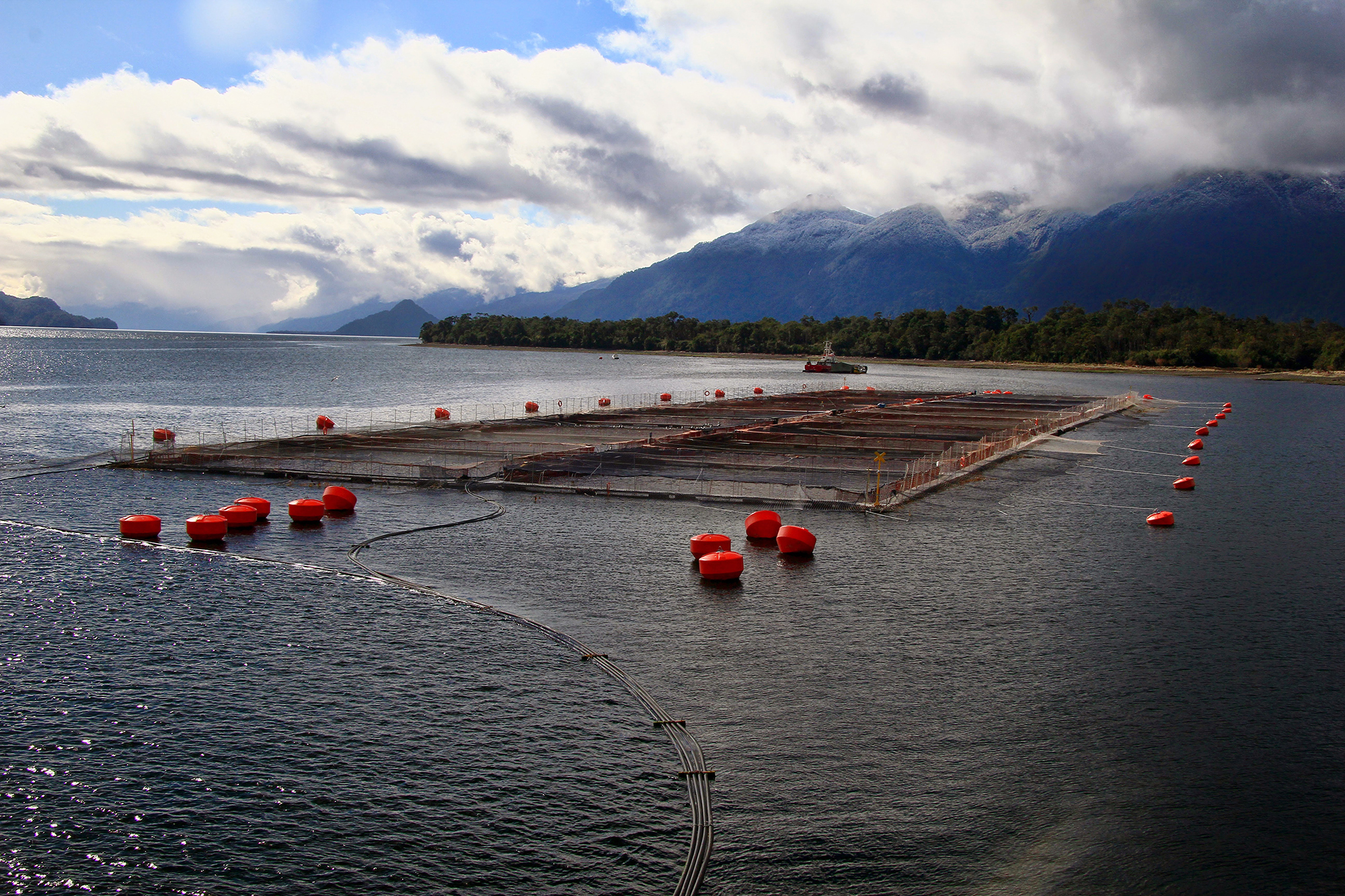
Farming more seafood means less pressure on our ocean
Did you know that more than half of the seafood you eat comes from a fish farm? Fish farming—also called aquaculture—helps take pressure off wild fish populations. When done in an environmentally responsible way, fish farming can help feed our growing world population while keeping the ocean healthy.
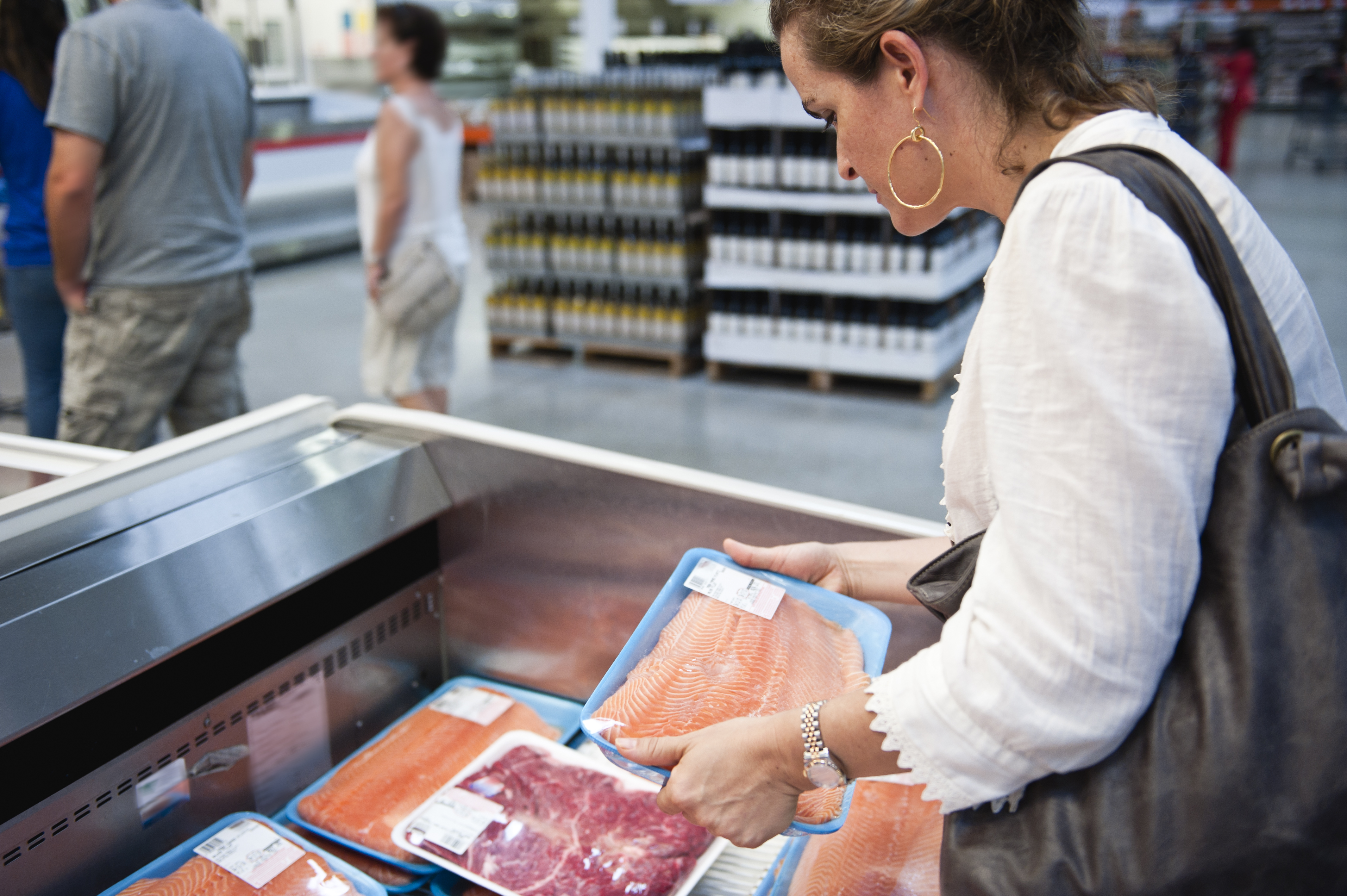
Choosing sustainable seafood starts with knowing where it comes from
Should you buy wild-caught or farmed seafood? Domestic or imported? Dig into the basics of where seafood comes from. You may be surprised by how understanding the sources of seafood can influence your choices.
Change & impact
How to choose sustainable seafood
Use our guides and tools to find ocean-friendly seafood whether you’re shopping, cooking, or dining out.