

Drilling for offshore oil and gas is a dirty and dangerous process from beginning to end. From seismic surveying and building infrastructure to drilling and transporting oil and gas, every step disrupts ocean wildlife and harms the fragile systems that keep the ocean healthy. The Monterey Bay Aquarium strongly opposes this federal plan to reopen U.S. waters to offshore drilling.
On February 27, the Bureau of Ocean Energy Management (BOEM) announced their notice of intent to prepare a programmatic environmental impact statement for the Northern, Central, and Southern California Planning Areas launching a new 30-day public comment period that will close on March 30. This comment period is related to but separate from BOEM's ongoing development of the 11th National Outer Continental Shelf Oil and Gas Leasing Program, which received public comments from November 24, 2025 to January 23, 2026. That proposed program for oil and gas lease sales in federal waters off California, the Gulf of Mexico, Alaska, and the Arctic Ocean is not finalized.
This new comment period is another move by the federal government to expedite the process to expand offshore drilling off the California coast. What once felt impossible—new offshore oil and gas drilling off California—is now a real and urgent threat. Despite overwhelming public opposition, lease sales could begin as early as next year. Using your voice is important now and will continue to be needed throughout this Oil and Gas Leasing Program process.
Offshore drilling risks and impacts
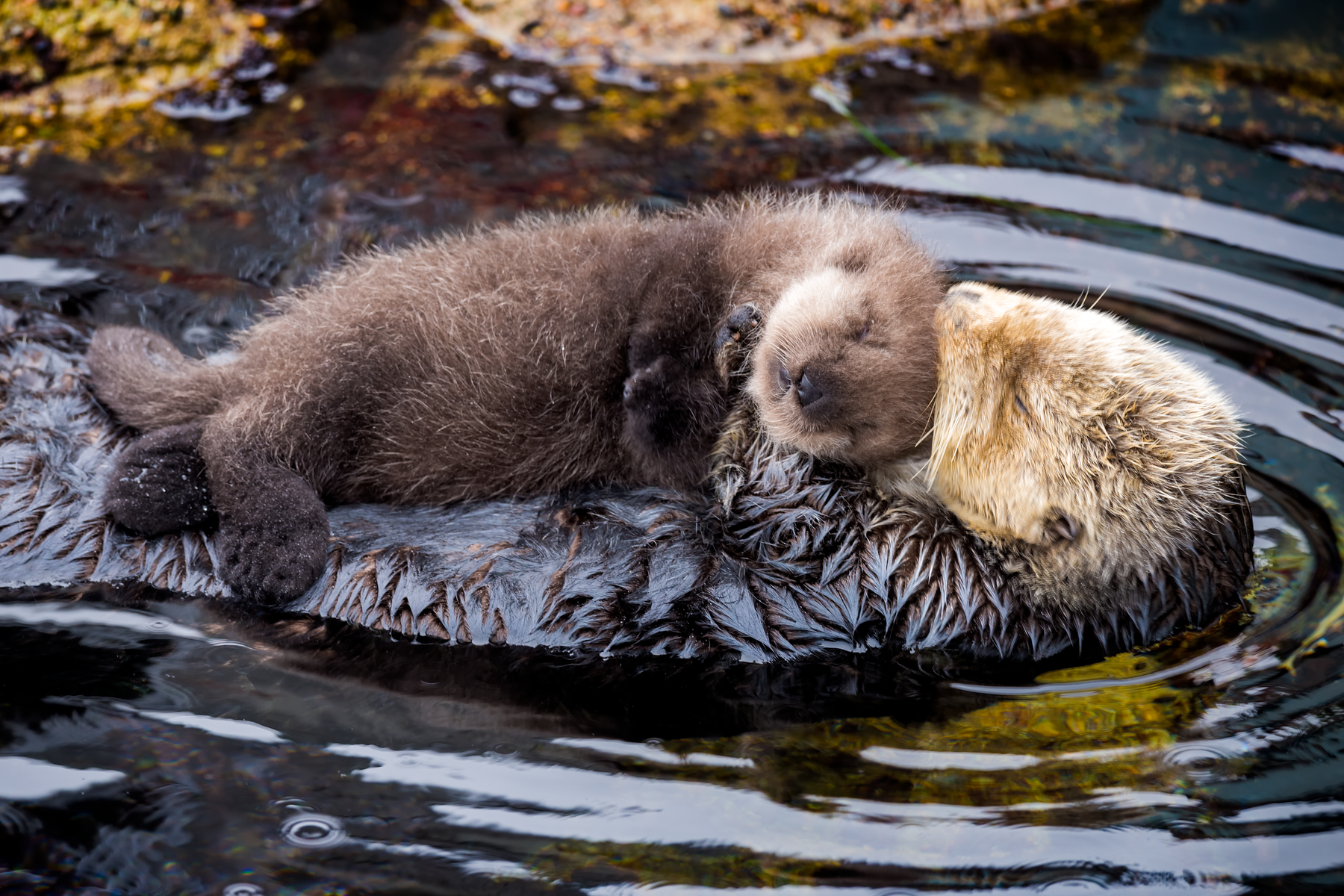
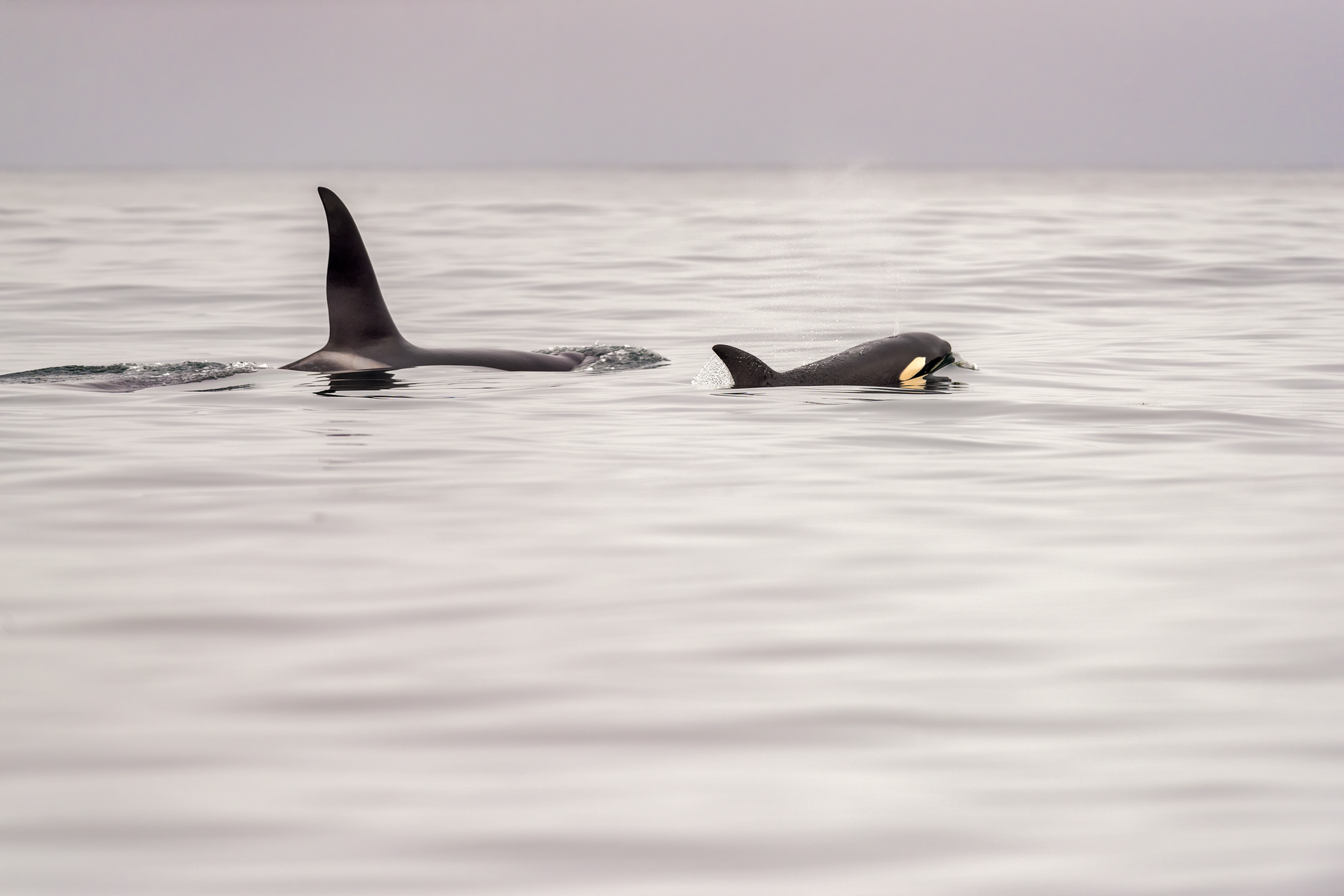
Seismic surveying and drilling can cause hearing damage, hearing loss, changes in basic behaviors like feeding, and long-term stress for many species. These impacts can occur hundreds of miles away from where the drilling and surveying happen. New offshore drilling also increases the risk of oil spills, making them more frequent and more severe. For coastal communities, businesses, and habitats that are still recovering from spills like the 2015 Plains Pipeline rupture, the threat of new drilling is overwhelming.
The harms of oil and gas drilling don't stop at the ocean or the coast. When oil is brought onshore for processing, refineries continue the cycle of pollution by releasing harmful emissions into the air. This pollution affects the health of nearby communities, which are often low-income communities or communities of color. Emissions from the oil and gas industry also contribute significantly to climate change.
About the five-year plan
The Bureau of Ocean Energy Management (BOEM) is part of the U.S. Department of the Interior. BOEM oversees lease sales for offshore oil and gas drilling in federal waters.
Under the leadership of Trump-appointed Secretary of the Interior Doug Burgum, BOEM released a proposal that includes possible offshore drilling lease sales along the entire California coast, in Arctic waters near Alaska, and in parts of the Gulf of Mexico starting in 2026.
New offshore drilling serves only to pay oil and gas companies, exacerbate the impacts of climate change, and leave delicate ocean systems vulnerable to devastating oil spills.
Learn more about BOEM's National Outer Continental Shelf Oil and Gas Leasing Program
Be a voice for the ocean
Sign up for our quarterly ocean action emails and get inspiring conservation stories, tips on living a sustainable lifestyle, and opportunities to take action to protect the ocean—delivered to your inbox.
Keep exploring
Story
Reducing plastic packaging: How partnerships help keep plastic out of the ocean
We work with partners to reimagine processes and packaging to reduce ocean-bound plastic and protect ocean…
Read story – Reducing plastic packaging: How partnerships help keep plastic out of the ocean
Story
What it's like to do scuba diver training at Monterey Bay Aquarium
From rigorous swim evaluations, medical examinations, First Aid certification courses, online learning classe…
Read story – What it's like to do scuba diver training at Monterey Bay Aquarium
Story
Nature is queer
We’re excited to sea-lebrate the queerness of nature!
Read story – Nature is queer