

Kelp forest resilience & recovery research
Reviving California’s underwater forests through science, innovation, and community partnership.
Overview
Kelp forests are some of the most productive and majestic ecosystems on Earth—supporting fish, invertebrates, marine mammals, and the coastal communities that rely on them. They also play a critical role in boosting the resilience of our coast to the effects of climate change. But these ecosystems are in trouble—we must take action to protect and restore them not only for the sake of the wildlife living there, but also for the benefit of human health and well-being. Our research has shown that places with intact, thriving kelp forest communities have a better chance of persisting through marine heatwaves—periods of high water temperatures that can kill many marine organisms.
The goal of our kelp forest research is to understand the factors that contribute to thriving kelp forests along California’s coastline. By bringing together scientists, divers, community partners, and policy experts to evaluate recovery strategies, we aim to fill research gaps and develop evidence-based tools to increase kelp forest resilience to climate change and multiple human stressors, and to recover lost or degraded kelp forests. This program is still expanding, and we’re actively building evidence, protocols, and partnerships that will shape kelp forest research and recovery practices for years to come.
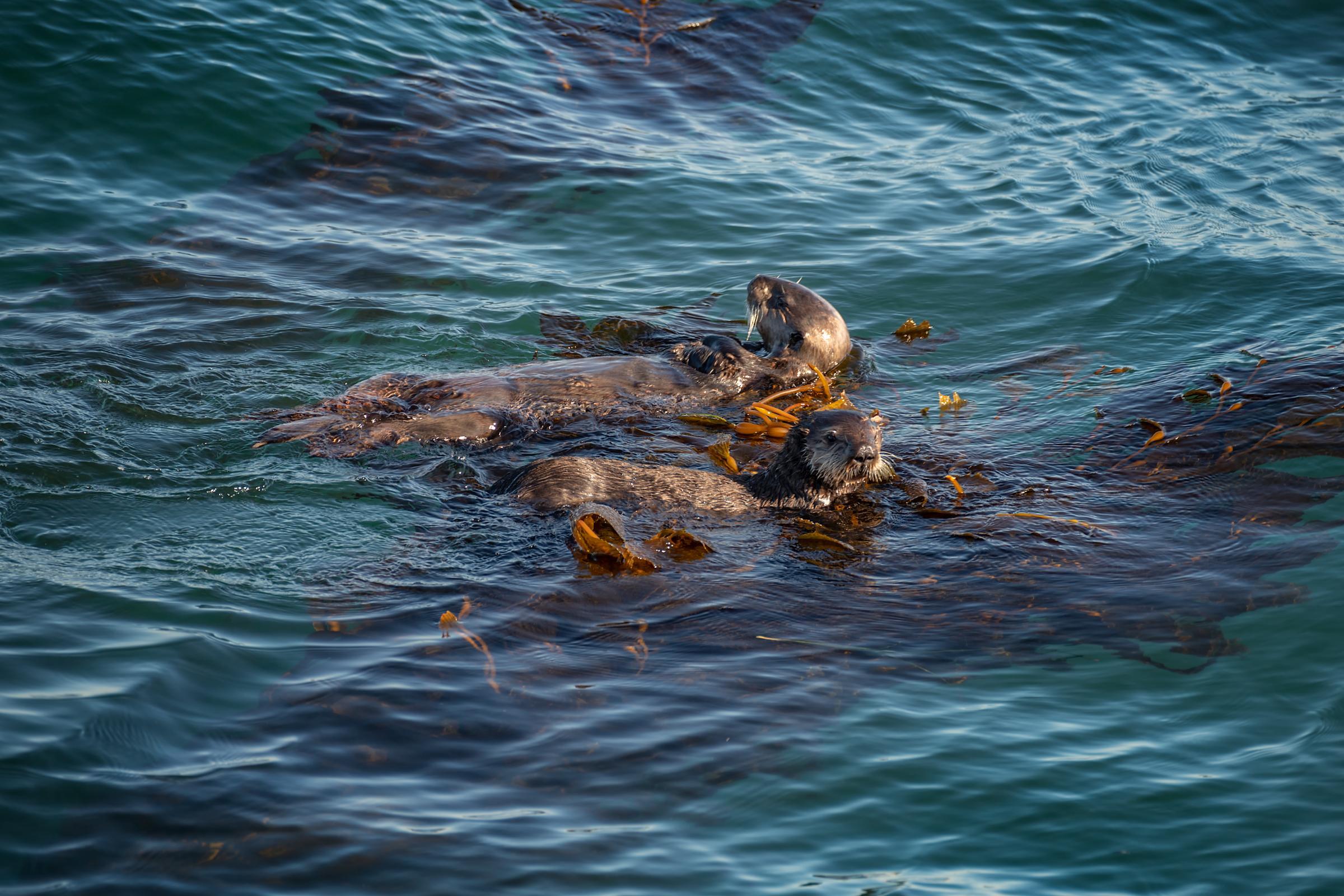
As part of our Coastal Ecosystems Research program, which includes research in both estuaries and kelp forests, we also focus on understanding the role of sea otters and other natural predators in supporting resilient coasts. As a keystone predator, sea otters regulate populations of invertebrates, which supports a balanced ecosystem.
Program highlights
- Addressing key gaps in understanding how kelp forests contribute to climate resilience and biodiversity, and how declined kelp forests can be recovered.
- Supporting science-driven kelp recovery strategies based on the best available data and expertise.
- Developing evidence-based tools for kelp conservation and recovery on the West Coast and beyond.
- Collaborating and co-creating with partners on local, regional, and global kelp research and recovery projects.

Our goals and approach
Our goals
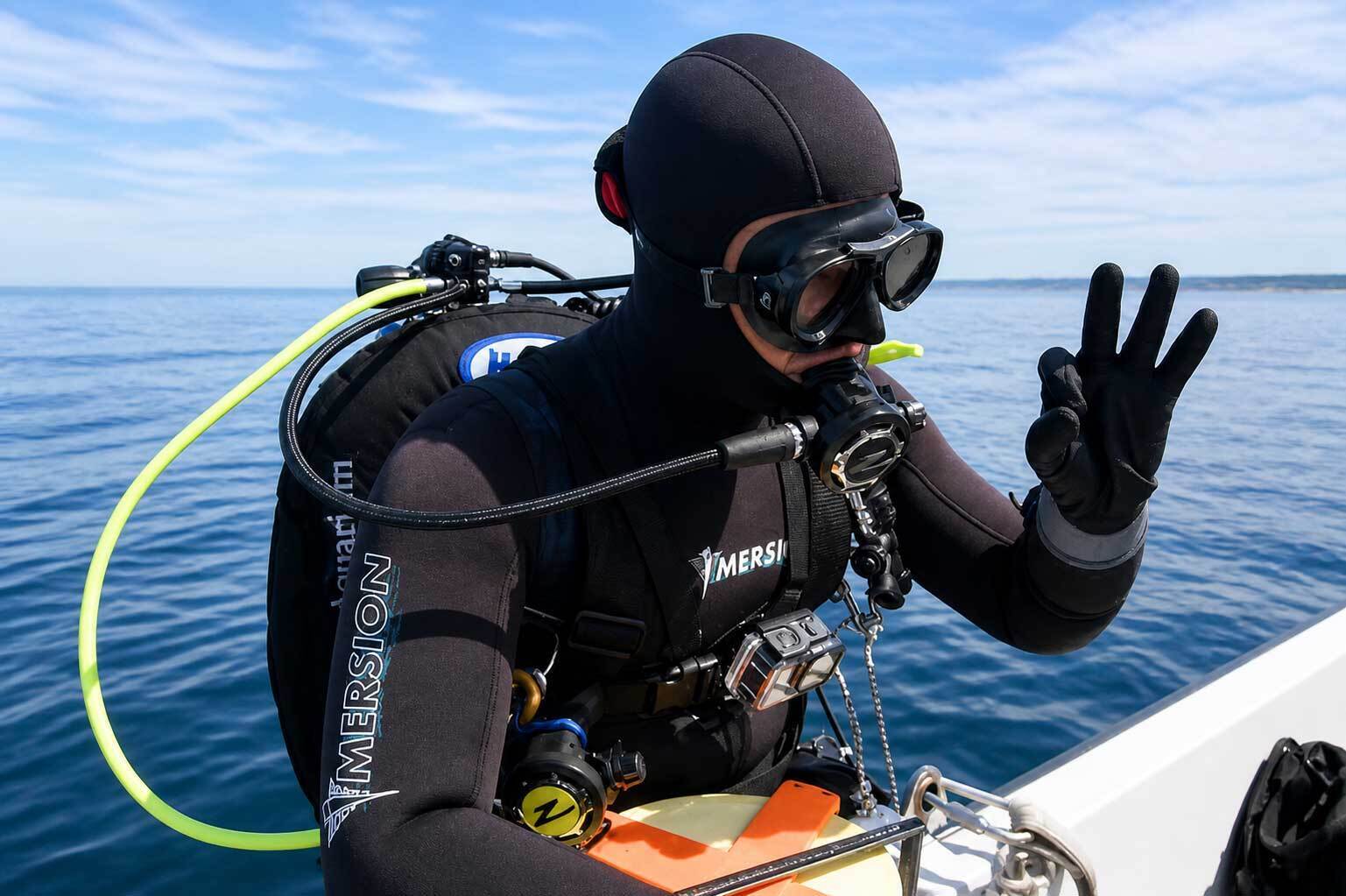
- Understand what drives kelp forest decline, persistence, and natural recovery along the California coast.
- Develop science-based strategies for kelp recovery that minimize the risk of unintended negative consequences and can be scaled across regions.
- Support biodiversity and ecosystem function through kelp recovery.
- Share tools, data, and best practices with partners and practitioners.
- Engage communities in kelp research, monitoring, stewardship, and education.
- Understand the conditions conducive to the natural recovery of forests, and how human intervention might accelerate natural recovery.
How we work
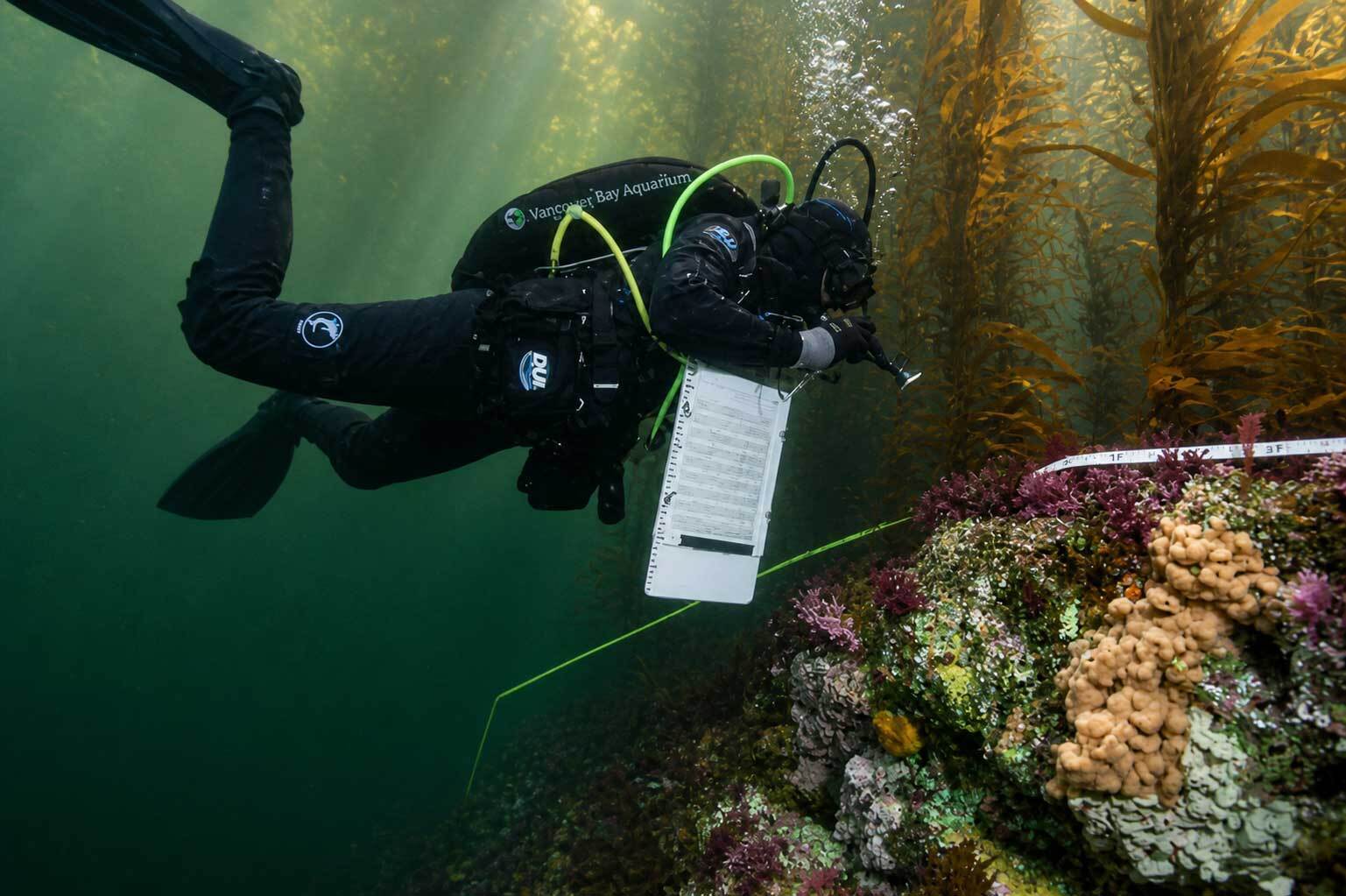
Our approach blends science, fieldwork, and collaboration:
- Innovative research: Using proven tools and technologies to understand the drivers of kelp forest degradation, natural recovery, and resilience.
- Monitoring: Using divers and remote sensing to track the density and distribution of canopy-forming kelp, and the animals that rely on kelp, over time.
- Field research: Testing conservation and recovery approaches and methods—including urchin management and habitat assessments—in partnership with state agencies, researchers, and universities.
- Partnerships: Working closely with local Indigenous Tribes, community groups, state and federal institutions (California Department of Fish and Wildlife, Monterey Bay National Marine Sanctuary) and conservation organizations to align recovery and restoration strategies with local needs.
Where we work
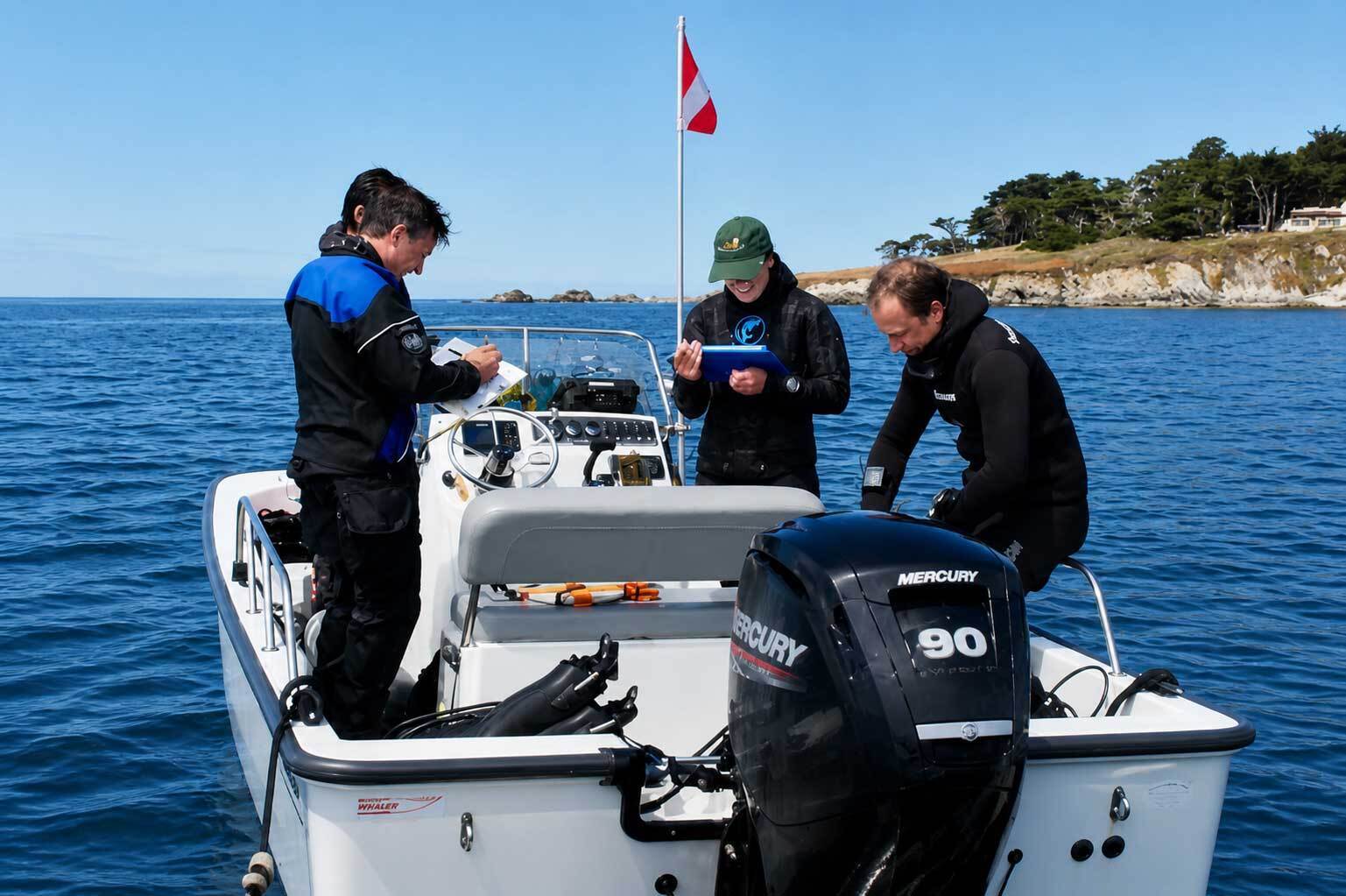
Our research is conducted at sites along the Central and Northern California coasts. We also participate in collaborative projects with regional partners throughout the West Coast of North America, and internationally where canopy-forming kelp recovery is taking place (e.g. Australia).

Why it matters
Kelp forests are vital underwater ecosystems: they shelter and feed an incredible diversity of marine life, produce oxygen, protect shorelines, and support coastal economies. But many regions have seen swift and catastrophic kelp loss, with cascading impacts on fisheries, wildlife, and ocean health.
While our program is relatively new, it builds on decades of kelp forest science from Aquarium researchers and partners.
58
underwater sites surveyed in 2025
4020
urchins collected for studies
7
scientific diving interns trained
14
volunteers supporting monitoring efforts
3
years of ongoing field research

Our findings
- We’ve identified ecological conditions that support kelp recovery, as well as those that maintain urchin barrens.
- Sea urchin behavior, not just density, is key to recovering kelp forests. Passive sea urchin foraging behaviors coupled with early kelp recruitment can initiate kelp forest recovery.
- Southern sea otter populations are associated with more persistent and resilient kelp forests over long time scales.
- The presence of southern sea otters increases in recovering kelp forests, and may both accelerate and stabilize early recovery through predation effects on sea urchins.
- Our research informs where recovery efforts could be prioritized for ecological impact and which approaches are likely to meet recovery goals in a given area. How predator protection and recovery can be integrated into conservation strategies for kelp forest systems, including the species recovery plan for threatened Southern sea otters.
Restoring coastal ecosystems
Following a successful 2-year pilot program, we are continuing and expanding our work. Dr. Anita Giraldo Ospina has joined our staff as a full-time principal investigator for our Coastal Ecology Research Program. Anita will develop a portfolio of research to support the resilience and recovery of estuaries and kelp forests. As the program grows, we’ll track long-term ecological outcomes and help identify scalable solutions for the resilience and recovery of coastal ecosystems on the West Coast and beyond.

Stories from the field
Story
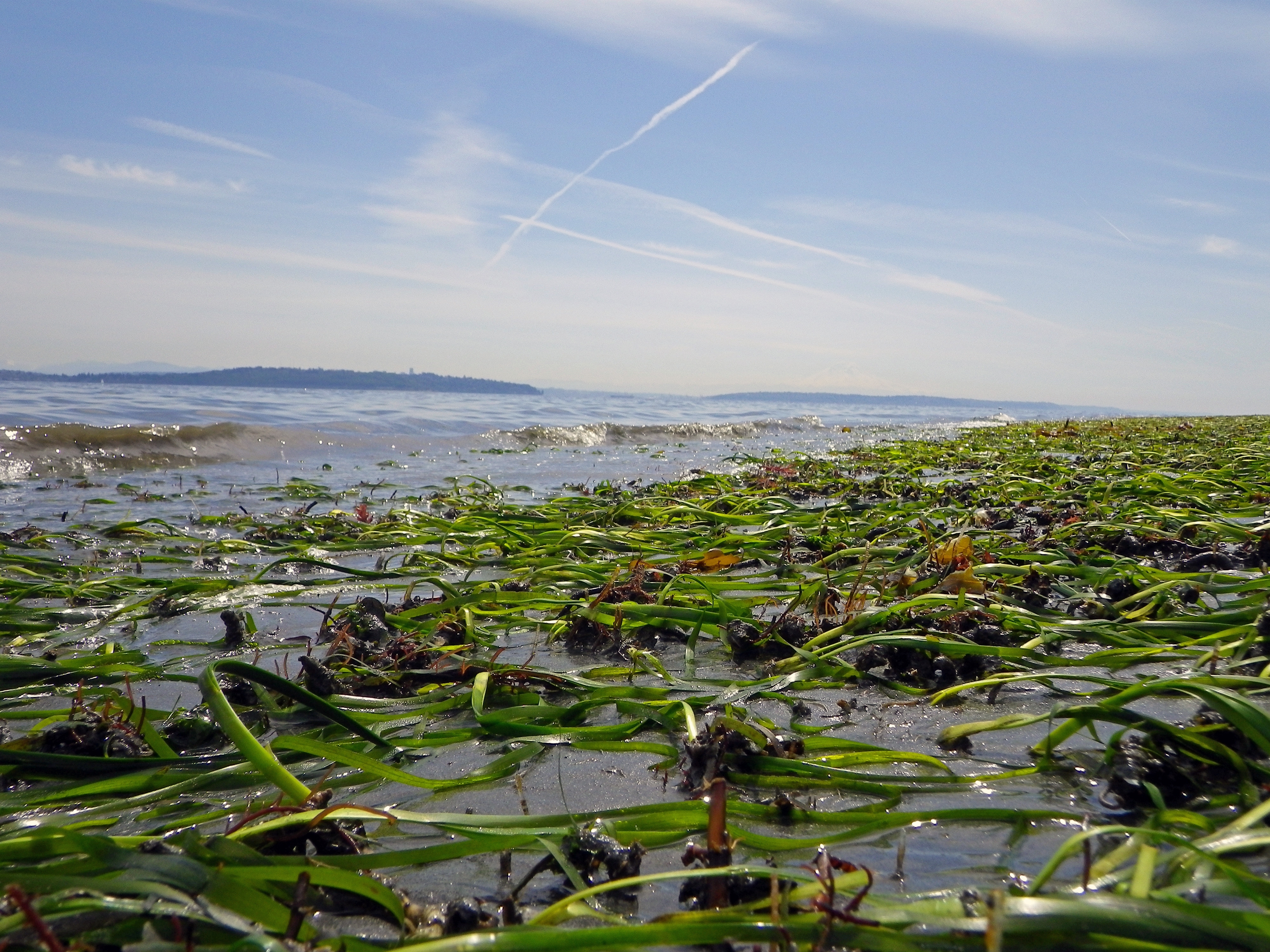
Algae and seagrasses buffer against the effects of climate change
Can eelgrass gardens and kelp forests protect wildlife from climate change’s worst impacts?
Read story – Algae and seagrasses buffer against the effects of climate change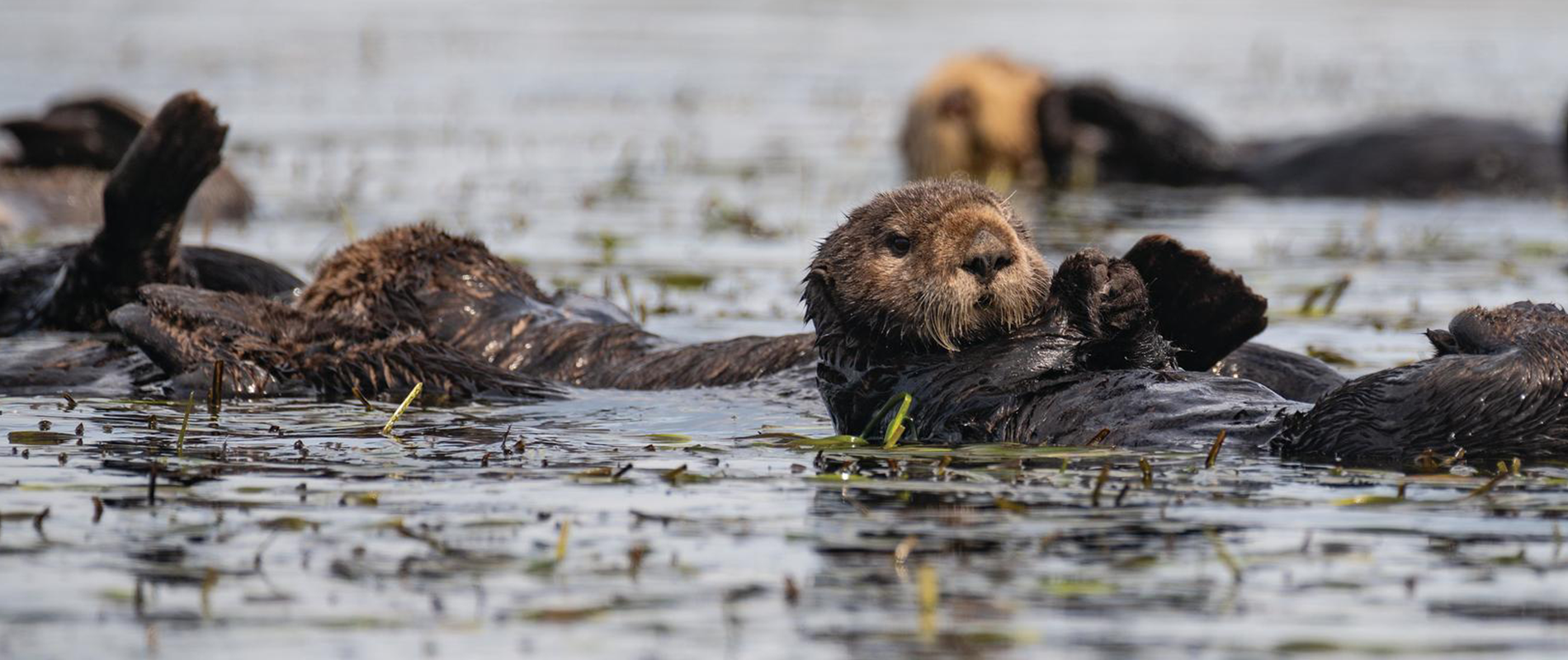
Story
Sea otters: these furry climate heroes protect our ocean
Sea otters protect kelp and fight climate change. Let’s save these furry friends by cutting emissions.
Read story – Sea otters: these furry climate heroes protect our ocean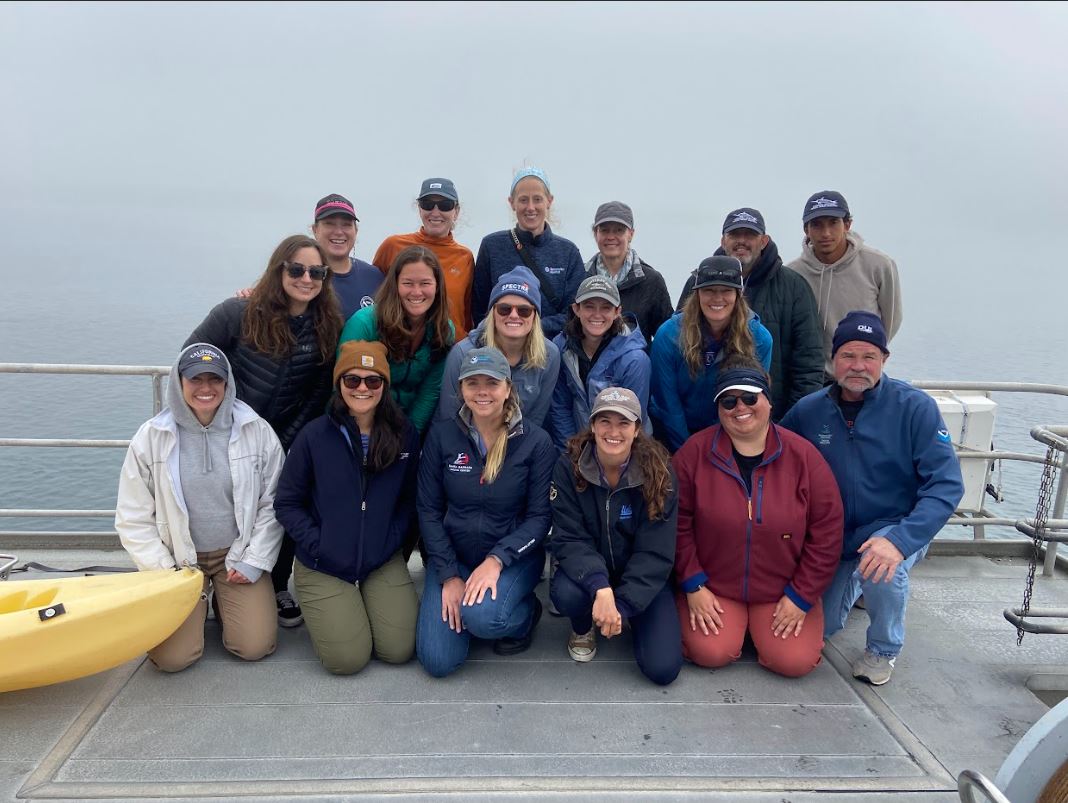
Story
Putting the "sea" in policy
Aquarium staff set sail to learn about research in the proposed Chumash Heritage sanctuary.
Read story – Putting the "sea" in policyHow you can help
- Learn more about kelp forests through our exhibits, videos, and blogs.
- Volunteer with our research team and community science partners.
- Advocate for climate and coastal policies that support kelp recovery.
- Become a member to sustain long-term conservation science.
Resilient kelp forests are essential to life in the ocean—and your support can help restore them.
Support us
Donate to support field research, restoration tools, and monitoring
Resilient kelp forests are essential to life in the ocean—and your support can help restore them.
Contact
For research inquiries, partnership opportunities or media requests, please contact our Conservation and Science department at conscience@mbayaq.org.
Dive deeper into our local conservation work
Story
Reducing plastic packaging: How partnerships help keep plastic out of the ocean
We work with partners to reimagine processes and packaging to reduce ocean-bound plastic and protect ocean…
Read story – Reducing plastic packaging: How partnerships help keep plastic out of the ocean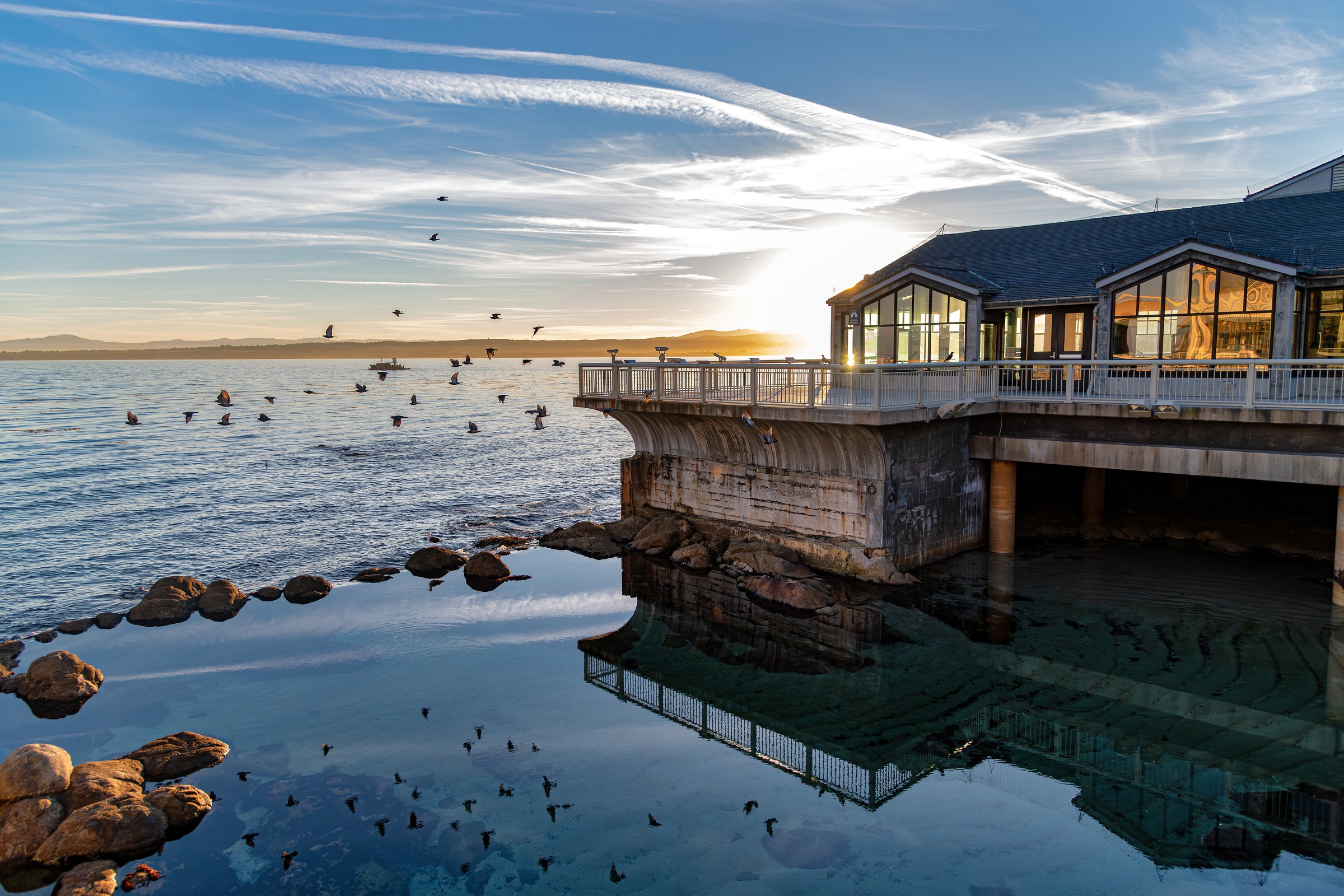
Change & impact
Sustainability at the Aquarium
Learn about our sustainability commitments at the Aquarium.
Read more – Sustainability at the Aquarium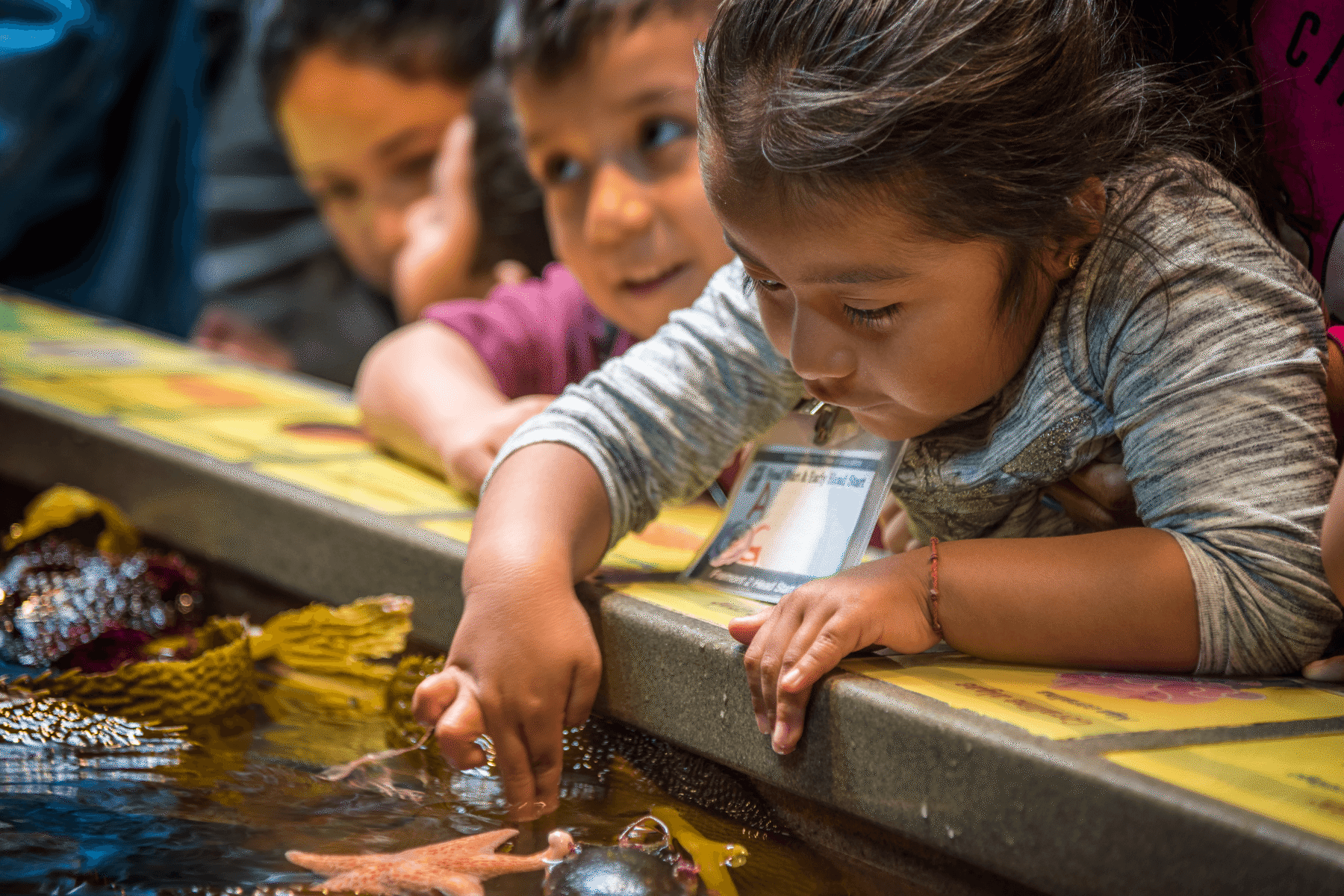
Change & impact
Ocean education programs
See how hands-on, inclusive learning inspires the next generation of ocean stewards.
Read more – Ocean education programs