

Sustainability at the Aquarium
The Aquarium is swimming toward net-zero emissions and waste by 2035.
Overview
Monterey Bay Aquarium is committed to reaching net-zero emissions and waste across our campus by 2035. We’re reducing emissions, diverting waste, and inspiring our staff, members, and guests to take meaningful action for a healthier planet. These ambitious goals drive us forward, making us a leader in ocean conservation and the fight against climate change and the fight against climate change.

By the numbers
100% wind and solar power since 2018
100% of gift shop plush made from recycled materials
Single-use plastics eliminated from cafes and restaurants

What do net-zero emissions and waste mean?
Net-zero emissions mean balancing the greenhouse gases we emit with those we remove. Think of it like filling a bathtub with the drain open—as long as water flows in at the same rate it drains out, the level stays the same. Our first priority is to reduce our emissions as much as possible. We're constantly exploring new ways to reduce emissions, but for now, some are still necessary to keep our aquarium running smoothly. For the emissions we produce, we’re committed to removing an equal amount through tree planting, wetland restoration, and other innovative carbon capture efforts.
Net-zero waste means creating a system where almost everything gets reused, recycled, composted, repaired, or donated, with very little ending up in the landfill. It doesn’t mean producing zero trash, but rather making sure that everything we bring in gets used completely or turned into something new. Just like our net-zero emissions goal, the first step is reducing the amount of waste we generate as much as possible. This includes using far fewer single-use products and packaging—for example, by transporting goods in reusable crates instead of disposable boxes. When reusable options aren’t yet available (though we’re actively working to innovate more), we choose materials that are can be easy to recycle or compost. And, of course, moving away from plastic! The goal is to stop adding to the waste problem and make sure all materials are used instead of ending up in a landfill.
Our actions to net-zero waste
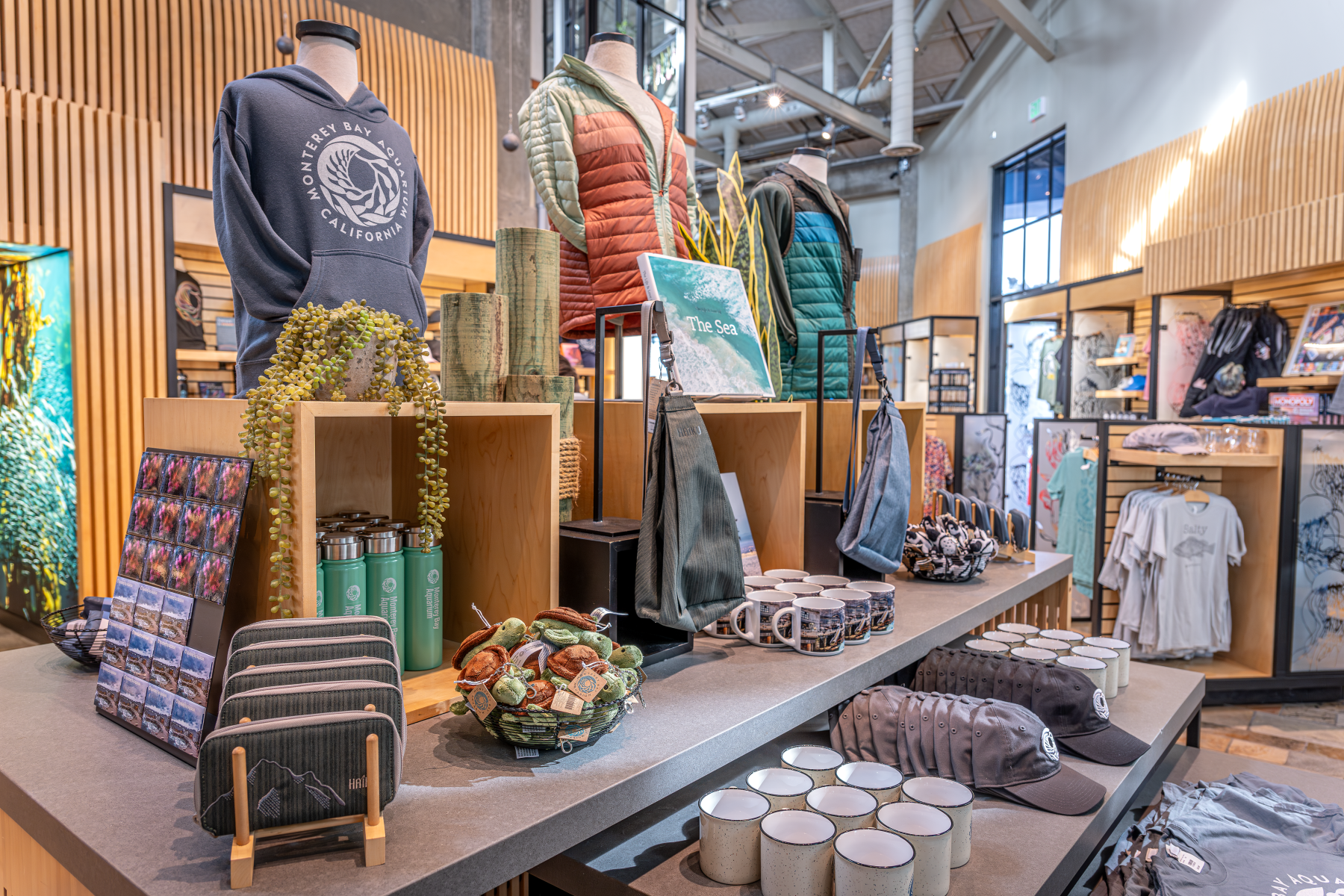
Eliminating single-use plastics in our gift shop
In 2016, we teamed up with SSA Group to review over 4,000 gift shop products and find ways to eliminate single-use and unnecessary plastic. Today, all plush toys are made from 100 percent recycled materials with stitched eyes instead of plastic. Our apparel contains less than 10 percent synthetic fabrics to help prevent microfiber pollution. We’ve also eliminated plastic packaging from puzzles and switched to reusable bags.
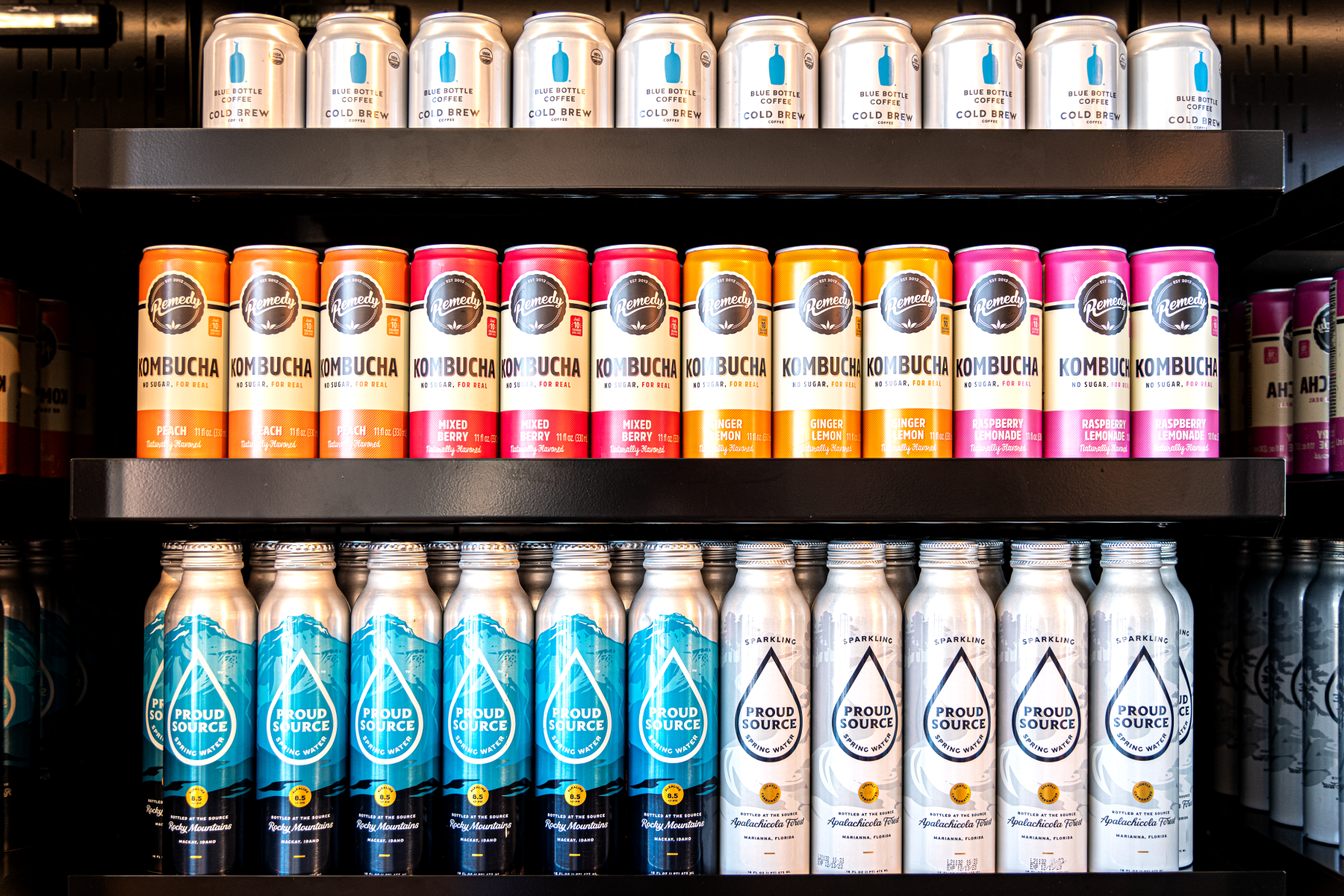
Eliminating single-use plastics in our cafe and restaurant
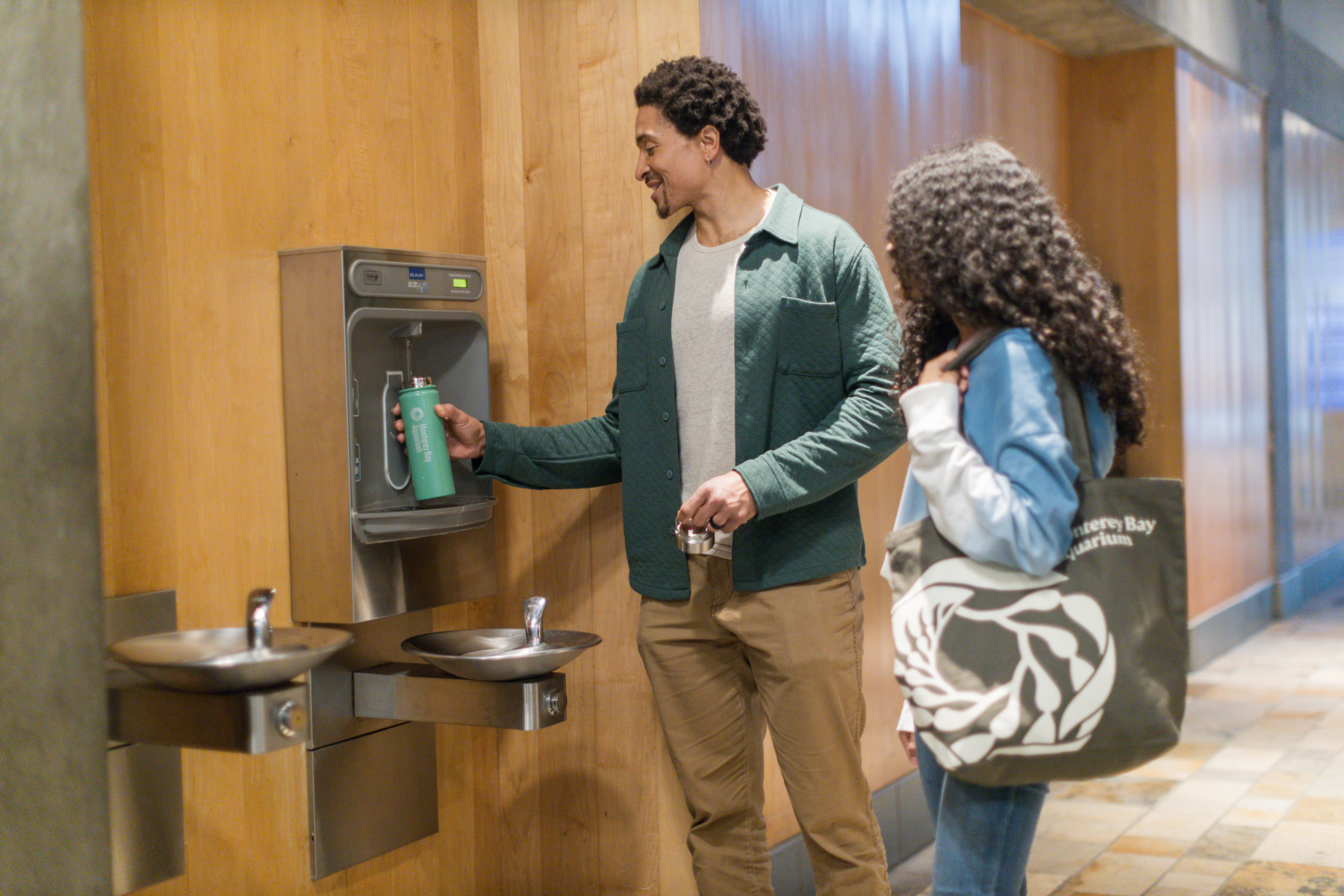
We have eliminated single-use plastics in our cafe and restaurant by replacing plastic straws, utensils, and cups with reusable or compostable alternatives made from paper fiber. Instead of selling plastic water bottles, we offer convenient refill stations throughout the Aquarium and provide beverages in aluminum cans or glass bottles. We have partnered with vendors to source local ingredients in reusable tubs, further reducing single-use packaging in our food service operations.
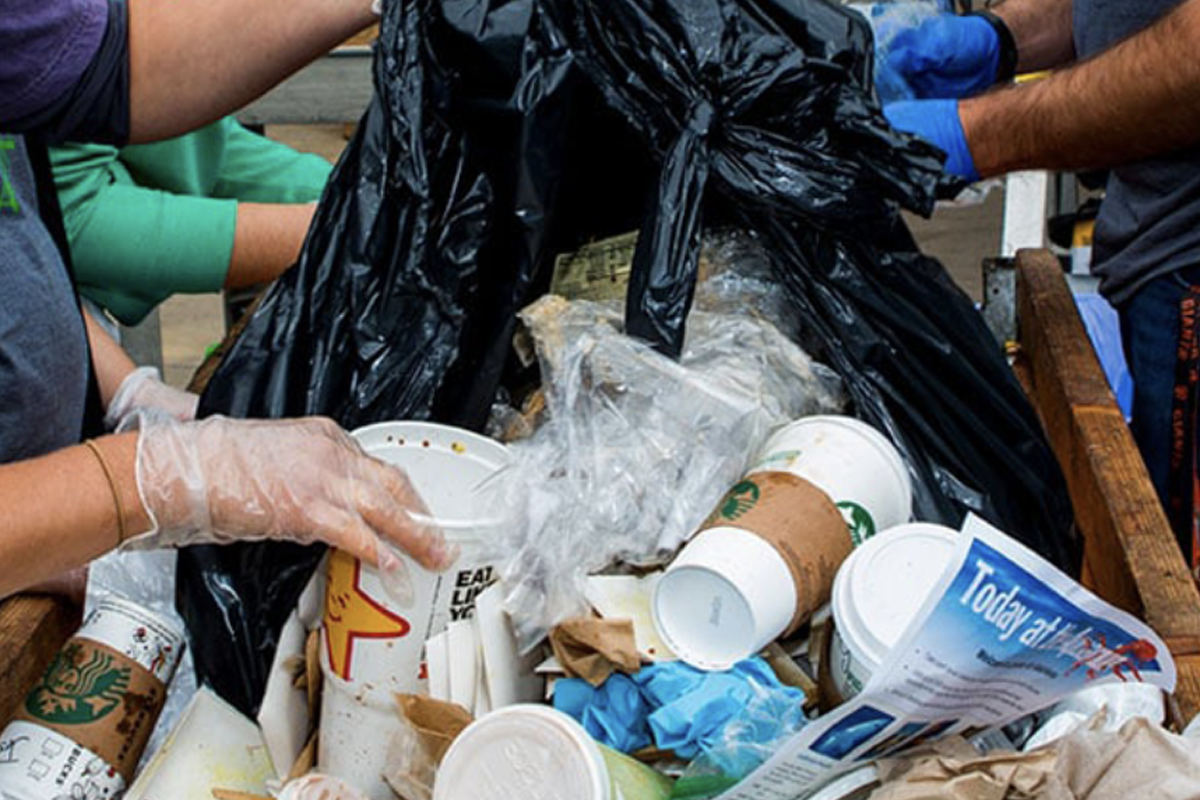
Improving our waste diversion strategies
Improving waste diversion is important because it keeps more waste out of landfills and helps us find ways to recycle and compost more on campus. In 2020, our team conducted a waste audit to evaluate how well waste was being sorted across our campus. Over 24 hours, we gathered waste from visitor areas, the cafe, parking lots, and employee-only spaces. The results highlighted key areas where we could improve recycling and reduce landfill waste.
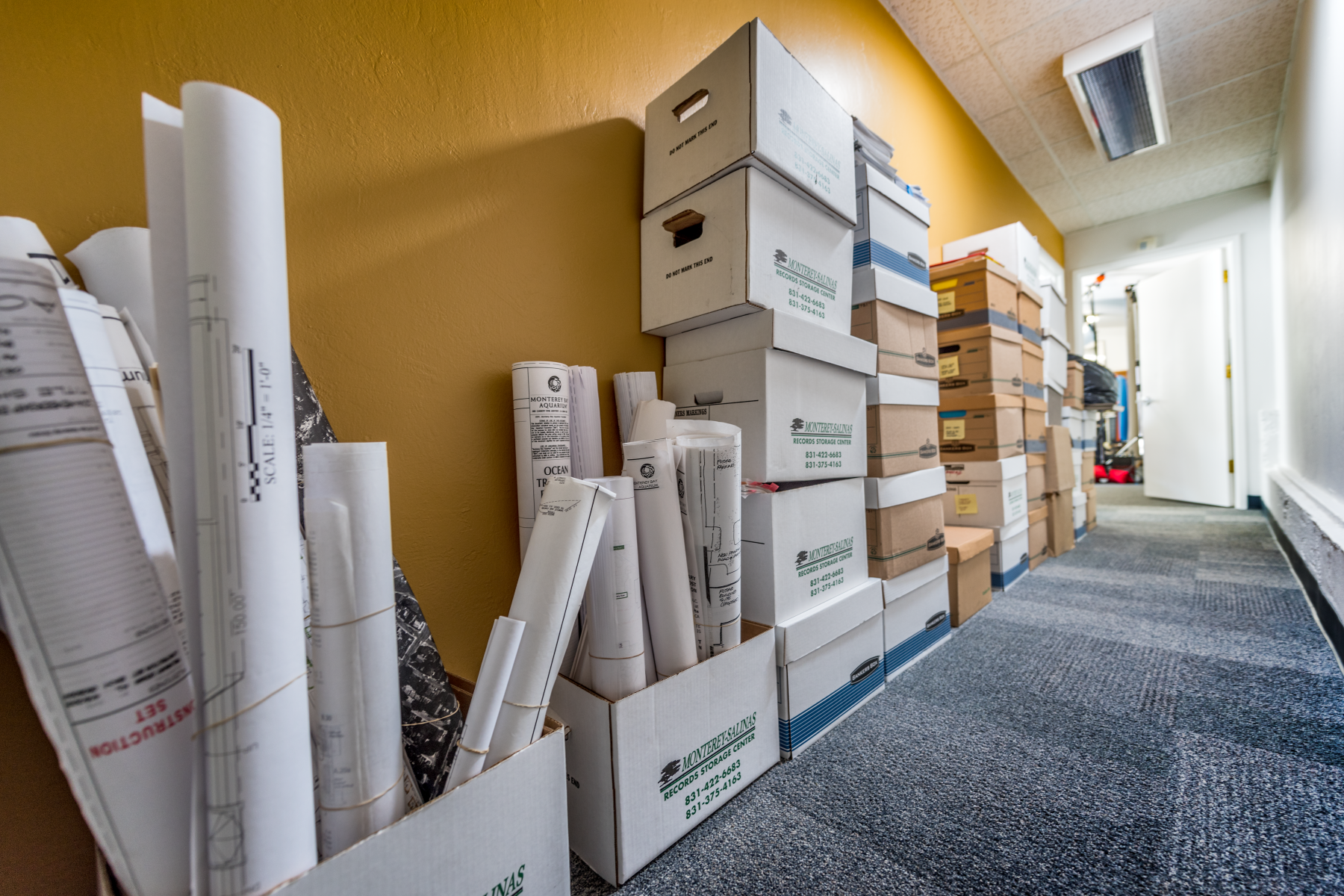
Using closed-loop recycling
We partnered with TerraCycle and Polycarbin to recycle materials that Monterey Bay’s recycling program cannot process. Through closed-loop recycling, items like nitrile gloves, shipping materials, snack wrappers, centrifuge tubes, lab plastics, single-use animal feed packaging, and protective gear are reused to make the same or similar products instead of ending up in landfills.

Reducing and repurposing food waste
We use Mill food recyclers in our offices to help reduce food waste and divert it from landfills. This system grinds and dries food scraps, shrinking their volume by 80 percent. Acting as a smart dehydrator, it turns food waste into nutrient-rich grounds. These grounds are used as an ingredient for chicken feed, and staff and volunteers use them to enrich the soil in their home gardens.
Making recycling easy for guests and staff
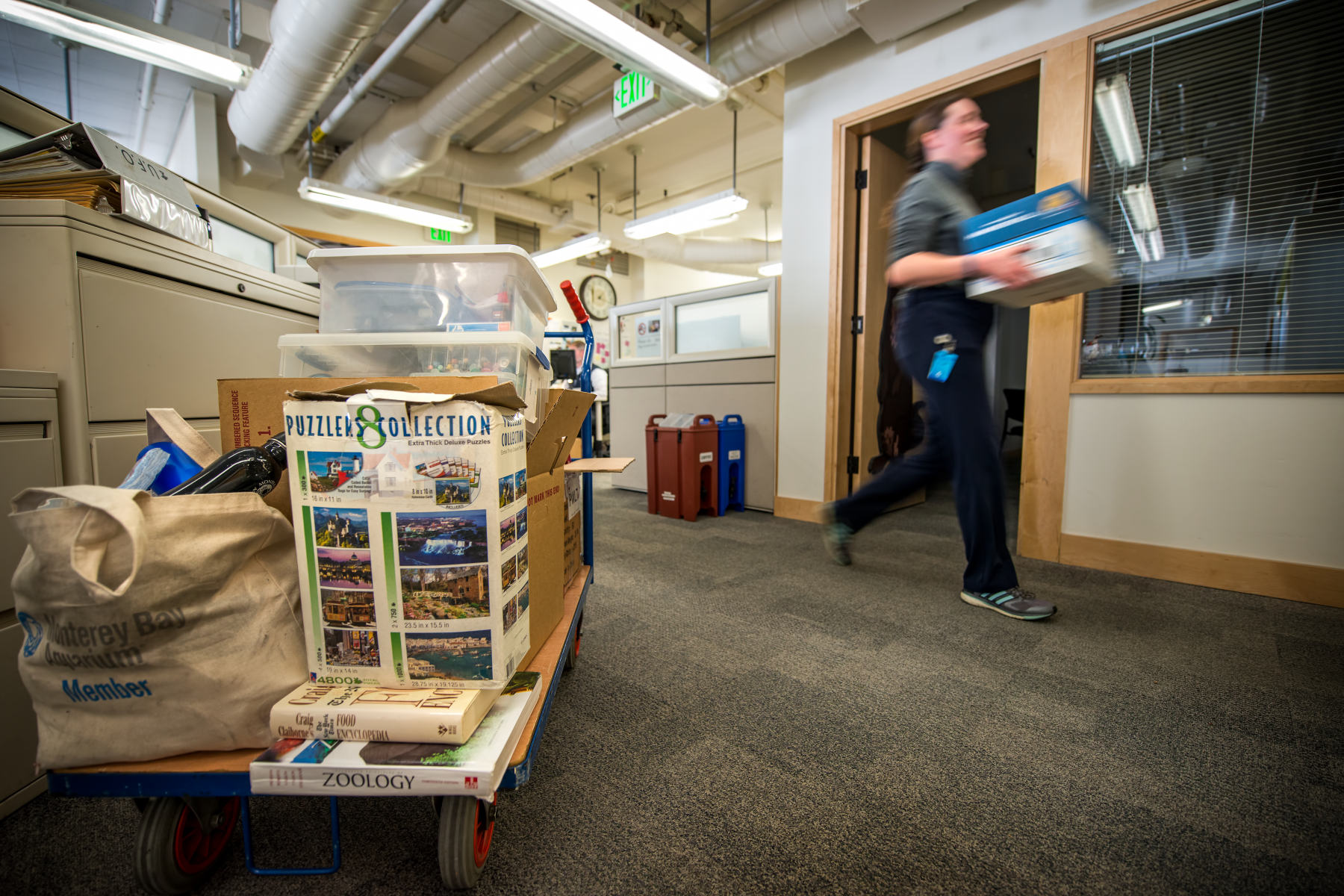
We offer reusable water bottles, bags, and other sustainable alternatives in our cafes and shops to further reduce plastic waste. Water refill stations are conveniently placed throughout the Aquarium to encourage guests to use reusable bottles. Behind the scenes, informational signs make recycling easier for our staff, and our cafe and restaurant teams ensure waste is sorted correctly.

Offering local, sustainable transportation
We help fund the City of Monterey’s MST Trolley, which provides visitors a free, eco-friendly way to travel around town and to the Aquarium. This convenient alternative to driving reduces traffic congestion and pollution, supporting a cleaner and more sustainable community. We also encourage eco-friendly transportation by giving employees free bus passes, bike loans, and access to EV charging stations.
Prioritizing donation and repair
We prioritize donating and repairing items instead of disposing of them, giving them a second life and keeping them out of landfills. From office furniture and IT equipment to exhibition materials, we donate resources to other institutions whenever possible. By focusing on waste diversion, we extend the life of valuable materials and reduce our environmental impact.
Reducing paper use with digital solutions
We have reduced paper use by switching to digital tools for daily tasks. Cloud-based apps like Adaptive Insights, Concur, Sage Intacct, and UKG help us manage our finances without printing paperwork. Our staff uses online tools like Google Suite, OneDrive, and Zoom to communicate and share files, and the Aquarium uses DocuSign for contracts and forms.
Committing to carbon neutrality
We became the first business in the Monterey Bay region to run on 100 percent wind and solar power in 2018. In addition, we have been a carbon-neutral organization since 2017, meaning we balance out the carbon we produce by supporting projects that help the environment. For example, we support the Dhaka Methane Leak Repair Project in Bangladesh, which detects and repairs methane gas leaks to reduce greenhouse gas emissions. Methane is especially important to tackle because it can trap 20 to 80 times more heat than carbon dioxide. Another example is the Acre Amazon REDD+ Portfolio in Brazil. These projects aim to prevent deforestation in the Amazon rainforest by working with local communities to promote sustainable development and protect biodiversity.
Committing to sustainable investments
The Monterey Bay Aquarium is dedicated to aligning our endowment investments with our mission to protect the ocean and promote social equity. We actively seek investments that generate positive environmental and social impacts while delivering financial returns. Our portfolio prioritizes industries that support ocean conservation, sustainable agriculture, and underserved communities. Since 2018, we have eliminated direct investments in fossil fuel companies and are committed to minimizing indirect exposure to them. We also prioritize investment managers who embrace diversity, equity, and sustainability, ensuring our financial decisions reflect our values and vision for a thriving planet.

Inspiring action
Partnering with other aquariums for a greater impact
In 2016, we launched the Aquarium Conservation Partnership to unite aquariums, share knowledge, and create a greater impact together. What started as a collaborative effort has become a powerful network of 29 aquariums and zoos in the U.S. and Canada, all working toward shared conservation goals that are set each year. By joining forces, we’re making a bigger difference for our planet and the future of our oceans.
Empowering our members and guests to take action
As we work toward achieving net-zero emissions and waste, we invite you to take action with us—because every effort contributes to a healthier planet, no matter how small. Simple changes in daily habits can lead to a big impact, helping to build a more sustainable future in your community.
Encouraging our team to take action every month
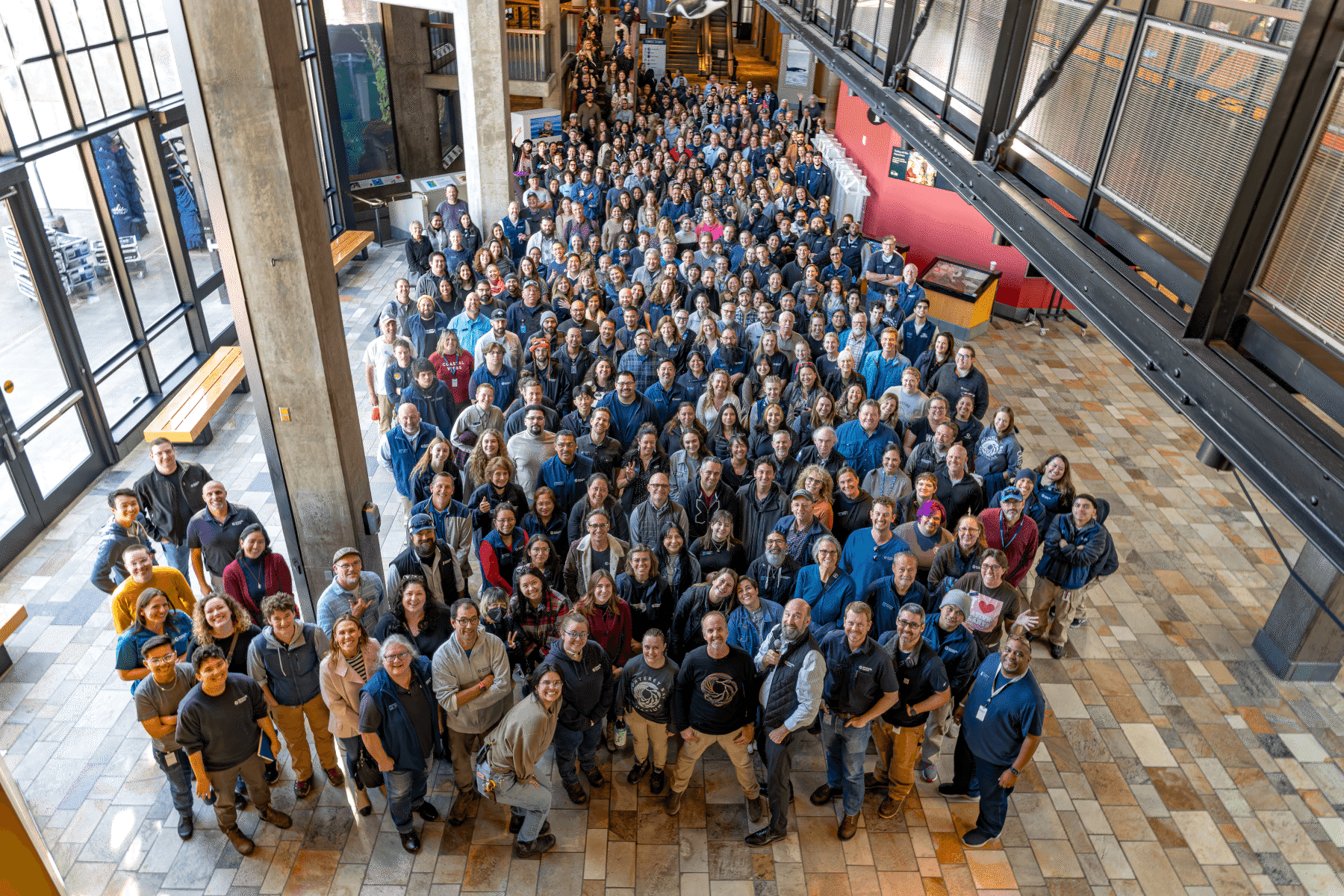
In 2025, we will launch a monthly sustainability campaign using JouleBug, an app that makes eco-friendly living simple and fun. Staff members can track their green actions, earn points, and join challenges that help save energy, reduce waste, and build better habits. This campaign aims to inspire our team to make small, everyday choices that help conserve our ocean and planet.
Actions you can take today
About us
Follow us on social media
Follow us on your favorite channel and make the ocean a part of your daily routine.
Be a voice for the ocean
Sign up for our quarterly ocean action emails and get inspiring conservation stories, tips on living a sustainable lifestyle, and opportunities to take action to protect the ocean—delivered to your inbox.
Dive deeper into our local conservation work
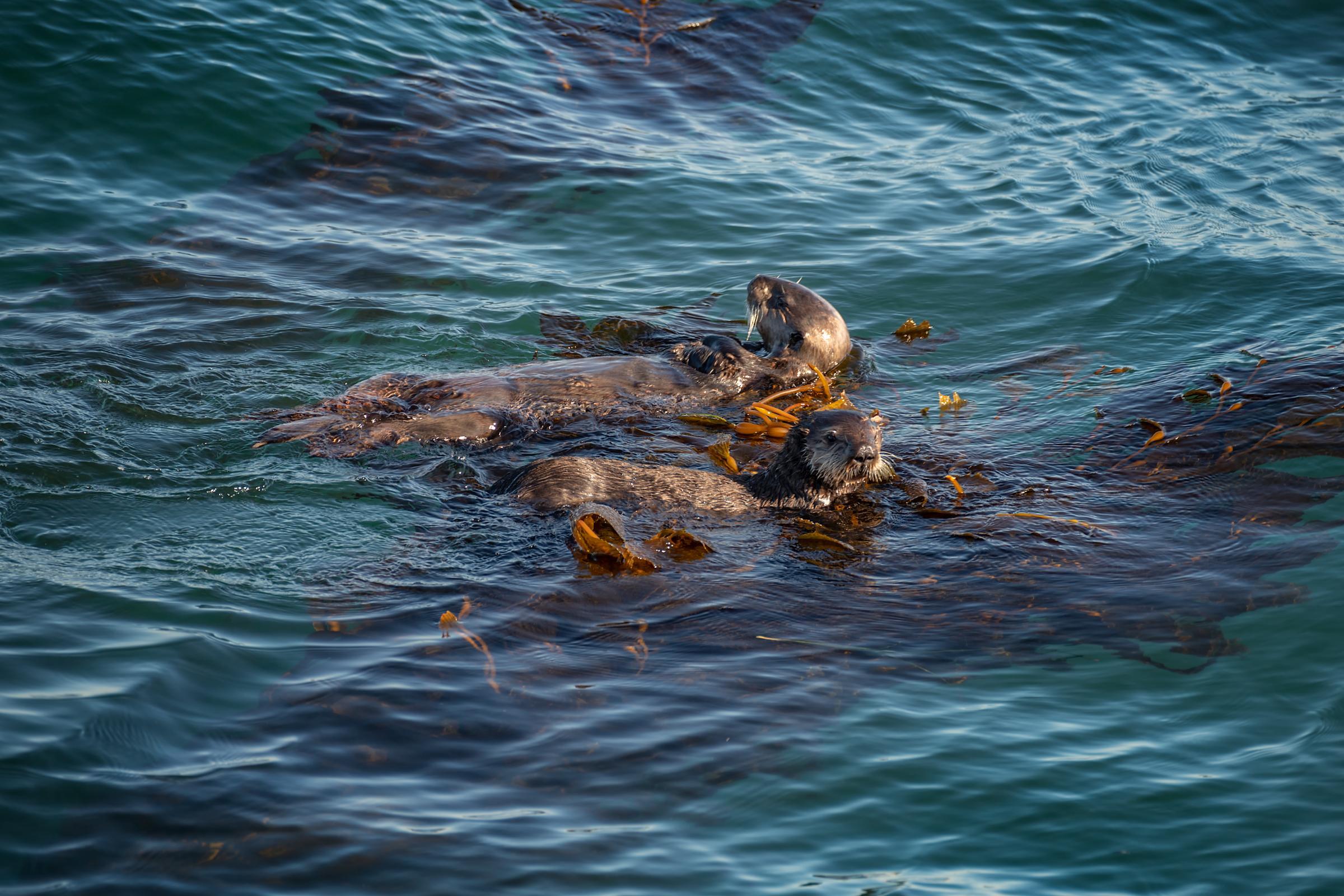
Story
Reducing plastic packaging: How partnerships help keep plastic out of the ocean
We work with partners to reimagine processes and packaging to reduce ocean-bound plastic and protect ocean…
Read story – Reducing plastic packaging: How partnerships help keep plastic out of the ocean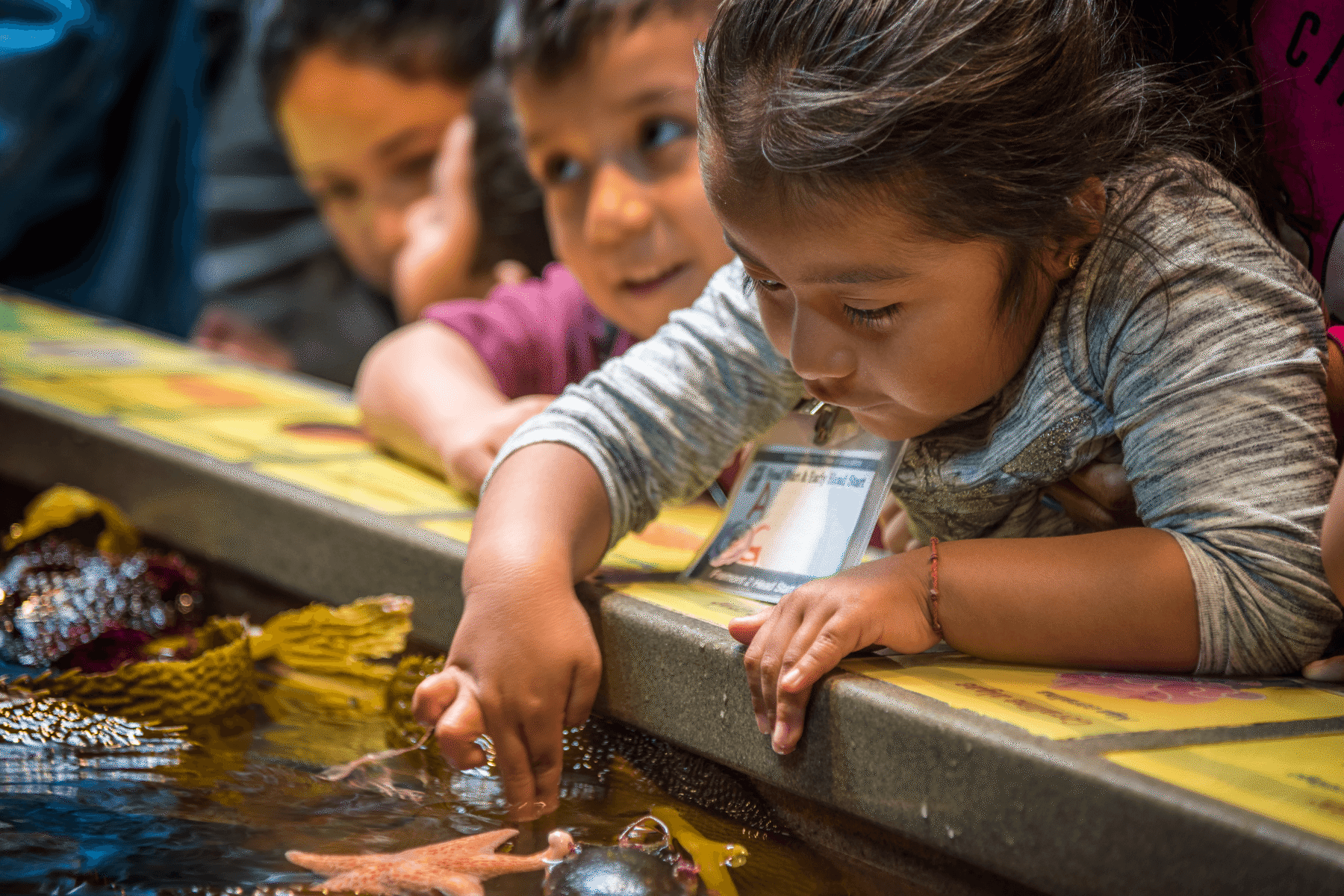
Change & impact
Ocean education programs
See how hands-on, inclusive learning inspires the next generation of ocean stewards.
Read more – Ocean education programs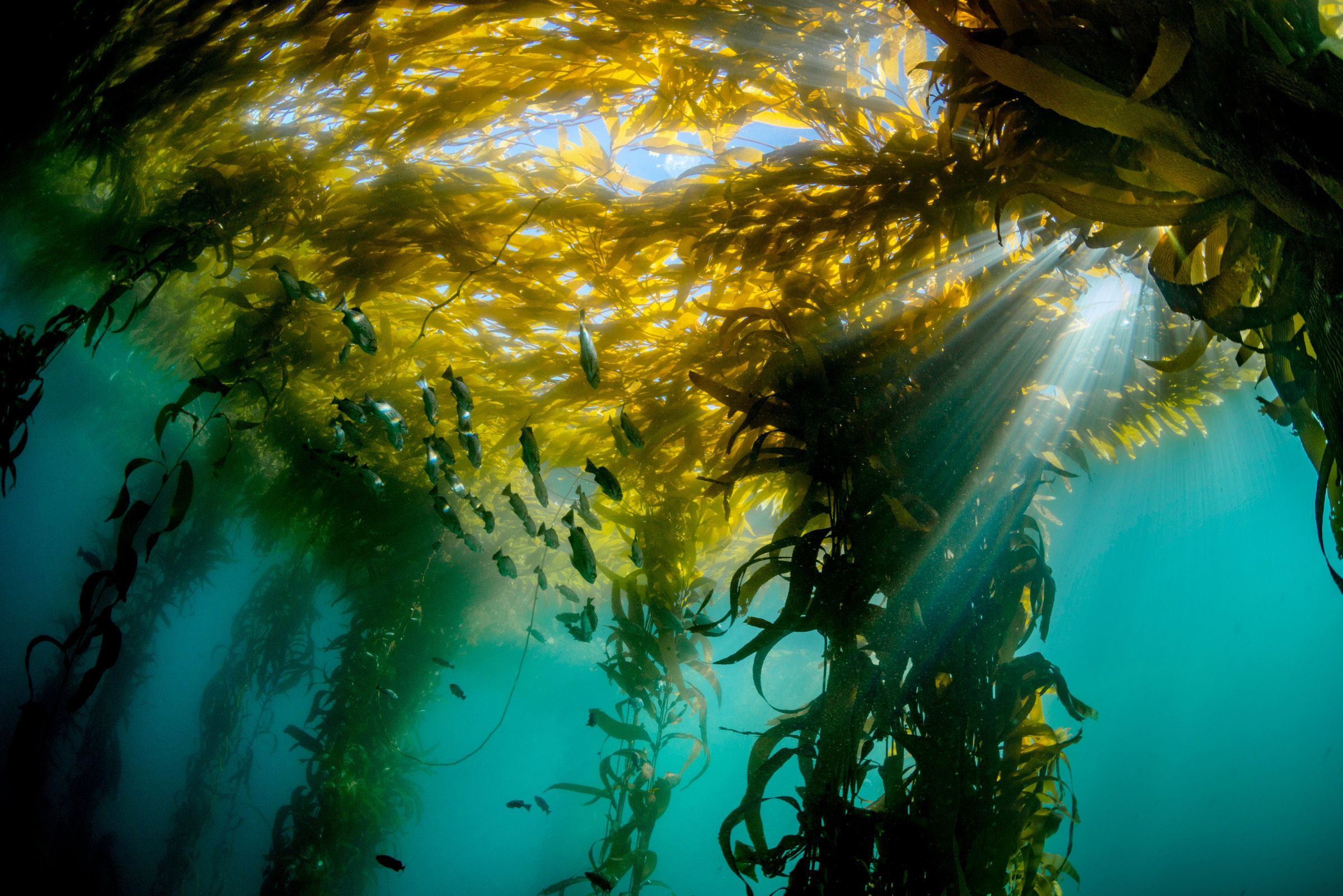
Change & impact
Kelp forest resilience & recovery research
We study why kelp forests become urchin barrens, when they recover, and when to intervene.
Read more – Kelp forest resilience & recovery research