

Sea otter recovery program
Giving orphaned pups a second chance—and restoring a keystone species to the California coast.
Overview
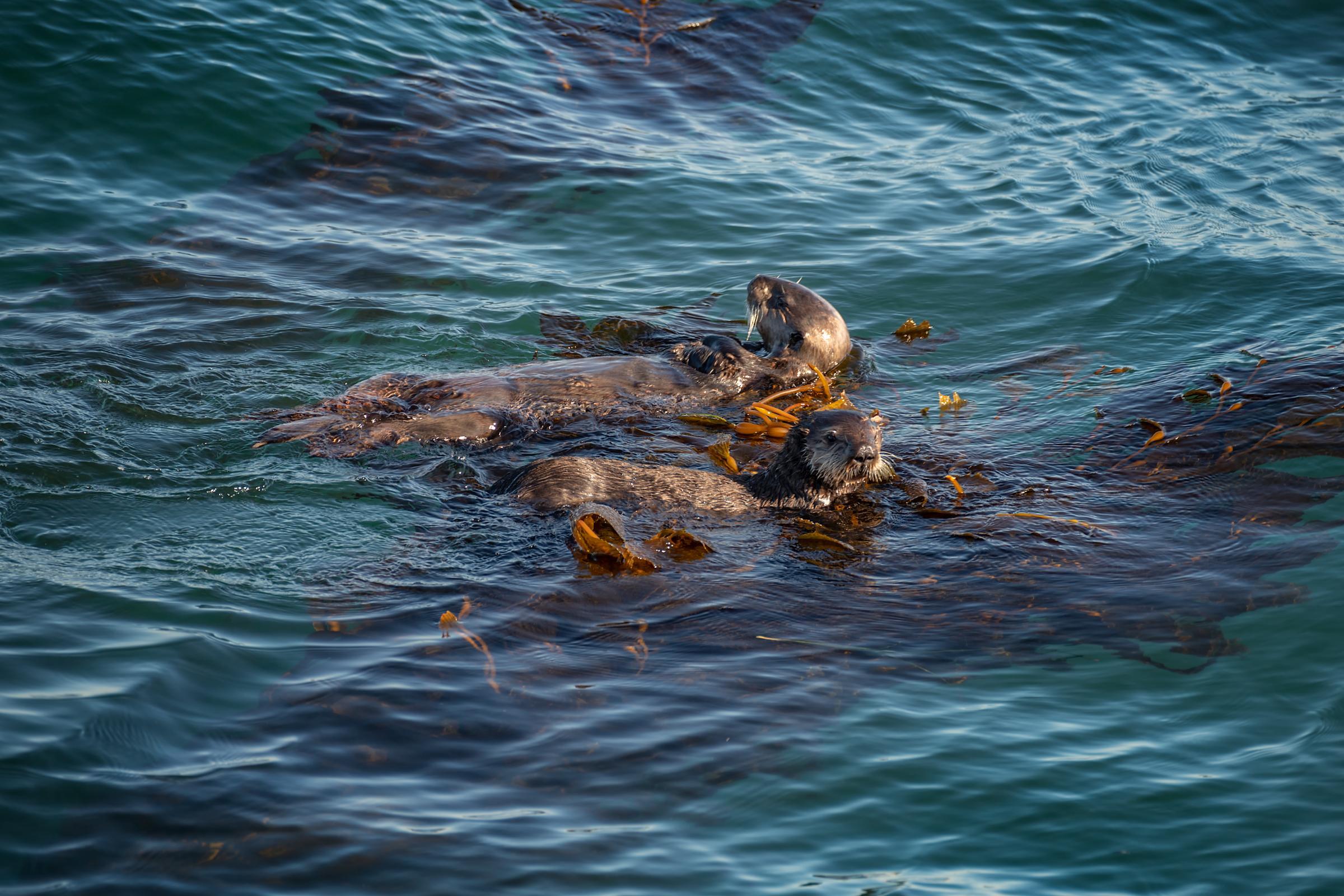
For over 40 years, our Sea Otter Program has been working with the vulnerable population of southern sea otters on the California coast. After years of attempts to successfully rehabilitate stranded sea otters, we began pioneering a new approach to wildlife recovery: pairing orphaned pups with experienced surrogate mothers. These rehabilitated pups learn essential survival skills and are released back into the wild—helping boost the threatened southern sea otter population and strengthen coastal ecosystems like kelp forests and eelgrass meadows.
Program highlights
- First-of-its-kind surrogate-mother program with resident otters, providing a model for other aquariums.
- Decades of success with raising rescued pups with surrogate mothers.
- Improvements to the health of Elkhorn Slough by enhancing the sea otter population and contributing to the growth of eelgrass.
- Scientific insights and published research on southern sea otter behavior, health, and ecology.
- Partnerships with federal and state wildlife agencies to rescue, release, and monitor sea otters and assist in population recovery.

Our goals and approach
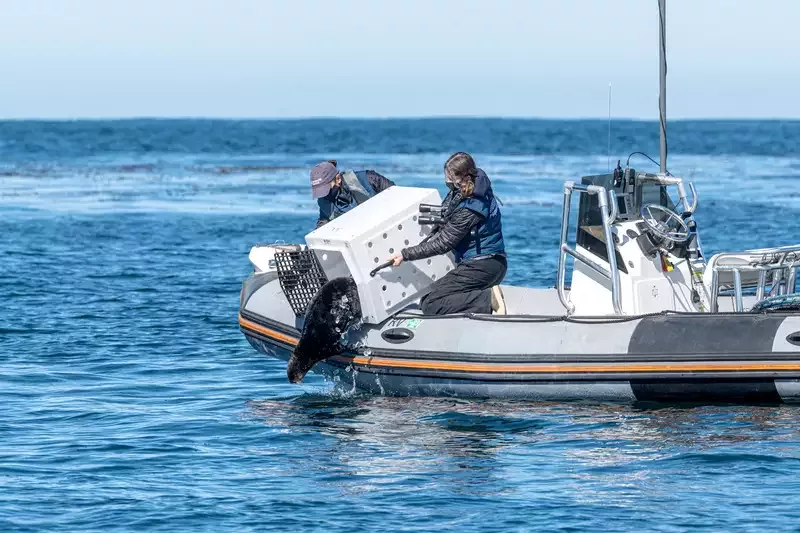
Our goals
- Rehabilitate and release previously sick, injured, and orphaned southern sea otters.
- Help recover wild southern sea otter populations along the California coast.
- Advance animal care and conservation science.
- Increase our scientific understanding of southern sea otters and their habitats.
- Support healthy coastal ecosystems by restoring a keystone species.
- Collaborate with partner institutions to expand impact.
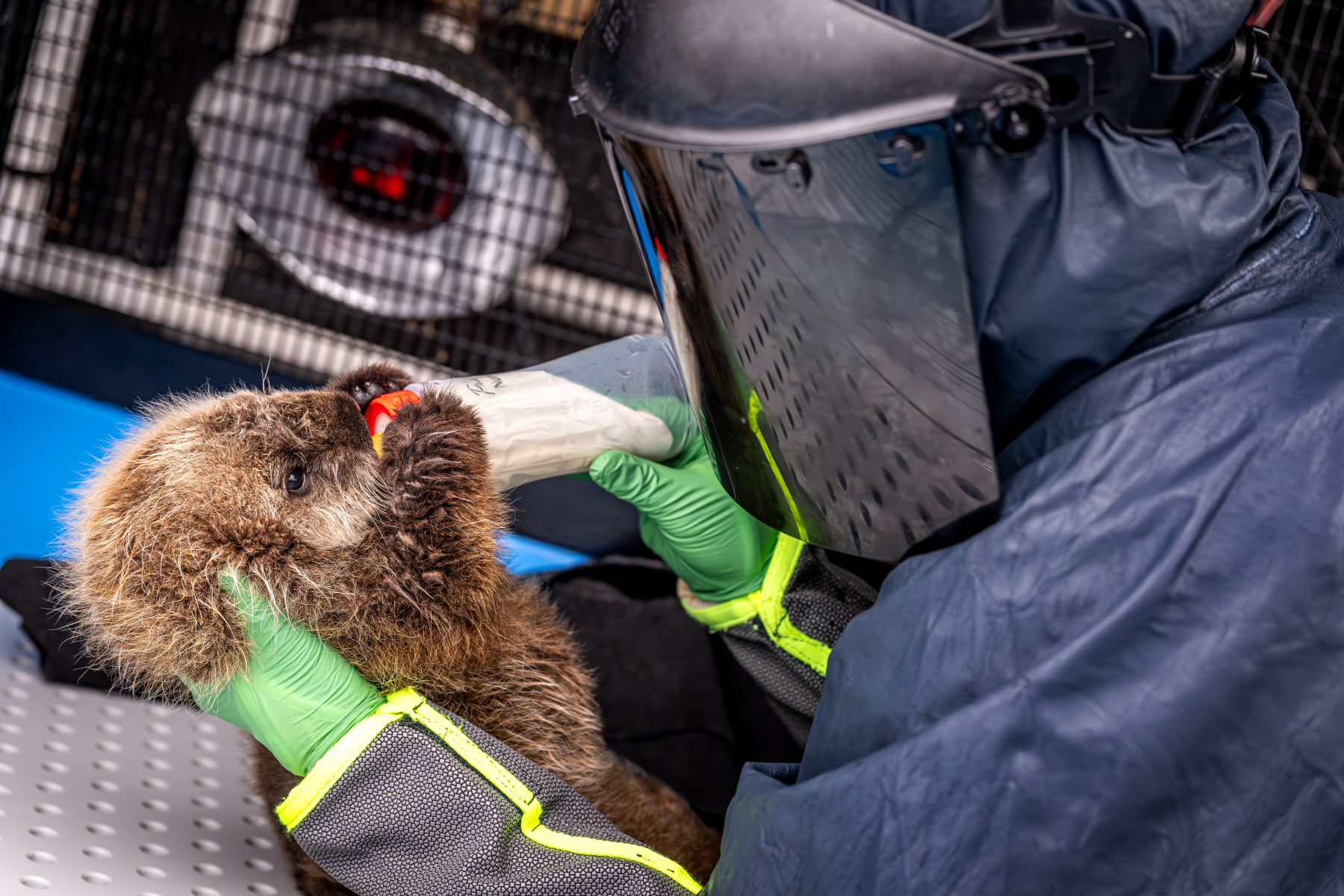
How we work
Our program relies on a carefully coordinated process developed over decades:
- Sea otter team responds to calls from the public when an orphaned pup is found and safely retrieves the pup.
- Whenever possible, the team tries to find the mother to reunite the pup in the wild.
- The pup receives intensive care from specialists in disguised gear to avoid imprinting on humans.
- A surrogate sea otter mother—one of our exhibit otters—raises the pup as her own, teaching the pup critical skills in diving, foraging, and grooming.
- Female sea otters often have a natural instinct for maternal behaviors, so we do not “train” or teach a sea otter how to be a surrogate mother, but rather evaluate their behaviors with each introduction to a new pup.
- Staff minimizes human contact to ensure natural behaviors and provides enrichment to prepare the otters for release back to the wild.
- After passing behavioral milestones, the pup is released into the wild.
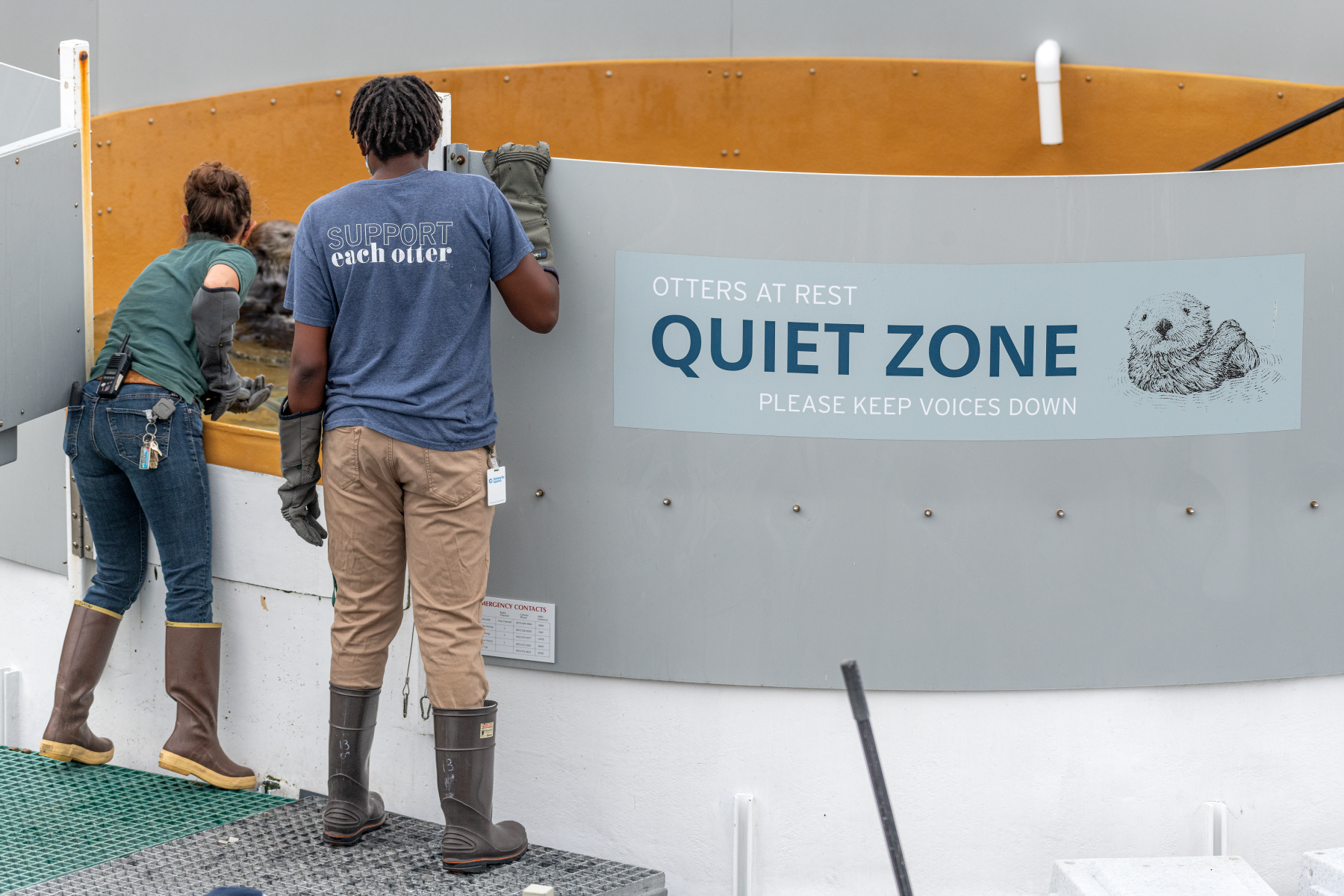
Where we work
- Sea Otter Program facility at the Monterey Bay Aquarium built in 2025 to expand capacity for sea otter care, thanks to generous donations.
- Sea otters are rescued and later released at sites along the central California coast in partnership with The Marine Mammal Center, California Department of Fish and Wildlife, and U.S. Fish and Wildlife Service.
- Beginning in 2020, we began expanding our program to work with partner aquariums, where young southern sea otters are placed with surrogate mothers, including Aquarium of the Pacific in Long Beach, California.
- We monitor the wild population throughout their current range in Central California.

Why it matters
Sea otters are a keystone species—their foraging behavior helps keep kelp forests healthy, supports eelgrass habitats, and boosts biodiversity along the California coast. But their populations are still vulnerable to shark bites, habitat loss, pollution, disease, and changes in prey availability. Our critical work in helping to recover the southern sea otter population through our surrogacy program is helping to protect vital ocean ecosystems in California.
40+
years of working with sea otter population in California
1000+
stranded sea otters brought to Monterey Bay Aquarium for medical care over the program’s lifetime
84
pups successfully surrogate-raised through our program

Multi-generational recovery
Released southern sea otters are not only surviving—they are thriving. Monitoring shows surrogate-raised otters foraging, grooming, resting, establishing territories, and successfully raising pups of their own.
Today, multiple generations of surrogate-raised sea otters live in the wild, contributing to the long-term recovery of the species along the California coast. It is in part due to the Aquarium’s intensive efforts over many years that the southern sea otter population has grown to around 3,000.
Restoring coastal ecosystems
The impact extends beyond individual animals.
In Elkhorn Slough, the return of southern sea otters led by our team has greatly improved the health of the estuary. Between 2001 and 2016, our team released 37 surrogate-reared otters there, and we have found that those otters and their offspring accounted for more than half of the total population growth during that period.
This population is eating invasive non-native crabs, allowing sea slugs to thrive and graze on algae that would otherwise choke the growth of eelgrass. This cascade enabled eelgrass to thrive, stabilizing shorelines, reducing erosion, and improving water quality. The recovery of Elhorn Slough is featured in a recent PBS Nature episode, Hungry, Hungry Sea Otters: The Big Appetites Saving Coastlines.

Life of a rescued sea otter pup
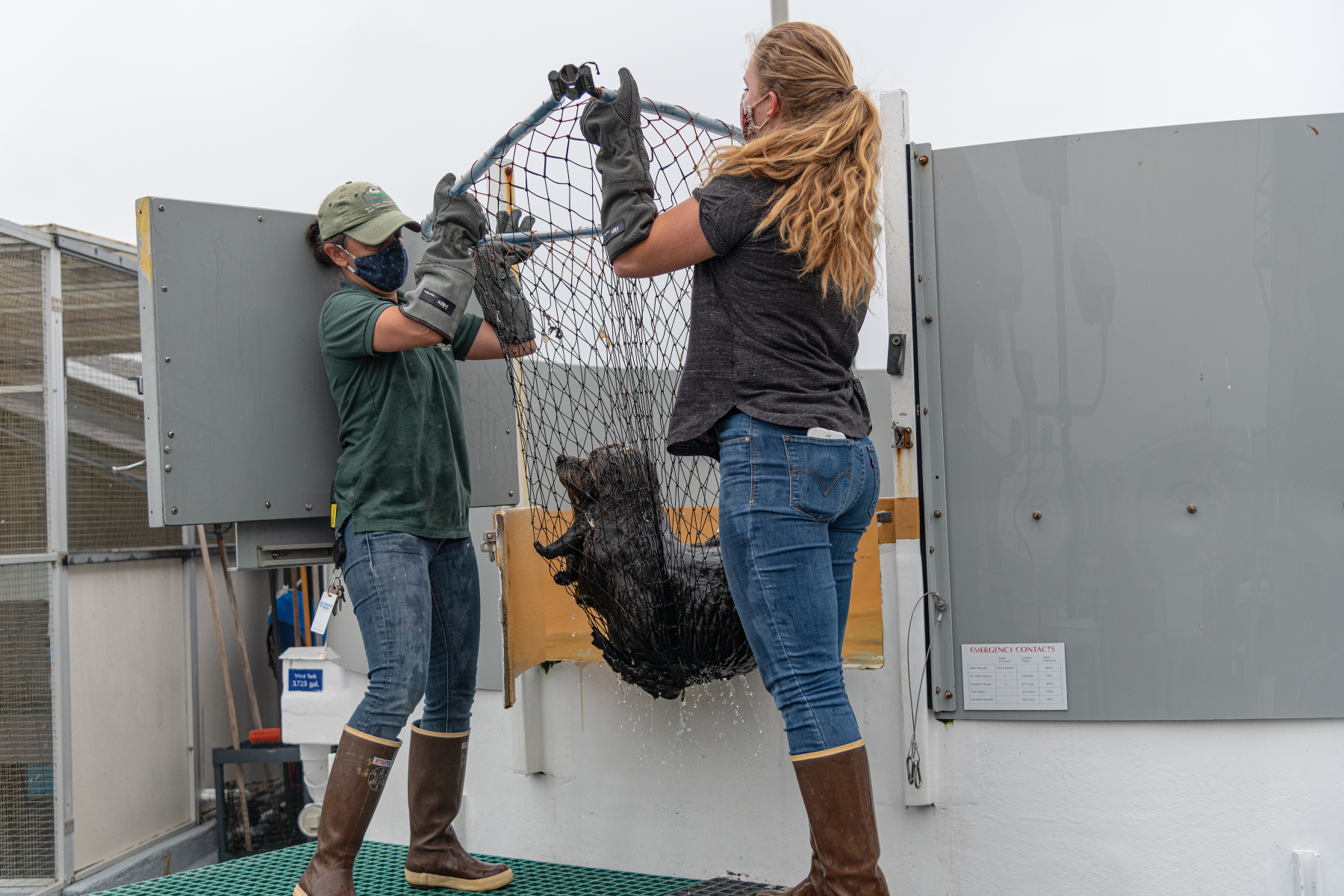
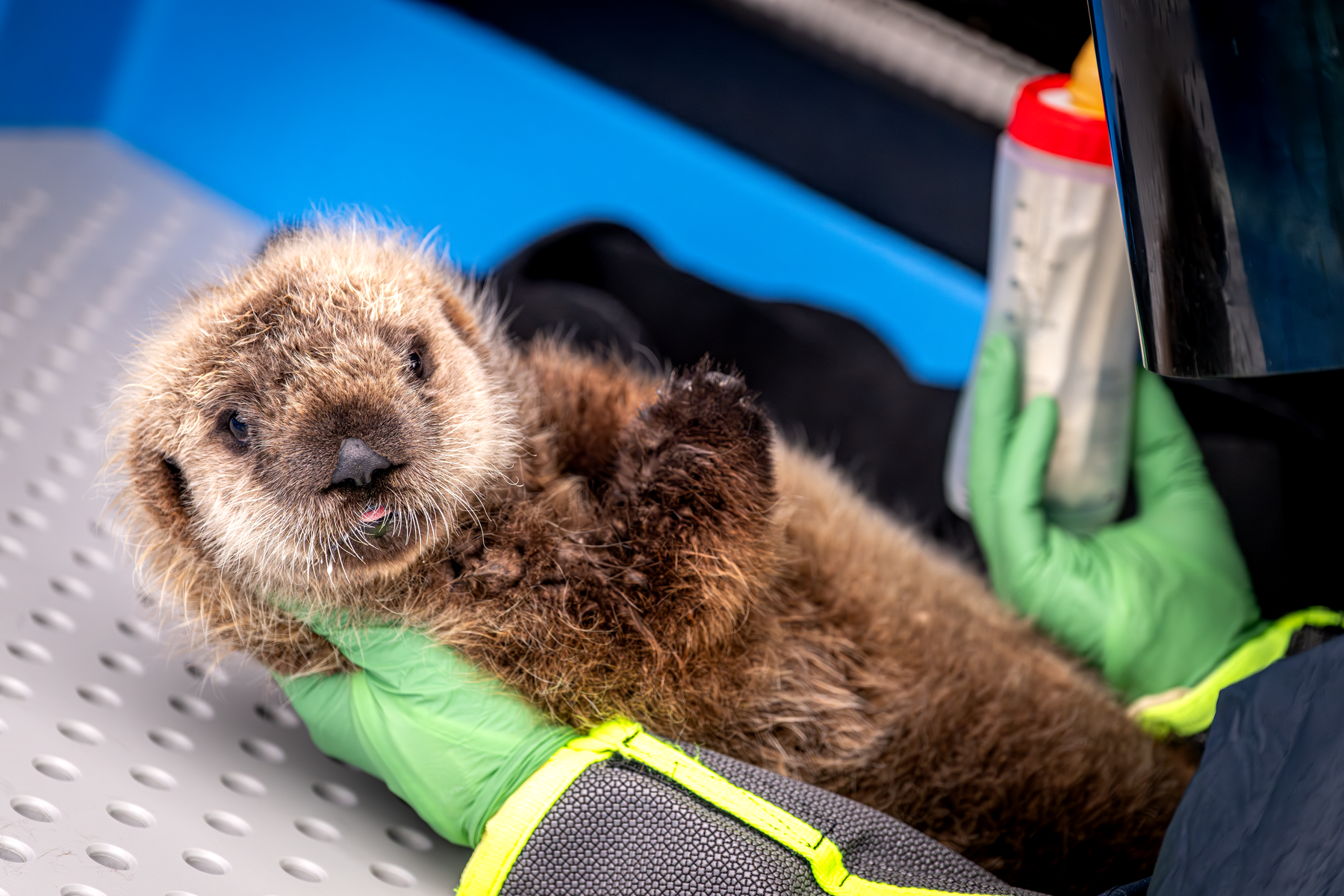
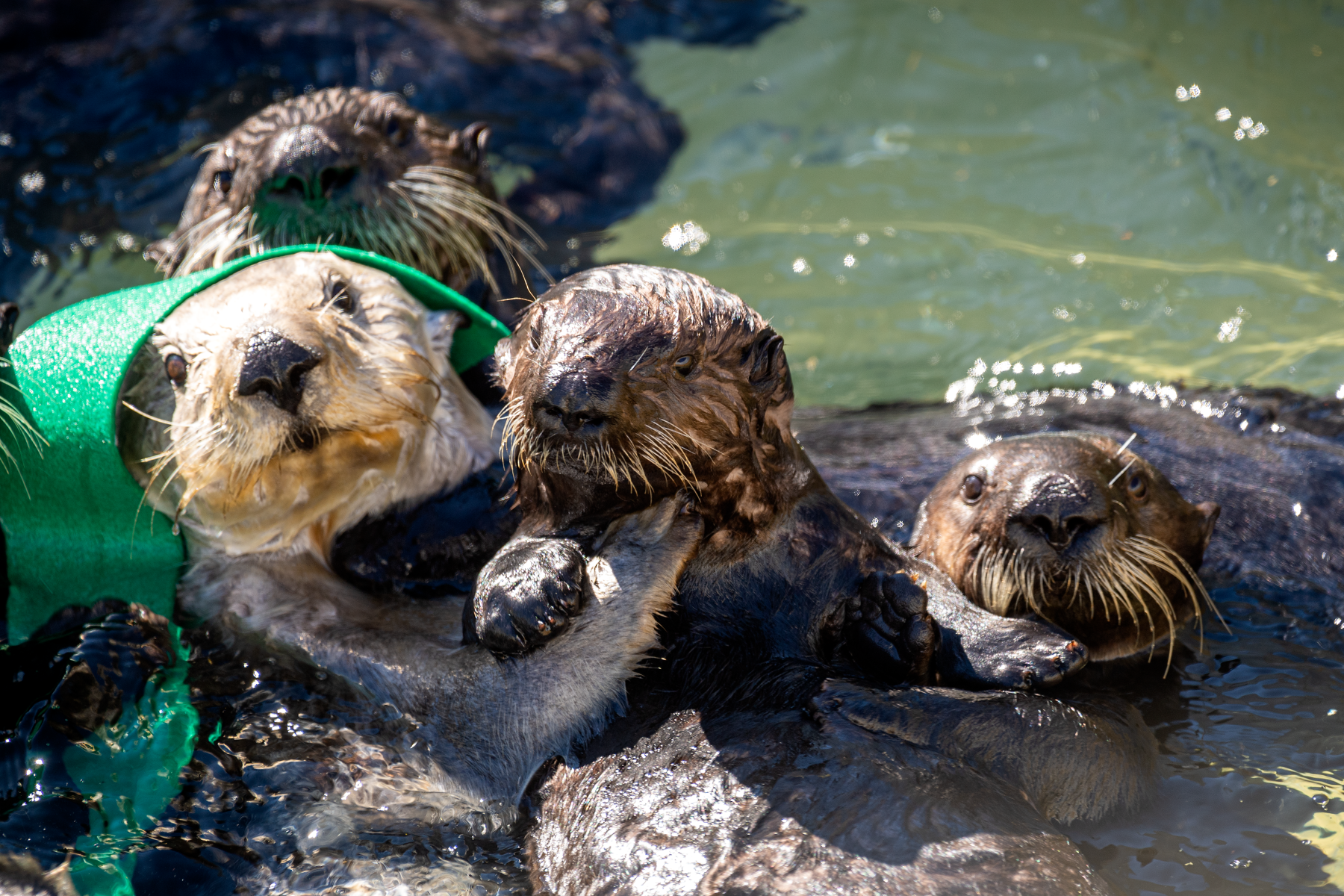
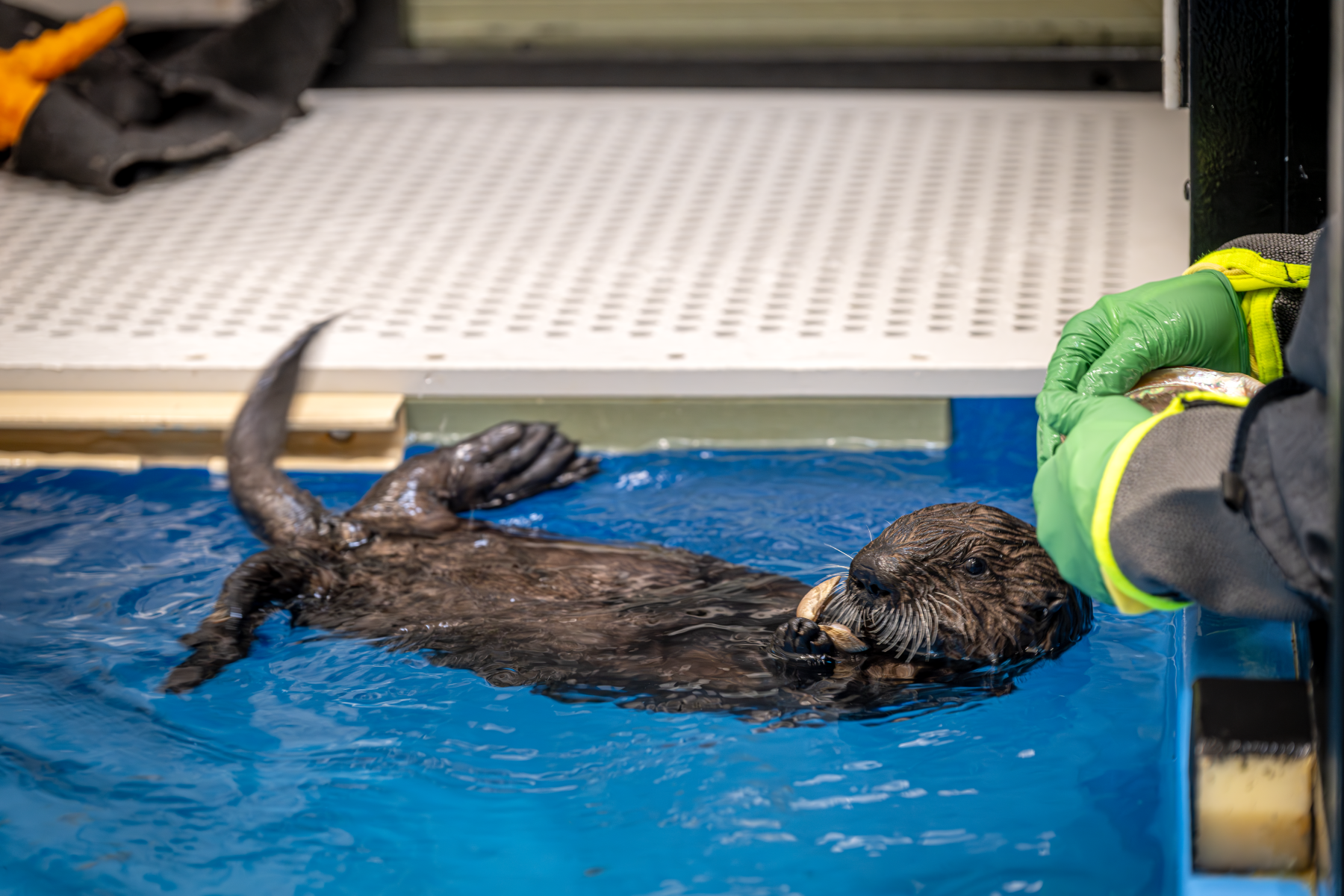
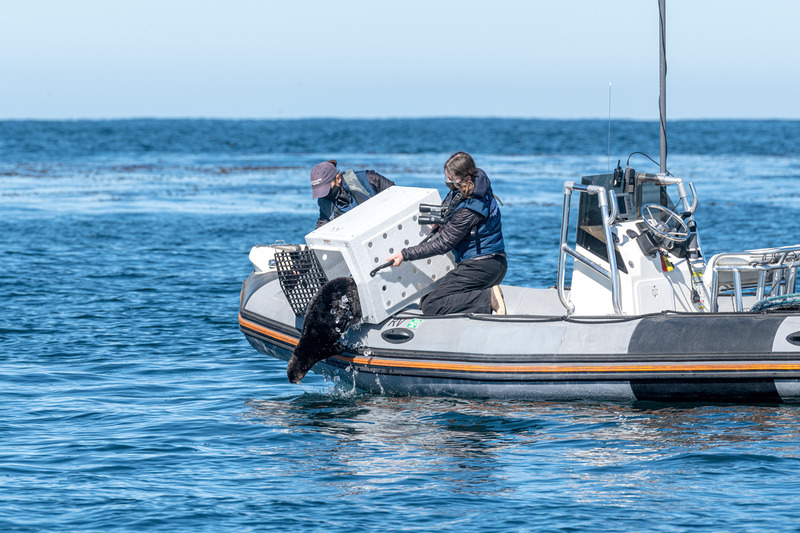
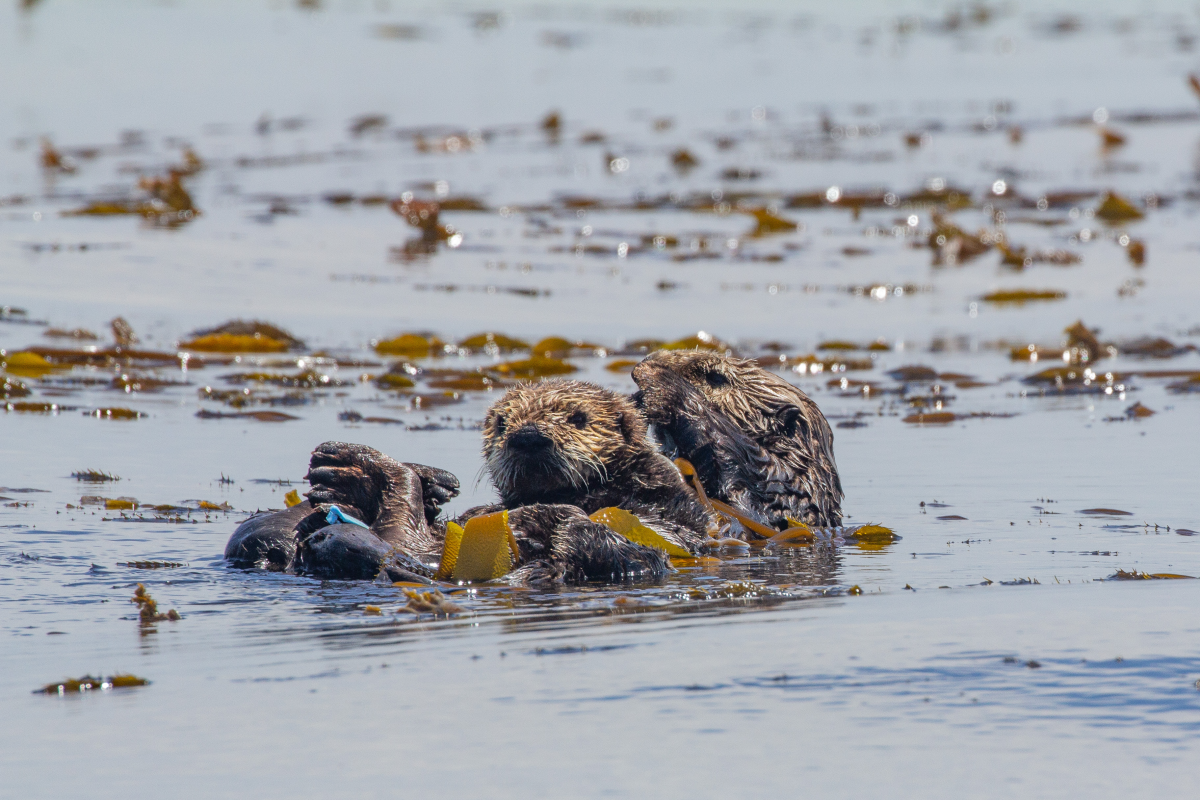

Report a stranded otter
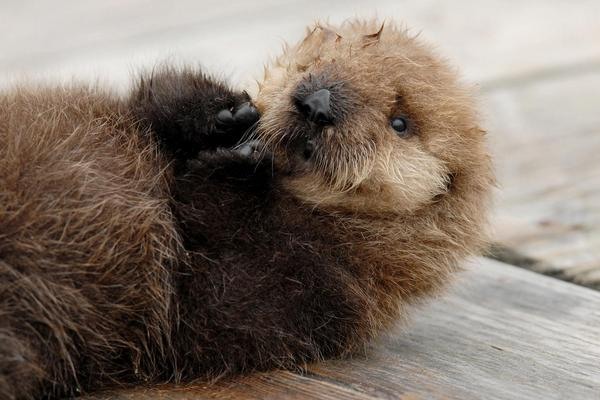
Animals & the ocean
How to report a stranded otter
To ensure your safety and the safety of the animal, follow these steps when reporting stranded sea otters.
Read more – How to report a stranded otterStories from the field
Change & impact
A history of our Sea Otter Program
The growth and evolution of our program has contributed to the growth of the southern sea otter population.
Read more – A history of our Sea Otter Program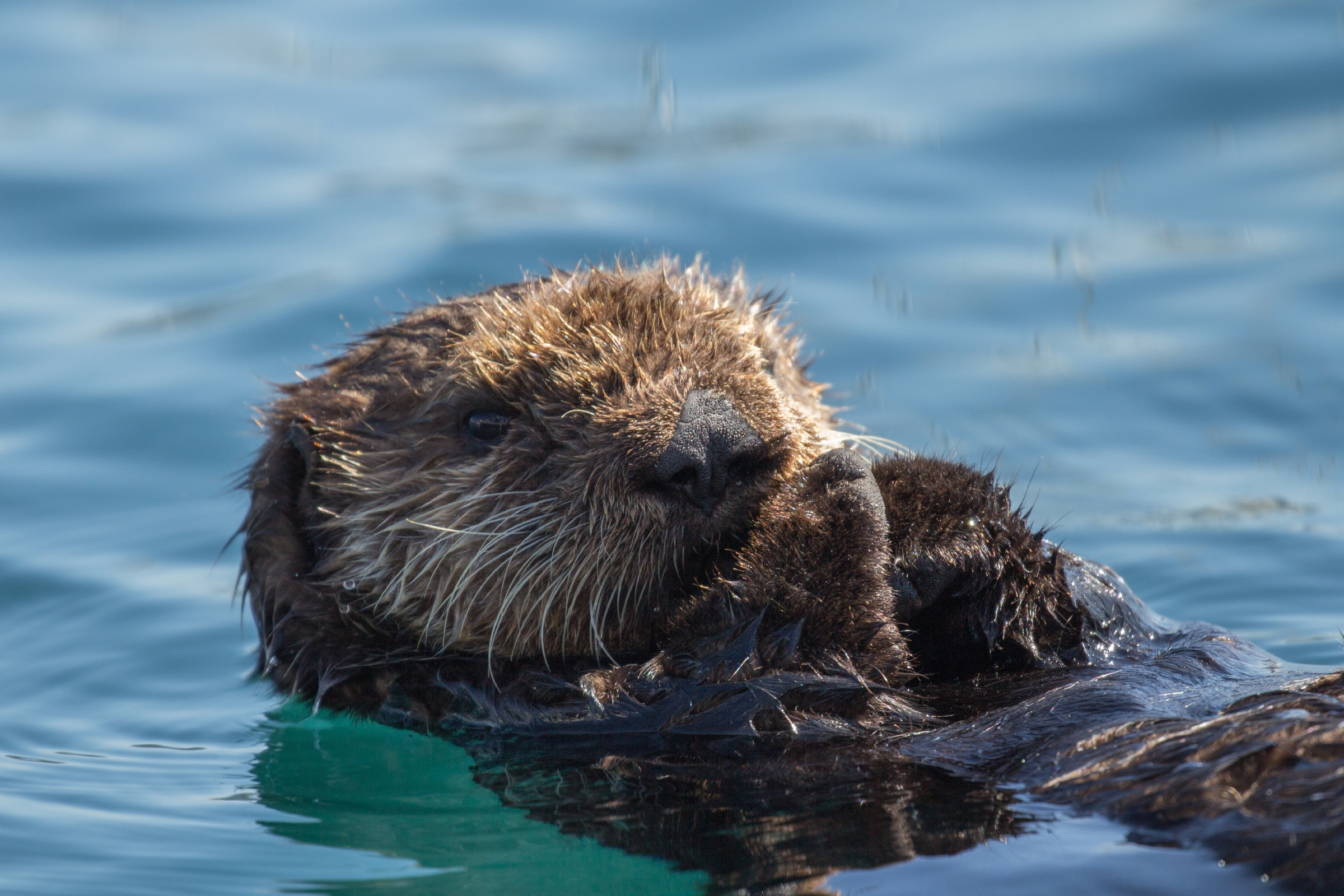
Story
Sea otter rescue and research
Get an in depth look at our unique sea otter surrogacy program.
Read story – Sea otter rescue and research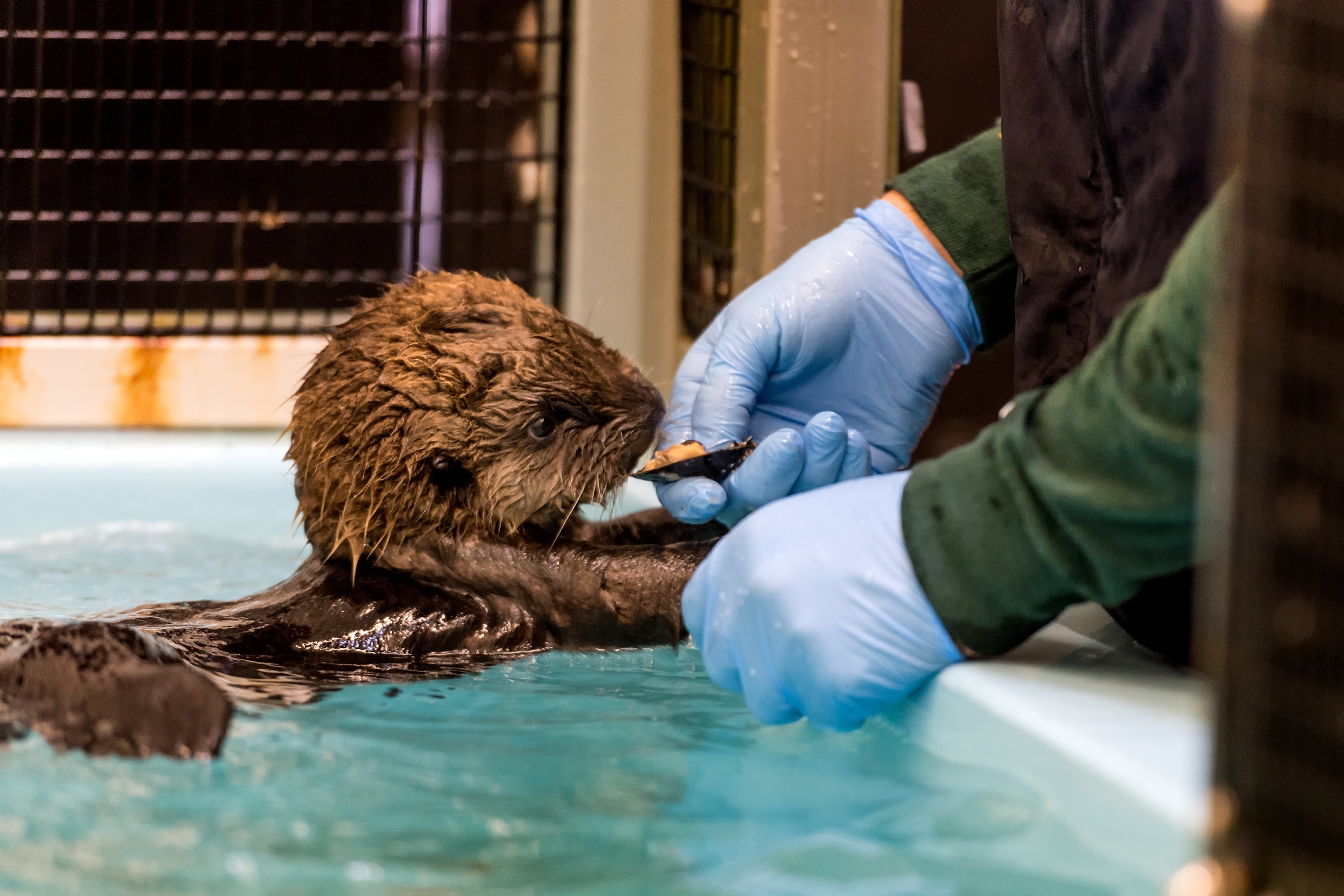
Story
Life of a rescued sea otter
Follow a rescued sea otter pup's journey from rehab to meeting his surrogate mother at the Aquarium!
Read story – Life of a rescued sea otterHow you can help
Support us
Donate to support our sea otter rescue program
Your support helps give vulnerable pups a future—and helps California’s kelp forests thrive.
Contact
For research inquiries, collaboration opportunities, or media requests at media@mbayaq.org.
Dive deeper into our local conservation work
Story
Reducing plastic packaging: How partnerships help keep plastic out of the ocean
We work with partners to reimagine processes and packaging to reduce ocean-bound plastic and protect ocean…
Read story – Reducing plastic packaging: How partnerships help keep plastic out of the ocean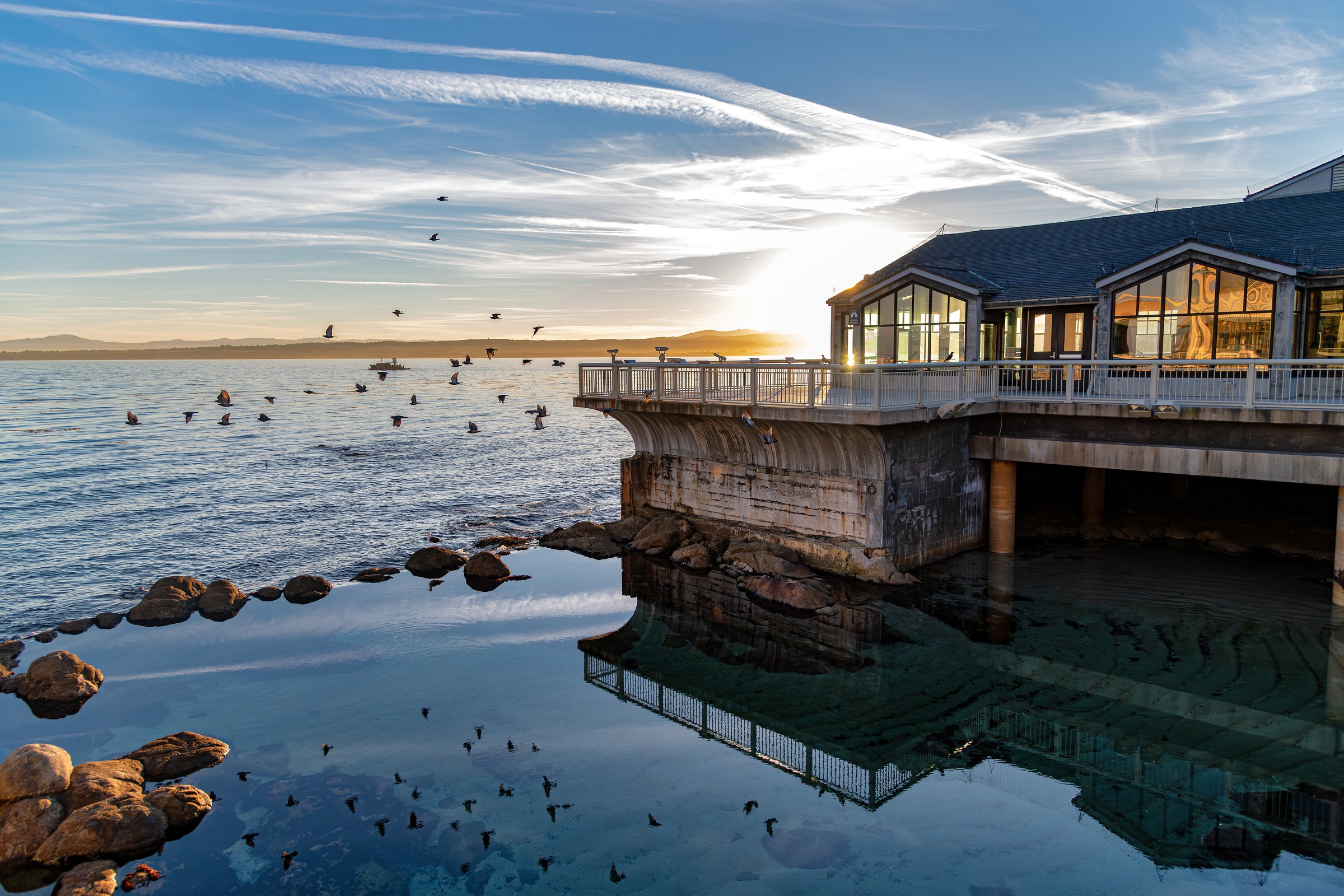
Change & impact
Sustainability at the Aquarium
Learn about our sustainability commitments at the Aquarium.
Read more – Sustainability at the Aquarium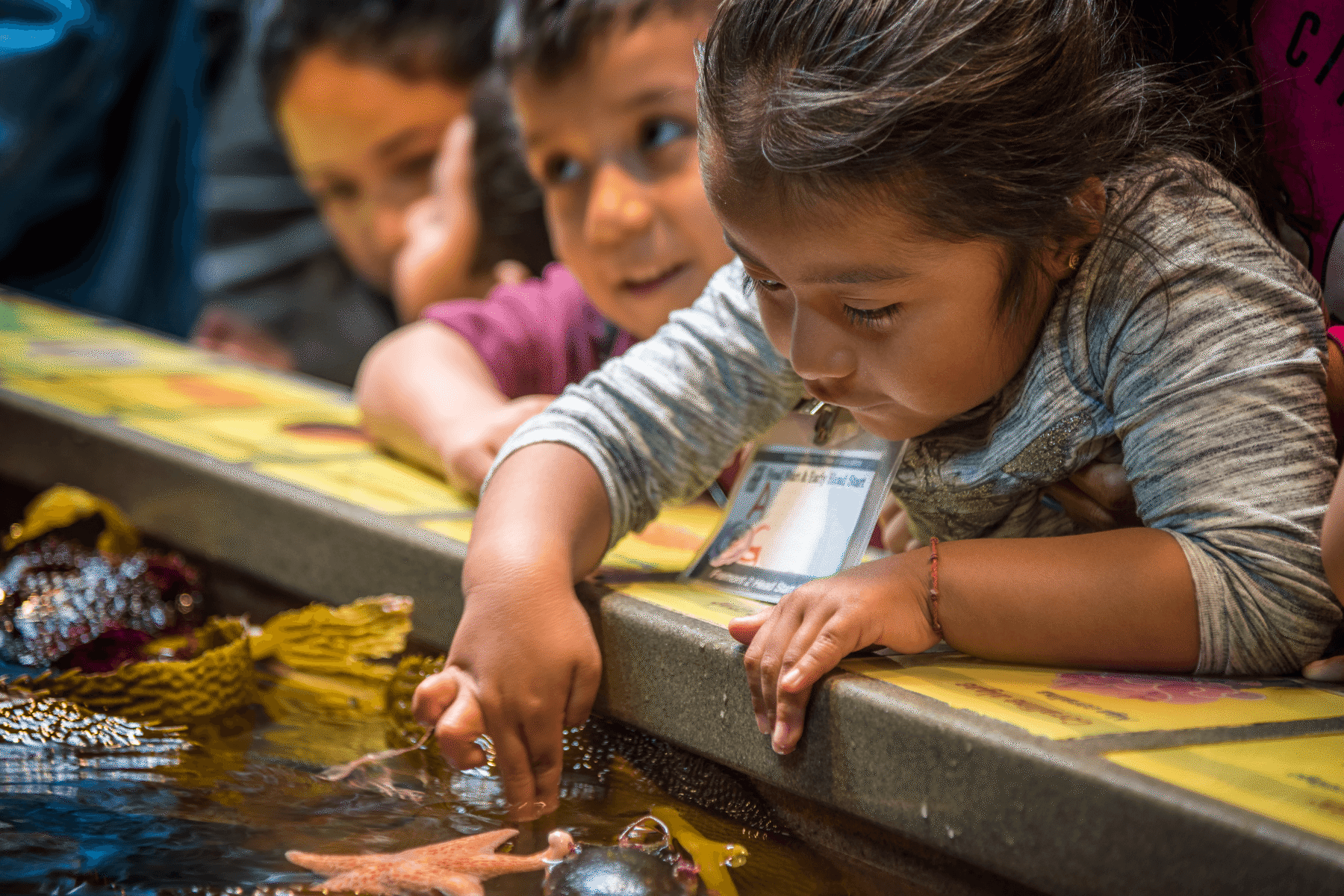
Change & impact
Ocean education programs
See how hands-on, inclusive learning inspires the next generation of ocean stewards.
Read more – Ocean education programs