
Filming sea otters
Filming sea otters requires following specific guidelines to ensure their safety and well-being.
So you're interested in filming the Aquarium's rescued sea otters? Whether you're captivated by their rehabilitation journey or eager to capture their wild beauty, it's essential to note the shifting timelines, required permits for wild otters, and other guidelines to ensure the otters' safety and well-being.
Filming sea otters FAQ
What is the intake, rehab, and release process for sea otters?
- Please keep in mind that the Sea Otter Program has many shifting timelines. There’s no regular schedule or season for when sea otters arrive or are released.
- Rehabilitation is a long process that takes several months. Documenting the process by following the story of one pup could take 8–10 months.
- Sea otter releases can often be delayed for a variety of reasons, such as weather and ocean conditions.
Are there health and safety regulations or restrictions?
- Due to health and safety protocols—and California and federal laws—all staff and visitors involved in filming must strictly adhere to the Aquarium’s Sea Otter Program protocols.
- Sea otters in rehabilitation have extremely limited exposure to humans and often can’t be filmed while in our care.
- Cameras are permitted only in limited areas and circumstances, as allowed by Sea Otter Program staff.
What is the availability and expectations?
- With careful planning and coordination, it’s possible to film the program.
- Organizing a film shoot and filming otters does take time and doesn’t always go to plan. We ask that you keep this in mind when considering the Sea Otter Program.
- Additionally, we have b-roll of the program that you can license to supplement footage that you’re able to shoot.
Can I film the Sea Otters exhibit?
- You may be able to film inside our Sea Otters exhibit, which includes our resident sea otters and a team of expert mammalogists.
- Cameras are not allowed in the water of the exhibit—especially when sea otters are present.
Can I film wild sea otters?
- If you’re looking to film sea otters in the wild, there are various options with resident sea otter populations, including Elkhorn Slough and the Monterey National Marine Sanctuary. These areas offer tours and kayak rentals that may help you with your filming or photography.
- Please be aware that you may also need a filming permit to film wild sea otters. You’ll also be required to follow state and federal guidelines so you don’t disturb the sea otters while filming. There are substantial penalties under state and federal law for violations of these guidelines.
Change & impact
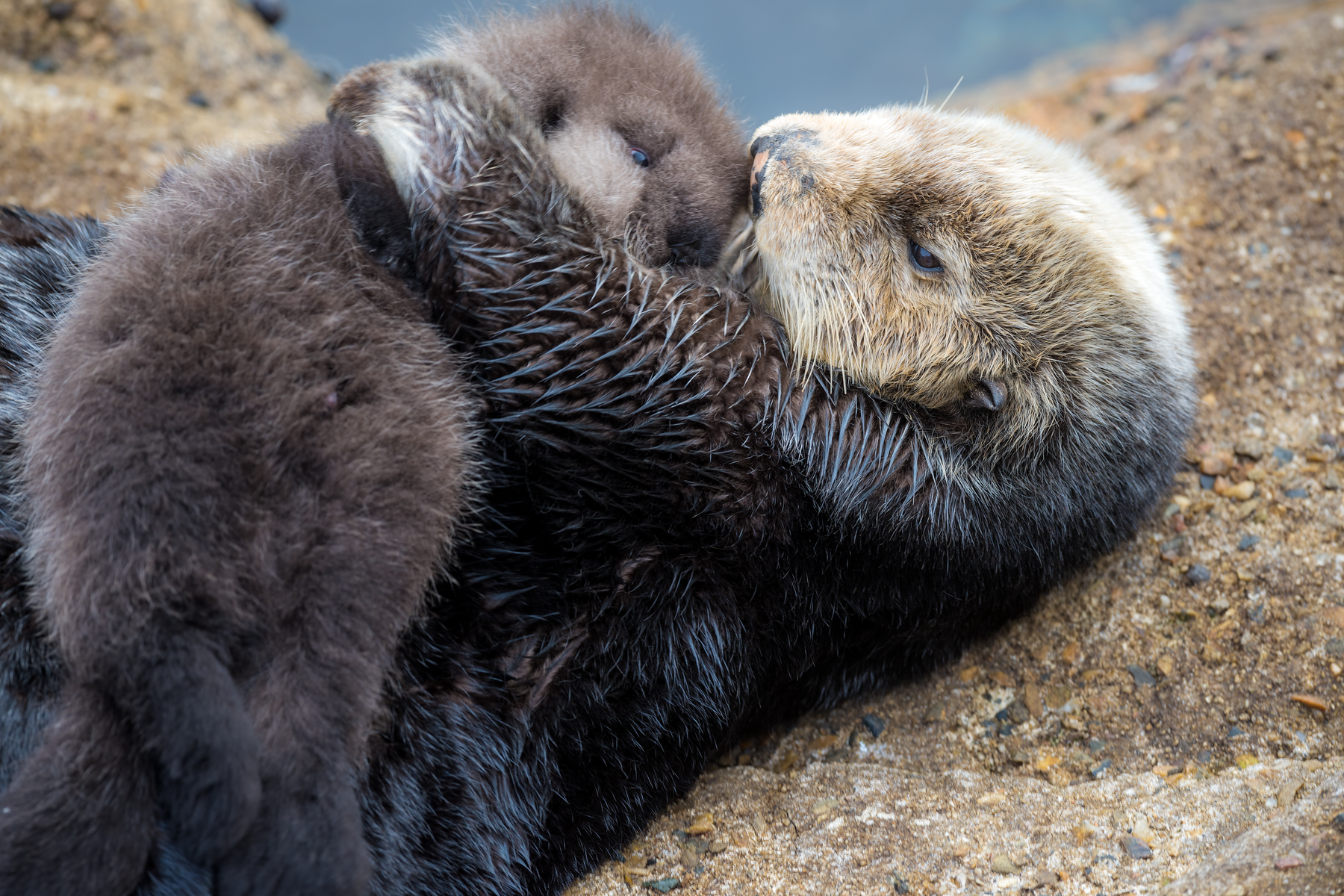
History of the Sea Otter Program
Discover the recovery and conservation of these keystone species in Monterey Bay.
Read more – History of the Sea Otter ProgramRelated videos
Our Sea Otter Program in action
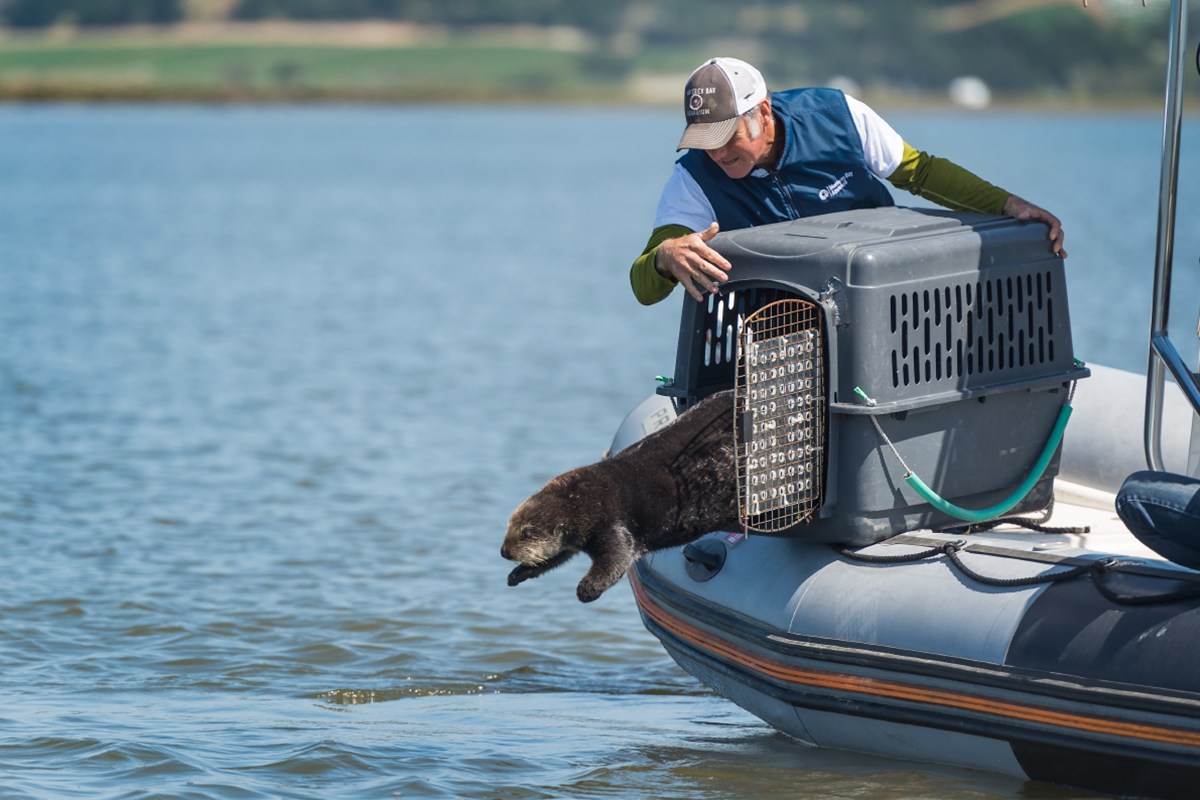
Our Sea Otter Program in action
From humble pup-bringings to an important keystone species, follow the journey an orphaned sea otter pup takes through our pioneering rescue program!
Love sea otters? Support our work
Our Sea Otter Program is unique, and having a real impact on their survival—and the resiliency of the coastal waters they call home.
More about sea otters
Exhibit
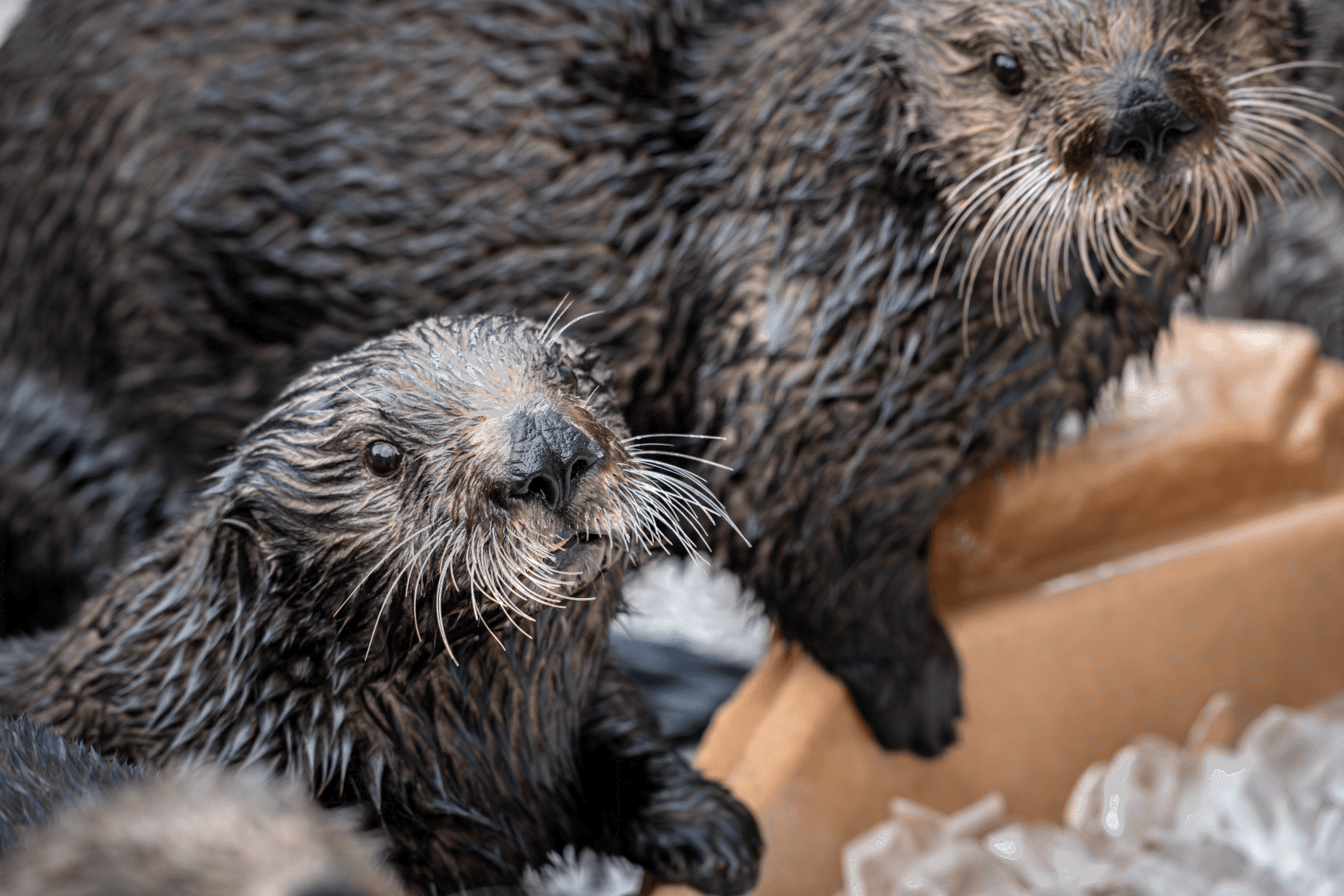
Meet our otters
Learn more about the furry and fabulous sea otters that call the Monterey Bay Aquarium home.
Read more – Meet our otters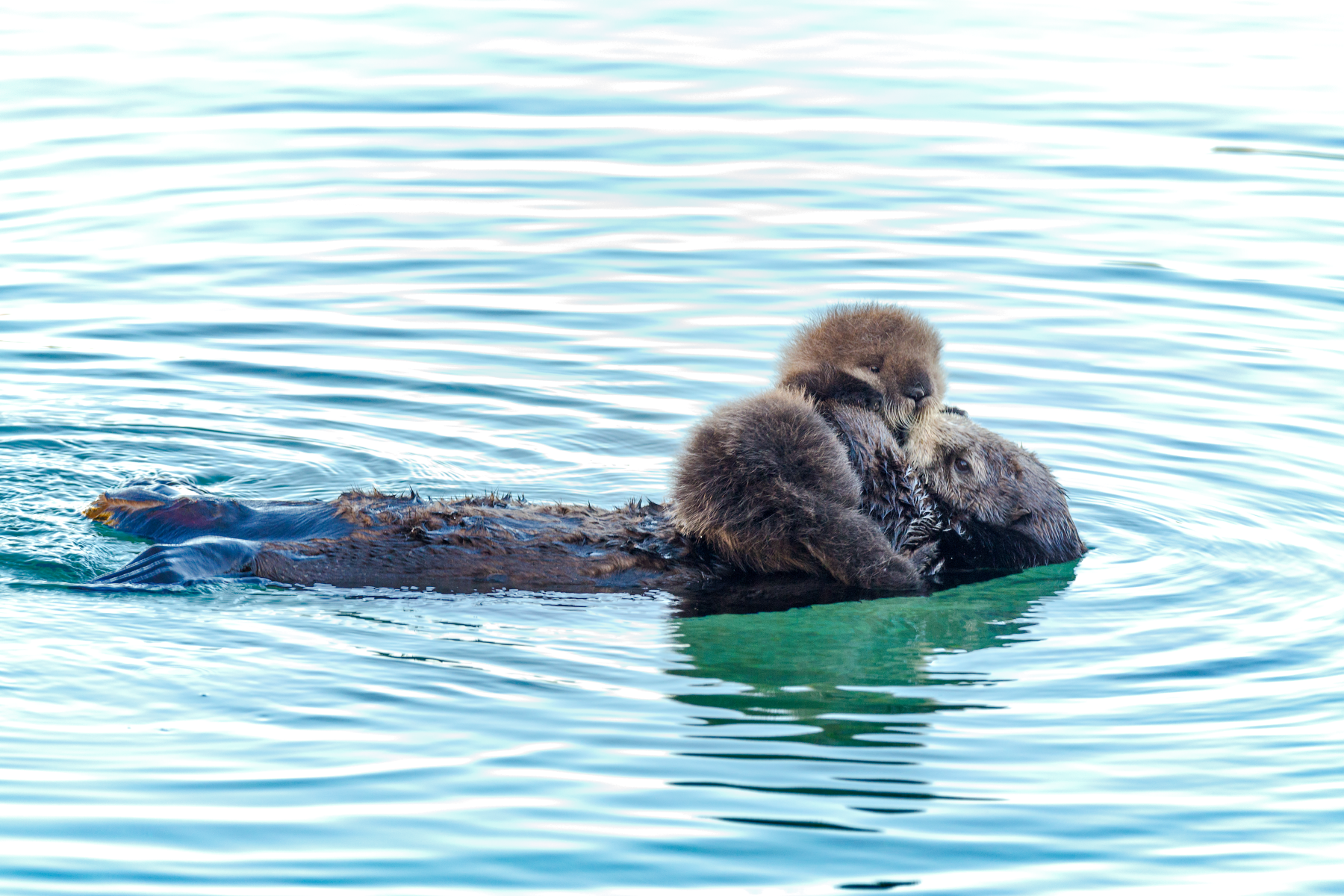
Change & impact
Sea otter recovery program
Our program pioneered an approach of pairing orphaned southern sea otter pups with surrogate mothers.
Read more – Sea otter recovery program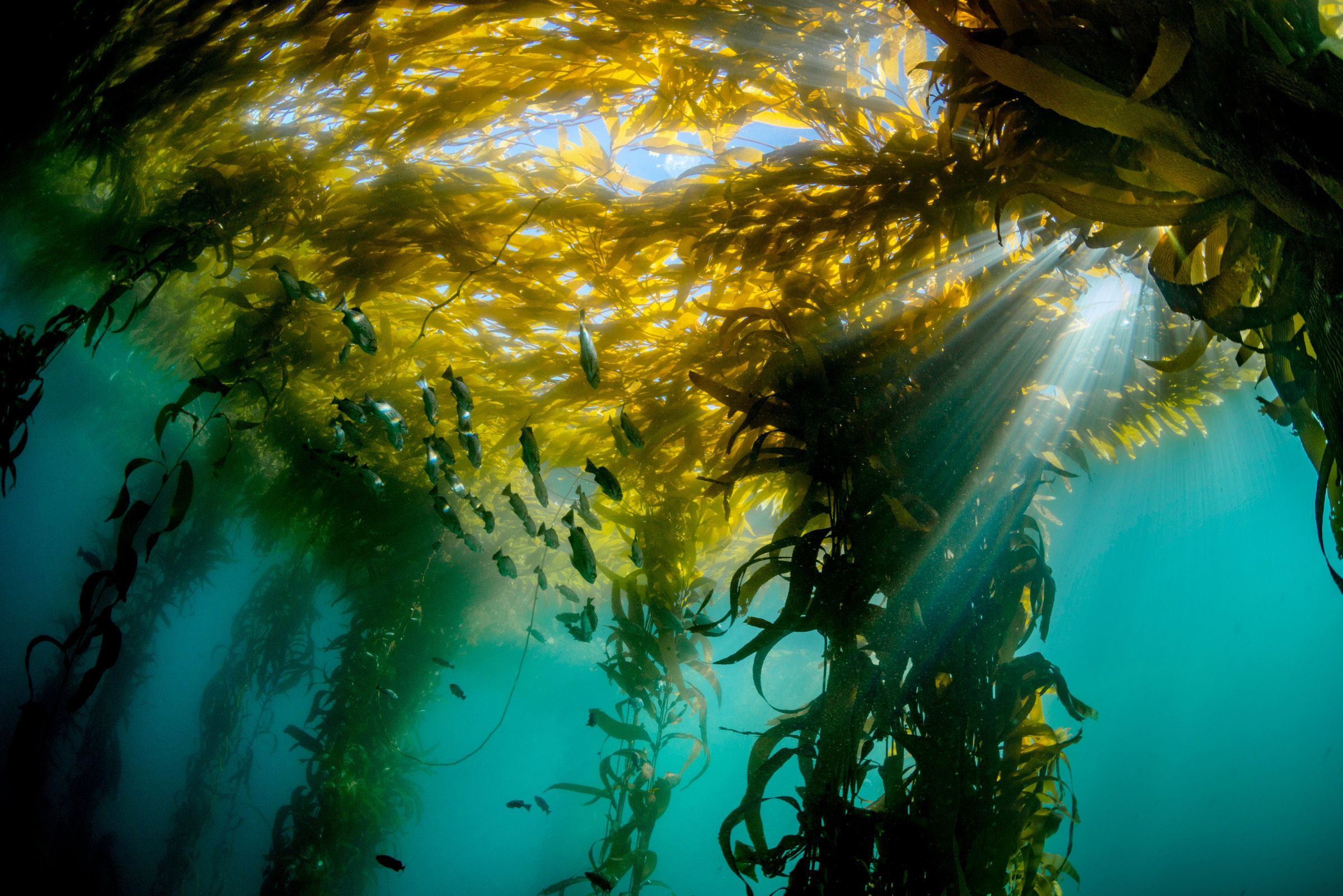
Change & impact
Kelp forest resilience & recovery research
We study why kelp forests become urchin barrens, when they recover, and when to intervene.
Read more – Kelp forest resilience & recovery research
Animals & the ocean
Quiz: Which sea otter are you?
Take this personality quiz to discover which of our exhibit otters is most like you.
Take the quiz – Quiz: Which sea otter are you?