
Human rights & social equity
Ensuring seafood production works for people and the planet. To truly be sustainable, seafood production must work for both people and the environment. Monterey Bay Aquarium works collaboratively with a wide range of partners to tackle the many socio-economic issues intertwined with environmental issues in seafood production.
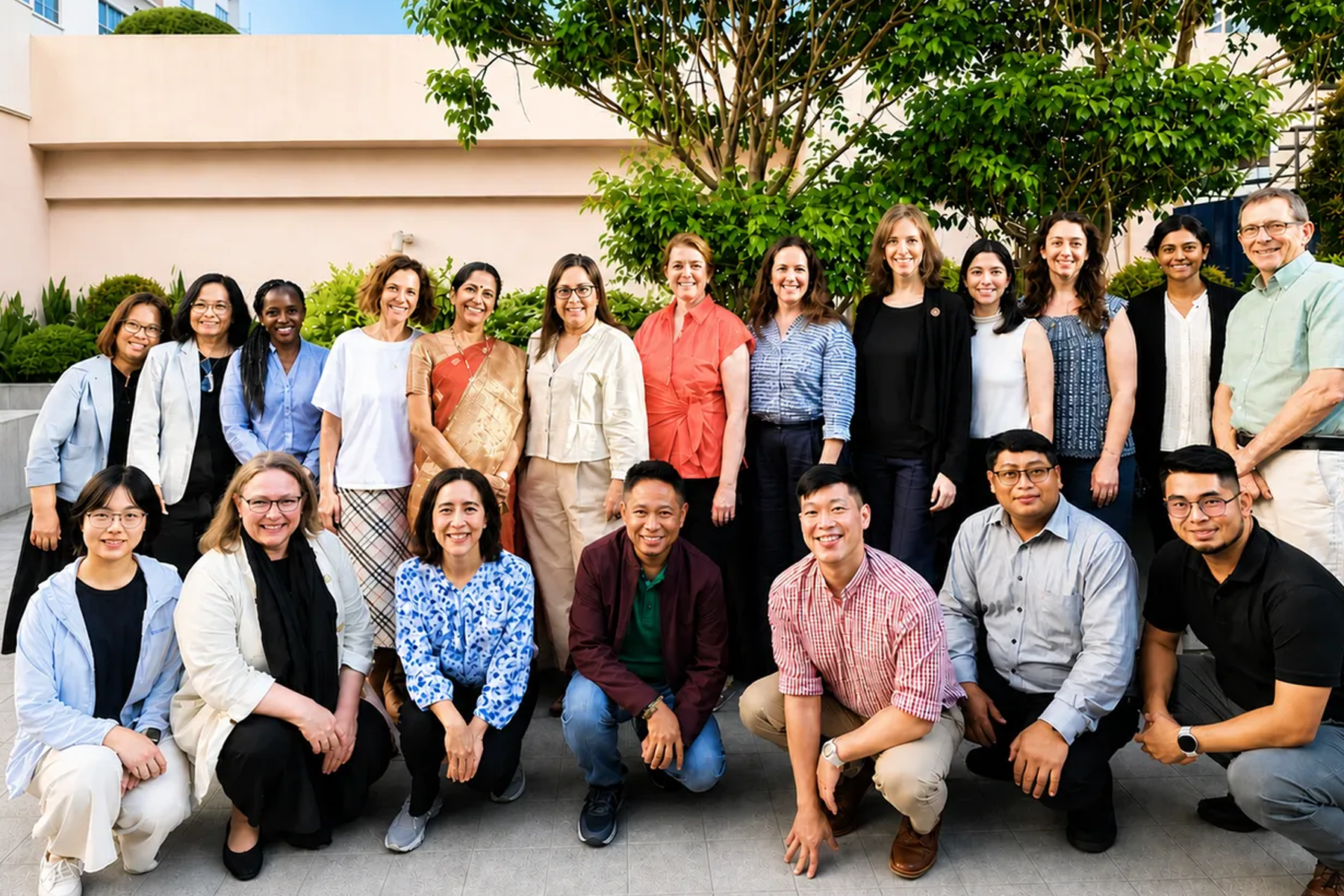
Social Sustainability Advisory Group
This group helps the Aquarium promote a human rights-based approach to sustainability. Comprised of academics, human rights and seafood social equity professionals, economists, and others, they provide valuable guidance and expertise as we work to transform how seafood is fished and farmed so people and the planet can thrive long-term. Together, we are integrating human rights into Seafood Watch's environmentally-focused programming.
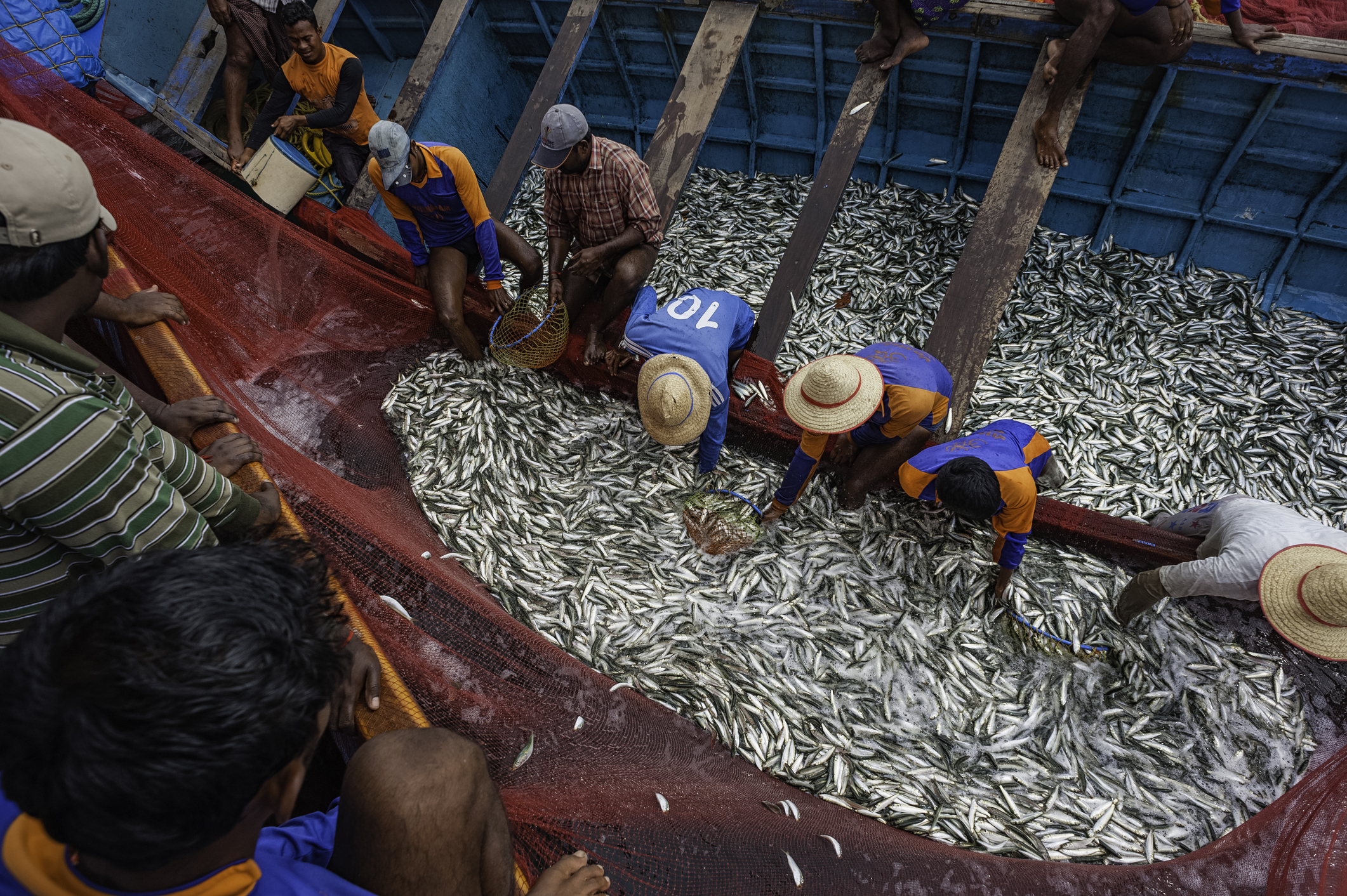
Seafood Social Risk Tool
The Seafood Social Risk Tool develops profiles for specific seafood products from different countries around the world, assessing the risks of forced labor, human trafficking, and hazardous child labour at the country, seafood industry and fishing, aquaculture farming, and seafood processing levels. The profiles rely on over 80 risk indicators and include other decent work issues, such as discrimination and freedom of association.
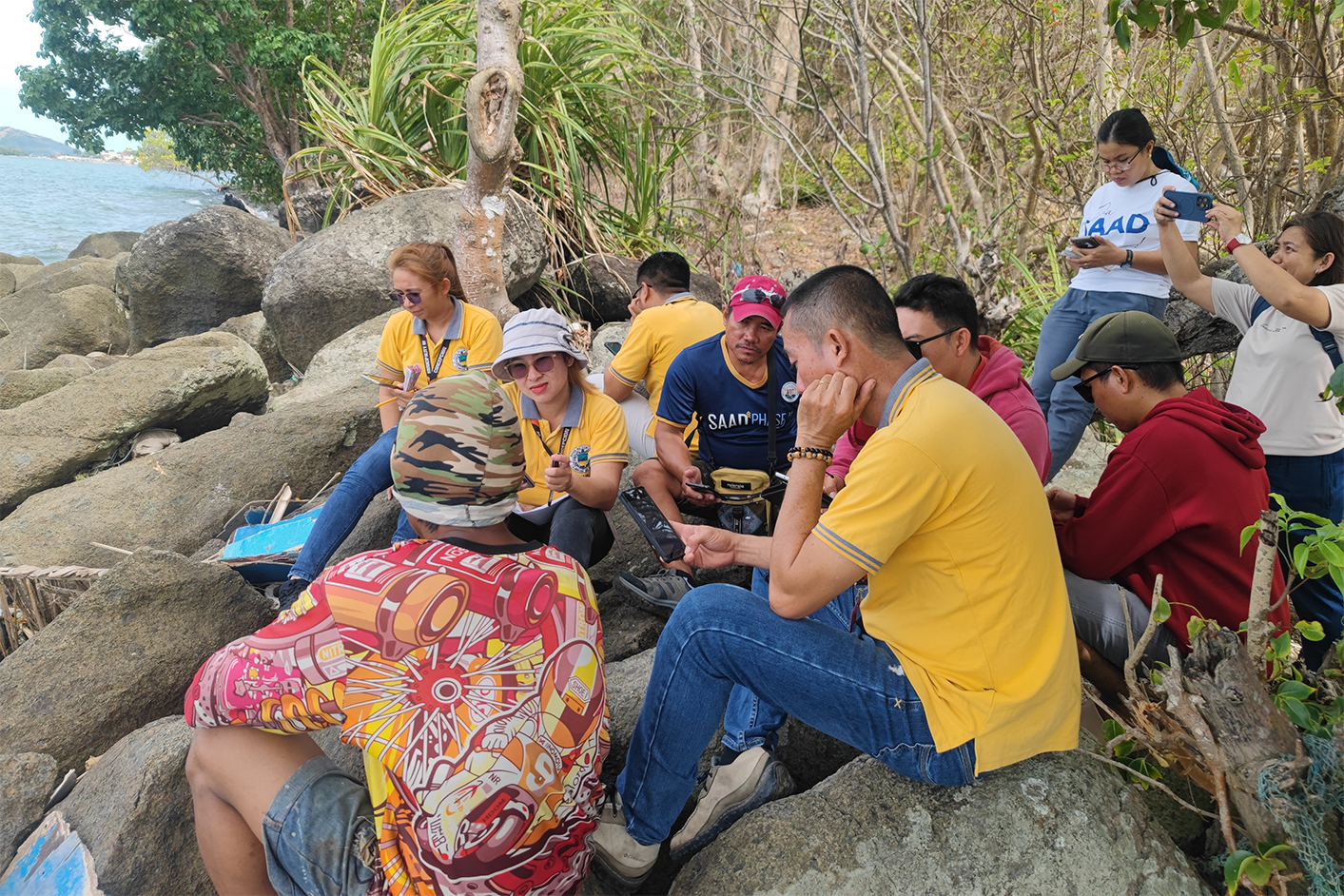
Socio-Economic Learning Framework
The Socio-Economic Learning Framework (SELF) supports efforts to improve farming and fishing practices, uphold human rights, and build equitable, resilient supply chains. By pinpointing unique challenges and opportunities in seafood-producing communities, SELF guides mixed-method baseline studies and country-specific socio-economic assessments.
Socio-economic baseline assessments
For each project, our team engages with local communities to identify the underlying environmental and socio-economic issues in the region. Through socio-economic baseline assessments, we identify the unique social, cultural, economic, and political conditions the communities we work with face. We then work in partnership with those communities to develop interventions tailored to the specific needs of the area and build local capacity to implement solutions. We have completed socio-economic baseline studies for India, the Philippines, and Vietnam.
Partnership Assurance Model
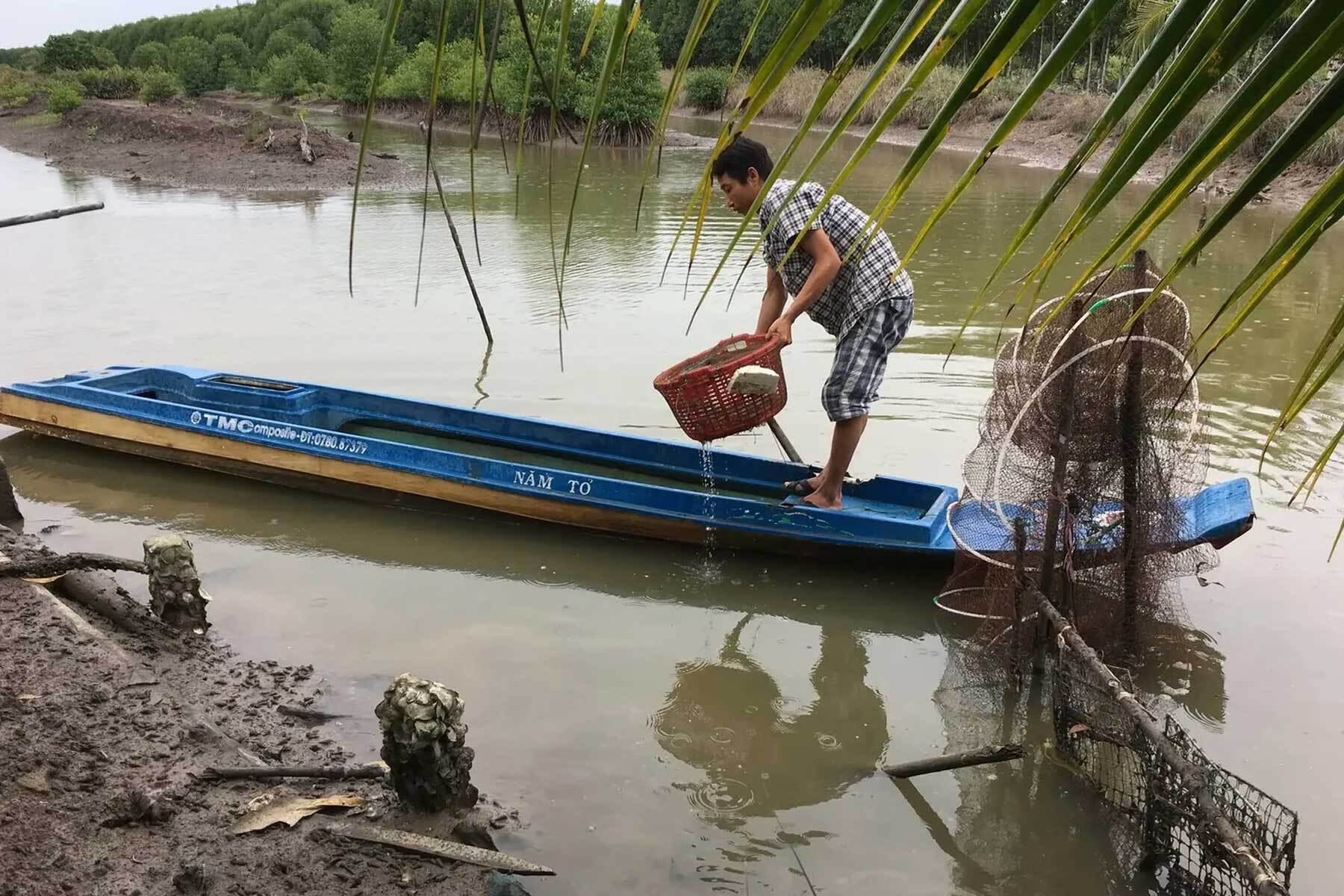
The Partnership Assurance Model unites local and national governments, farmers, and committed buyers to co-design, implement, and verify environmental improvements across the production process. Leveraging the strengths of each partner—e.g., farmers, processors, buyers, NGOs, governments, input providers, financial institutions, and tech companies—makes sustainability a shared responsibility.
For more information, see The Partnership Assurance Model white paper below.
Related downloads
The Partnership Assurance Model white paper
Download PDF 3.2 MB – The Partnership Assurance Model white paperStudy of the impact of intermediaries on environmental and social outcomes and worker vulnerability in small-scale fishing and aquaculture in Indonesia and Vietnam
Download PDF 2.3 MB – Study of the impact of intermediaries on environmental and social outcomes and worker vulnerability in small-scale fishing and aquaculture in Indonesia and VietnamFrom pond to Place-Based Initiative: Community-led solutions for social, environmental, and economic resilience in smallholder shrimp production in Andhra Pradesh, India
Download PDF 794.1 KB – From pond to Place-Based Initiative: Community-led solutions for social, environmental, and economic resilience in smallholder shrimp production in Andhra Pradesh, IndiaExplore more global ocean conservation programs
Change & impact
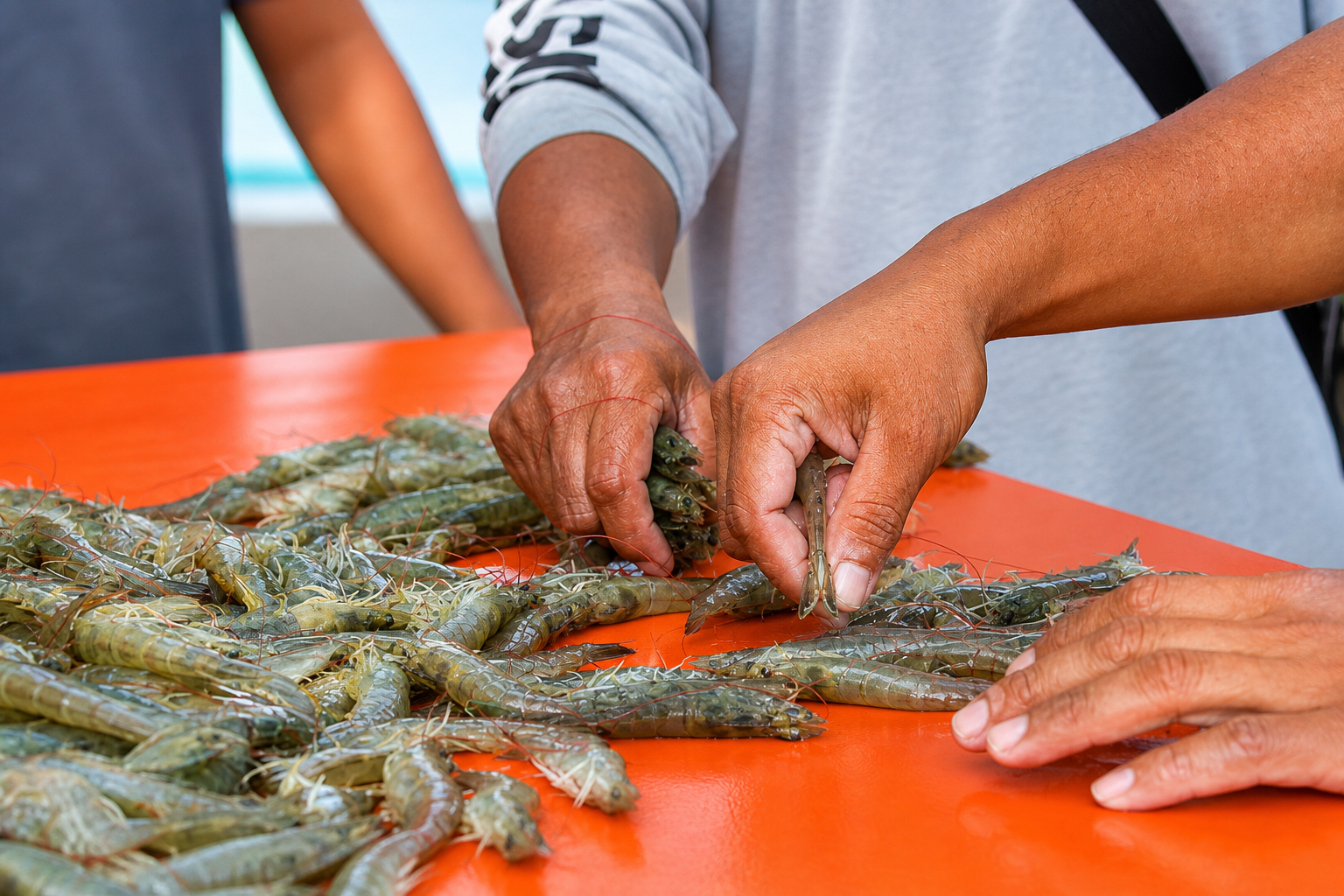
Fisheries & aquaculture projects
Supporting fisheries and aquaculture producers in key seafood-producing regions
Explore – Fisheries & aquaculture projects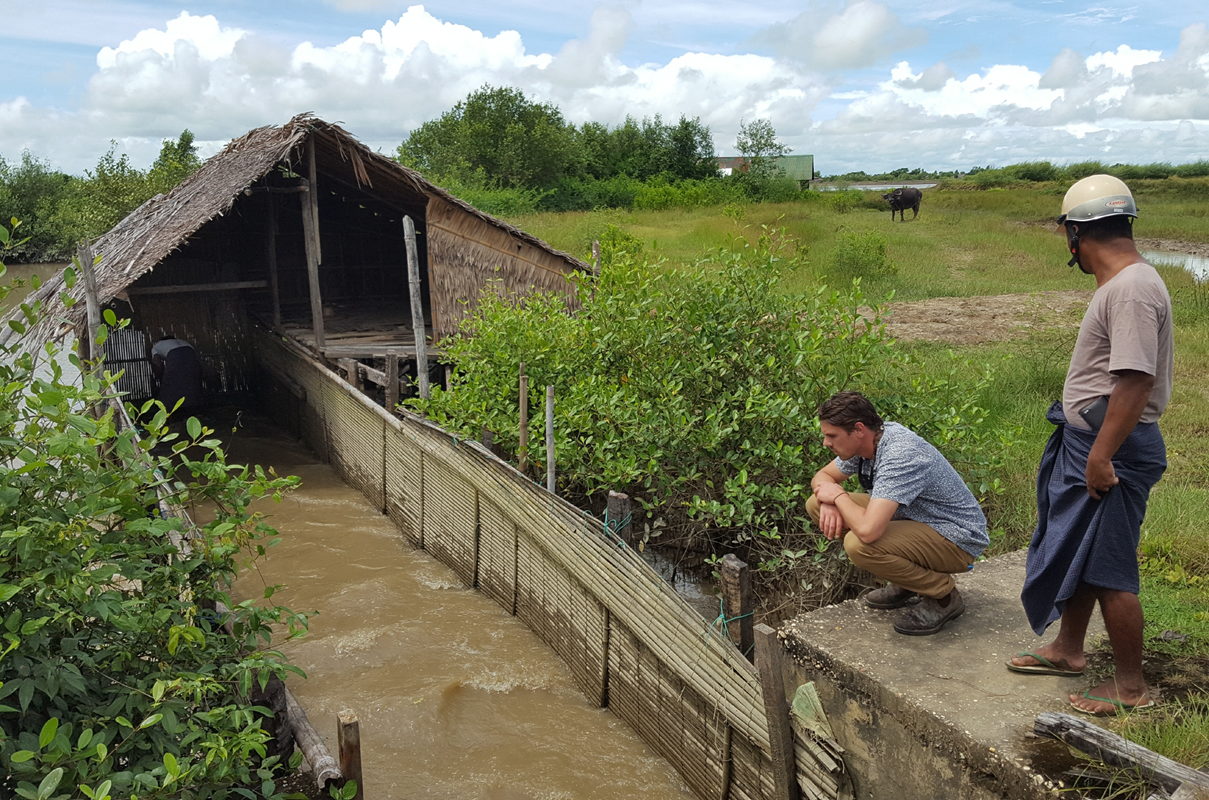
Change & impact
Tools & initiatives
See our tools and initiatives that help improve seafood sustainability and drive measurable ocean impact.
Explore – Tools & initiatives