

Press release
Monterey Bay Aquarium celebrates historic action from Biden-Harris Administration to protect 625 million acres of U.S. waters from offshore mineral development
The directive protects nearly a quarter of the U.S. ocean from offshore oil and gas leasing and drilling.
The Biden-Harris Administration issued a presidential memorandum to protect over 625 million acres—an area the size of Mexico—of U.S. federal waters in the Pacific Ocean, Atlantic Ocean, the Eastern Gulf of Mexico, and the Northern Bering Sea from offshore oil and gas development.
The Monterey Bay Aquarium applauds the action to safeguard these vital ocean ecosystems from mineral exploration, leasing, and development activities. Offshore drilling poses unnecessary and unacceptable risks at every step in the process. Damage from oil and gas seismic testing, drilling, and oil spills is well documented, and the use of fossil fuels creates the greenhouse gas emissions that are driving the climate crisis.
Monterey Bay Aquarium Executive Director Julie Packard issued the following statement:
“This is one of the most important steps that can be taken to protect our ocean and our coastal communities,” said Executive Director Julie Packard. “We have learned devastating lessons from the impacts of offshore oil development off of California, in the Gulf, and elsewhere. We know that the foundation of thriving coastal communities and their economies is a healthy, vibrant ocean. Thanks to this decisive action, these communities no longer need to bear the threat of offshore drilling.
“We’re grateful to President Biden and Vice President Harris,” Packard continued. “Their action today will unlock a better future for coastal communities and economies, tourism, sustainable fisheries, and wildlife. This will benefit Americans, and our ocean, for decades to come.”
Monterey Bay Aquarium Chief Conservation and Science Officer Margaret Spring said:
“Decades of responding to oil spills and living with the impacts of fossil fuel development have taught us that the ocean is no place for oil and gas drilling. The devastating consequences of the Deepwater Horizon oil spill are still felt by coastal communities and fisheries in the Gulf, and the lasting impacts on marine wildlife and habitats are still being unraveled by scientists. A catastrophic spill off the California Coast could wipe out vulnerable species like southern sea otters, with a limited range and a small population, and harm other endangered and threatened species like murrelets and albatrosses, blue and humpback whales, or leatherback sea turtles.”
Spring added: “Oil spills have long-term harmful impacts on coastal industries like fishing and tourism, on resources essential to the well-being of Tribes, and on marine life and habitats long after the oil has been cleaned up. And they cost billions in economic loss and cleanup costs. The future of our ocean depends on clean waters and a thriving ocean environment, and today’s action is a huge step to secure that future for our nation.”
About Monterey Bay Aquarium
With a mission to inspire conservation of the ocean, the Monterey Bay Aquarium is the most admired aquarium in the United States, a leader in science education, and a voice for ocean conservation through comprehensive programs in marine science and public policy. Everything we do works in concert to protect the future of our blue planet. More information at MontereyBayAquarium.org.
More from the newsroom
Press release
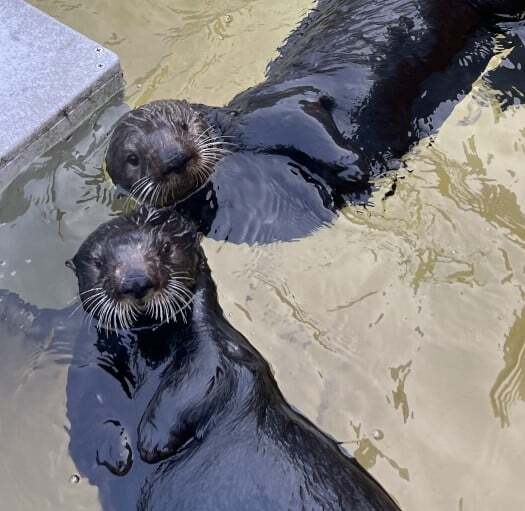
Meet Suri and Willow: Monterey Bay Aquarium’s newest sea otters
Monterey Bay Aquarium's new southern sea ottes, Suri and Willow, made their public debut April 14, 2026
Read press release – Meet Suri and Willow: Monterey Bay Aquarium’s newest sea otters
Press release
Dr. Jenny Gray named Monterey Bay Aquarium CEO
Gray will join the Aquarium in May, and founding director Julie Packard will stay on as a board member.
Read press release – Dr. Jenny Gray named Monterey Bay Aquarium CEO
Press release
Seafood Watch assigns red ratings to high-risk right whale fisheries
Fisheries are given red ratings due to the serious threat they pose to endangered North Atlantic right whales.
Read press release – Seafood Watch assigns red ratings to high-risk right whale fisheries
Statement
Response from Monterey Bay Aquarium on calls to reverse recent Seafood Watch red ratings
The Maine Congressional Delegation and Governor of Maine issued a letter calling on Seafood Watch to reverse …
Read statement – Response from Monterey Bay Aquarium on calls to reverse recent Seafood Watch red ratings