
Our history
Celebrating 40 years of excellence, the Monterey Bay Aquarium remains a stunning showcase for the habitats and sea life of one of the world's richest marine regions.
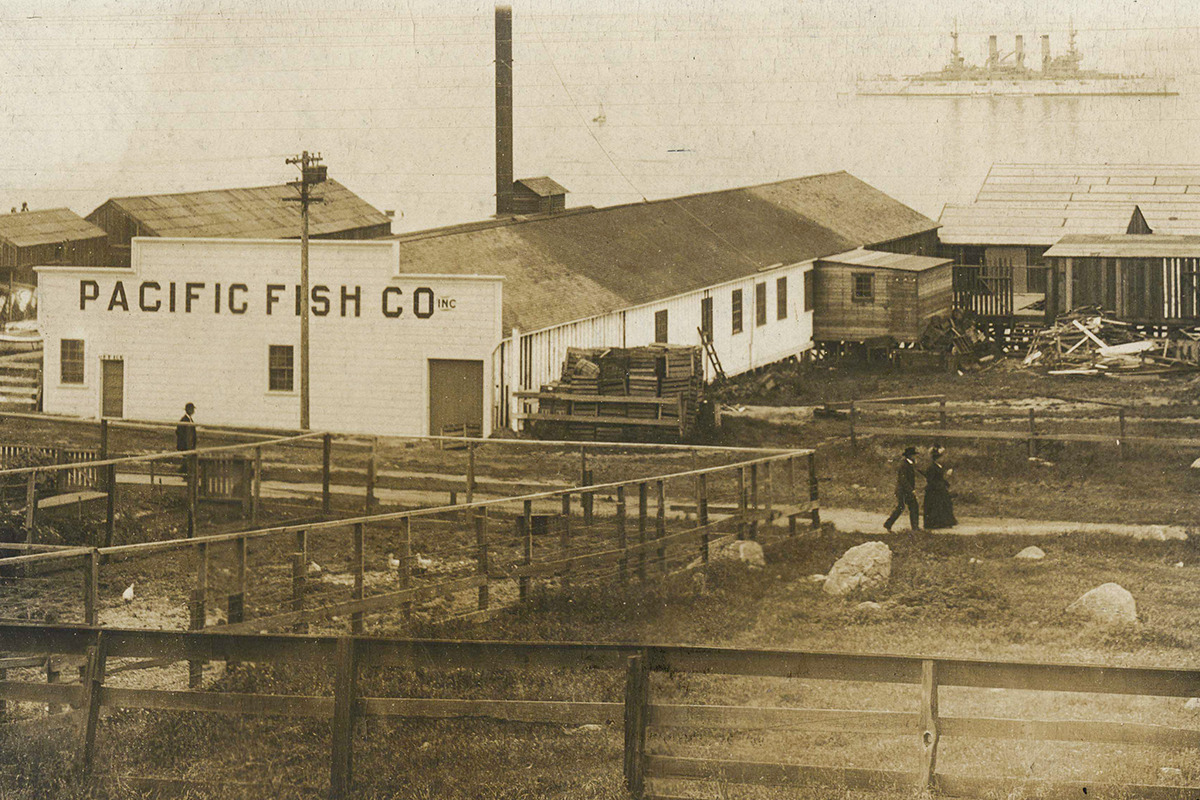
July 7, 1916
July 7, 1916
Knut Hovden opened his cannery on the current site of the Aquarium, which would become the largest sardine cannery on Cannery Row.
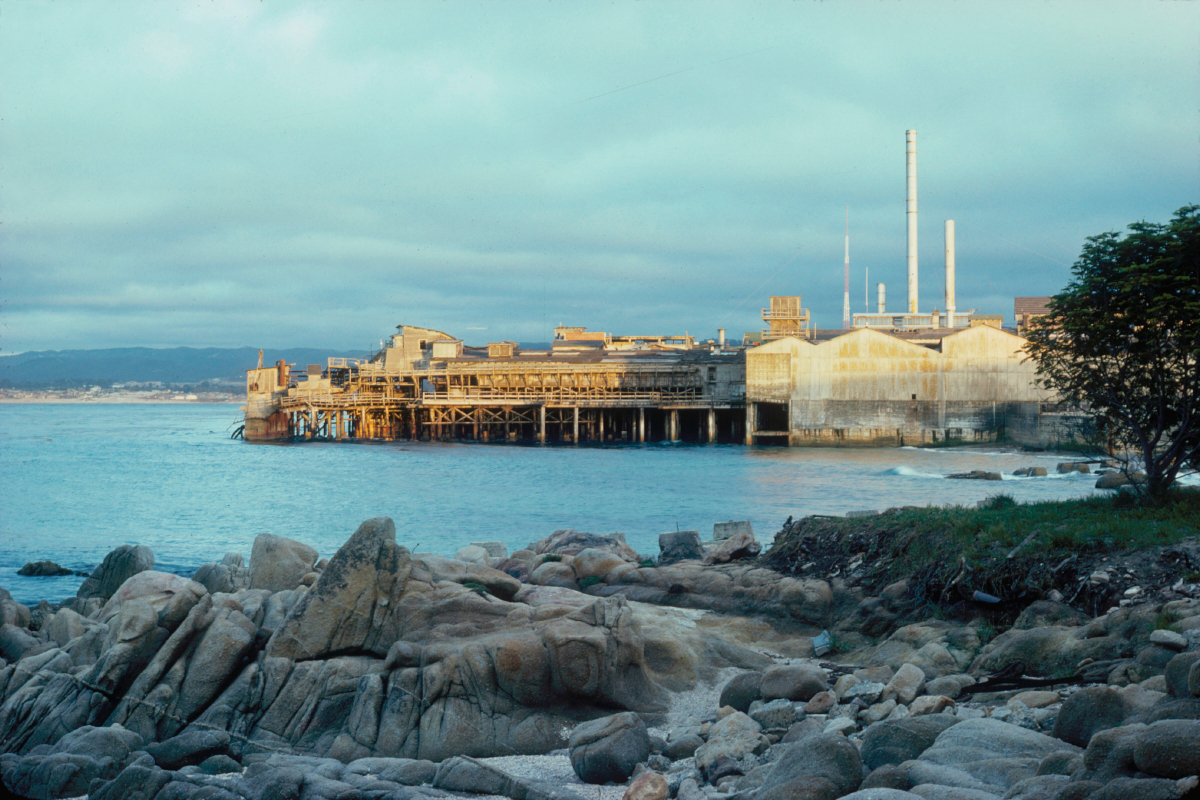
1973
1973
After the sardine fishery collapsed in the early 1950s, the Hovden Cannery switched to canning squid. Despite its efforts, the cannery struggled to sell enough products and ultimately shut down in 1973. The building, located next door to Hopkins Marine Station, was purchased by Stanford University.
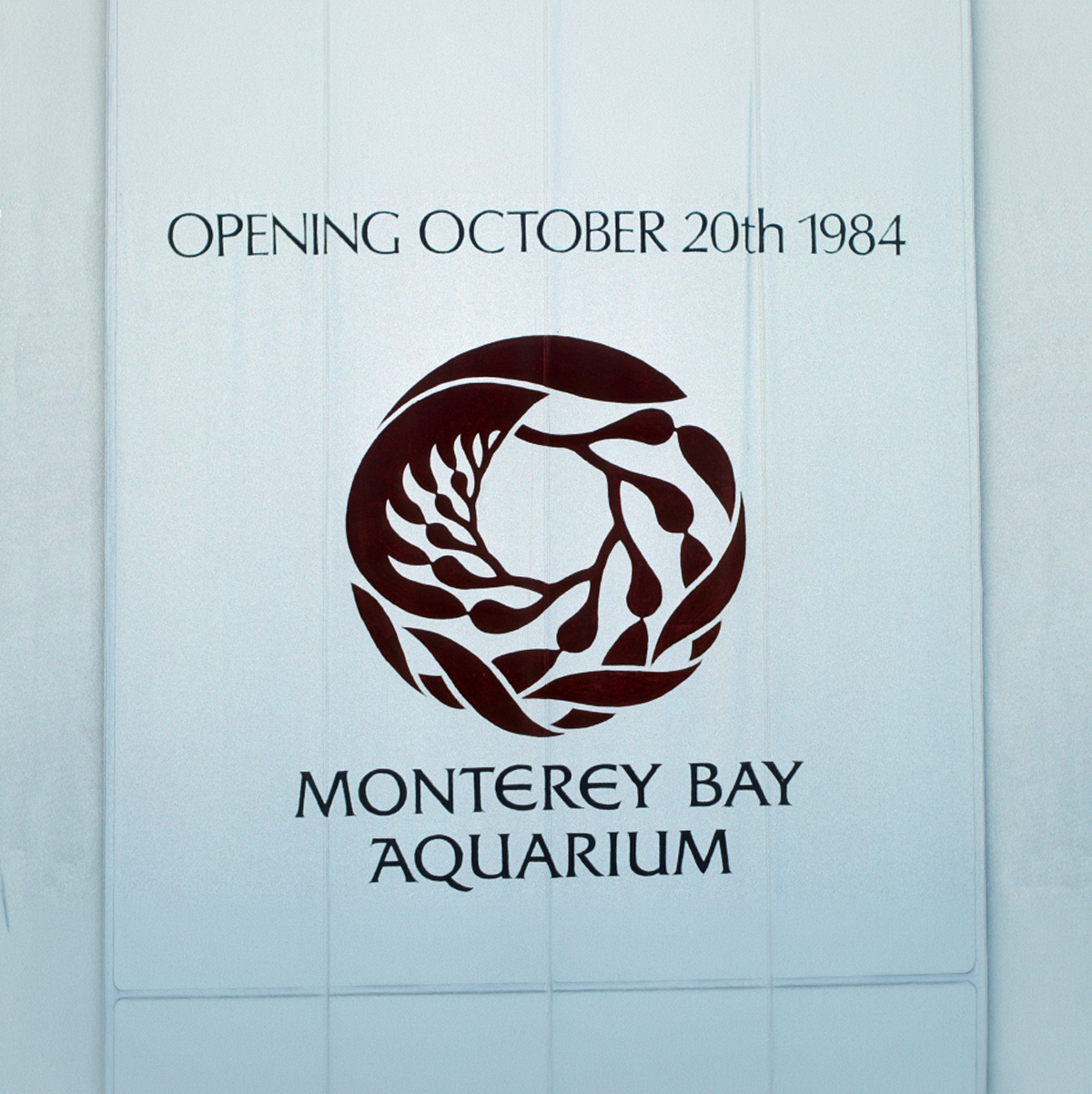
November 1977
November 1977
Plans began to take shape for a world-class aquarium showcasing the unique marine environment of Monterey Bay.
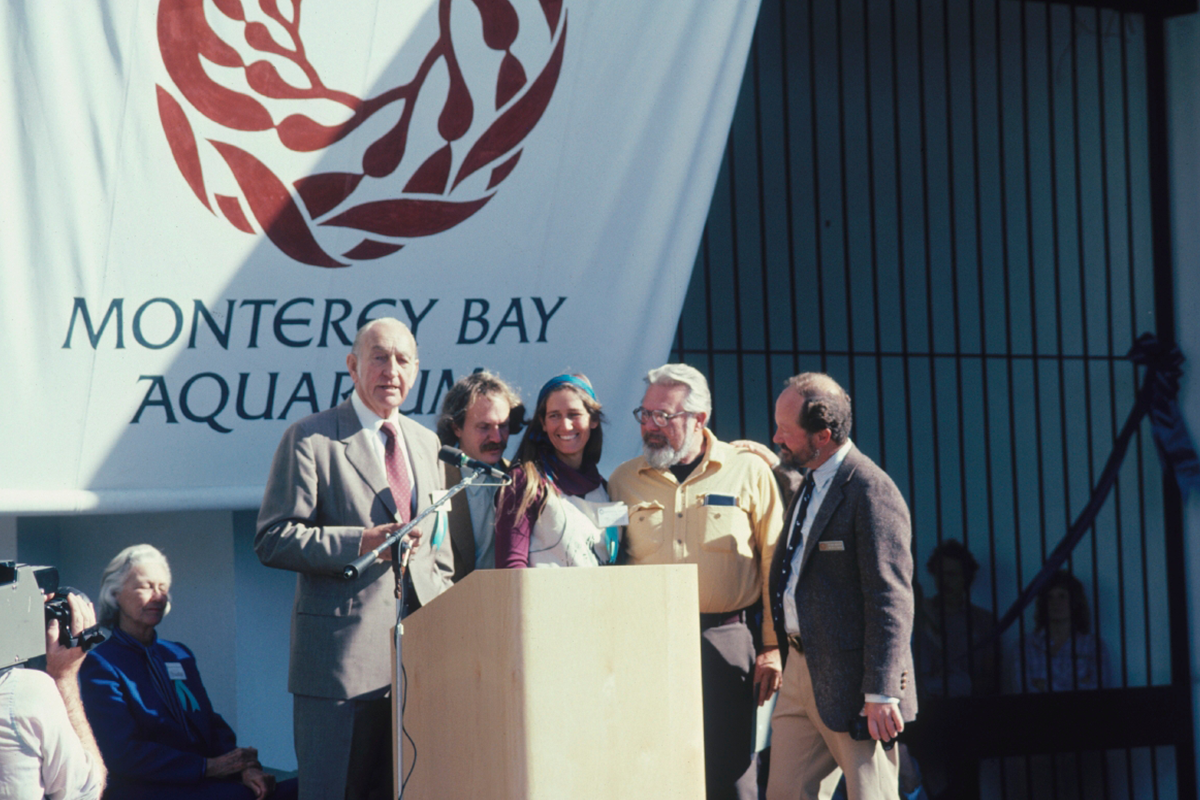
April 1978
April 1978
A group of marine scientists, local residents, and members of the David and Lucile Packard Foundation of Los Altos, California, formed the Monterey Bay Aquarium Foundation. A one-time personal gift from David and Lucile Packard provided initial construction costs for the Aquarium, which ultimately totaled $55 million.
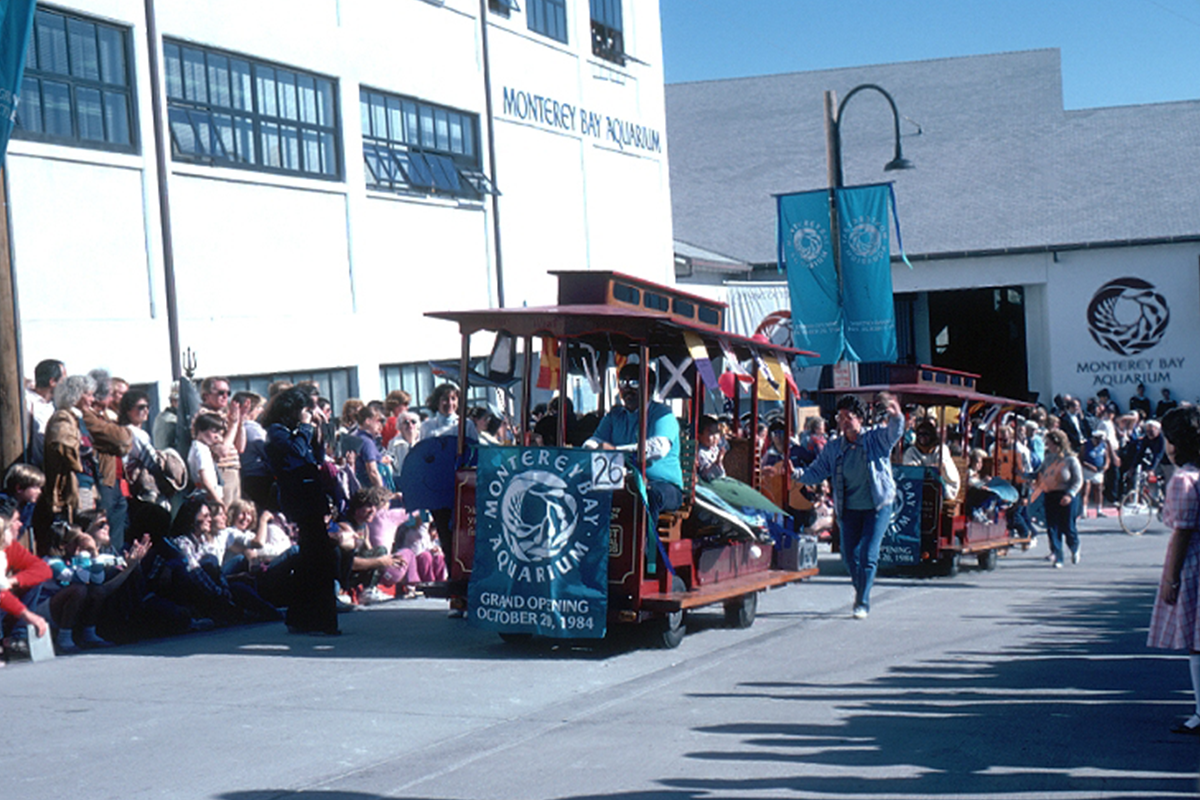
October 20, 1984
October 20, 1984
Opening day! The Aquarium welcomed 10,681 visitors through its doors on its very first day, marking a successful and enthusiastic start to its journey of inspiring conservation of the ocean. Through the end of 2023, we've hosted more than 70 million visitors.
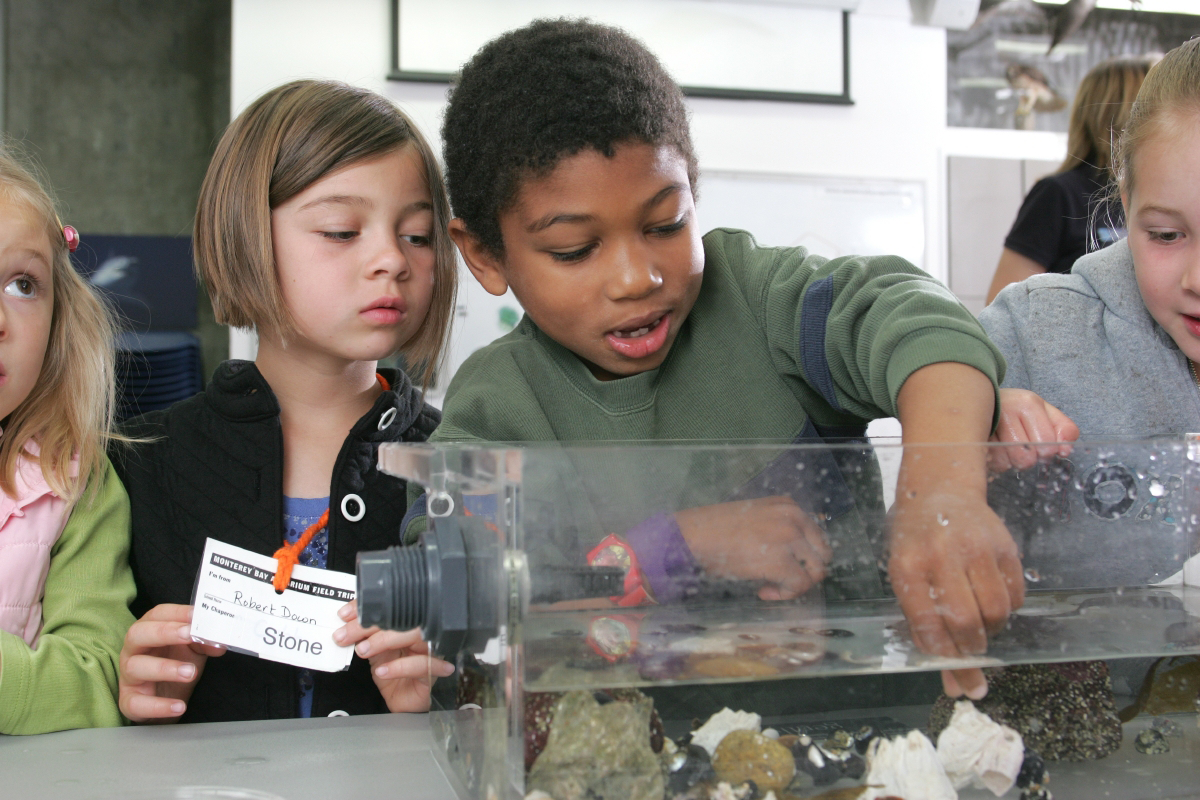
March 1985
March 1985
Programs for schoolchildren began—hosting over 2.75 million students through the end of 2023. The Aquarium’s educational initiatives have played a vital role in nurturing young minds and fostering a deep understanding of marine life and conservation efforts.
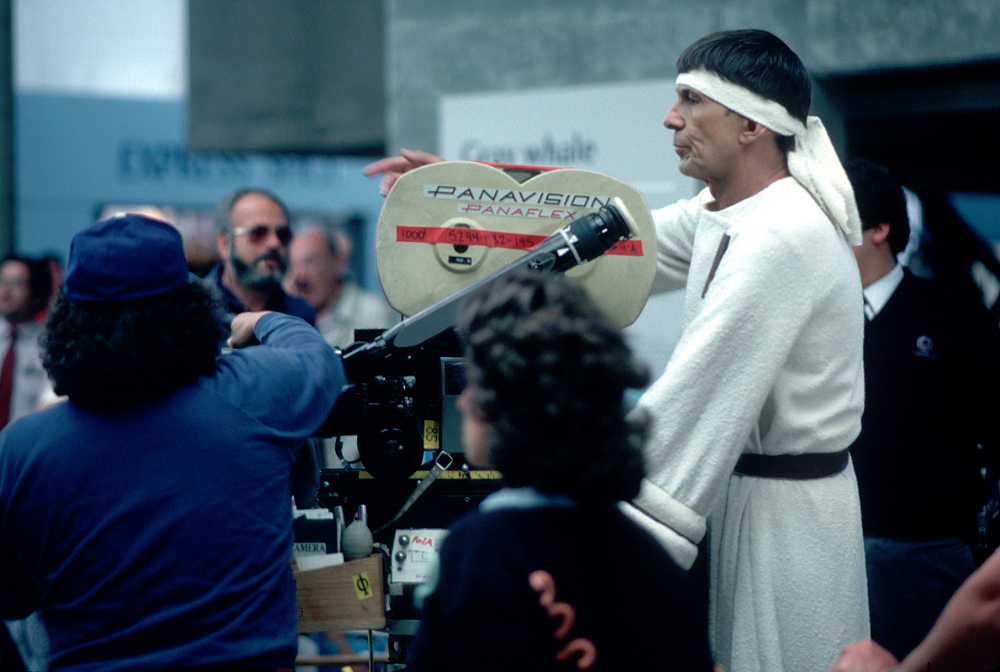
April 1986
April 1986
The Aquarium gained movie-star status as the Cetacean Institute featured in Star Trek IV: The Voyage Home.
October 1986
October 1986
The Aquarium was awarded accreditation from the Association of Zoos and Aquariums. AZA is a prestigious organization dedicated to advancing excellence in animal care, conservation, and education, serving as a global leader in promoting the highest standards among accredited zoos and aquariums worldwide.
Summer 1987
Summer 1987
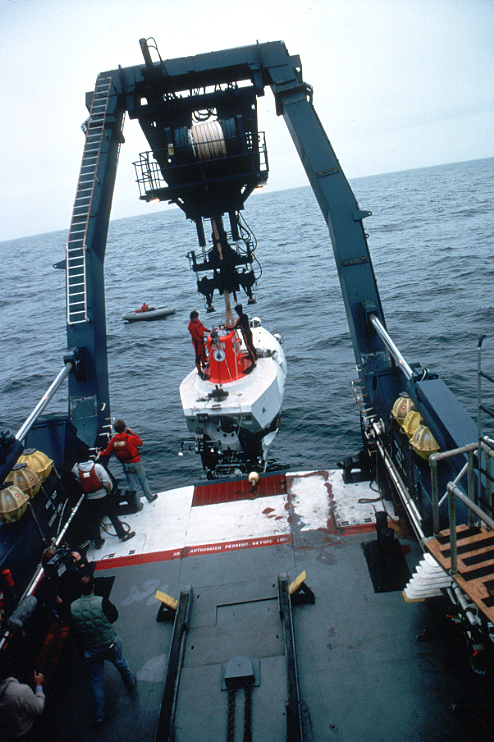
The Monterey Bay Aquarium Research Institute (MBARI) was founded by David Packard with the vision of bringing scientists and engineers together to develop technology that would make it easier to explore and understand the changing ocean.
1988
1988
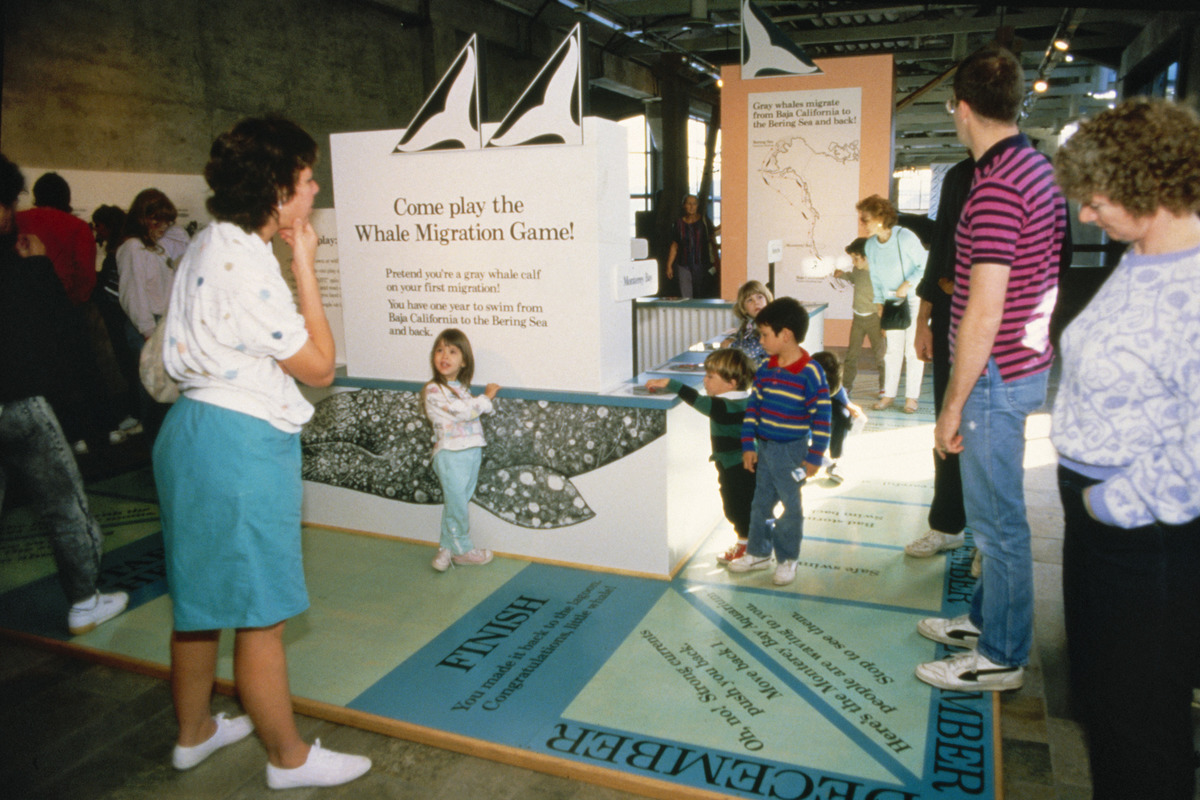
The Aquarium’s first special exhibition, "Whalefest," opened. It marked the first time any aquarium had created a program of regular changing exhibitions. Unlike "Whalefest," living exhibits were central to all future exhibitions.
1989
1989
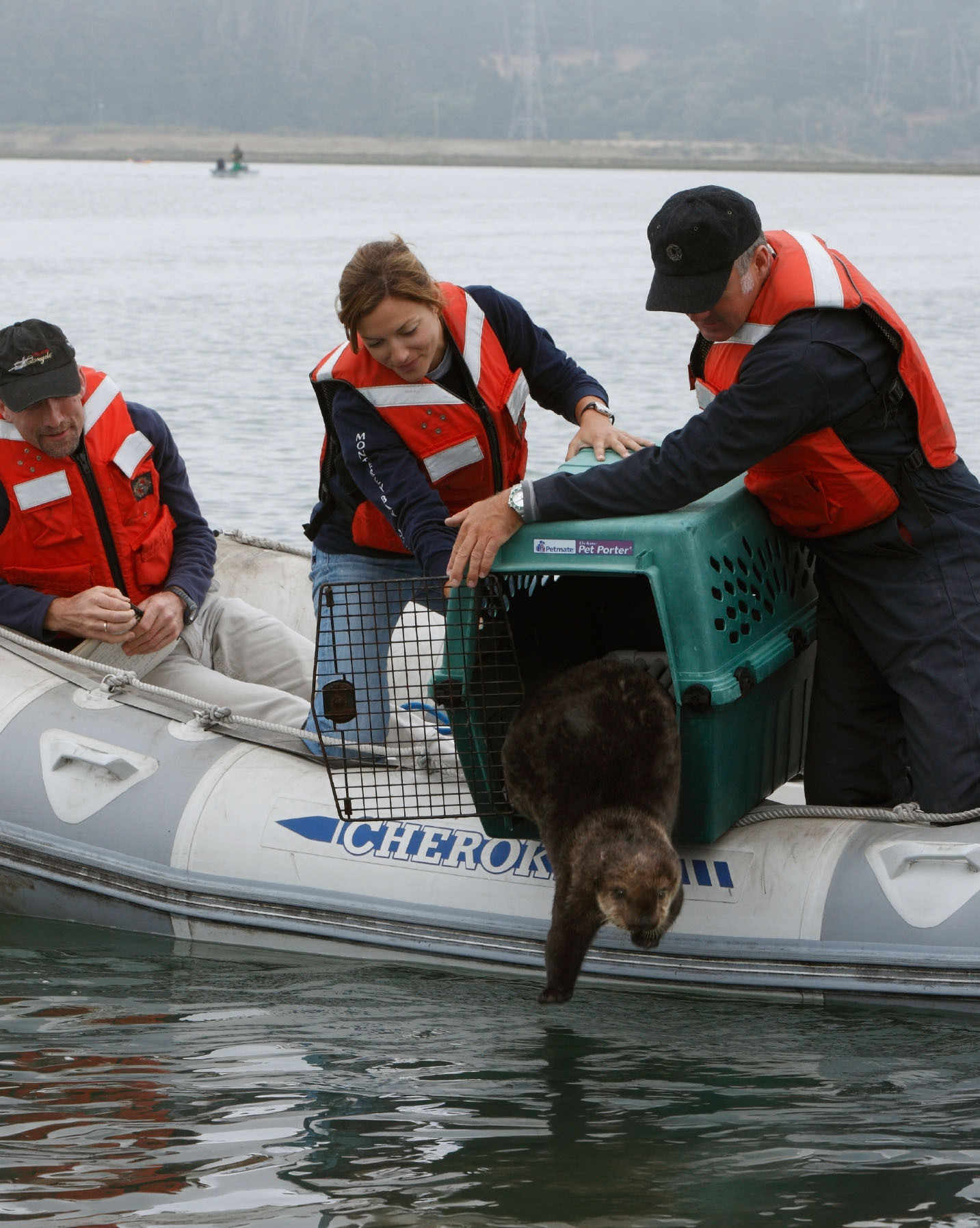
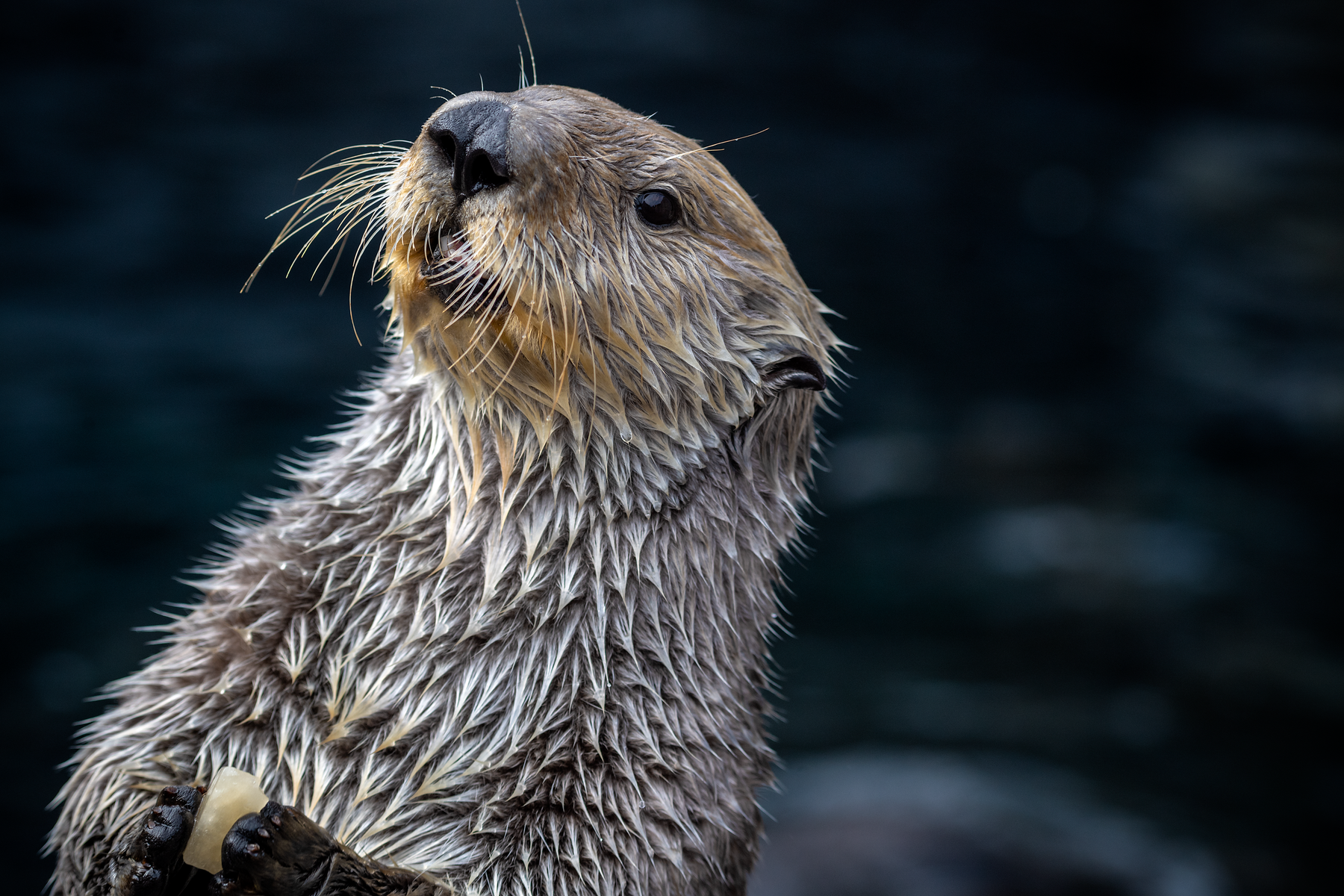
The Aquarium rescued, raised, and returned a stranded sea otter pup to the wild, sparking our journey as pioneers in sea otter rescue, rehabilitation, and research. Through our dedicated efforts, we are actively contributing to the restoration of endangered sea otter populations and the preservation of crucial coastal ecosystems.
1992
1992
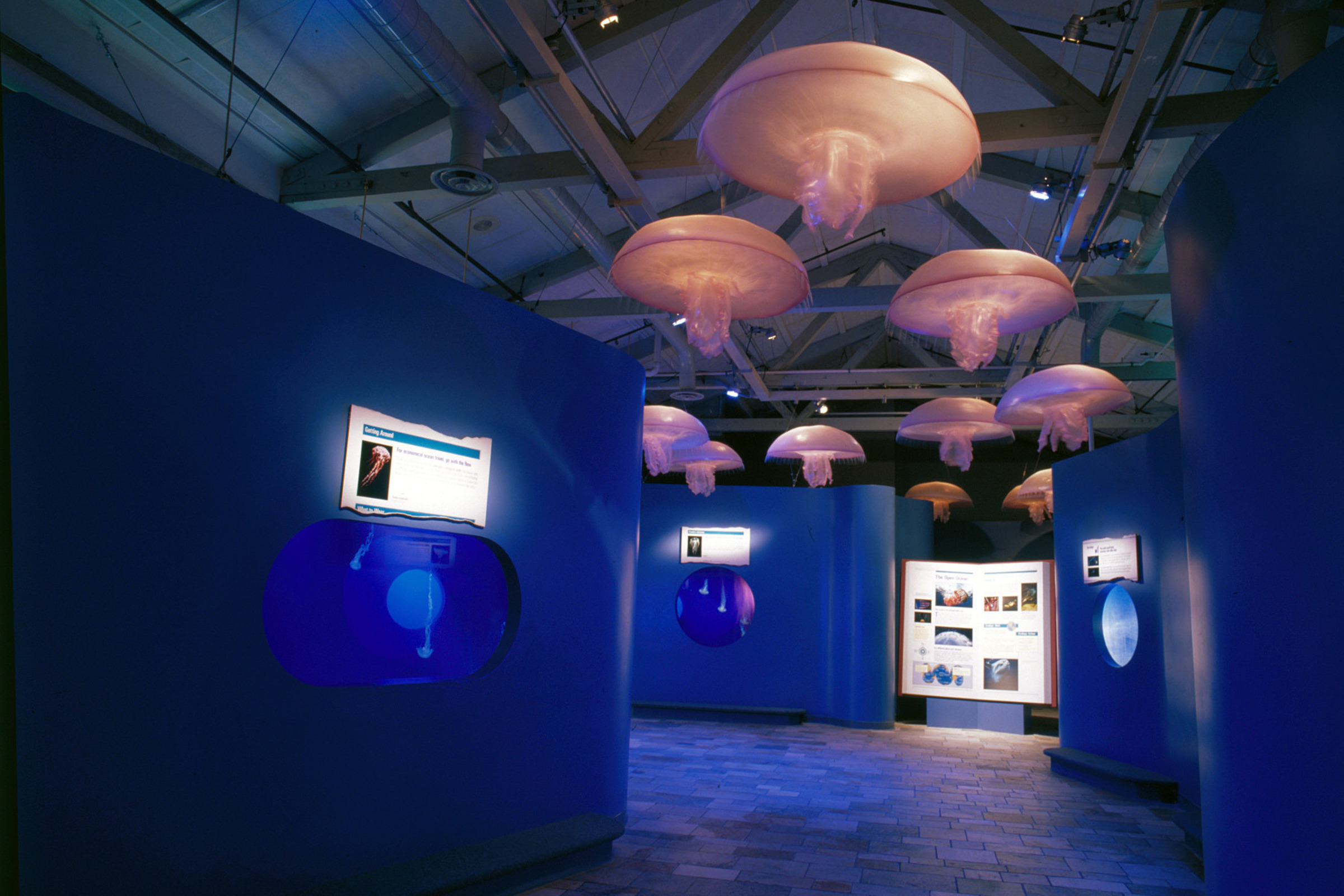
The Aquarium’s first all-jellies special exhibition, “Planet of the Jellies” kicked off the jellies exhibit boom here and across the entire country. It was possible because of innovations in exhibit design to house delicate jellies and breakthroughs in animal care by staff members who solved the puzzle of raising jellies throughout their complex lifecycle.
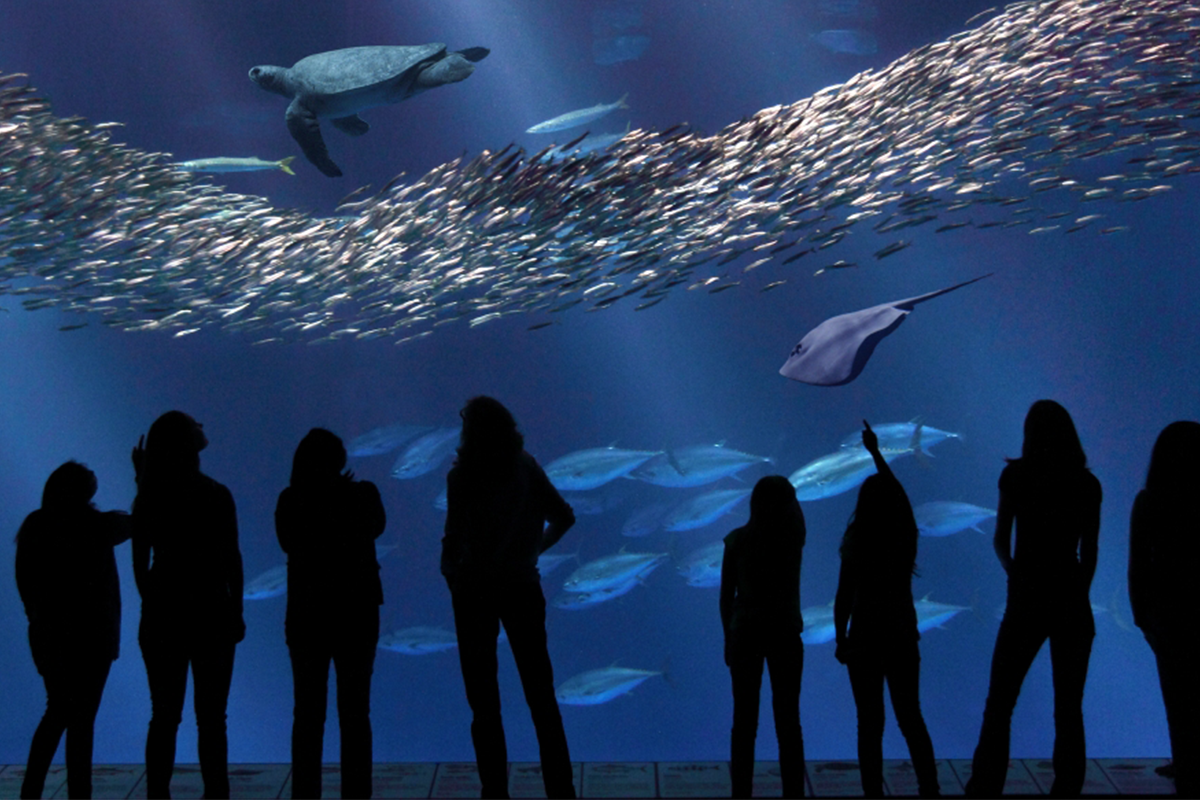
March 1996
March 1996
The million-gallon Open Sea exhibit—the largest exhibit at the Aquarium—opens to showcase a community of tunas, hammerhead sharks, sea turtles, sunfish, and more. Our $56 million two-story Open Sea wing also featured permanent exhibits of jellies and a lower floor dedicated to changing exhibitions.

October 1999
October 1999
Two years after we opened “Fishing for Solutions: What’s the Catch?,”an exhibition devoted to the environmental issues around fishing and farming seafood, our Seafood Watch program launched and debuted an online program and consumer pocket guide to help consumers and businesses make sustainable seafood choices.
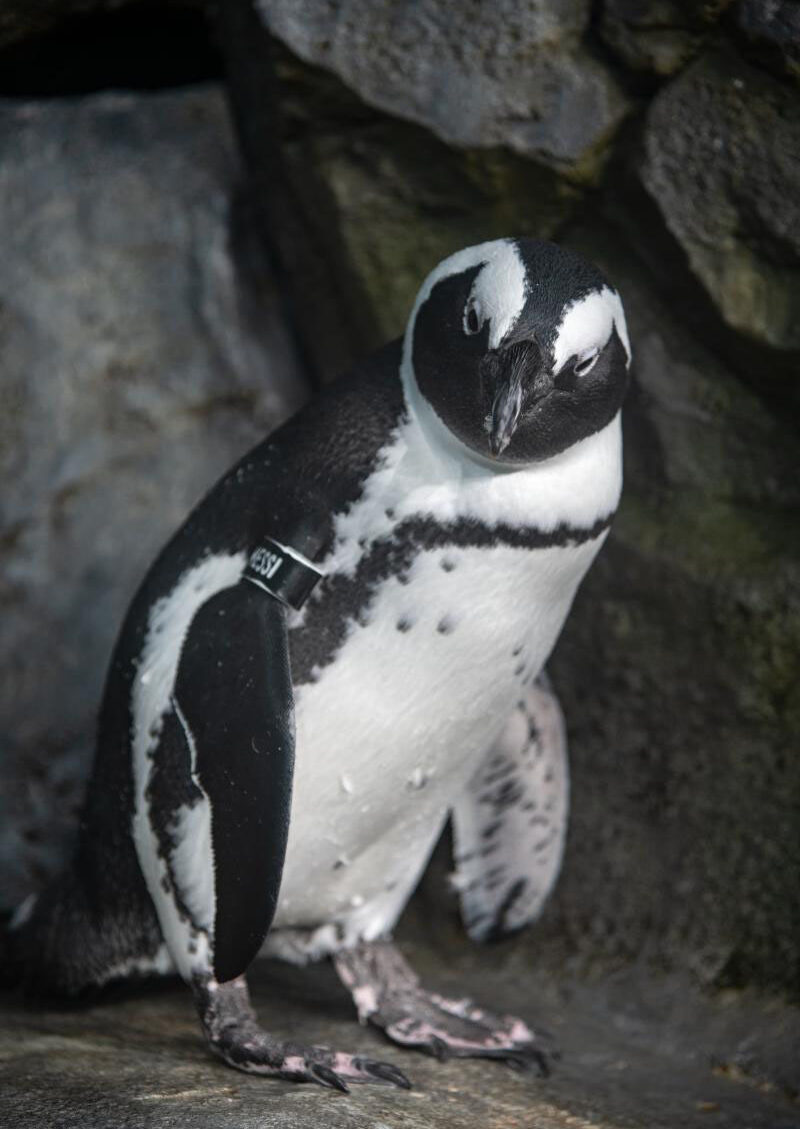
April 2000
April 2000
The Aquarium opens the Splash Zone family galleries—the first-ever children's museum inside an aquarium. Its instant popularity helped turn what was supposed to be a temporary exhibition into a permanent part of the Aquarium experience.
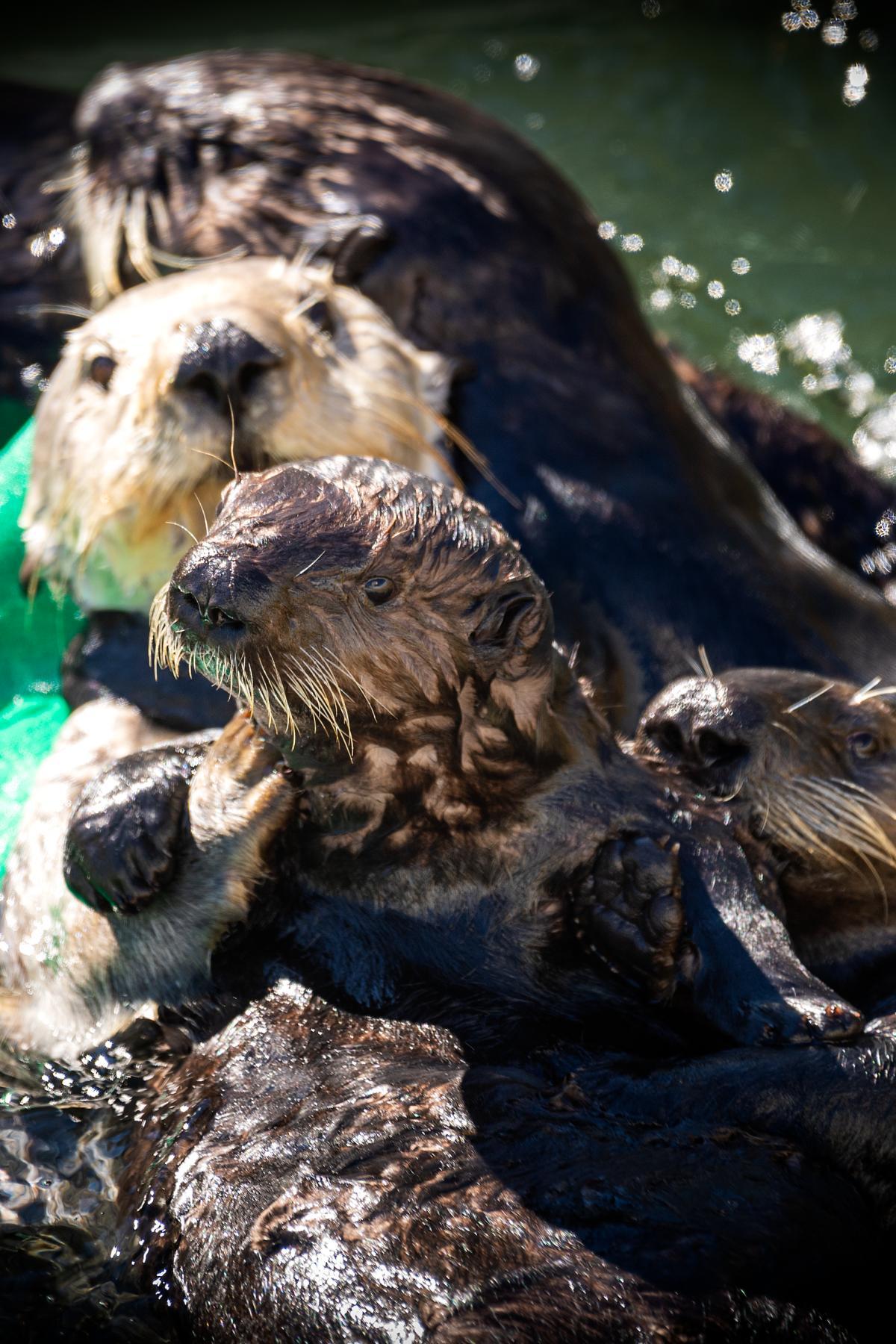
2001
2001
We expanded our Sea Otter Rescue and Rehabilitation program to include surrogacy. Non-releasable female sea otters now serve as surrogate mothers to rescued sea otter pups that they raise as their own—teaching them the skills they need to thrive in the wild.
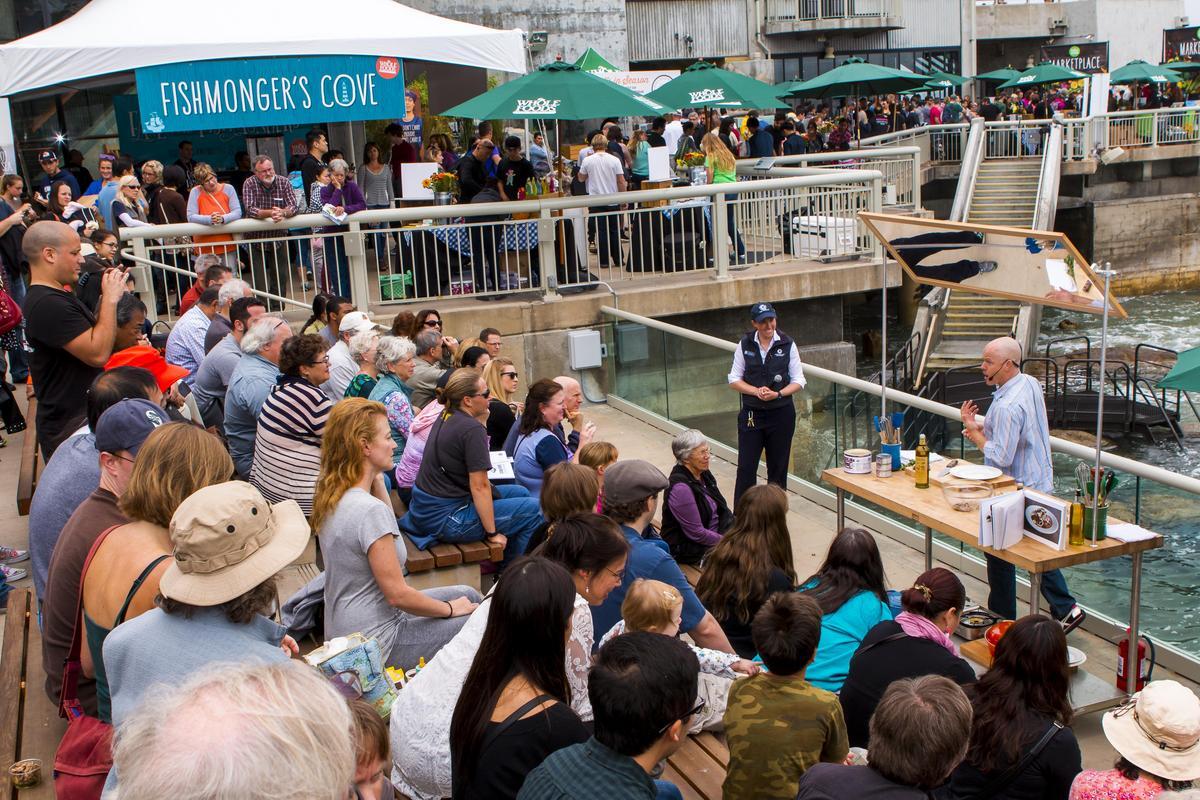
2002
2002
Seafood Watch hosts the first “Cooking for Solutions: Celebrity Chefs Celebrate Sustainable Cuisine” event at the Aquarium. The program eventually enjoys a star-studded, 12-year run.
September 2004
September 2004
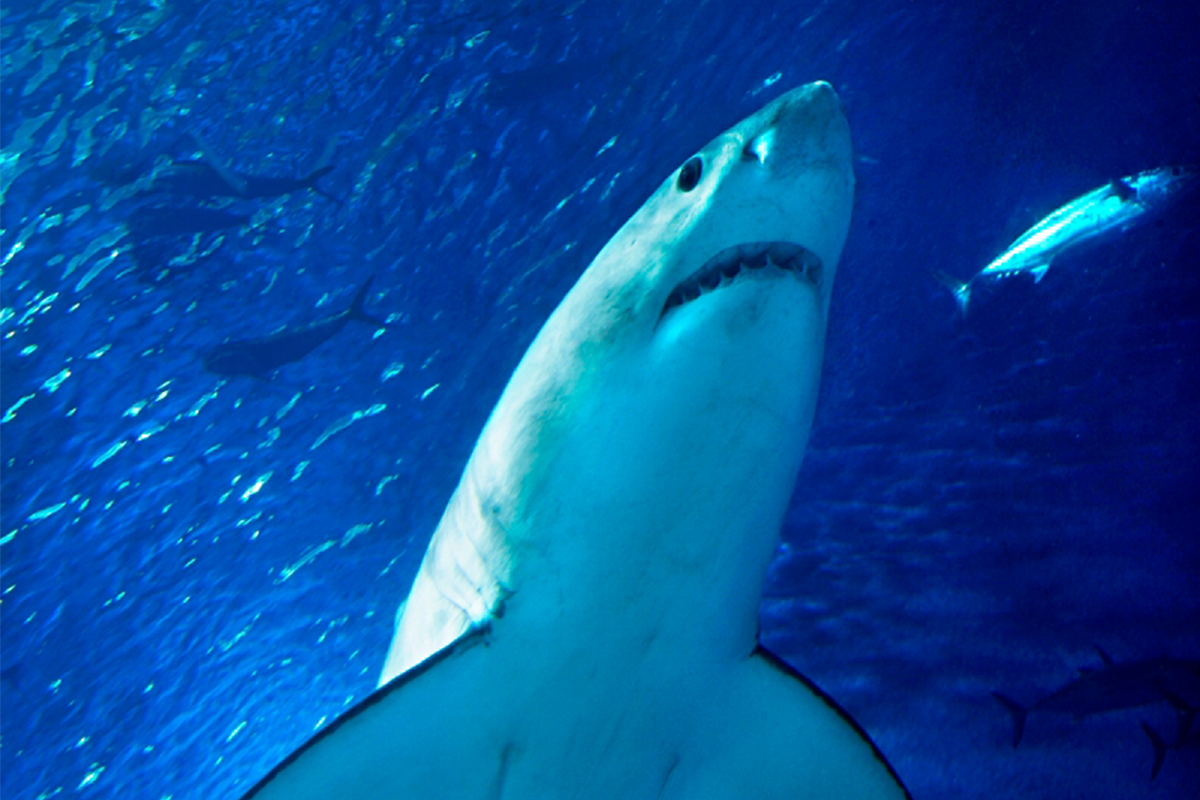
Our first young white shark went on exhibit in the Open Sea, where it fed and thrived until it was returned to the wild six and a half months later. Over the next decade, the Aquarium successfully displayed a half-dozen white sharks—the only aquarium ever to keep young white sharks on exhibit, get them to feed, and return them to the wild.
2004
2004
Bon Appétit Management Co. and PCC Community Market become our first Seafood Watch business partners. Businesses make commitments to sustainable seafood sourcing based on Seafood Watch ratings. Now more than 85 percent of the top U.S., Canadian, and European seafood retailers have commitments to sustainable seafood.
2005
2005
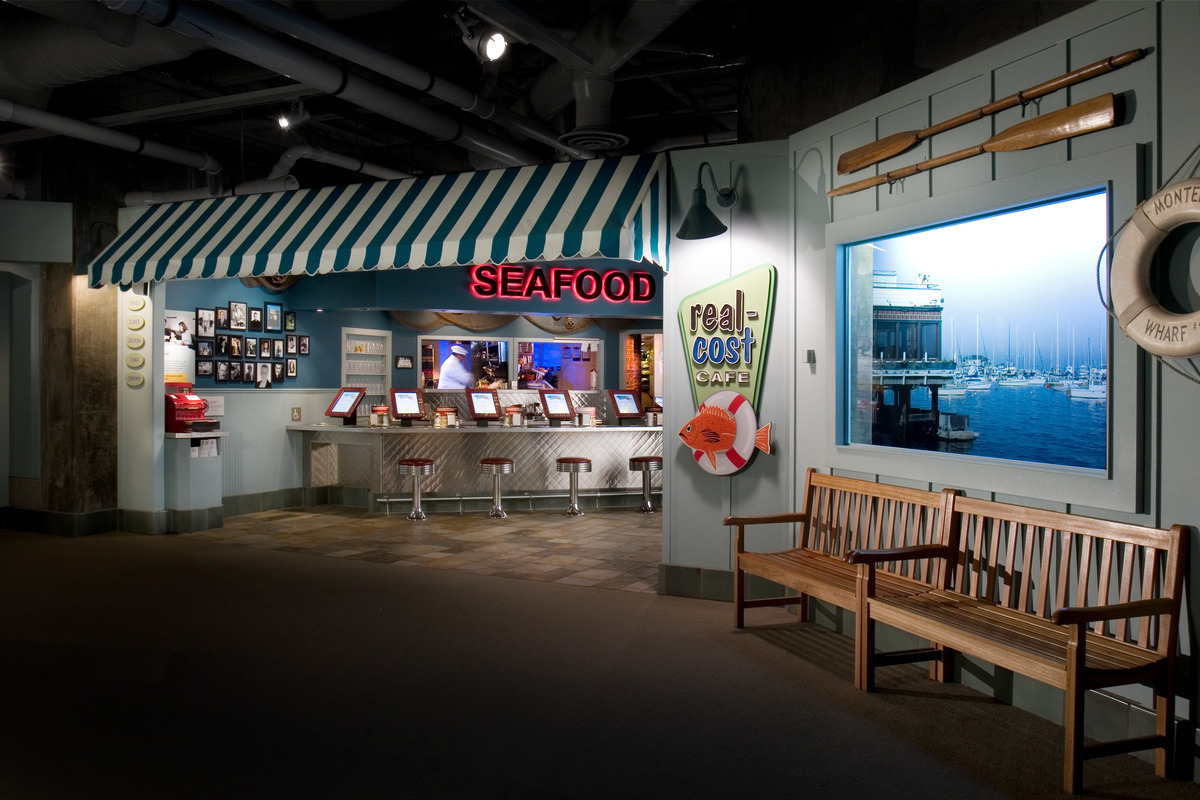
The Aquarium exhibit “Real Cost Cafe” opens, highlighting sustainable seafood choices. Traveling versions of the exhibit are used at several aquariums and zoos across the country.
2006
2006
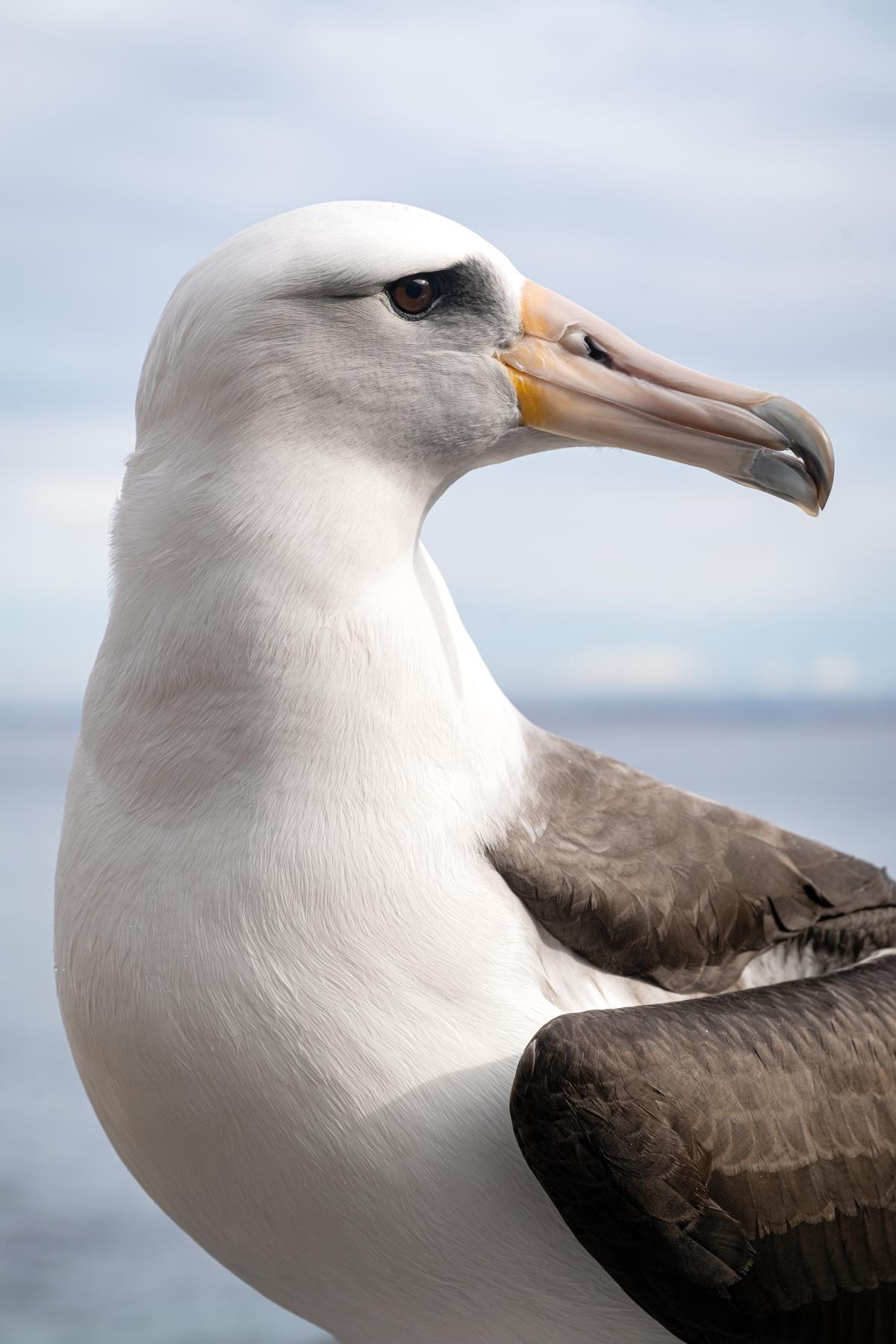
As the only accredited institution in North America featuring a Laysan albatross, we proudly introduced Makana, our ambassador dedicated to increasing public awareness about the urgent environmental issues posed by ocean plastic pollution.
April 2009
April 2009
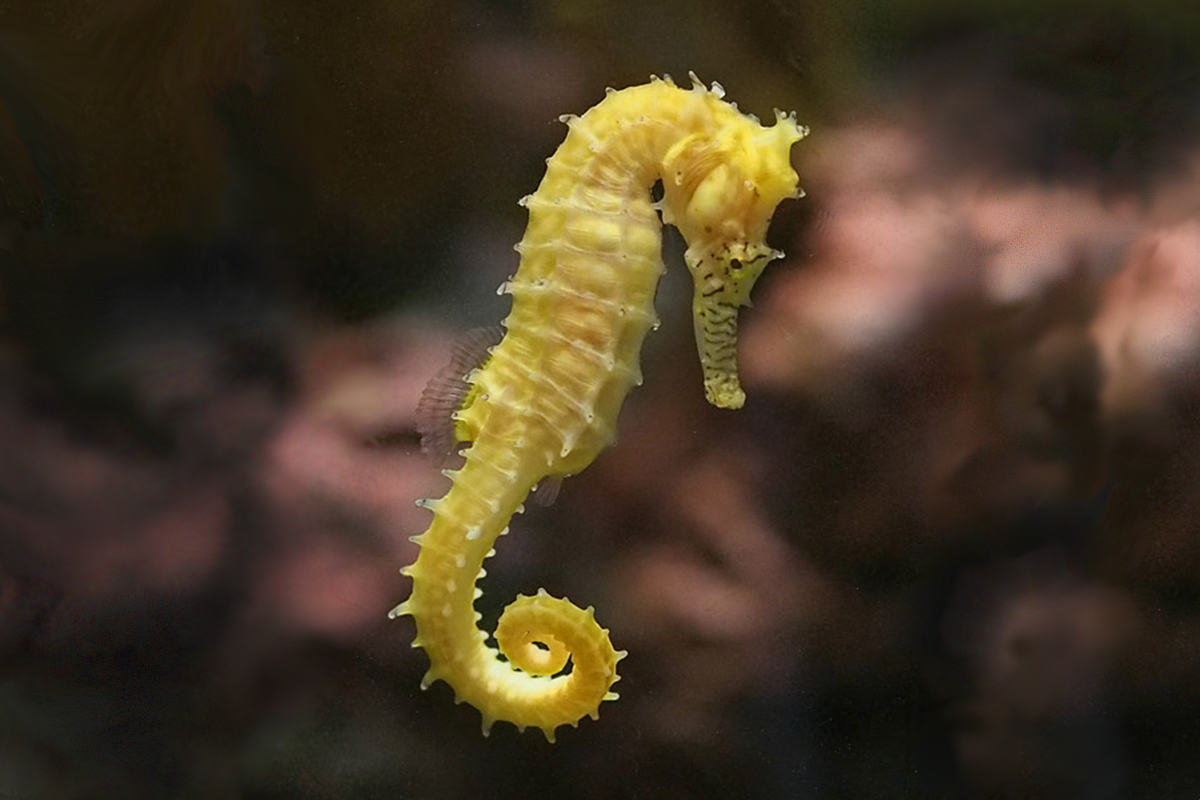
The "Secret Lives of Seahorses" exhibition opened, becoming the Aquarium's most popular temporary exhibit ever.
2010
2010
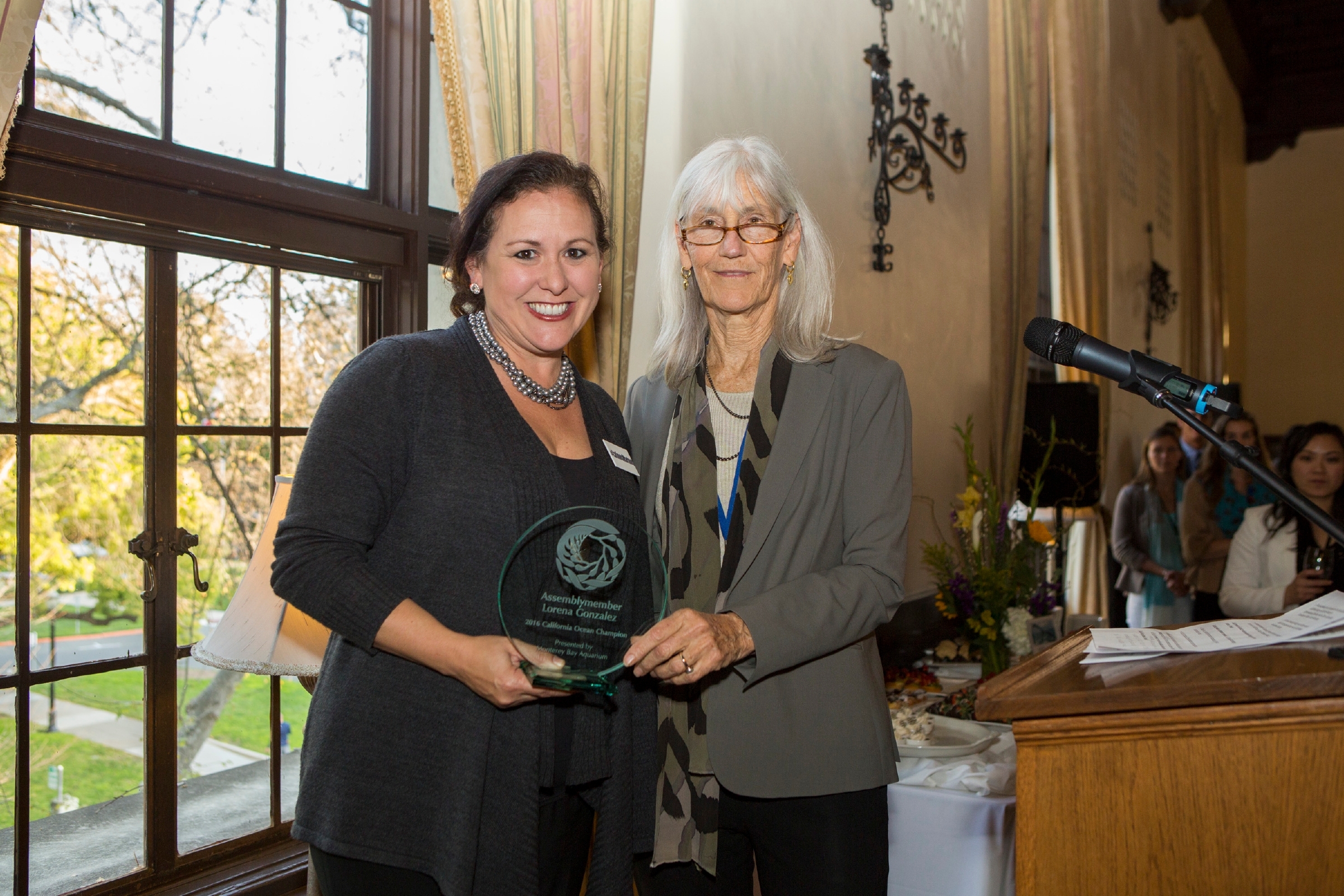
We hosted our inaugural California Ocean Day event in Sacramento, recognizing state legislators and government officials for their ocean leadership and bringing together people dedicated to conserving the health and vitality of our state’s ocean and coast.
2011
2011
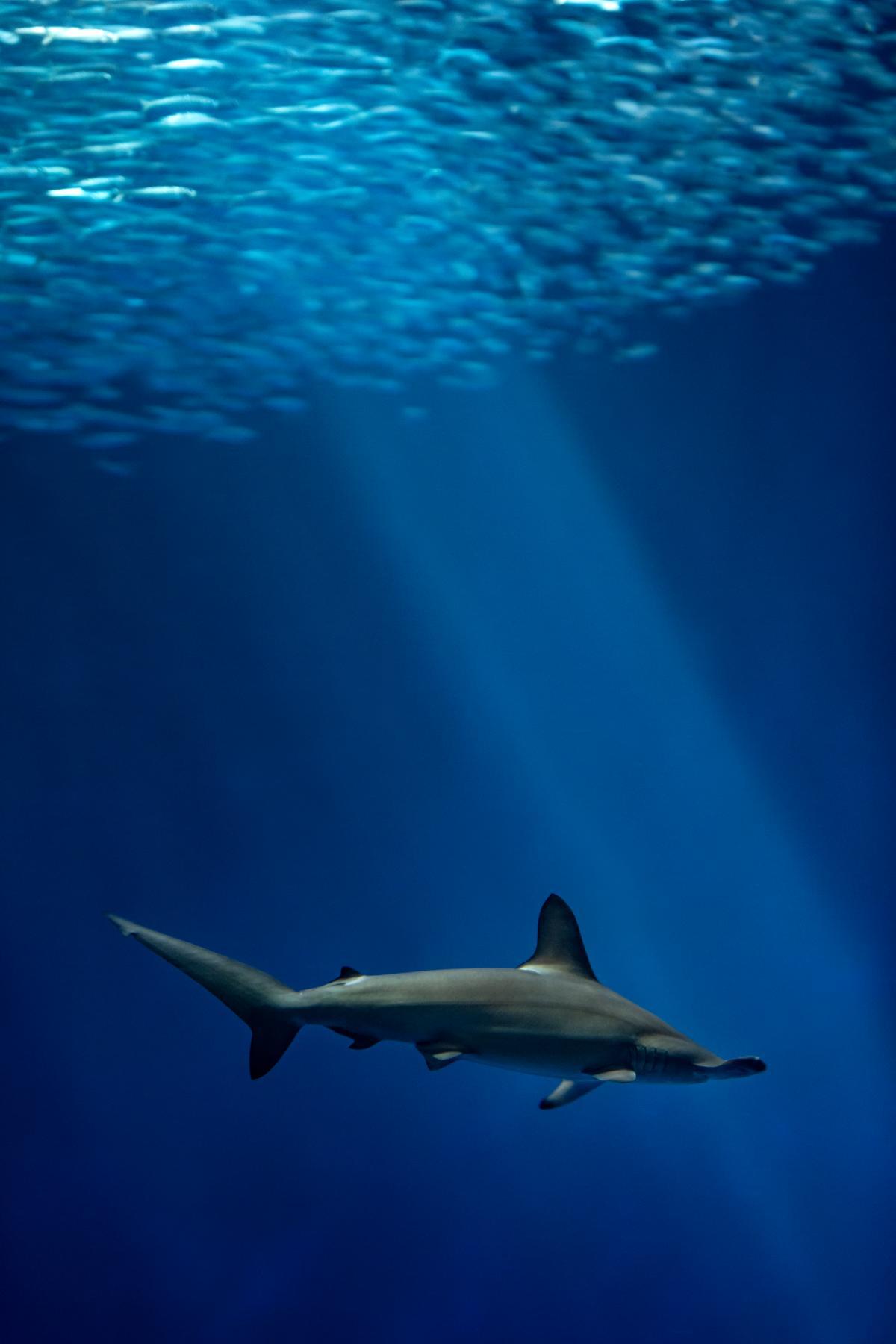
We led a campaign to enact a ban on the trade of shark fins in California. We joined with the conservation community and activated thousands of California voters to call on government leaders to protect ocean wildlife.
2012
2012
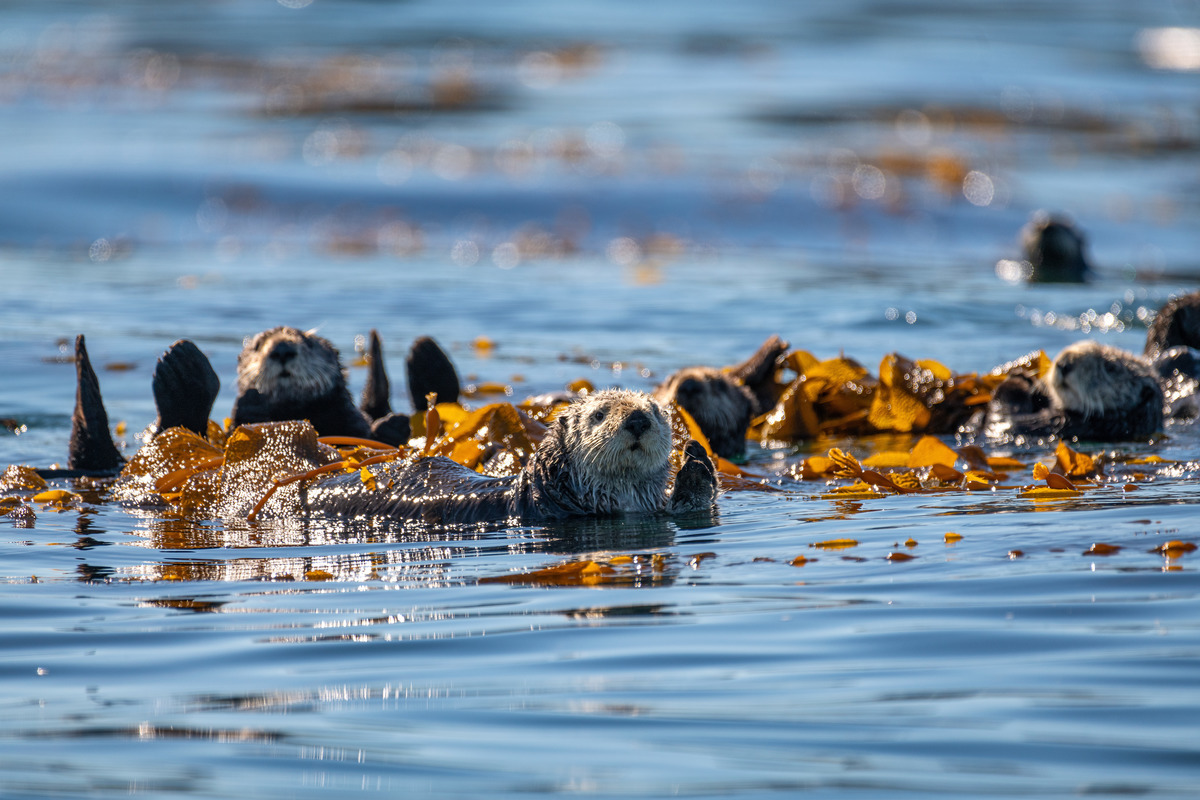
We helped create the nation’s first and only statewide network of marine protected areas in California. We brought science to decision-makers and mobilized thousands of California residents to support new ocean protections throughout the coastline.
2014
2014
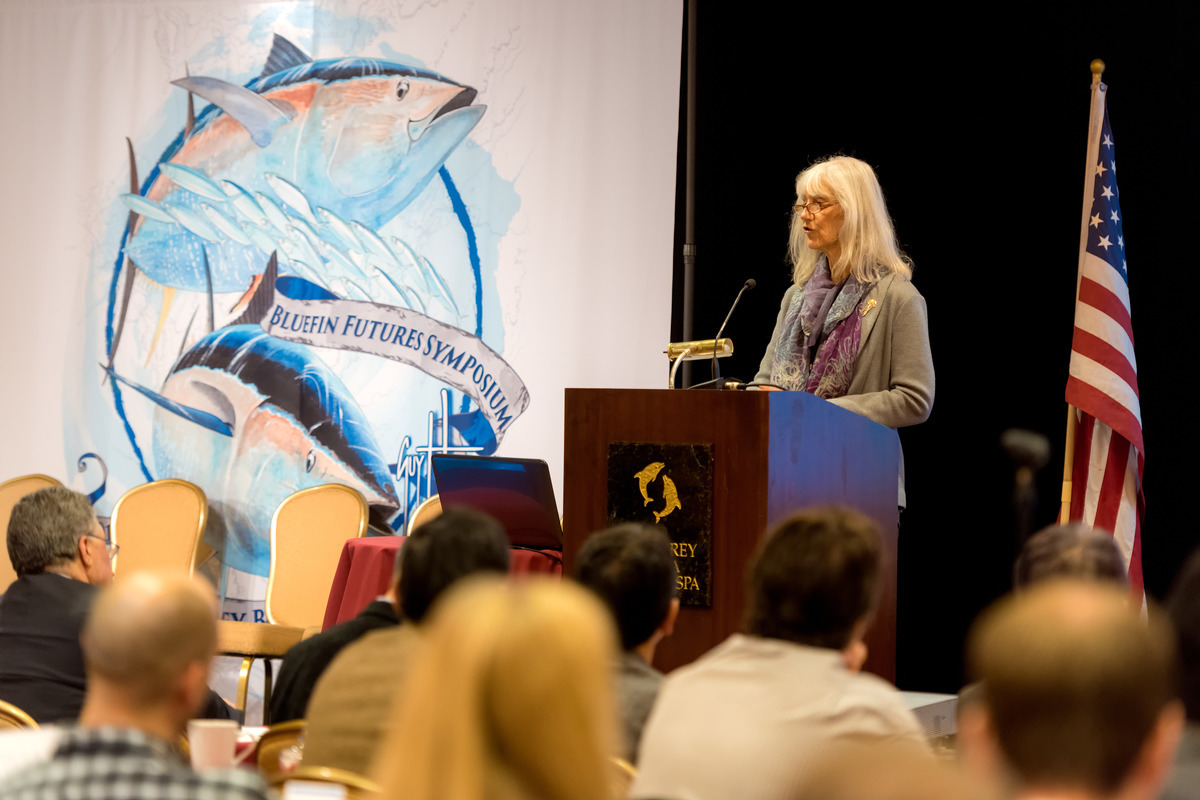
Victory for bluefin tuna. Thanks in part to the work of the Aquarium’s science, policy, and sustainable seafood teams, the U.S. National Oceanic and Atmospheric Administration publishes a major new policy to limit certain types of longline fishing in the Gulf of Mexico—a key spawning ground for the western population of Atlantic bluefin tuna.
April 2014
April 2014
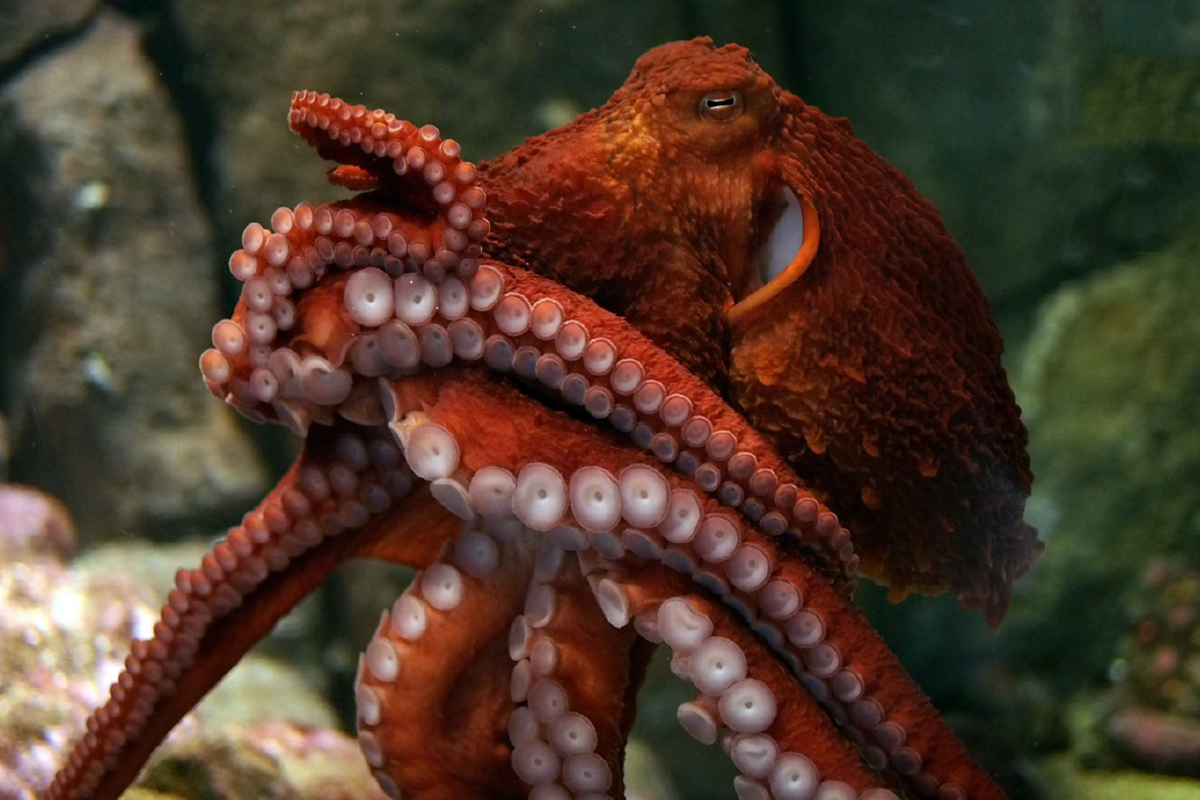
The "Tentacles: The Astounding Lives of Octopuses, Squid and Cuttlefishes" exhibition opened, presenting some of the ocean's most engaging animals.
August 2015
August 2015
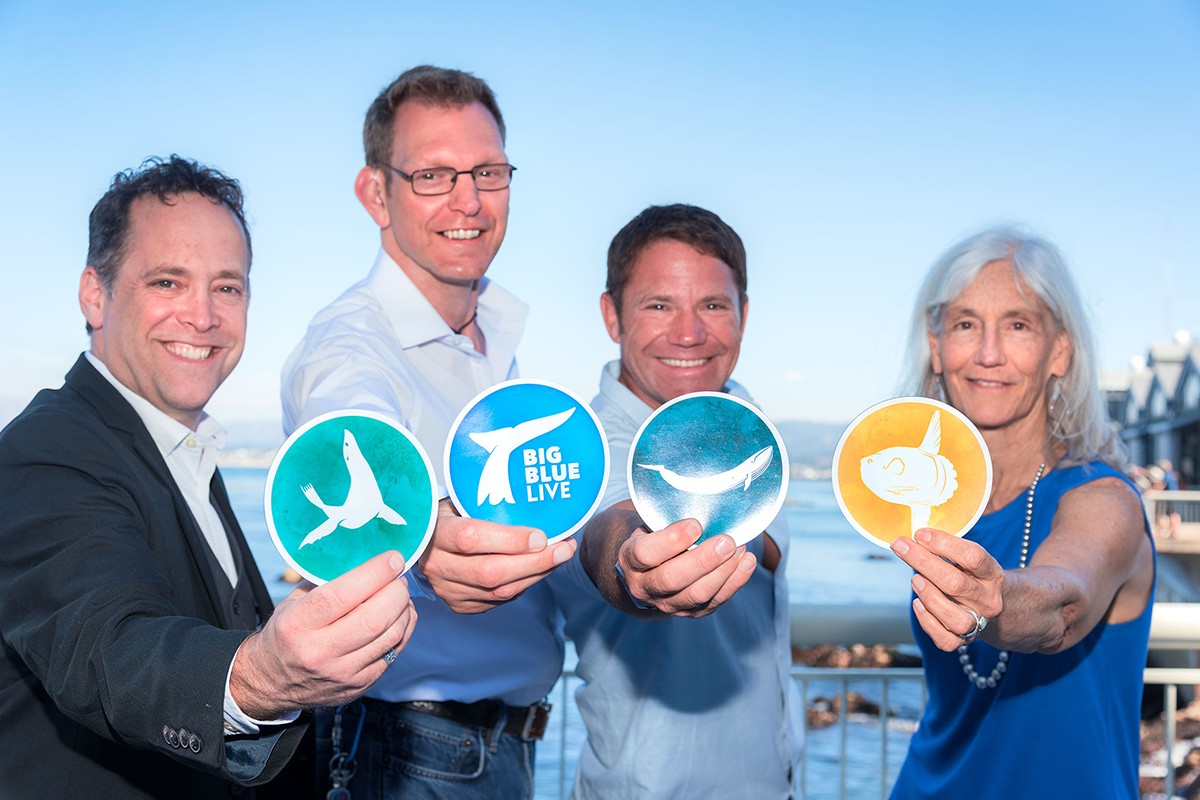
The Aquarium hosted "Big Blue Live," a worldwide live television event hosted by BBC and PBS, that celebrated Monterey Bay as an ocean conservation success story of global significance.
2016
2016
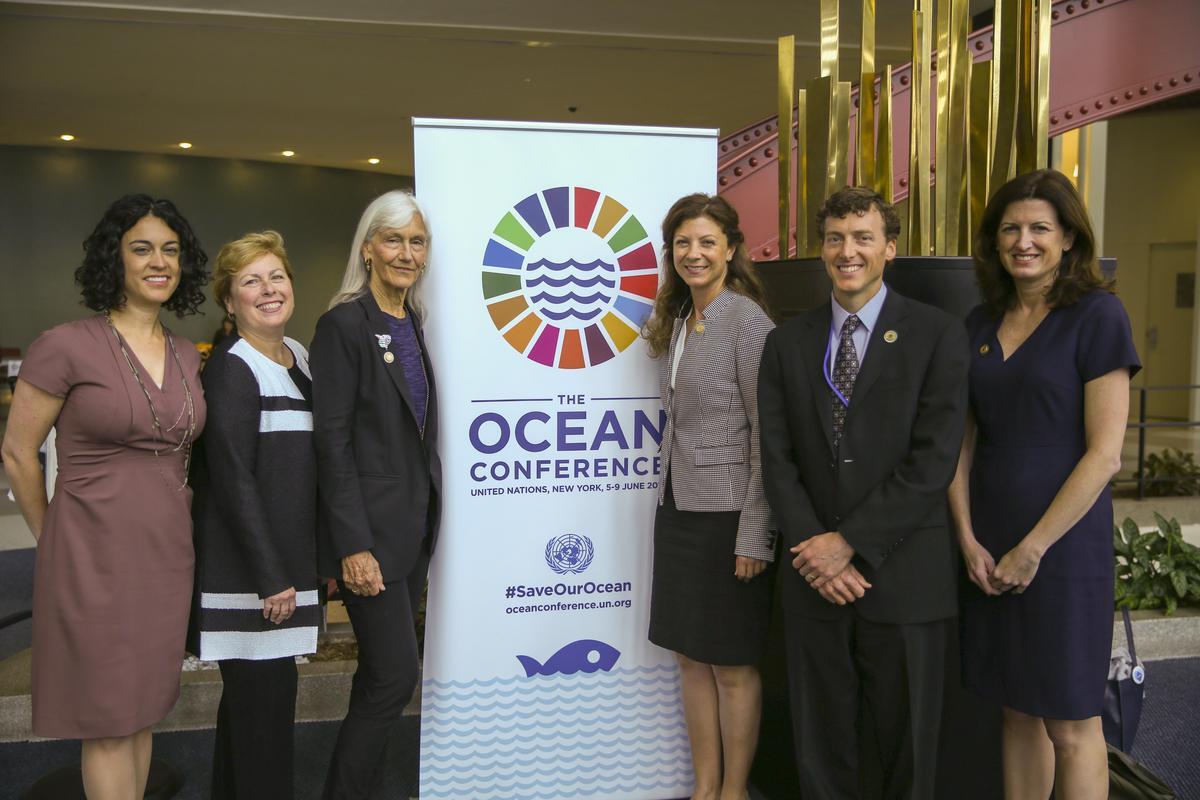
We united U.S. aquariums to establish the Aquarium Conservation Partnership (ACP). Today, 28 aquariums work together to increase our collective ocean conservation impact in Washington, D.C., and around the nation.
2017
2017
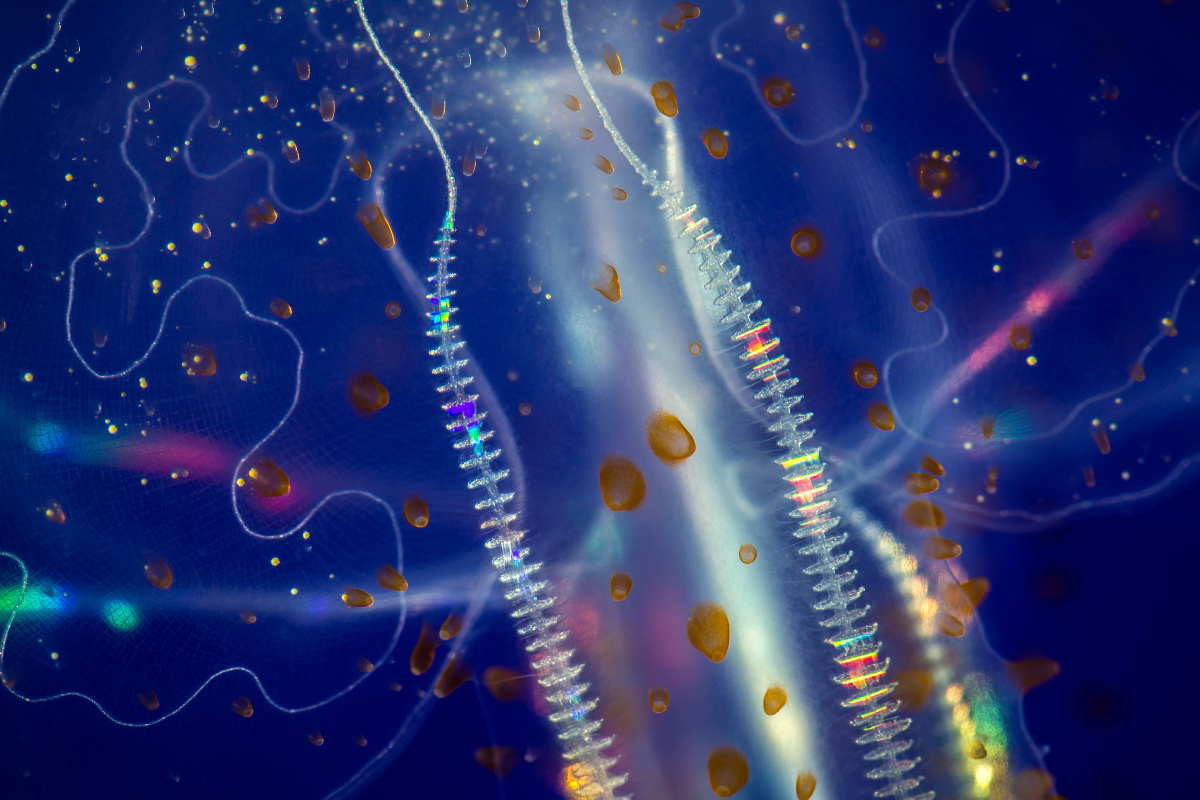
We become the first institution in the world to culture the stunning and fragile spotted comb jelly, and one of only a handful of aquariums to hatch and raise chambered nautilus. Our dedicated husbandry team remains at the forefront, consistently revolutionizing the art of raising new species to bring to the public.

2017
2017
Backed by a $10 million gift from Eric and Wendy Schmidt, Seafood Watch launched our first international project in Southeast Asia to guide improvements in farmed shrimp, a top U.S. seafood commodity. Today, the Aquarium's global team works to improve how seafood is fished and farmed around the globe.
2018
2018
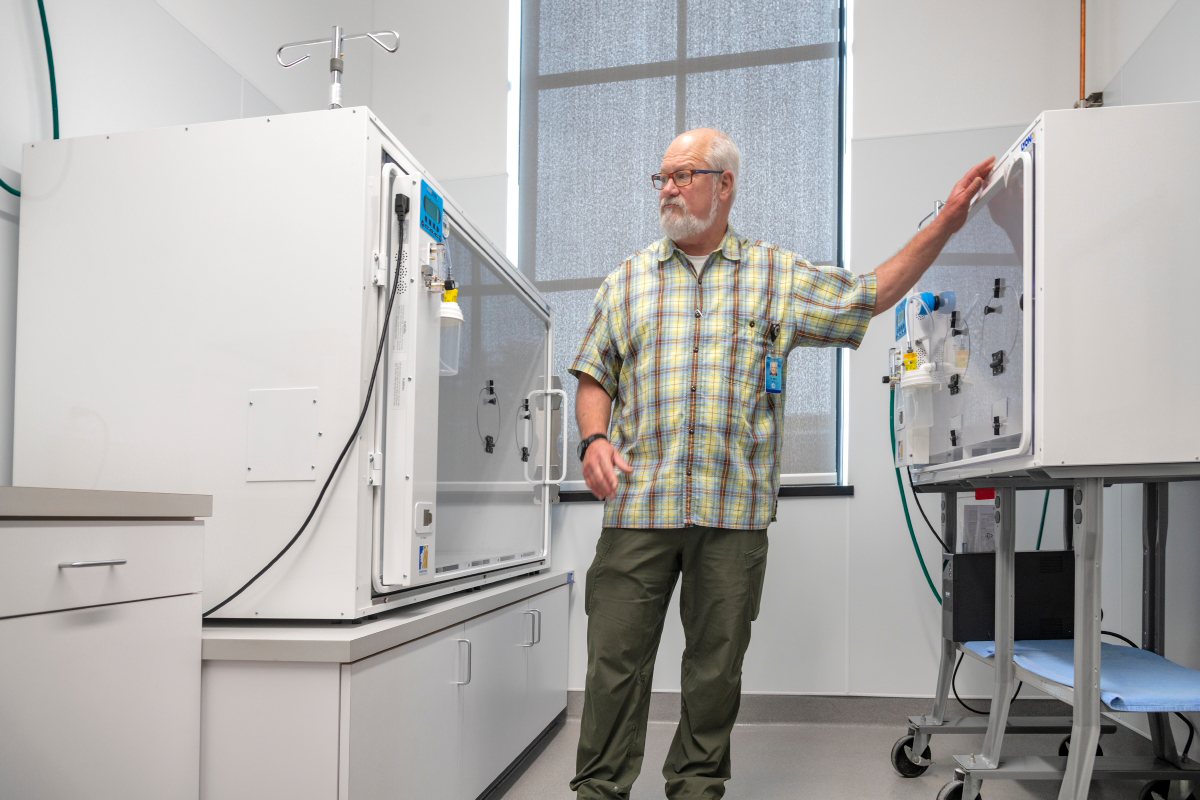
Our Juli Plant Grainger Animal Care Center opens, allowing us to expand ocean animal health care and provide training opportunities for aspiring veterinarians in conservation medicine.
September 2018
September 2018
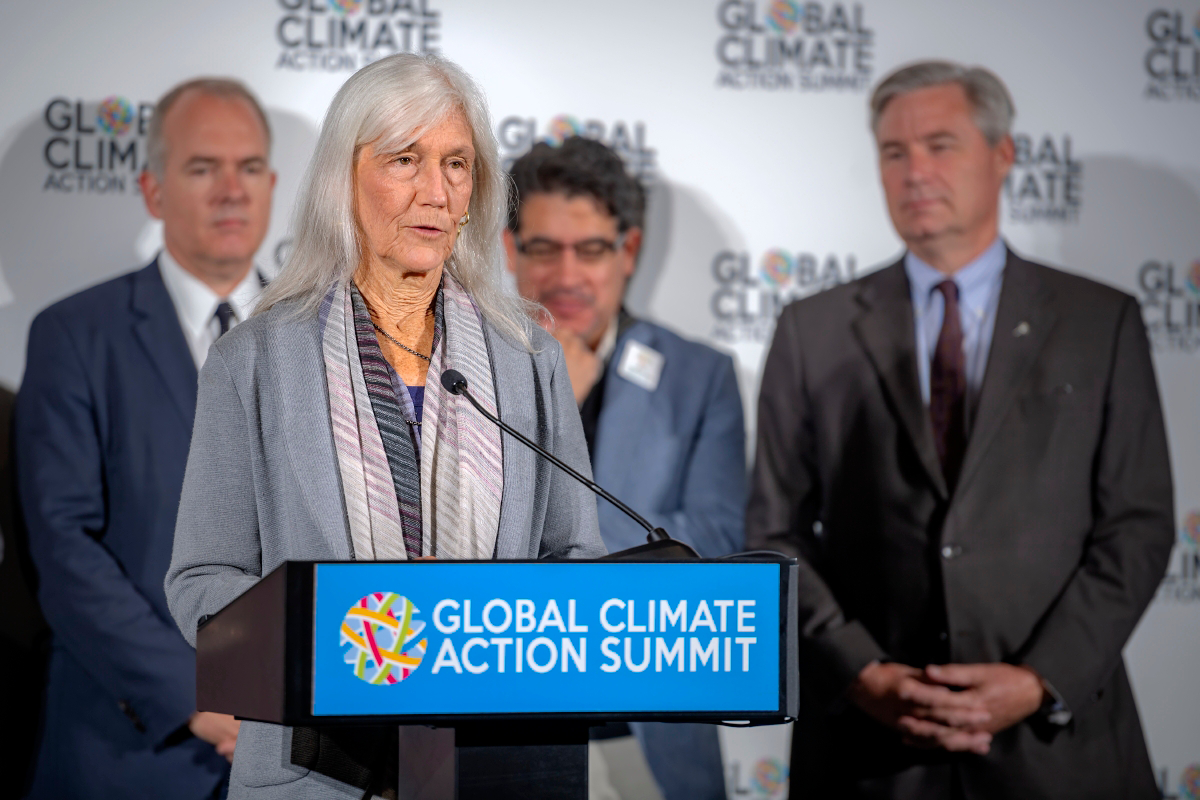
We helped put the ocean on the agenda at the Global Climate Action Summit, where Executive Director Julie Packard introduced our Ocean-Climate Action Plan.
June 2019
June 2019
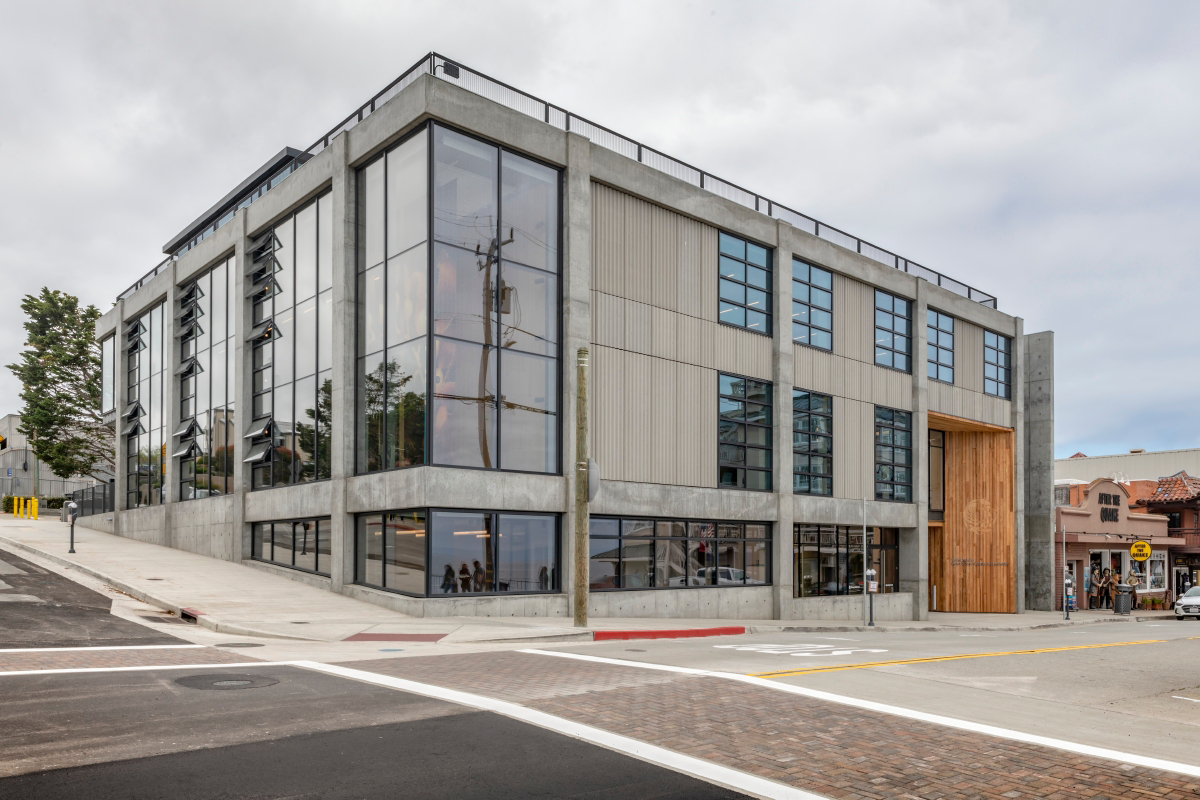
The new Bechtel Family Center for Education and Leadership welcomes its first students. The innovative center helps us deliver the most robust suite of ecosystem-based education and youth development programs of any aquarium in the nation.
2019
2019
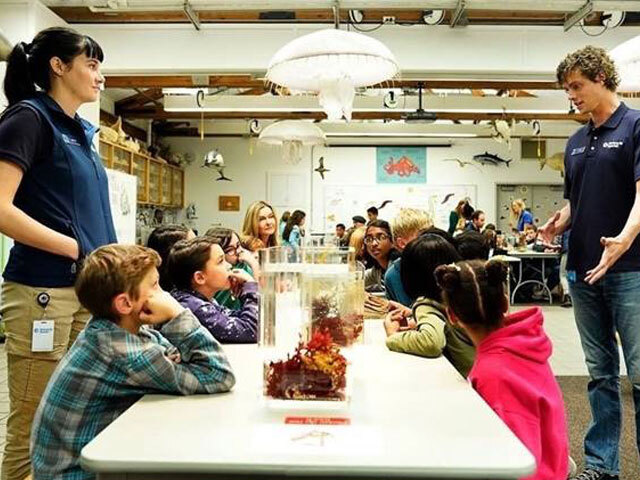
The Golden Globe and Emmy-winning HBO series Big Little Lies featured the Aquarium—and the Monterey area's swoon-worthy scenery—throughout the season.
March 2020
March 2020
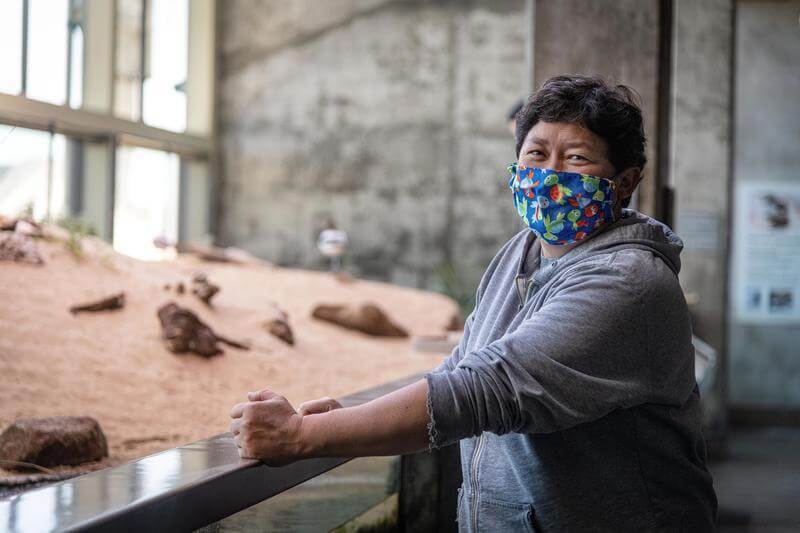
The COVID-19 pandemic forced the Aquarium to shut its doors to visitors. During the closure, staff remained busy caring for our animals behind the scenes, inspiring audiences through our digital channels, and navigating public health protocols. After 14 months, we excitedly reopened our doors to the public in May 2021.
May 2020
May 2020
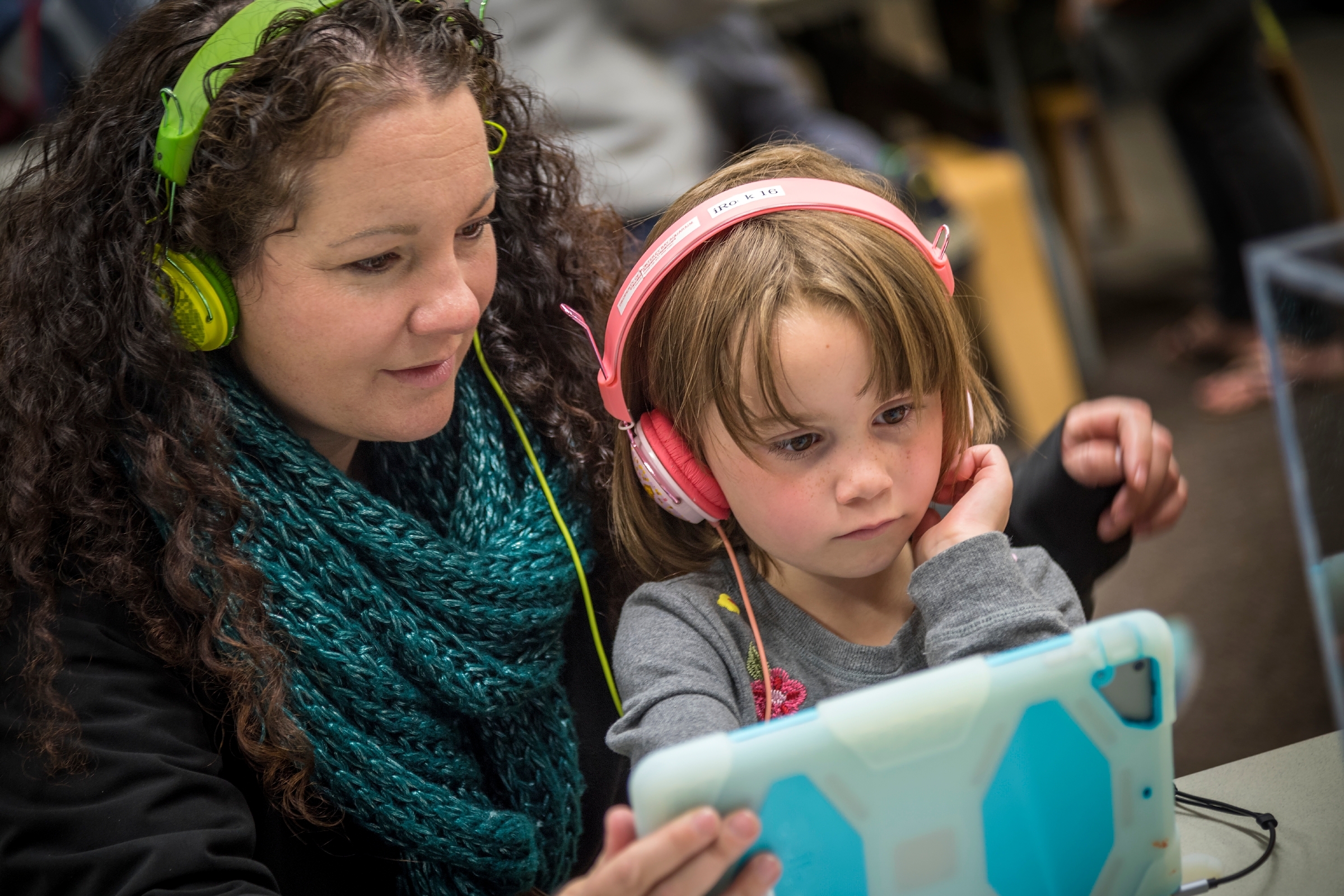
As part of our commitment to inspiring a rising generation of ocean advocates—even in the face of a global pandemic—we launched 14 online courses and six video lessons, with many available in Spanish, to help young people learn about science, conservation, and STEM-based careers.
January 2022
January 2022
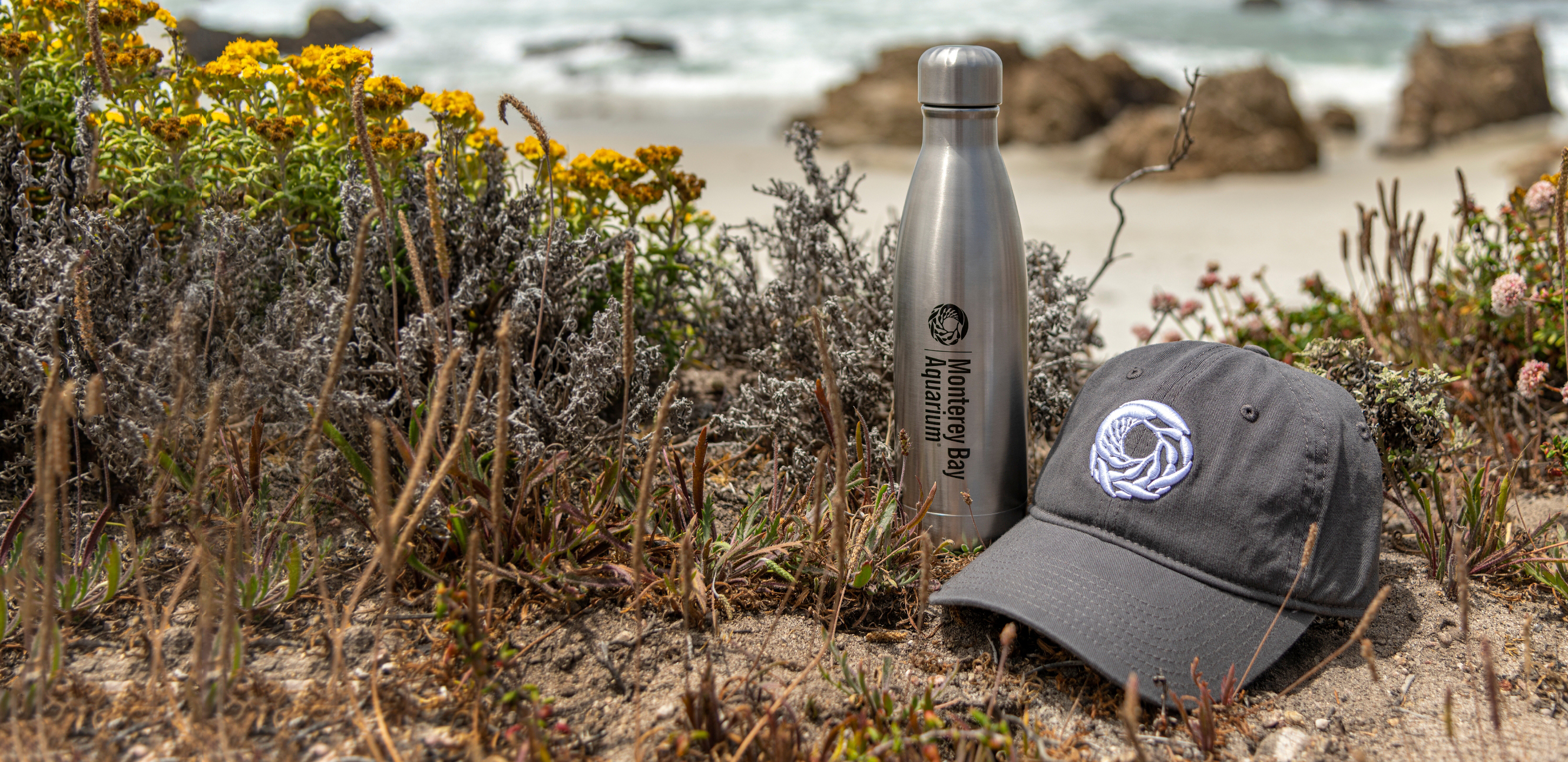
The Aquarium Store officially phased out single-use plastic packaging and hard plastic toys sold in the store after working for several years with vendors and manufacturers.
April 2022
April 2022
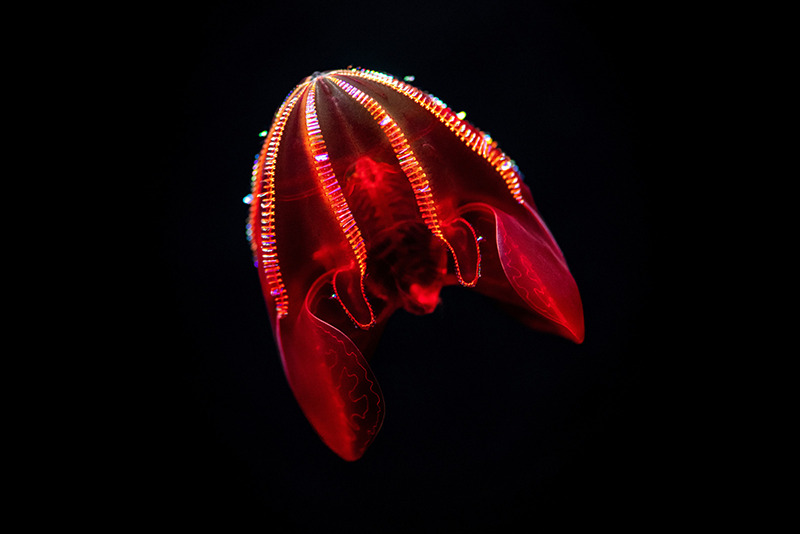
The new deep sea exhibit, Into the Deep: Exploring Our Undiscovered Ocean (En lo Profundo: Explorando Nuestro Océano Desconocido), opens to the public after a decade of research and innovation in partnership with MBARI. It marks our first fully bilingual online exhibit—available in both English and Spanish in person and online. The exhibit was made possible by a generous gift from the Grainger Family Descendants Fund.
2023
2023
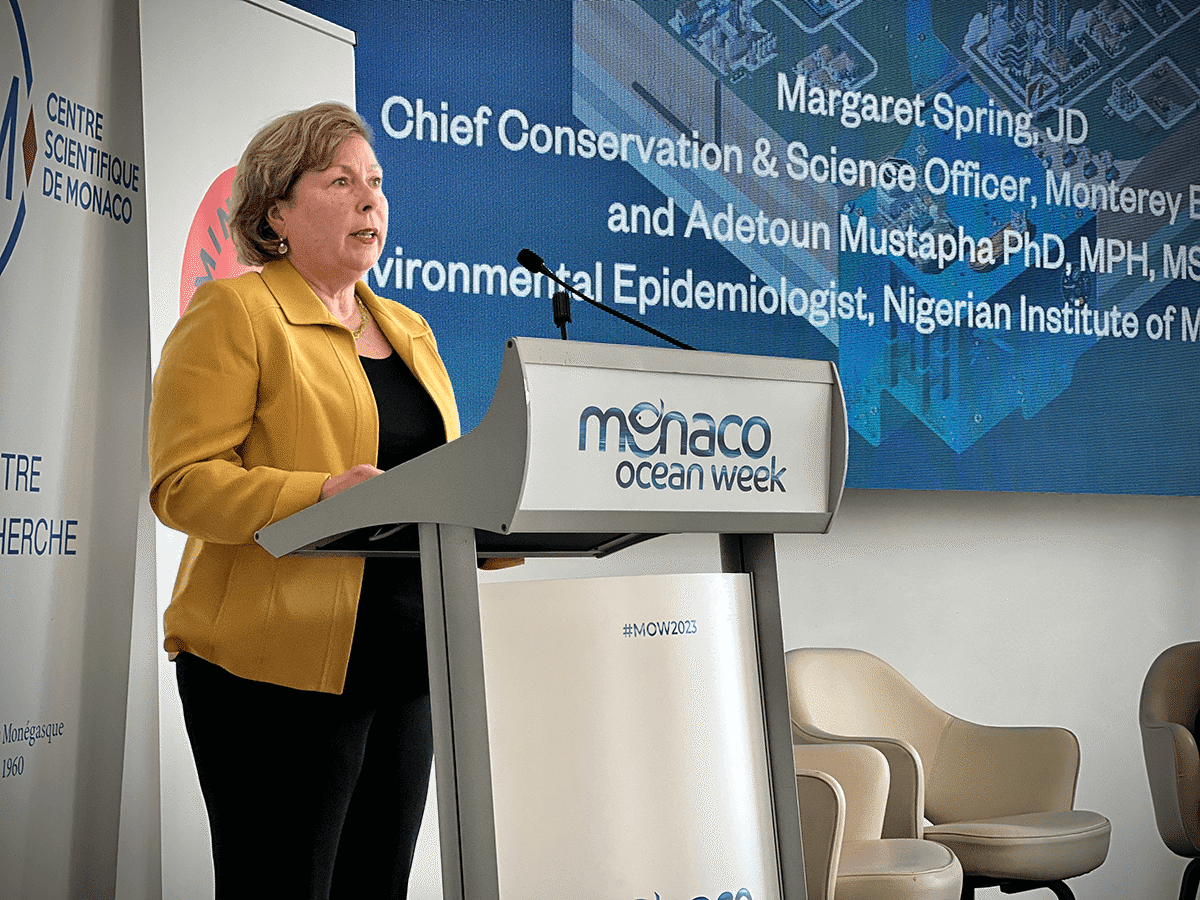
Our Chief Conservation Officer, Margaret Spring, co-authored a global report on plastics and human health to influence Global Plastic Treaty discussions.
February 2024
February 2024
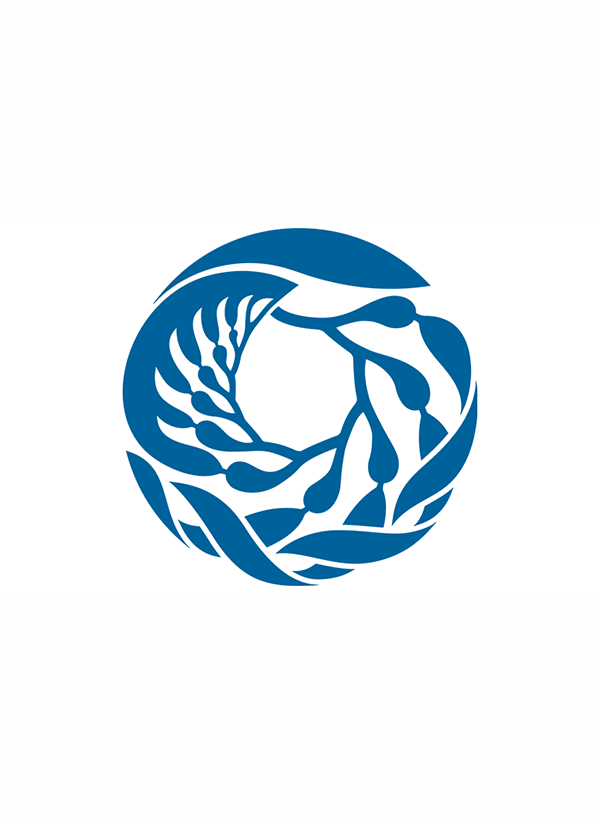
We rolled out a refreshed look and feel for the Aquarium brand, coinciding with our 40th anniversary year. Designed in partnership with the design agency Pentagram, the refresh introduces new fonts, colors, and shapes to our visual system, and some refinements to our beloved “kelp swirl” logo.
"After 40 years, the dream that sparked the creation of Monterey Bay Aquarium stands: We wanted to inspire people to fall in love with ocean life. The Aquarium will continue to amaze and delight families from all over the world, spark a love of science and nature in young people, offer a sanctuary for wonder and reflection, and become an experience infused in the lifetime memories of millions of people."
-Julie Packard
Keep exploring
About us
What's new
Get the latest news, stories, and behind-the-scenes updates from the Aquarium.
See what’s new – What's new
About us
Newsroom
Visit our newsroom for announcements, images, media kits, media passes, filming requests, and media contacts.
Read more – Newsroom
About us
Our leadership
Meet the team dedicated to making the Monterey Bay Aquarium a leader in ocean conservation and education.
Read more – Our leadership
About us
Our mission, vision & values
We envision a future where the ocean flourishes and people thrive in a just and equitable world.
Read more – Our mission, vision & values