

Birdwatching tips
As exciting as birdwatching is, it can also be confusing and overwhelming if you’re not sure what to look for. Here are some tips for birdwatching as an outdoor activity—though there are many ways to be a birdwatcher! You can birdwatch while stuck in traffic, when you’re at a picnic, or from the comfort of your home simply by looking out the window.
- Engage all your senses. There are numerous ways to recognize birds in each different (or each specific) habitat. Sharpen your hearing senses for different bird calls if you can. Passing by a rose bush that smells like spring? Take a closer look and you may notice a sparrow gathering nesting material.
- Bring tools to enhance your experience. Having binoculars and a notebook can help you gain more from the journey. Any set of binoculars can come in handy to see what may be invisible to the naked eye — especially for birds that are excellent at camouflaging.
- Go with a birding group when possible. If you are new to birding, or visiting an unfamilar bird habitat, bird groups can be an excellent resource for identifying birds and knowing what other animals (and plants).
- Use different methods to describe a bird. Birds come in many shapes, sizes, and colors. Notice the color pattern on their feathers, their shape, and their movement. Sexual dimorphism among birds can also provide important information—in many species of birds, the male and the female bird look identical and at other times, males in particular may have flashy feather patterns.
- Explore with the Merlin Bird ID App. This is a great free app for your smartphone from the Cornell Lab of Ornithology. Simply tell Merlin to listen to the sound of the bird you hear nearby and it can identify the bird for you—a great opportunity to enjoy birding from anywhere!
Protecting birds and their habitat
Birds are essential to the well-being of our planet. They are excellent pollinators and indicate healthy habitats. This is an important fact to keep in mind since human activity and a rapidly changing climate have led to a decreasing bird population. With their habitats also left vulnerable to change, protecting birds and the places they call home is more important than ever.
- Learn more about the habitats you're visiting. Each bird habitat and bird behavior is different. Research your birding location and educate anyone who may be joining you to help better protect these habitats together. Some details to keep in mind include: nesting locations and material, shelter location, and types of food items allowed at a certain habitat.
- Stay quiet. Birds are sensitive to sounds so try to avoid loud noises that may startle them.
- Keep your dog on leash. This is especially crucial at the beach, where endangered birds like snowy plovers make their nests in the sand where they can easily be disturbed or destroyed. Research beforehand to see if pets are allowed at all, and respect the guidelines.
- Advocate for the protection and preservation of bird habitats in your community. Become a voice for the birds! Whether it’s installing better trash bins to combat littering, adding educational signs, or protecting wildlands, advocate for solutions that protect and restore your local bird habitats.
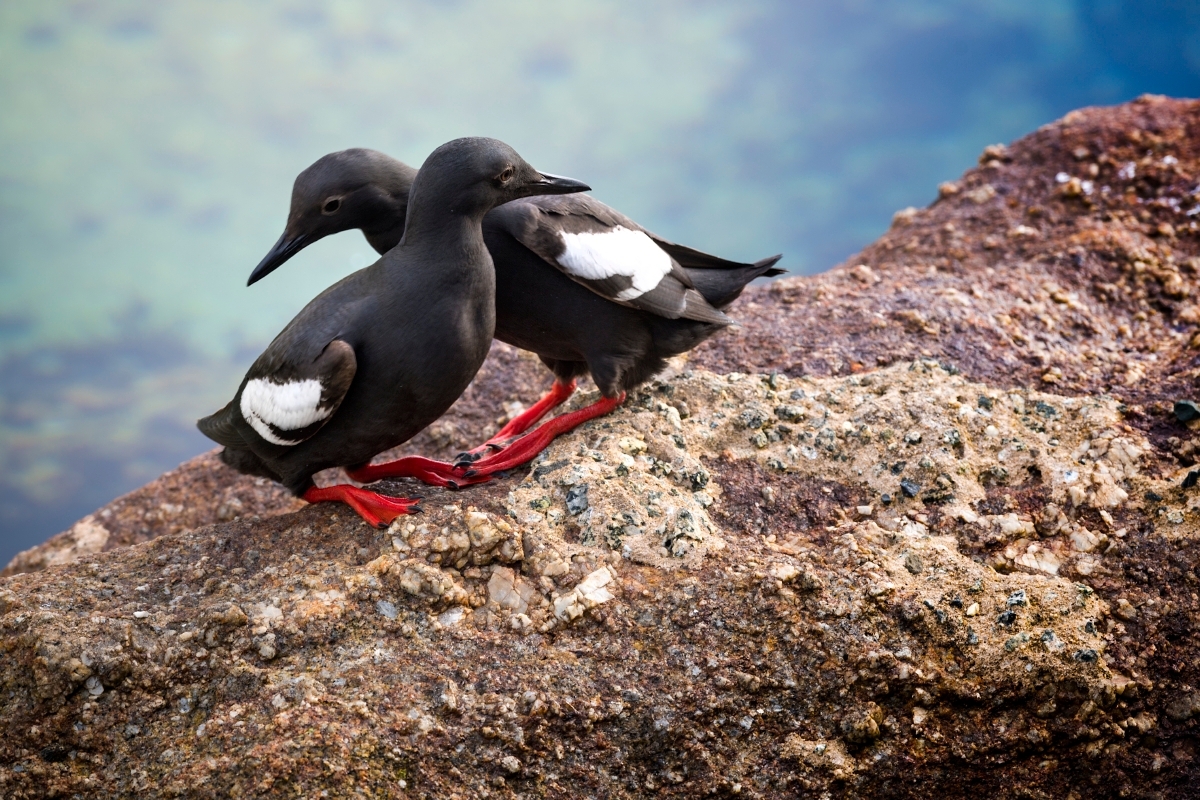
Two pigeon guillemots courting near the Aquarium's Great Tide Pool. Pigeon guillemots are one of the many migratory seabirds who come to the Monterey Bay for mating and rest before their long trip.
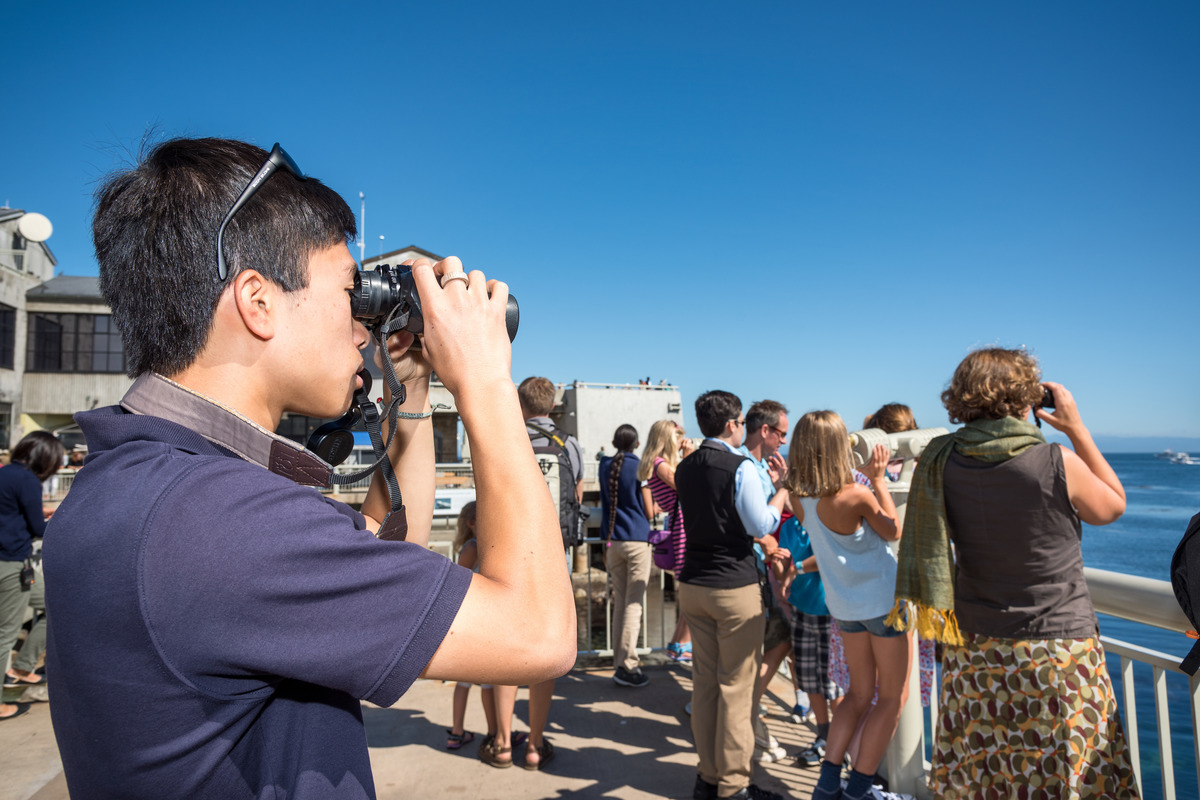
The backdeck of the Aquarium is an excellent location for birdwatching. With binoculars provided by the staff, see if you spot birds like the Pigeon Guillemont who often nest near the Aquarium.
Make your outing more fun
- Check the forecast and dress appropriately. Depending on the season and current conditions, you might see different species at the same location.
- Pack lightly. If you’re going on a hike or sitting at a specific location to observe birds for a period of time, make sure to pack essentials such as water, snacks, sunscreen, medications, and anything else you may need to make the most of this experience while keeping yourself safe and healthy.
- Find more resources on Birdability. From crowd-sourced maps and other guidance documents, Birdability has abundant resources on accessible birding spots across the United States. The site also has resources en español.
Keeping it environmentally friendly
- Choose sustainable traveling items. Bring a bag to pack out your trash. Pick up litter when you see it and if it's safe to do so—especially if the litter can be mistaken by a bird for food. (Cigarette butts in particular are toxic to birds and often mistaken for nesting material.) Not sure what to pack? Check out our online store for inspiration.
- Organize a trash clean up event. Bird habitats get littered frequently and need our help as much as beaches do. Invite community members and friends to organize a trash clean up at your local bird habitat!
Related videos
Birdwatching at the beach
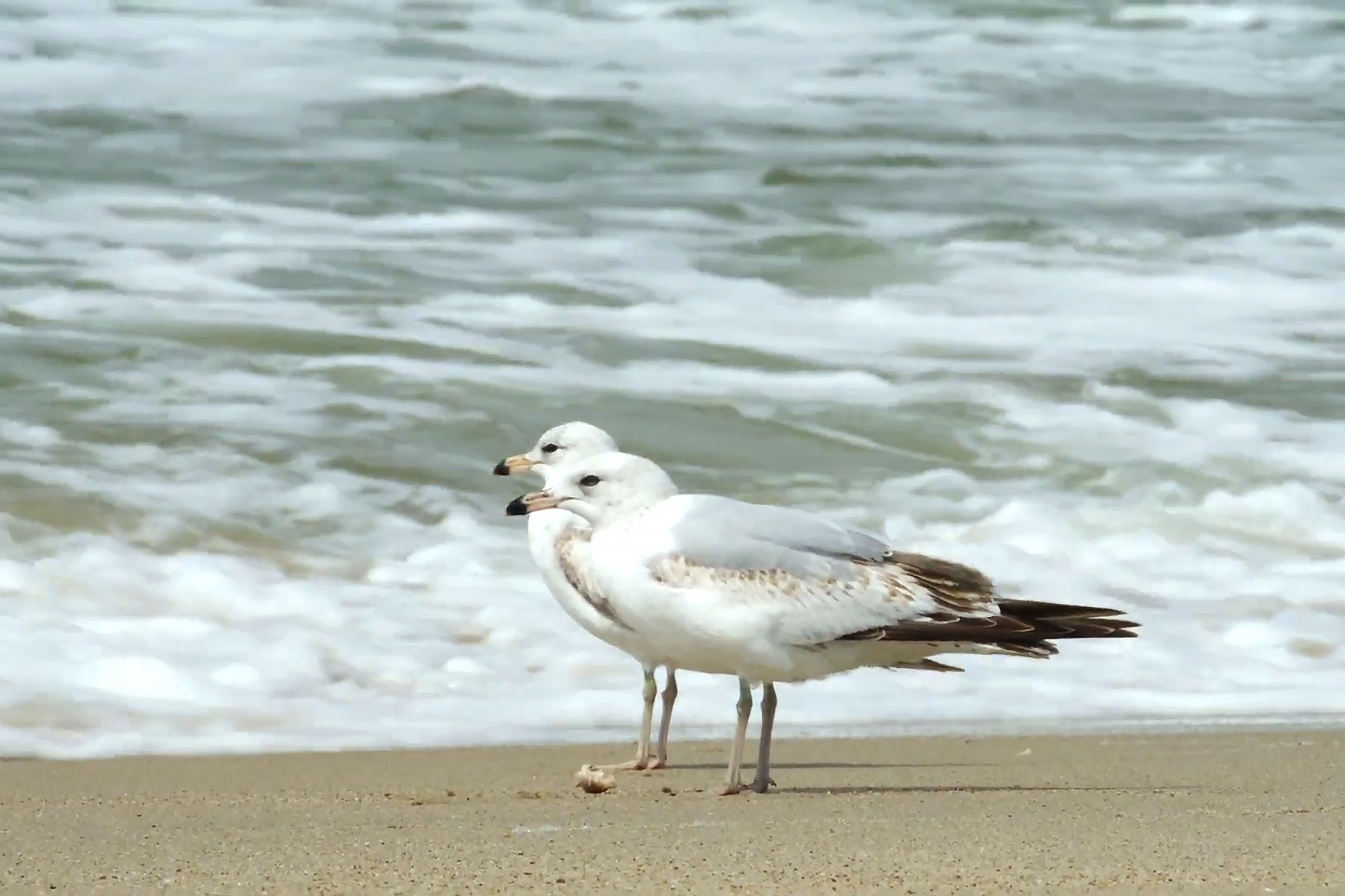
See willets, marbled godwits, sanderlings, sandpipers, plovers, surf scoters, and more winged friends frolic along the shore. These birds are a common sight along the beaches of Monterey Bay, as are many migratory birds that use the bay as a rest stop to refuel for their long journeys.
Birdwatching around Monterey Bay
Hundreds of bird species call Monterey Bay home, and many more migratory birds come to the area to nest, mate, and rest before their long travel. Central Coast Birding Collective is a great resource to connect with local bird enthusiasts and attend their organized birding events. You may even meet some of the Aquarium staff at an upcoming event!
Wallpaper
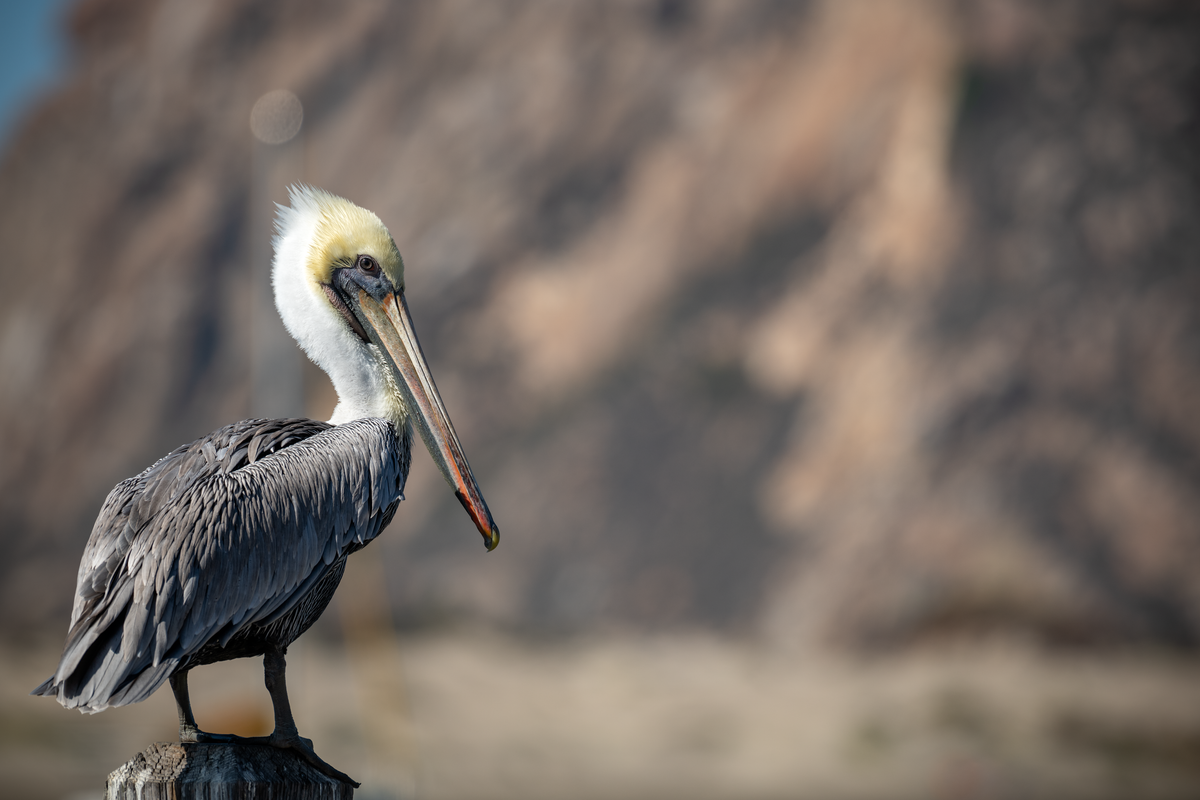
Brown pelican wallpaper
Download a beautiful brown pelican wallpaper for your desktop or mobile device.
Get wallpaper – Brown pelican wallpaper
Let's go virtual birdwatching with the Aviary Cam!
By the end of this "Big Day," you'll be a bird-nerd and know handy tips for identifying shorebirds using…
Watch now – Let's go virtual birdwatching with the Aviary Cam!Keep exploring
Story
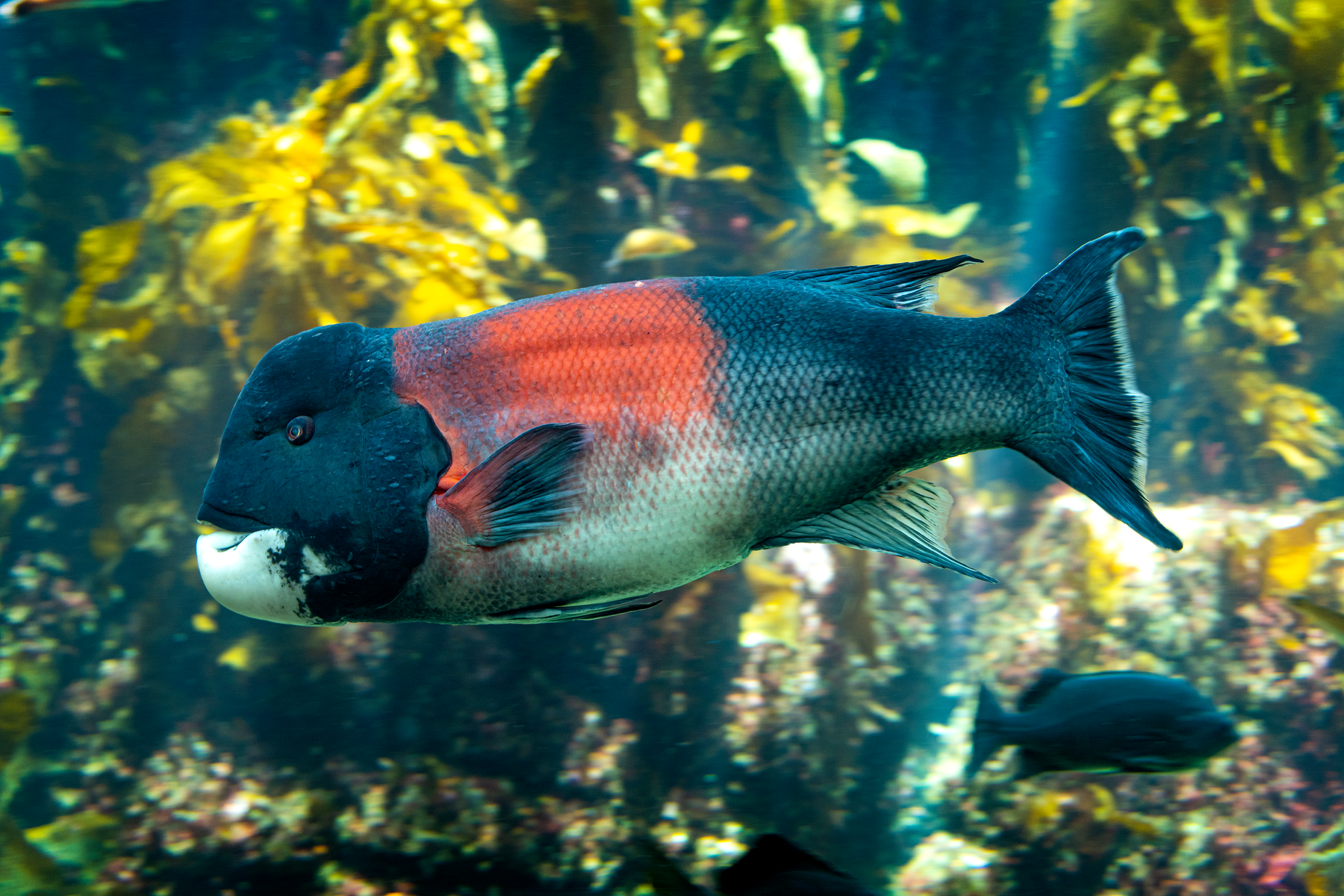
Nature is queer
We’re excited to sea-lebrate the queerness of nature!
Read story – Nature is queer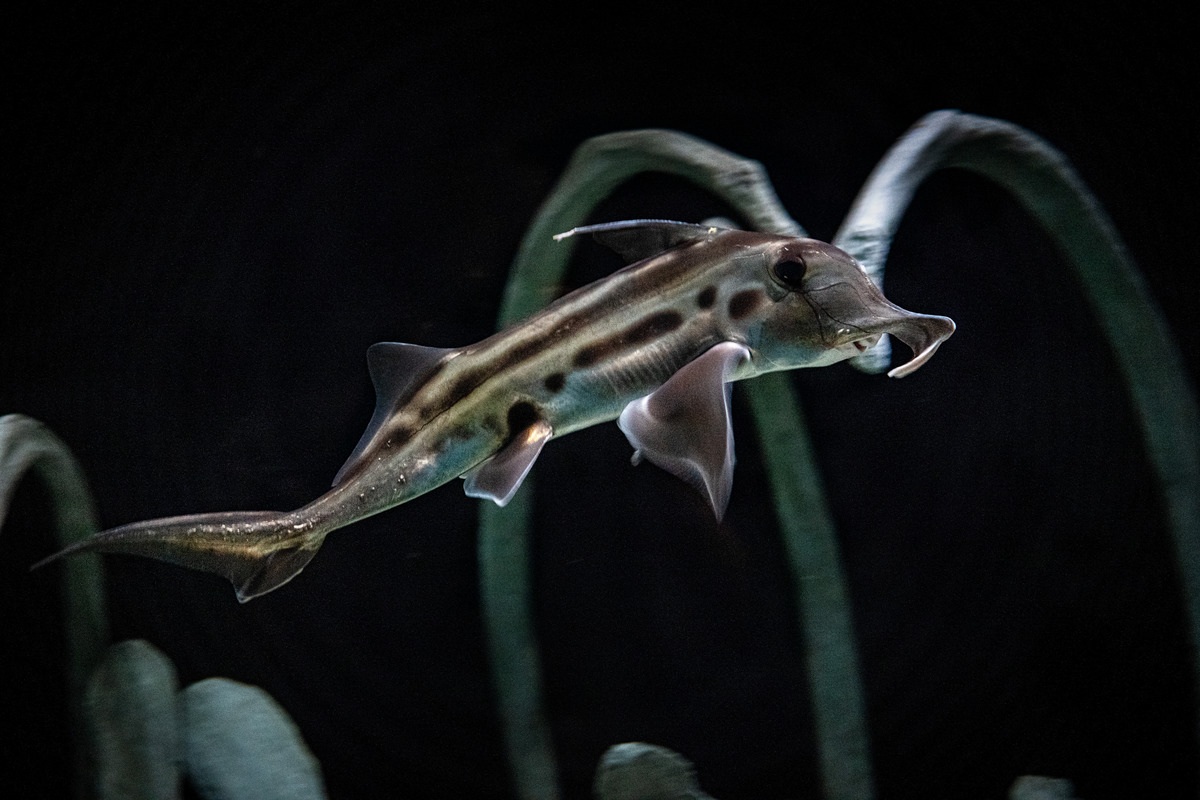
Story
The elephant (fish) in the room
Elephant fish are extraordinary animals both in the deep sea and at Monterey Bay Aquarium.
Read story – The elephant (fish) in the room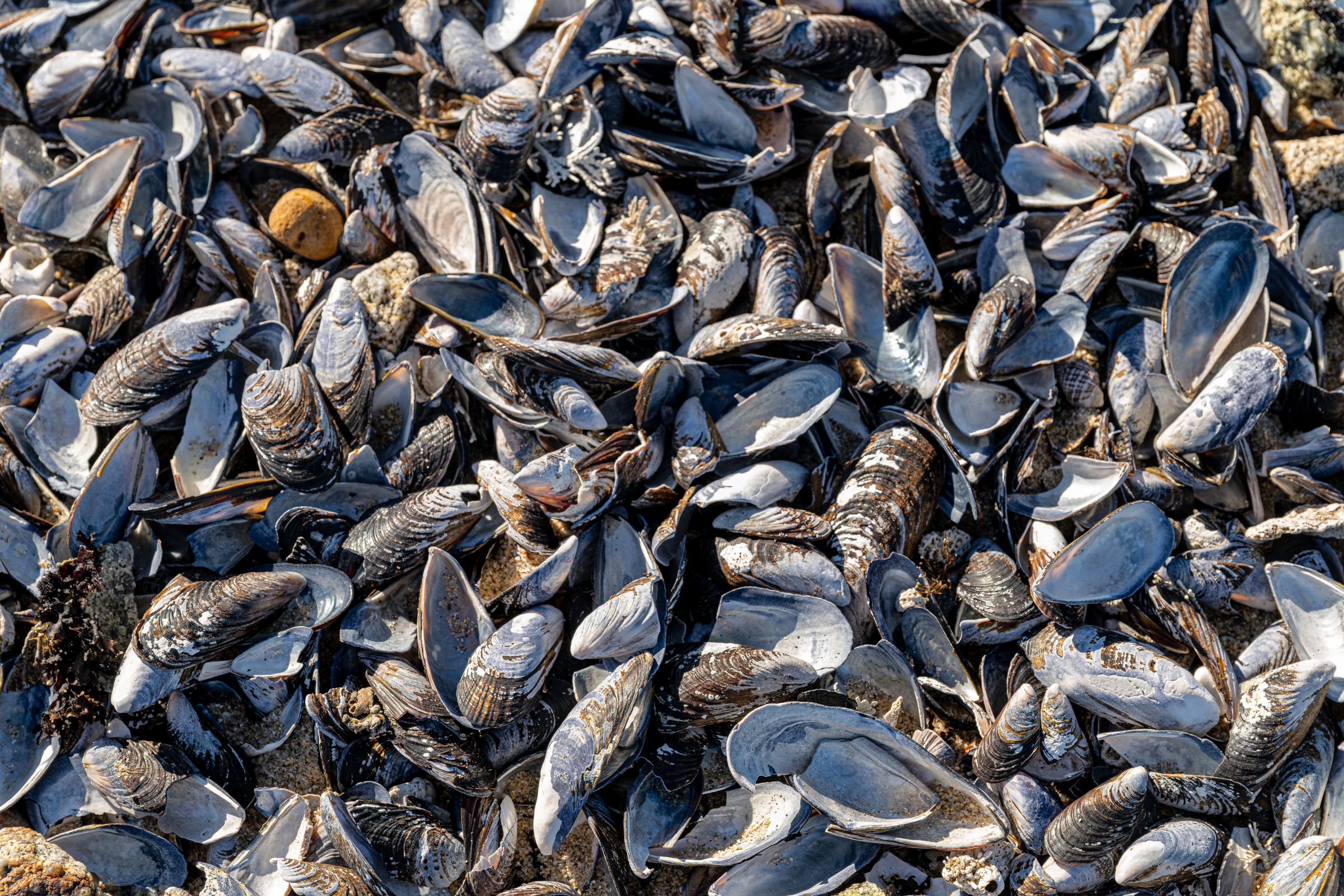
Story
What winter storms bring to shore
Winter storms combined with extreme tides can create ideal conditions for exploring the beach.
Read story – What winter storms bring to shore