

New research from the Monterey Bay Aquarium suggests that may not be the case. Analyses by Aquarium scientists found that fishermen are catching more Dungeness crab in regions of California where sea otters are present. Over a decade of observations of foraging sea otters around Monterey Bay by the Aquarium and our partners have shown that Dungeness crabs represent a small fraction of more than 50 ocean species in sea otters’ diets.
Rather than seeing a negative impact of otters on the Dungeness crab fishery, these crabs seem to be doing just as well, if not better, in areas where otters are present compared to regions without otters. This news comes according to findings published in the journal Biological Conservation just as the 2020–21 winter fishing season for Dungeness crab was set to open in California.
Making a living as a commercial fisherman is arduous and challenging. It’s good to know that the presence of sea otters won’t represent another problem. In fact, it might help improve the habitats that support healthy crab populations.
Pietro ParravanoPresident, Institute for Fisheries Resources
Climate change the real threat
“In other cases where marine mammal populations have recovered, there are documented conflicts with some commercial fisheries,” acknowledged Dr. Andre Boustany, a fisheries biologist at the Aquarium and lead author of the study. “We find there’s little reason to expect any such conflict when it comes to otters and Dungeness crabs in California.”
“If anything jeopardizes the future of Dungeness crab fisheries, it’s more likely to come from more frequent harmful algal blooms and ocean acidification,” he added.
Both are driven by the burning of fossil fuels, which is warming the ocean and changing its chemistry.
“Sea otters could actually help Dungeness crab populations through their role as a keystone species,” Boustany noted. “Healthy kelp forests and estuaries provide habitat for juvenile crabs and have the additional benefit of sequestering carbon dioxide in the carbon-rich tissues of marine plants, reducing the drivers of acidification.”
Documenting that possible connection would take further study.
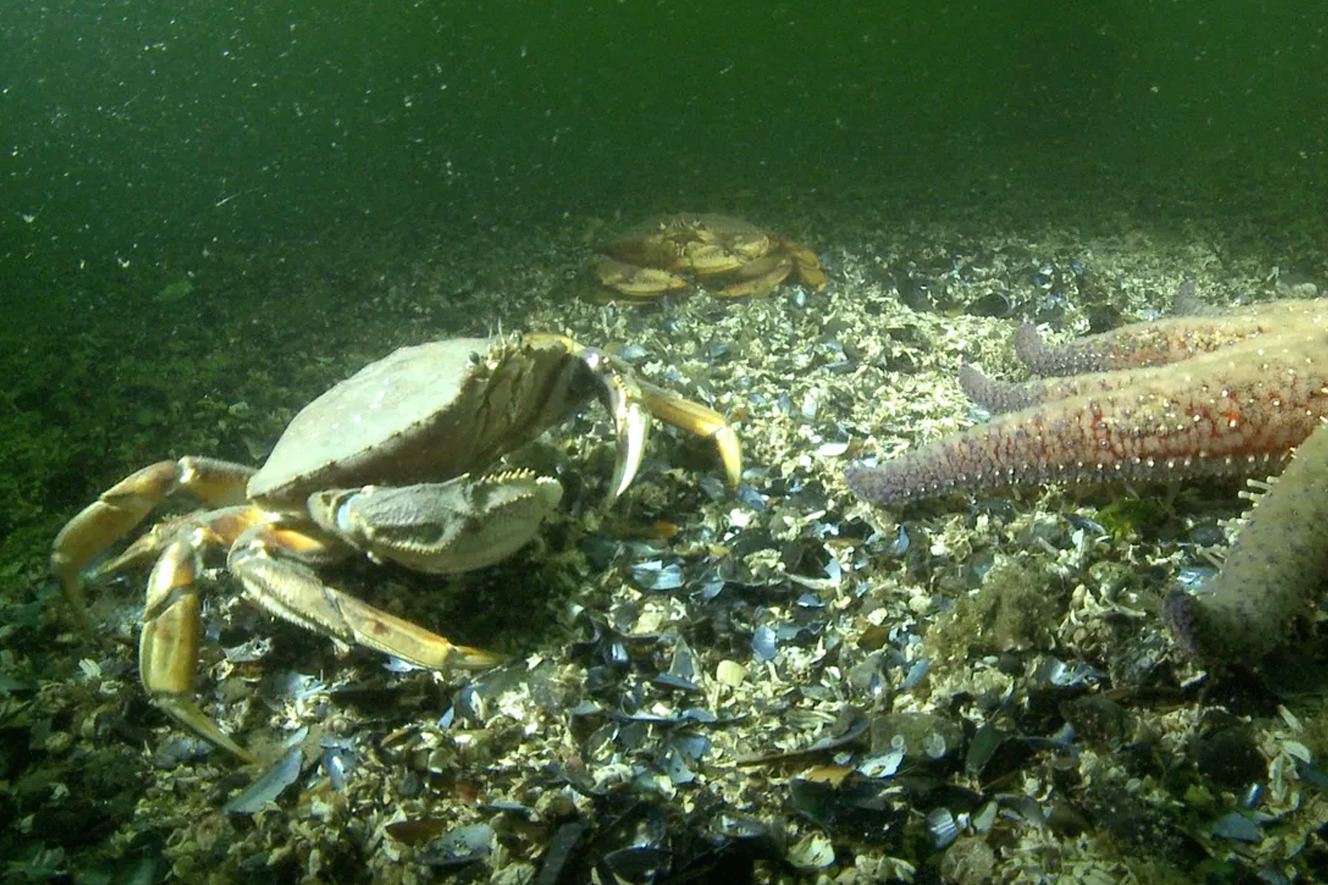
A Dungeness crab encounters a sea star on the ocean floor.
© Paul Hillman/NOAA
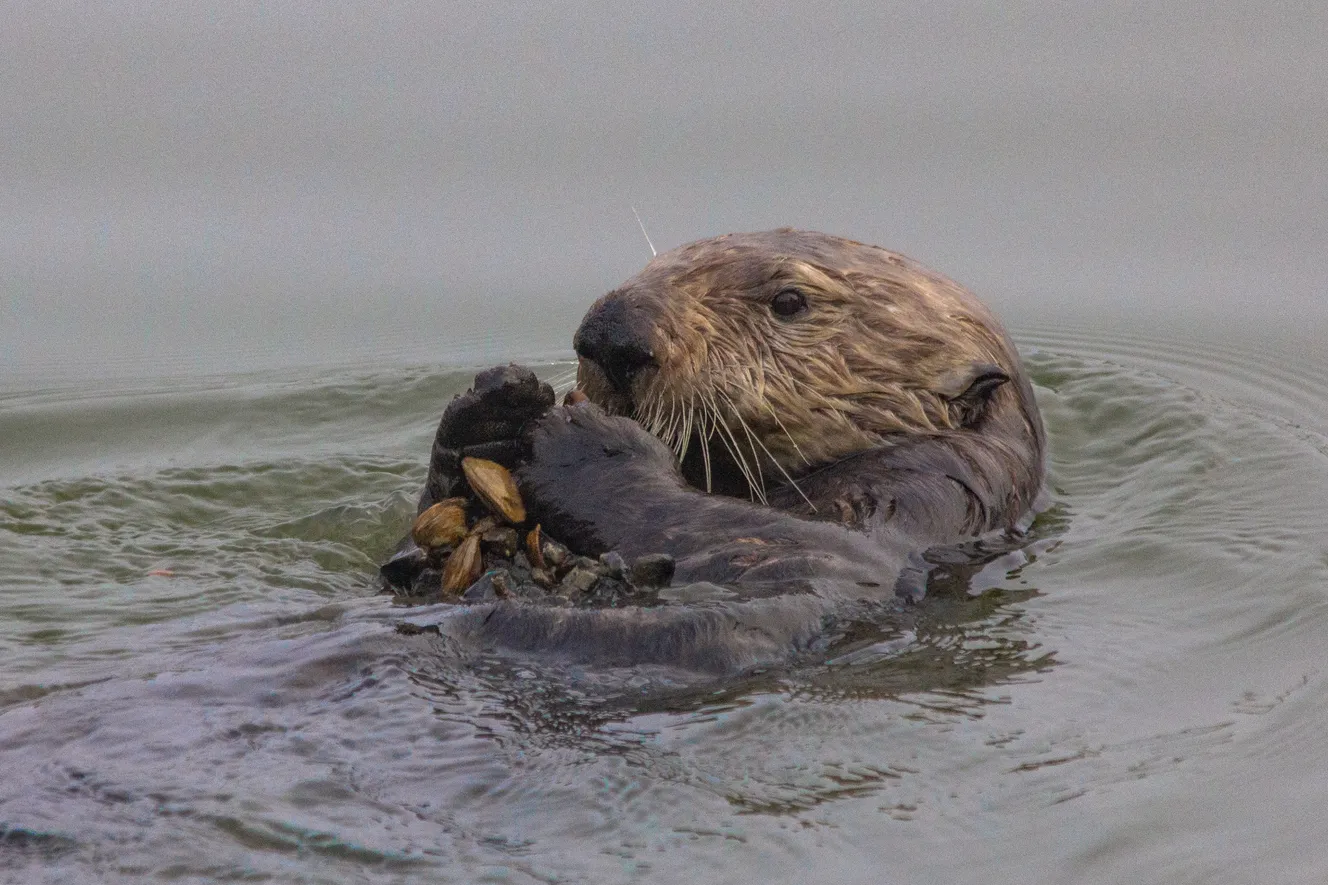
A wild sea otter eats clams in Monterey Bay. Clams are one of more than 50 species in sea otter diets.
Otters' positive impact
While the positive impacts sea otters provide by sustaining and restoring coastal habitats may benefit Dungeness crabs in other ways, this study did not cover the specifics of these dynamics.
Nonetheless, previous studies set the stage to show how otters help cultivate healthy coastal ecosystems, especially along the Central Coast.
“Researchers have found that eelgrass estuaries and rocky intertidal systems with productive mollusk beds are preferred nurseries for young Dungeness crabs,” Boustany said.
Coastal estuaries generally provide important contributions to Dungeness crab populations throughout their range. So the presence of otters could help enhance local crab populations.
Dr. Andre BoustanyFisheries biologist
“This research is good news for everyone who fishes for Dungeness crab, or enjoys eating it,” said Pietro Parravano, president of the Institute for Fisheries Resources and a trustee of the Aquarium. “Making a living as a commercial fisherman is arduous and challenging. It’s good to know that the presence of sea otters won’t represent another problem. In fact, it might help improve the habitats that support healthy crab populations.”
That’s not to say the return of sea otters would benefit all marine species in places to which they return, Boustany noted.
“In parts of Alaska, where sea otter densities can get much higher, there is evidence they have had negative impacts on the populations of nearshore invertebrates,” he said.
These issues would have to be addressed before moving forward with plans to help return sea otters to waters where they flourished before fur traders hunted them nearly to extinction in the late 1800s.
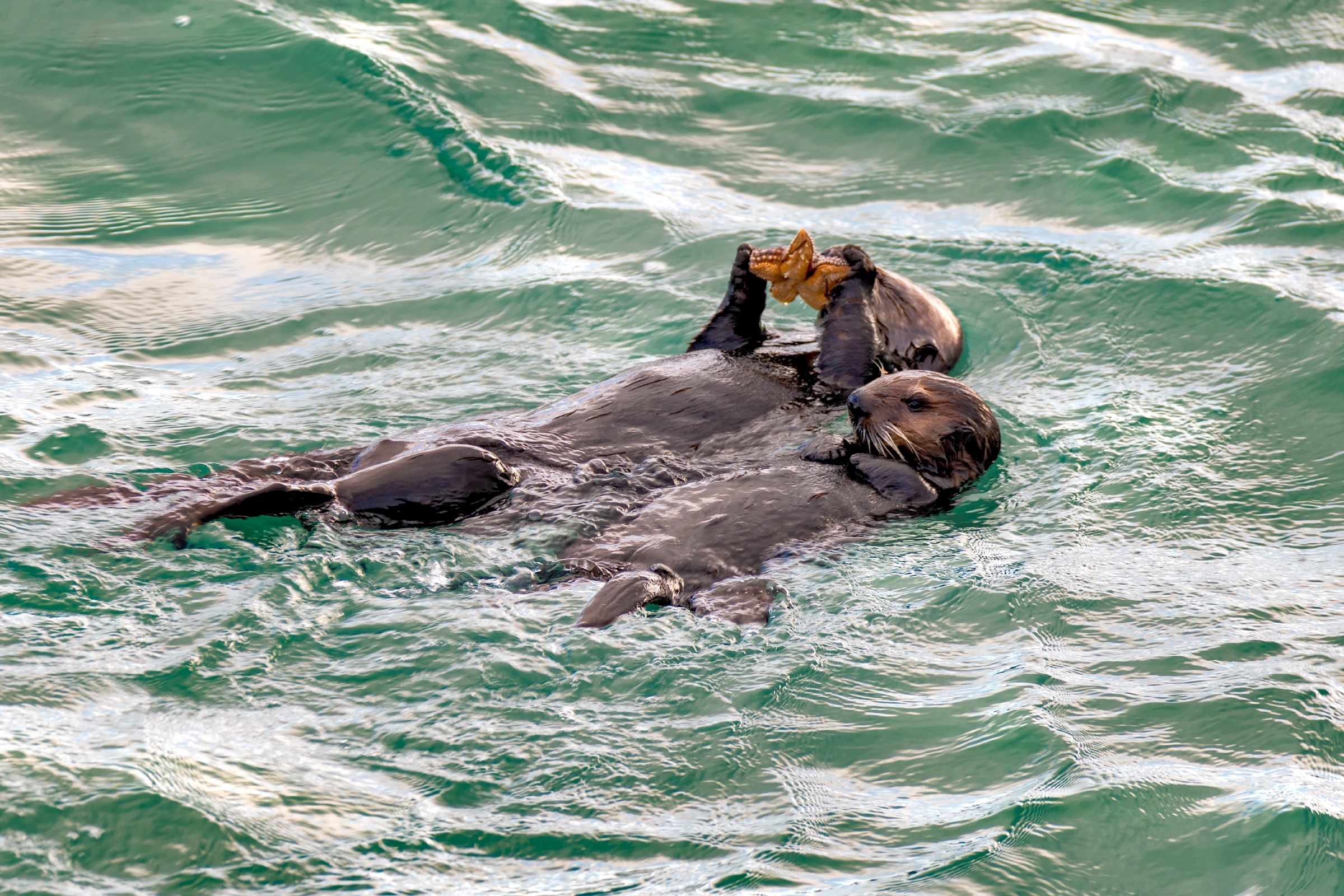
An otter mother shows her pup how to find and feast on a sea star. Sea otters feed on more than 50 different species of prey; Dungeness crabs represent less than 2% of their diet.
Crab catch is on the rise
To measure the impact of sea otters on Dungeness crab populations in California, Aquarium researchers looked at data documenting commercial crab landings for key fishing ports in the state, dating back to the 1980s. They found that Dungeness crab landings and fishing success increased throughout California over time. Importantly, these increases in fishing success were greater in Half Moon Bay, Monterey Bay and Morro Bay—ports within the sea otter range—than at ports outside of the otter range.
The study leveraged data collected over a nearly 15-year span and alluded to the more than 30 years of foraging observations in Monterey Bay. These data collection efforts by the Aquarium and its partners followed 145 individual sea otters on an astounding 83,340 foraging dives, during which scientists and volunteers recorded details of what otters were eating. In kelp forests and coastal estuaries, crabs in general were an important food source. Collectively, however, Dungeness crab represented less than 2% of sea otter diets, while otters seemed to favor clams, mussels and abalone.
“Beyond the analyses that we’ve done here on Dungeness landings and sea otter diets, it’s important to understand how the ocean works for these crabs,” said Dr. Kyle Van Houtan, the Aquarium’s chief scientist and a co-author of the study.
Ocean conditions play a key role
“Beyond the analyses that we’ve done here on Dungeness landings and sea otter diets, it’s important to understand how the ocean works for these crabs,” said Dr. Kyle Van Houtan, the Aquarium’s chief scientist and a co-author of the study.
Like sea turtles and squids, Dungeness crabs invest considerably more in the number of their offspring than in parenting them.
“This means that ocean conditions drive the population from the bottom up,” he said. “In California, for example, we know that the spring upwelling and other climate conditions control the recruitment of Dungeness crabs, and drive the fishery.”
Environmental changes such as ocean acidification may be causing northern California waters to become less crabby as crabs find more hospitable conditions farther south.
“Based on the success of our sea otter surrogacy program, we’re expanding our efforts to restore California’s sea otter population and recover otters’ important ecosystem function,” Van Houtan said. “This is good news for coastal ecosystems across the state—and it’s welcome news that this very likely won’t affect a signature California fishery like Dungeness crab.”
Keep exploring

Story
Are you ready for it?
Our vintage sea otter t-shirt is back for a limited time.
I'm ready for it – Are you ready for it?
Story
Birdwatching tips: A guide to enjoying and identifying local birds
Here are our best tips to help keep you and the birds safe and healthy during a birdwatching adventure.
Read story – Birdwatching tips: A guide to enjoying and identifying local birds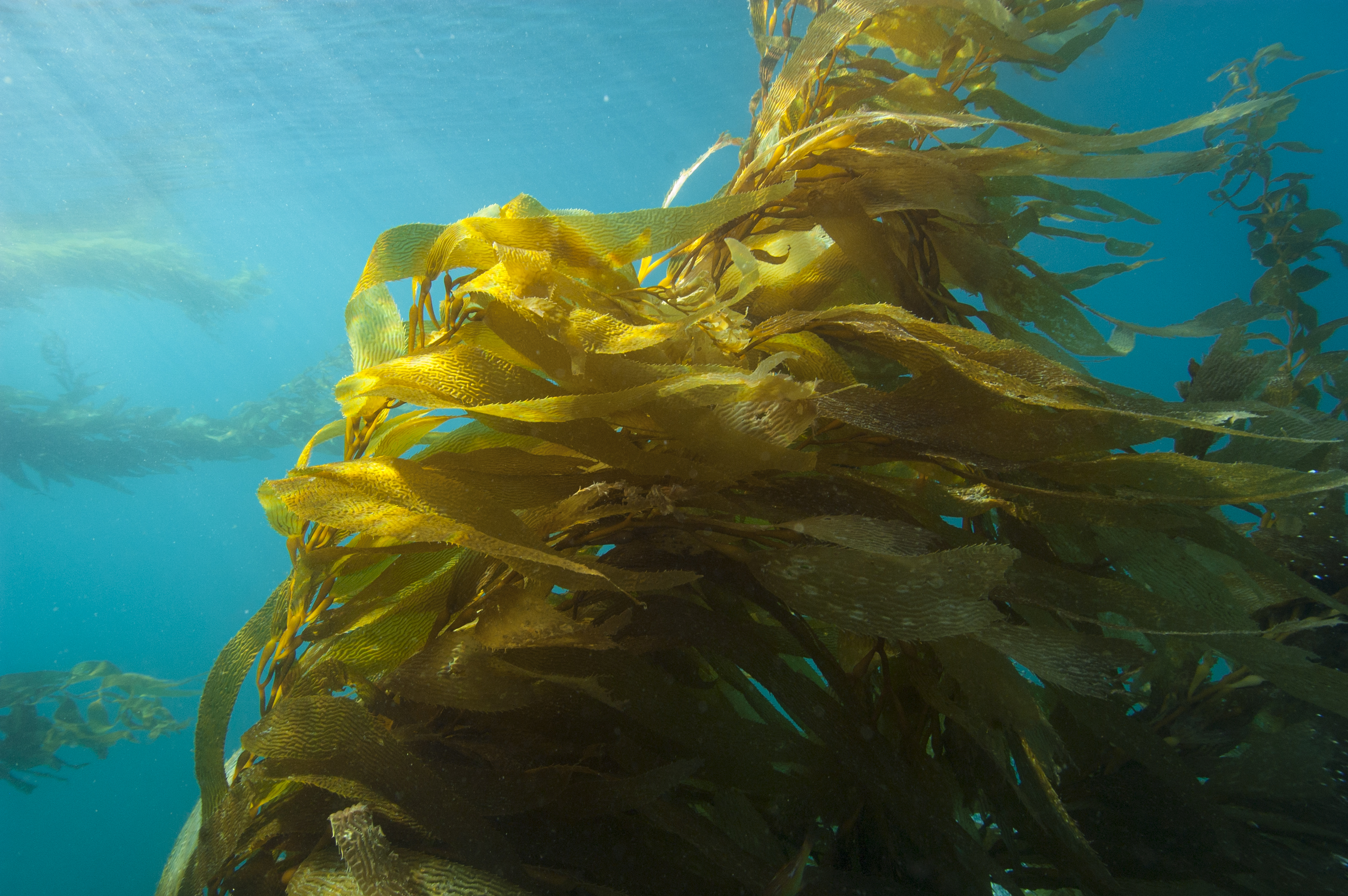
Story
Chumash Heritage National Marine Sanctuary is almost here
Chumash Heritage National Marine Sanctuary protects marine life and cultural resources on California’s coast.
Read story – Chumash Heritage National Marine Sanctuary is almost here