
Antibiotics in aquaculture
Promoting responsible use of antibiotics in aquaculture
Many of our Seafood Watch program’s red ratings for popular farmed seafood items such as shrimp and salmon are driven—at least in part—by concerns over the use of antibiotics to control disease. To improve the sustainability of fisheries and aquaculture around the world, we partner with the seafood industry and others to promote responsible antibiotic use in aquaculture.
The challenge
Rapid expansion of aquaculture coupled with impacts of climate change have increased the risk of disease in farmed seafood production which is giving rise to the use of antibiotics to control disease.
The issue
There are many complex and interconnected environmental, social, and economic issues related to antibiotic use in aquaculture. Solutions must protect ocean health and meet the growing global demand for food.
Our approach
We are leading a collaborative effort with the seafood industry, scientists, and others to promote responsible antibiotic use and develop innovative alternatives to control disease in aquaculture production.
Highlights from this work
Driving solutions through partnerships
Strong partnerships and collaboration play a significant role in the long-term impact of our work. Industry partnerships are critical to program success. In 2019, we partnered with the Chilean salmon farming industry to launch the Chilean Salmon Antibiotic Reduction Program (CSARP), which aims to reduce the use of antibiotics in Chilean farmed salmon by 50 percent by 2025. In 2024, to recognize the companies that are leading progress toward that goal, we introduced CSARP+ along with our partners.
We are also partnering Nestle Purina and the Interdisciplinary Center for Aquaculture Research in Chile to support the research and development of a carrying capacity model for antibiotic use in salmon aquaculture. This research will inform guidelines for the lowest and most infrequent possible application of antibiotics that will still ensure healthy stock production.
Harnessing the power of convening
To advance our work, we convene a wide range of stakeholders and partners able to address both the environmental and social challenges at hand. A critical part of this convening effort is creating space for the various stakeholders to share information.
In November 2024, we co-sponsored the first ever Scientific Congress on Antibiotic Use in Aquaculture in Puerto Varas, Chile. Researchers, scientists, industry leaders, and other experts came together to explore pathways for promoting responsible antibiotic use and developing innovative alternatives to antibiotic use. Ideas from the Congress—including an increase in funding, more research, changes in policies and regulations, and industry initiatives—will inform a multidisciplinary roadmap for engaging policymakers, industry, and others to advance a more sustainable approach.
In May 2025, we hosted the Asia-Pacific Economic Cooperation’s (APEC) Oceans and Fisheries Working Group in Monterey for a discussion on governance issues around aquaculture and antibiotic use. Highlights from this discussion will be featured in a new APEC report.
Building resources and capacity
To encourage collaboration and broad participation from all levels of the supply chain, we collect and share data, information, tools, and other capacity-building resources. Since 2021, we’ve worked with the World Bank to explore issues around antibiotic use in aquaculture through the Antimicrobial Assessment on Global Aquaculture Production Initiative (AGAP). Grounded in the World Health Organization’s One Health approach, which promotes solutions that balance the health of people, animals, and ecosystems, AGAP features an extensive literature review as well as workshops with experts from more than 15 countries.
Related downloads
CSARP+: Accelerating Reduction of Antibiotics in Chilean Farmed Salmon
Download PDF 179.1 KB – CSARP+: Accelerating Reduction of Antibiotics in Chilean Farmed SalmonAntimicrobial Assessment on Global Aquaculture Production Initiative (AGAP)
Download PDF 177.6 KB – Antimicrobial Assessment on Global Aquaculture Production Initiative (AGAP)Explore more tools and initiatives
Change & impact
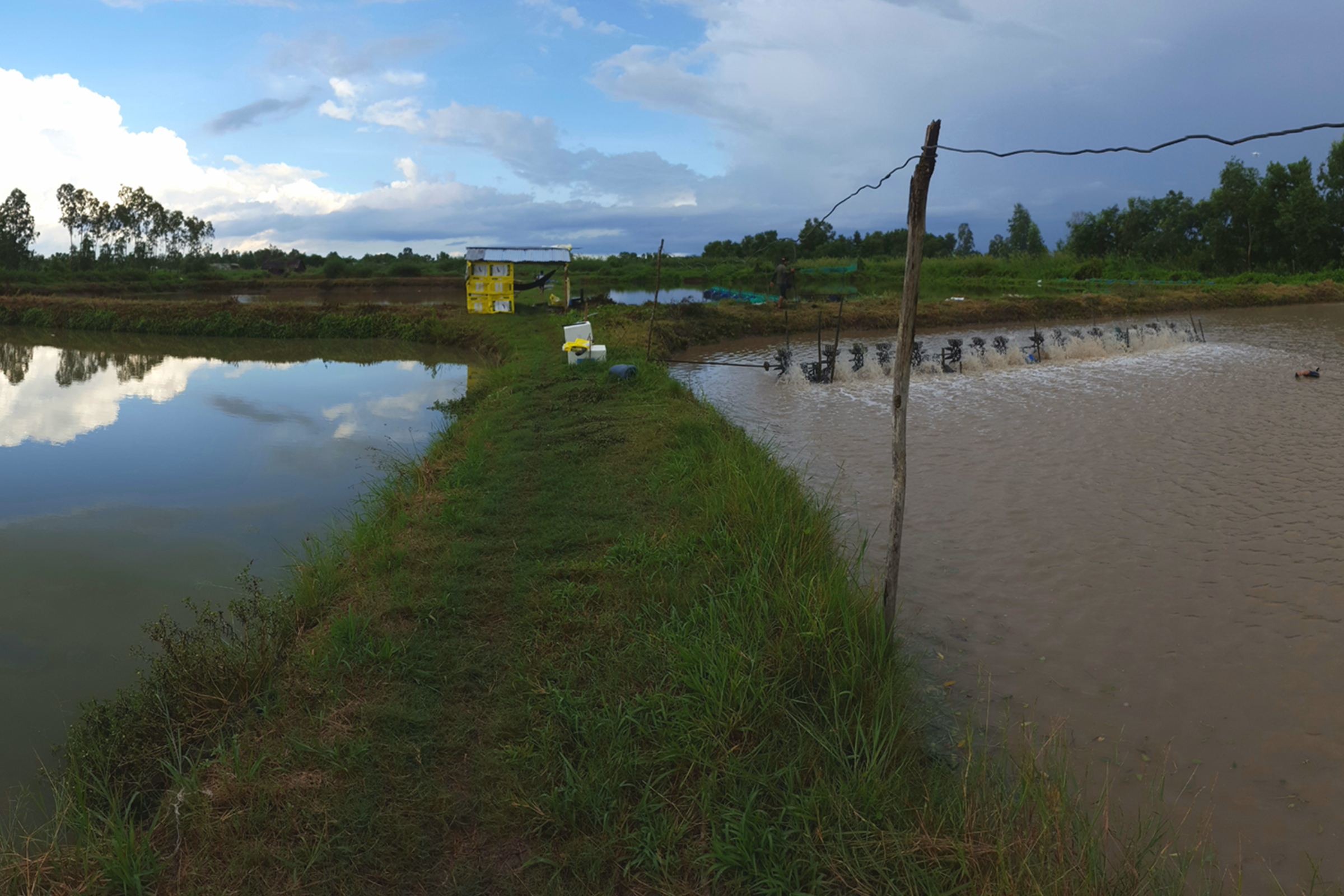
Verification Platform
Our platform enables small-scale shrimp farmers to demonstrate their environmental sustainability.
Read more – Verification Platform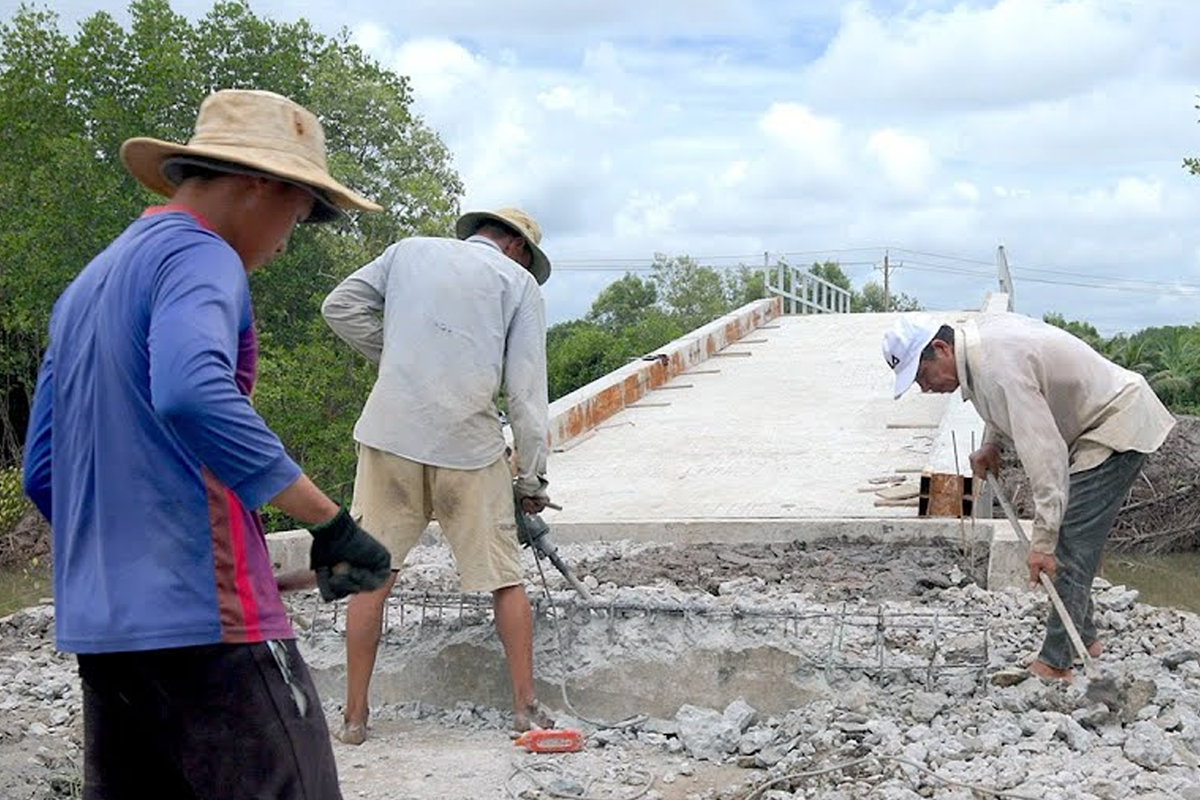
Change & impact
Community Development Fund
We fund community projects that improve livelihoods and incentivize sustainable seafood production.
Read more – Community Development Fund
Change & impact
Sustainability Labs
Our Sustainability Labs track the impact of policy and practice changes across the seafood supply chain.
Read more – Sustainability Labs