
How to take action on climate change
Climate change is the biggest threat facing our global ocean. Rising temperatures, ocean acidification, and shifting ecosystems are already affecting marine life and coastal communities.
The good news is that individual and community actions can help accelerate climate solutions. From supporting renewable energy to reducing waste, every step helps lower greenhouse gas emissions and build a healthier ocean.
Here are ways you can take action.

Share your voice about climate solutions
Many people care about climate change and studies show that Americans are thinking about this topic heading into 2026 primary elections. Starting conversations about climate solutions can help build momentum for meaningful action.
What you can do
- Start conversations about climate solutions in your workplace, neighborhood, or community groups.
- Share an article, podcast, or book about climate change on social media.
- Ask friends or coworkers what climate solutions could work in your community.
- Collaborate with others to set achievable climate goals and work toward them together.
- Talking about solutions helps normalize climate action and encourages others to get involved.
Find organizations working on climate change and add your voice to the cause
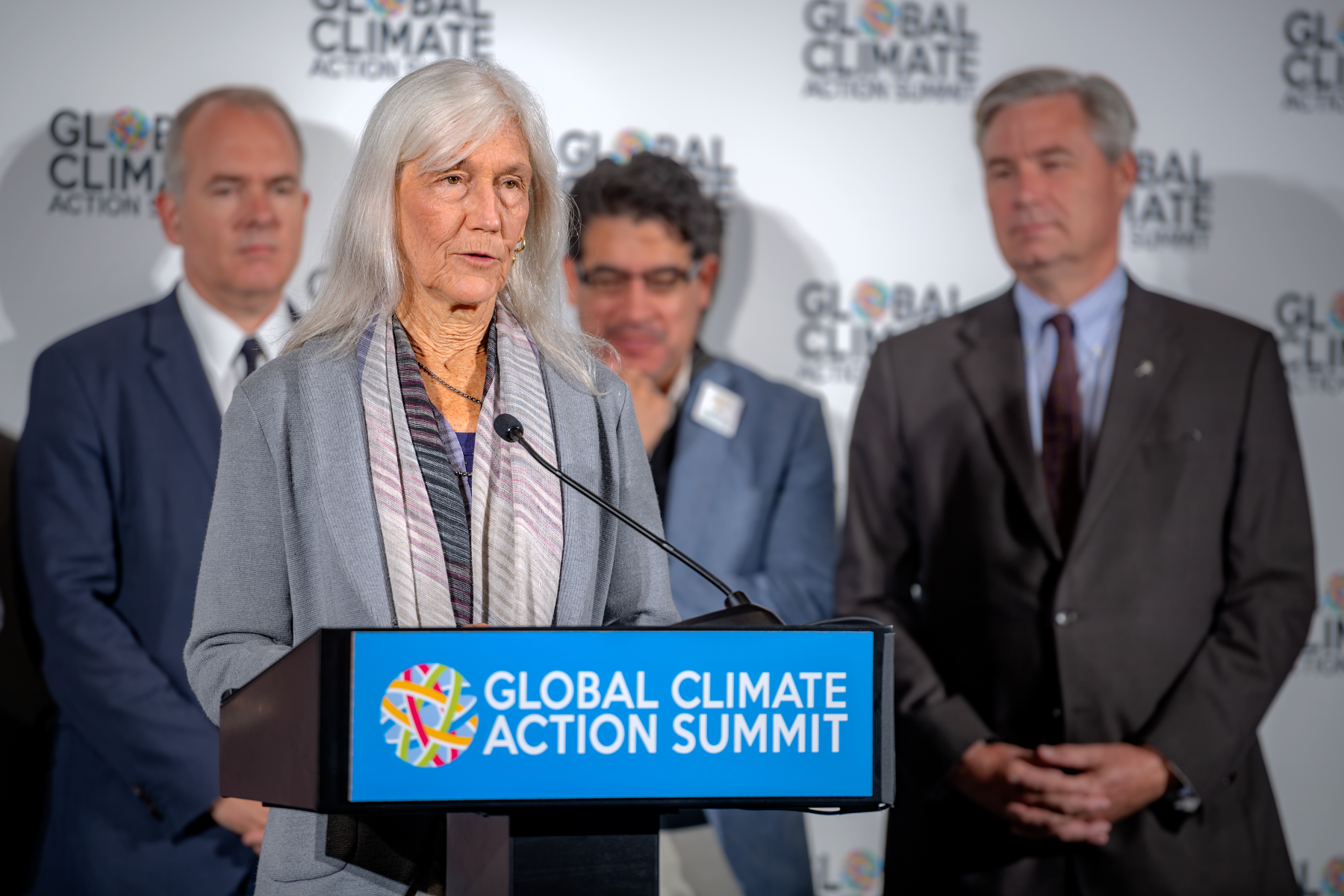
Support leaders taking climate action
Public policies play a major role in reducing greenhouse gas emissions and protecting ocean ecosystems. Supporting leaders who prioritize climate solutions can help accelerate change. Local decisions about transportation, energy, and land use can have a major impact on climate progress.
What you can do
- Learn who represents you at the local, state, and national levels.
- Ask elected officials what they are doing to address climate change and reduce carbon emissions.
- Share your concerns and priorities through emails, calls, or social media.
- Speak up at local meetings such as city council or county board gatherings.
Find contact information for federal elected officials through USA.gov

Choose lower-carbon transportation
Transportation is the largest source of greenhouse gas emissions in the United States, making it a key opportunity for climate solutions.
More efficient and shared transportation options can significantly reduce emissions.
What you can do
- Walk, bike, carpool, or use public transportation when possible.
- Try your local transit system and share feedback with community leaders.
- Ask your employer about telecommuting or flexible work options to reduce commuting.
- If purchasing a vehicle, consider high-efficiency or electric models.
- Moving together is one of the most effective ways to reduce emissions from transportation.

© MBARI
Reduce energy use and support renewable power
Using energy efficiently helps reduce greenhouse gas emissions and lowers energy costs. Many communities are also transitioning to cleaner electricity sources such as wind and solar.
Everyday energy-saving actions
- Turn off lights when not in use.
- Switch to LED light bulbs.
- Choose energy-efficient appliances.
- Wash laundry in cooler water.
- Adjust clothing layers before changing the thermostat.
What you can do next
- Ask your utility provider about home or business energy audits.
- Learn where your electricity comes from and how it’s produced.
- Support renewable energy programs in your community.
- Get involved in local sustainability plans that promote energy efficiency.
- In some areas, communities can adopt Community Choice Energy (CCE) programs that allow local governments to source more renewable electricity.

Reduce the carbon footprint of everyday purchases
Everything we consume—from food to clothing to household goods—has a carbon footprint. Choosing durable products, reducing waste, and reusing materials can significantly lower emissions.
What you can do
- Follow the waste hierarchy: refuse, reduce, reuse, recycle.
- Choose reusable products instead of single-use items.
- Buy only what you need and consider secondhand options.
- Repair items before replacing them when possible.
- Share or borrow items within your community.
- Community resources such as repair cafés, secondhand shops, and sharing groups can help reduce waste and extend the life of everyday products.

Electrify your home
Many homes rely on fossil fuels like natural gas or propane for heating, cooking, and hot water. Switching these systems to electric options—especially when powered by renewable energy—can significantly reduce household greenhouse gas emissions.
As more communities transition to cleaner electricity from sources like wind and solar, electric homes become even more climate-friendly.
What you can do
- Replace gas appliances with electric alternatives when it’s time for an upgrade.
- Consider installing electric heat pumps for heating and cooling. They are highly efficient and work in many climates.
- Switch to induction or electric cooktops, which provide fast, precise heating without burning gas indoors.
- Install an electric heat pump water heater to reduce energy use for hot water.
- Explore rooftop solar panels or community solar programs if they are available in your area.
Look for incentives
- Many regions offer rebates, tax credits, or other incentives for energy-efficient electric appliances and home upgrades. Check with your local utility provider or government energy programs to learn what support is available.
- Electrifying homes and buildings is one of the fastest ways communities can reduce emissions while improving indoor air quality and energy efficiency.

Reduce food waste and eat for a healthier planet
Food production has a major climate impact, and in the United States about 40% of food goes to waste. When food decomposes in landfills, it produces methane, a powerful greenhouse gas.
What you can do
- Plan meals to avoid overbuying food.
- Eat leftovers or freeze them for later.
- Compost food scraps when possible.
- Eating more plant-based foods and sustainable seafood can reduce the carbon footprint of your meals.
- Reducing food waste is one of the most effective ways individuals can lower their climate impact.

Protect ocean ecosystems
Healthy ocean ecosystems help absorb carbon and support biodiversity. Protecting marine habitats strengthens the ocean’s resilience to climate change. Together, reducing emissions and protecting ecosystems can help ensure a thriving ocean for future generations.
What you can do
- Choose sustainable seafood to protect ocean food webs.
- Reduce single-use plastics and participate in cleanups.
- Support marine protected areas that safeguard critical habitats.
- Use your voice to protect our ocean against offshore drilling.
Be a voice for the ocean
Sign up for our quarterly ocean action emails and get inspiring conservation stories, tips on living a sustainable lifestyle, and opportunities to take action to protect the ocean—delivered to your inbox.
Keep exploring

Change & impact
Our conservation work
For more than 40 years, the Aquarium has worked to protect the ocean that shapes our lives.
Read more – Our conservation work
Change & impact
10 simple actions that help protect the ocean
Wondering how to help the ocean? Protecting our ocean starts with simple, everyday actions that add up.
Read more – 10 simple actions that help protect the ocean
Change & impact
How to protect marine wildlife
You can protect marine wildlife by making choices every day that protect ocean habitats.
Read more – How to protect marine wildlife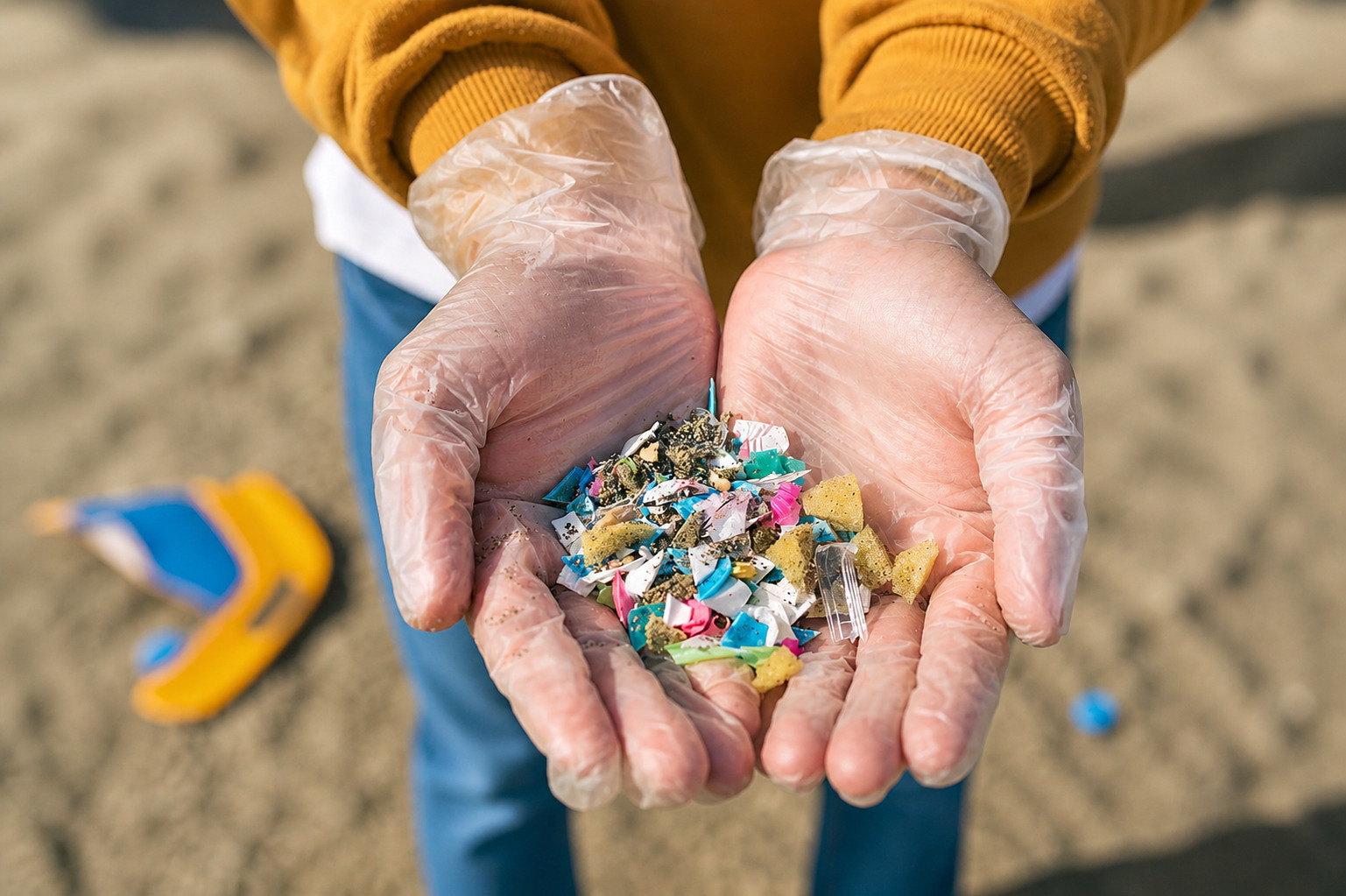
Change & impact
How to reduce plastic pollution
You can reduce plastic pollution by finding ways to recycle, limit exposure, reduce plastic use, and take…
Read more – How to reduce plastic pollution