

Diversity, equity, inclusion & accessibility
We believe equity is imperative to achieving the mission of the Aquarium
The need to solve the threats facing our life-sustaining ocean has never been greater. We believe that humankind can turn the tide, but it will require transformative change. We all have a stake in the future and we need a diversity of perspectives and voices to drive adaptive, lasting solutions. This only happens when we build trusting, authentic relationships in our communities, both internally in the workplace, and externally with our collaborators.
Our diverse and inclusive teams ignite innovation, increase our ability to deliver awe-inspiring exhibits and programs, and deepen our connections with people across the planet. The ocean conservation movement has historically excluded many voices and failed to recognize intersecting struggles. We want our staff, visitors, and other people we engage to feel safe and valued—both for who they are, and for who they are becoming. We want everyone to experience the joy, wonder, and sustenance a healthy ocean provides.
We do this equity work toward a vision of a world where people protect the ocean, and the ocean protects us. Where ocean conservation is part of an interconnected movement for social justice, racial equity, and a healthy environment. Where people work together, with a shared sense of accountability and agency, to address the top threats to ocean health.
Our Equity Roadmap
In 2009, the Monterey Bay Aquarium embarked on a journey to drive progress and impact in diversity, equity, inclusion, and accessibility. The ongoing efforts of many have driven change across all levels of our organization, and this roadmap represents a continuation of that journey. We stand on the precipice of a more integrated DEIA focus for our organization and this Equity Roadmap will help us take the next step in our journey. Six priorities were identified as key to advancing DEIA for our staff from 2024–2028: Staff development, culture, organizational infrastructure, communications, equitable and inclusive leadership, and human resources.
Staff demographic information
In an effort to be transparent and accountable to ourselves and our community, we share the following demographic data.
Highlights of our DEIA journey
2009
The Inclusion Task Force was formed, and the first formal diversity meeting was held. An outside consultant conducted diversity focus groups.
2010
Inclusion was added as an institutional value, and the task force began to transition to the Diversity & Inclusion Committee. Diversity is included in the Aquarium’s strategic plan objectives.
2012
The Aquarium’s first diversity manager is hired. The Aquarium transitioned the internship program for volunteer services to Diversity and Inclusion to increase local engagement with people of color, targeting five local colleges and universities.
2013
Dr. John A. Powell, university professor and civil rights expert, speaks to Aquarium staff. The Aquarium participates in the California Black Expo, an event that celebrates the social, cultural, and artistic diversity in California by promoting local businesses, organizations, and talent. Ongoing recruitment programs begin at Hartnell College and the California Employment Development Department.
2014
Filmmaker and transformative educator Dr. Shakti Butler speaks to Aquarium staff. Aquarium staff attend the Society for Human Resource Management Diversity Conference. Ongoing recruitment programs are launched at Professional Diversity Network (PDN), Cal State Monterey Bay, UC Santa Cruz, and Monterey Peninsula College.
2015
The Aquarium’s diversity strategy is developed. The bilingual program presenter position is created. The Aquarium participates in the annual SACNAS conference. Anti-racism activist and author Tim Wise speaks to Aquarium staff. The Aquarium diversity manager presents on our internship program and diversity initiatives at the annual Association of Zoos and Aquariums conference.
2016
The Aquarium begins a relationship with the Deaf and Hard of Hearing Service Center. The job description template is updated to remove hidden bias. All single-stall restrooms in the Aquarium and its off-site buildings are designated as all gender. The Deeper Dive series, an ongoing discussion forum for staff on topics related to diversity and inclusion, is launched. Ongoing recruitment efforts begin at the Veterans Career Fair, and the Aquarium begins hosting its own job fair in spring and fall.
2017
Four paid STEM internships are established with a selection process that focuses on People of Color. The Diversity & Inclusion Committee identifies the three areas of focus. Year over year affirmative action data is shared with Aquarium leadership.
2018
The new Dress and Appearance Standard, an effort championed by the D&I Committee, is adopted by the organization. The first group of paid STEM interns is hired. Facilitators are identified for organizational cultural competency training, including local author and educator Laverne McLeod, Dr. Mary-Francis Winters of the Winters Group, and Dr. Shakti Butler of the World Trust.
2019
The Deeper Dive series is revamped to offer one topic per quarter. Staff can include their pronouns on their business cards and email signatures. Existing recruitment partnerships are expanded, including partnerships with SFSU, Fresno State, Cabrillo, MIIS, SJSU, and Cal Poly. Members of the D&I Committee, executive committee, vice presidents, and all managers receive cultural competency training facilitated by the Winters Group. Following the training, the D&I Committee becomes the DEI Committee as equity becomes part of the committee’s scope.
2020
Executive Director Julie Packard makes a statement in support of the Black Lives Matter movement, and Aquarium leadership reaffirms its commitment to diversity, equity, and inclusion. The first DEI Strategic Plan is adopted. All Aquarium staff complete diversity, equity, and inclusion training focused on racial justice and equity, facilitated by members of the DEI committee.
2021
Individual annual performance reviews for all staff included DEI development plans. Black, Latino, Asian American and Pacific Islander, SWANA, and White/anti-racist affinity groups were launched for staff. All members of the Board of Trustees completed diversity, equity, and inclusion training focused on racial justice, and a new Board DEI Committee was established to monitor progress and provide regular reporting to the Board. The internship program was re-envisioned as Career Development Pathways, which launched with 20 paid interns.
2022
Accessibility was added to the strategic plan objectives and the committee's scope of work, making the DEI Committee now the DEIA Committee. The Queer Affinity Group is formed.
2023
DEIA became its own department, with two full-time staff members. The new DEIA director established a DEIA steering committee, and the former DEIA committee was expanded and renamed the DEIA forum. These groups collaborated to create the Equity Roadmap to guide our work for the next five years. The Aquarium also brought an equity lens to the strategic planning process.
2024
The Aquarium’s new vision statement includes thriving people, and each of the four new strategic objectives integrates DEIA. The DEIA department worked to socialize the Equity Roadmap across every division and department of the organization.
2025
In 2025, we were focused on launching the Rising Tides podcast, continuing to operationalize DEIA calendar moments, and expanding learning opportunities. We invested in infrastructure to support DEIA groups, with special attention to Affinity Groups. The Steering Committee participated in interviews for key leadership roles to ensure alignment with our values. We launched the Rising Tides podcast to provide inclusive learning for all employees and partnered with the People & Culture team to support a more people-centered approach to processes and systems.
2026
We continue to embed DEIA into everything we do via our Equity Roadmap. Our Steering Committee continues to provide helpful insight and guidance for our DEIA work. This year, the Steering Committee will focus on supporting and strengthening Affinity Group leads. We have a vibrant program and strong leadership to build on, and we are investing in ensuring our leaders have all the resources and support they need to provide safe spaces for employees to gather in affinity with one another. We are partnering with People & Culture to define inclusive and equitable leadership behaviors and integrate them into manager training and performance expectations. We continue to work with leaders across the Aquarium to define clear approaches to inclusive decision-making and communication, prioritizing clarity and consistency. And we work with our partners in Marketing, Guest Experience, and Exhibits to ensure DEIA is embedded in the Aquarium’s storytelling.
Keep exploring
About us
What's new
Get the latest news, stories, and behind-the-scenes updates from the Aquarium.
See what’s new – What's new
About us
Newsroom
Visit our newsroom for announcements, images, media kits, media passes, filming requests, and media contacts.
Read more – Newsroom
About us
Our leadership
Meet the team dedicated to making the Monterey Bay Aquarium a leader in ocean conservation and education.
Read more – Our leadership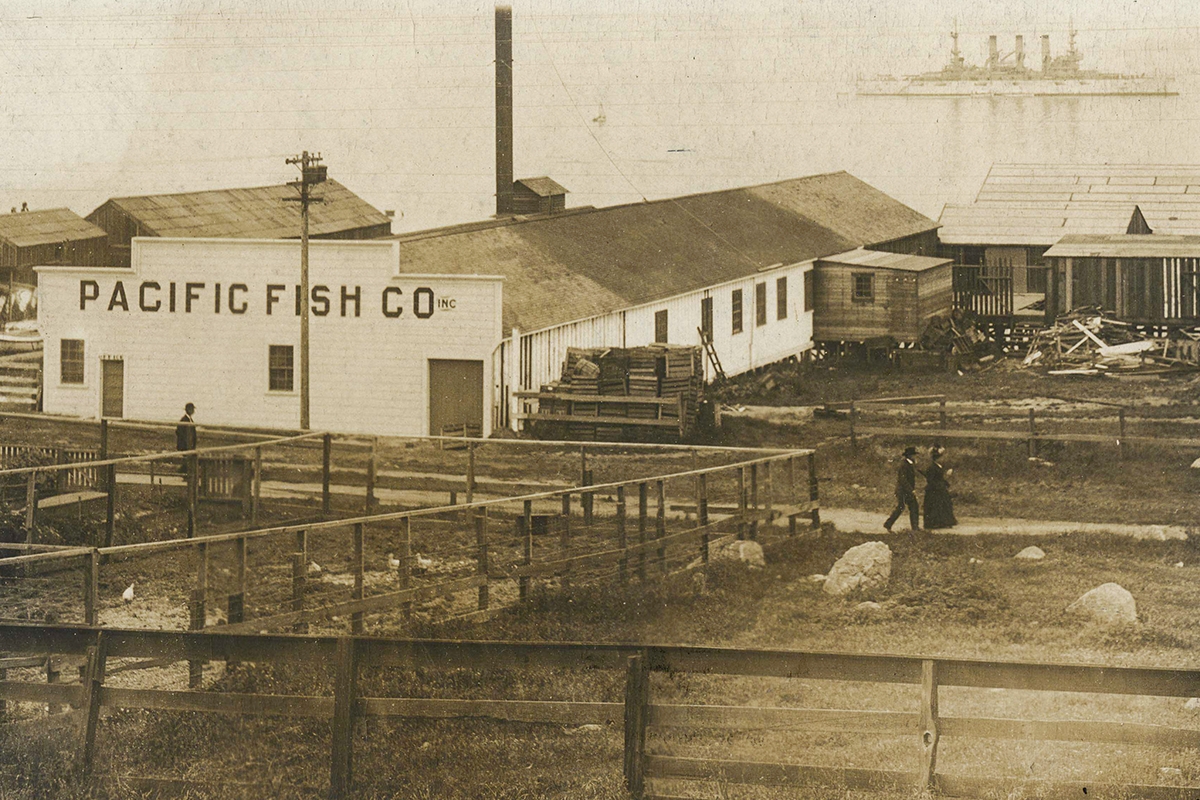
About us
Our history
Since opening in 1984, we've inspired millions of visitors and become a leader in ocean conservation.
Read more – Our history