

Question: What’s a typical workday like for you?
Answer: The great thing about working on policy is that things are always changing. One day I might be up at 6 a.m. talking to colleagues in Vietnam. The next day I'm writing a technical briefing for government officials in Washington, D.C., and the next I’m meeting with business leaders who want to make changes to be more sustainable. It is always changing, and there is never a dull day.
Q: Tell us about the career path that brought you to the Aquarium.
A: My first career-related jobs were on and around boats—working in boatyards, sailing, and doing water quality research and pollution prevention along the coast of Maine. I was lucky to land a job as co-captain on a boat that sailed around the world, and I developed science curriculums as part of Reach the World, a pioneering online education platform. During our voyage, I visited amazing places like the Galapagos, Indonesia, and The Gambia. I also saw bleached coral reefs, shark finning, and endless plastic pollution. These experiences helped me see firsthand how far we need to go on ocean conservation.
I attended graduate school at the University of California at Santa Barbara and dug into marine science, fisheries, and aquaculture. The more I learned, the more I saw links between ocean science and policy. After graduation, I landed in Washington D.C. working on ocean policy in Congress, as a fellow on the U.S. House of Representatives Committee on Natural Resources. I transitioned to the non-profit sector and worked as a senior government relations officer at the Pew Charitable Trusts, where I led strategy and government outreach for Pew’s domestic ocean campaigns. With a mix of science, law, and policy, I knew I’d found the right line of work! After several years working in Washington, D.C., I joined the Aquarium to help build the ocean conservation policy team.
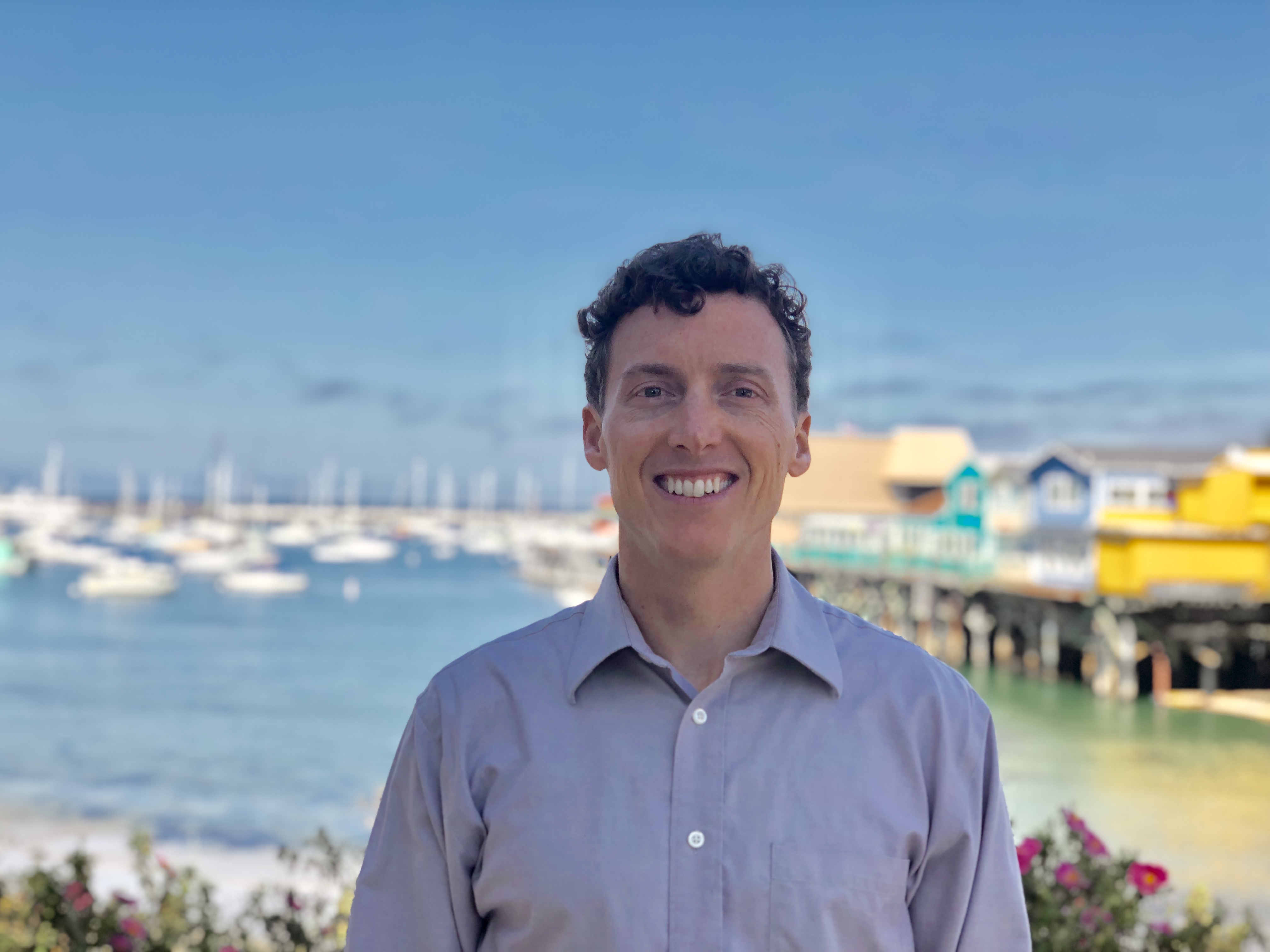
Josh Madeira
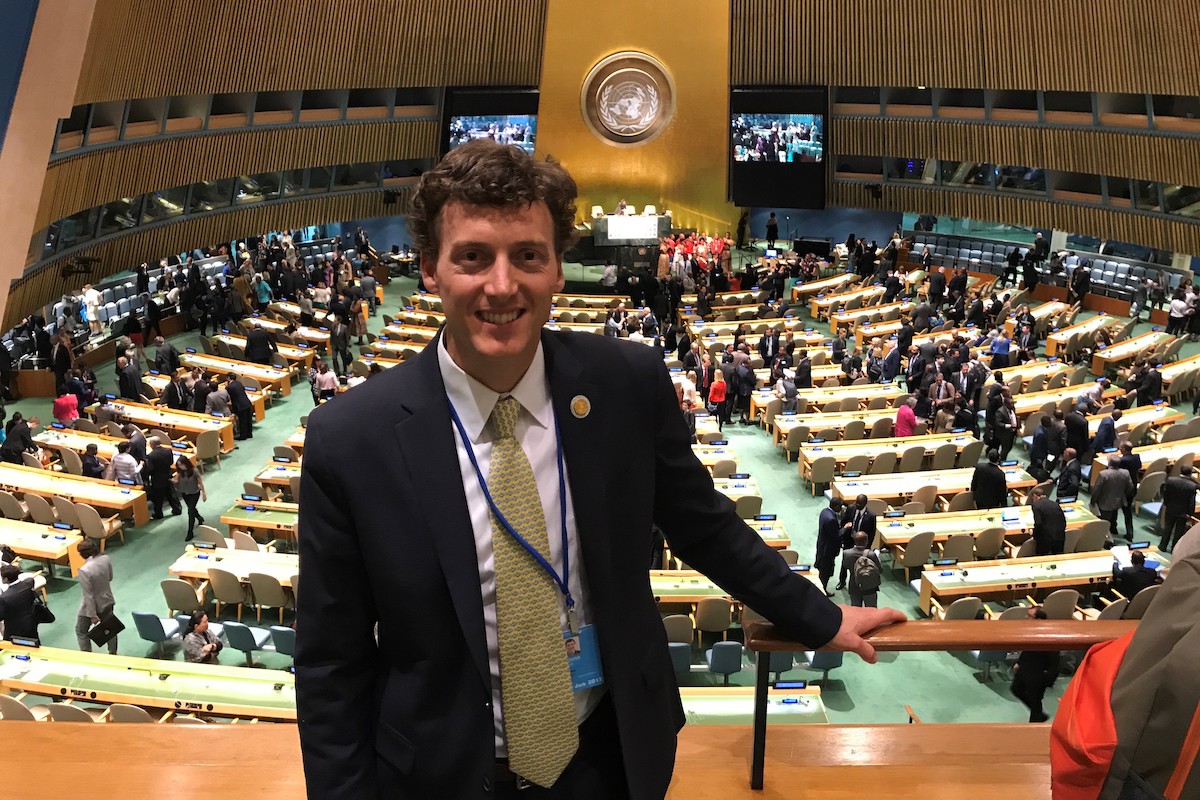
Josh addresses the United Nations in support of sustainable fisheries and aquaculture in 2017.
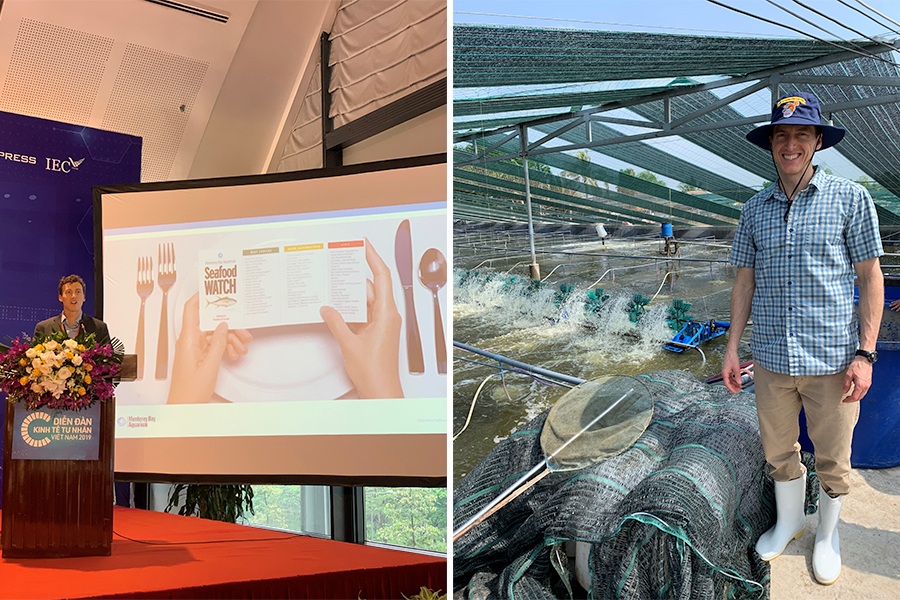
Left: Josh introduces Seafood Watch to government officials and seafood industry leaders in Hanoi, Vietnam, 2019. Right: Josh visits an intensive shrimp farm in Cà Mau Province, Vietnam, 2020.
Q: What’s your advice for people who want to get into your field?
A: A lot of people with science backgrounds end up in policy—that is what happened to me! Translating science to policy is critical for ocean conservation, and we need as many people as possible in this field. As a first step, I suggest launching yourself into an issue you care about, and talk to your elected officials, businesses, and the public. Policy is all about working with people, and this is the best way to get started.
Q: Share a moment that made you really happy to have this job.
A: A few years ago I was lucky enough to get to tour the Aquarium with a U.S. senator. We went behind the scenes to see a giant Pacific octopus, and it came right out to greet us. The octopus was hungry, and when we didn’t have any food, it took a whole mouth full of water and sprayed me—many gallons of water coming out of its siphon like a firehose. Although I was drenched from head to toe, our guest and other staff were unscathed. I poured water out of my shoes and we all laughed. I will never forget it!
I am lucky to have a job at an organization where we work together to connect people with nature, and to remind people why ocean conservation is so important.
Keep exploring
Story
Q&A: Julie Packard and Dr. Jenny Gray
Get to know incoming Chief Executive Officer Jenny Gray in this Q&A with Julie Packard.
Read the Q&A – Q&A: Julie Packard and Dr. Jenny Gray
Story
Introducing the Seafood Watch Best Choice Restaurant Program
Seafood Watch Best Choice partners offer at least one green-rated, sustainable seafood dish on their menu.
Read story – Introducing the Seafood Watch Best Choice Restaurant Program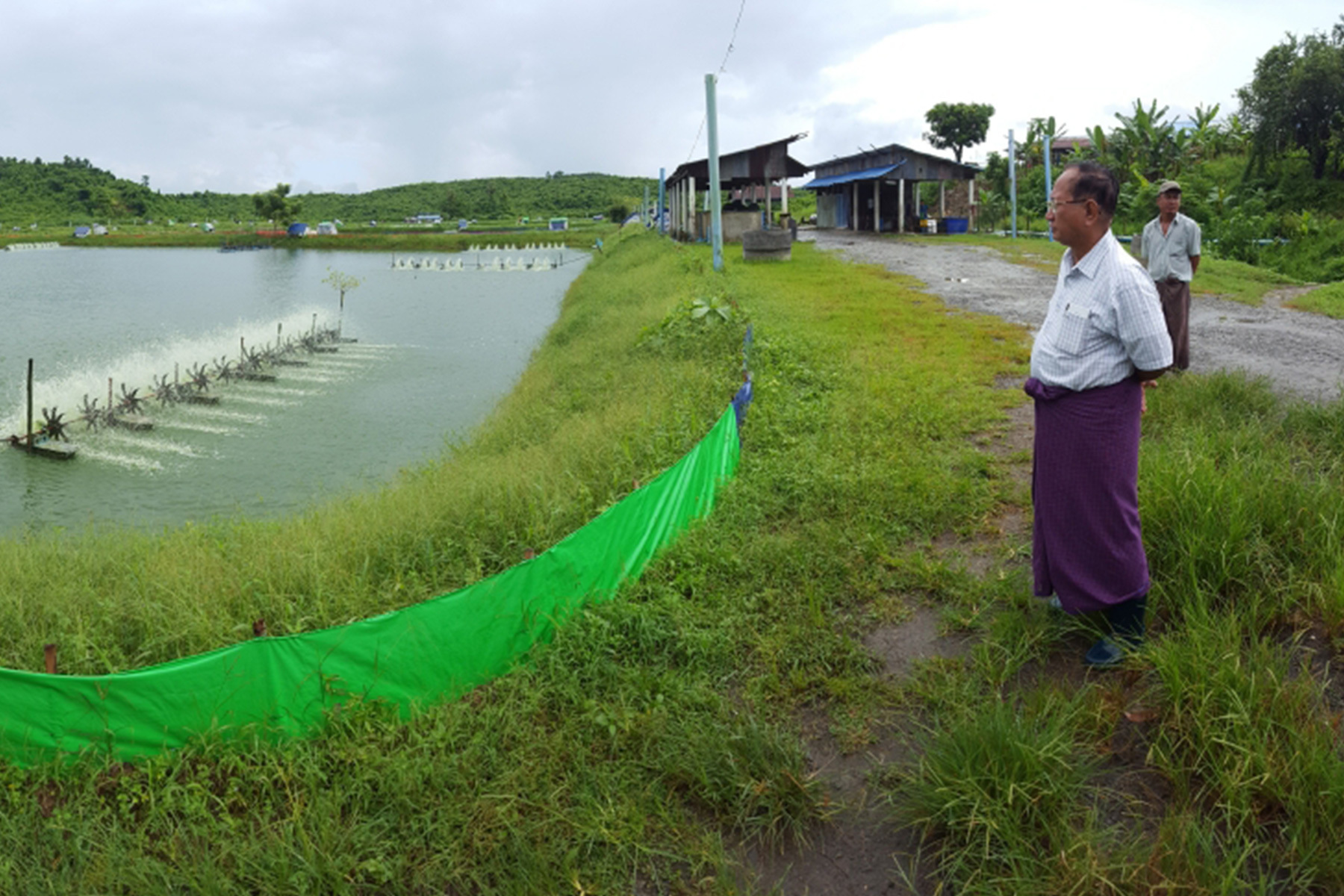
Story
From bridges to better seafood: investing in coastal communities
Projects we finance aim to improve the overall quality of life in small-scale fishing and farming communities.
Read story – From bridges to better seafood: investing in coastal communities