

Julie Packard: Jenny, welcome to the Monterey Bay Aquarium family! It’s wonderful to have you here. Could you share a little bit about yourself and about why you wanted to lead the Aquarium now?
Jenny Gray: Thanks, Julie. I am incredibly excited about the opportunity to lead Monterey Bay Aquarium. I have been an avid scuba diver for many years, so the ocean and the extraordinary life within it have always meant a great deal to me. The chance to contribute to protecting that world feels very personal. For the past 22 years, I’ve led zoo organizations in South Africa and Australia, working at the intersection of conservation, animal care, and public engagement. My PhD focused on the ethics of modern zoos, and that work shaped my belief that institutions like zoos and aquariums have a profound responsibility to ensure the animals in our care truly matter and that their stories inspire people to protect nature. Monterey Bay Aquarium is one of the world’s most influential ocean conservation organizations, so the opportunity to help lead its next chapter is tremendously exciting.
Julie: How do you think your background at Zoos Victoria will translate to a focus on marine life and ocean conservation issues?
Jenny: Zoos and aquariums are actually very similar at their core. Both connect people with extraordinary animals and use those connections to inspire care and action for the natural world. At Zoos Victoria, our mission has been to fight the extinction of 24 critically endangered Victorian species. We do that by helping visitors form a meaningful connection with those animals, understand the threats they face, and then offer practical ways for people to contribute to their recovery. That same model applies beautifully to ocean conservation. Aquariums create powerful moments of connection with marine life, and those moments can inspire people to care deeply about the health of our ocean. I look forward to sharing my experience in conservation leadership and public engagement to support Monterey Bay Aquarium’s extraordinary work, and to help more people feel connected to and responsible for the future of the ocean.
Julie: What excites you the most about coming to the Aquarium?
Jenny: What excites me most is the power of the experience the Aquarium creates. I’ve visited Monterey Bay Aquarium several times over the past two decades, and every visit has been a new adventure that left me with powerful memories. The quality of the exhibits and the strength of the conservation message make it one of the most respected aquariums in the world. But what stays with me most is watching children stand in front of the great kelp forest or the giant tuna and seeing that moment of pure wonder. Those moments matter. They are where curiosity begins and where a lifelong connection to the ocean can start.
Julie: What do you see as the greatest environmental challenges today, and how will your background help the Aquarium have a positive impact?
Jenny: I believe the greatest environmental challenge today is the rapid loss of biodiversity and the degradation of the natural systems that support life. Climate change, habitat loss, pollution, and unsustainable use of wildlife are all accelerating that decline. What makes this moment particularly challenging is that the scale of the problem can feel overwhelming, while the window for action is relatively short.
Institutions like zoos and aquariums have a unique role to play. They sit at the intersection of science, public engagement, and conservation action. Aquariums can translate complex environmental issues into experiences that help millions of people understand and care about the ocean, while also supporting research, species recovery, and partnerships that drive real-world conservation outcomes. My background has focused on exactly that intersection. At Zoos Victoria, we worked to connect public engagement with measurable conservation outcomes through threatened species recovery programs and behavior-change programs, including ocean plastic and unsustainable palm oil. Zoos and aquariums can be far more than places of inspiration; they can be active agents of recovery for species and ecosystems.
Julie: Where do you see opportunities for the Aquarium to build a deeper connection between people and the ocean?
Jenny: Monterey Bay Aquarium has already shown the power of care and compassion in driving the protection and recovery of the California coast. I see opportunities to build even deeper connections by expanding that approach globally; sharing knowledge, inspiring stewardship, and engaging people with the challenges facing the open ocean. By linking immersive experiences, education, and actionable pathways for conservation, we can help visitors understand that their actions matter not just locally, but for oceans around the world.
Julie: What are you most looking forward to as you move from the Southern Hemisphere to the Central Coast?
Jenny: I am definitely looking forward to working with the sea otters—they’re irresistibly cute! As a Berkeley graduate (go Bears!), I am thrilled to be returning to California as a resident, living near the ocean, and becoming part of a vibrant new community. It’s the perfect opportunity to combine my passion for marine life with a fresh adventure and to immerse myself in an environment that inspires me both personally and professionally.
Julie: I’ve been asking you a lot of questions. What would you like to ask me?
Jenny: Thanks, Julie, you have been an inspiration to my generation and a real leader within our community. It is an honor to follow your leadership. After 40 years leading this institution, what keeps you personally inspired every day and how do you sustain your legendary passion and hope?
Julie: What keeps me going is always focusing on the future. Yes, humans have taken a huge toll on nature and on each other, and it’s easy to lose hope. But over the long term, human conviction and drive have also turned things around time and time again. Pessimism is paralyzing. Find something every day that brings you joy and the energy to carry on, whether it’s your friends and family or the stunning beauty of nature itself.
Jenny: The Aquarium has continually pushed the boundaries of exhibits and visitor experiences. Looking back, what’s one innovation you’re most proud of, and what emerging innovations excite you for the future?
Julie: It’s always been our goal to show the public what the ocean is really like, focusing on the unseen or unappreciated creatures that comprise the majority of ocean life. So much innovation was required to pursue this dream, but I’d say the team’s work with jellies has been a stand-out. This required years of R&D that still continues behind the scenes and, following our lead, you’ll now see jellies exhibits at most major aquariums around the world. Our team not only showed it could be done but broke the assumption that the public was only interested in big charismatic animals like sharks. The team continues to push the boundaries of their work with deep-sea animals in collaboration with MBARI. Keep an eye out for new species in our Into the Deep/En Lo Profundo exhibit.
Jenny: What is the most important advice you can give me as the next CEO of Monterey Bay Aquarium?
Julie: Hold onto what makes the Aquarium experience so magical and unique. We have been thrilled— and somewhat surprised—at how the Aquarium has become such a highly respected, trusted, and adored institution. That’s a huge asset to build upon and it’s so exciting to have you at the helm as we reach for greater global impact. Our amazing team has created this success. I’d say my most important advice would be to respect our legacy and inspire our team to reach for ever greater heights of innovation and conservation impact. To do that, aim to build a workplace that’s inclusive, rewarding, and fun!
Keep exploring
Story
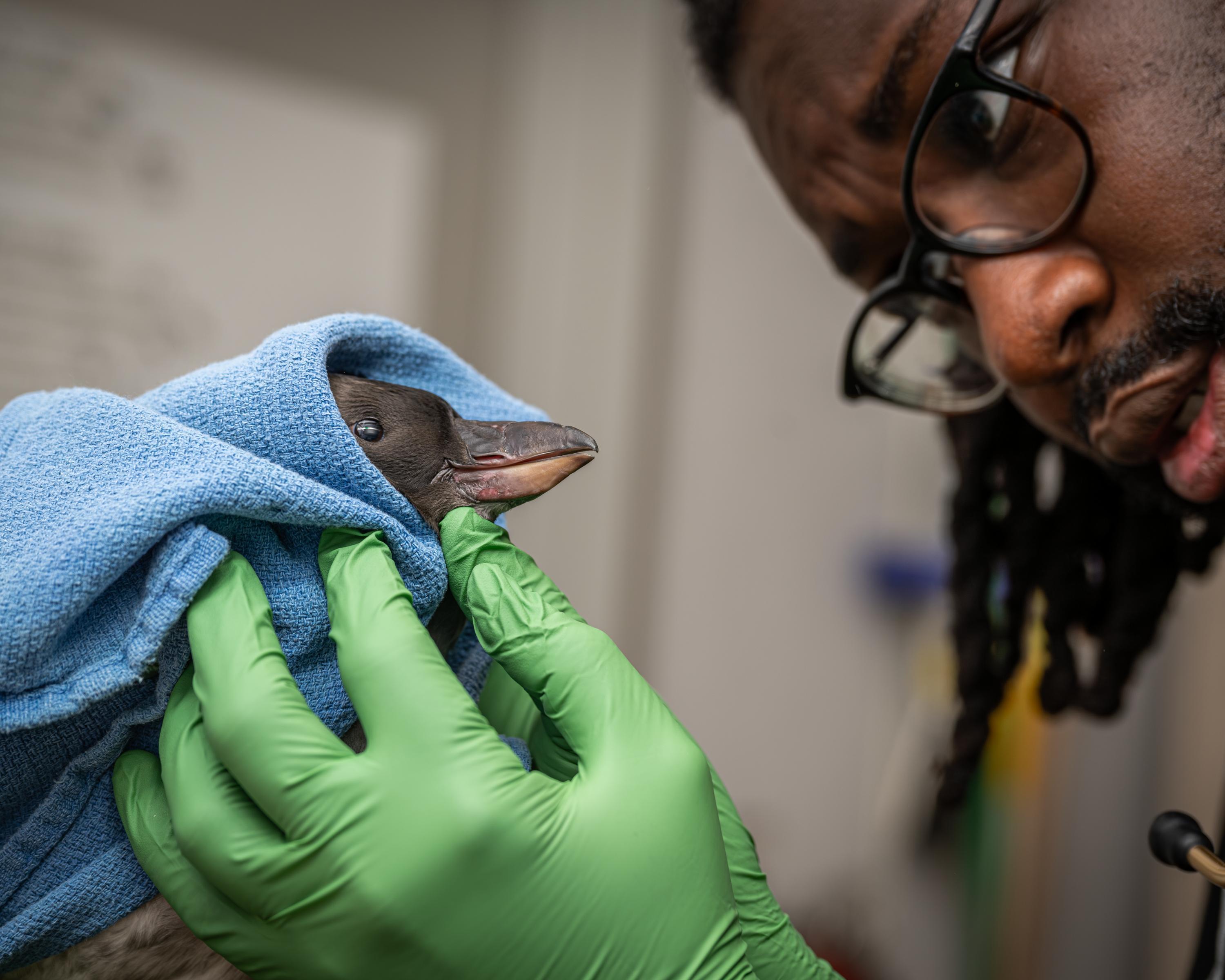
Elevating Black voices in ocean science and conservation
Why representation in ocean science matters.
Read story – Elevating Black voices in ocean science and conservation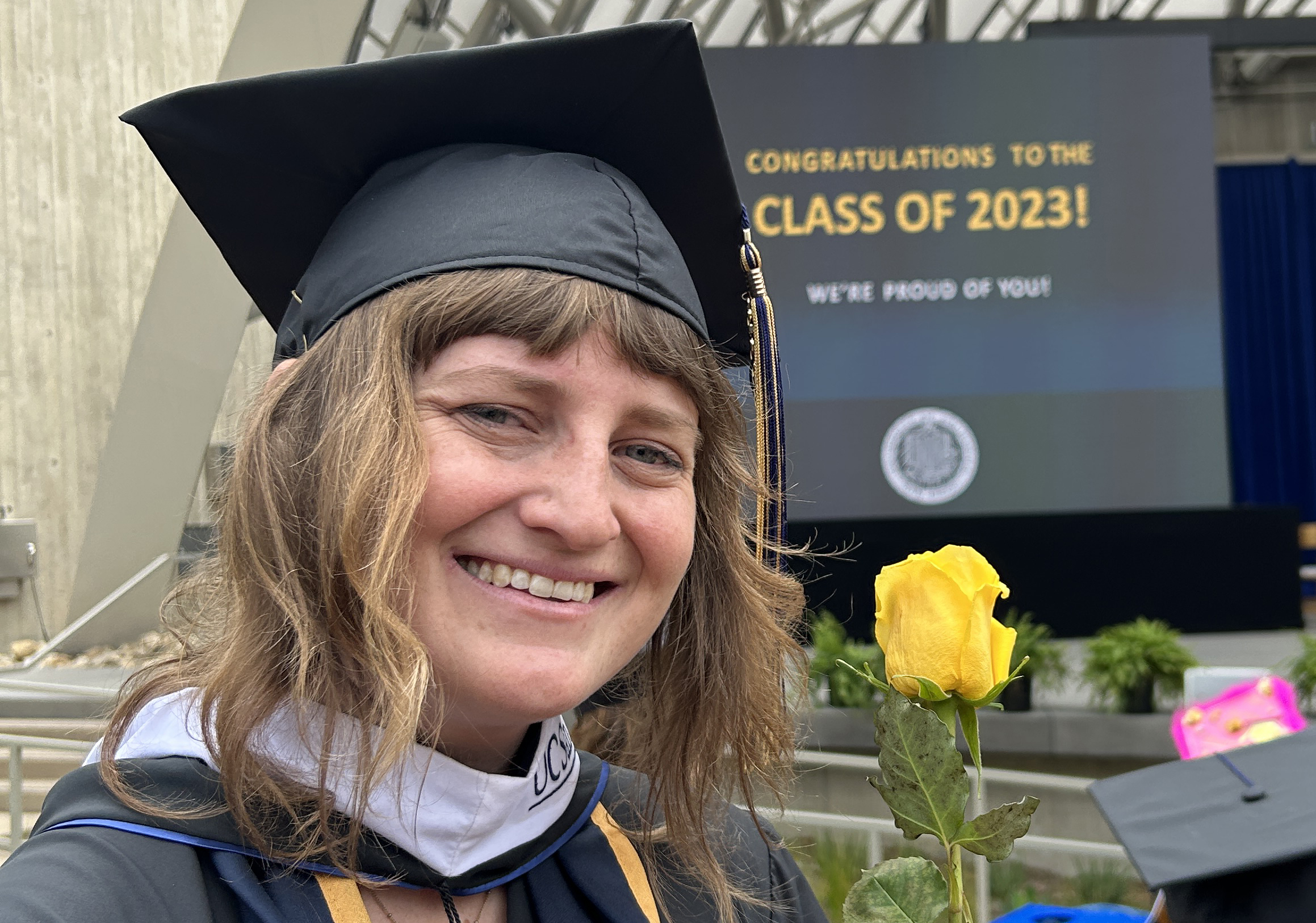
Story
Connecting with the deep sea through art, science, and identity
Dive into a graphic novel exploring ocean life through a lens of neurodiversity and a search for belonging.
Read story – Connecting with the deep sea through art, science, and identity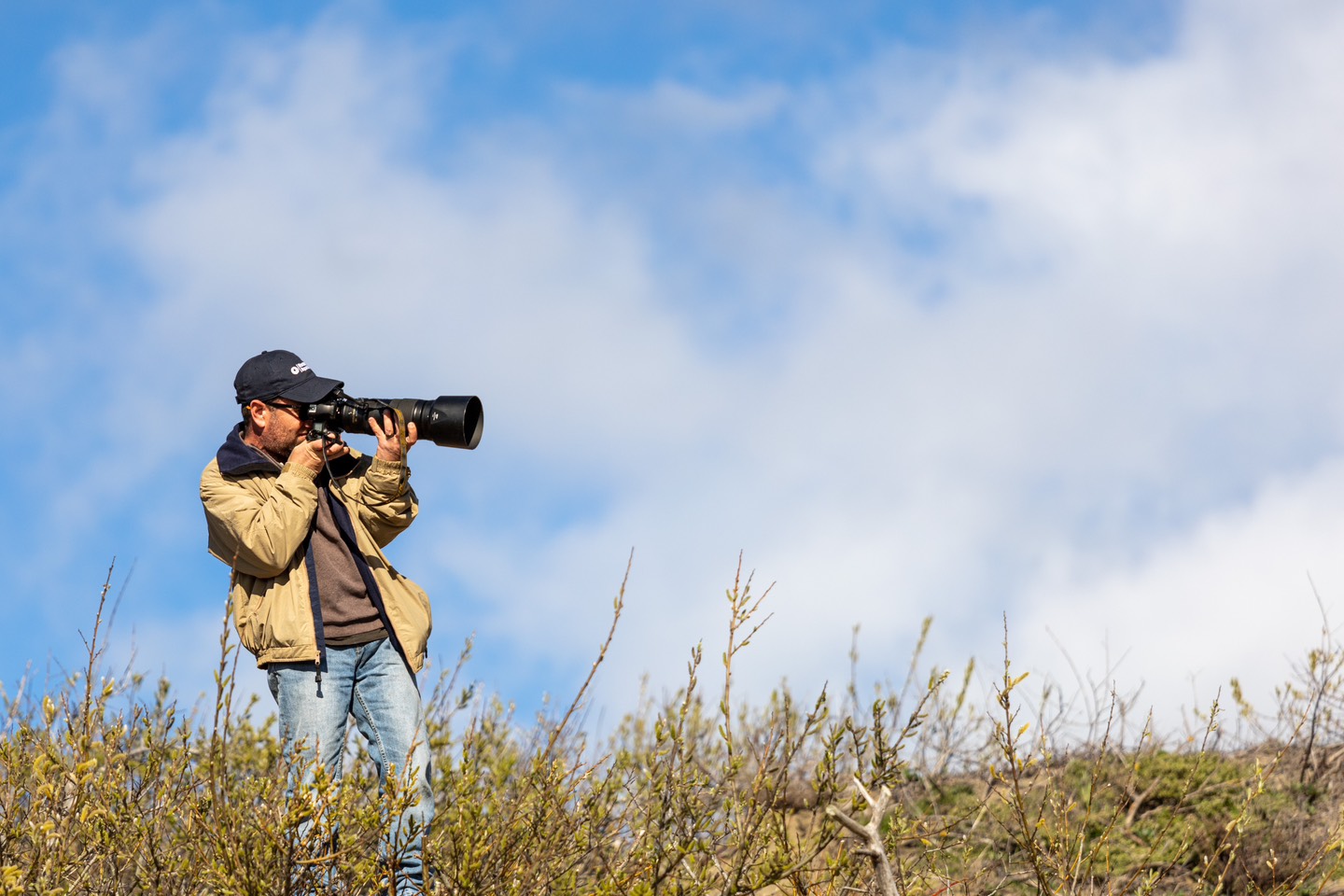
Story
What it's like to be a photographer at the Monterey Bay Aquarium
Tyson Rininger's photography has taken him from the heights to the depths.
Read story – What it's like to be a photographer at the Monterey Bay Aquarium