

History of amazing Black scientists who made waves of impact on the world
1883–1941
Ernest Everett Just, marine biologist: A cell biologist focused on embryology, and was the first Black person to study and work at the Marine Biological Laboratory, University of Chicago. His work studying egg cells and fertilization in marine animals led to significant contributions to the field of cell biology.
1892–1916
Alice Ball, chemist: A pharmaceutical chemist who pioneered a treatment for leprosy before the invention of antibiotics. She was the first Black person to receive a master’s degree from the University of Hawaii and the first woman chemistry professor at the university.
1903–1994
Dr. Ruth Ella Moore, bacteriologist and microbiologist: The first Black woman to earn her PhD in the natural sciences and the first Black member of the American Society of Microbiology. Her work focused on blood types, tuberculosis, tooth decay, and gut microorganisms.
1904–1950
Dr. Charles Richard Drew, physician: Known as the “father of the blood bank”. He organized America’s first large-scale blood bank and innovated the method for long-term storage of blood plasma—a resource that has saved countless lives.
1918–2020
Katherine Johnson, mathematician, and computer scientist: Played a crucial role in calculating the trajectory for the U.S.’s first human spaceflight in 1961. Her mathematical skills sent NASA’s astronauts to the moon and helped them return safely.
1920–1951
Henrietta Lacks was an African American woman whose cancer cells, taken without her consent in 1951, became the first immortal human cell line, HeLa, revolutionizing medical research and enabling breakthroughs like the polio vaccine, cancer treatments, and gene mapping. Her story is central to Black history in science, highlighting both the profound contributions of Black individuals and the ethical injustices that shaped modern medicine.
1924–2017
Dr. Jewel Plummer Cobb, biologist: Cancer researcher whose contributions laid the foundation for understanding skin cancer and chemotherapy. Her academic and professional career blazed a trail for many young Black women.
1924–2019
Emmett Chappelle, biochemist: Called the “father of bioluminescence” because he discovered the combination of chemicals that caused living organisms to generate light. This discovery led to his many innovations that contributed to astrochemistry, medicine, and food science.
1930–2026
Dr. Gladys West, mathematician: Her groundbreaking work on satellite geodesy and mathematical modeling helped make GPS technology possible. Her contributions underscore the vital role of Black scientists in shaping everyday technologies, while her story highlights perseverance and excellence in a field where Black women have long been underrecognized.
1933–2011
Dr. Joan Murrell Owens, marine biologist: First Black woman marine biologist, geologist, and paleontologist. She worked at the Smithsonian, described the genus Rhombosammia—a type of button coral—and discovered three new species.
1935–2018
Raye Montague, naval engineer: The first person to ever design a naval ship with a computer—creating a first draft for the Oliver Hazard Perry class-frigate. She overcame countless barriers placed in her way due to her race and gender, and Montague became a highly decorated naval engineer.
1956–present
Dr. Mae C. Jemison, astronaut: Educator, physician, engineer, and former NASA astronaut. She was the first Black woman in space, joining the crew of the Space Shuttle Endeavour in 1992 as a mission specialist.
1980–Present
Dr. Ayana Elizabeth Johnson, marine biologist, policy expert, and climate leader: Her work bridges science, justice, and environmental advocacy to address the climate crisis. As a contemporary Black scientist, she exemplifies how Black innovators are shaping solutions today—using science to create more equitable, sustainable futures and expanding what leadership in science looks like now.
Related videos
Meet our staff

We firmly believe that having a team of diverse backgrounds and voices, working together, increases our capacity to serve our visitors and fulfill our mission. Learn more about our job and internship opportunities

Community partners
Minorities in Shark Sciences
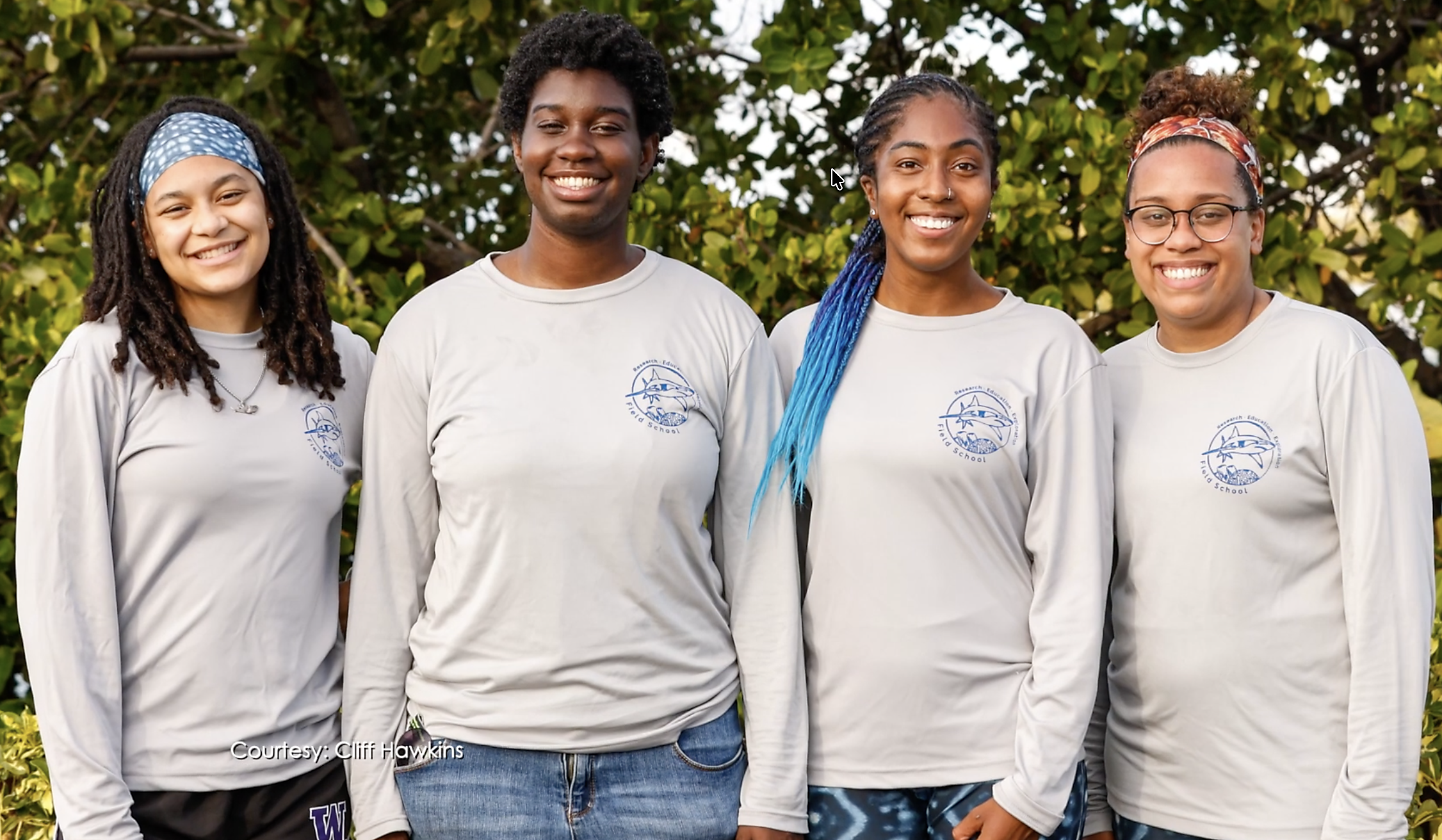
Minorities in Shark Sciences (MISS) is a nonprofit dedicated to advancing diversity, equity, and inclusion in shark and marine science. Through research support, mentorship, and community-driven conservation, MISS empowers scientists from historically excluded communities to lead efforts that protect sharks and ocean ecosystems. MISS shows how inclusive leadership strengthens ocean conservation for everyone.
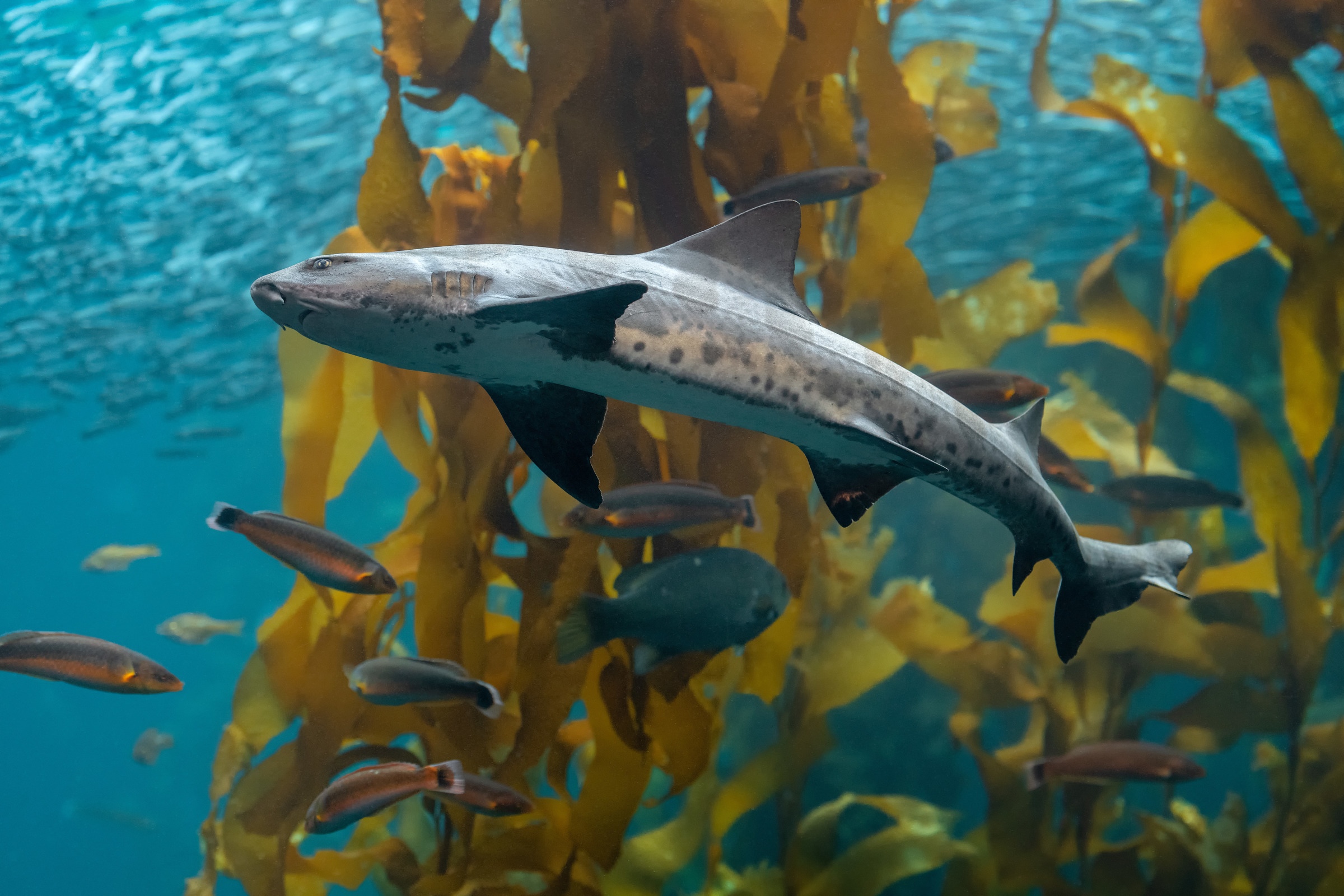
Diversifying Ocean Science
Diversifying Ocean Science (DOS) partners with the Monterey Bay Aquarium to deliver an immersive Laboratory & Aquarium Water Science program that provides hands-on training and mentorship for emerging marine scientists. Participants collaborate directly with aquarium scientists to learn water quality monitoring, laboratory techniques, and aquatic animal life-support systems essential to marine research and animal care. This partnership advances DOS’s mission to expand equitable access to marine science by empowering gender minorities from historically excluded communities of color and the Global South with practical skills, professional networks, and career readiness.
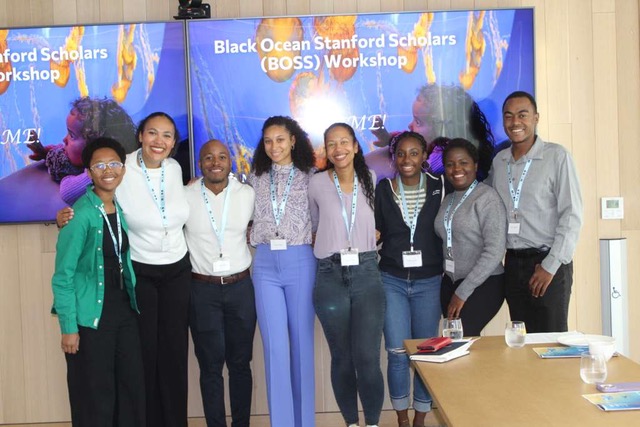
Black Ocean Stanford Scholars
Black Ocean Stanford Scholars (B.O.S.S.) fosters belonging, promotes retention, and expands mentorship and resources for Black marine scientists, particularly in the Monterey Bay Area. Our communities are often on the frontlines of climate change and are rarely at the table when solutions are shaped. Climate justice and conservation are incomplete without acknowledging those most impacted and ensuring they have the power to lead. Leveraging Stanford’s Hopkins Marine Station, B.O.S.S. creates opportunities for professional development, outreach, and recruitment, empowering the next generation of Black marine scholars.
Related videos
BOSS Conference
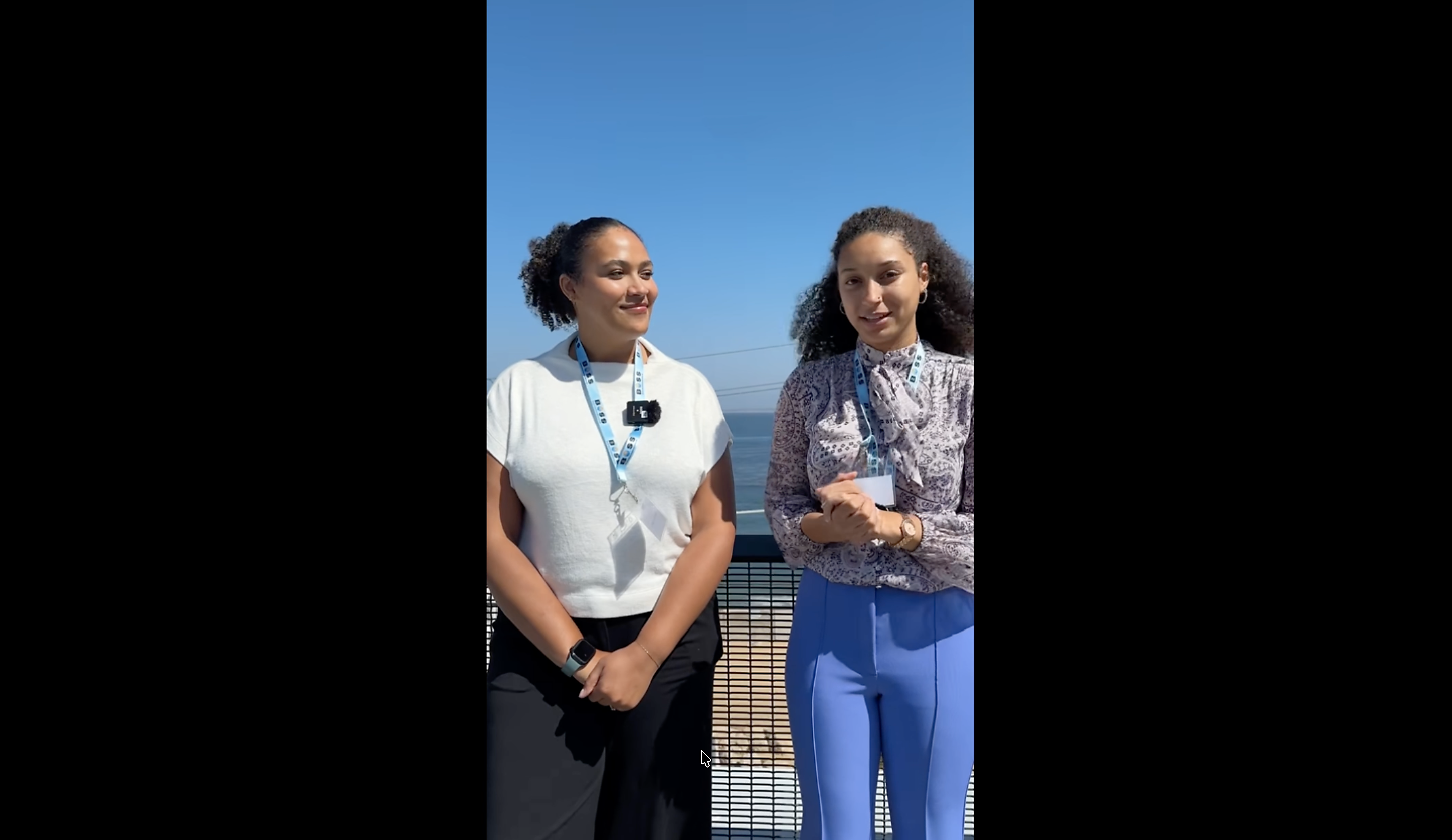
Monterey Bay Aquarium and Black Ocean Stanford Scholars (BOSS) are growing visibility, mentorship, and opportunities for Black marine scientists in Monterey Bay and beyond. Together, this collaboration affirms that resilience, representation, and stewardship go hand-in-hand.
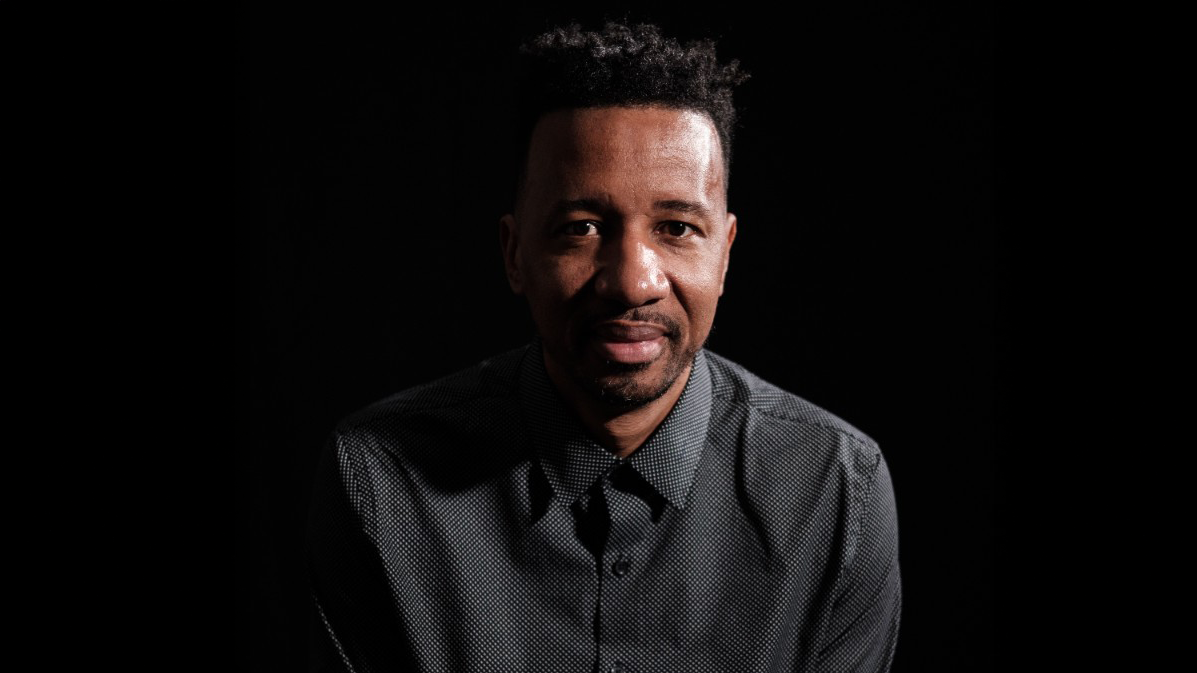
The Aquarium chats with Corey Leak
Original streamed on Feb. 12, 2026
Join us for a powerful LinkedIn Live conversation exploring career and leadership journeys, why DEIA matters now more than ever, and the importance of Black History Month in shaping inclusive leadership today. We’ll reflect on personal experiences, discuss the impact of equity and belonging in the workplace, and highlight why honoring Black history is essential to driving meaningful progress—at work and beyond.
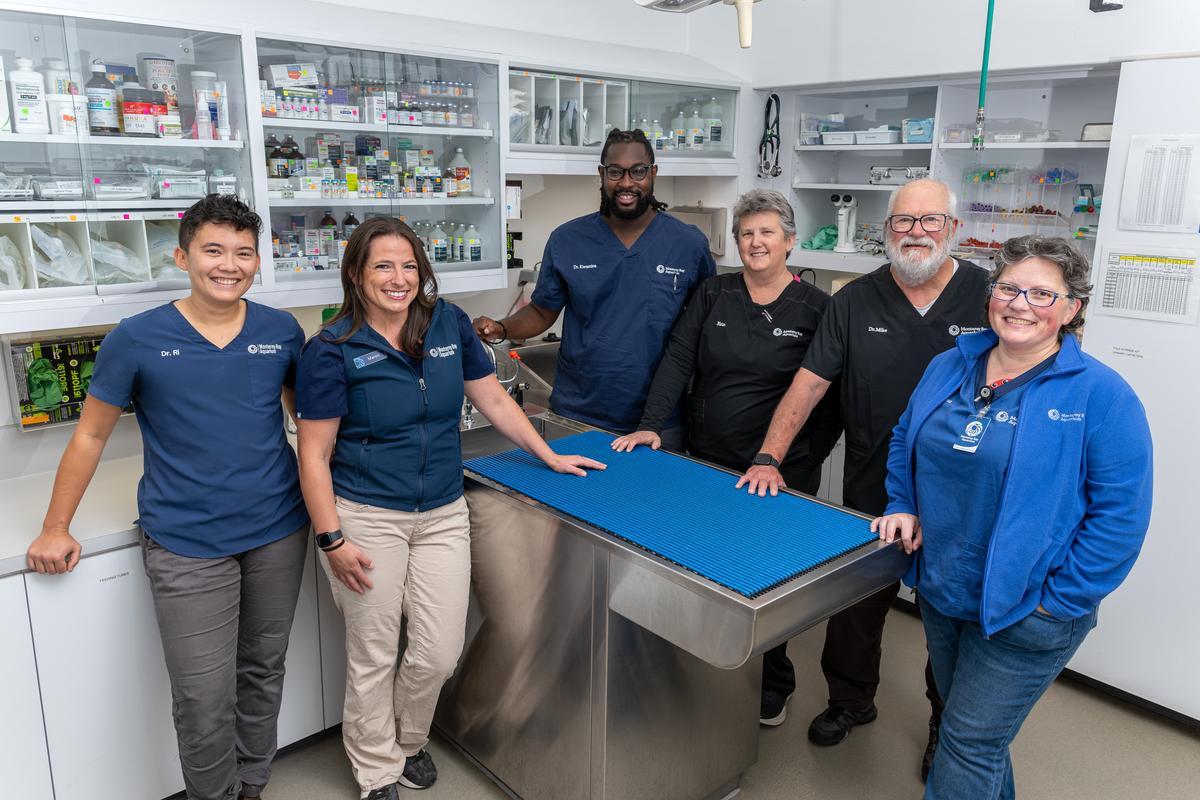
Dr. Kwamina and Dr. Mike
Original streamed on Feb. 17, 2026
Tune in on Instagram and TikTok for a live chat with Aquarium veterinarians Dr. Kwamina Otseidu and Dr. Mike Murray. We'll dive into veterinary care at the Aquarium, our unique internship program, and the important role mentorship plays in shaping a career.
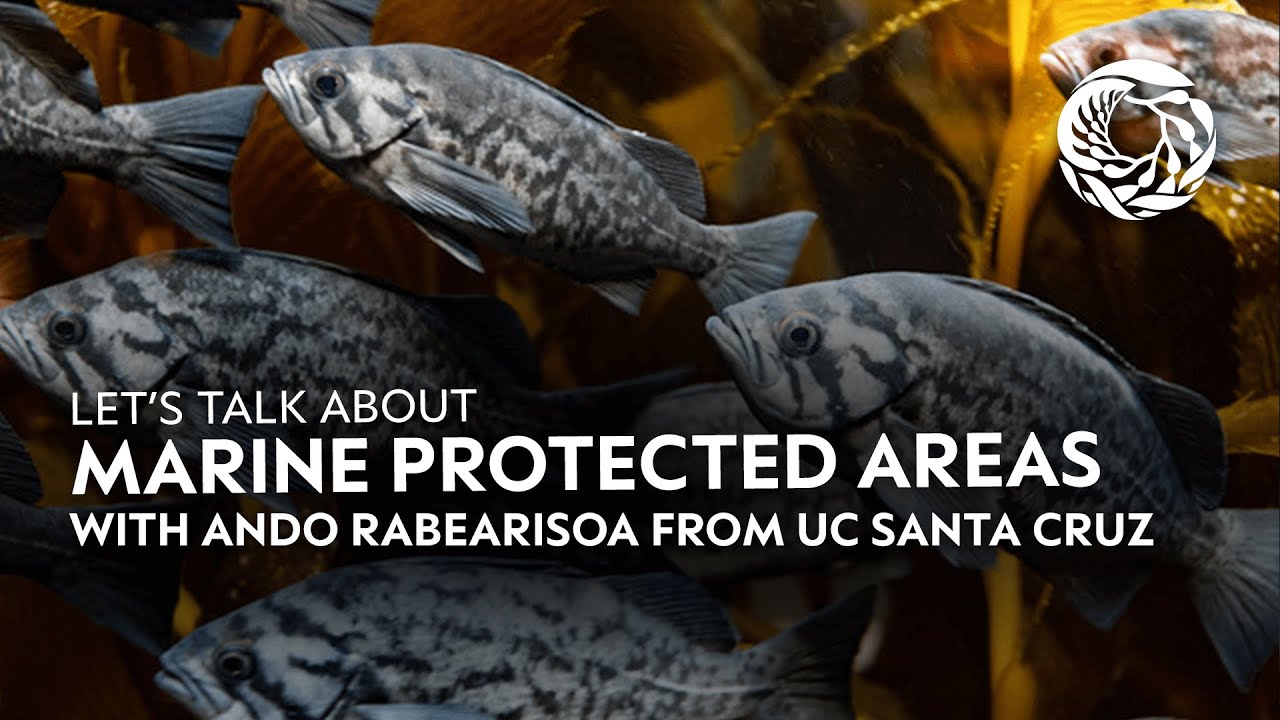
From California to Madagascar: We're talking marine protected areas with BIMS & Aquarium scientists!
Original streamed on Feb. 20, 2025
Time to get nerdy and go international! We’re so excited to have UC Santa Cruz PhD candidate and Black in Marine Science member Ando Rabearisoa joining us today to discuss her research in Madagascar focused on the relationship between marine protected areas and local communities. Our Conservation & Science staff members Joshua and Cristian will join the discussion. This is going to be one shell of an educational livestream!
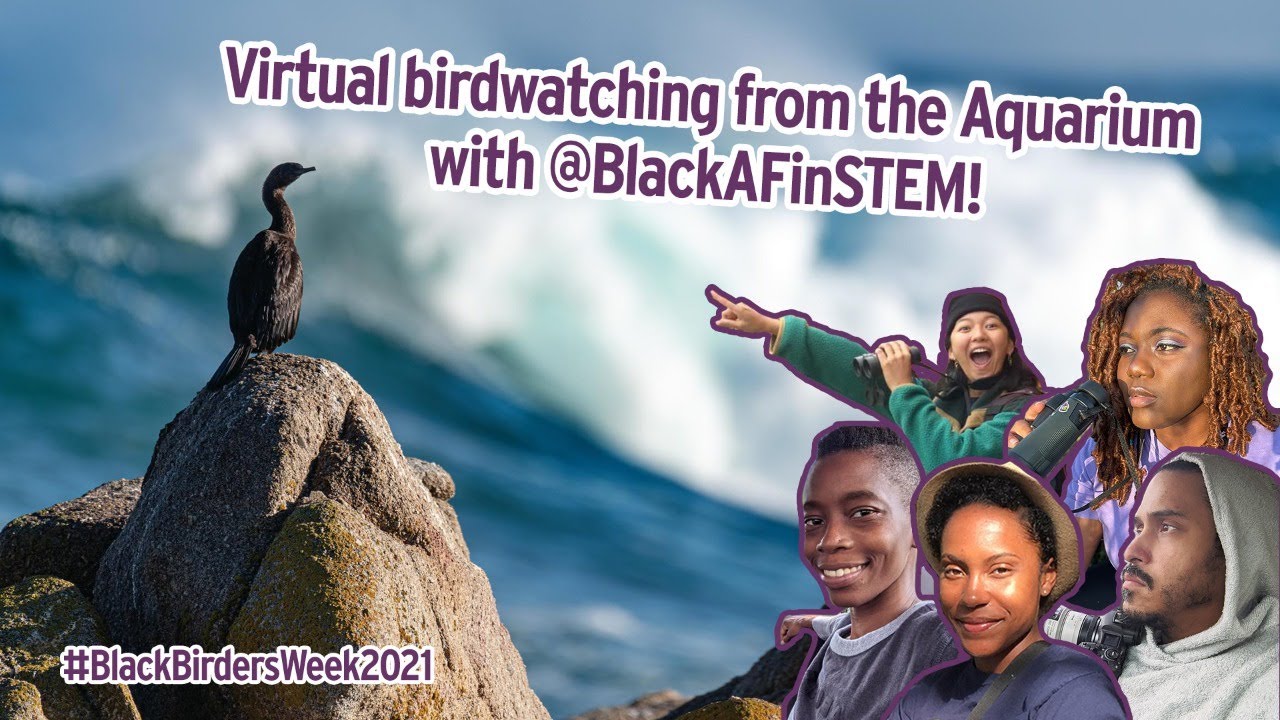
Virtual Birdwatching from the Aquarium with @BlackAFinSTEM for #BlackBirdersWeek!
Originally streamed on June 2, 2021
Join Monterey Bay Aquarium and @BlackAFinSTEM birders for some virtual birdwatching from the back deck of the Aquarium for #BlackBirdersWeek2021! We'll be looking to spot diving cormorants, nesting pigeon guillemots, sea gulls and bay gulls and the other living dinosaurs making a living here in Monterey Bay. We'll also be chatting about how to get involved in birding, learning about careers in field sciences and discussing representation in STEM and the outdoors!
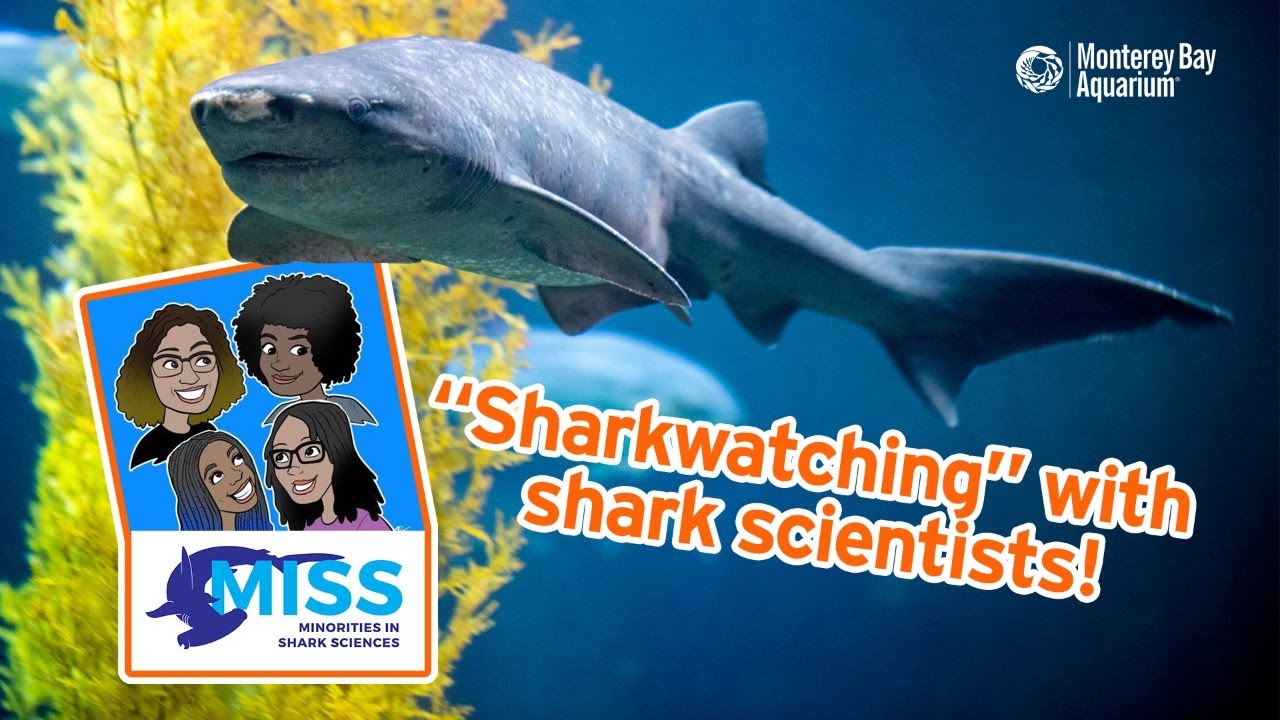
Sharkwatching at the Aquarium with Minorities in Shark Science
Original streamed on Sept. 1, 2020
Join the Monterey Bay Aquarium Social Media Team and shark scientists Amani Webber-Schultz and Jaida Elcock from Minorities In Shark Science (MISS) for some virtual sharkwatching at the Monterey Bay Aquarium ahead of #ElasmoWeek!
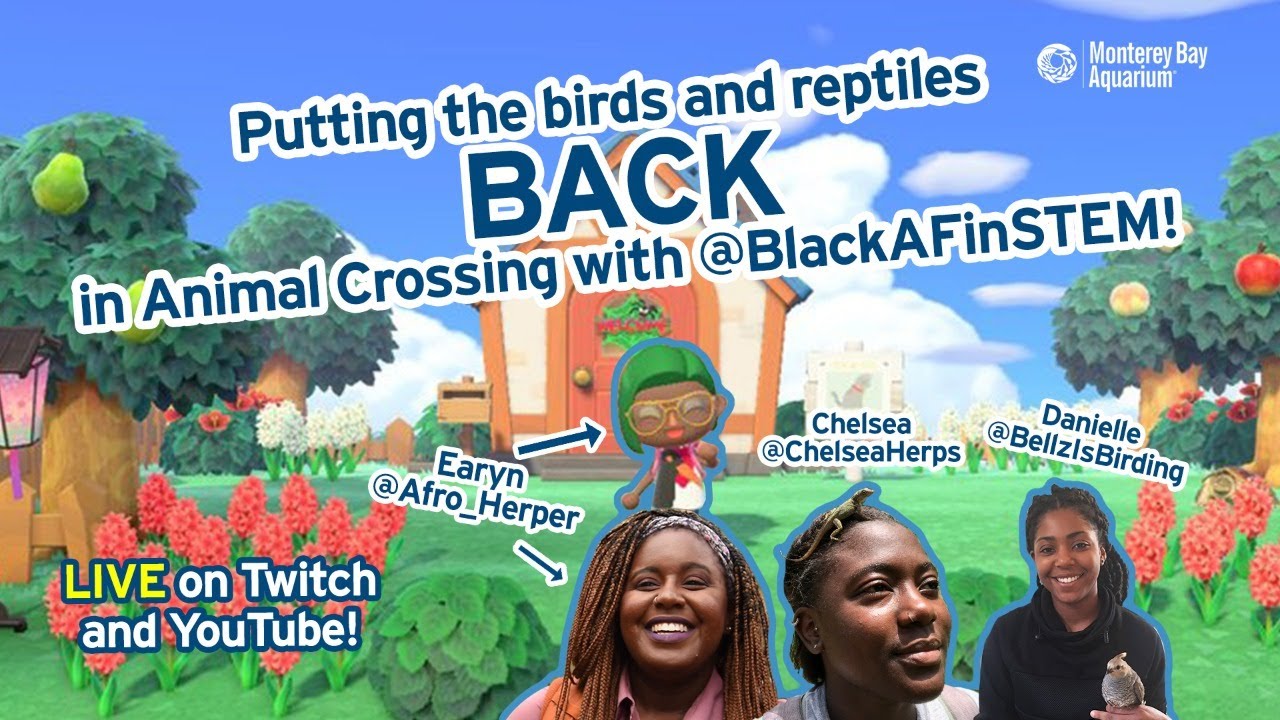
Putting Birds and Reptiles *BACK* in Animal Crossing with @BlackAFinSTEM!
Originally streamed Aug. 21, 2020
Animal Crossing: New Horizons is filled with incredible natural history, from vampire squid to Atlas moths and T-Rex skeletons—BUT WHERE ARE THE BIRDS AND REPTILES?! Well today we're bringing birders and herpetologists extraordinaire Earyn, Chelsea and Danielle from @BlackAFinSTEM to help put the birds and herps back in the game.
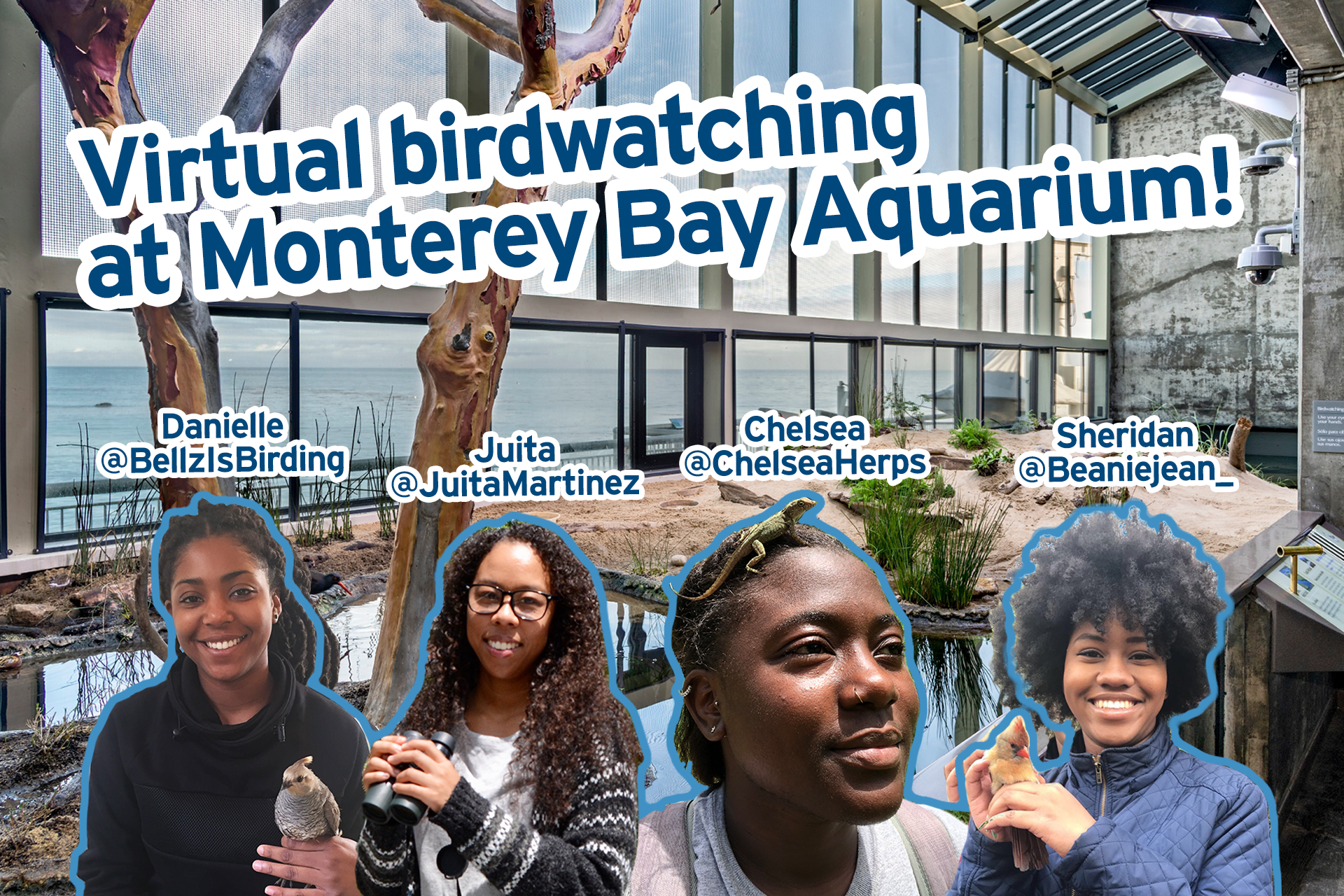
Virtual birdwatching in the Aviary for Black Birders Week with #BlackWomenWhoBird @BlackAFInSTEM!
Originally streamed June 5, 2020
Join the Aquarium’s social media team and #BlackWomenWhoBird @BlackAFinSTEM for #BlackBirdersWeek and some virtual birdwatching via the Aquarium’s live Aviary Cam!
Keep exploring
Story
Nature is queer
We’re excited to sea-lebrate the queerness of nature!
Read story – Nature is queer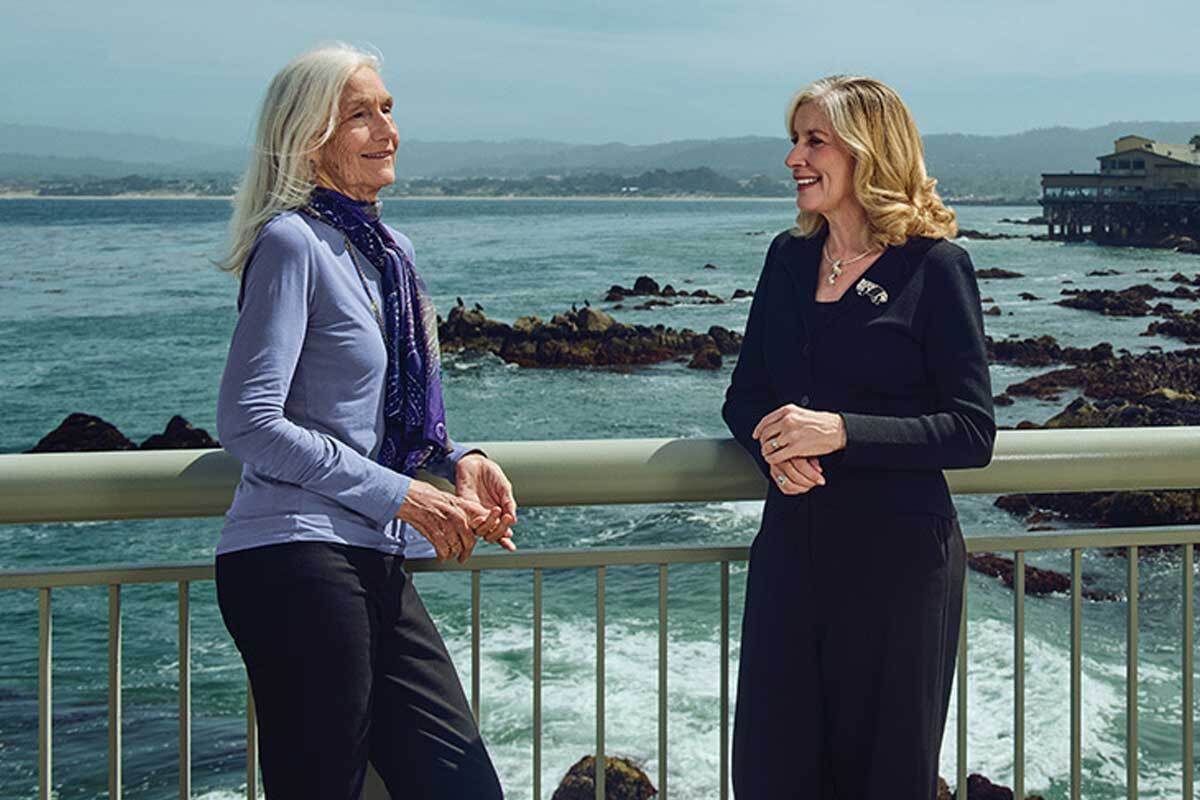
Story
Q&A: Julie Packard and Dr. Jenny Gray
Get to know incoming Chief Executive Officer Jenny Gray in this Q&A with Julie Packard.
Read the Q&A – Q&A: Julie Packard and Dr. Jenny Gray
Story
Intergenerational connection in Ocean Learning Adventures
Aquarium content creator Lilianna Watson taught a science communications curriculum. Here's what they learned.
Read story – Intergenerational connection in Ocean Learning Adventures