

Strengthening the habitats they need
For thousands of years, sea otters thrived from Alaska to California, and coastal ecosystems like kelp forests and seagrass estuaries thrived along with them. As what’s known as a keystone species, sea otters play a central role in maintaining the ecological health of the places where they live. They consume sea urchins and other invertebrates that—if left unchecked—would degrade the habitats that sustain an abundance of fishes, seabirds, and myriad other animals.
The effects were clear when sea otters were hunted to near extinction by fur traders in the 19th century. Otters were eliminated from large parts of their range, or at best survived in small numbers, and productive coastal habitats declined as well. Today, in places where sea otter numbers are on the rise, estuaries are recovering, too. That helps this important “blue carbon” ecosystem lock up atmospheric carbon dioxide that is warming our planet at an unprecedented pace.
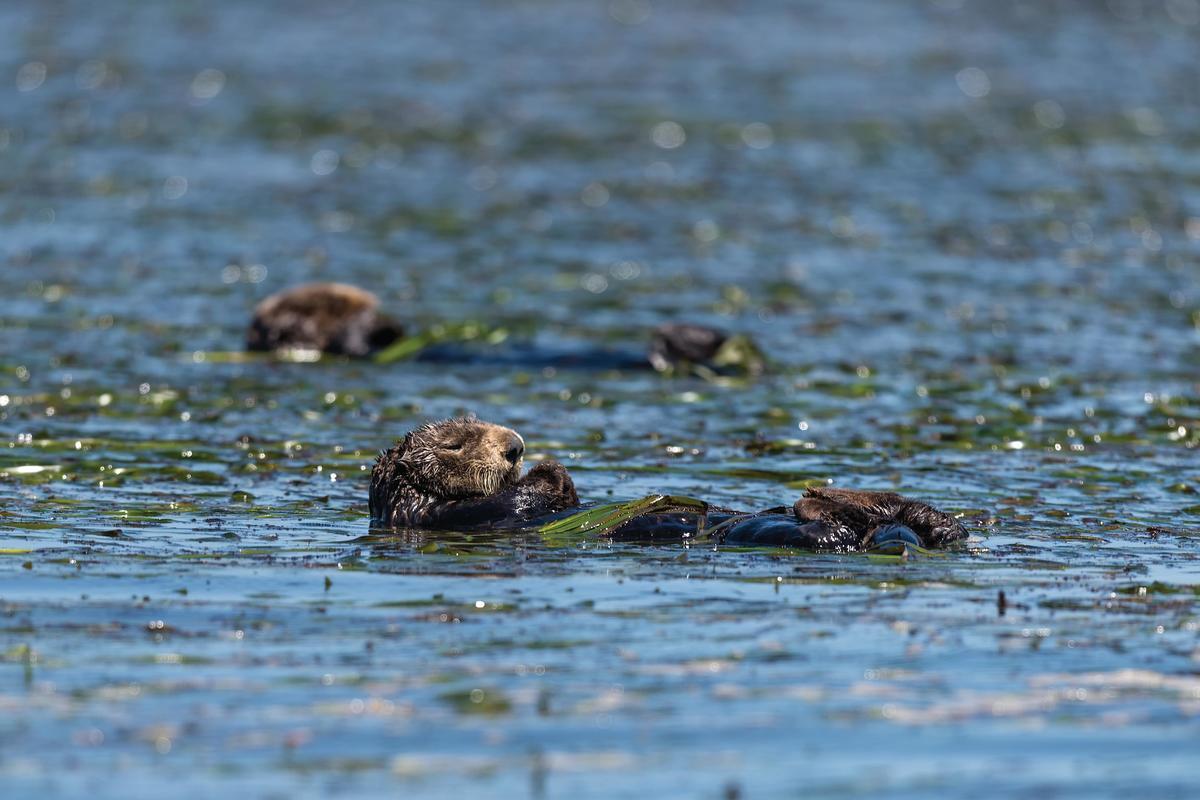
As sea otters return to wetlands like Elkhorn Slough on Monterey Bay, they help restore these vital ecosystems. That, in turn, enables wetlands to lock up more atmospheric carbon and buffer coastal communities against sea level rise and stronger storms.
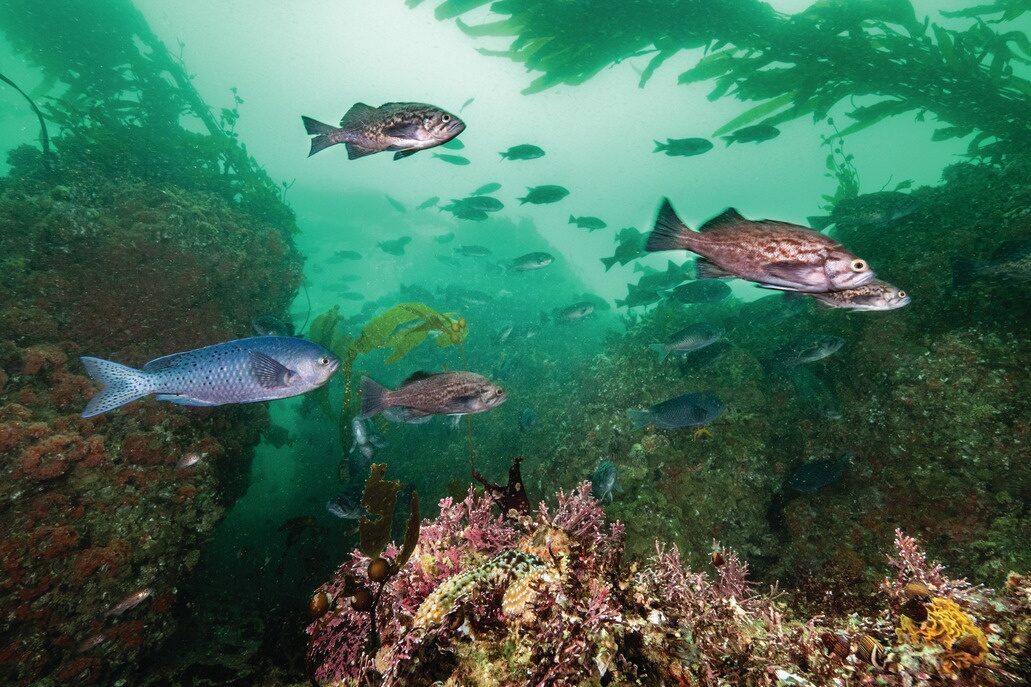
California's kelp forests are healthier when sea otters are present. This proved especially true after an unusual warm-water event in 2014 caused kelp forests to shrink, and a die-off of sea stars left sea otters as the main predator on urchins that graze on kelp.
Healthy ocean, healthy ecosystems
“Our goal is to create a healthy ocean that is better able to withstand the impacts of climate change,” says Aimee David, vice president of U.S. & California ocean conservation at the Aquarium. “Off the California coast, that means restoring and protecting the animals and habitats that make up healthy ocean ecosystems. And what we’re learning here is that sea otters play an essential role.”
A growing body of research, supported by the work of our Sea Otter Program team, confirms that sea otters are rebuilding the health of coastal wetlands like Elkhorn Slough in Monterey Bay. In the slough, more than half the otter population growth is the result of the Aquarium’s release of rescued and surrogate-reared pups, and the generations of offspring those animals have produced in the wild.
Other studies highlight the potential for a similar ecological renaissance in places like San Francisco Bay, when sea otters can return to more of their historical range.
The latest research documents that, by disrupting seagrass beds with their foraging, sea otters help make these vital coastal ecosystems even more resilient in a fast-changing world.
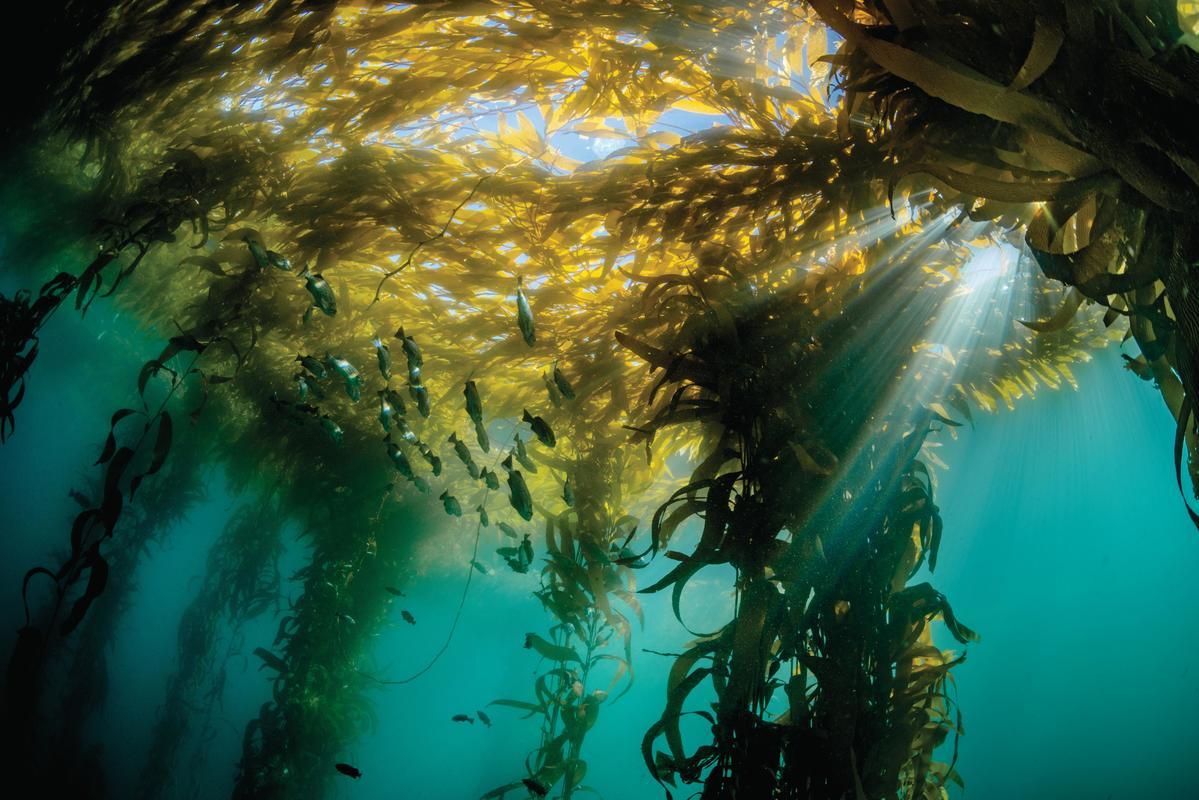
Coastal kelp forests support hundreds of species, from fishes and invertebrates to seabirds.
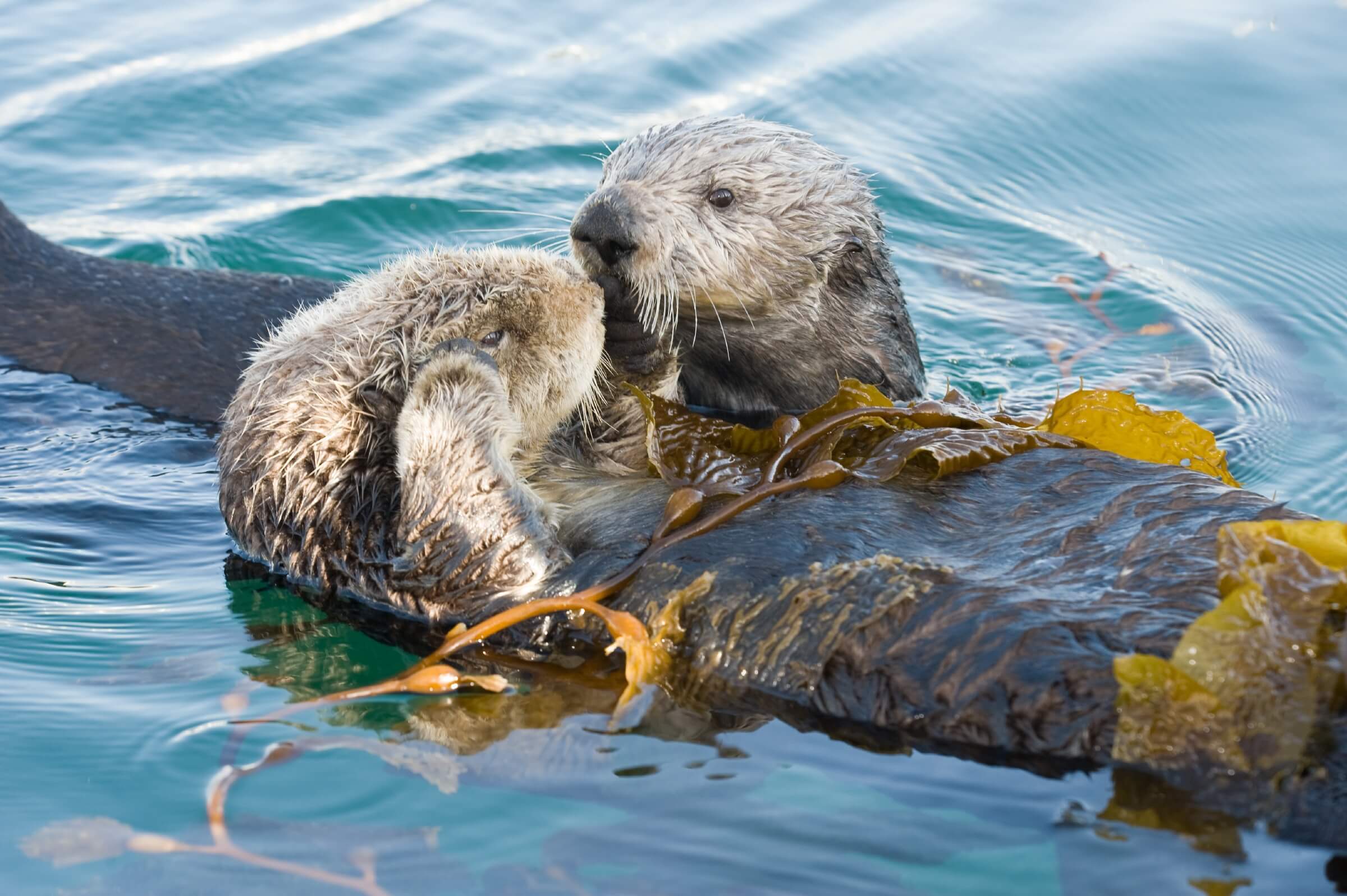
Sea otters need kelp forests for their own survival. Aquarium researchers found that they're more vulnerable to shark bites in waters where the kelp canopy is sparse.
Key role in kelp forests
It’s long been recognized that sea otters play a key role in maintaining the health of productive kelp forests, by consuming large numbers of sea urchins and other grazing animals. Research confirmed that their role was even more important when unusually warm ocean water in 2014, combined with the mass die-off of sea stars that also feast on sea urchins, led to dramatic declines in kelp canopy along the California coast.
Though sea otters couldn’t reverse the loss of kelp in urchin barrens—places where overgrazing eliminated kelp forests entirely—they were able to limit the loss by keeping urchins in check in the remaining kelp forests.
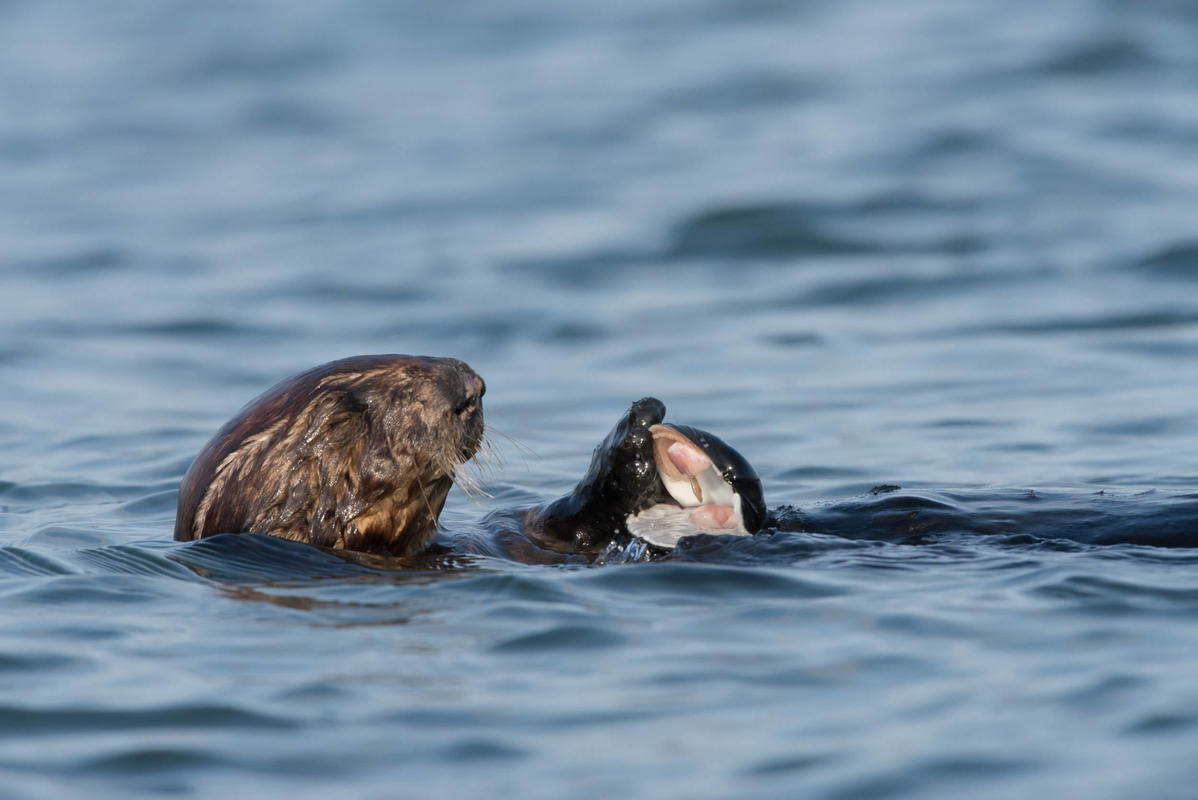
Sea otters eat a wide range of prey. By eating sea urchins in kelp forests and crabs in coastal wetlands, they keep their numbers in check and help kelp and seagrass to thrive.
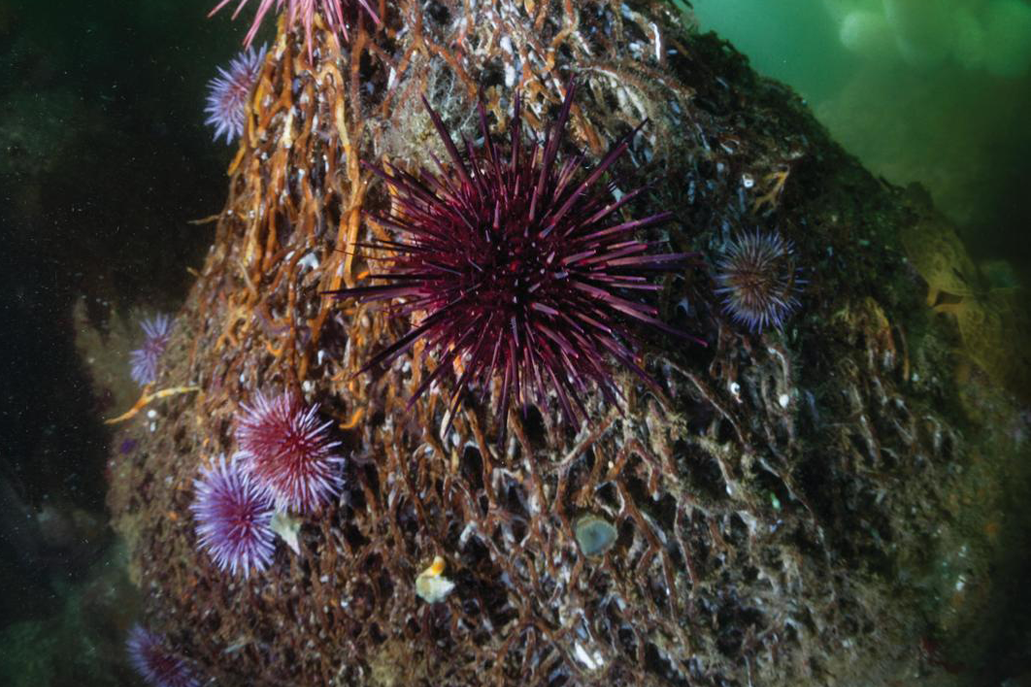
Where sea otters and other predators are absent, sea urchin numbers can explode, turning productive kelp forests into urchin barrens that support few other species.
A blue carbon solution
Sea otters need those healthy kelp forests for their own survival. Aquarium researchers have documented that more sea otters are killed by shark bites in waters where the kelp canopy is sparse. A warming ocean has been implicated in the decline of kelp cover.
“Both people and sea otters need these healthy coastal ecosystems to provide resilience in a climate-changed world,” Aimee says. “They buffer us from the impacts of sea level rise, can help coastal communities withstand larger storm waves, and are part of a blue carbon solution because they help sustain marine plants that lock up atmospheric carbon dioxide that is driving further warming.”
“We need to transition to a clean-energy future—for the sea otters and for our own survival,” she adds. “By doing our part, we make it easier for sea otters to contribute to climate change solutions.”
Keep exploring
Story
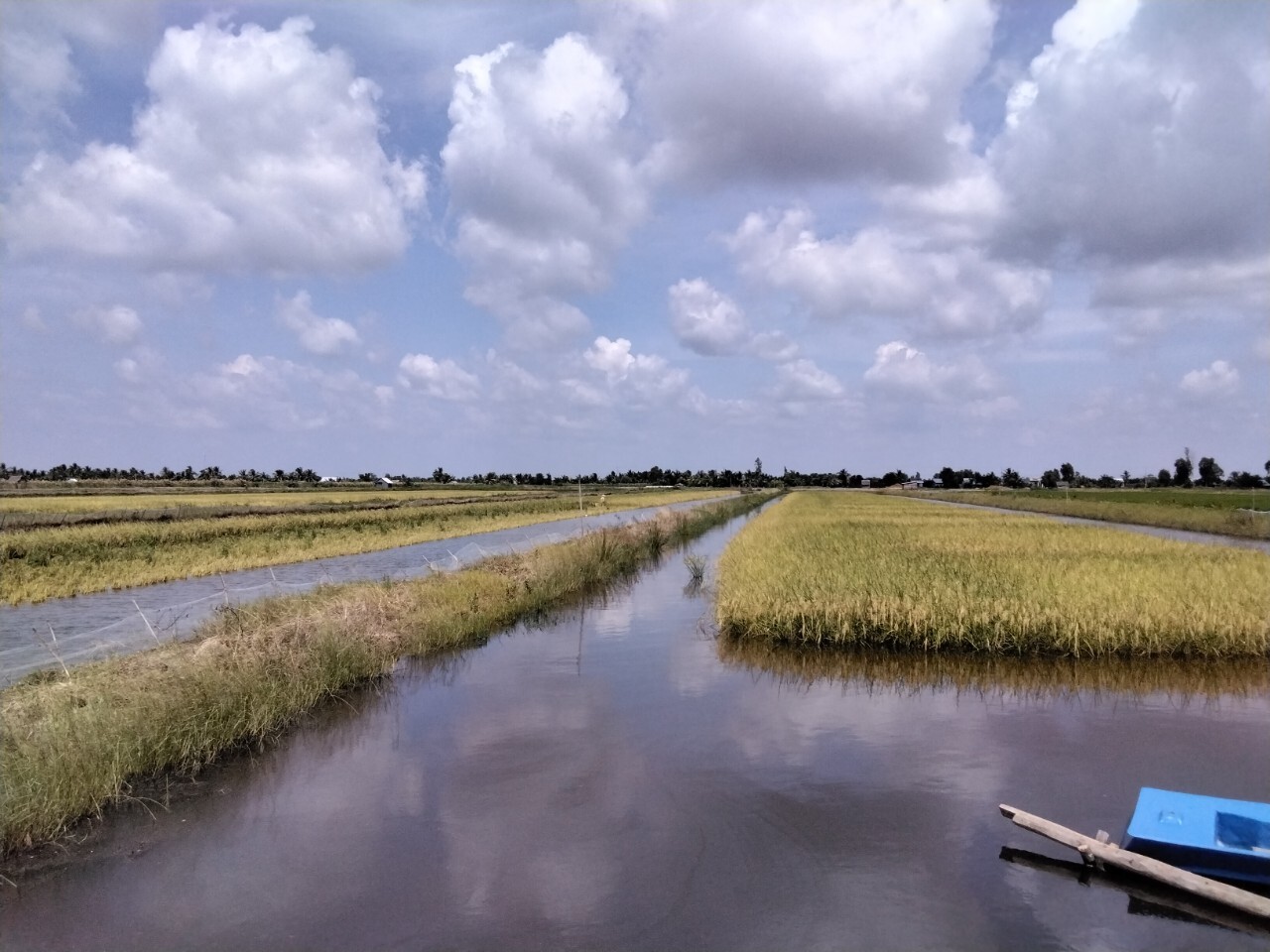
From Vietnam to California
From farms to CA schools, your food choices help wildlife, fishers, and global coastal food systems thrive.
Read story – From Vietnam to California
Story
Earth Month 2026
This Earth Month, embrace wonder. Ask questions, dive in, and join our community caring for the ocean.
Read story – Earth Month 2026
Story
From bridges to better seafood: investing in coastal communities
Projects we finance aim to improve the overall quality of life in small-scale fishing and farming communities.
Read story – From bridges to better seafood: investing in coastal communities