

Food
Recent research by the U.S. Geological Survey and the Aquarium suggests that the sea otter population growth rate is limited by food availability. A sea otter must eat about a quarter of their body weight each day to stay healthy and warm, as they do not have blubber protecting their body heat like other sea mammals do. Otters stay warm thanks to their high metabolism and hefty appetite to match. So finding plenty of food is the daily focus of sea otters and, depending on the habitat, it is not always so easy to find.
Disease
Parasites, such as intestinal worms, and infectious disease cause a significant percentage of otter deaths. Protozoal diseases are often fatal to marine mammals. Wild sea otters acquire many infectious diseases because of high pathogen and contaminant pollution levels in coastal ocean waters.
Oil Spills
The greatest threat to the sea otter population is an oil spill. Because their numbers are low and they are located in a rather small geographic area, the California otter population could be devastated by oil contamination. Oil ruins the insulating property of an otter's fur, causing many oiled otters to die of hypothermia, while others die from ingesting the oil or inhaling petroleum fumes. Prevention of oil spills is the best strategy, since rehabilitating oiled otters is quite difficult. The recent federal proposals to open California waters to offshore drilling present a significant threat to the future of sea otter recovery.
Shark bites
In recent years, the population has not expanded their current range. Scientists believe the plateau in population growth is most likely due to the high risk of shark bites in their current range, a major cause of sea otter mortality.
Human disturbances
Sea otters need many hours of rest every day, as they must restore their energy for hunting prey and feeding their young. When boats, swimmers, kayakers and other humans in the water approach them or come too close, they must use their energy to be awake and alert to avoid disturbances.
What we can do
It is more important now than ever to make sure we do our part to ensure the sea otter’s home—California’s coastal waters—is safe for their continued growth. By keeping our oceans clean and healthy, continuing to research their lives and behaviors, and keeping a safe distance away from sea otters and other wildlife, we stand the best chance of ensuring the continued existence of this amazing animal.
Keep exploring
Story
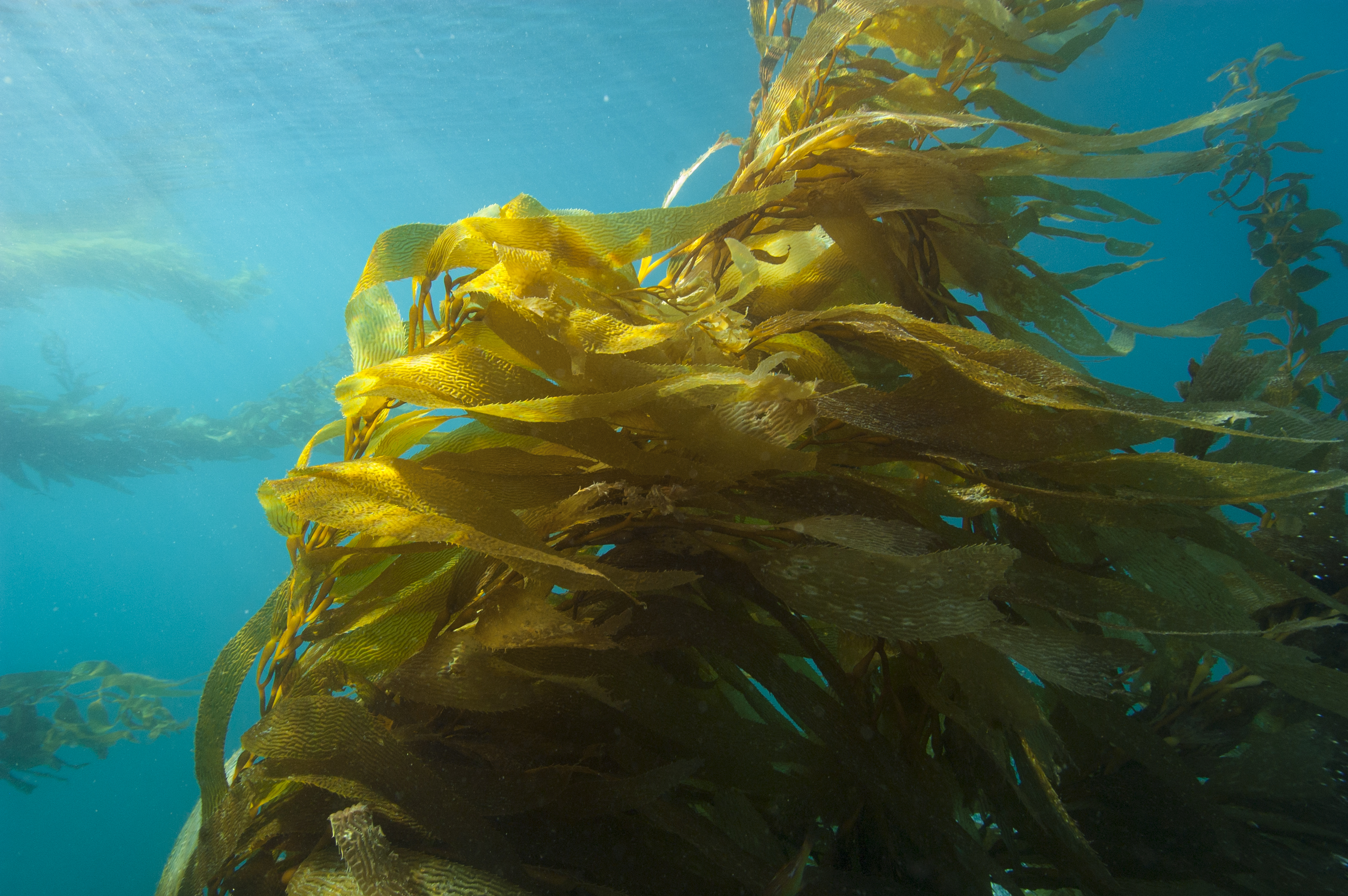
Chumash Heritage National Marine Sanctuary is almost here
Chumash Heritage National Marine Sanctuary protects marine life and cultural resources on California’s coast.
Read story – Chumash Heritage National Marine Sanctuary is almost here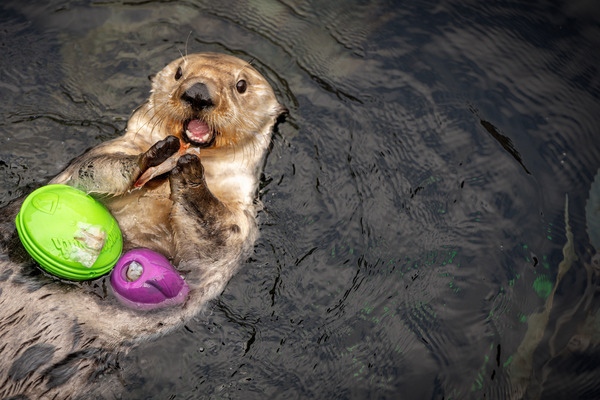
Story
From krill shakes to salmon steaks: A peek into our food room
Step into our food room—the hub where 75,000+ animals and plants get sustainable diets year-round.
Read story – From krill shakes to salmon steaks: A peek into our food room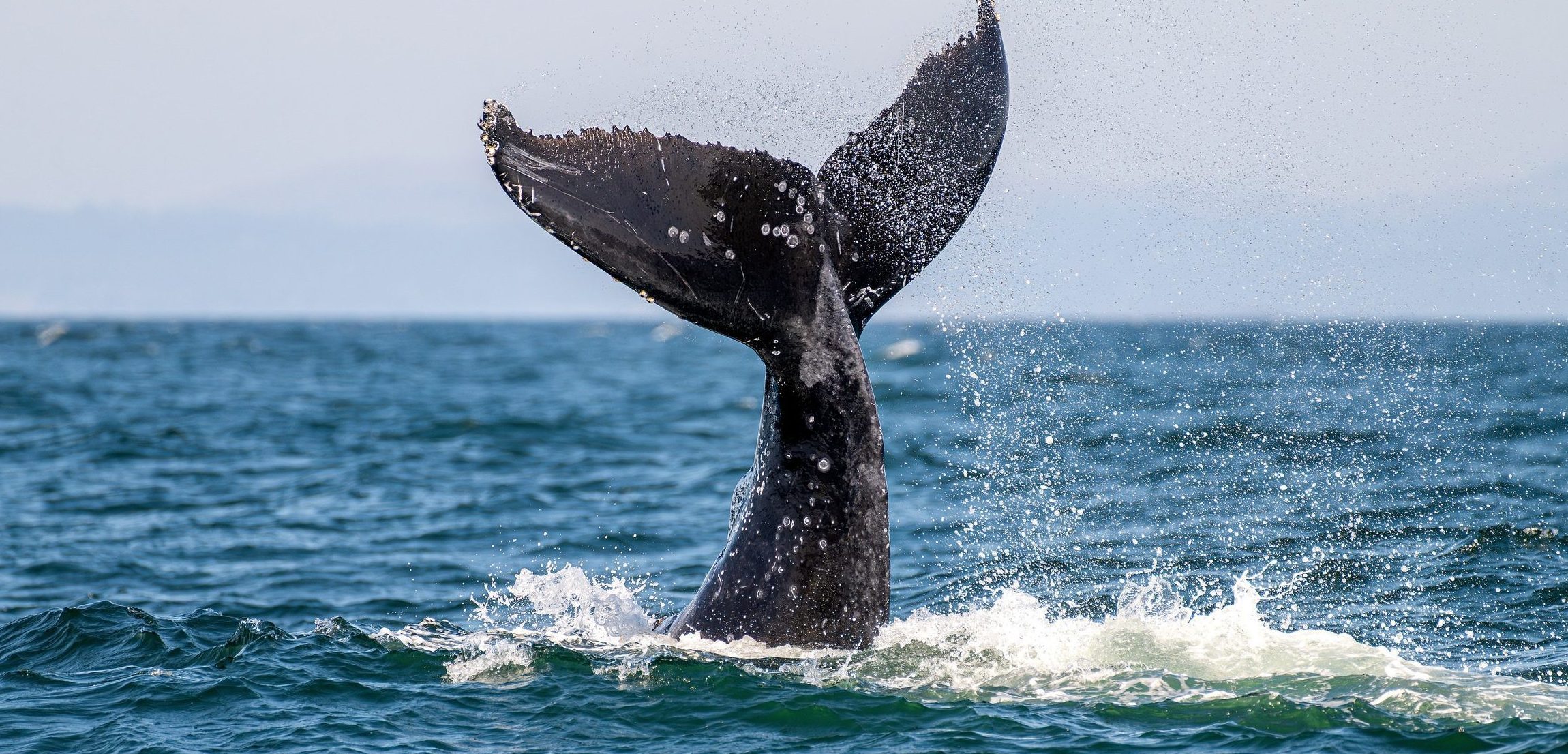
Story
Life after death: How whale remains create thriving ecosystems
Whales have a giant impact on maintaining ocean ecosystems both in life and in death.
Read story – Life after death: How whale remains create thriving ecosystems