

The kitchen where the magic happens
Have you ever wondered what it takes to feed over 75,000 animals and plants to keep them thriving? And what exactly do our fishes on exhibit eat?
Senior Aquarist Kacey Kurimura, along with aquarist and food room technician Candace Reid-Rose, manages a compact yet bustling food hub that supplies daily diets for all the animals (and even the kelp!) at the Aquarium.
The food room is like being at the bar and we’re the bartenders. Everyone comes in and tells us what they want. It’s the hub, it’s where you go to chat, hang out. It’s like when you have a party and you have a huge house—but everyone only hangs out in the kitchen. That’s the food room.
Kacey Kurimura
Kacey and Candace are responsible for making sure this food hub runs like clockwork. Meticulous planning, sustainable sourcing, building relationships with vendors, and diligent record-keeping allows them to order and process thousands of pounds of seafood, produce, and so much more each year.
With the food room being a stop during behind-the-scenes tours, cleanliness and organization are a priority. Under U.S. Department of Agriculture regulations, surprise inspections once a year help the food room team maintain strict compliance with food safety standards at all times. Though bustling with seafood meals being prepped throughout the day, you'll never smell anything fishy, unless it’s the faint scent of an occasional krill shake being blended up.
Starting their day early at 6:45 a.m., the staff clean and sanitize the area before beginning meal prep for the day. Depending on the diet of the day, they may be preparing a container of chopped squid, smelt, and Kauai shrimp, topped with krill for the bat rays and Kelp Forest Exhibit. Or they could be whipping up a nutritious krill shake for the filter feeders.
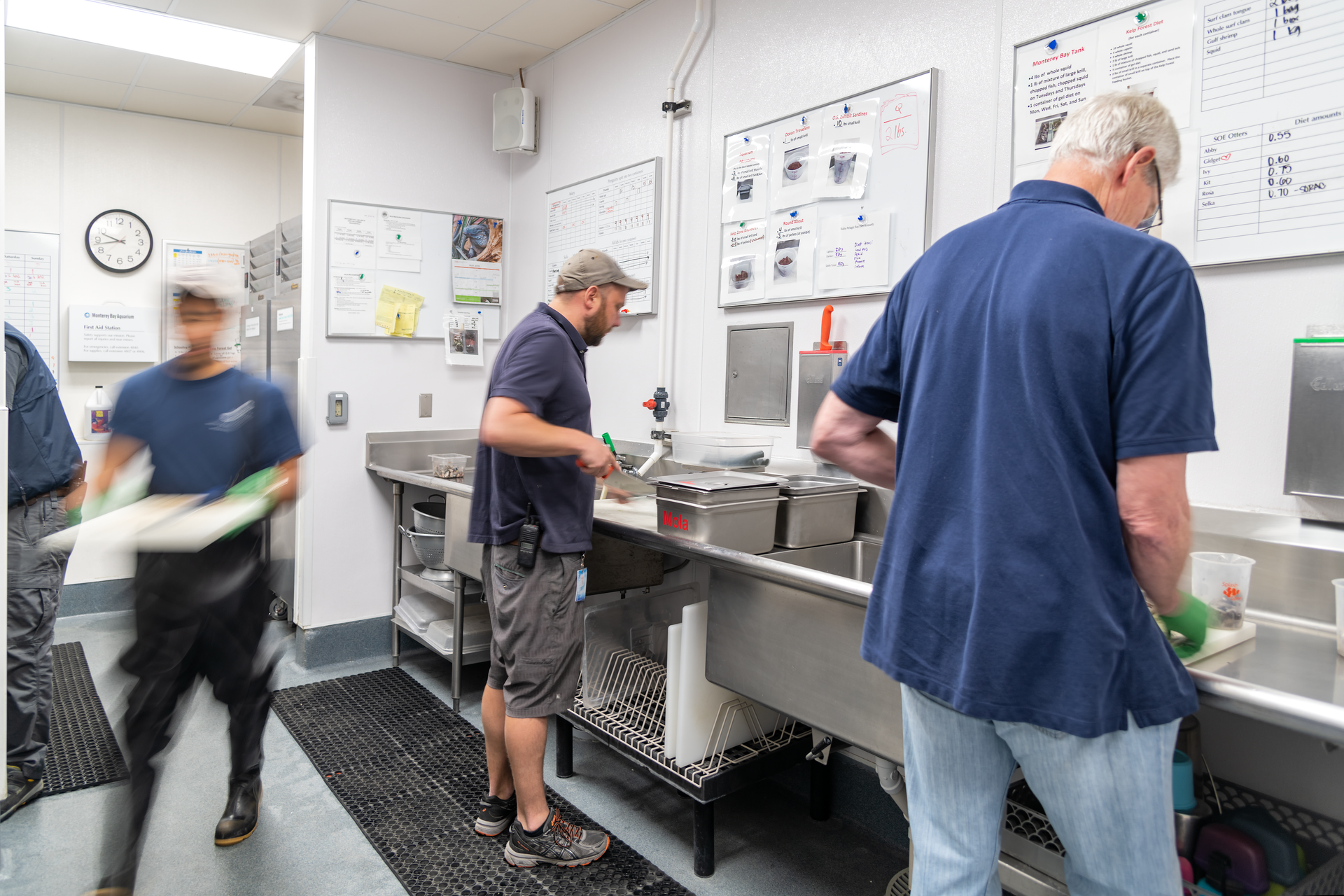
Staff members prepare meals for animals in the food room.
What do animals at the Aquarium eat?
It takes a team to make sure all these varied fishes are getting the right kinds of food, enough food, and yet not too much food. Our aquarists know their animals inside out—including what makes a perfect diet! While our staff veterinarians and dietitians provide guidelines, our aquarists know their charges well and have their own specialty diets already dialed in.
When it comes to mealtime, our animals are served scrumptious sustainable seafood!
A big board on the wall of the food room lists what's on the daily menu. It doesn't change too dramatically from day-to-day, but adaptability is important depending on the seasons. For example, during nesting season when our mama birds need extra calcium to lay their eggs, the food room team makes sure to feed them a more calcium-rich diet.
Our sea otters in rehabilitation or when they’re not on exhibit devour a variety of shelled seafood to get their vitamin fix. They love mussels, clams, whole Red rock crabs, Dungeness crabs (yum!), and oysters. We feed them all their yummy hard-shelled seafood behind the scenes in our holding pools where they can’t scratch up any acrylic windows. When they’re on exhibit they enjoy some shrimp, clam, and squid.
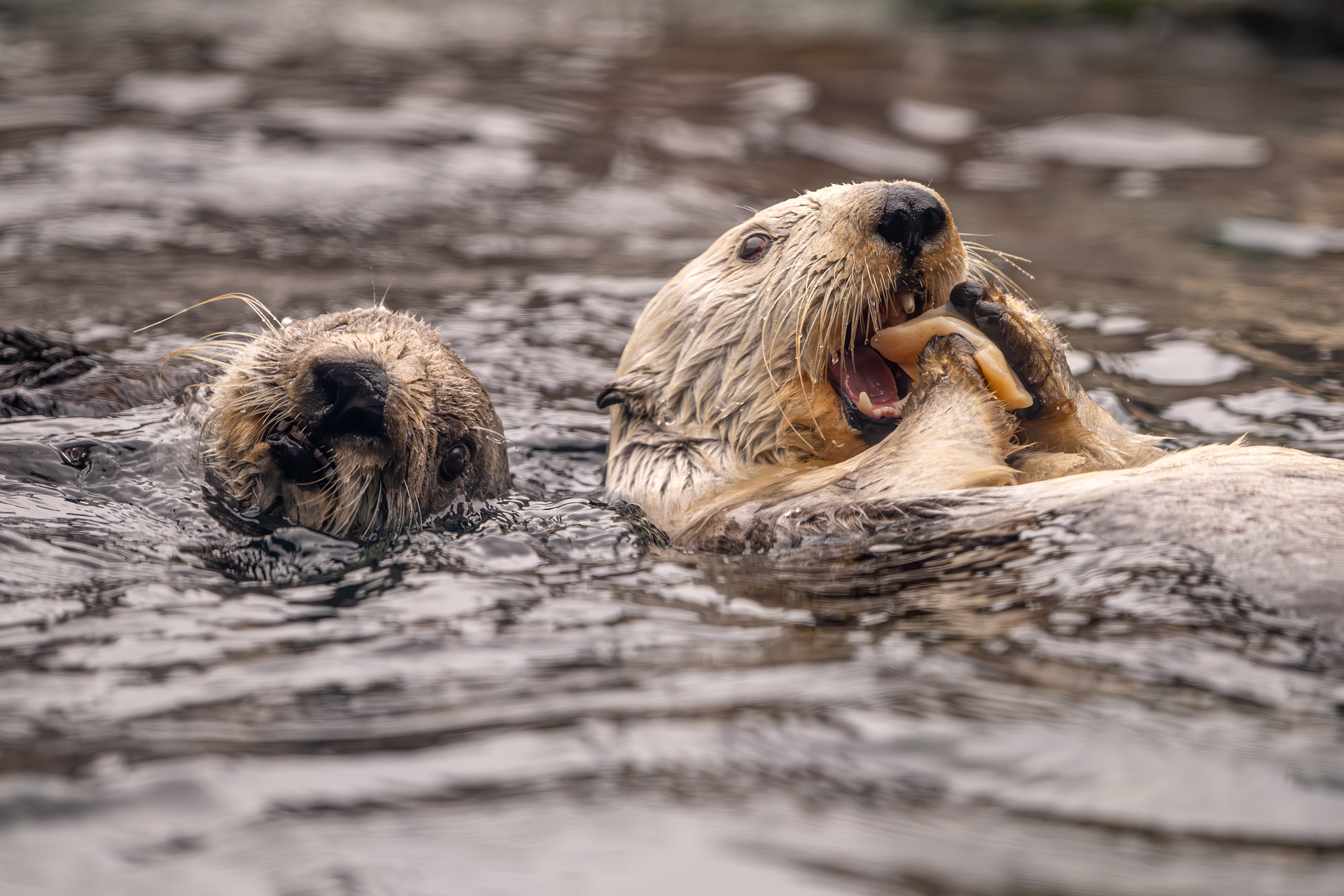
California sea otters (Enhydra nereis) feeding in the Sea Otter Exhibit at the Monterey Bay Aquarium
Sharks and rays eat a wide variety of fishy foods like sardines, anchovies, squid, and salmon. Rays are offered baitfish, salmon steaks, shrimp, squid, oysters, and clams. Our yellowfin tuna are offered sardines and squid. The sharks, mahi, and Kelp Forest also get a special gel diet packed with different nutrients, algae, and gelatin to replace lost vitamins in frozen food.
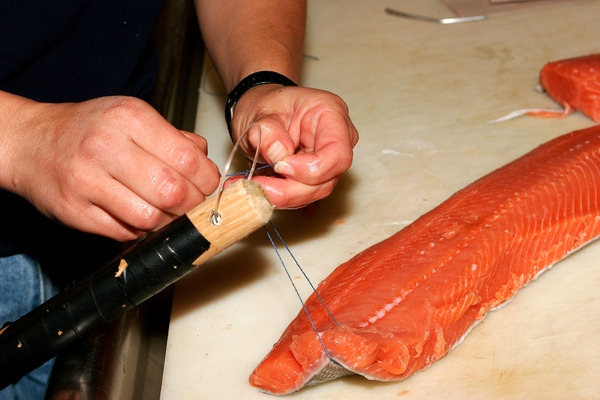
An aquarium staff member preparing a salmon steak for a white shark in Outer Bay food room.
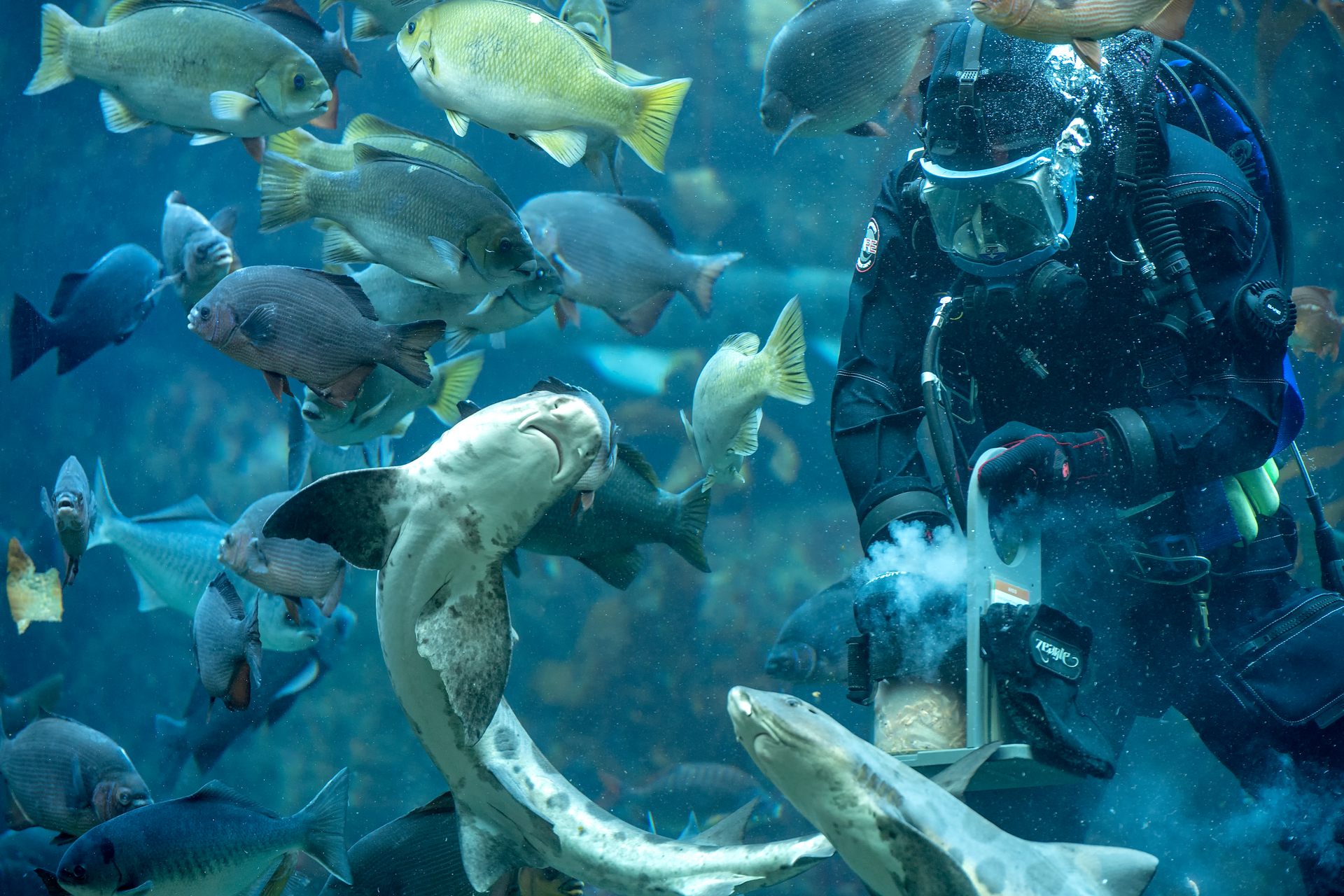
Staff diver feeding fish and leopard sharks in the Kelp Forest exhibit.
Our green sea turtles (sometimes) love leafy greens like lettuce, peppers, and bok choy. They can be picky eaters so we give them a vitamin supplement hidden in their squid treats. Filter feeders like anemones, barnacles, and sponges have tiny mouths to snag floating plankton. They get krill shakes whipped up in a blender, using krill, flake food, and seawater, a technique we use to make up for missing plankton filtered out when we pump sea water into the Aquarium.
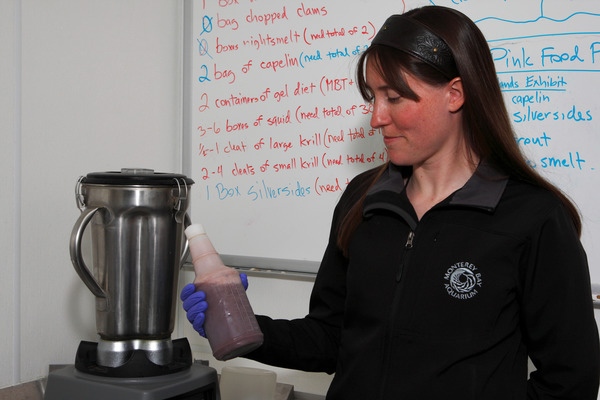
Aquarium staff member, Kristin, shows off a freshly blended krill shake.
Diets for the African penguins and shorebirds change up depending on their breeding seasons and molting schedules. Before the penguins molt, they increase their intake of food significantly in preparation for their molt, weeks where they’ll expend a lot of energy growing new feathers and staying out of the water without “foraging” because their feathers aren’t yet waterproof.
Where does all this food come from?
With 27 years managing the food room, Kacey is now an expert seafood planner with access to global seafood suppliers. But being located right here on Monterey Bay is a huge bonus. From ocean to table, Kacey makes sure the entire process stays as local as possible and always sustainable.
We work with local vendors for certain seafood such as squid, sardines, and rock crab. Having the ocean as our backyard also means we don't have to worry about pre-ordering everything months in advance, unlike zoos and aquariums that aren't located right on the water.
Our local vendors reach out to local fishermen selling Seafood Watch-certified items. They’re part of an incredible community that’s making sure the fish are thriving in the bay so they can sustain their livelihoods and the businesses they serve.
For sustainable seafood items that come from distant places like Norway and Alaska, we track the peak production seasons because, Kacey says, timing is everything. When other zoos and aquariums are buying the same seafood, she says, you have to jump on it quickly or you'll be left scrambling!
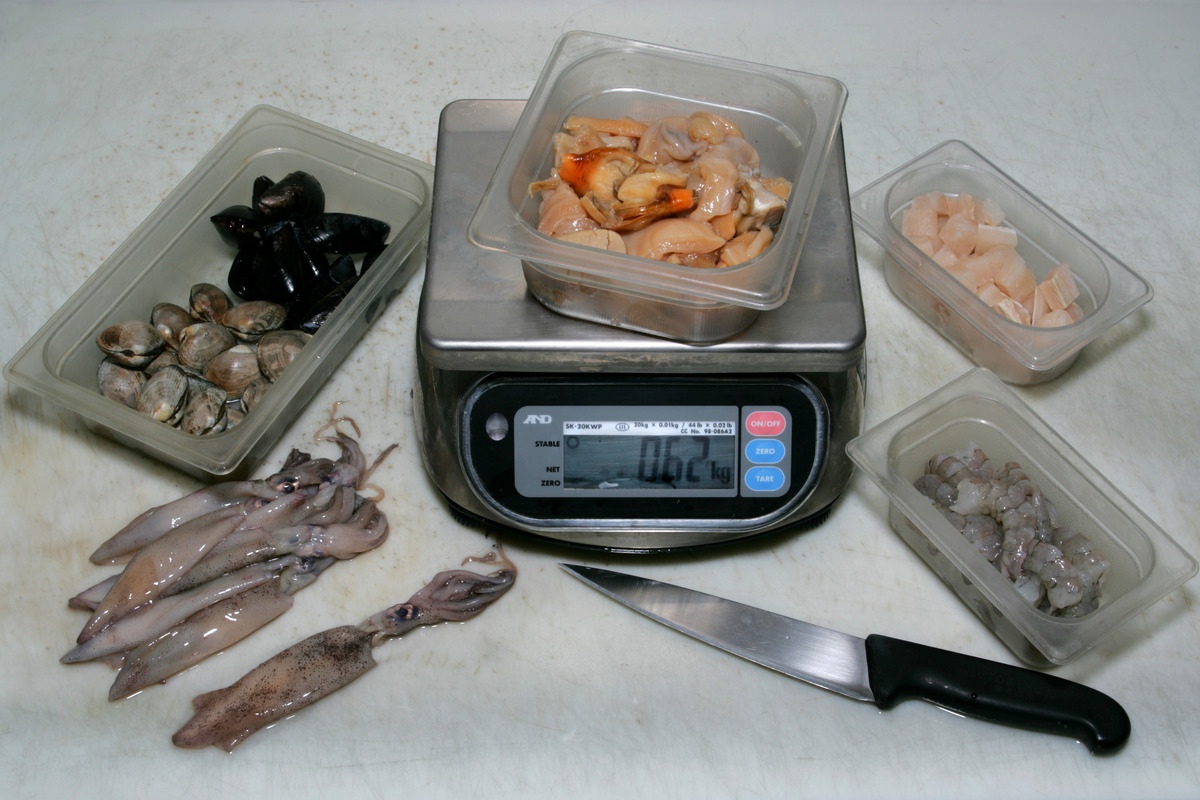
An example of the different types of seafood you would find in the food room.
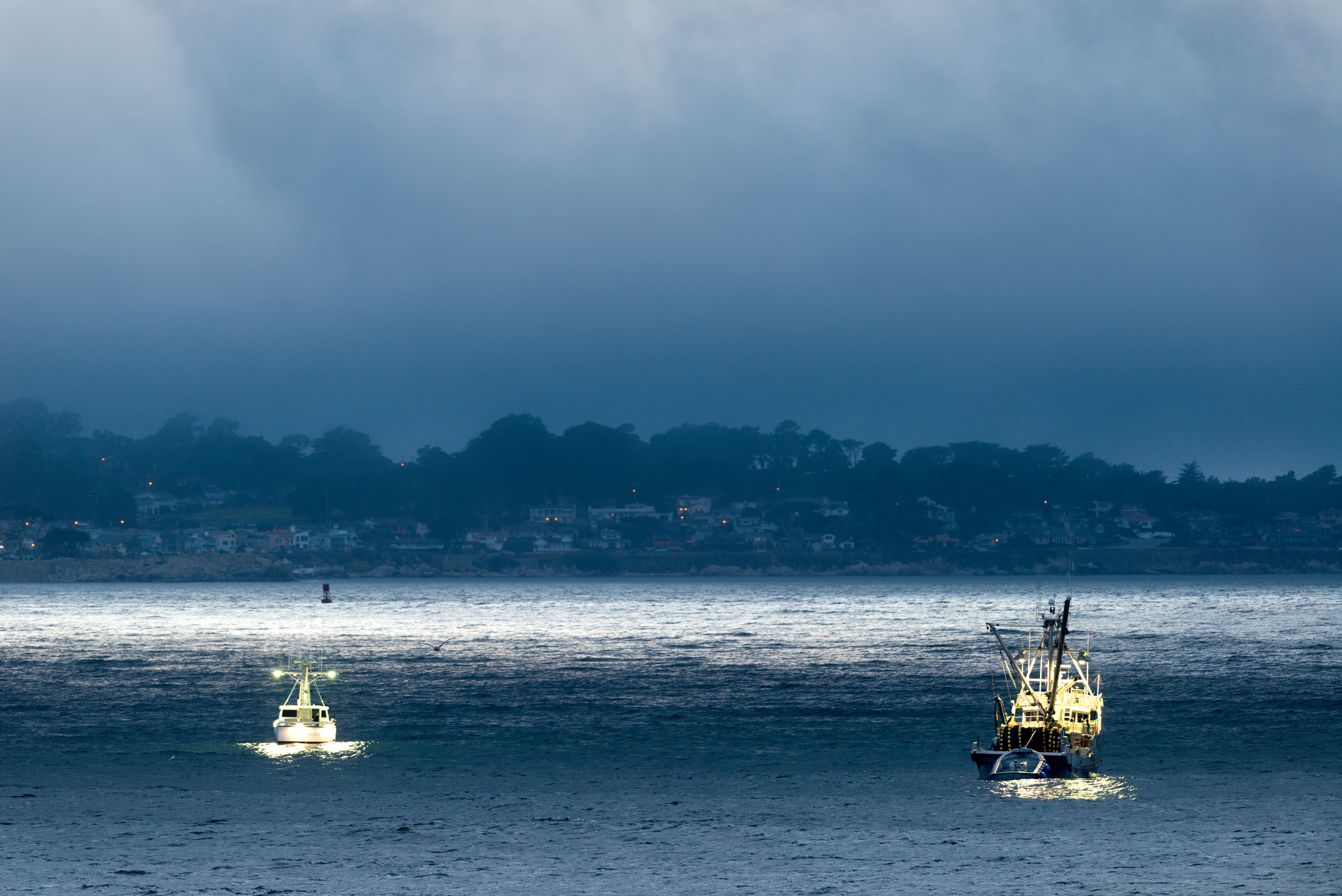
Squid boats fishing in Monterey Bay.
Sustainably sourced through Seafood Watch
Our animals don’t just eat any available seafood. Our Animal Care team follows Seafood Watch guidelines to help us feed our animals in the most ocean-friendly way possible.
Working with sustainable fisheries is a big part of how we maintain our living collection—and a practice we encourage our colleagues in the Association of Zoos and Aquariums to follow.
“When I started here 27 years ago, we were feeding our sea otters cod and then we switched to the only sustainable shrimp on the market at the time.” - Kacey Kurimura
Once each quarter, Kacey sits down with our Seafood Watch staff to get all the updates on the recent ratings for the fish we feed our animals. They’ll let her know if anything we’re sourcing has changed from green to yellow or to red, so that we can make any necessary changes to remain as sustainably sourced as possible. We don’t order anything fresh unless it’s in season here, like our squid, mackerel, and sardines.
Our vendors also proactively monitor Seafood Watch recommendations in order to meet their customers' demand for sustainable seafood. With consumers asking more questions about where and how their seafood was caught and vendors looking to our guides for answers, that’s when we know our program is making a difference for the ocean. What started as a small program at the Aquarium, now leads systemic changes in fishing and aquaculture practices around the globe to keep our ocean healthy and thriving.
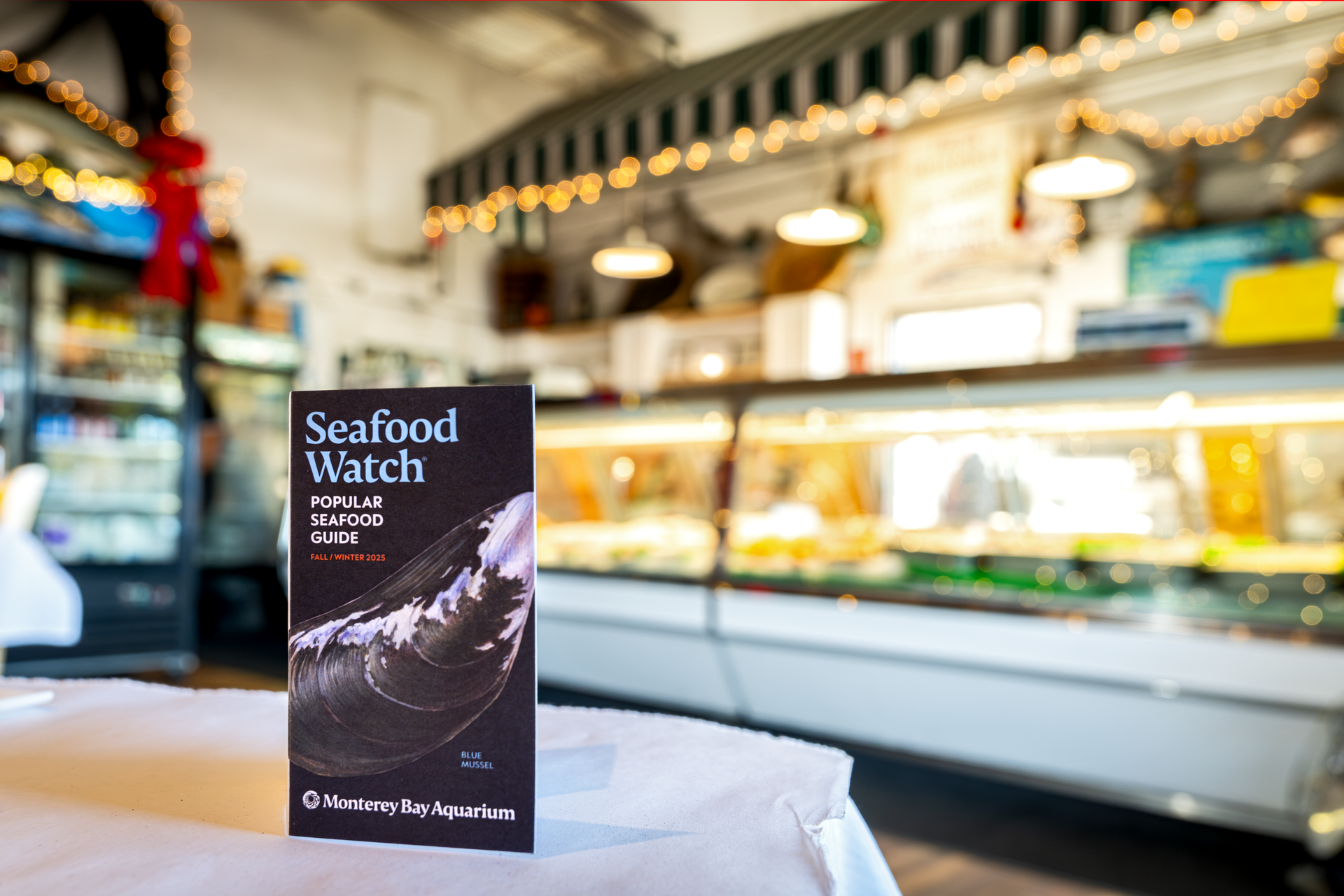
Seafood Watch Pocket Guides for Fall/Winter 2025.
A labor of love and endless research
Kacey says the biggest challenge is availability of certain sustainable seafood. Depending on fishing seasons and regulations, this can be a big hurdle. If a normally reliable food source crashes or gets overfished, we have to research alternatives that not only will appeal to our animals’ appetites but that also align with our values.
Another challenge is working with species we might not know anything about. With exhibits like Into the Deep/En lo Profundo, we often have to do extensive research to identify the nutritional requirements and food preferences for some never-before-studied species.
The fluctuating numbers of animals in our living collection is another challenge. To avoid waste, Kacey will only purchase and prepare the food that’s needed each day. We keep about two weeks’ worth of food on site and anywhere from 8,000 to 20,000 pounds in our offsite storage freezer.
Keeping over 75,000 animals and plants healthy and happy is a labor of love and no small feat. Our incredible food room team truly keeps our sea life thriving and healthy here at Aquarium through meticulous daily planning, commitment to sustainable sourcing, and ability to adapt to rising challenges—all while promoting a healthier ocean worldwide.
Keep exploring
Story
2026 Lucile S. Packard Memorial Award and Youth Award recipients
We’re proud to announce the 2026 Lucile S. Packard Memorial and Youth Awards for outstanding volunteers!
Read story – 2026 Lucile S. Packard Memorial Award and Youth Award recipients
Story
50,000 kids inspired by the ocean with Underwater Explorers
Underwater Explorers has been ‘stoking kids daily’ with up close and personal ocean experiences since 2002.
Read story – 50,000 kids inspired by the ocean with Underwater Explorers
Story
The elephant (fish) in the room
Elephant fish are extraordinary animals both in the deep sea and at Monterey Bay Aquarium.
Read story – The elephant (fish) in the room