

Question: What's your role at the Aquarium? What are your responsibilities?
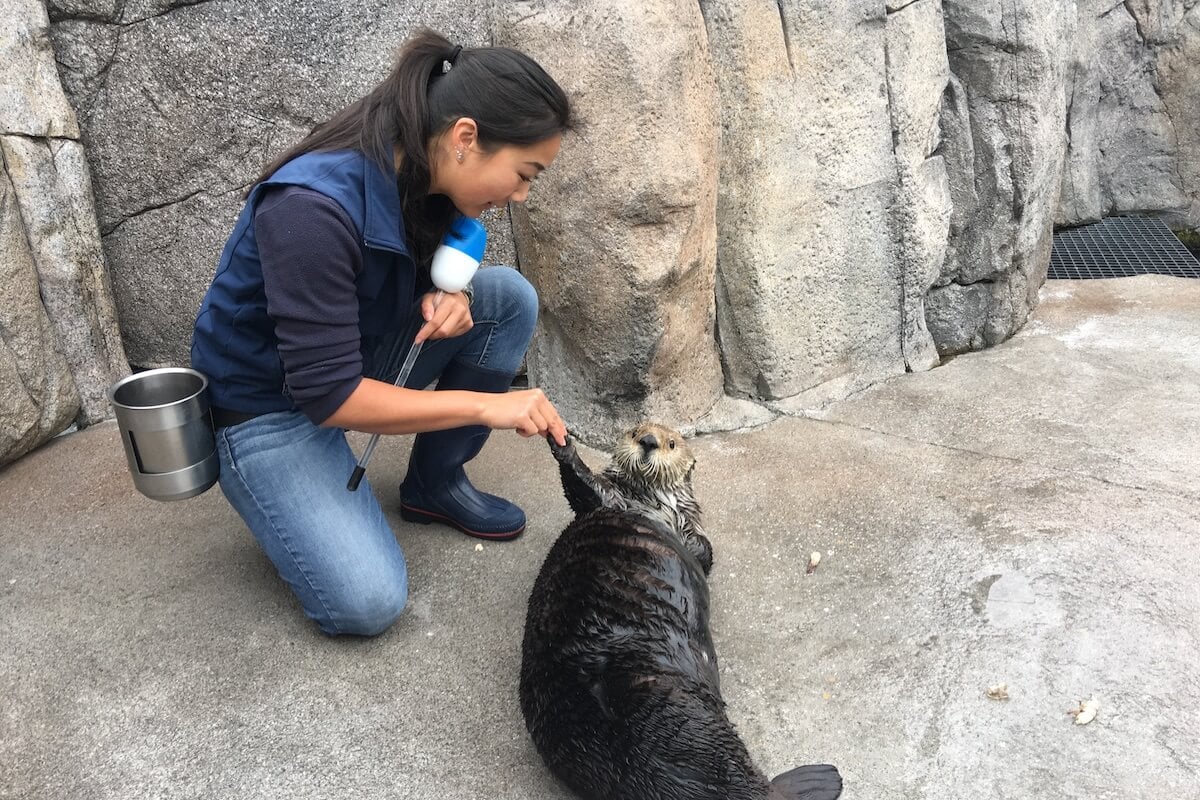
Answer: I am one of the sea otter mammalogists who's in charge of taking care of the exhibit otters. We take care of their training sessions, enrichment, and exhibit. We can also assist the Sea Otter Program with taking care of the wild and rehabilitating otters.
Q: What does a regular day look like for you?
A: A regular day for us usually starts with preparing food for the otters as well as feeding them. They'll eat many times throughout the day, so we start early and spread them out as much as we can. We can combine their food with various forms of enrichment, ranging from training sessions involving gating or husbandry behaviors to enrichment items that encourage foraging behaviors.
Thrown in with all the food prep and feeding is cleaning! We're constantly cleaning everything around the otters, from dishes to exhibits to enrichment items. With the otters comes all the food, as well as the poop and fur, that needs to be cleaned up.
Q: What was your journey to get to the Aquarium? What experiences led you here?
A: My journey to the Aquarium started when I was a little girl who absolutely loved animals. I always wanted to grow up working with animals, so when I was in college, I studied marine biology. I spent a couple of years volunteering with marine mammals and learned as much as I could about taking care of animals. This included things like how to prepare food, how plumbing and filtration worked, and how to train animals using positive reinforcement.
Q: What's some advice you'd have for young people who'd like to go into your field?
A: If you have a love for the ocean, I highly recommend getting dive-certified. You can go out and explore the ocean, and it’s a great way to learn about the complex ocean ecosystem. It'll also help further along with jobs as we are constantly having to dive in our exhibits to maintain cleanliness. Diving is such a great activity because it can be magical as well as helpful.
What's your favorite part of your job?
A: Getting to work closely with the otters is my favorite part of the job. Each otter has such a unique personality and it's always entertaining to see their little quirks pop up—whether it’s during a training session, engaging with enrichment, or hanging on their own time.
Keep exploring
Story
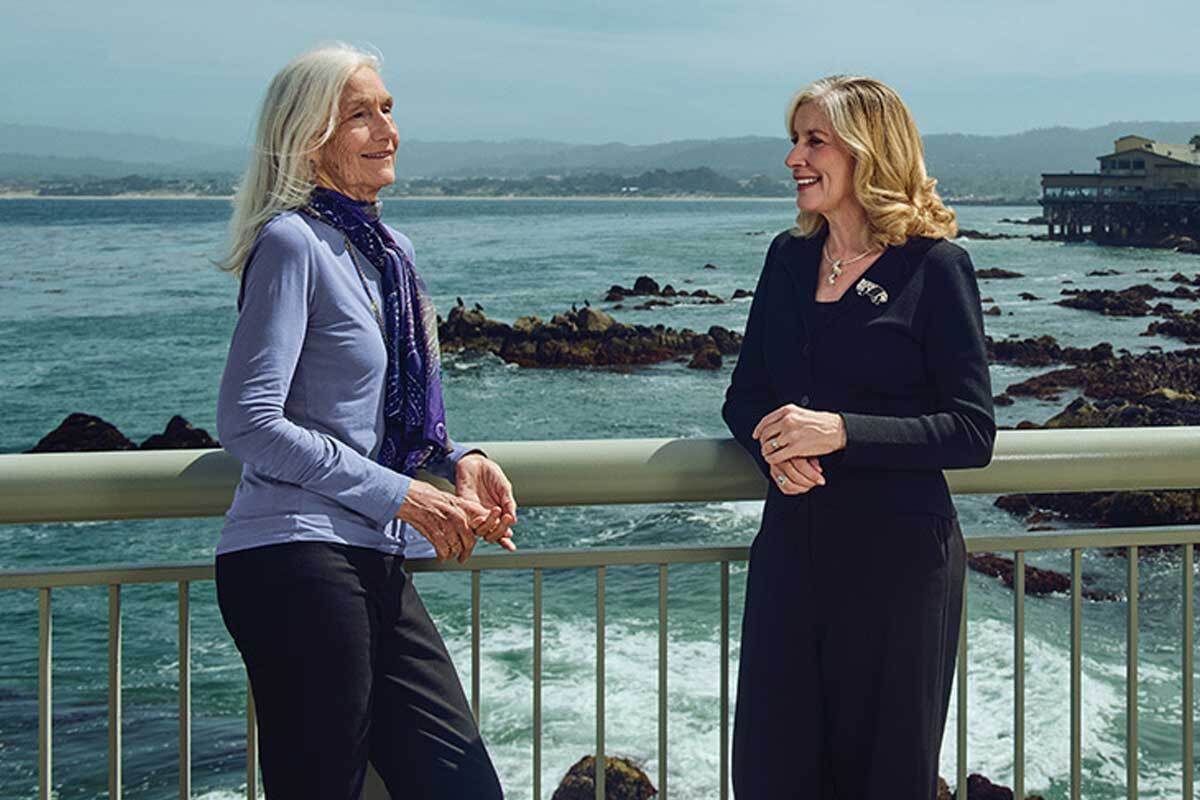
Q&A: Julie Packard and Dr. Jenny Gray
Get to know incoming Chief Executive Officer Jenny Gray in this Q&A with Julie Packard.
Read the Q&A – Q&A: Julie Packard and Dr. Jenny Gray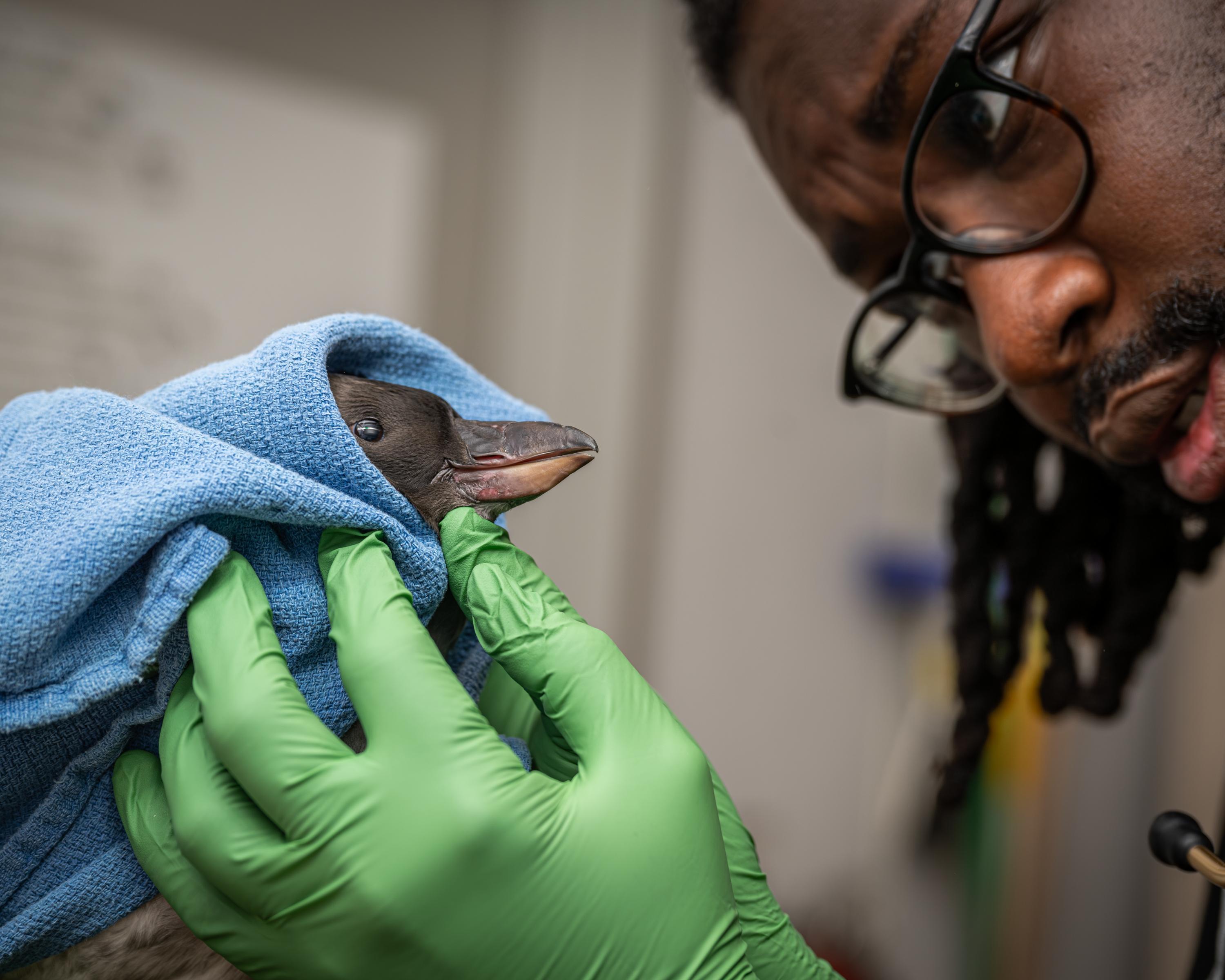
Story
Elevating Black voices in ocean science and conservation
Why representation in ocean science matters.
Read story – Elevating Black voices in ocean science and conservation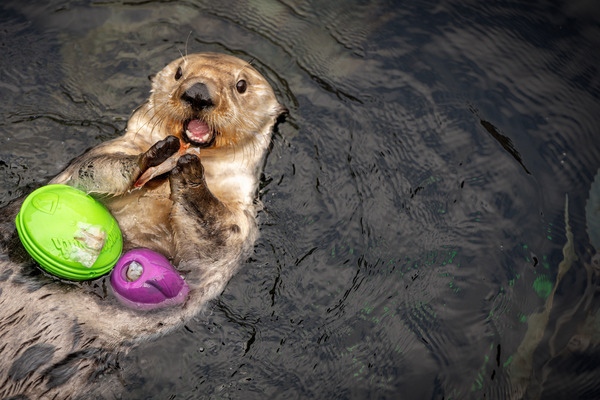
Story
From krill shakes to salmon steaks: A peek into our food room
Step into our food room—the hub where 75,000+ animals and plants get sustainable diets year-round.
Read story – From krill shakes to salmon steaks: A peek into our food room