
Causes of climate change
Climate change is primarily caused by humans burning fossil fuels, and generally refers to the ongoing changes of the earth’s temperatures and atmospheric conditions.
When we burn fossil fuels, carbon dioxide and other greenhouse gases are released into the air. These gases trap heat within our atmosphere, warming our planet.
Other causes of climate change include: livestock digestion, agriculture, industrial processes, and waste. Pollution, overfishing and habitat destruction can also undermine the ability of the ocean to recover from changes in the climate.
Human activities have drastically increased over time, heating up our planet at a rate that has major repercussions for the survival of animals and humans. Most of our industrial processes involve the use of fossil fuels like coal, oil and gas; when we consume goods, for example, factories that create those products release more amounts of carbon dioxide and pollutants driving the acceleration of climate change.
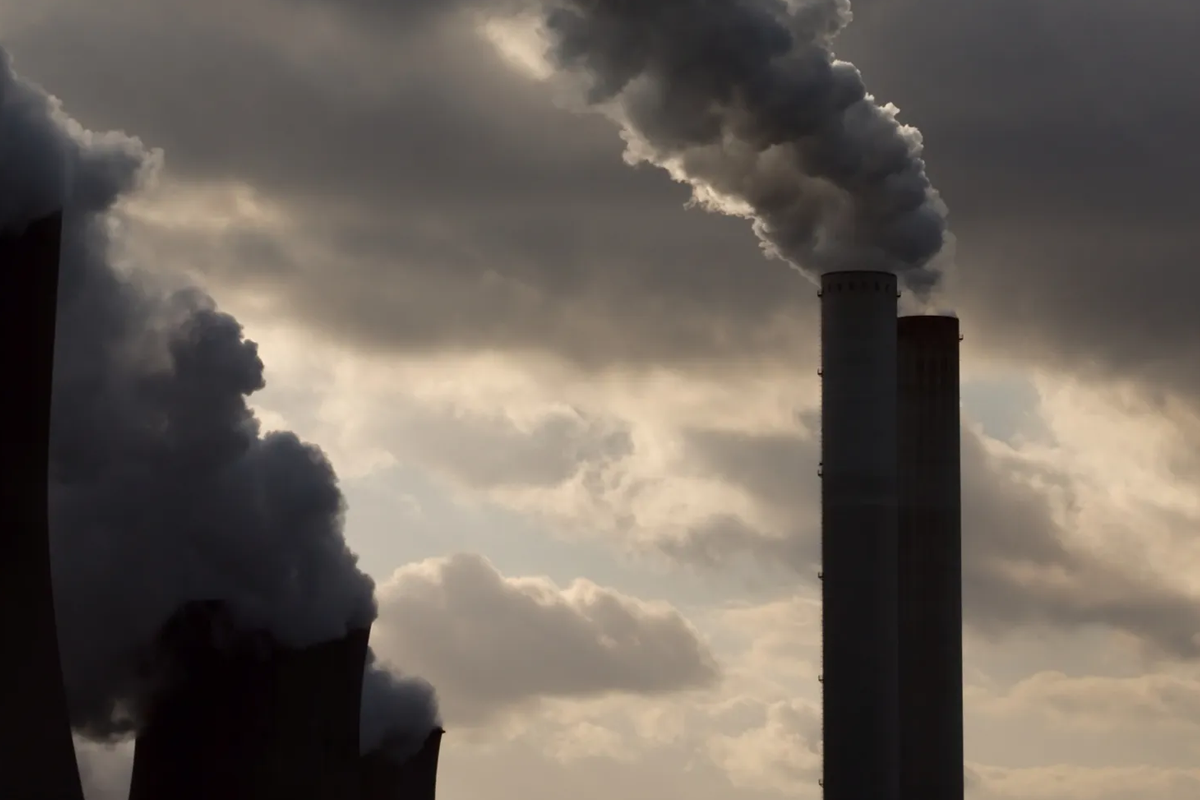
Greenhouse gases gone wild
The main greenhouse gases—including methane, carbon dioxide, and nitrous oxide—are naturally created and made by humans through burning fossil fuels. Over the last six decades, scientists have monitored the drastic increase in these gases. Humans are producing 3 times more carbon dioxide than they were in the 1950s, which leads to artificial heating of the earth.

Fossil fuels are the main culprit
Generating power, manufacturing goods, and using transportation all require the use of fossil fuels. When we burn fossil fuels, we emit more carbon dioxide into the earth’s atmosphere. Seventy five percent of human produced greenhouse gas emissions is from energy use. A large portion of our use of fossil fuels is for transportation like short distance travel by truck or car, and long distance travel by air or sea.
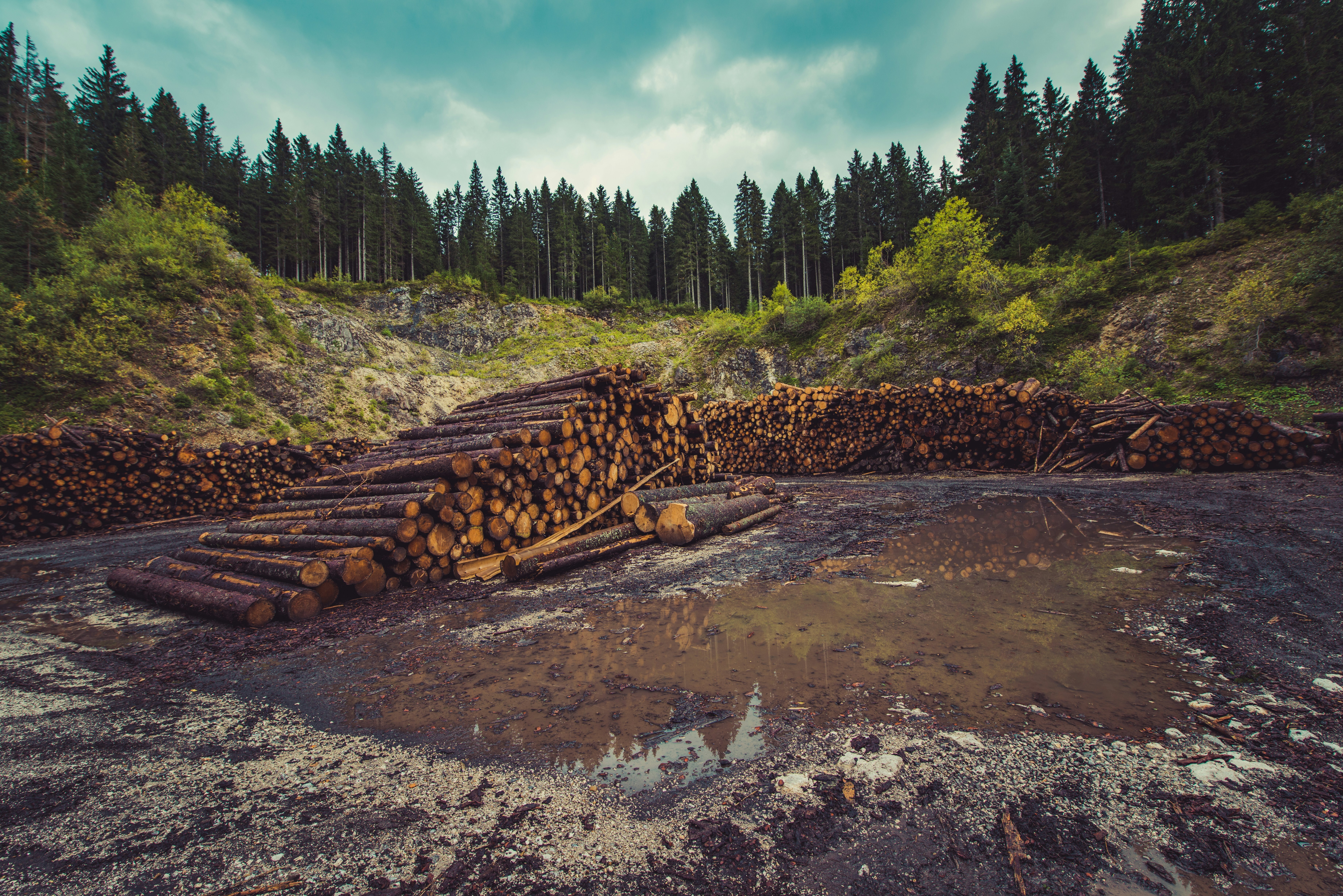
Deforestation harms our environment
When trees are cut down for timber, the less trees we have to absorb carbon dioxide from the air, and the more greenhouse gas accumulates in the atmosphere. In North America, about half of the forests in the East have been cut down for the use of agriculture. Cutting trees down is often meant to gather wood, clear space for cattle grazing or manufacture and construction. Deforestation has led to less trees on the planet, and less defense against climate change
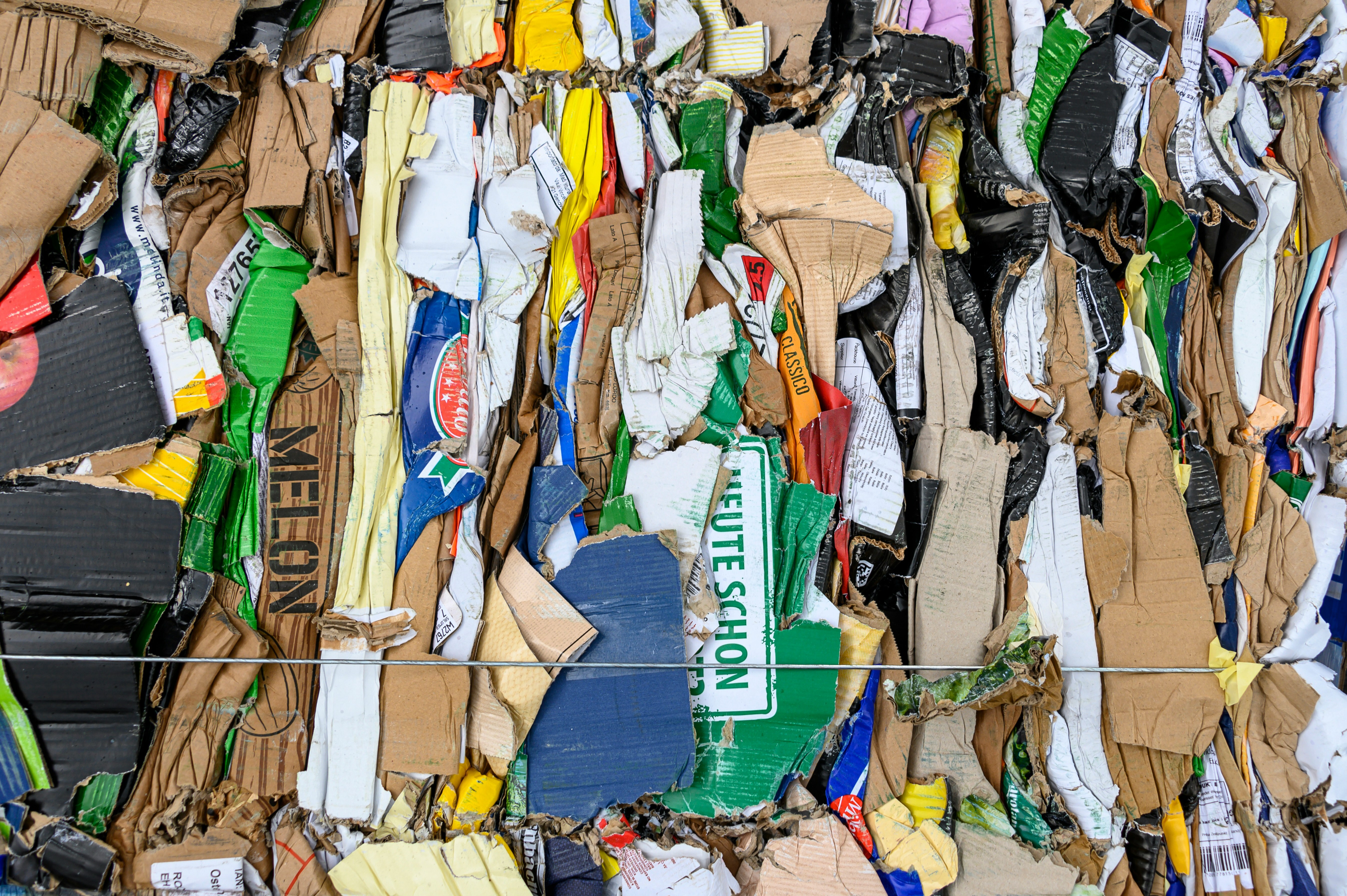
Increased production of goods is hurting the planet
Cows and livestock release methane which adds to an increase in greenhouse gases. Production in factories to create products we often purchase online are made in factories that emit massive amounts of greenhouse gases. When you consume a new product, consider its carbon footprint, which begins when it is made and grows when it is transported. If the product is thrown out, and sometimes burned, it releases carbon dioxide, black carbon, and methane.
Human vs natural causes of climate change
It’s important to understand the difference between the natural causes and humanmade causes of climate change. Climate change deniers suggest the earth is warming due to natural causes like volcanic eruptions and the earth’s orbit among other things. But scientists concede that almost 100 percent of global warming is caused by human activities. The amount of carbon dioxide that volcanoes produce is a drop in the bucket compared to the vast amounts of carbon dioxide that we omit everyday from burning fossil fuels.
While reading the causes of climate change might feel overwhelming, there is comfort in knowing that we all have agency in reducing carbon emissions. Identifying small areas in your life to reduce your carbon footprint, like driving less, eating less meat, and saving power—are necessary steps towards halting climate change. Together, we can change the trajectory of our ocean planet.
Curious how you can protect the ocean?
Sign up for our ocean action emails and get the scoop on issues affecting the ocean, research updates, and simple tips on how you can lead an ocean-friendly life.
Keep exploring
Animals & the ocean
Impacts of climate change on our ocean
Holy Mackerel! The ocean has absorbed more than 90 percent of the extra heat caused by our greenhouse gas emi…
Read more – Impacts of climate change on our ocean
Animals & the ocean
Solutions to climate change
By making small lifestyle changes, we have the power to control the negative impacts of climate change.
Read more – Solutions to climate change
Animals & the ocean
FAQs about offshore wind development off of California
Over the past four years, the U.S. federal government and the State of California have set ambitious goals fo…
Read more – FAQs about offshore wind development off of California