
Impacts of climate change on our ocean
Holy Mackerel! The ocean has absorbed more than 90 percent of the extra heat caused by our greenhouse gas emissions, causing the temperature of the ocean to rise. And the massive increases of carbon dioxide we’ve omitted have put the ocean in carbon dioxide overload, having a direct impact on marine life.
When carbon dioxide sinks into the ocean, it causes the water to become more acidic. In the past, the ocean has maintained a more neutral state, but the rise of carbon dioxide from industrial processes has damaged the ocean’s ability to neutralize acid.
Scientists measure this by testing the water’s pH level, on a scale from 1 to 14, with 7 being a neutral state of neither alkalinity nor acidity. The Intergovernmental Panel on Climate Change (IPCC) reports that since the start of the Industrial Revolution, the ocean has absorbed about 25 percent of all of the carbon dioxide we’ve emitted by burning fossil fuels and degrading habitats that sequester carbon.
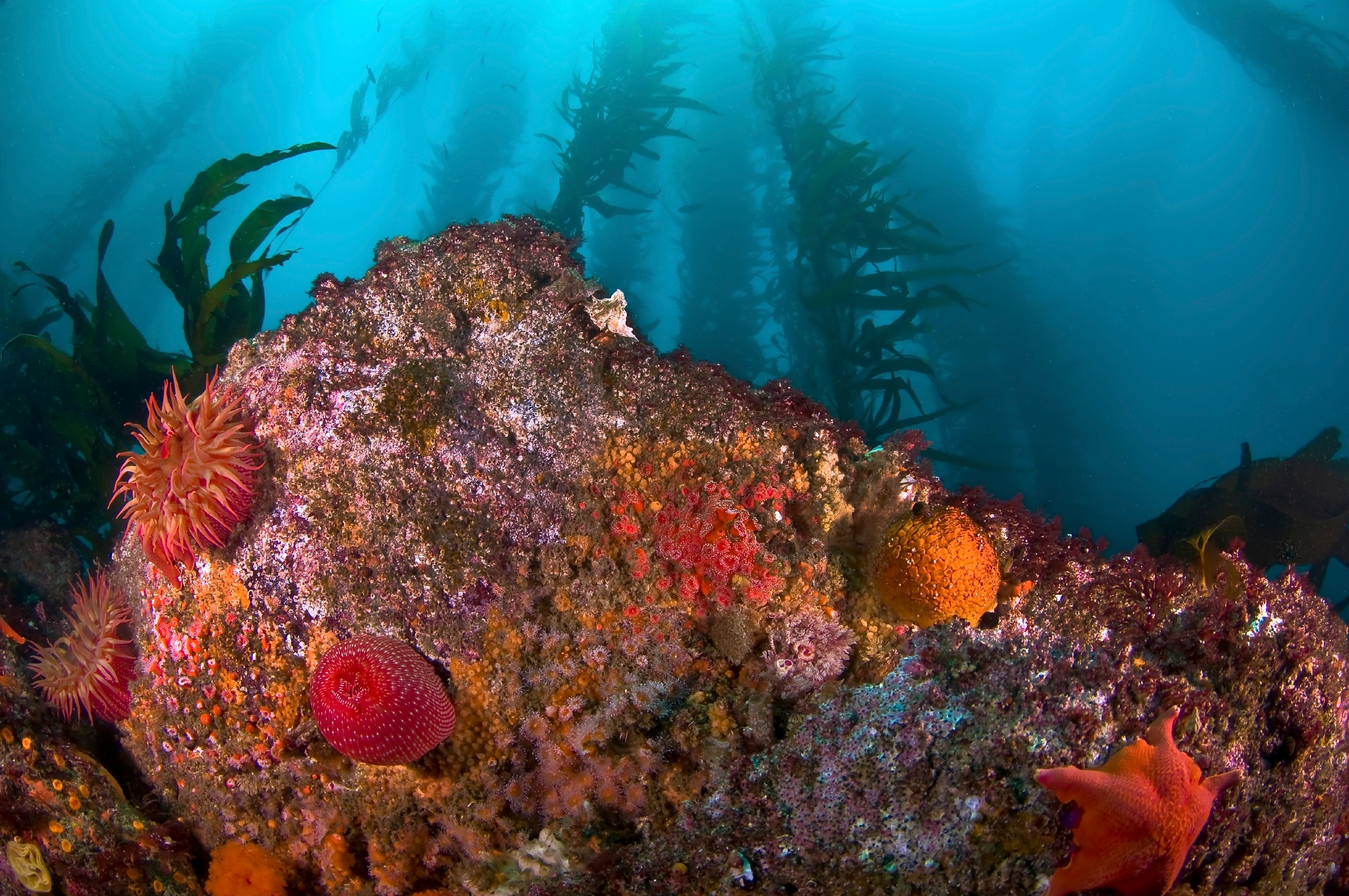
Ocean acidification impacts kelp forest residents. It has been shown to negatively affect the metabolism and swimming speed of some rockfish species. Meanwhile, Dungeness crab, abalone, and lobster—among other shelled animals—may experience effects like shell corrosion.
© Bill Morgan
Warming waters harm our coral reefs and kelp forests
Coral reefs are some of the most diverse and important habitats in the ocean. But over the last few decades, reefs worldwide have been devastated by bleaching events. Rising sea temperatures cause corals to expel their symbiotic algae—a process called coral bleaching—often resulting in the death of the coral reef.
On top of warming, changing ocean chemistry (ocean acidification) is slowing the growth rate of coral reefs, with impacts throughout the food web.
Rising water temperatures also impact our kelp forests, which are home to a variety of animals. Kelp forests can sequester carbon and help animals survive ocean acidification.
Sadly, these critically important habitats are threatened. About 95 percent of kelp forests in Northern California have disappeared. Unusual heat conditions and an explosion of the sea urchin population caused the sudden collapse of kelp forests in northern California in 2014.
Declines in kelp abundance affect marine algae, invertebrates, and fishes living in Monterey Bay. These submarine forests can grow along the Pacific coast of North America, towering up to 175 feet over the ocean floor. Beautiful and biologically complex, kelp forests provide food and shelter for a diverse community of plants and animals.
As this habitat faces the challenges that come with warming waters, the kelp may help. The carbon-sucking effects of kelp forests may “provide a buffer for sensitive animals, allowing them to gradually adapt to acidic conditions,” according to a study from the Journal of Geophysical Research.
The more dense, sheltered kelp forests are, the better shot they have at surviving serious stressors amid warming ocean temperatures.
© Becky Stamski/NOAA MBNMS
Sea level rise harms people and infrastructure
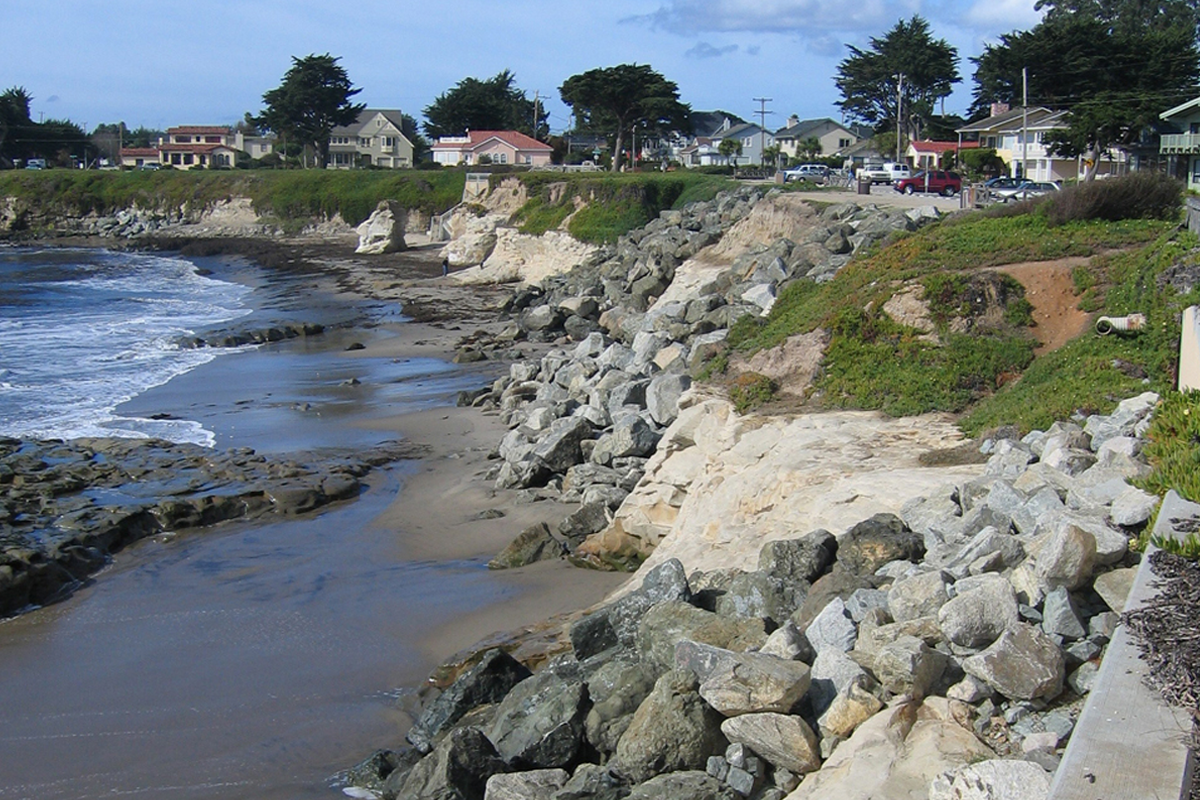
Sea level rise is a key climate challenge. According to Climate Central, rising seas could push annual floods above land that is now home to 300 million people by 2050. This impacts about a third of Americans who live in coastal areas and 8 of the world's largest cities.
As the earth heats up, glaciers melt at a faster rate, increasing the amount of water. Warming temperatures also increase the ocean’s overall water volume. Scientists say that ice sheets in Greenland and Antarctica continue to destabilize because of the earth’s rising temperatures, estimating that this rise will lead to more flooding worldwide.
Since the late 1880, sea levels have risen about 8 to 9 inches and they continue to rise at an accelerating rate. For example, sea levels are estimated to increase globally between 2-7 feet (PDF), and potentially more over the course of the 21st century.
In the next 30 years, sea level rise will have the greatest impact on people living in Asian countries, which will see the largest increase in sea level rise threat to low-lying areas. Permanent displacement of communities and crops in countries like China, Vietnam and India is expected.
© Jeremy Mathis/NOAA
Ice melt in the polar region
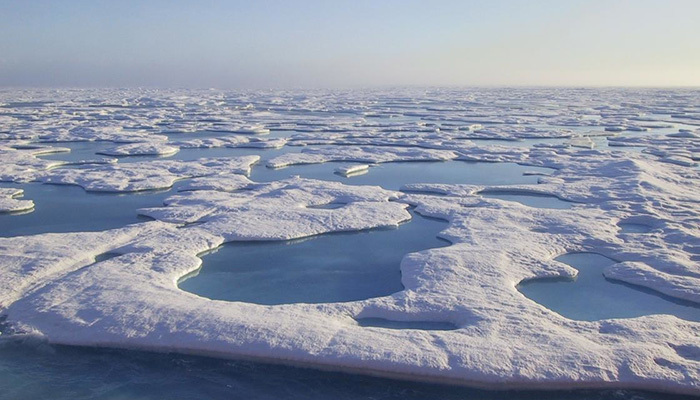
There’s no easy way to put this: global warming is causing ice in the polar region to melt at a faster rate than ever before.
Glaciers, giant ice rocks on land, are breaking off into the ocean more and more, adding to the overall volume of water in our ocean. That in turn, means sea levels are rising, which causes coastal erosion, storm surges, and currents to change. About a third of the world’s glaciers are expected to melt by 2100 if the earth continues to warm at this rate, according to the Wildlife Foundation.
Ice reflects excess heat back into space. When it melts, the darker patches of the ocean and earth are exposed, and they don’t reflect the sun as the ice did. In other words, we lose the cooling effect that the ice provides through its power to reflect the sun. The Arctic Region alone is thus warming twice as fast as the rest of the planet.
This loss of ice has led to a huge shift in warming waters, weather patterns and currents. Entire fisheries have collapsed due to the direct impact of ice melt in the polar regions. For example, with higher temperatures in the gulf of Maine, species like Northern Shrimp and Cod have greatly declined.
Climate change impacts marine biodiversity
The shift in how climate change impacts marine biodiversity goes beyond just the ice melt in the polar region. The changing climate is affecting the global seafood supply and the billions of people who rely on fishing and aquaculture for nutrition and their livelihoods.
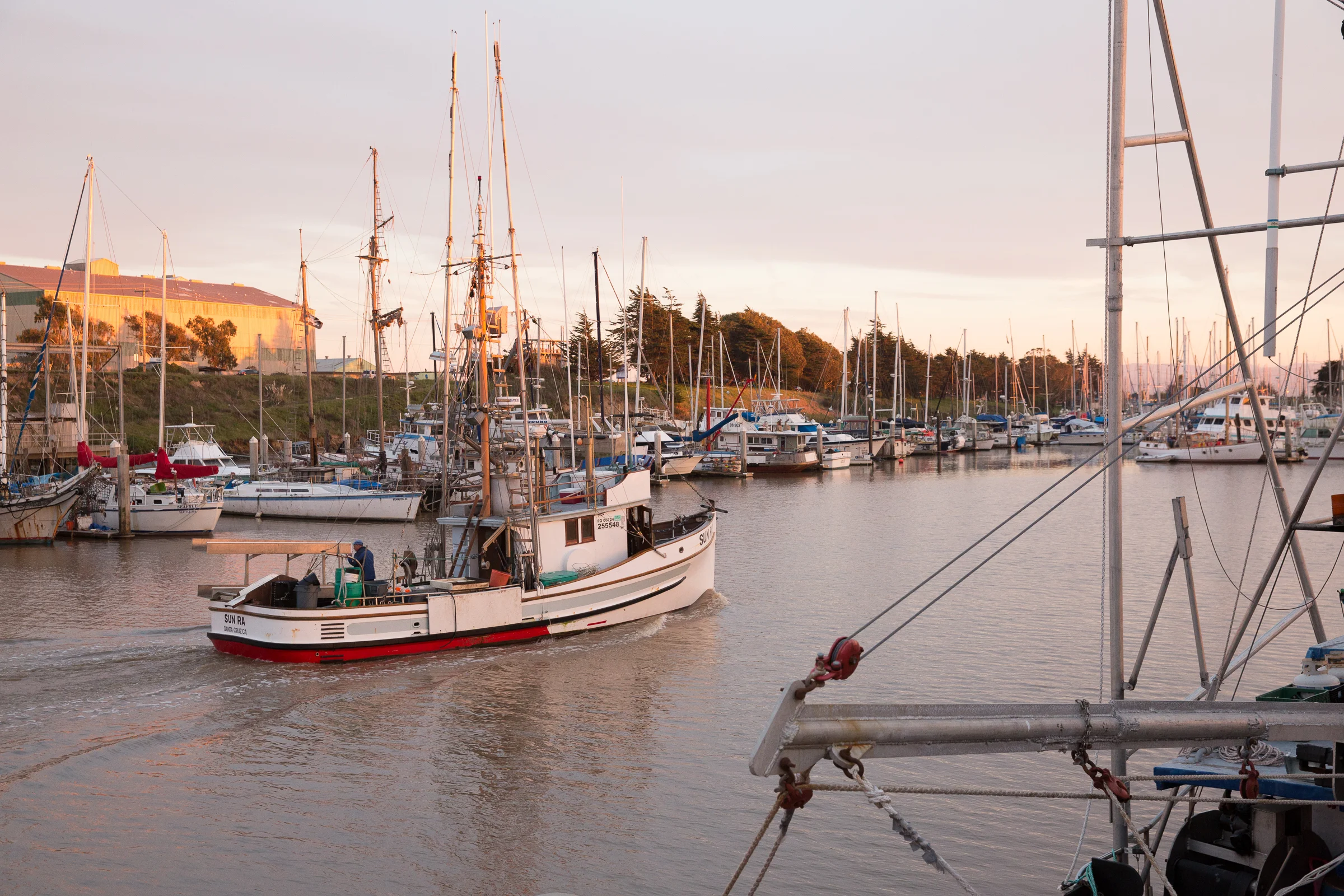
As warming waters drive wild fish into new habitats, fishermen are seeing changes in the type and amount of seafood they are able to catch. Ocean warming can also lead to smaller, skinnier fish because higher temperatures cause an increase in their metabolic rates.
As carbon levels build in the atmosphere, the resulting changes in ocean pH have resulted in high mortality of juvenile farmed shellfish. By 2100, the global annual costs of shellfish loss from ocean acidification alone could be over US $100 billion.
Local changes are being felt in California and the Monterey Bay
Over the past 100 years, global sea level has risen between seven and eight inches, on average. California’s coastal communities are already dealing with the related erosion and flooding—and experts say it will only get more severe in the coming decades. Scientists project that sea level could increase along California’s coast as much as 3 feet by the year 2100—putting as many as 600,000 people and $150 billion in property in the state at risk of coastal flooding.
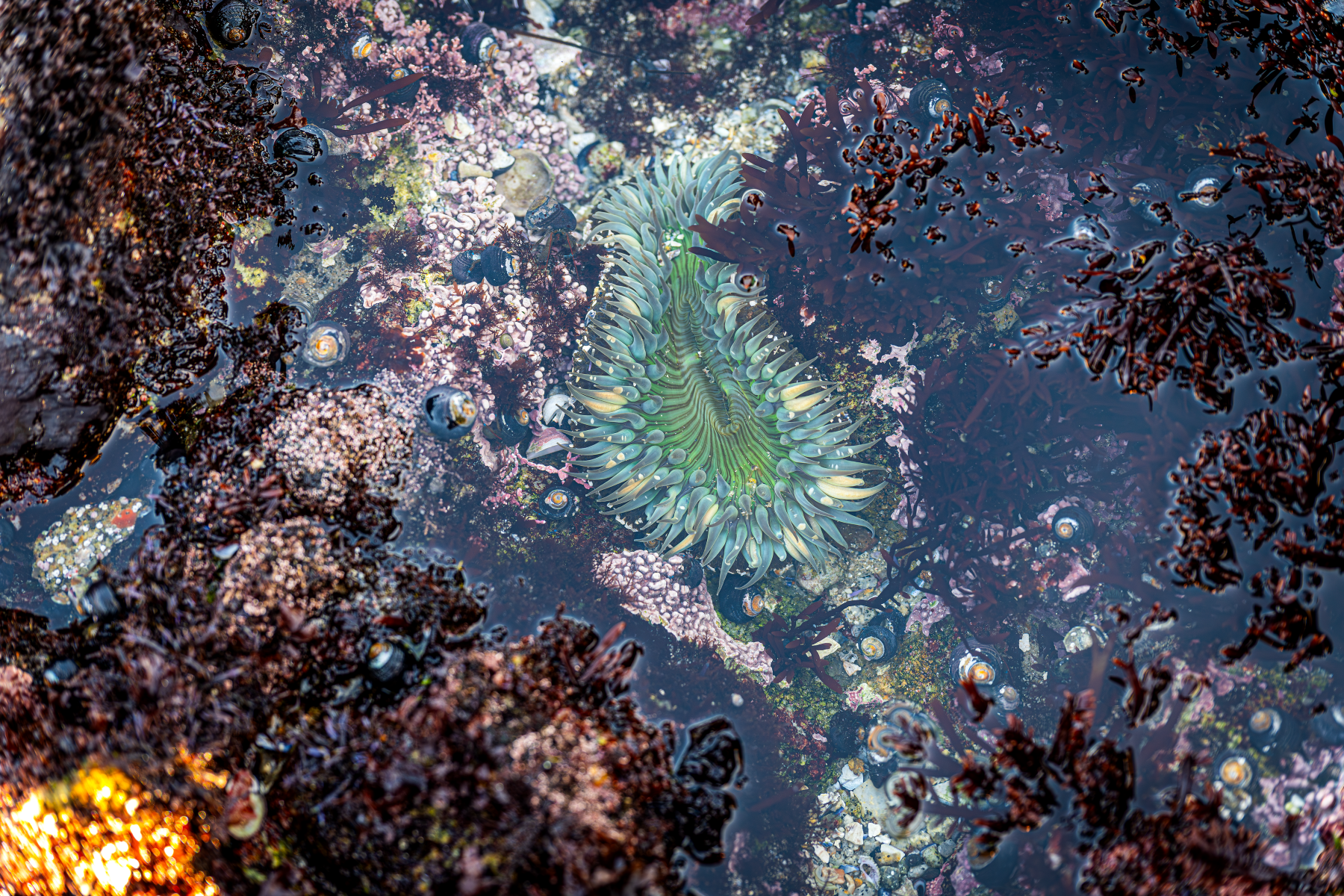
Since 1930, the surface of Monterey Bay has warmed about 1.4 degrees Fahrenheit (0.8 degrees Celsius). This warming has been linked to large blooms of toxic algae—like the one that delayed the Dungeness crab fishing season in 2015. Warming has also prompted range shifts among invertebrates, like some species of snails and anemones, that live in the rocky intertidal areas of Monterey Bay.
Over the last 20 years, carbon dioxide has built up in the surface waters of Monterey Bay—increasing the bay’s acidity by about 10 percent. MBARI scientists have been able to trace changes in Monterey Bay’s chemistry back to carbon dioxide and other pollution from traffic in Silicon Valley and agriculture in the Salinas Valley. As Monterey Bay becomes more acidic, the marine food web and the health of our local fisheries are affected.
In addition, Monterey Bay’s oxygen minimum zone—where seawater oxygen levels are the lowest—is getting bigger. Animals that can tolerate low oxygen, like Humboldt squid, seem to be taking advantage of this development, while other animals are being displaced.
These local and global phenomena are more than just environmental data points—they are a direct warning. Protecting marine biodiversity is a necessity for global food security and the survival of our coastal infrastructure. If we want to ensure that our oceans remain the vibrant, life-sustaining systems they’ve been for millennia, we must address the root causes of warming on land to give our underwater ecosystems a fighting chance to recover and thrive.
Keep exploring
Animals & the ocean
Causes of climate change
Learn the causes of climate change and take hopeful action—discover how you can help.
Read more – Causes of climate change
Animals & the ocean
Solutions to climate change
By making small lifestyle changes, we have the power to control the negative impacts of climate change.
Read more – Solutions to climate change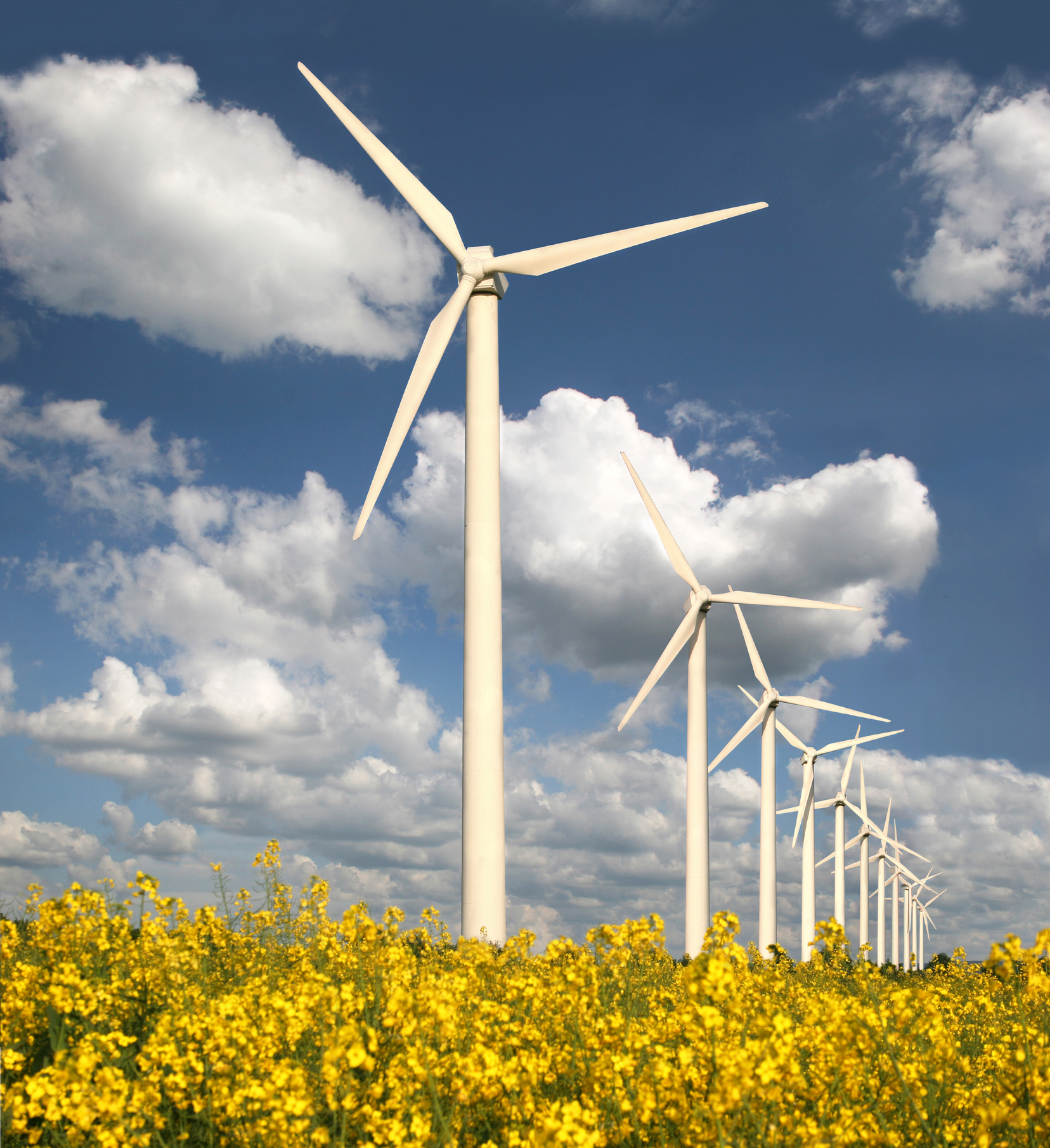
Animals & the ocean
FAQs about offshore wind development off of California
Over the past four years, the U.S. federal government and the State of California have set ambitious goals fo…
Read more – FAQs about offshore wind development off of California