
Fishing & farming methods
When you choose sustainable seafood, you support the fishermen and farmers leading the way. The environmental impacts of fishing and farming methods vary, and choosing seafood harvested with less damaging methods helps support a healthy ocean.
Fishing methods
Fishermen use a wide range of gear to land their catch. Every type has its own effects on the ocean. By selecting the right gear for the right job, the fishing industry can help minimize its impact on the environment and marine life.

Fishing method: Bottom trawls
Bottom trawls are cone-shaped nets that are pulled along the seafloor to catch cod, halibut, lobster, rockfish, shrimp, and other bottom-dwellers. These fishing gears are configured to stay open in different ways. Often, floating headropes and weighted footropes hold the nets open vertically, and beams, otter boards, or two boats keep them open horizontally. The amount of bycatch in many bottom trawl fisheries is a pervasive problem, and the heavy gear can damage sensitive habitats. Reducing these harmful effects requires limiting when and where trawling can occur and gear modifications that allow unwanted marine life to escape and lessen impacts on the seafloor.

Fishing method: Buoy gears
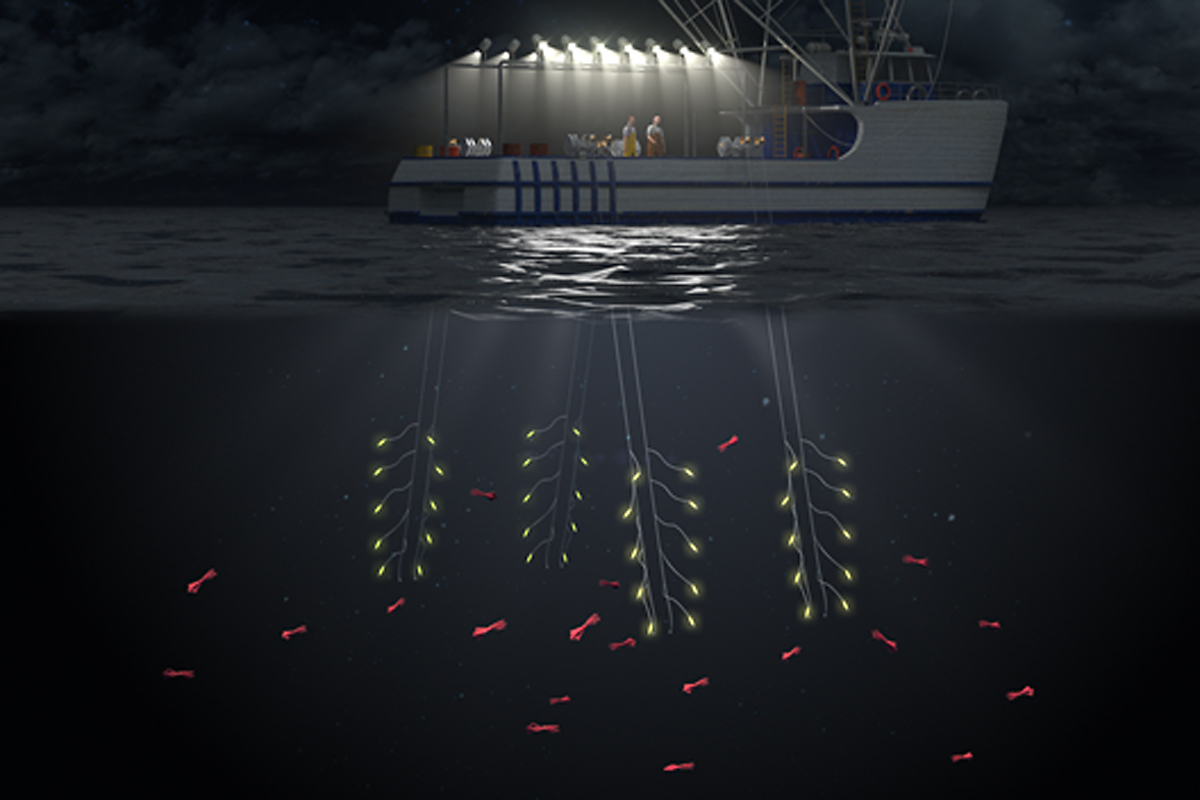
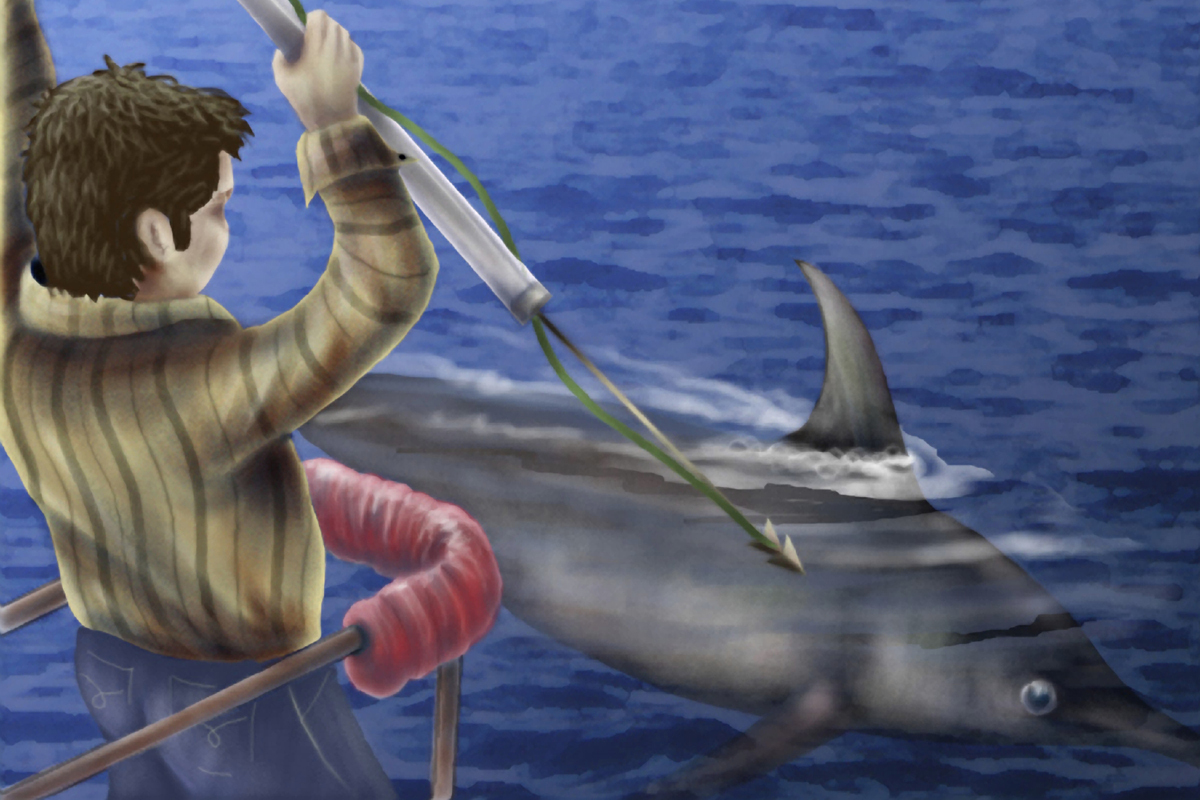
Buoy gear has a bite indicator and a float that supports a mainline with hooks set at least 90 meters deep, placing them below a layer of water called the thermocline. Most marine life thrives in the warm, oxygen-rich water above this layer; however, other species like swordfish can dive to the cold water beneath it. This fishing method allows for more selective fishing and significantly reduces the unintentional capture of non-target species. When incidental catches of non-target species do occur, the animals are often released alive because the bite indicator promptly alerts fishers to a catch. In turn, when a swordfish is caught using buoy gear, the meat is fresh, providing fishers with a higher-quality product and monetary return.

Fishing method: Dredges
Dredges are metal, cage-like gears that are dragged over the seafloor to dig out clams, oysters, scallops, and other species. These fishing gears may or may not have components—such as rakes, teeth, or hydraulic jets—which dislodge and flush out animals. Types include hand dredges, towed dredges, and mechanized dredges. Dredges can have significant impacts on sensitive seafloor habitats and bottom-dwelling species. One way to reduce these harmful effects is to limit the areas where dredging can occur.
Fishing method: Gillnets
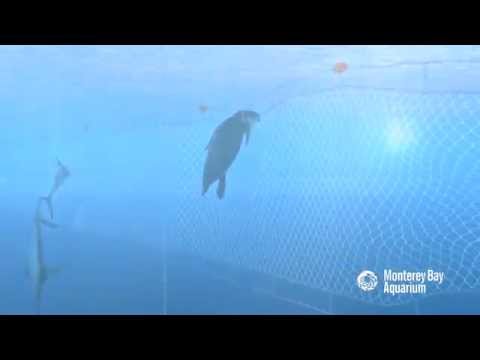
Gillnets are walls of stationary or drifting netting. When fish swim into the netting, they become entangled or entrapped. These fishing gears are used on or near the seafloor, in midwater, or near the surface. In some gillnet fisheries, vulnerable animals such as sea turtles, marine mammals, and sharks can be caught. These impacts can be reduced by setting the netting deeper in the water column to allow animals to swim over and adding pingers to warn passing marine mammals. Gillnets are used to catch cod, perch, salmon, sardines, trout, and many other species.

Fishing method: Longlines
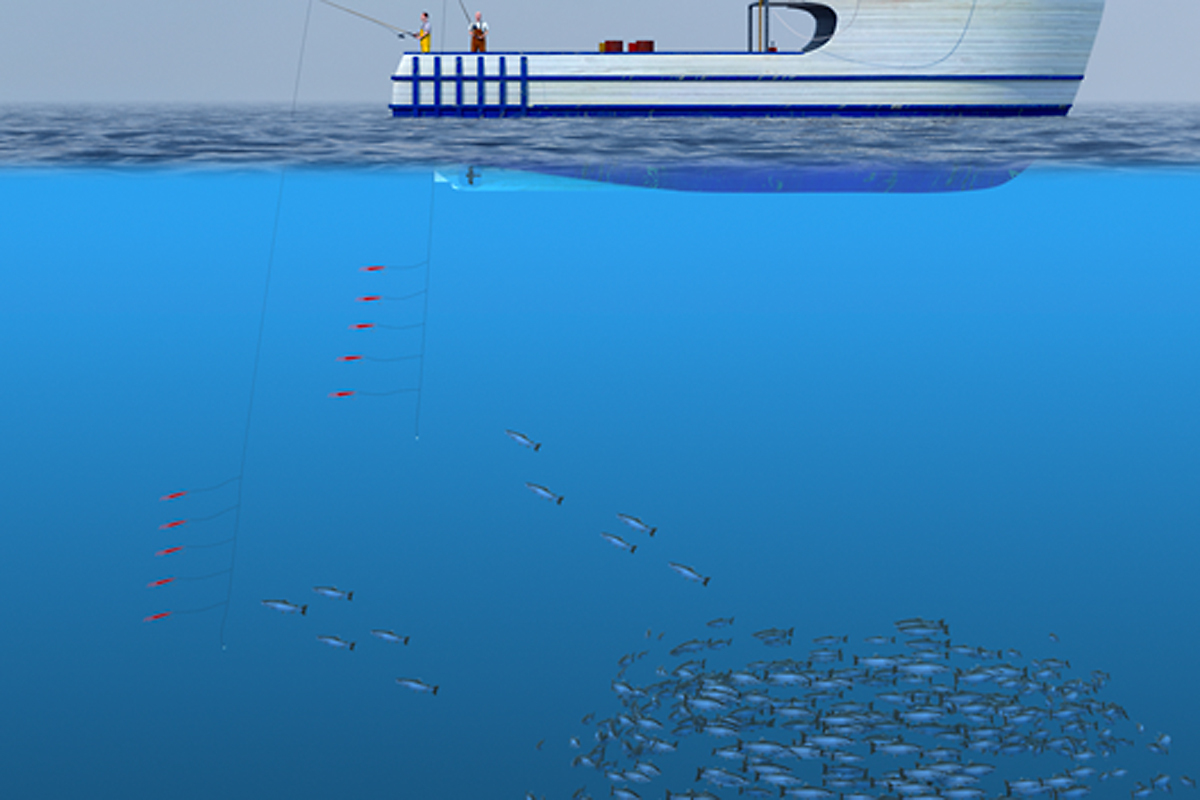
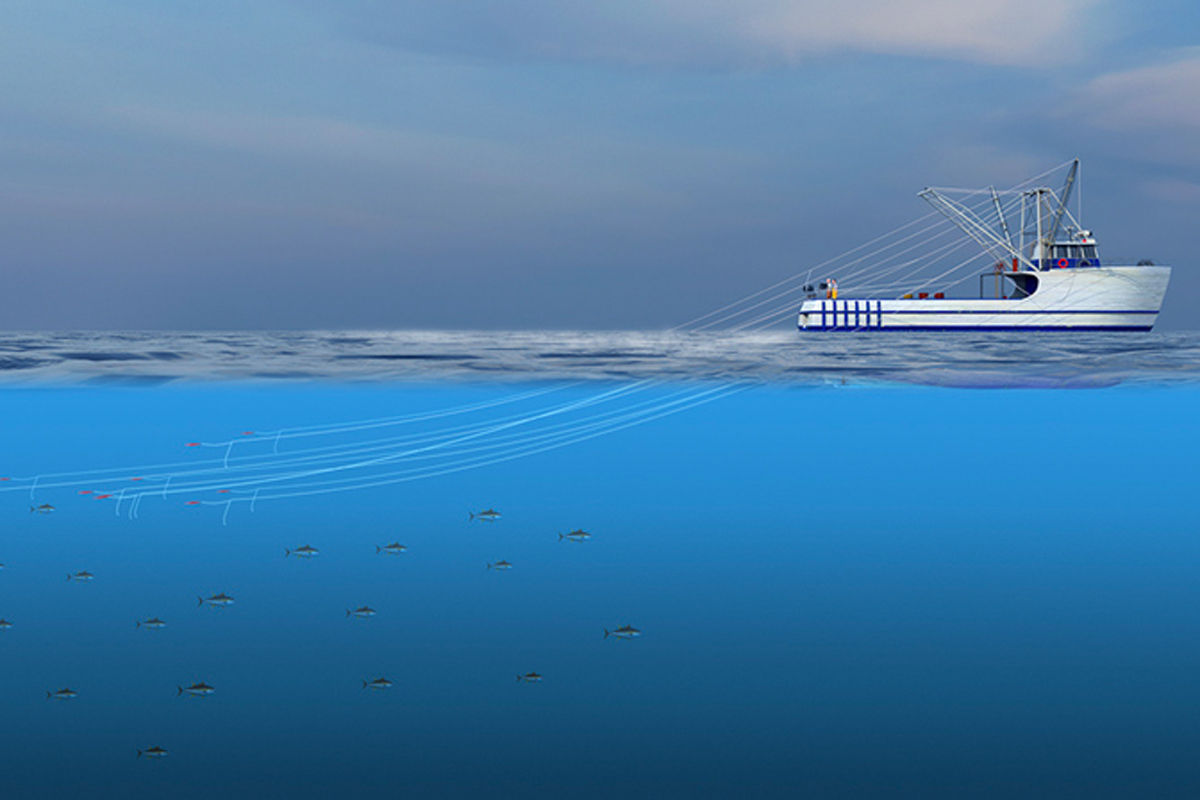
Longlines have a mainline and evenly spaced branch lines with baited hooks. They can be many miles long and have hundreds or thousands of hooks. Set longlines are placed on or near the bottom. Drifting longlines are set near the surface and at different depths in the water column. Bycatch of at-risk or overexploited species can be a significant conservation concern in longline fisheries, but gear modifications can reduce impacts on other marine life. For example, sinking drifting longlines deeper allows many animals to swim over them, and adding streamers above the water scares away seabirds. Also, a specially designed fishing hook called a circle hook can make it easier to release turtles and other animals that have been accidentally caught. Longlines are used to catch cod, halibut, tuna, swordfish, and many other species.

Fishing method: Midwater trawls
Midwater trawls herd and sieve fish with a cone-shaped net. The nets are configured to stay open in different ways. Weights on the lower wings keep the net open vertically, and the horizontal opening is maintained by otter boards or two boats. When in use, fish are herded into the net as the gear is towed. This gear doesn’t contact the seafloor when it’s used in the midwater zone, but the catch of at-risk species occurs in many fisheries. Using streamer lines to scare away seabirds and avoiding areas with high concentrations of marine mammals can reduce bycatch in these fisheries. Midwater trawls are used to catch anchovies, cod, flounder, krill, pollock, rockfish, squid, and many other species.

Fishing method: Pots
Pots are cage-like gears with one or more openings that animals can easily enter but are hard to exit. Pots are set with and without bait, and they may have openings that allow undersized or non-target marine life to escape easily. Pots are usually placed on the bottom, but some are designed to be in midwater. While unwanted species can be released alive and habitat impacts tend to be minimal, the entanglement of whales and other species is a serious conservation concern in some pot fisheries. Also, ghost fishing occurs when lost or abandoned pots continue to capture fish. Many species are caught with pots, such as cod, crab, lobster, octopus, and shrimp.
Fishing method: Purse seines
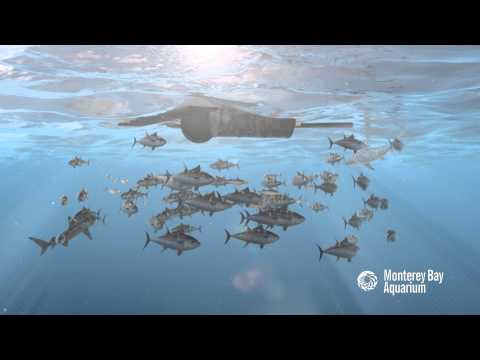
Purse seines surround fish with a large wall of netting. Evenly spaced rings are attached to the lower edge of the net, and a purse line made of steel or rope runs through the rings. When in use, the net is closed like a drawstring purse to capture fish. Floating object purse seines use natural or artificial floating objects called fish aggregating devices (FADs) to lure schools of tuna. When FADs are used, the catch of juvenile fish, sharks, and other vulnerable marine life can be a serious conservation concern. These impacts can be reduced by decreasing FAD use, using biodegradable or non-entangling FADs, and improving management and data collection. FAD-free purse seine fisheries target tuna without using FADs. This fishing method is also described as non-FAD, free school, or school-caught. Purse seines are used to catch many other species, such as squid, pollock, salmon, and anchovies.
Farming methods
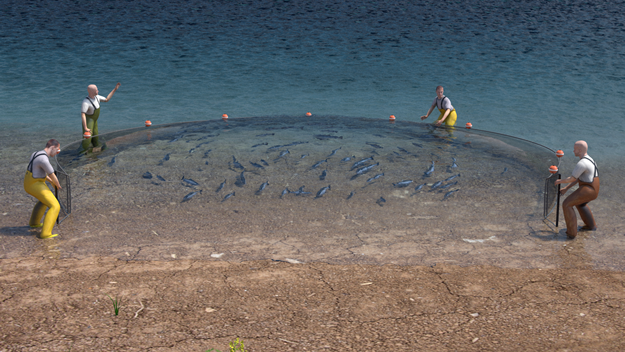
In the next decade, the majority of fish we eat will be farm-raised, not wild. Over 100 marine and freshwater species are farmed today using methods from traditional earthen ponds to high-tech tank systems. Each farming system has its own distinct environmental footprint. By choosing seafood from better farms and production systems, you can help reduce aquaculture's environmental impacts.
Farming method: Ponds
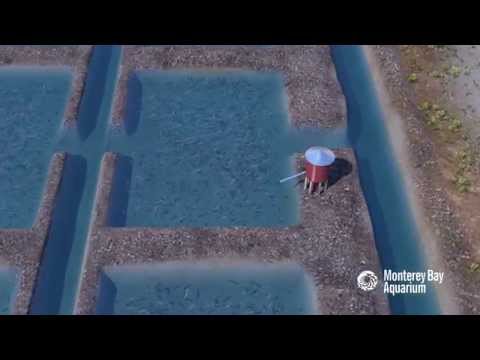
Ponds enclose fish and crustaceans in a relatively shallow and usually small body of freshwater or saltwater. They vary considerably from simple, low-tech extensive ponds to sophisticated hyper-intensive ponds where farmers have significant control over the rearing process and pond conditions, and production per hectare is very high. Historically, ponds were built along the coast, contributing to the destruction of mangrove forests. If water is discharged without treatment or screening, it can impact the surrounding environment or allow farm-raised species to escape. Closed systems, where water is treated and used for multiple production cycles, reduce the risk of escapes and pollution. Shrimp, catfish and tilapia are commonly raised in ponds.

Farming method: Recirculating tanks
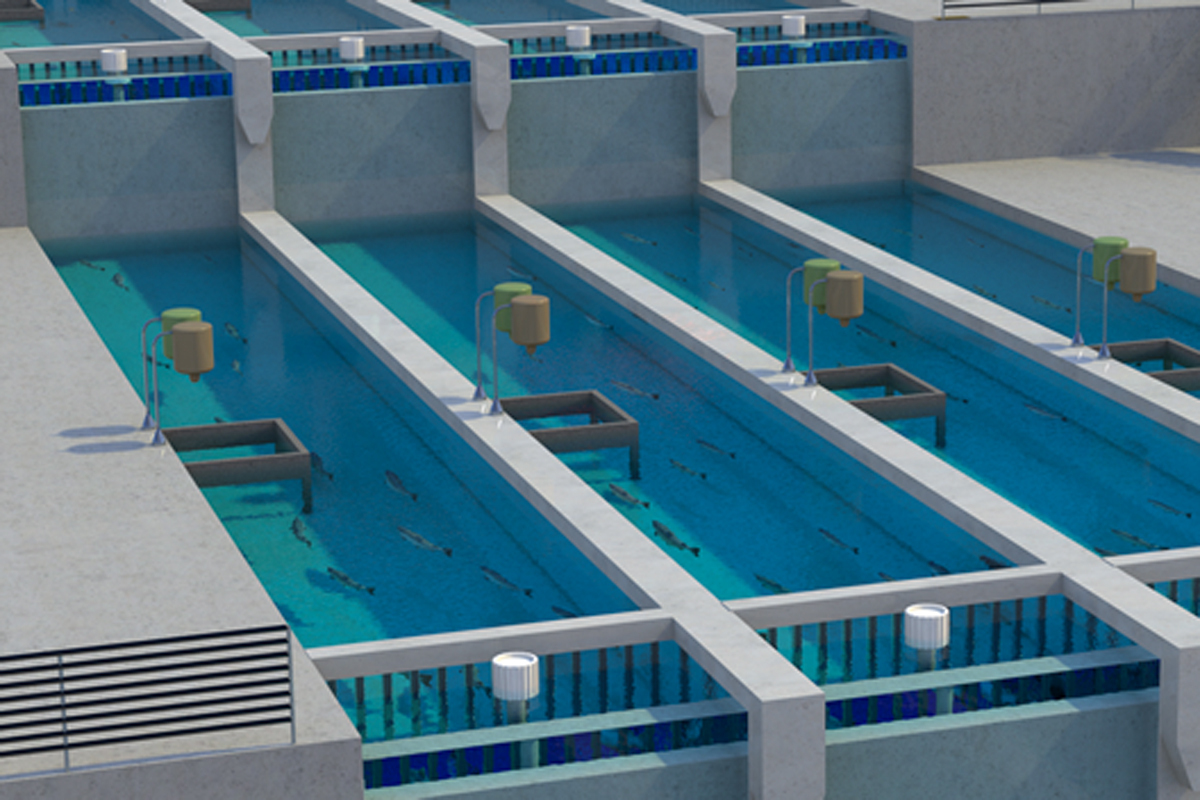
Recirculating tanks have continuous water flow, and the wastewater is treated and reused. These systems can be indoor or outdoor, and they’re usually above ground. This farming method addresses many of the environmental concerns associated with aquaculture. The farms can be built in a variety of locations to avoid sensitive habitats. They can also minimize or avoid the discharge of pollutants beyond the farms. The potential for disease and parasite transfer to the natural environment is low, and escapes of farmed fish can be prevented. This method is also called RAS, land-based, and tank-farmed. Many finfish species, such as Arctic char, striped bass, and sturgeon, can be raised in land-based, recirculating tanks.

Farming method: Extensive to intensive shrimp ponds
Most shrimp produced globally are farm-raised in ponds. As ponds are built or modified, inputs like fertilizers, aerators, and feed may be added. Shrimp farms range from extensive, low-input systems to intensive, high-input operations. Each step toward intensification increases production beyond the pond’s natural capacity. Because altering landscapes carries risks, it’s important for farmers to use sustainable practices to minimize impacts on the surrounding environment.
Keep exploring
Animals & the ocean
Where does seafood come from?
Dig into the basics of seafood sourcing and what it means for your choices.
Read more – Where does seafood come from?
Animals & the ocean
Aquaculture basics
Learn the basics of aquaculture, or fish farming, and why sustainably farmed seafood can help our ocean.
Read more – Aquaculture basics
Animals & the ocean
Sustainable solutions
From preventing habitat damage to limiting disease spread see how fisheries and fish farms can reduce impacts.
Explore – Sustainable solutions