
Aquaculture basics
When you choose sustainably farmed seafood, you support a healthy ocean.
What is aquaculture?
Aquaculture is the farming of fish, shellfish, and seaweeds. While some seafood is wild-caught, many types of seafood can also be farmed, including oysters, shrimp, salmon, trout, and more. Today, over 50 percent of the seafood we eat comes from farms—and that number continues to increase.
Is farmed or wild-caught seafood better?
Some buyers think wild-caught seafood is better than fish raised in aquaculture farms, but one isn't necessarily better than the other. Seafood can be sustainably harvested from both wild populations and aquaculture—if done properly.
Why is sustainable aquaculture important?
As the human population and the demand for seafood continue to grow, aquaculture is becoming increasingly important. In the next decade, the majority of fish we eat will be farm-raised.
The aquaculture industry is growing rapidly, and with this expansion comes a range of concerns about the environmental and social impacts of seafood production. When aquaculture is done in an environmentally and socially responsible way, it supports a healthy ocean, provides jobs, and feeds billions of people around the world.
What does sustainable aquaculture look like?
By choosing seafood from better farms and production systems, you can play a positive role in reducing aquaculture's potential negative impacts. Sustainable aquaculture uses practices that limit the impact of the farm on the environment, including:
What farmed seafood should I eat?
Change & impact
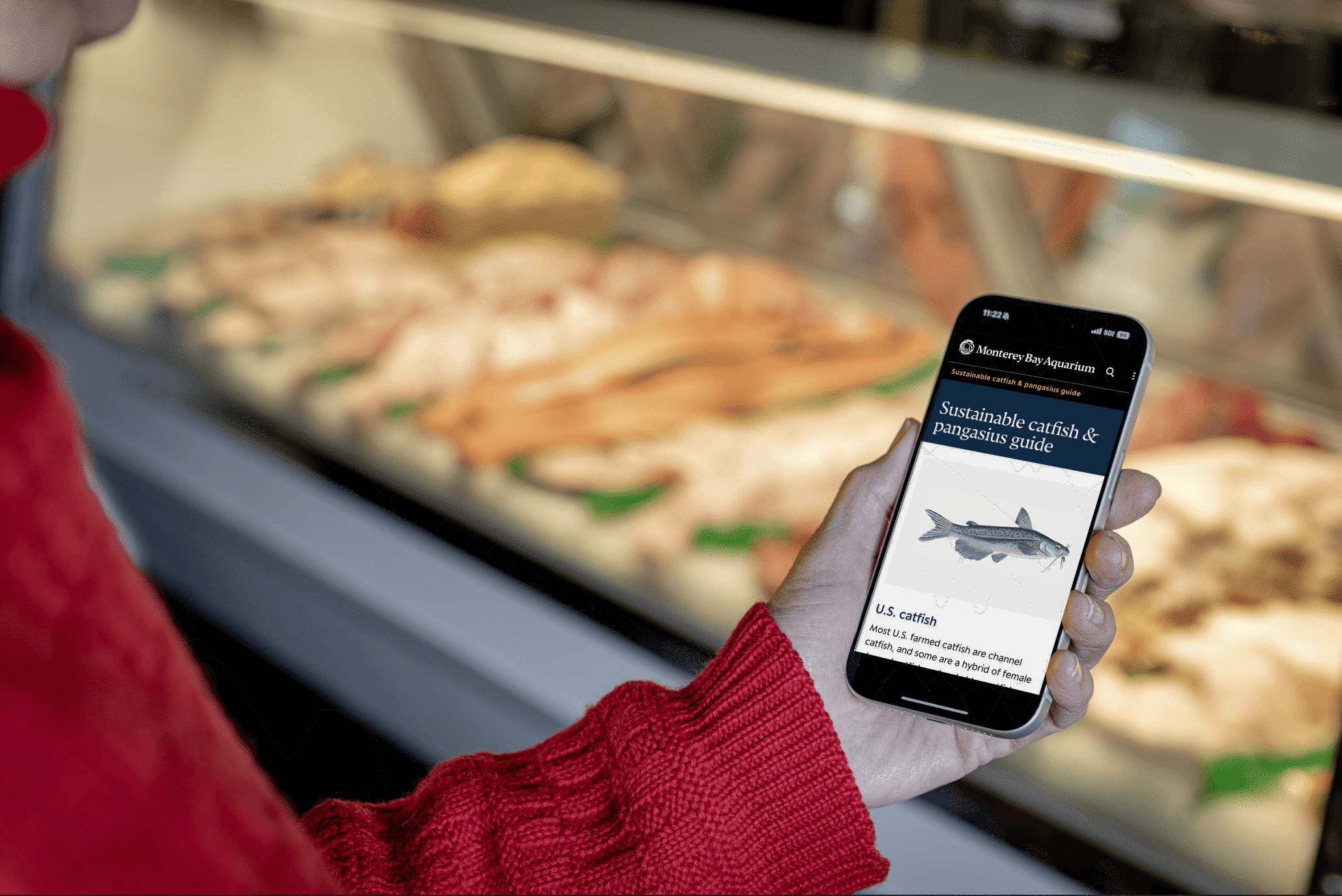
Sustainable seafood by species
Learn which types of salmon, tuna, shrimp, and other seafood are the best options.
View species guides – Sustainable seafood by species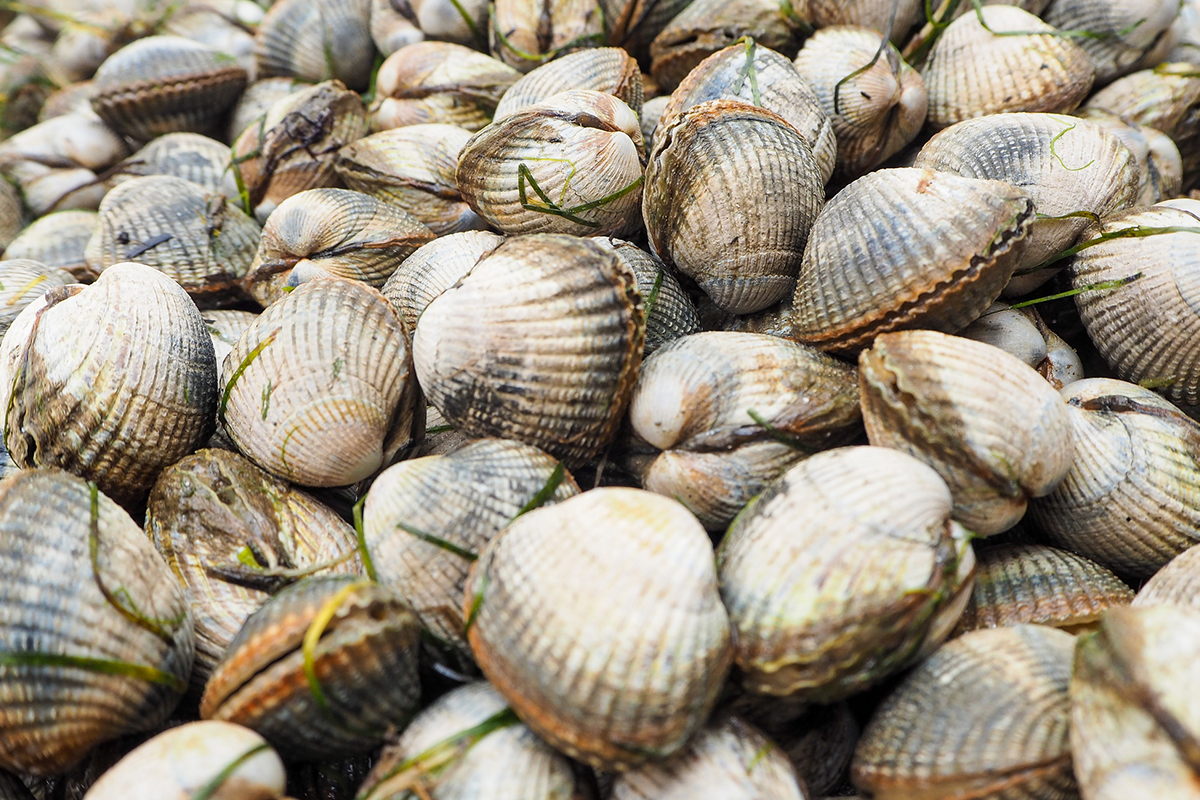
Change & impact
Farmed clams
These beautiful bivalves are a sustainable, versatile culinary delight.
Read more – Farmed clams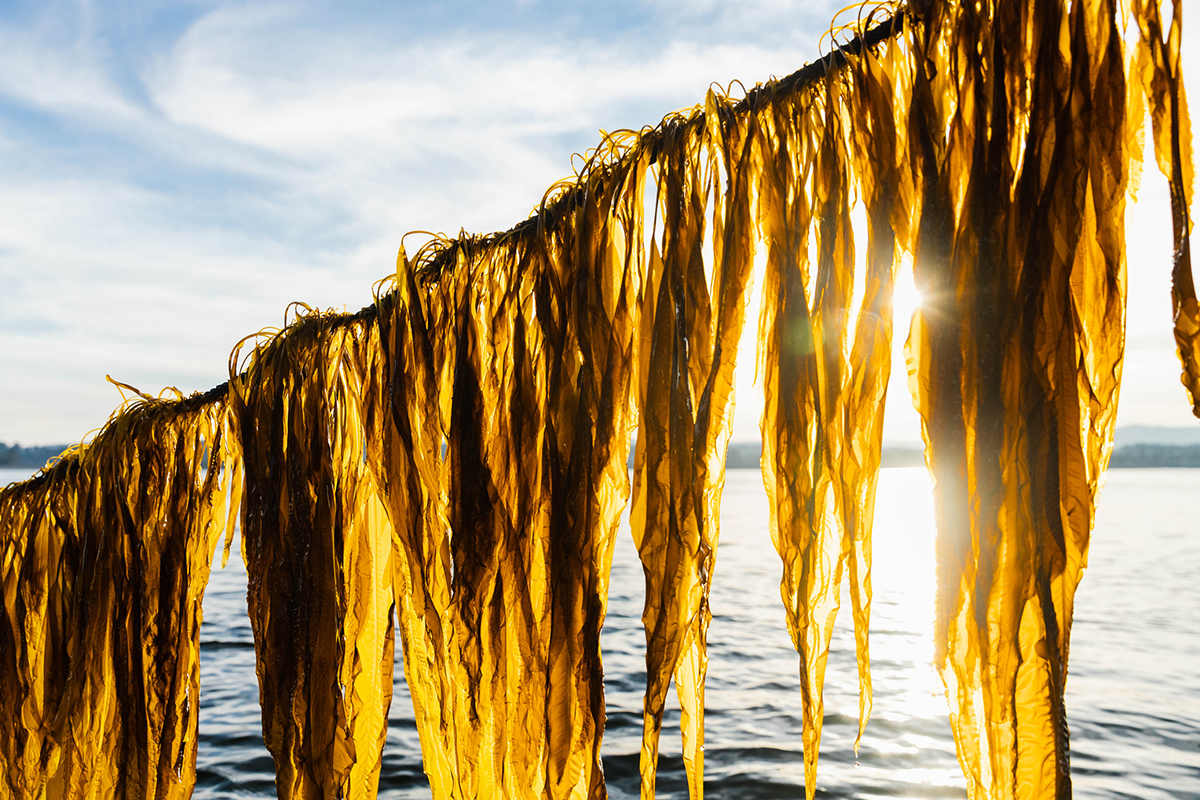
Change & impact
Farmed seaweed
These nutritious, sustainable sea vegetables have been eaten for centuries—and you can try them too!
Read more – Farmed seaweedDid you know?
The U.S. has a small but growing aquaculture industry. There is increasing interest by the private sector and the government to expand farming in offshore waters, but there are few examples of sustainable offshore aquaculture. Seafood Watch is working with several partners to inform this emerging use of the ocean with the best science, tools, and strategies. It's important that we understand and address key risks of U.S. offshore aquaculture. Let’s get it right from the start!
See our work improving farmed seafood
Global projects
Farmed giant tiger prawns in Vietnam
Vietnam is the top giant tiger prawn producer, yet struggles with chemical use and habitat impacts.
Change & impact
Verification Platform
Our platform enables small-scale shrimp farmers to demonstrate their environmental sustainability.
Catch the latest news
Sign up for our ocean action email to stay up to date on the latest seafood recommendations, conservation stories, and other news from Seafood Watch and the Monterey Bay Aquarium.
Keep exploring
Animals & the ocean
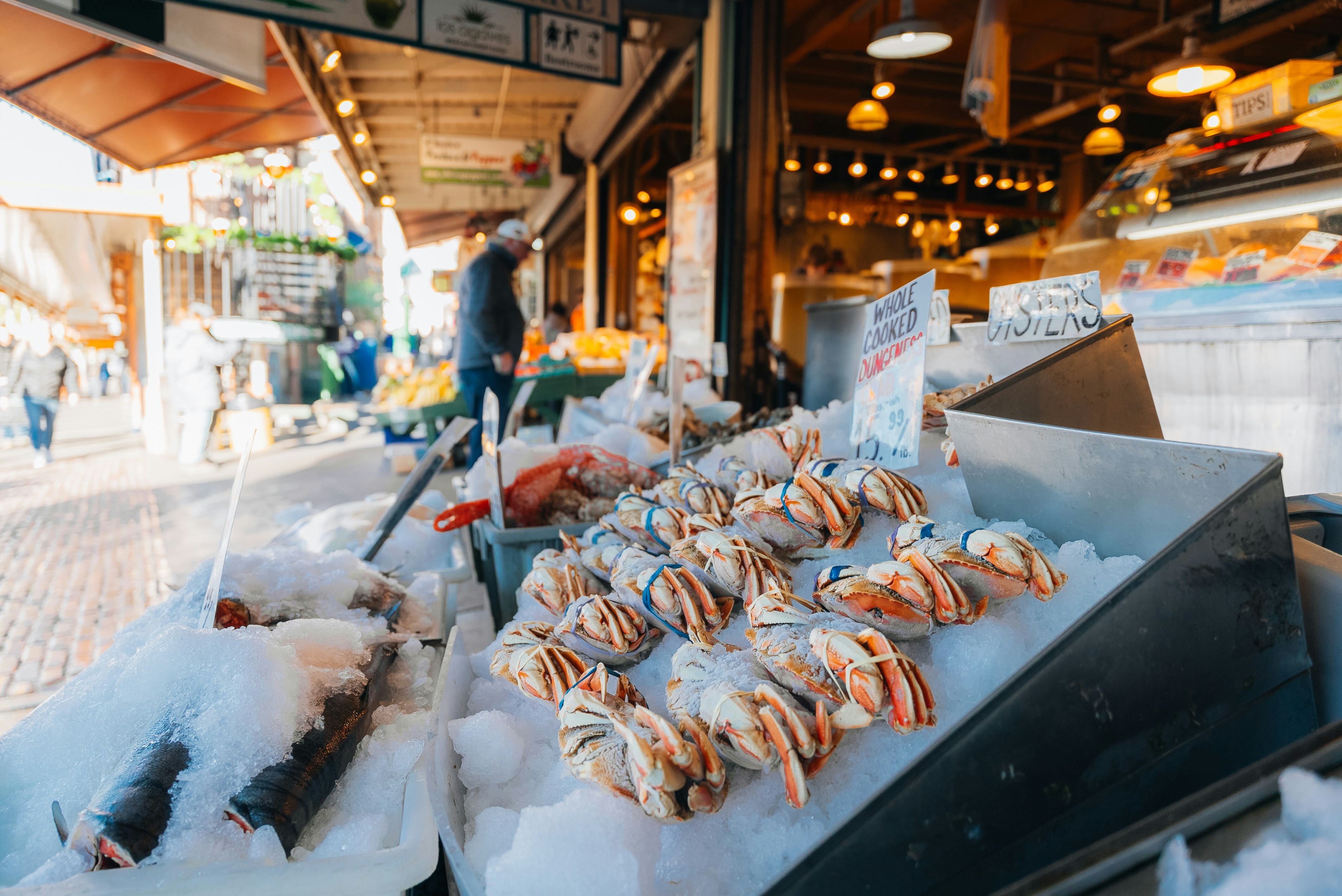
Where does seafood come from?
Dig into the basics of seafood sourcing and what it means for your choices.
Read more – Where does seafood come from?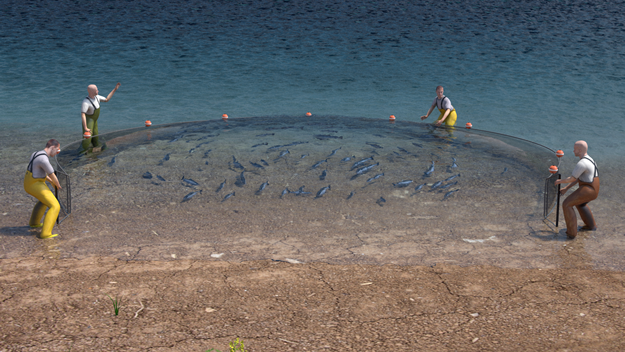
Animals & the ocean
Fishing & farming methods
When you choose sustainable seafood, you reward the fishermen and farmers who use better harvest methods.
Read more – Fishing & farming methods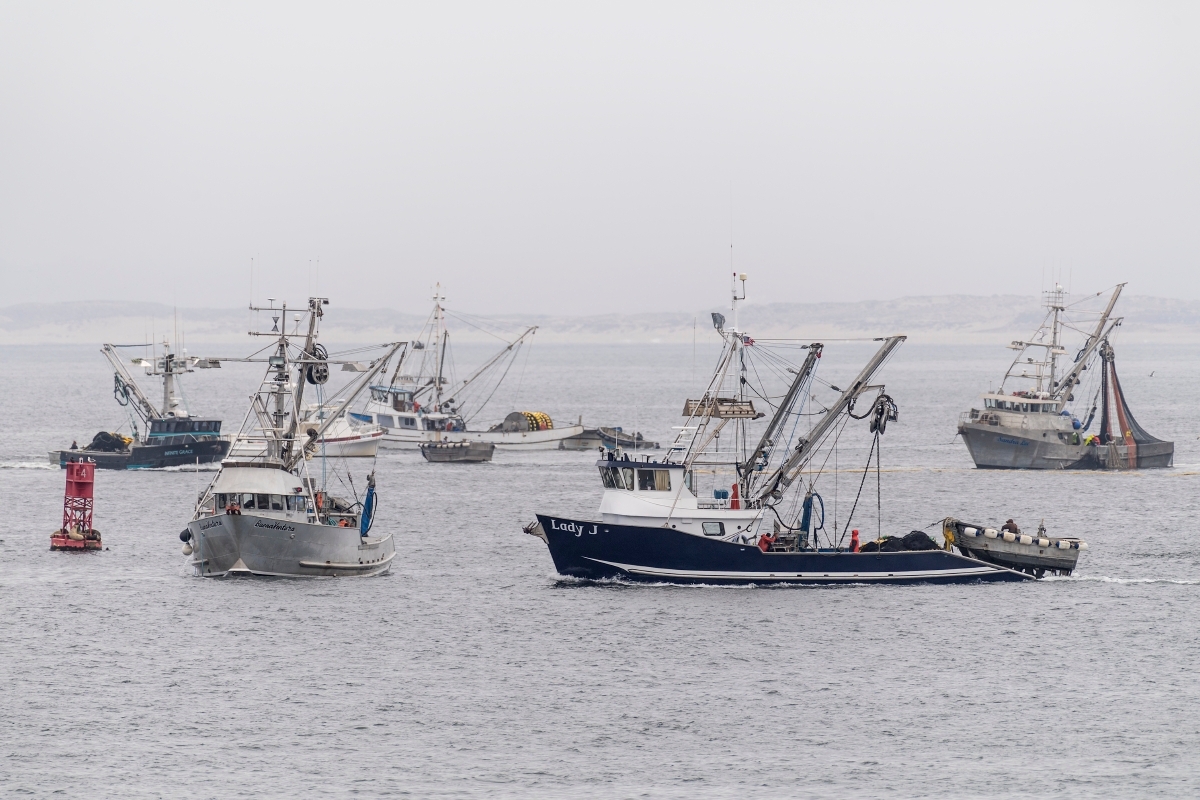
Animals & the ocean
Sustainable solutions
From preventing habitat damage to limiting disease spread see how fisheries and fish farms can reduce impacts.
Explore – Sustainable solutions