

Where does seafood come from?
Many buyers remain uncertain of where their seafood comes from. Should you buy wild-caught or farmed? Domestic or imported? Dig into the basics of seafood sourcing and what it means for your choices.
Wild-caught vs. aquaculture
© Corey Arnold
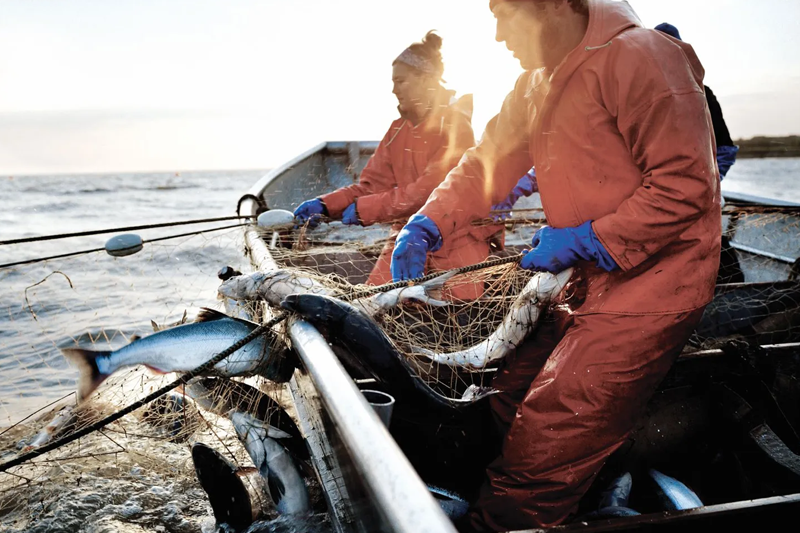
Wild-caught seafood
Ocean fish are wildlife—the last such creatures that we hunt on a large scale. And while the sheer size of the ocean is massive, there are many signs that its resources aren’t infinite. Sixty-six percent of fish populations are currently fished at, or above, their sustainable limit. Sea turtles, sharks, marine mammals, and seabirds are often unintentionally caught and killed by fishing lines and nets.
By transitioning to more sustainable fishing methods, fishermen can preserve or rebuild our remaining wild stocks, limit the bycatch of other wildlife, and protect ocean habitats.
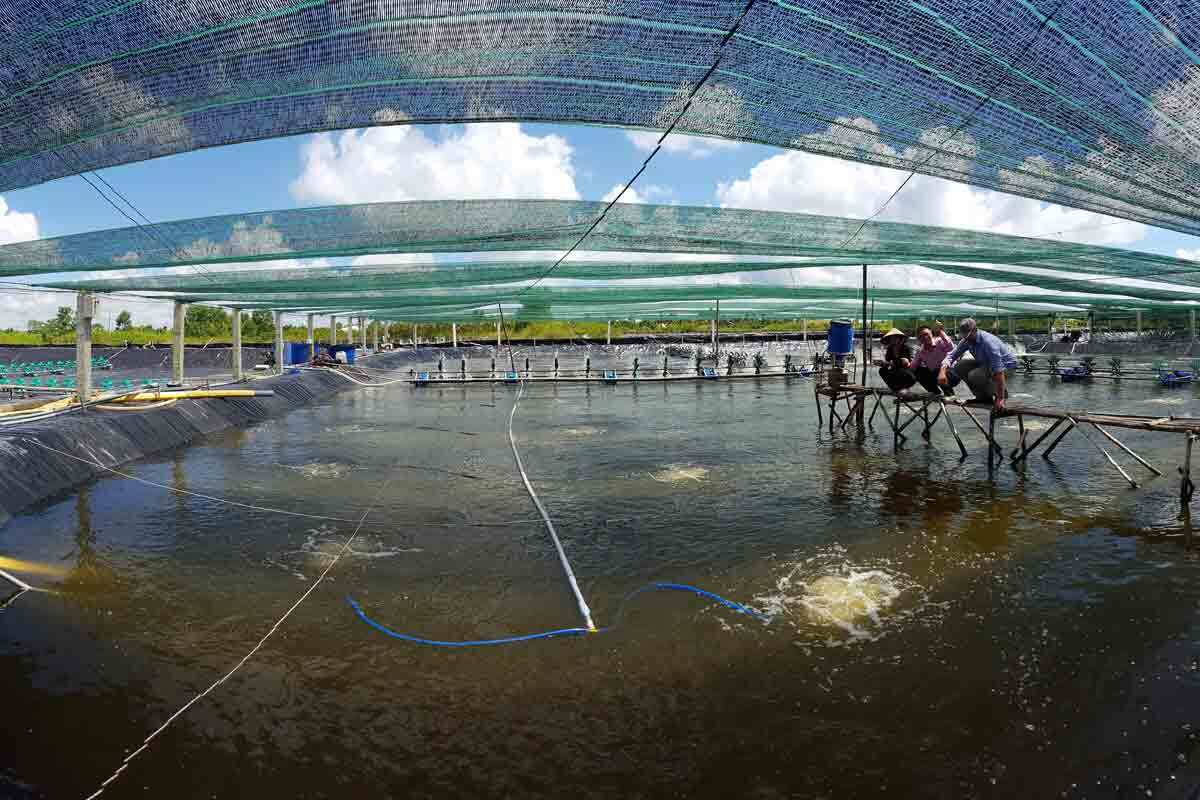
Aquaculture
As the human population and the demand for seafood continue to grow, aquaculture will become increasingly important. In fact, the aquaculture industry has grown enormously over the last three decades and now provides more than half of the fish we eat. With this expansion has come a range of concerns over the environmental and social impact of seafood production.
By adopting environmentally responsible farming methods, we can create an aquaculture industry that will serve future generations and protect the planet.
Domestic vs. imported seafood
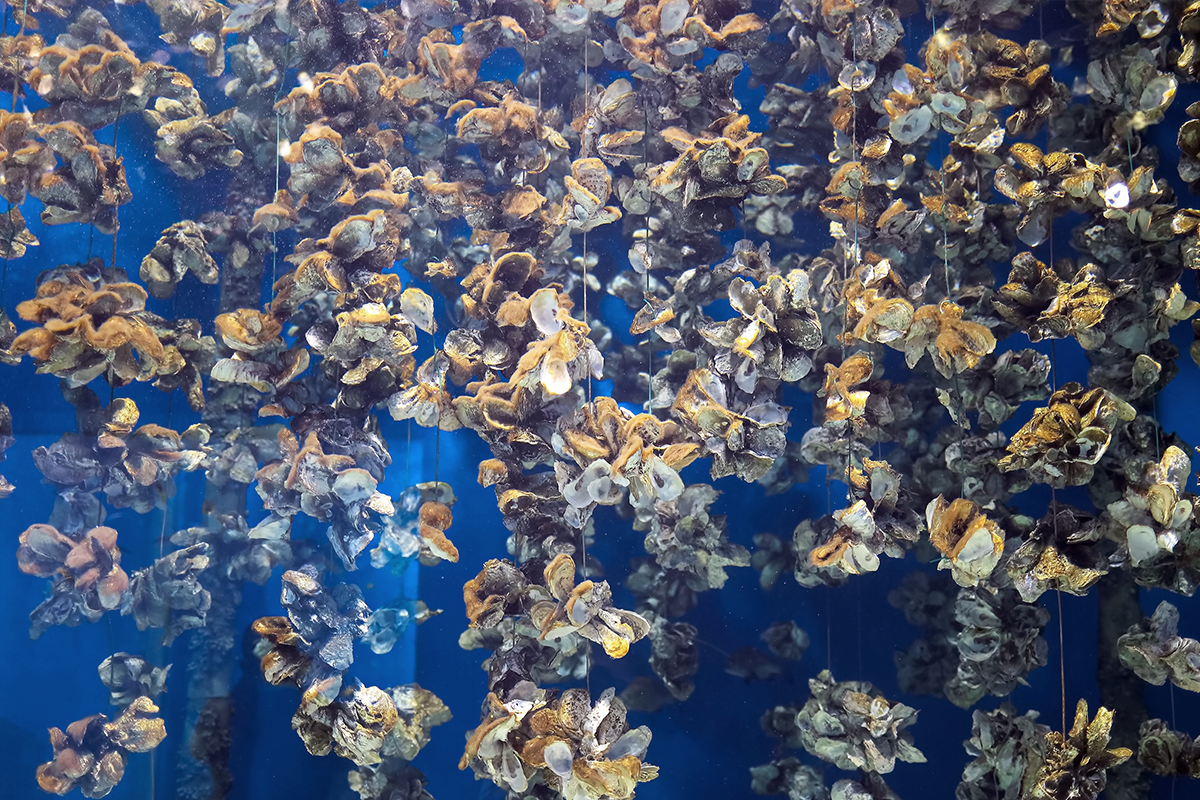
Domestic seafood
Seafood caught or farmed in the U.S. is managed under some of the strongest environmental regulations in the world. These rules help protect ocean ecosystems, prevent overfishing, and support responsible aquaculture practices.
Choosing domestic seafood can often mean greater transparency and stronger oversight—both environmentally and socially.
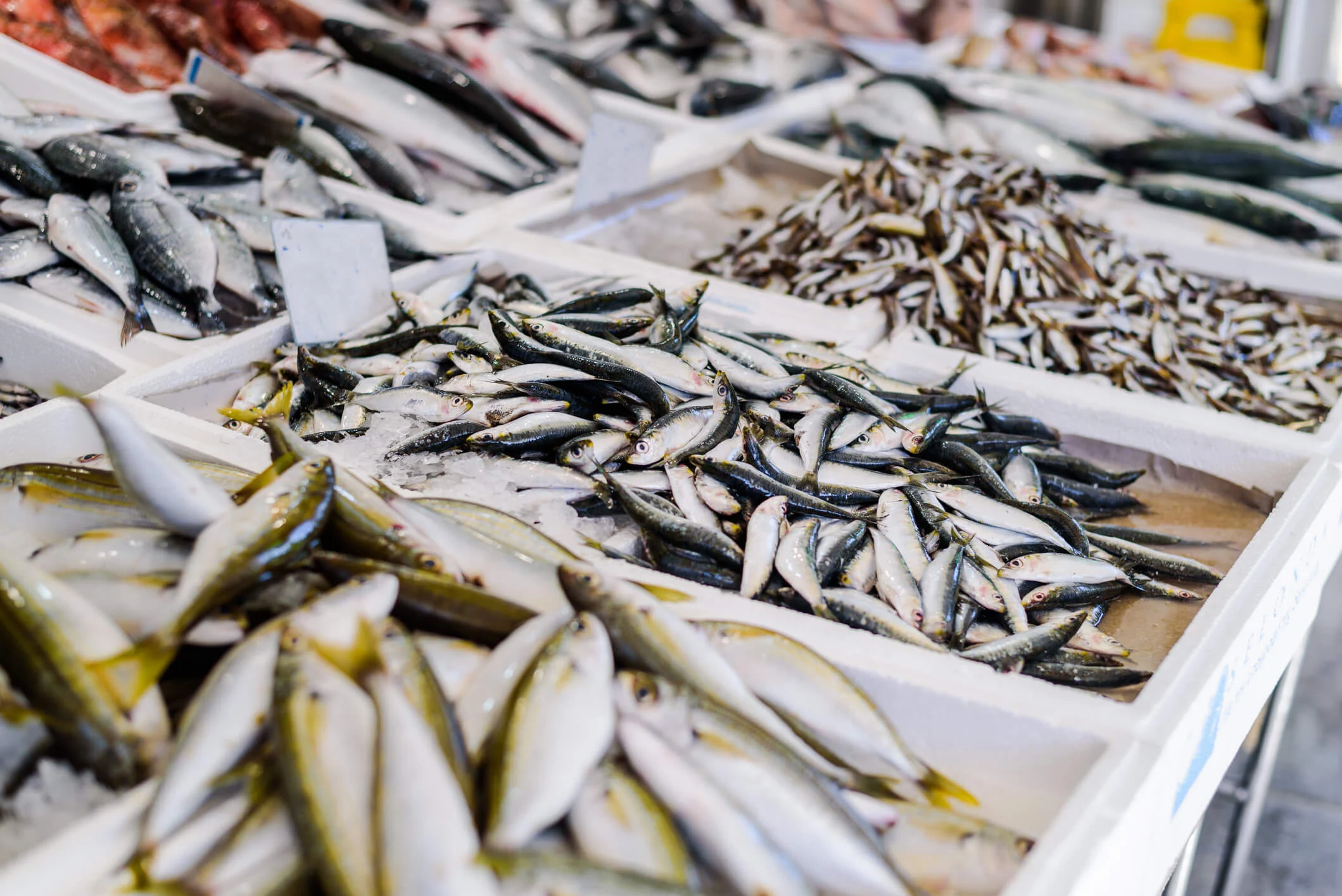
Imported seafood
About 60 percent of the seafood eaten in the U.S. is imported. In some countries, regulations governing fishing and aquaculture may be less strict, which can create environmental or labor concerns.
However, imported seafood is not automatically a poor choice. Many international fisheries and farms operate responsibly, earning green Best Choice ratings.
Keep exploring
Animals & the ocean
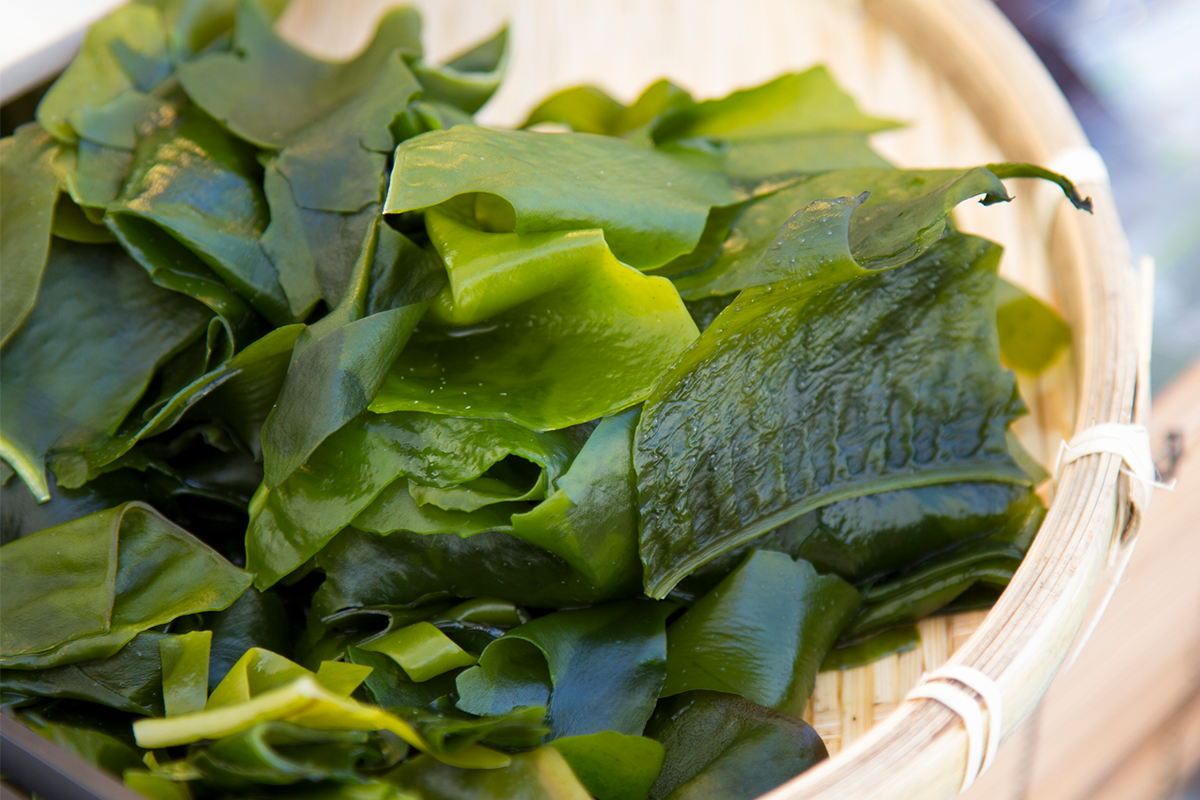
The Super Green List
The Super Green List features 10 seafoods that are good for you and the planet.
Explore – The Super Green List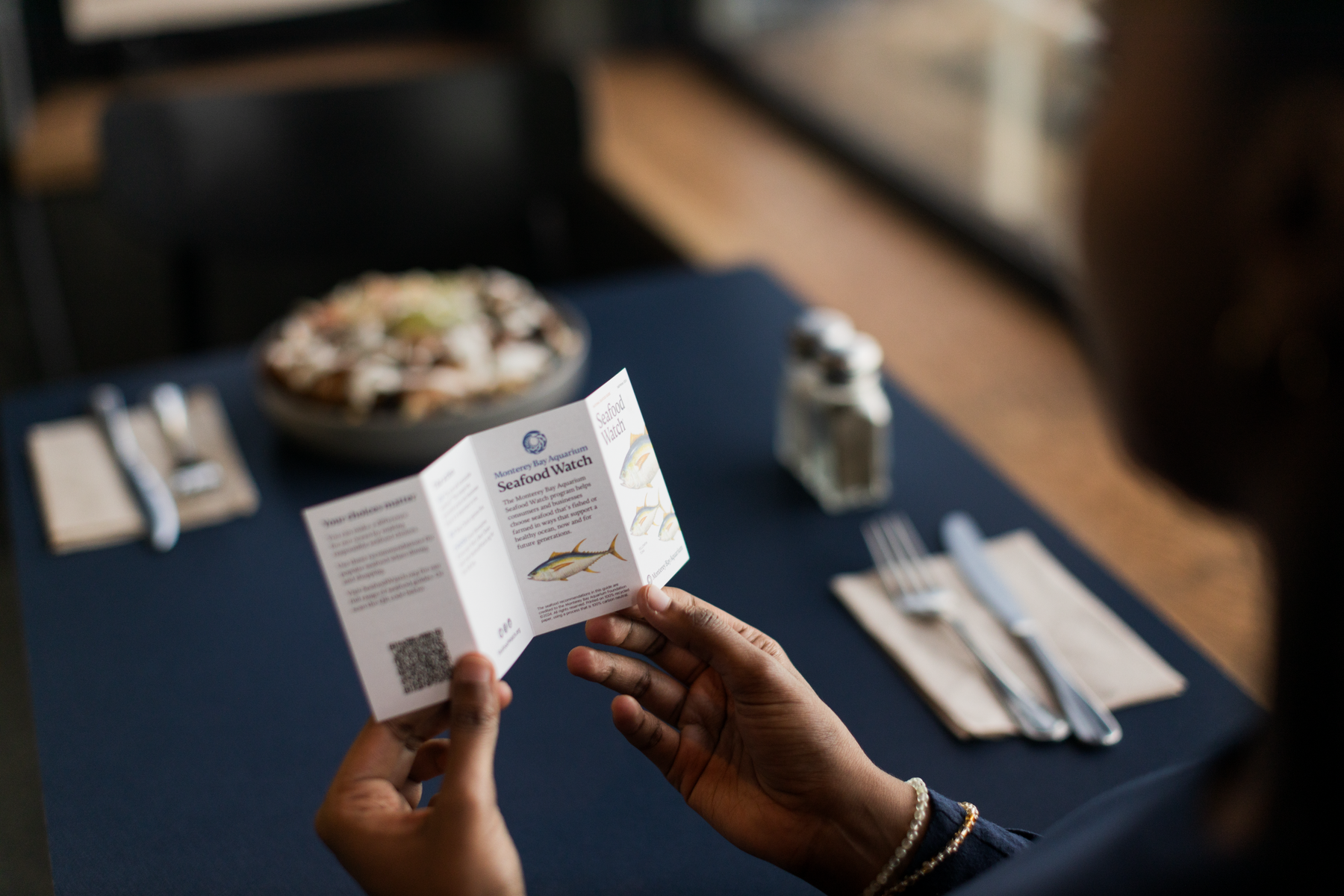
Animals & the ocean
Best seafood choices
Our guides help you make the best seafood choices when shopping and dining out.
View and download guides – Best seafood choices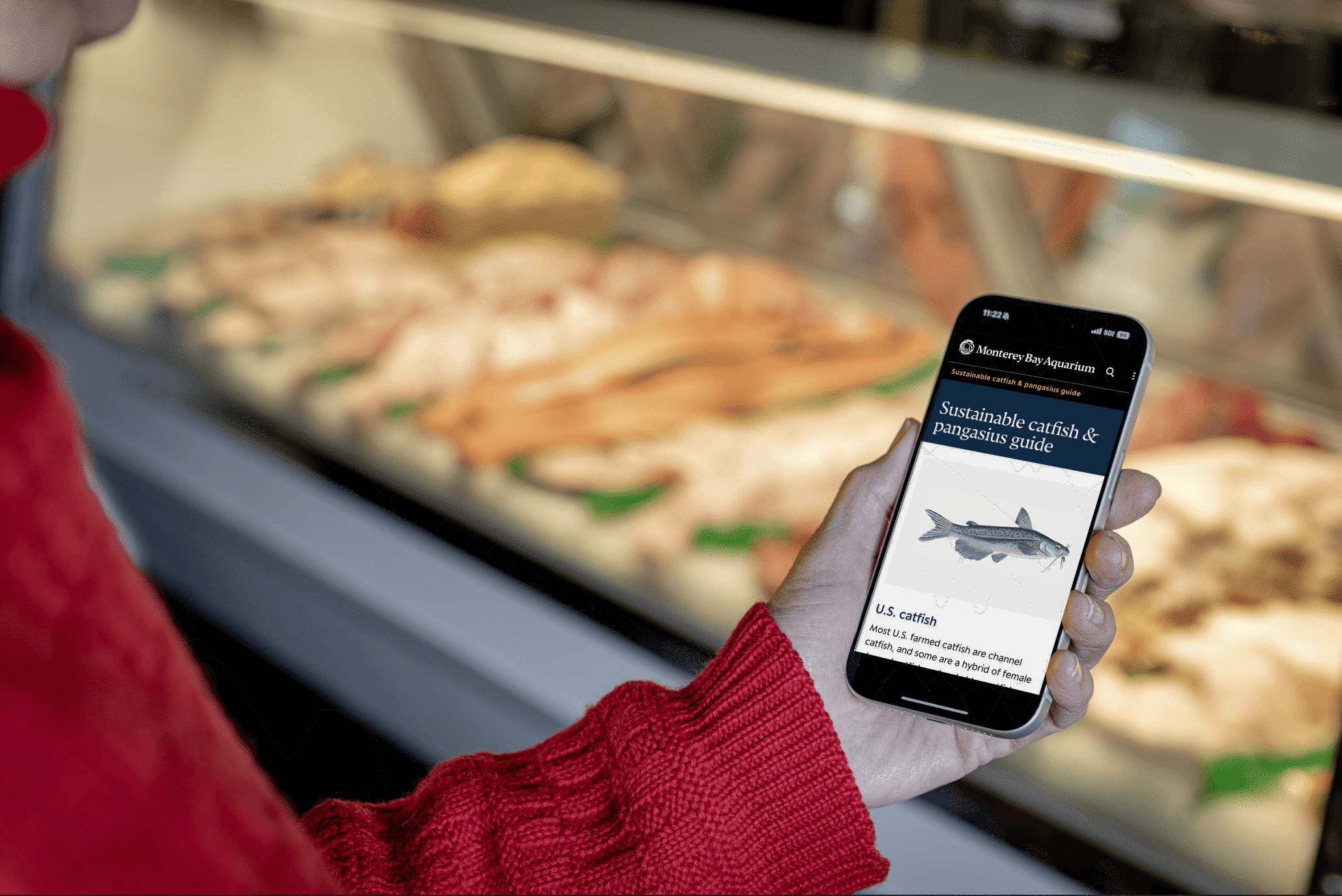
Animals & the ocean
Sustainable seafood by species
Learn which types of salmon, tuna, shrimp, and other seafood are the best options.
View species guides – Sustainable seafood by species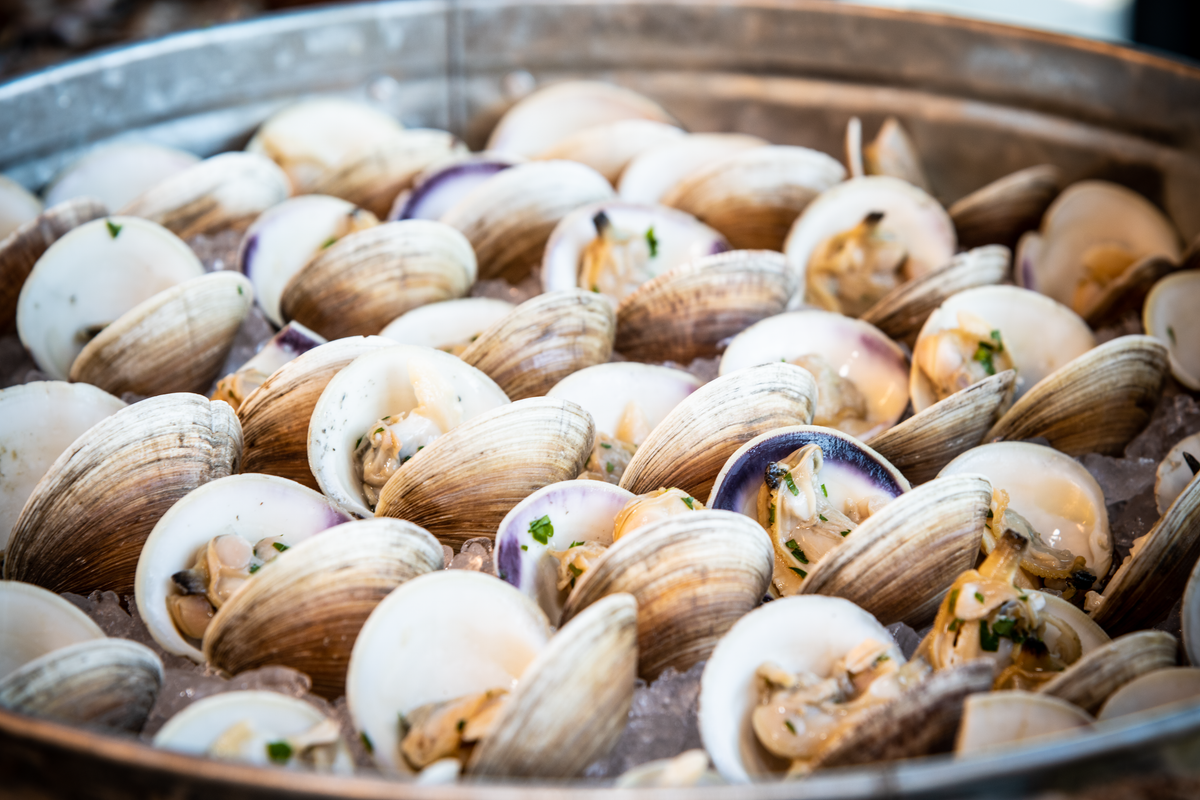
Animals & the ocean
Seafood recipes
Looking for sustainable seafood recipes? These dishes are delicious, good for you, and good for the planet.
See recipes – Seafood recipes