

What is microplastic?
What is microplastic pollution?
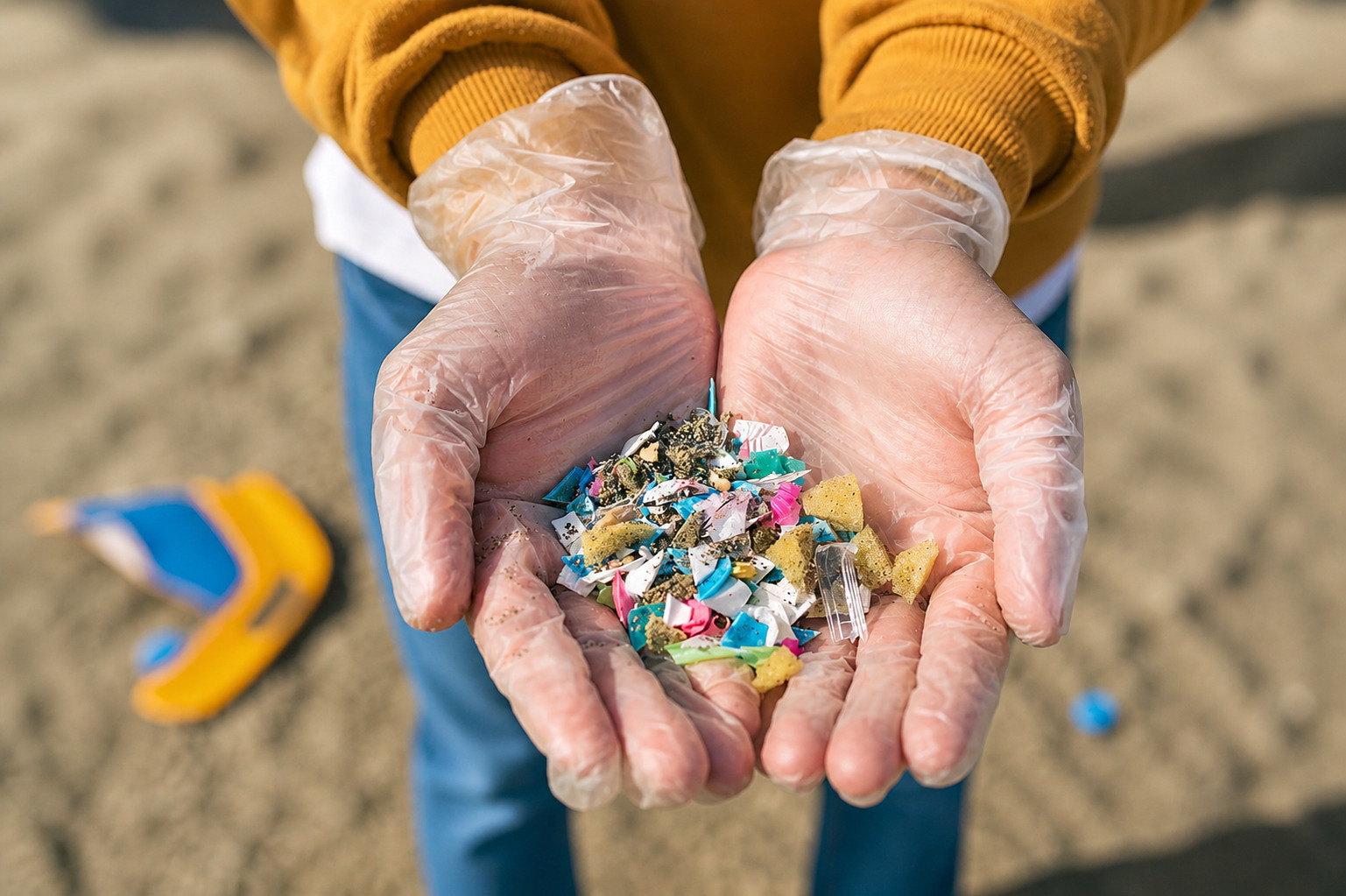
Microplastics are tiny plastic particles, typically defined by a size range of less than 5 mm, about the size of a grain of rice. Even smaller are nanoplastics, which are so minute they can pass through cellular membranes.
Unlike organic matter, which quickly breaks down into non-toxic building blocks found in nature, plastic takes centuries to truly decompose. Instead, it fragments over years and decades into smaller and smaller pieces that maintain their exact chemical composition. This has led to a reality where micro- and nanoplastics are everywhere—in clouds and in rain and in the most remote corners of the ocean.
Where does microplastic come from?
Understanding microplastic sources is key to stopping the flow. They generally come from:
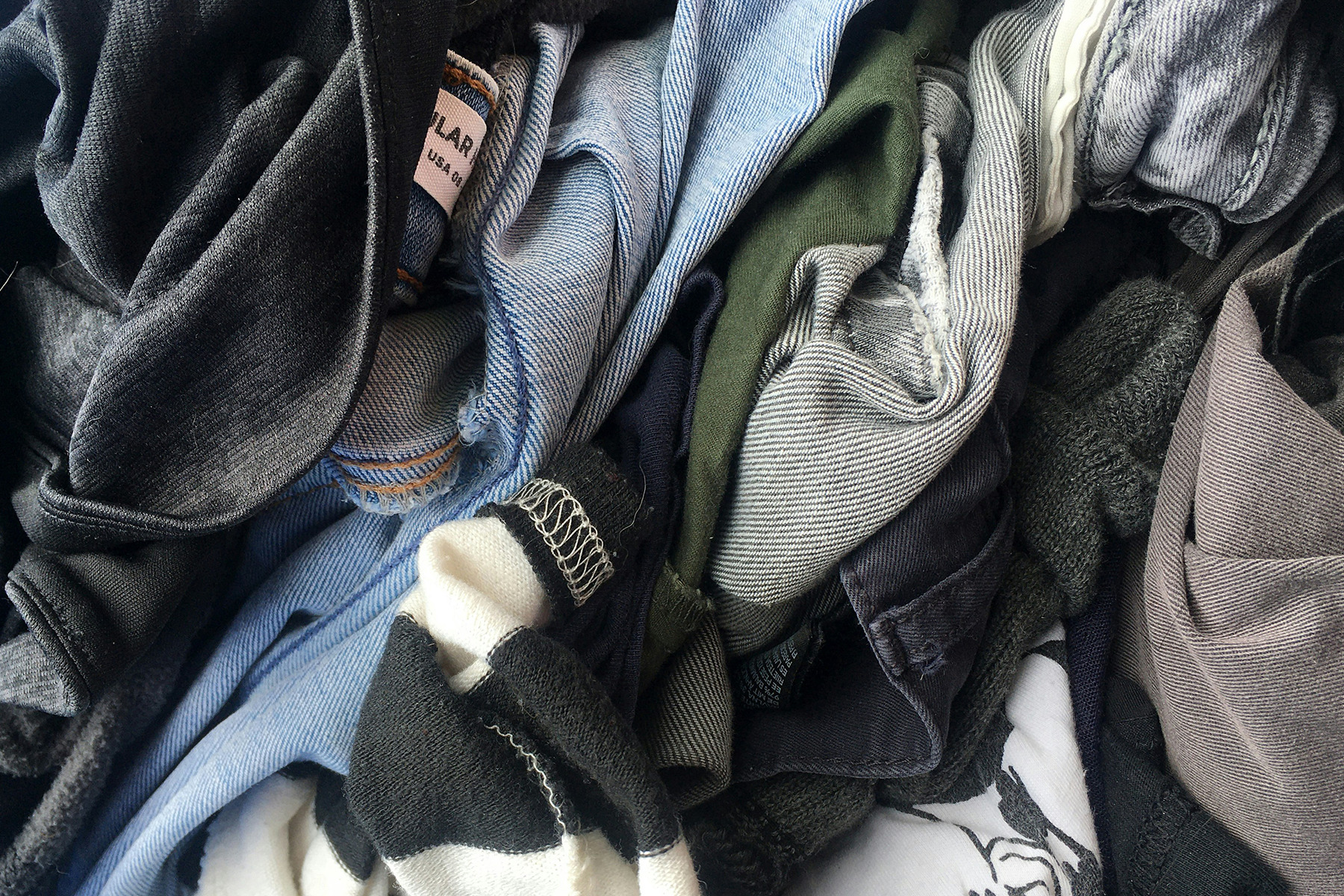
- Synthetic clothing: Fabrics like acrylic, polyester and nylon—are made from plastic. Items such as fleece jackets, athletic clothing, and polyester blankets can shed up to 1,900 microfibers per laundry cycle. Once they flow out of washing machines, these fibers are small enough to pass through wastewater treatment systems and end up in the ocean.
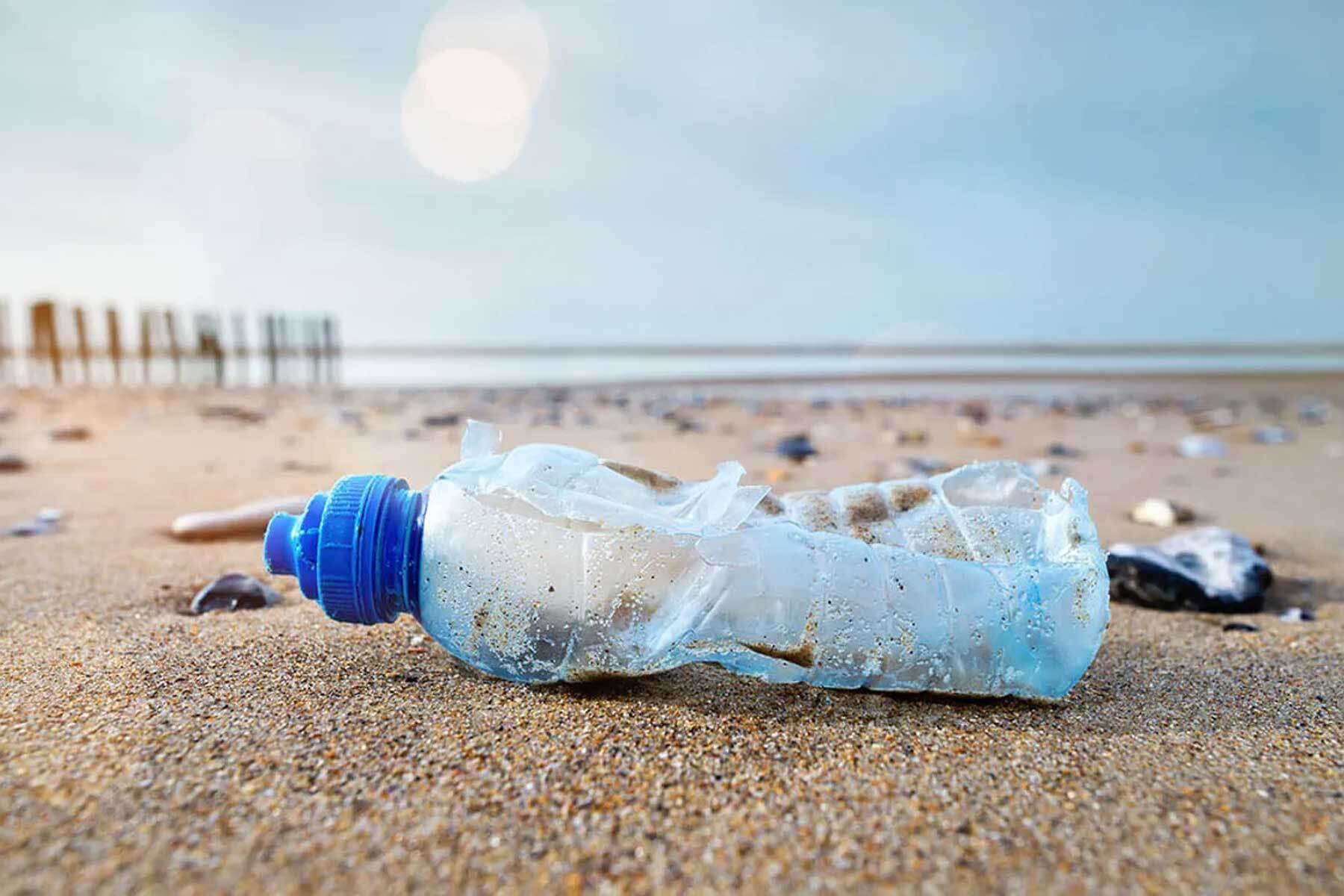
- Consumer goods & packaging: Everyday plastic items—like single-use plastic water bottles, food wrappers, take-out containers, and plastic tea bags—become brittle over time and break apart into countless microplastic fragments.
- Microbeads: Small, plastic beads found in personal care products like face wash and toothpaste. Microbeads in these rinse-off products can go straight down the drain. Many microbeads are not captured by wastewater treatment plants and make their way to the ocean. Fortunately, the U.S and other countries have banned the use of microbeads in these types of products.
- Vehicle tires: Synthetic rubber tires erode on roads, contributing significantly to microplastic air pollution and toxic runoff into rivers and oceans.
Detection in the ocean and the food chain
In our ocean research alongside our technology and science partner, the Monterey Bay Aquarium Research Institute (MBARI), we used underwater robots to sample water in Monterey Bay, one of the most protected ocean areas in the world and a National Marine Sanctuary. What we found was sobering. Microplastics were present everywhere, from the surface to the seafloor—1,000 meters deep. The highest concentration wasn’t at the top. It was in the midwater, crucial habitat where most marine animals feed and where the marine food web comes together.
Even more concerning, every single animal we sampled, from pelagic red crabs to giant larvaceans, contained microplastics.
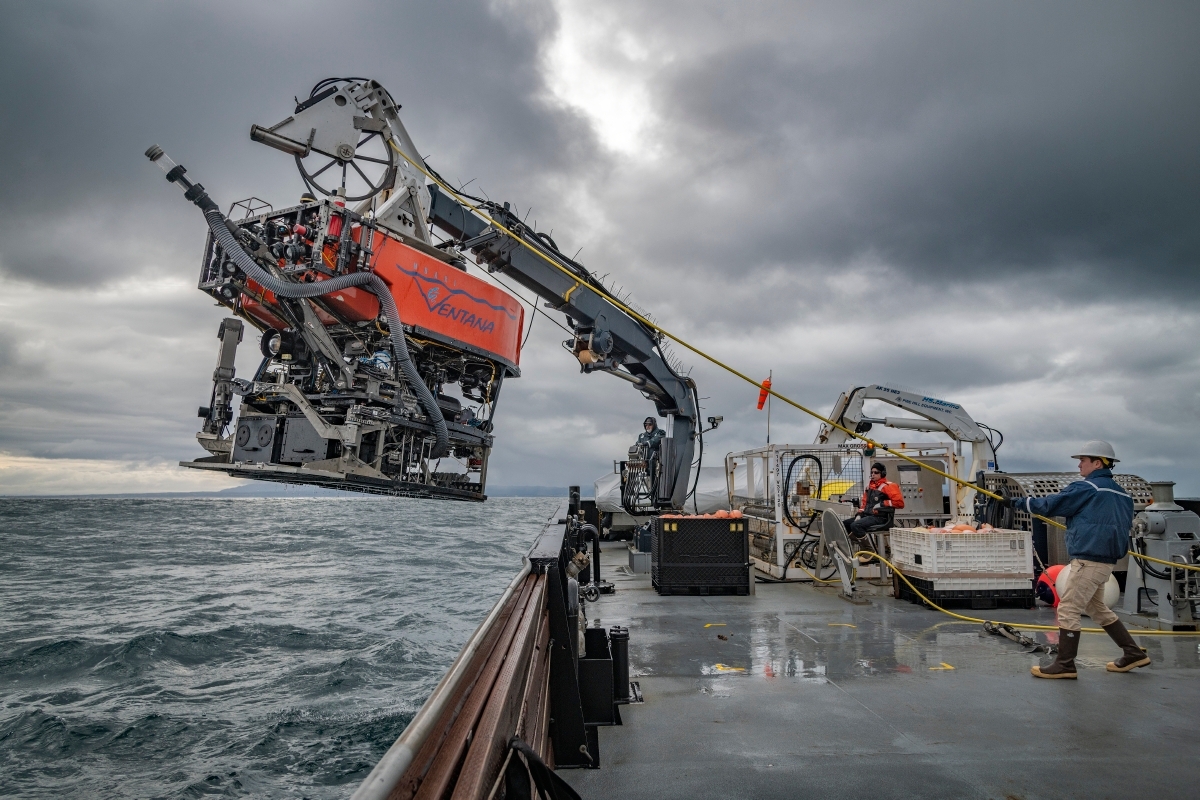
The Monterey Bay Aquarium Research Institute's (MBARI) remotely operated vehicle (ROV), Ventana, being lowered into the ocean during a research and collection trip
Environmental effects on marine life
Since microplastics were first found in the ocean they have been reported in every ecosystem examined. When microplastics invade habitats, they inevitably end up in the stomachs of ocean animals. The impacts of microplastic consumption on wildlife are severe:
- Physical damage: Microplastic can block digestive tracts or give a false sense of fullness, leading to starvation. Microplastic can also cut organs and lead to internal bleeding. Recent research shows that ingesting even small amounts of plastic can be lethal: in certain species, eating plastic equal to just a few sugar cubes can greatly increase the chance of death.
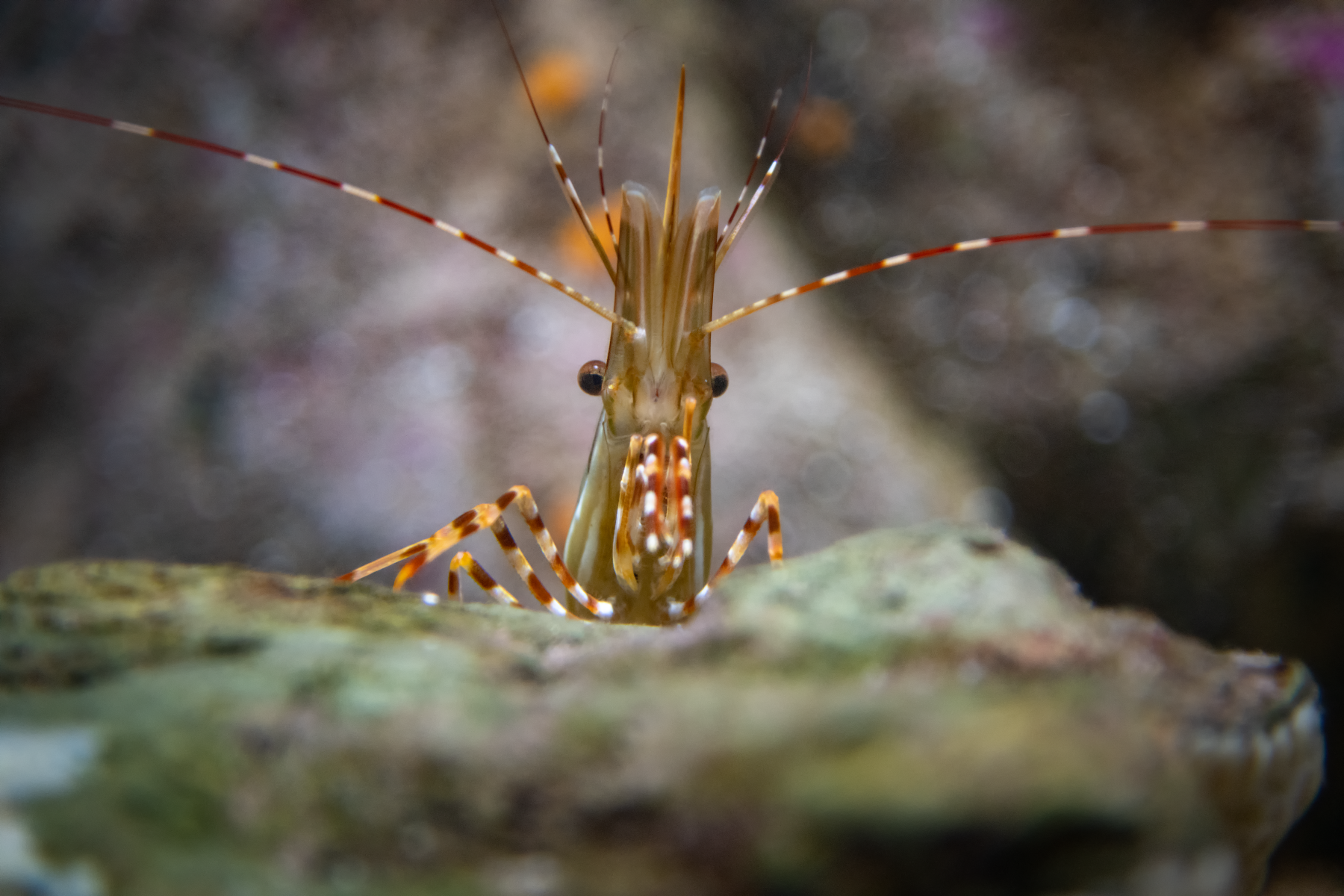
- Stunted growth: Studies show that crustaceans like lobsters and prawns eat less, grow less, and use energy less efficiently when exposed to microplastics.
- Reproductive issues: In oysters, microplastic can disrupt reproduction. A major study showed that oysters exposed to microplastics produced 38% fewer eggs. In fish, microplastic particles can cross the blood-brain barrier, causing structural damage to the brain and interfering with nerve signaling. This leads to altered predatory behavior, reduced fertility, and damage to the liver and gills
- Toxic transfer: Microplastic is a primary "vehicle" for transferring heavy metals and pesticides through the food chain, eventually reaching humans who consume contaminated seafood. Find our curriculum, Biomagnification in ocean food webs: Plastic pollution here.
- Disease increase: For corals, the impacts are especially severe — disease rates increase from 4 percent to as high as 89 percent when in contact with plastics.
Human health concerns
The microplastic problem isn't just an ocean issue; microplastic pollution can also affect human health. Tiny plastic particles and nanoplastics have permeated our daily environment. We swallow microplastics through food and drinks, including bottled water. We also breathe them in from the air inside and outside. They can even absorb through our skin from things like lotions.
- Internal exposures: Scientists are reporting finding microplastics and nanoplastics inside human organs including our blood, hearts, brains, eyes, livers, kidneys, lungs as well as in the gut.
- Toxic chemical exposure: Microplastics act as vehicles for harmful chemical additives like PFAS and phthalates. Once inside the body, these toxins can trigger inflammatory responses which increase the risk of cardiovascular diseases and disrupt hormonal regulation, causing an elevated risk of cancer.
- Direct correlation: Studies of biosolids show plastic concentrations over time correlate with increasing production and consumption of plastics. As long as we keep making more plastic, our exposure to it will keep growing. This is why we urgently need to reduce plastic pollution to protect human health.
- Emerging tools: Nanoplastics might be the most dangerous type of plastic. Because they are so tiny, they can pass deep into our bodies and cross natural biological barriers. However, their size also makes them very hard for scientists to count and measure accurately. But scientific tools are improving fast. Soon, these new methods will help scientists tell for sure if a particle is plastic, what kind of plastic it is, and exactly how much has entered our bodies.
An issue this large can feel overwhelming, but this is a problem we know the solution to. We must slow and reverse the growth of plastic production, especially single-use plastics, and eliminate the use of intentionally added microplastics. We are working at every level to turn the tide and you can too.
Dive into solutions and strategies for reducing microplastic pollution, limiting your exposure to harmful plastics, and protecting our ocean.
Keep exploring
Animals & the ocean
How does plastic pollution affect the ocean?
Explore how plastic pollution impacts ocean animals, ecosystems, and human health around the world.
Read more – How does plastic pollution affect the ocean?
Animals & the ocean
Plastic pollution
Explore the impacts and solutions to plastic pollution in the ocean.
Read more – Plastic pollution
Animals & the ocean
Solutions to plastic pollution
Explore personal actions and policy solutions that help reduce plastic pollution and protect ocean life.
Read more – Solutions to plastic pollution