

California’s Senate Bill 54: Cutting single-use plastic at the source
After advancing California's SB 54, the Aquarium is working to ensure the law delivers less plastic at the source, more reuse and refill options, and real accountability.

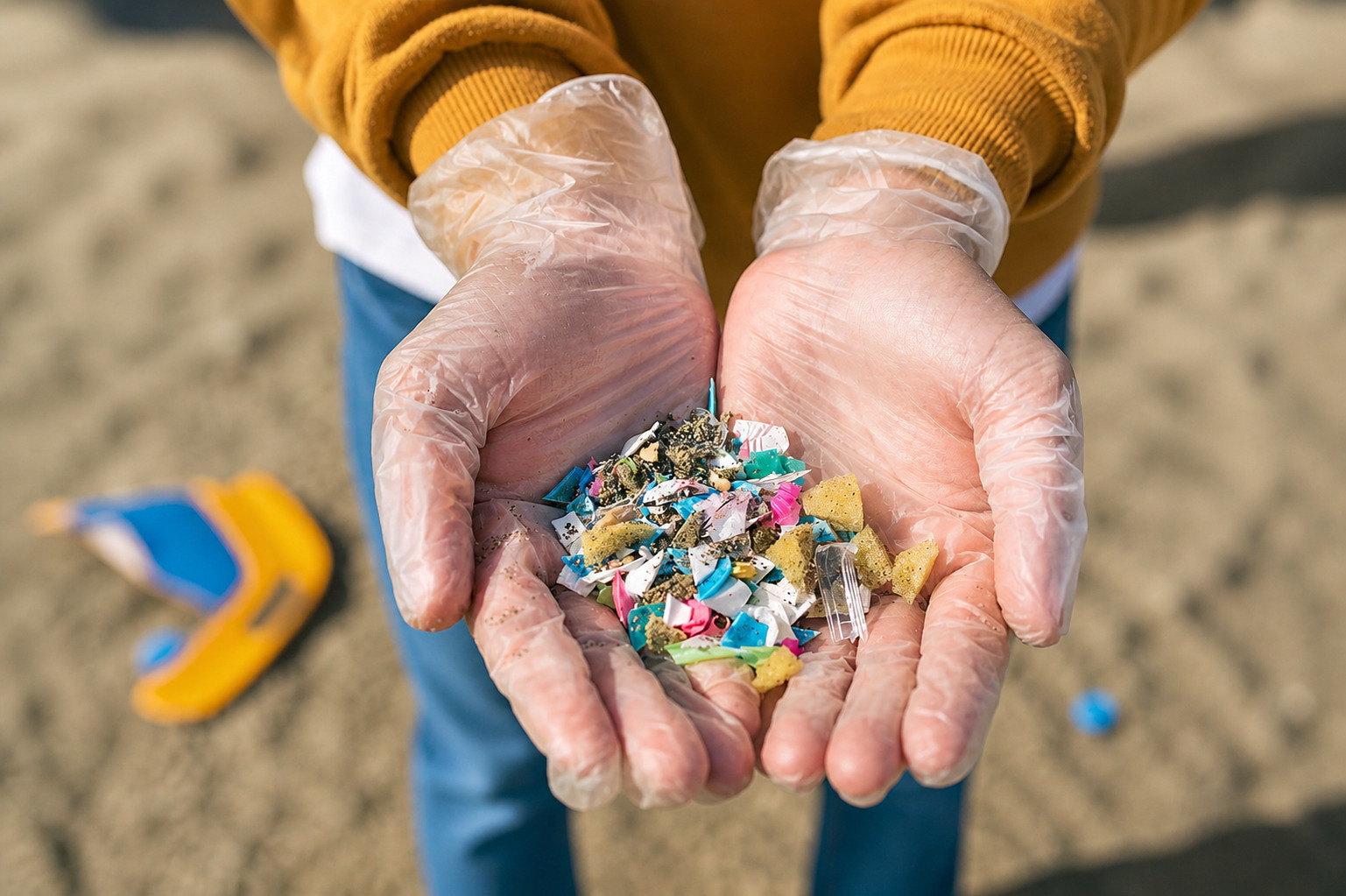
The Monterey Bay Aquarium’s advocacy work is grounded in ocean science. In collaboration with MBARI, our deep-sea research has documented microplastics throughout the water column, from the surface to the seafloor. This research shows how microplastics enter marine food webs.
The Aquarium applies its scientific expertise, public trust, and policy experience to drive solutions at the source of plastic production. Because the ocean connects us all, reducing single-use plastic before it reaches our communities is essential to building a healthier world for both people and our ocean planet.
What is SB 54?
Passed in 2022, California's Senate Bill 54 (SB 54), the Plastic Pollution Prevention and Packaging Producer Responsibility Act, is a major shift in how the state addresses plastic pollution. The law requires plastic producers to cut single-use plastic, invest in reuse and refill options, improve recycling, and help pay for pollution damage. The Monterey Bay Aquarium helped shape and champion SB 54. We continue to advocate for clear and strong implementation.
Today, local governments and consumers bear the cost of plastic waste. We pay for plastic when we buy the products. Then again in our garbage bills and taxes that fund litter prevention, pollution cleanup, and its impacts to public health and the environment.
SB 54 begins to shift these costs back to producers. It requires them to reduce plastic use and pay for collecting, processing, and recycling the packaging they put into the California market.
Quick facts
What is it?
A landmark California law designed to:
- reduce single-use plastic at the source
- expand reuse and refill
- make producers responsible for managing plastic packaging
- protect communities, wildlife, and ecosystems from plastic pollution
Why does it matter?
SB 54 takes a statewide approach to reducing plastic. It is the nation's first major policy focused on comprehensive plastic reduction rather than a simple ban on individual products. It will push companies to redesign packaging, reduce plastic production, and take greater financial responsibility for their environmental impact.
California’s economy is large enough that SB 54 can inform actions in other states and countries. Strong implementation can show how producer responsibility laws can reduce single-use plastic, expand reuse, and improve packaging systems.
Who’s involved?
SB 54 involves CalRecycle (the overseeing state agency), the Circular Action Alliance (the state-approved Producer Responsibility Organization), a statewide Advisory Board, local governments, waste haulers and recyclers, and producers of packaging and single-use plastic foodware covered by the law.
What does it cover?
The law covers single-use packaging and single-use plastic foodware sold, offered for sale, or distributed in California. This includes items such as containers, wrappers, cups, and utensils.
What is SB 54’s current status?
The permanent regulations for SB 54 took effect on May 1, 2026, and implementation is now underway.
Producers are registering and reporting information. The state of California, Advisory Board, and other interested parties are also reviewing and commenting on the industry's first proposed program plan.
What is Extended Producer Responsibility?
Extended Producer Responsibility (EPR) is a policy approach that makes producers financially and operationally responsible for managing their products and packaging after use.
EPR shifts waste management costs from taxpayers and local government to producers. It also encourages companies to reduce overall waste and redesign products and packaging to be reused or recycled more easily.
How will the Plastic Pollution Mitigation Fund protect communities and ecosystems?
SB 54 establishes the California Plastic Pollution Mitigation Fund. Plastic producers must pay $500 million each year for 10 years, for a total of $5 billion.
By law:
- 60% of these funds must be directed to alleviate the historical and ongoing environmental justice and public health burdens in disadvantaged, low-income, and rural communities.
- 40% to support monitoring and restoring natural environments, including ocean areas harmed by plastic pollution.
What we’re doing?
The Monterey Bay Aquarium is helping shape California’s implementation of SB 54. We bring our scientific and policy expertise to reduce plastic pollution at its source. Monterey Bay Aquarium helped shape and advance SB 54 before it became law. We continue working to ensure the law is implemented as intended.
Our goals
Our top priority is ensuring that SB 54 delivers what Californians were promised: substantially less single-use plastic.
Recycling alone cannot solve the plastic pollution crisis. We support an approach that first eliminates unnecessary packaging and foodware, then expands reuse and refill, and finally improves how remaining materials are managed.
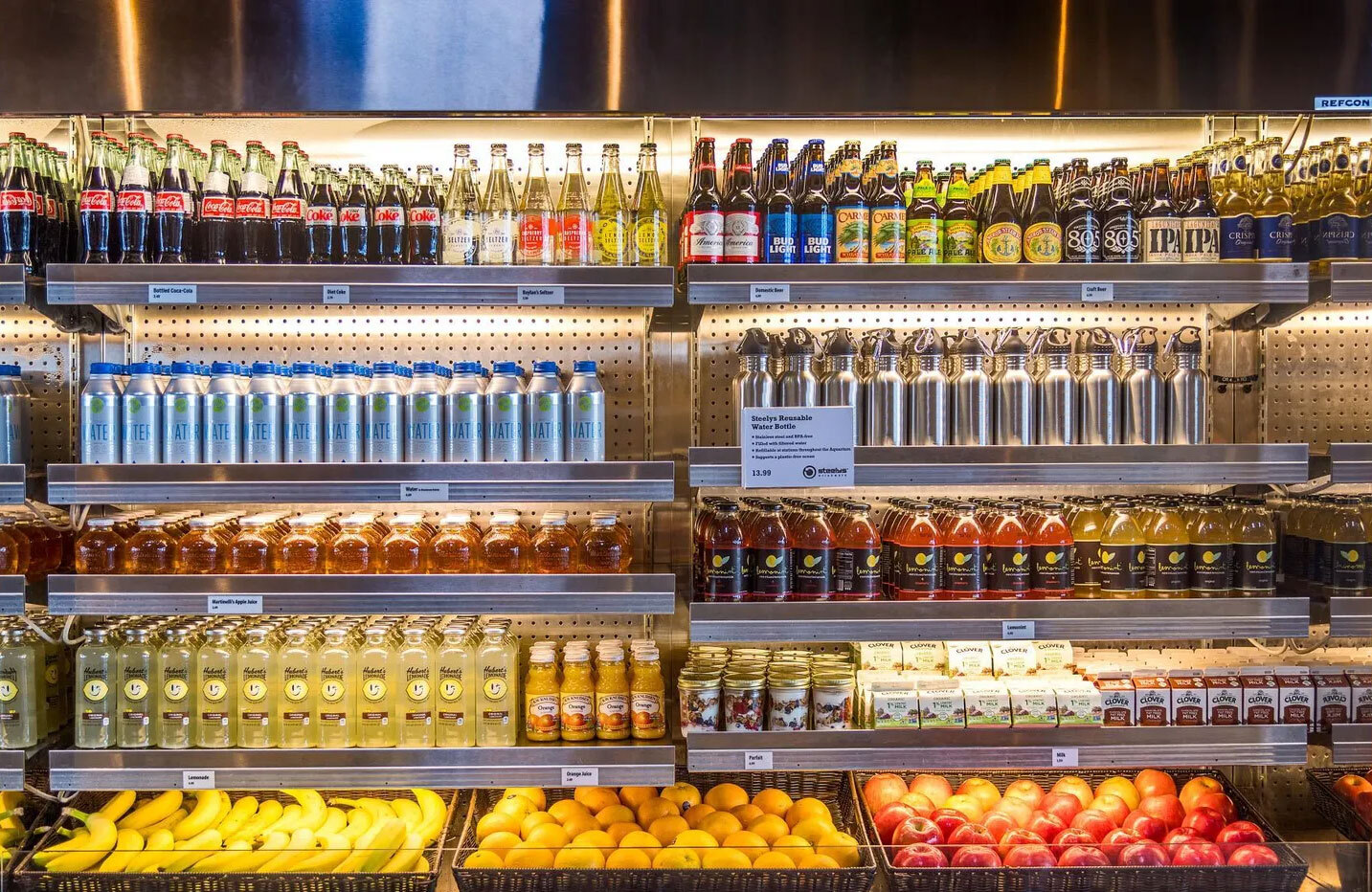
Reduce single-use plastic at the source
Reduce single-use plastic at the source
Hold producers collectively accountable for reducing plastic packaging and foodware by 25 percent by 2032. The reduction will be measured by both plastic weight and the number of plastic components.
The law prioritizes eliminating unnecessary packaging and building effective reuse and refill systems.
Improve the materials that remain
Improve the materials that remain
Ensure materials are truly recyclable or compostable. Plastic materials must meet the law's new recycling target: 65 percent by 2032.

Protect communities and ecosystems
Protect communities and ecosystems
Advocate for fair distribution of the state’s multi-billion-dollar Plastic Pollution Mitigation Fund. The law directs:
60% of the funds go toward environmental justice and public health needs in historically disadvantaged and low-income coastal communities.
40% to monitoring and restoring natural environments and ocean areas harmed by plastic pollution.
Provide a model for broader action
Provide a model for broader action
California’s economy is large enough that SB 54 can inform actions in other states and countries. Strong implementation can show how producer responsibility laws can reduce single-use plastic, expand reuse, and improve packaging systems.
By the numbers
$53 billion
savings to California, according to an official state analysis
25%
required reduction in single-use plastic packaging and foodware by 2032
65%
minimum recycling rate every packaging material must achieve by 2032
$5 billion
total amount paid by plastic producers over 10 years to address environmental, public health, and environmental justice harms caused by plastic pollution
0
amount of expanded polystyrene foodware items permitted to be sold in California
SB 54 Updates
Current status
Permanent implementation regulations took effect May 1, 2026. Producers are registering and reporting information. The Circular Action Alliance, the producer responsibility organization, has submitted its proposed program for review. State agencies are also planning to propose spending ideas for the Plastic Pollution Mitigation Fund.
Next milestones
On January 1, 2027, CalRecycle must officially approve or reject the final comprehensive plan. Approval will formally launch the operational phase of the program.
What happened recently
CalRecycle completed a statewide needs assessment examining California’s collection, processing, recycling, composting, reuse, and refill systems. The assessment also examined the investments needed to implement SB 54.
Remaining challenges
The strength of SB 54 will depend on how its requirements are implemented and enforced.
Timeline of implementation
Key dates and milestones
- June 2022: Governor Newsom signs SB 54 into law.
- January 2024: CalRecycle selects Circular Action Alliance as the single Producer Responsibility Organization.
- March 2024: Formal rulemaking for the regulations began.
- January 2025: Producers fail to demonstrate the required 25% recycling rate for expanded polystyrene foodware. The state ban on selling and distributing these items took effect.
- May 2026: Permanent implementing regulations are approved and take effect.
- June 2026: Producer registration and reporting requirements begin. The Producer Responsibility Organization submits its proposed program plan.
- January 2027: Deadline for CalRecycle to approve the final Producer Responsibility Organization Program Plan. The Extended Producer Responsibility program formally launches.
- March 2027: The first $500 million annual payment to the California Plastic Pollution Mitigation Fund is due.
- January 2028: Plastic materials must hit an interim 30% recycling rate.
- January 2030: Plastic materials must hit an interim 40% recycling rate.
- January 2032: Full compliance deadlines take effect 25% reduction, 65% recycling rate, and 100% recyclability or compostability.
Be a voice for the ocean
Sign up for our quarterly ocean action emails and get inspiring conservation stories, tips on living a sustainable lifestyle, and opportunities to take action to protect the ocean—delivered to your inbox.
Dive deeper into our local conservation work

Change & impact
Sustainability at the Aquarium
Learn about our sustainability commitments at the Aquarium.
Read more – Sustainability at the Aquarium
Animals & the ocean
How does plastic pollution affect the ocean?
Explore how plastic pollution impacts ocean animals, ecosystems, and human health around the world.
Read more – How does plastic pollution affect the ocean?
Animals & the ocean
What is microplastic?
Microplastic is everywhere—from microplastic in rain to the most remote corners of the ocean.
Read more – What is microplastic?