

Solutions to plastic pollution
Actions governments, communities, and individuals can take to reduce plastic waste and protect the ocean. Plastic pollution is a major and growing threat to our ocean and our future. Yet science tells us it’s a challenge we can tackle with focused action. To solve the plastic crisis we need to build a circular economy through powerful state, federal, and international policy.

Government policies to address plastic
Public demand for governments and businesses to act on plastic has never been stronger. In response, governments around the world are successfully enacting policies to stop plastic pollution at its source.
Our policy experts at the Aquarium conduct analyses to provide decision-makers with science-based recommendations. A primary example is our 2024 collaborative report with the Environmental Law Institute which outlines how current U.S. laws can be leveraged to address plastic waste. While our analysis highlights the need for new legislation, it emphasizes that federal agencies already hold significant power to regulate and reduce plastic pollution if they utilize their existing legal mandates.
Effective policies target the entire lifecycle of plastic—eliminating single-use products and packaging, strengthening recycling systems, and ensuring the plastics that are made, are free from harmful toxins. We need these changes at every level of policy work: from local to global.
Plastic bans
One of the most effective policy tools is phasing out plastics that are hard to recycle, commonly littered, or designed to be used only once. The Aquarium has a long track record of partnering with policymakers to secure meaningful reductions in single-use plastics:
- Pioneering state bans: We helped champion Proposition 67, making California the first U.S. state to ban free plastic carry‑out bags.
- Reducing unnecessary waste: We supported legislation restricting plastic straws and other single-use plastic foodware, so that businesses provide them only upon request.
- Tackling microplastics: In 2015, we backed the statewide ban on plastic microbeads in rinse‑off personal care products (like facial scrubs and toothpaste).
These bans prevent pollution at the source — reducing the amount of plastic entering our waste stream before they become litter or ocean pollution.
Extended producer responsibility
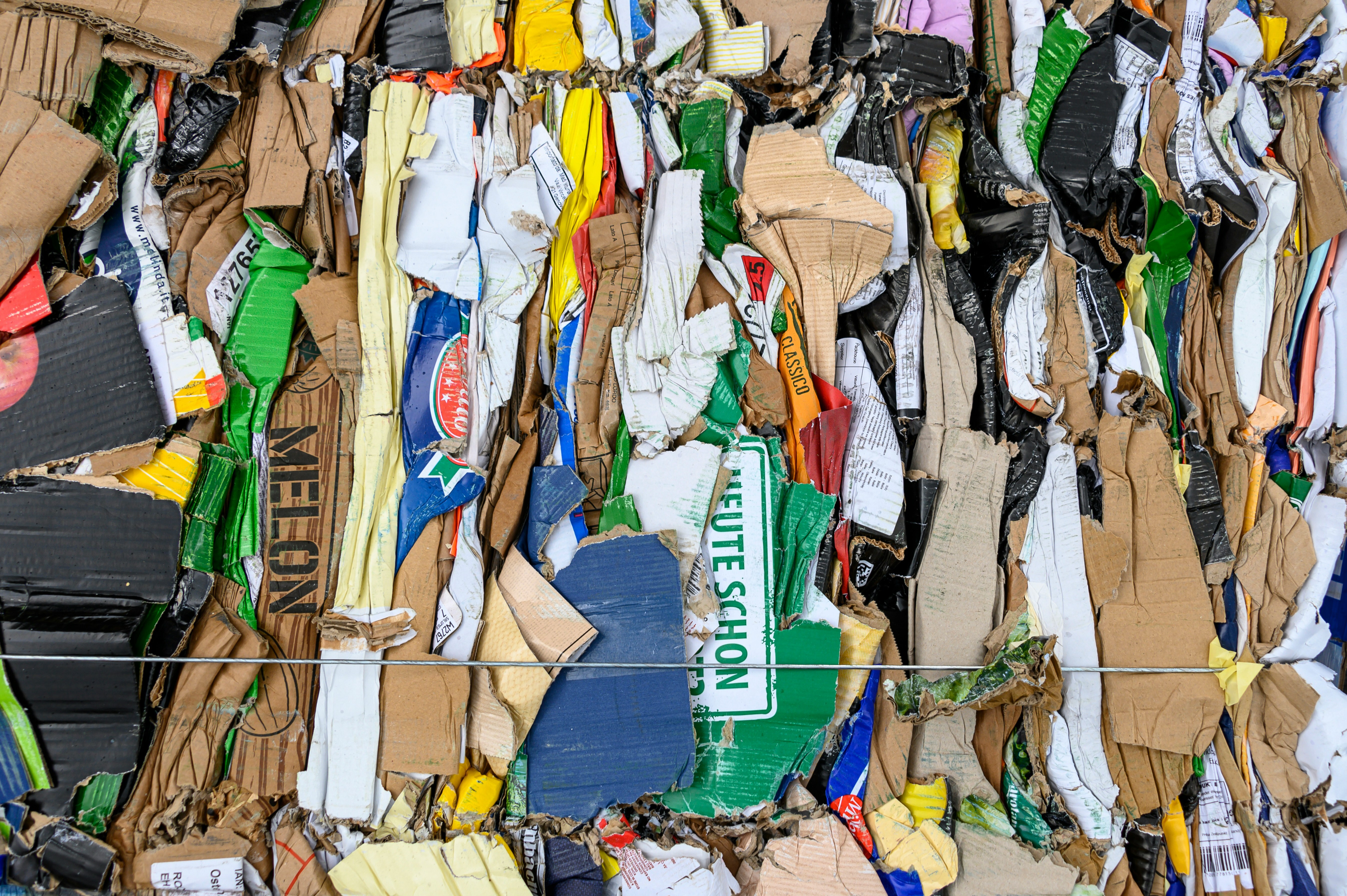
Historically, the financial and physical burden of managing plastic waste has fallen on taxpayers and local governments. Extended producer responsibility (EPR) policy shifts that responsibility to the companies that produce the plastic.
In California, Aquarium experts worked from 2019 until its passage in 2022 to shape SB 54: The Plastic Pollution Prevention and Packaging Producer Responsibility Act. This landmark legislation requires that by 2032, plastic producers will:
- Reduce single-use plastic packaging and foodware by 25%
- Ensure 100% of single-use plastic packaging and foodware is recyclable or compostable
- Achieve a 65% recycling rate for single-use packaging
- Collect $5 billion from plastic industry members over 10 years for a Plastic Pollution Mitigation Fund to mitigate the harm plastic has caused to our communities and our environment.
A state analysis projected that SB 54 would deliver $32 billion in net benefits to taxpayers and slash plastic waste by 1.9 billion pounds – the equivalent weight of 145,000 fully loaded garbage trucks!
Regulation of toxic additives and testing
Under current U.S. law, there is a severe lack of mandatory pre-market testing for the thousands of chemical additives, such as flame retardants, dyes, and other compounds added to improve flexibility, durability, or appearance.
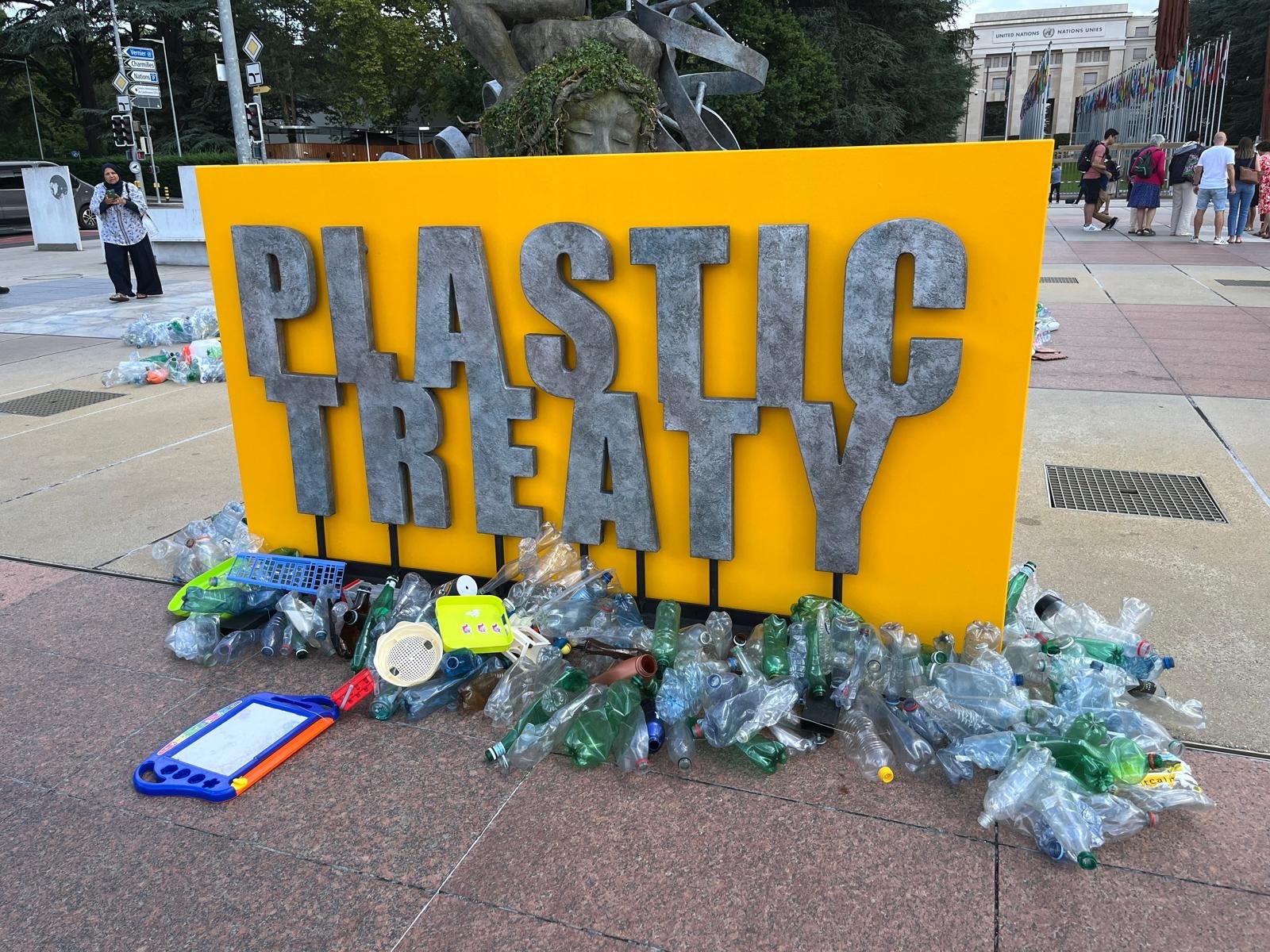
Of the 16,000 chemical additives plastic contains, there are more than 4,200 ‘chemicals of concern’ that do not naturally break down in the environment or that are toxic, including carcinogens, neurotoxicants, and hormone disruptors. Many other chemicals in plastic have never been tested for toxicity. Prioritizing long-term human and environmental health requires stronger regulatory frameworks for chemical additives:
- Banning hazards: Restricting known toxic additives, especially hormone distributors and carcinogens.
- Mandate transparency: Requiring disclosure of the chemical contents of plastics is the first step to enabling effective management of risks.
- Drive innovation: Incentivizing the transition toward non‑toxic alternatives and safer product design.
For example, one positive step is California’s recent regulation that adds microplastics to the Candidate Chemicals List, an important step toward reducing Californians’ exposure to these harmful plastic particles.
Learn more about the health impacts of chemical additives in plastic.
International treaties
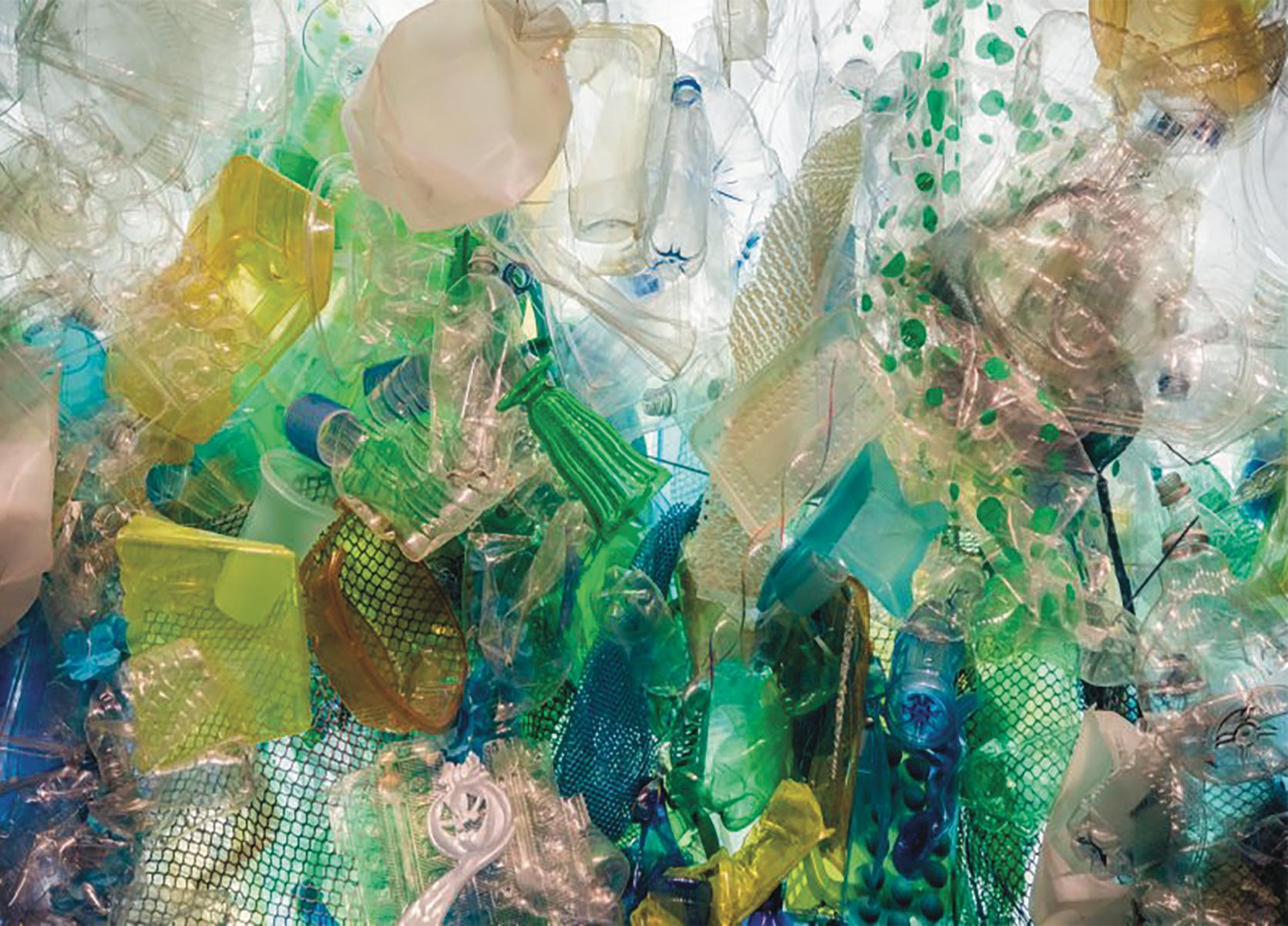
Because plastic pollution crosses all geographic boundaries, a true solution demands a cooperative international response. In 2022, countries of the United Nations agreed to negotiate a legally binding Global Plastic Treaty taking a comprehensive approach to address the full life cycle of plastics.
The Monterey Bay Aquarium is deeply engaged in this ongoing process. Our Chief Conservation & Science Officer, Margaret Spring, serves as a lead on the International Science Council Expert Group on Plastic Pollution which contributes science-based recommendations to inform the process.
Reduce, reuse, recycle. Most of all, reduce.
Reduce plastic use
Americans lead the world in plastic waste, discarding an average of 287 pounds per person per year. Most of this is plastic packaging like beverage bottles, food and takeout containers, and utensils. Plastics that we use for seconds or maybe minutes, and will never decompose—but merely degrade for hundreds or even thousands of years into smaller and smaller pieces.
Reuse
Rethinking our waste management system isn’t about restriction. Solutions can create new jobs and economic vitality while supporting both human and ocean ecosystems.
A 2025 analysis shows that shifting 13% of single-use plastic packaging to reusable plastic, metal, or glass packaging would reduce plastic packaging waste by 11% and pollution by 12% while reducing the annual cost to taxpayers by over $1 billion.
Recycle
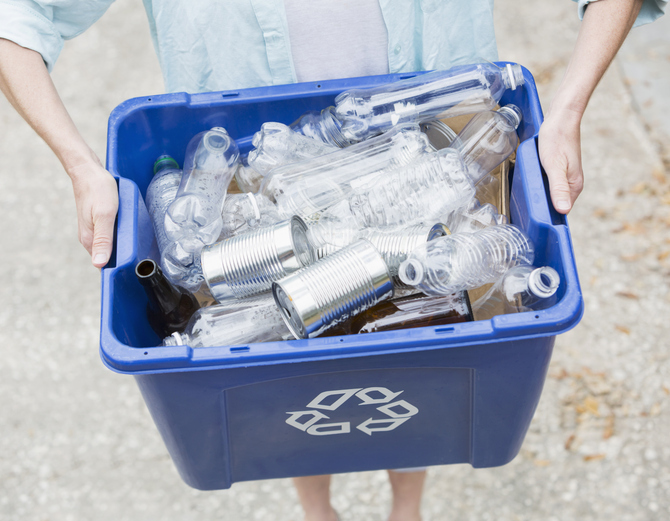
A large portion of what we place in recycling bins never becomes new plastic. In the U.S., only about 5–6% of plastic waste is actually recycled — the rest ends up in landfills, leaks into the environment, or is incinerated which releases air pollution and hazardous particulate matter, including greenhouse gases.
To make recycling more effective, we need to improve recycling infrastructure and collection systems across the country, develop consistent and clear guidance on which plastics can actually be recycled, and encourage companies to prioritize packaging made with recycled plastic.
This helps keep plastic out of landfills and oceans, but recycling alone isn’t enough. Unlike metal or glass, plastic tends to degrade in quality with each recycling cycle, which limits how many times it can be reused before being discarded. Hazardous chemicals can also accumulate in recycled plastic. That’s why the most important part of ‘reduce, reuse, and recycle’ is to reduce first.
Explore tips on how to reduce, reuse, and recycle plastic in your life and limit your exposure to plastic chemicals.
Keep exploring

Animals & the ocean
How does plastic pollution affect the ocean?
Explore how plastic pollution impacts ocean animals, ecosystems, and human health around the world.
Read more – How does plastic pollution affect the ocean?
Animals & the ocean
What is microplastic?
Microplastic is everywhere—from microplastic in rain to the most remote corners of the ocean.
Read more – What is microplastic?
Animals & the ocean
Plastic pollution
Explore the impacts and solutions to plastic pollution in the ocean.
Read more – Plastic pollution