

Plastic pollution
From microplastics to marine life, understanding the effects of plastic pollution and solutions.
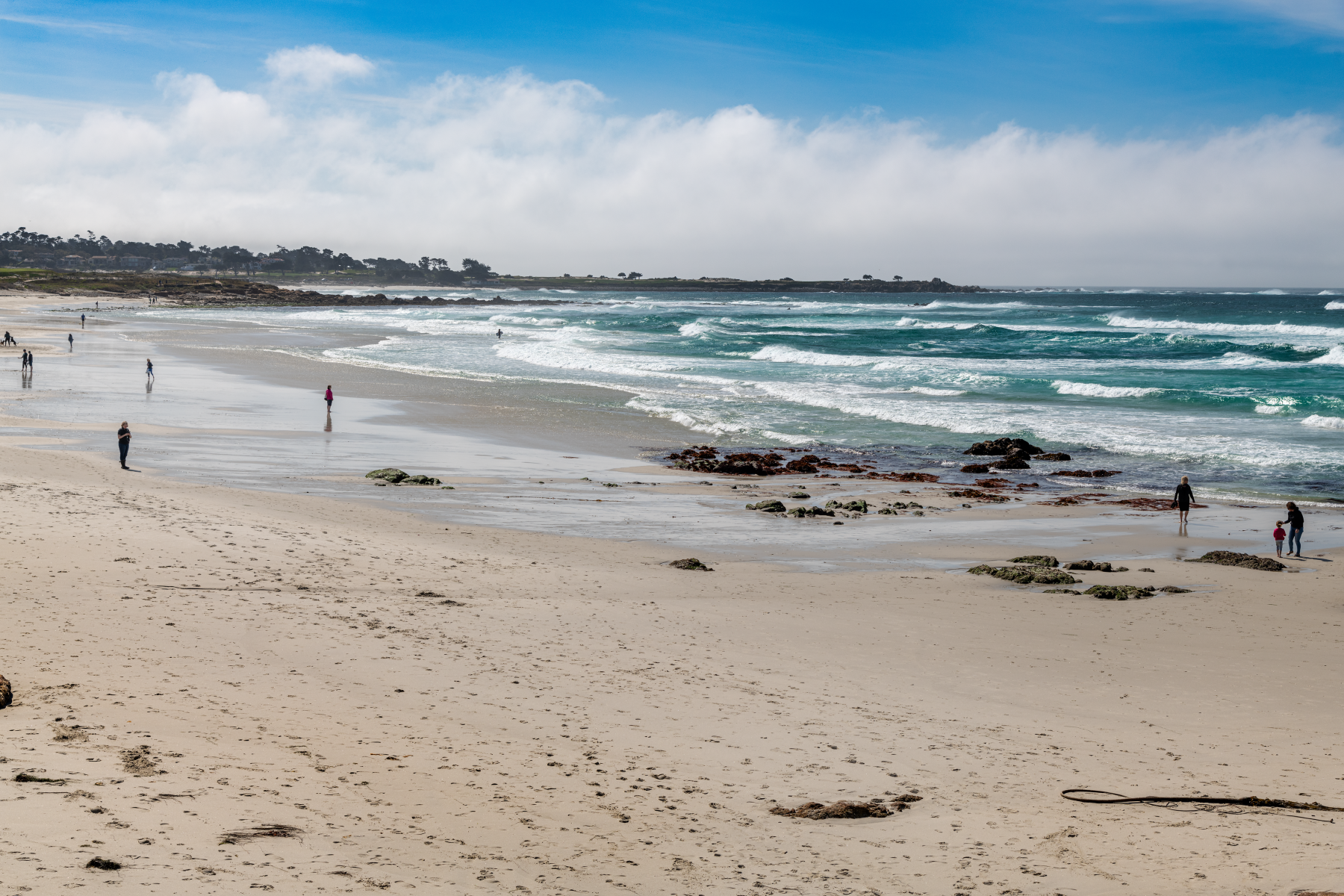
Plastic pollution impacts people, ocean animals, and ecosystems
Plastic in the ocean can entangle wildlife or be mistaken for food, harming animals like seabirds, fish, and marine mammals. Over time, plastics break down into microplastics that spread throughout the water, sediment, and food web. These pollutants can also enter human systems through seafood and other pathways, raising concerns about long-term health and environmental effects.
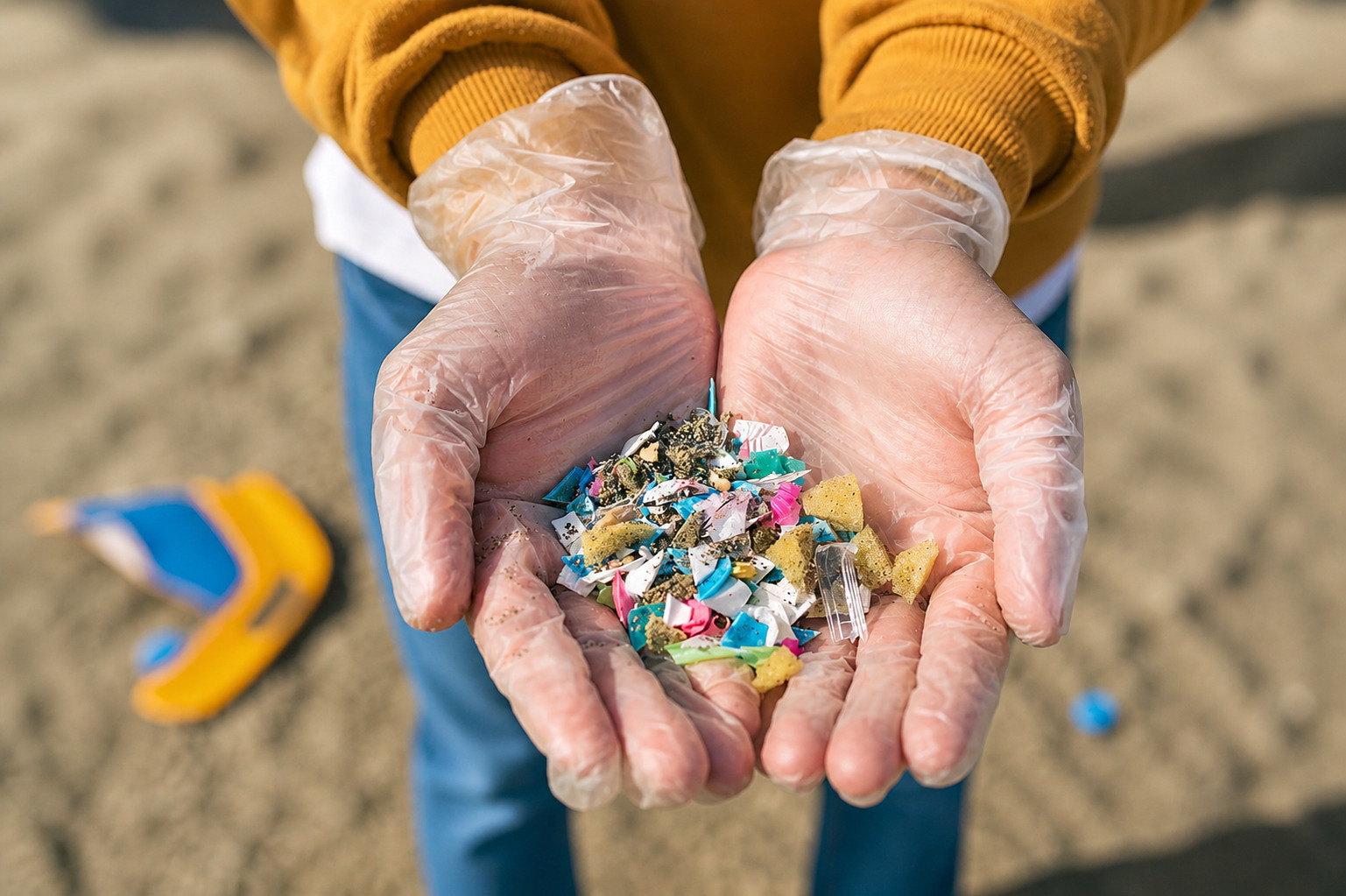
Microplastics
Microplastics are everywhere—from our oceans to our food supply—and their impact is growing. Learn where they come from, why they matter, and what can be done about them.
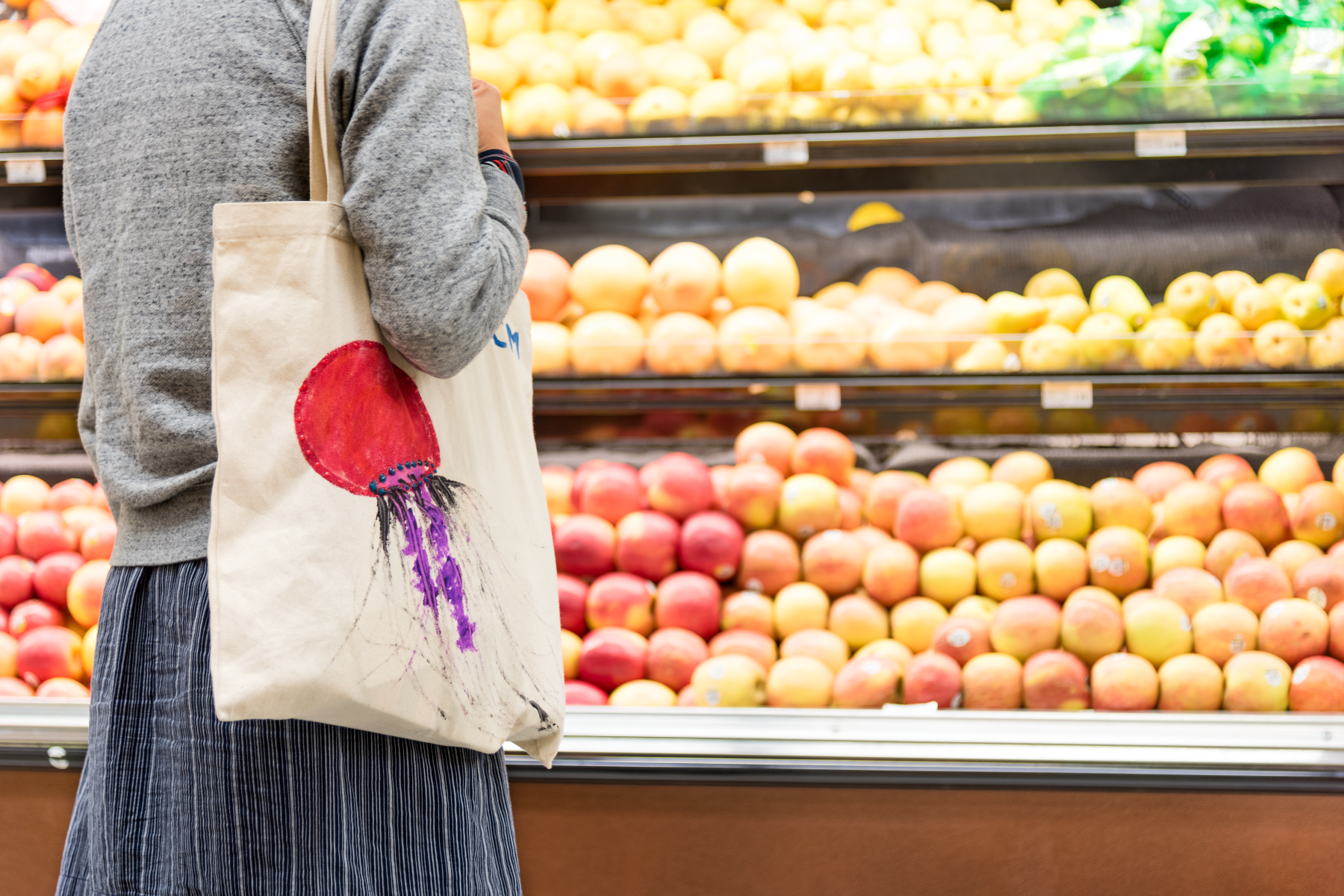
We can reduce plastic pollution
Reducing plastic use, improving waste systems, and supporting policies that limit plastic production and pollution are key to addressing this global challenge. Individuals, communities, and governments all play a role—from choosing reusable alternatives and recycling properly to supporting legislation and international agreements that reduce plastic at the source.
Curious how you can protect the ocean?
Sign up for our ocean action emails and get the scoop on issues affecting the ocean, research updates, and simple tips on how you can lead an ocean-friendly life—delivered to your inbox.