

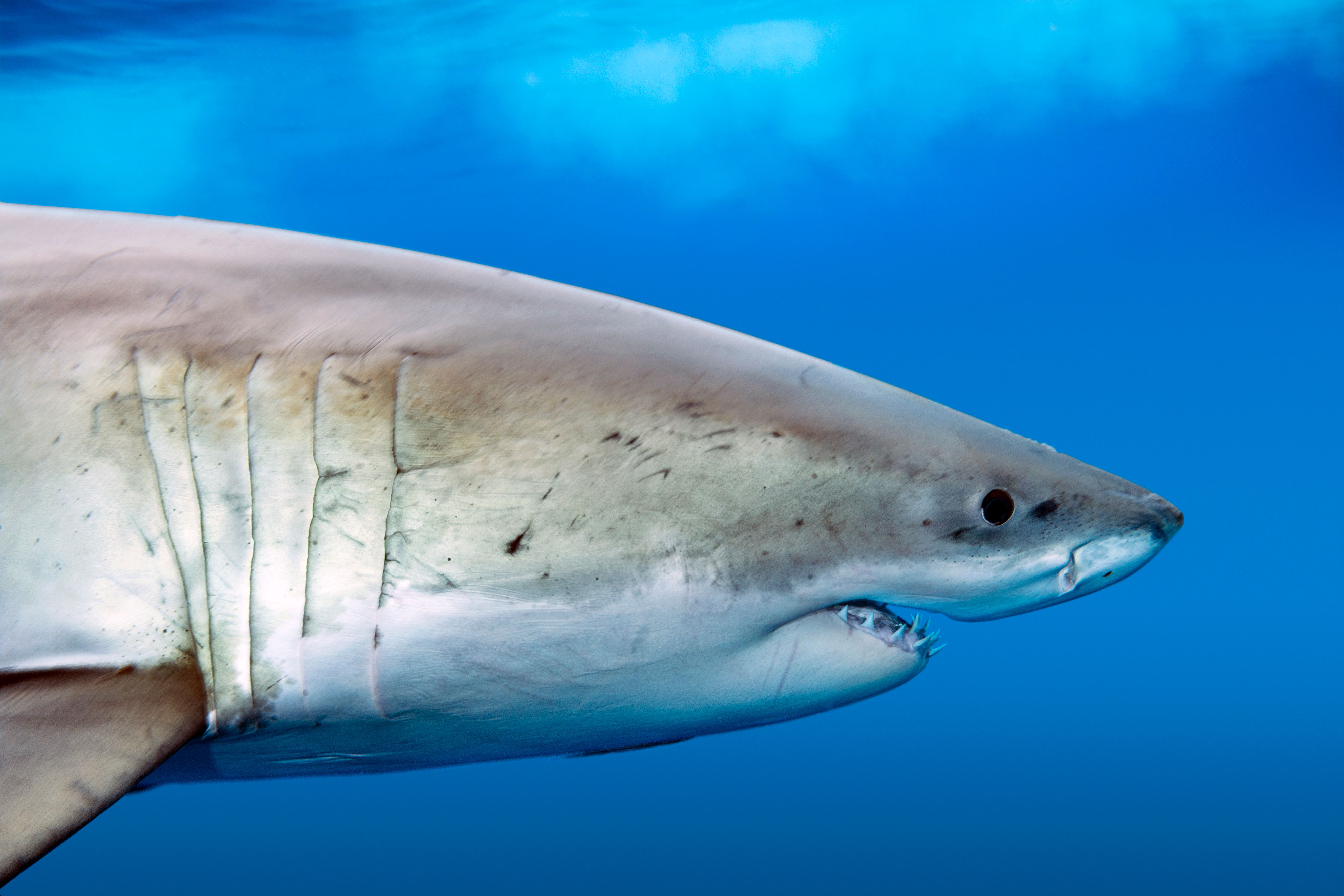
1. White sharks heat up (literally)
White sharks aren’t technically “warm-blooded”, but they can heat their blood to be warmer than the surrounding water. However, white sharks don't develop that ability until they're older and larger. For this reason, young white sharks prefer to stay in warm waters—they need to stay warm to survive. When young white sharks appeared in Monterey Bay, researchers connected their arrival to warming ocean temperature due to climate change.

2. Shark mummies reveal secrets
The teeth from mummified white shark heads show that Mexican and Californian shark populations are one and the same. This marks an important discovery as we work to protect white sharks during their international migrations.
3. Sleeper sharks scour the seafloor
The deep sea is often imagined to be a lifeless wasteland. In reality, it’s teeming with life! Researchers at Monterey Bay Aquarium Research Institute (MBARI)—the Aquarium’s science and technology research partner—have glimpsed Pacific sleeper sharks (Somniosus pacificus) with remotely operated vehicles (ROVs). These deep-sea sharks nosh on bottom-dwelling animals and scavenge the seafloor for dead animals that drift down to the depths. However, they’re rarely seen—in more than 30 years of deep-sea research, MBARI's ROVs have spotted these sharks fewer than 20 times.
Related videos
Watch the Pacific sleeper shark swim

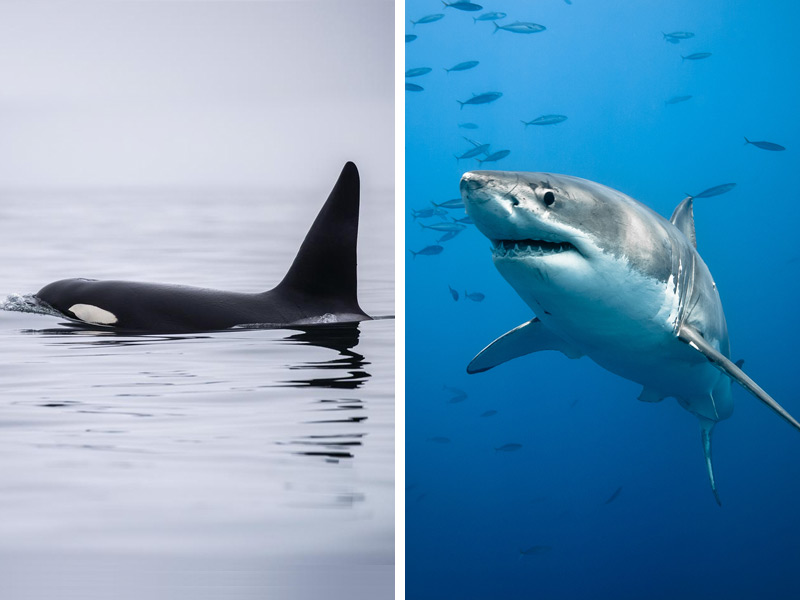
4. When orcas arrive, white sharks skedaddle
There can only be one true apex predator. Despite their reputation, it’s not the white shark. Research from the Aquarium found that when orcas arrived in the Farallon Islands (off the coast of San Francisco) white sharks fled. Orcas are bigger and smarter—they strategically communicate and hunt in groups. Researchers saw what happened when orcas hunted white sharks, but still want to know if orcas intentionally targeted the sharks for their oily, calorie-dense liver or if it was an unexpected perk.
5. We inspect shark gills
Our animal care team regularly performs routine exams on all our sharks and elasmobranchs to check in on their health. One of those treatments is looking at gills—from the inside. An endoscope—a small camera—is used to examine the gills of a shark, skate or ray. If parasites are present, we treat them to make sure they’re pretty and pink.
Related videos
Watch Dr. Mike give our leopard sharks an exam
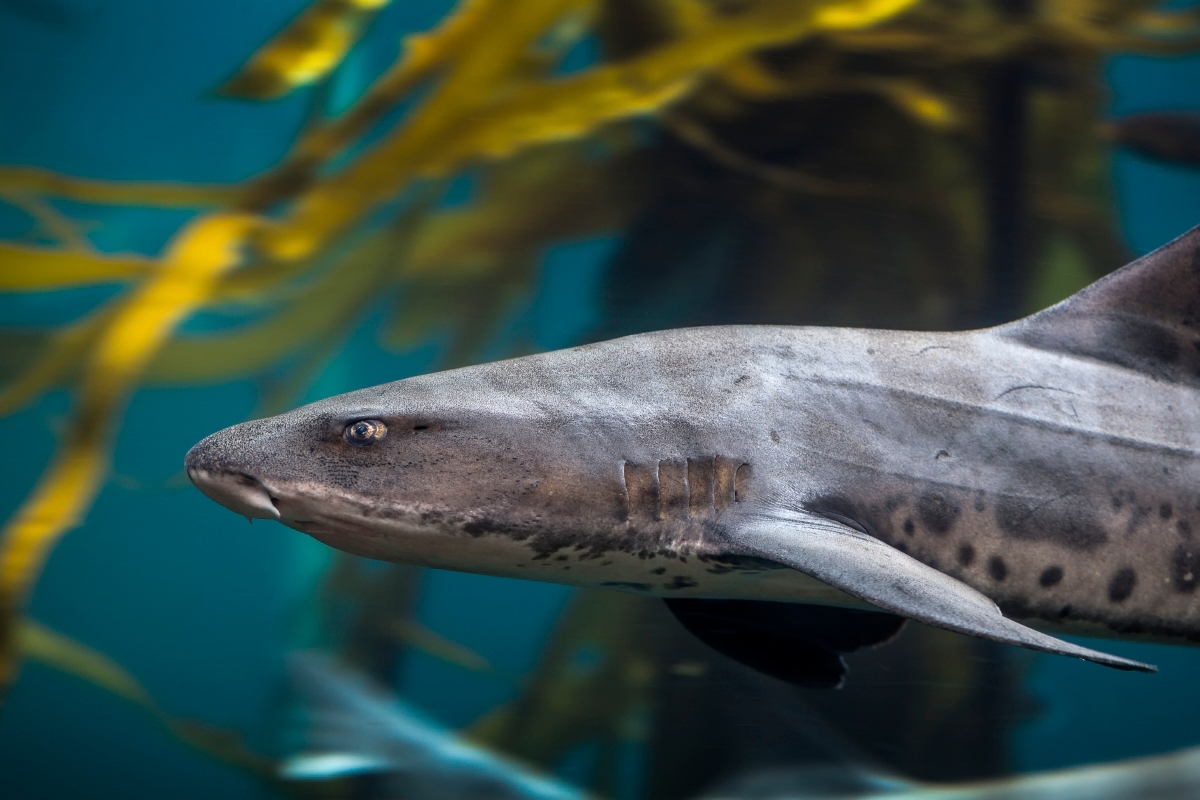
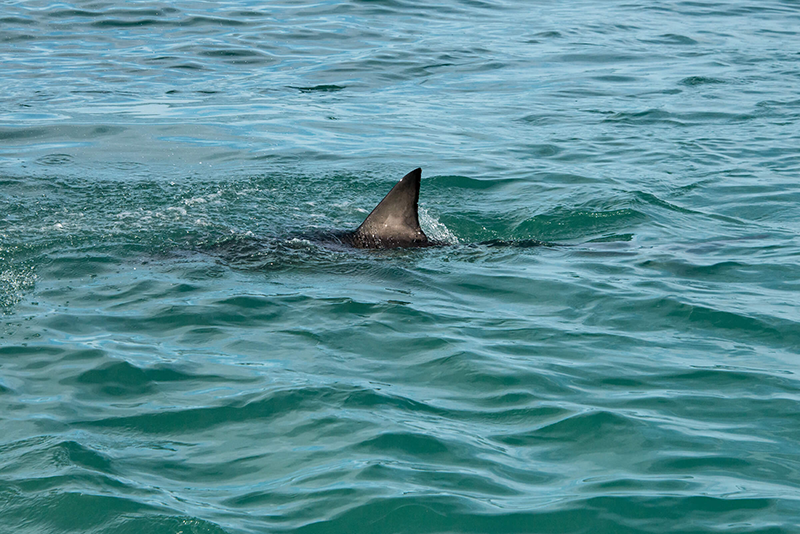
6. Sharks help keep ecosystems balanced
Sharks help support a healthy ocean. Large predatory sharks, like white sharks, keep populations of other animals in check—white sharks play an important role in maintaining balance in the ocean food web. Because of this, human activities can threaten shark populations and put the health of the entire ecosystem at risk. For example, the global shark fin trade kills as many as 100 million sharks each year. New research answers key questions about illegal shark finning, a critical step toward conserving these iconic ocean predators.
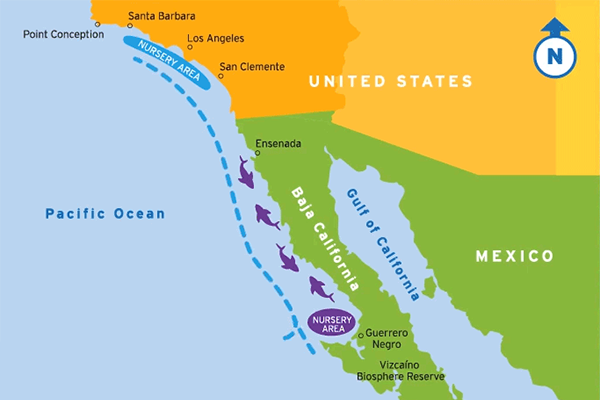
7. Researchers locate a baby shark lagoon
A mother white shark gives birth to a live litter—with vulnerable newborn pups in tow, where’s a safe place for her to give birth? Scientists have been trying to answer this question for years. Finally, a 2017 study provided an answer: Bahía de Sebastián Vizcaíno, a warm lagoon on Baja California’s coast. The study was the result of collaboration with our colleagues at Ensenada Center for Scientific Research and Higher Education (CICESE) among other institutions. The protected waters of this nursery area offer a safe place for those delicate days at the beginning of a shark’s life.
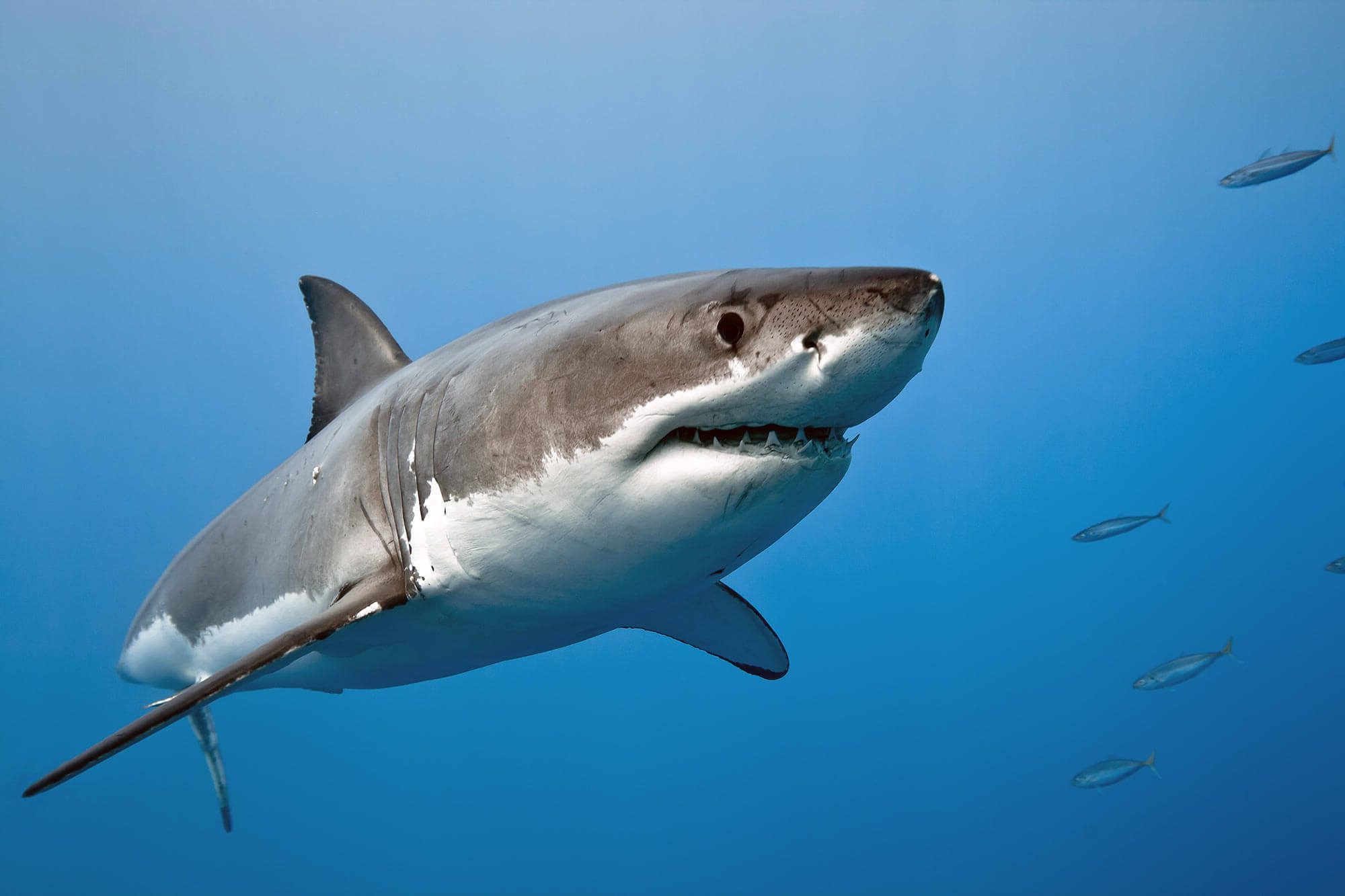
8. White sharks swim through underwater forests
Despite being well known to the public, white sharks are still somewhat of a mystery to scientists. It's long been thought that white sharks avoid kelp forests, but our research using a camera tag showed never-before-revealed behavior: some sharks spend time in kelp beds where they may even be hunting for seals.
9. Robots spot ghost sharks in the deep sea
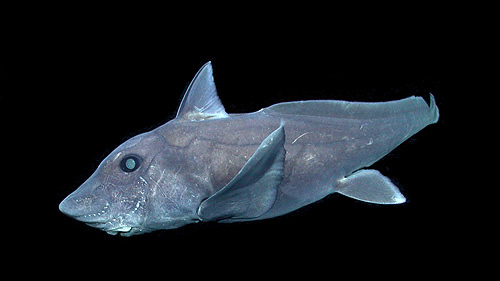
MBARI sends underwater robots—called ROVs—to explore the ocean’s darkest depths. Sometimes, they encounter ghost sharks. A ghost shark isn’t technically a shark, but a chimaera (a group that includes ghost sharks, ratfishes, and rabbitfishes). A relatively common animal in the deep sea, over 40 species of chimaeras have been identified around the world. In 2000, MBARI spotted an unusual chimaera at Davidson Seamount. By combing through the footage with experts, they documented details about this animal and spotted others like it along the central California coast. To their surprise, it looks to be a species originally discovered on the other side of the Pacific Ocean!
Related videos
Watch the rare ghost shark spotted in the deep sea
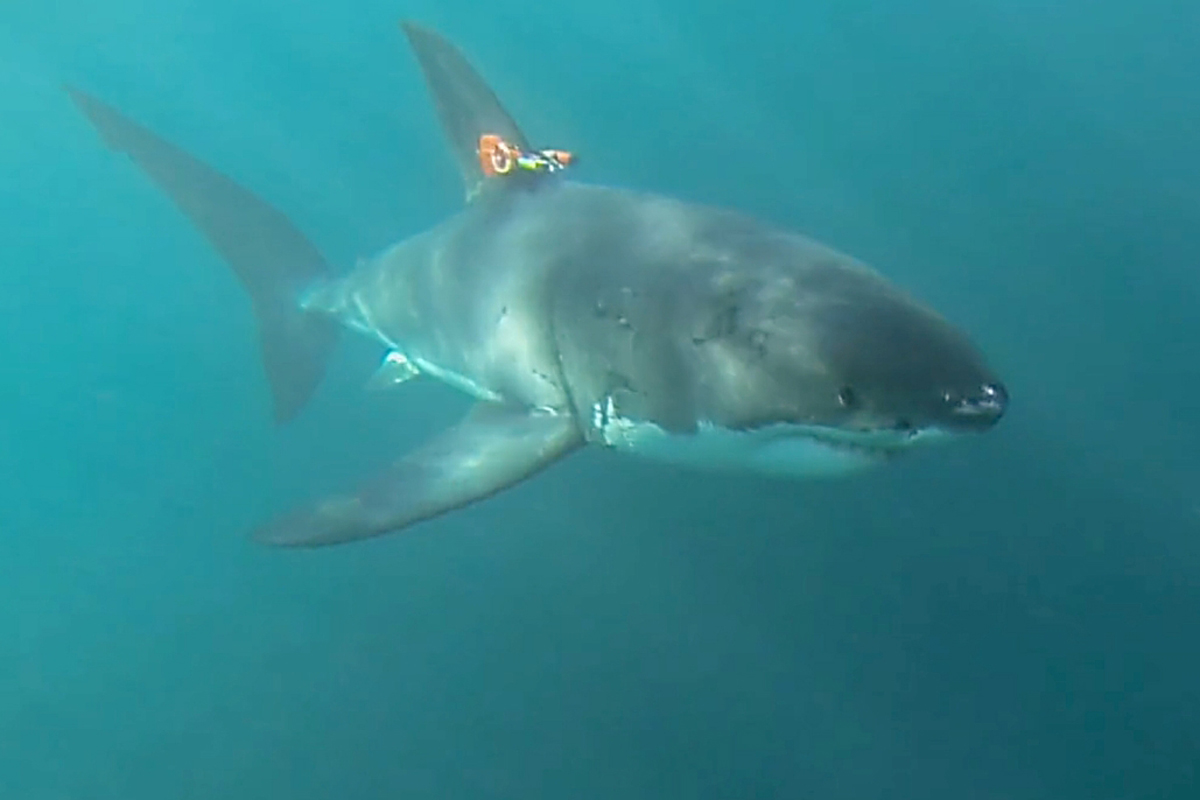
10. Bigger sharks survive fishing gear
Researchers followed 37 young white sharks to understand their survival rates. In the course of the study, six of them died after run-ins with fishing gear. The study found that the bigger a shark grows, the less danger a gillnet (a kind of mesh curtain designed to trap halibut and other bottom-dwelling fish) poses. This is possibly because larger sharks snagged in gillnets are better able to fight their way free.
Keep exploring
Story
What does a warming ocean mean for white sharks?
Sharks have evolved for about 400 million years, but how will they respond to a rapidly changing climate?
Read story – What does a warming ocean mean for white sharks?
Story
It's squid season on Monterey Bay
Each spring fishing boats flock to Monterey Bay in search of California market squid.
Read story – It's squid season on Monterey Bay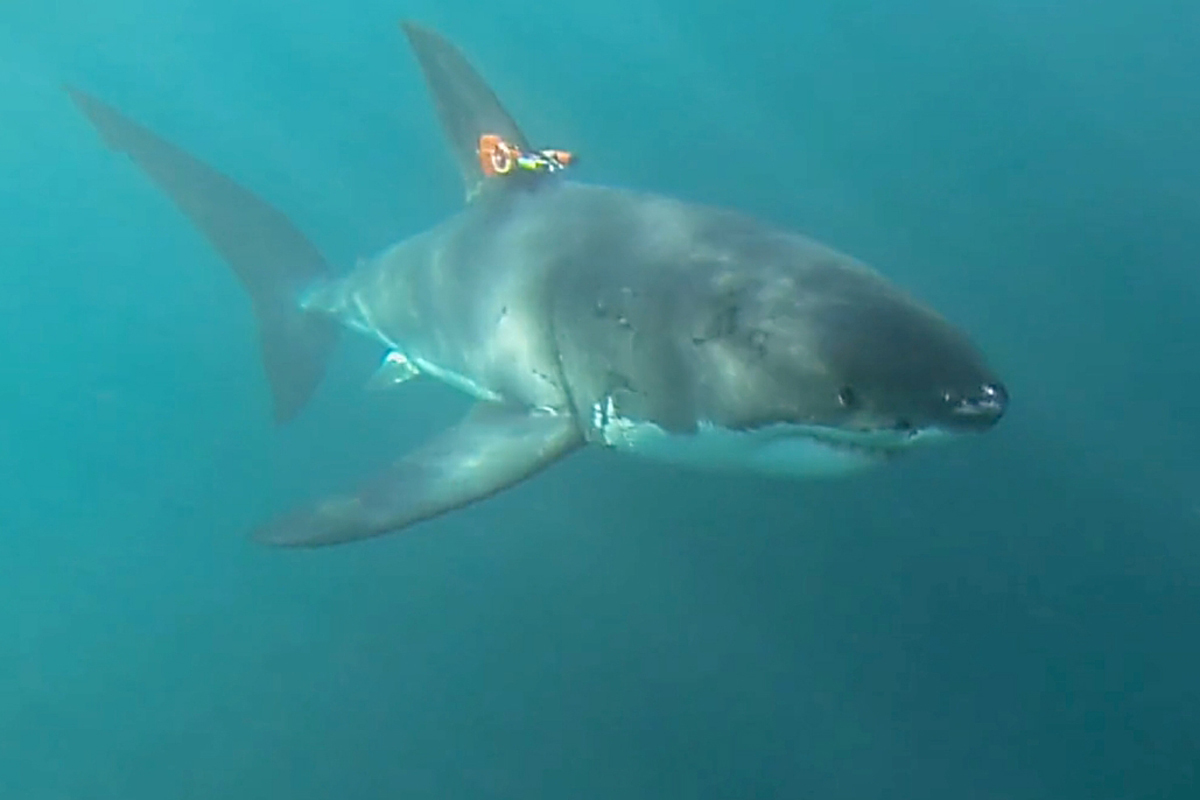
Story
White shark research in Monterey Bay
Here's what we know about how white sharks live and where they travel.
Read story – White shark research in Monterey Bay