

Upcoming king tides
Check tide report to see times of high and low tide
King tides at the Monterey Bay Aquarium
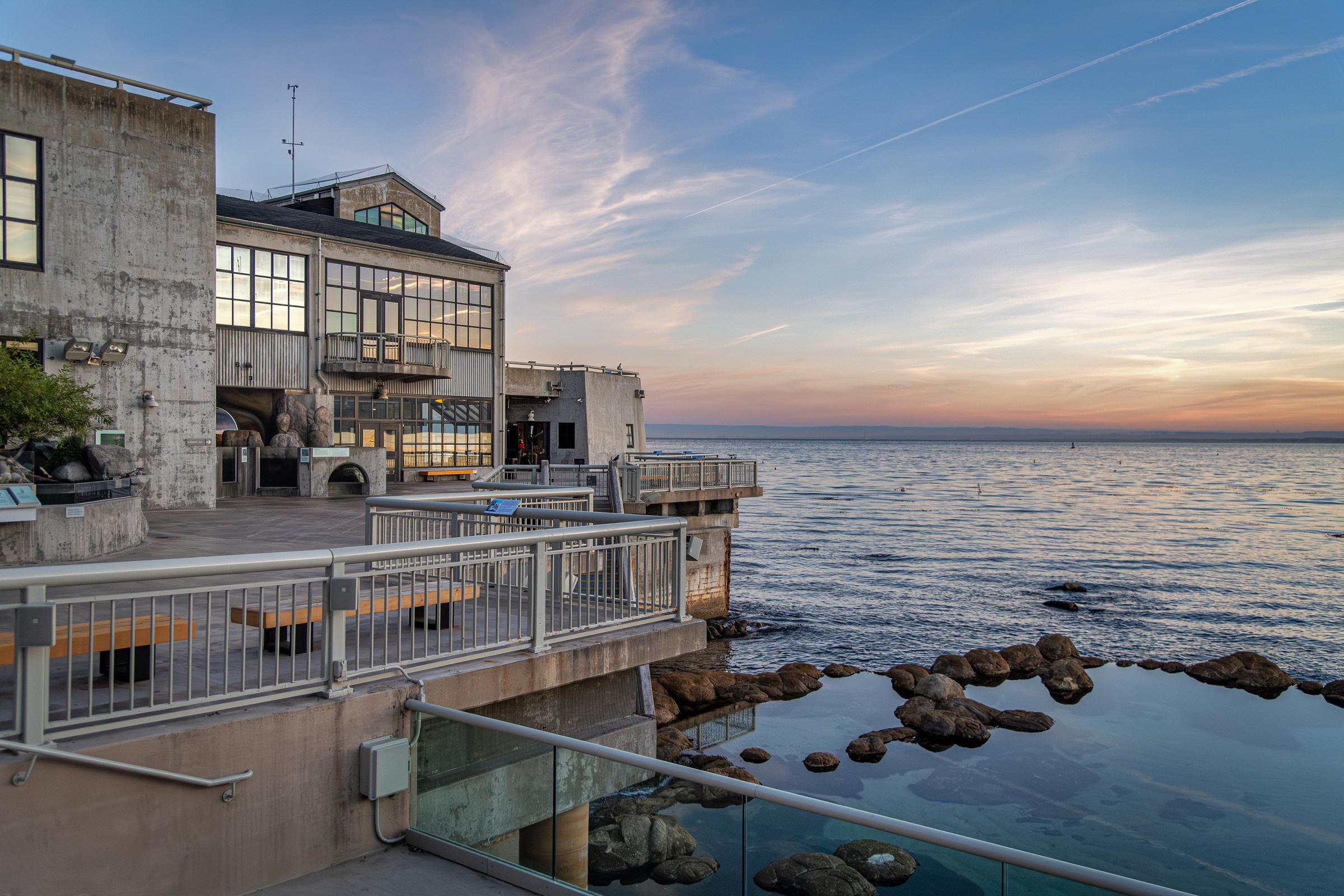
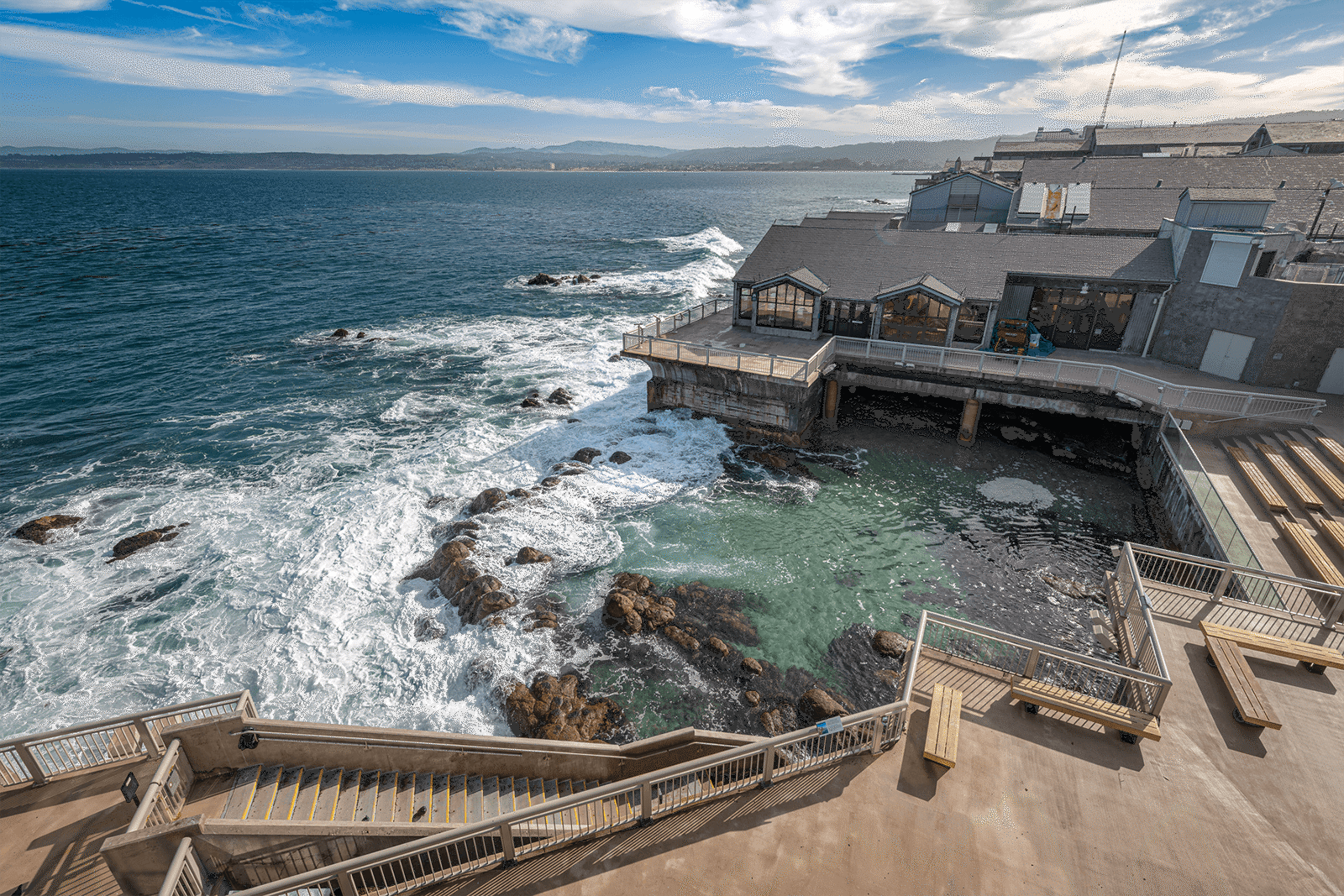
The Great Tide Pool at the Monterey Bay Aquarium is usually serene. Flat, glassy water sits well below the rocks, allowing a peek underneath the Aquarium. But during king tides, we see a different picture—the tide can rise nearly 6 feet (1.8 meters), engulfing the Great Tide Pool entirely. Waves crash near the balconies and the stairs leading to the tide pool are partially underwater.
Seven hours after an extreme high tide, the king tide brings an extreme low tide. The sun and moon, due to their alignment with the earth, pulls the water away from shore with more force than any other time of the year. The water level drops. Many underwater animals become visible. The Great Tide Pool is once again restored to its peaceful state.
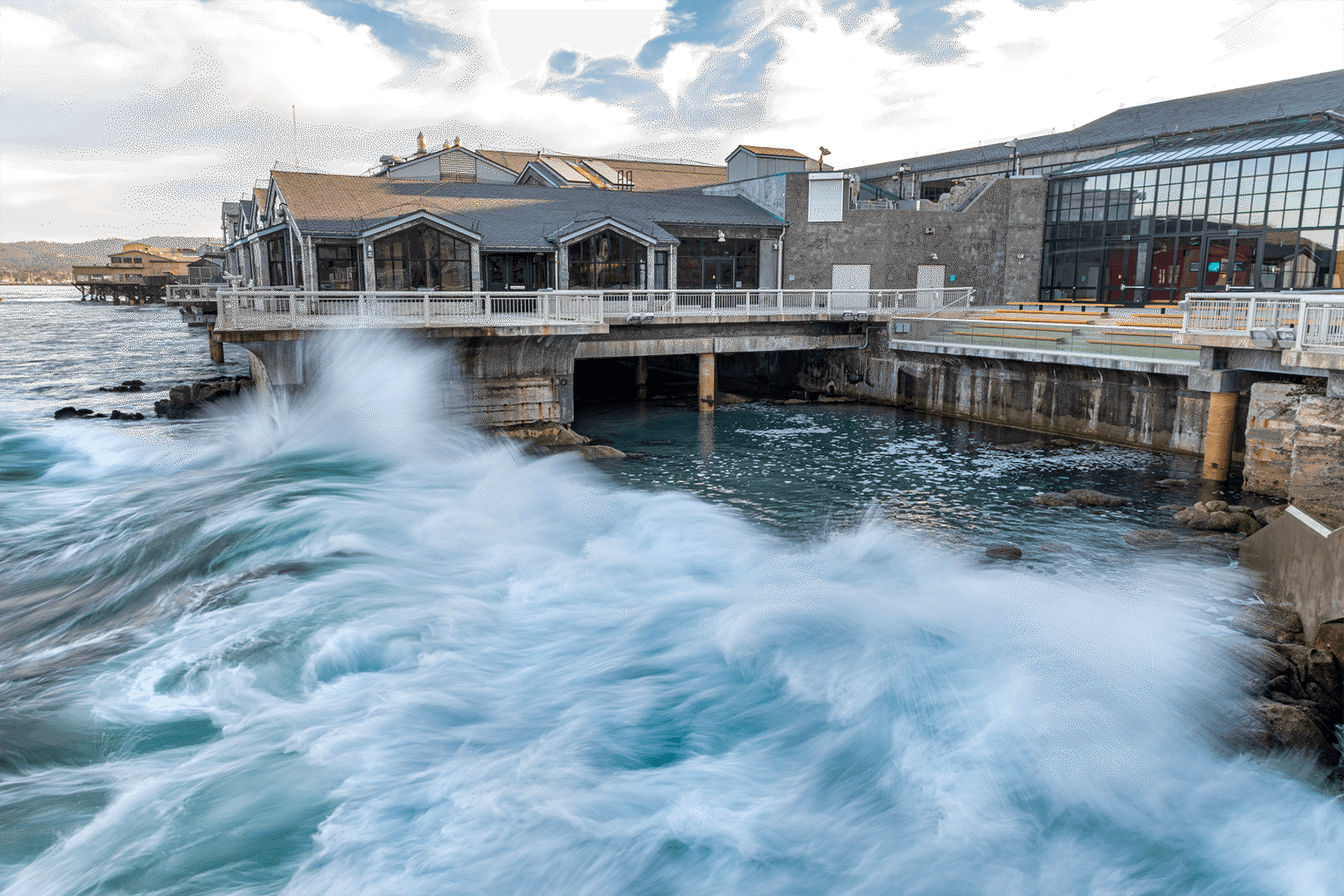
During an extreme high tide, the ocean waves lap up on the Aquarium's decks and can cover the Great Tide Pool completely.
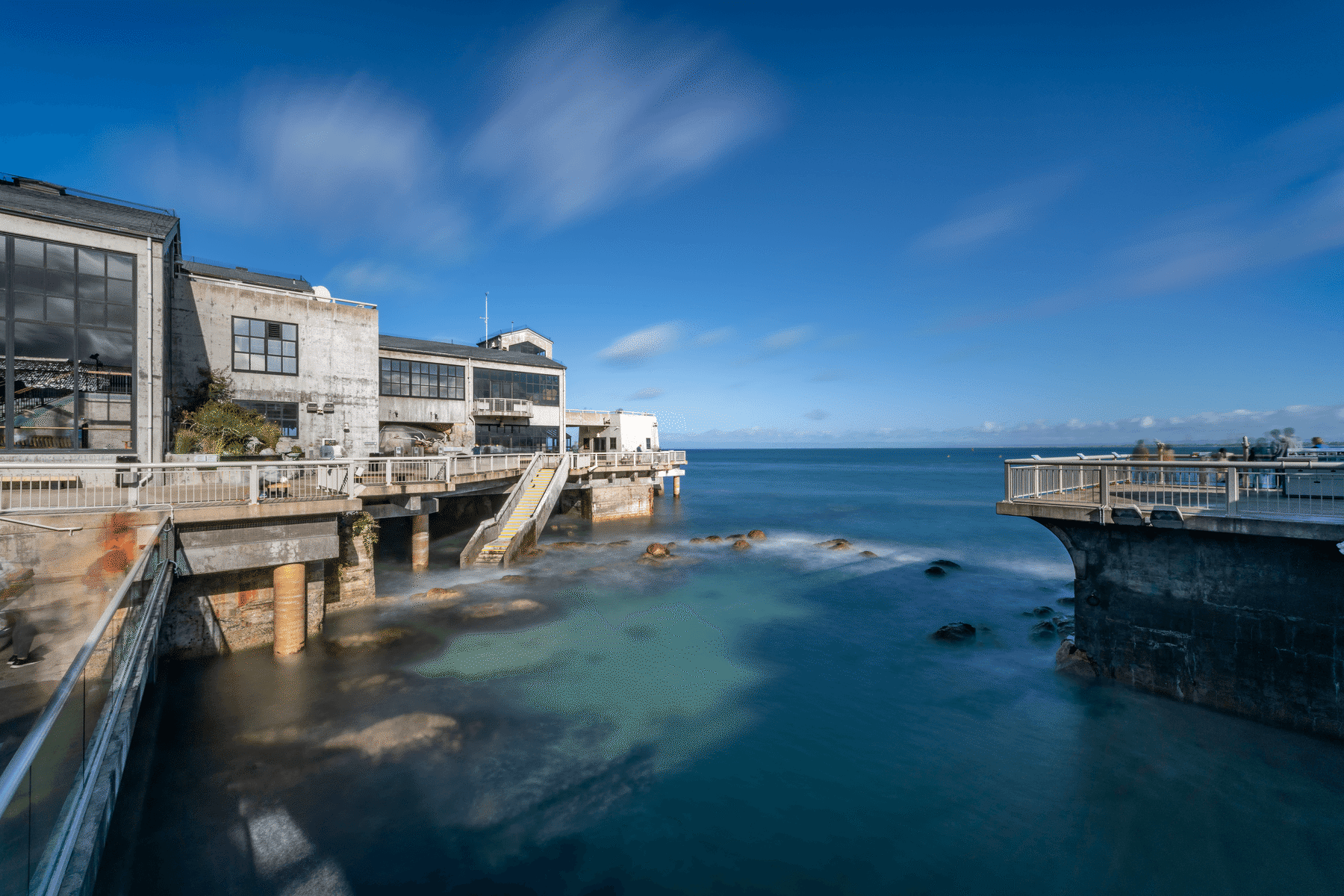
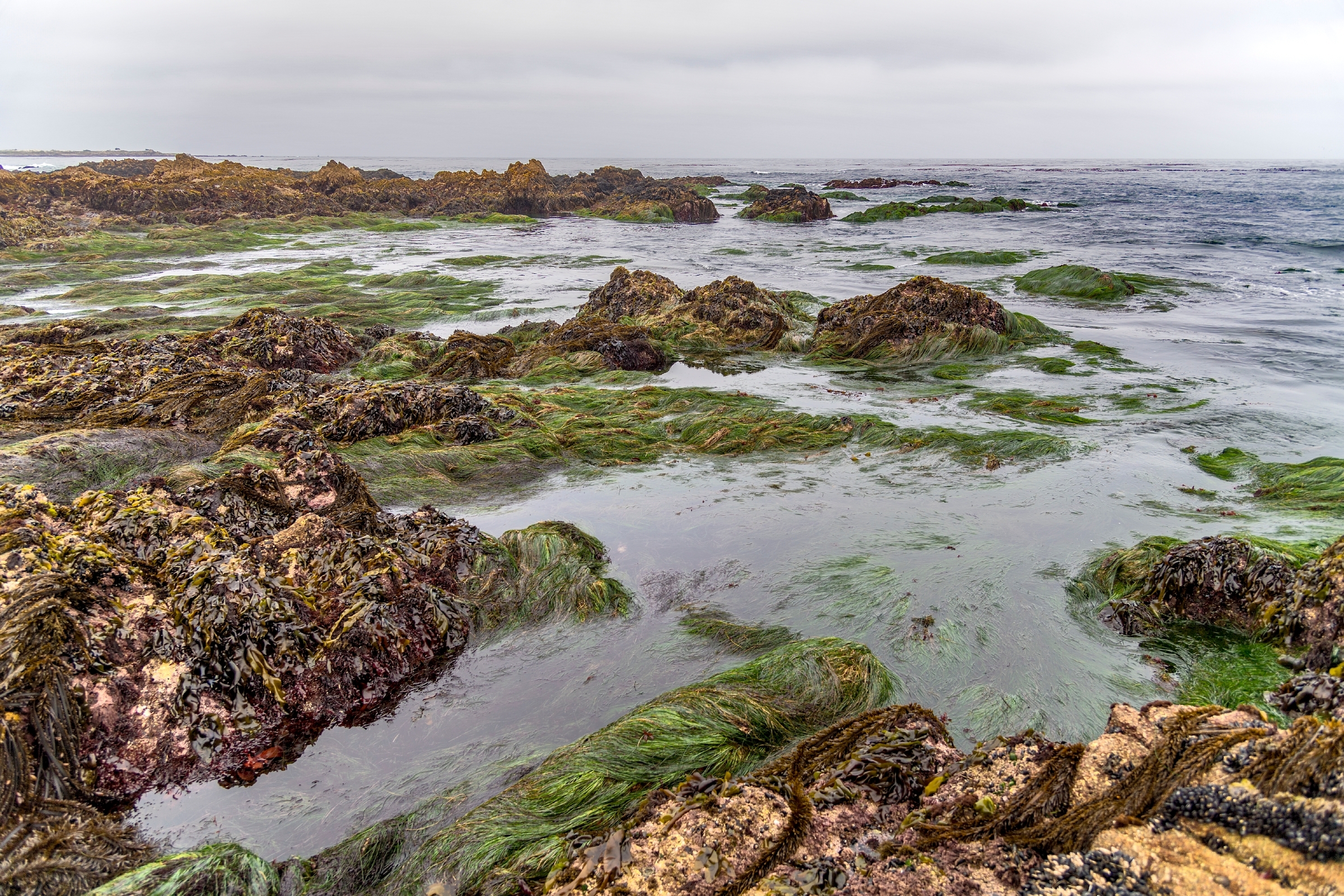
During an extreme low tide, the rockwork is exposed at The Great Tide Pool.
What's a king tide?
"King tide" is a common—non-scientific—way to refer to the biggest tides of the year. During a king tide, we'll see the highest high tide and the lowest low tide of the year.
What causes a king tide?
King tides happen when the sun and moon are both at their closest to Earth—pulling on the ocean with their strongest gravitational force. A king tide’s scientific name is perigean spring tide, "perigean" meaning that the moon is closest to the earth, and "spring" referring to a full or new moon. Watch this great video from the Exploratorium to learn more.
How often do king tides happen?
King tides generally happen twice a year. They happen at different times throughout the world because each location lines up with the sun and moon just right at different times.
King tides are rare, but predictable! Next time there's a king tide, put it on your calendar and plan a trip to the shore. The high and low tides transform our coast and give us new perspectives. It’s special to experience one for yourself.
If you decide to go out, be sure to check the tide charts, bring a buddy, and follow our tidepooling tips.
See marine life that’s normally hidden
When the tide goes down, what happens to shallow water animals?
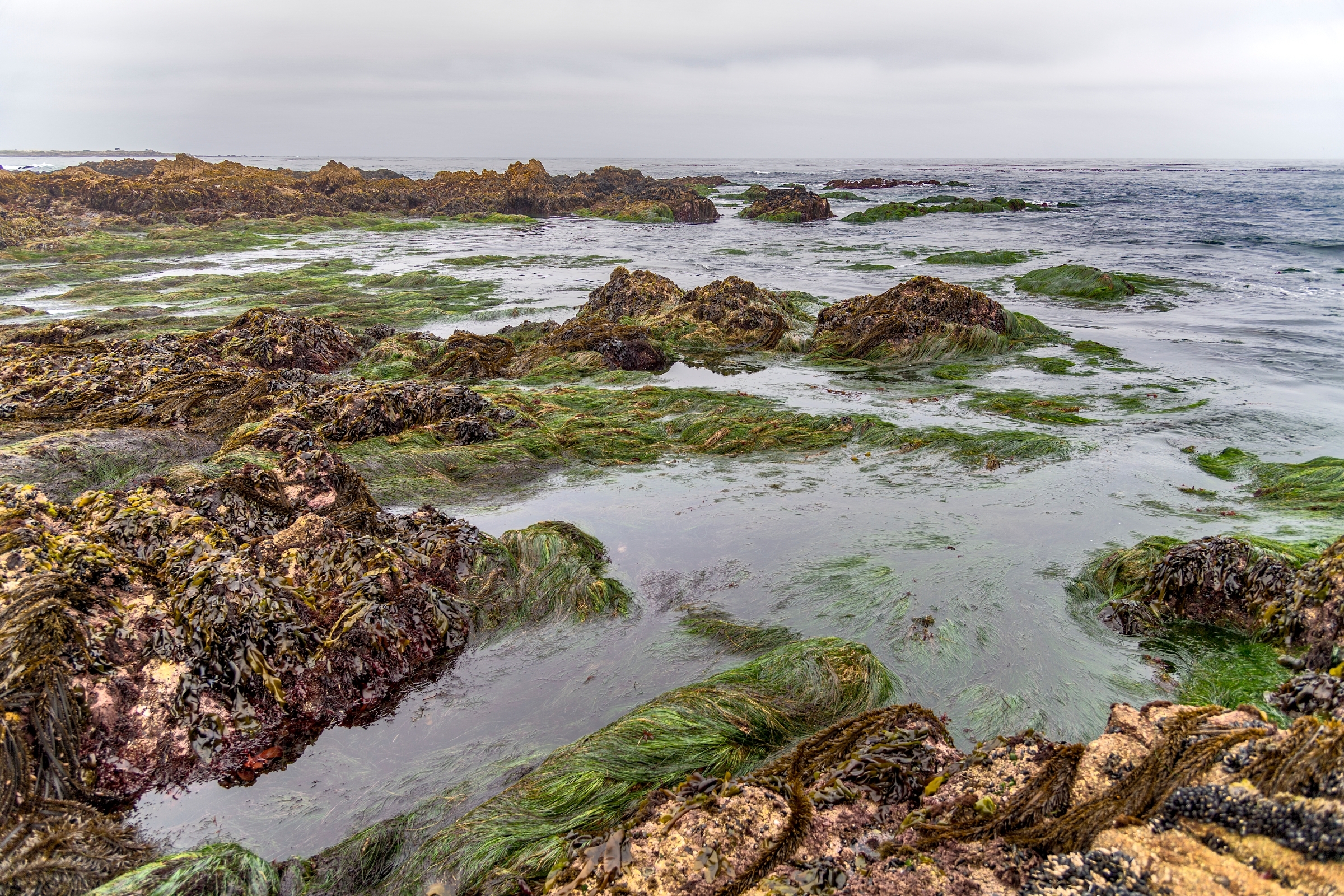
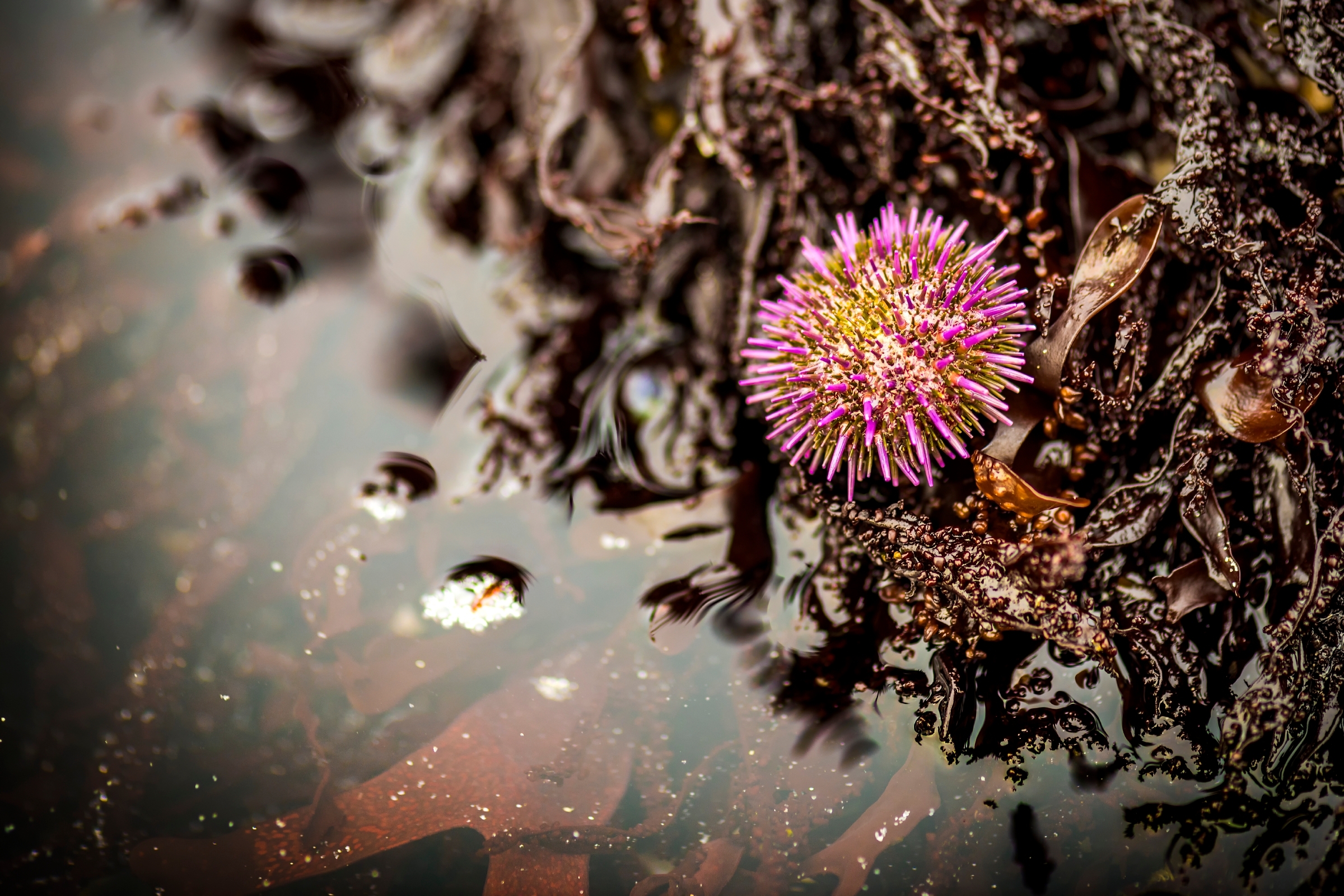
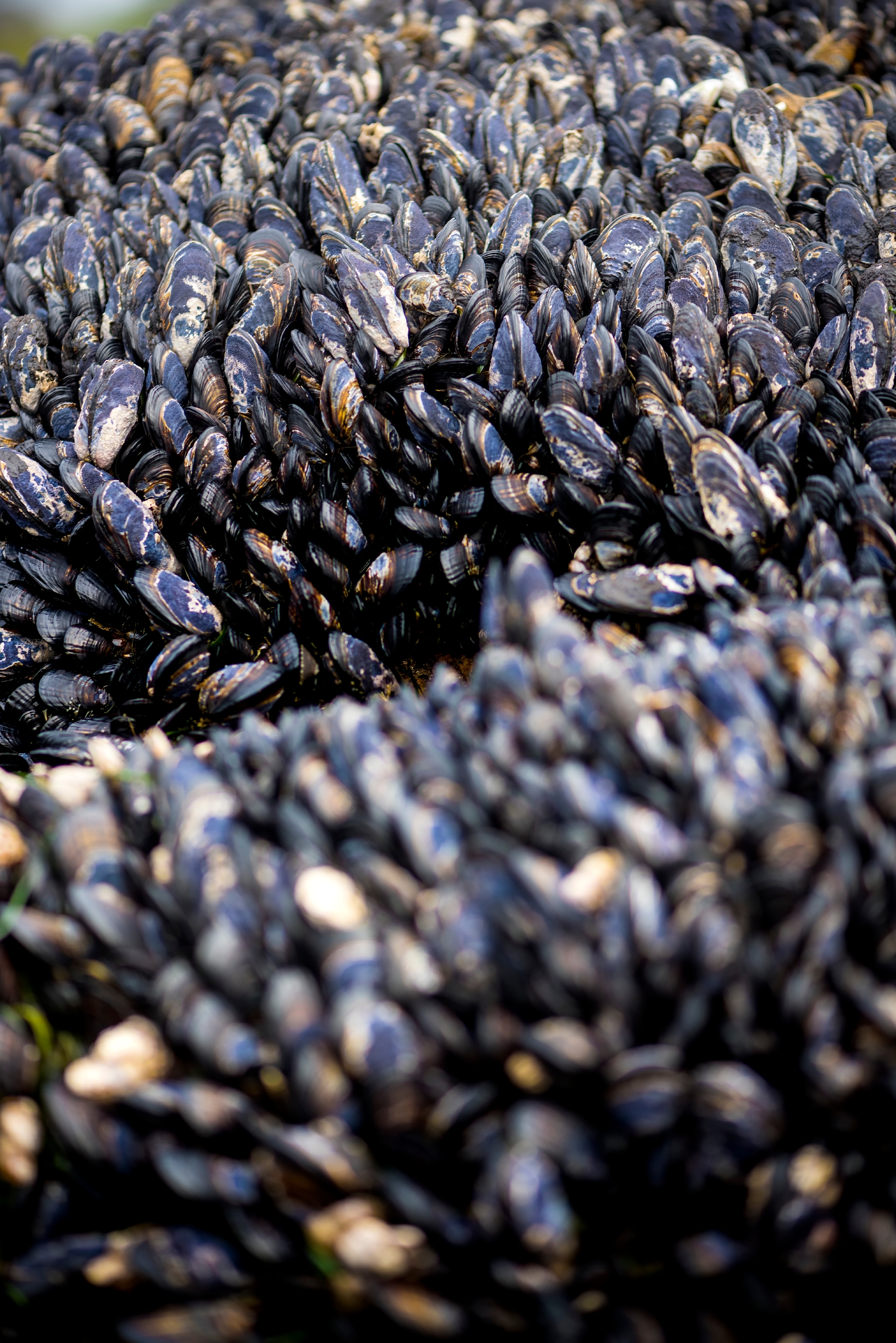
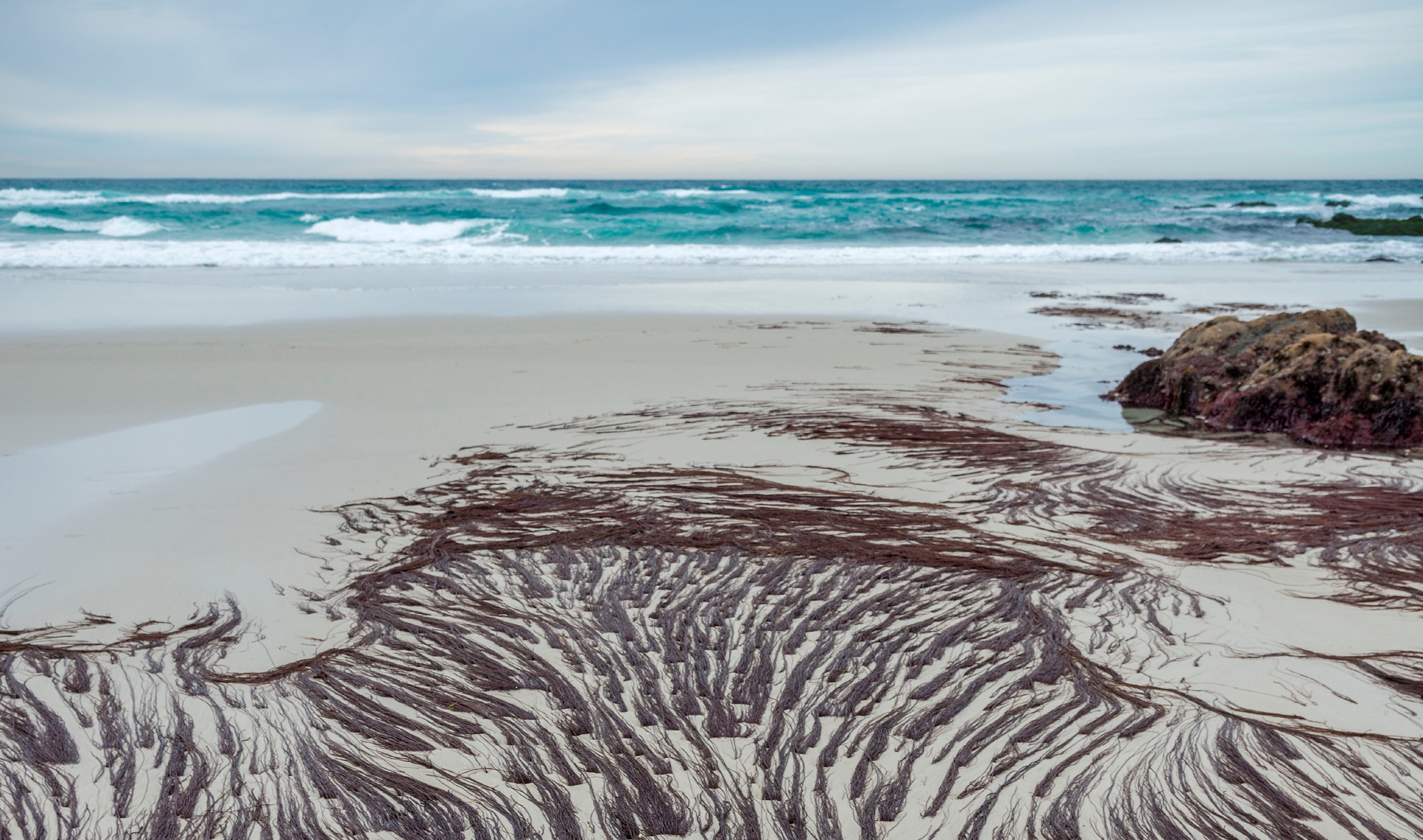
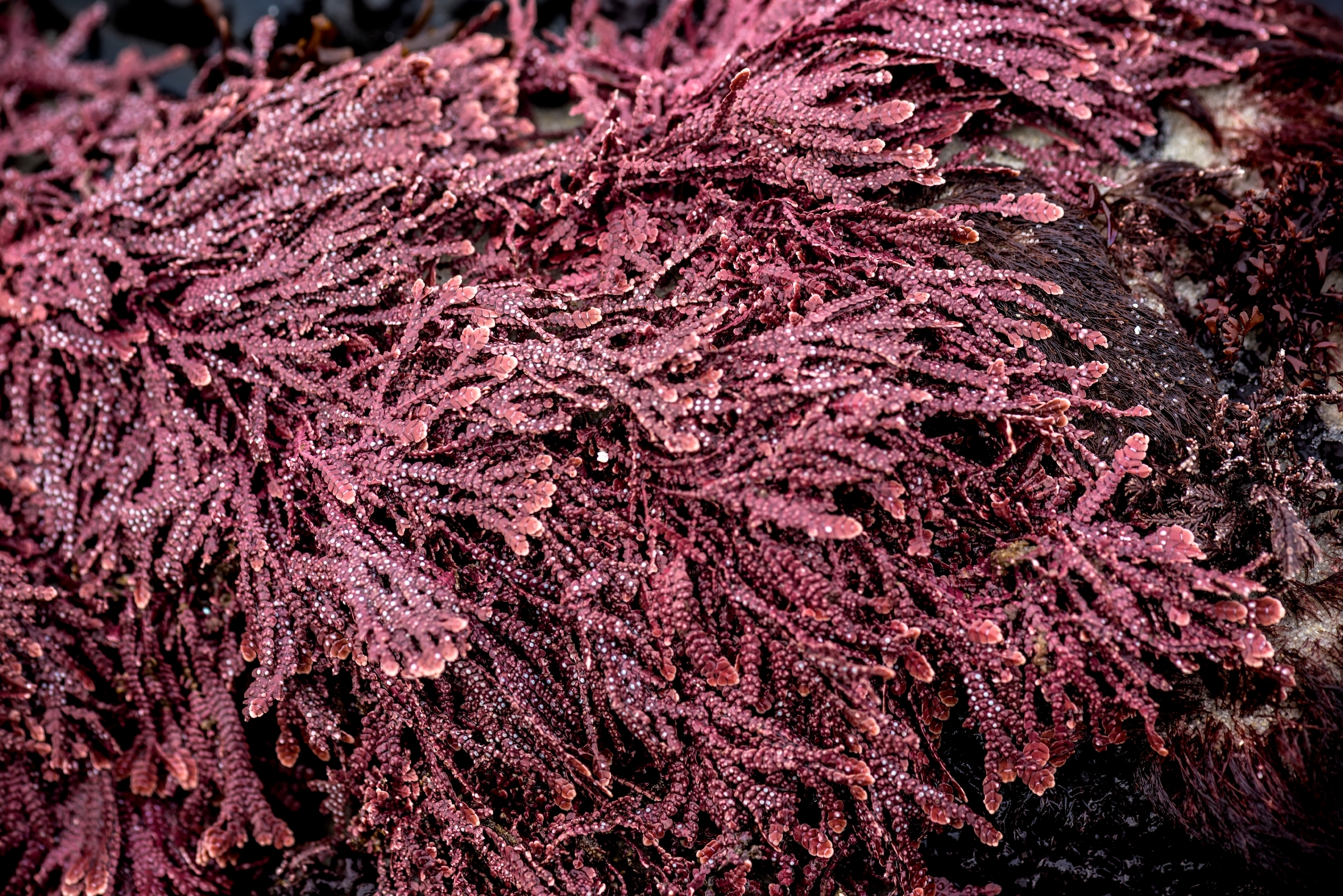
The low king tide uncovers a world of animals that normally live underwater. Go down to your local beach or tide pools and look for these animals. You might see limpets and mussels clinging to rocks, and algae slick and flattened on the sand from its recent time underwater.
Rocky areas often form tide pools at these times — peek into a pool’s waters to see tiny fish darting and crabs crawling into crevices. And remember, look but don't touch! It’s up to us to protect delicate tide pool animals.
Peek into the future
When the tide is extremely high during a king tide, many areas experience flooding. This could be a picture of what our future will be like with rising sea levels. Due to climate change, the king tide’s high may become a new normal.
Tune in to our videos below to hear a discussion about how these tides may give us an idea about life during climate change.
See for yourself
Related videos
Listen in as we discuss king tides
We discuss the extreme high tide with Annie Frankel from the California King Tides Project. These high tides are a great visual for the future of our coastline with sea level rise due to climate change—today's king tides are tomorrow's average high tides!
During low tide, the Great Tide Pool looks much different.
Keep exploring
Story
How to go tidepooling on California’s rocky shores
Explore California tide pools, see sea stars and anemones, and get tips to stay safe and protect wildlife.
Read story – How to go tidepooling on California’s rocky shores
Story
Meet Leslie Davenport, climate psychologist
Climate change causes anxiety. Psychologist Leslie Davenport shares tools to help us and the planet.
Read story – Meet Leslie Davenport, climate psychologist
Story
Algae and seagrasses buffer against the effects of climate change
Can eelgrass gardens and kelp forests protect wildlife from climate change’s worst impacts?
Read story – Algae and seagrasses buffer against the effects of climate change