

What's changing in the ocean
A warming climate affects the ocean in many ways. Deforestation and burning fossil fuels for things like transportation, electricity and heat production, and agriculture, releases greenhouse gases into the atmosphere, which traps excess heat. Almost all of this excess heat is then absorbed by the ocean. The ocean also absorbs carbon dioxide, one of the greenhouse gases released when fossil fuels are burned. When the ocean absorbs more carbon dioxide, the water becomes more acidic (lower pH). This process is known as ocean acidification. Imagine squeezing a lemon into a glass of water—you’ve just made your water more acidic. This is happening on a large scale (but through a very different chemical process!) throughout our global ocean.
Finally, as the ocean warms, it can’t hold onto as much oxygen. This creates oxygen-poor zones and dead zones within the ocean. And since warmer water ramps up animals’ and microbes’ metabolisms, they use even more oxygen to sustain themselves.
These changes affect ocean animals. Each species is adapted to live at a certain temperature, acidity (pH), and oxygen level. Changes to these conditions can result in slower growth, lower reproduction rates, and higher vulnerability to predators.
Enter our humble helpers: kelp, seagrass, and seaweeds. These plants and algae may help animals weather the changes they’re experiencing. And they’re a vital first line of defense for coastal communities vulnerable to rising sea levels.
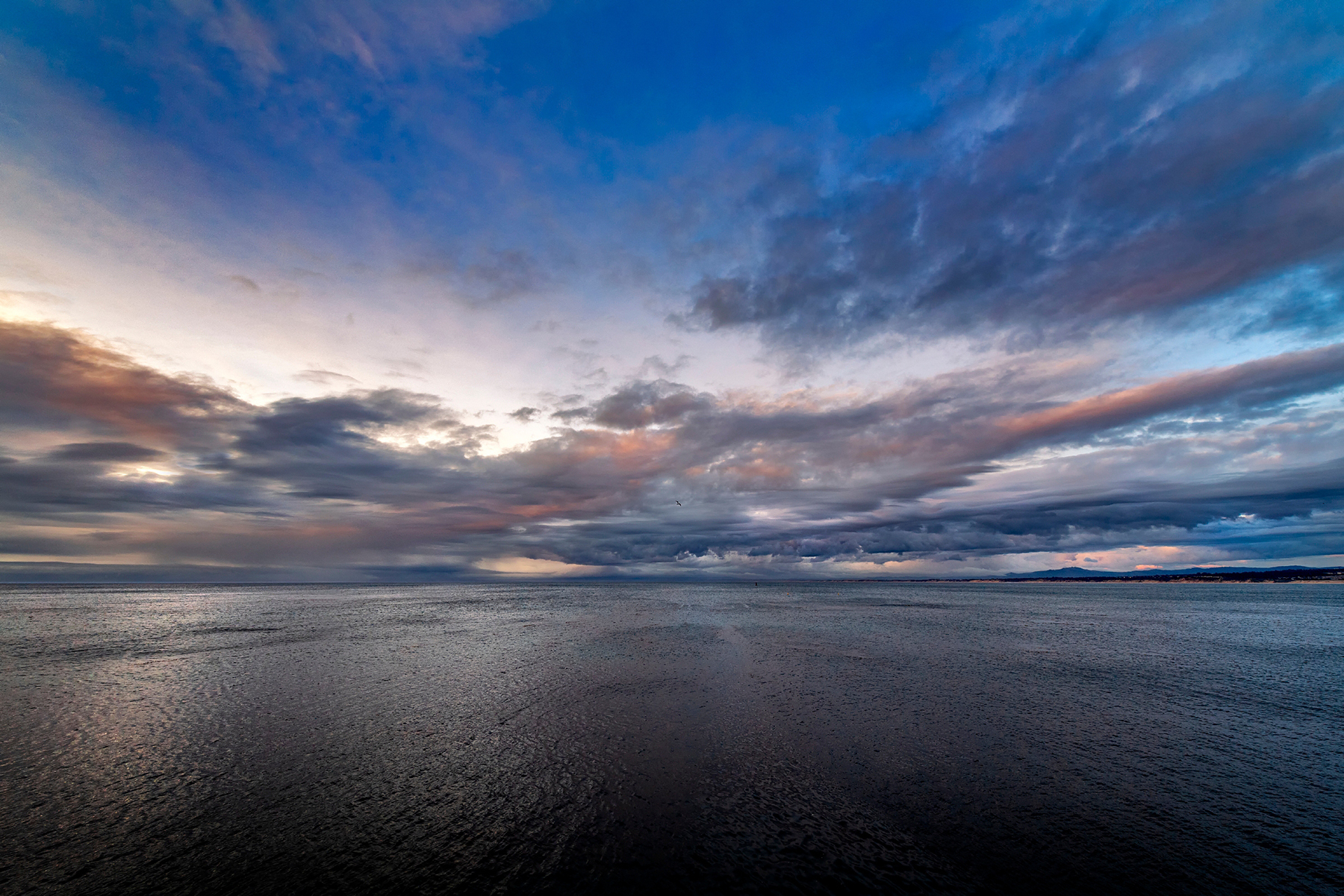
So far, the ocean has absorbed more than 90 percent of the extra heat caused by our greenhouse gas emissions. This has affected animal habitats in the ocean.
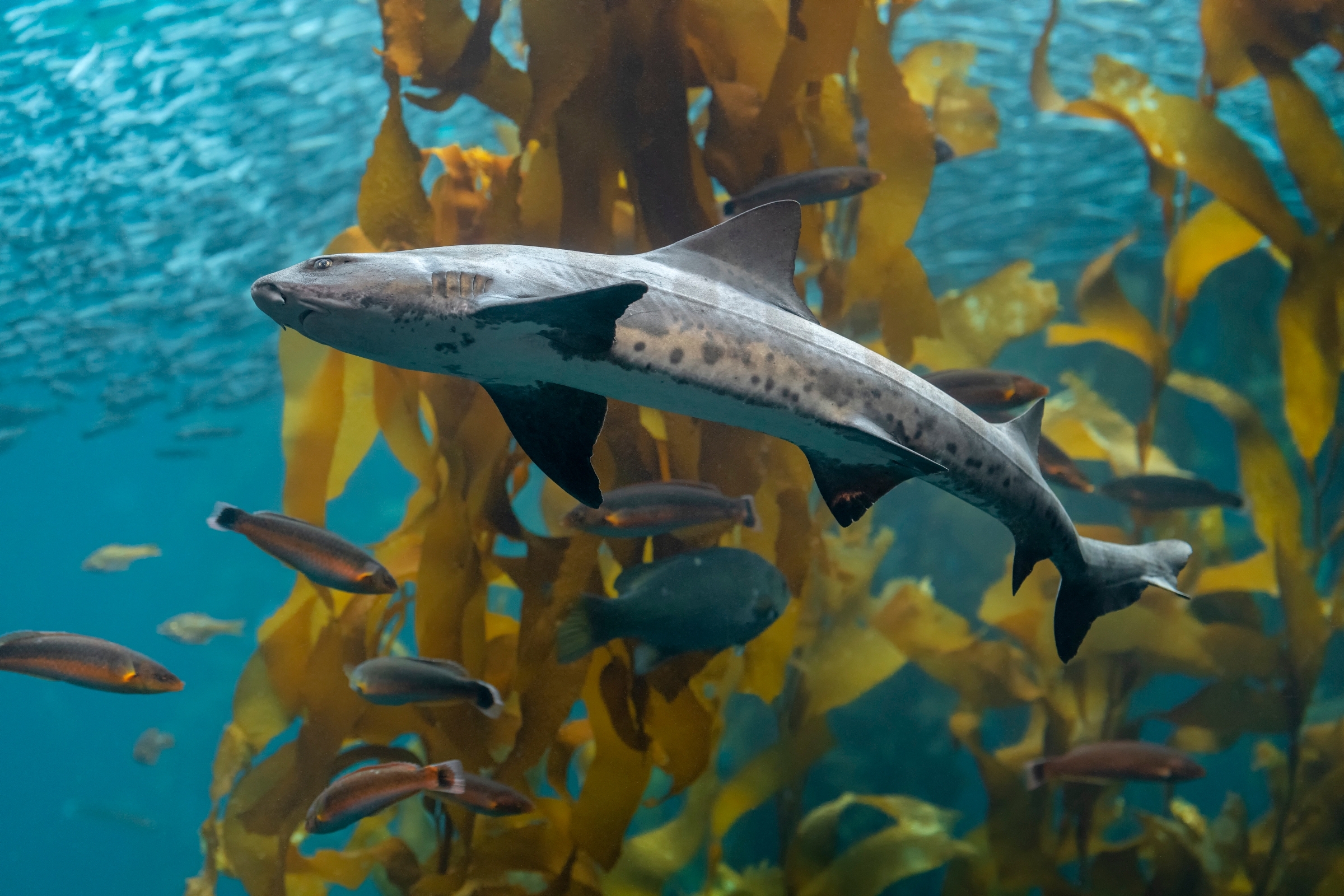
Protecting seagrass and kelp forest habitats may help reduce the impacts of ocean acidification on ocean animals.
Seagrass: a shallow-water haven worth protecting
Seagrass can be found in coastal wetlands and shallow waters. From above, these waters may look still, but under the surface they’re teeming with life.
Pipefish and skeleton shrimp attach themselves to eelgrass blades to camouflage their long narrow bodies, swaying in the current. Young fish take refuge in hiding spots offered by the habitat’s vegetation. And eelgrass blades provide an ideal surface onto which eggs can attach—perfect for spawning animals like Pacific salmon and Dungeness crab.
Ocean acidification is threatening this ecosystem. Animals that rely on calcium carbonate to build their shells need to work harder to build and maintain these structures—which leaves them with less energy to feed, grow, and reproduce. It can also cause their shells to become thinner and more brittle. These disturbances can ripple through ocean food webs, affecting animals and ecosystems in ways scientists are just beginning to decipher.
One study on seagrass, by scientists from our research partner MBARI and others, showed that these plants can combat ocean acidification. Seagrasses absorb carbon dioxide from the ocean water when they photosynthesize, which raises the pH to higher (less acidic) levels. The study found that the seagrass beds return the habitat’s pH to pre-industrial levels, as far back as 1750. These findings suggest that protecting seagrass habitats may help reduce the impacts of ocean acidification on ocean animals.
Another threat facing life in seagrass is habitat destruction. “Many species that depend on eelgrass are highly migratory,” said former California Senator Bill Monning in his statement on the importance of eelgrass, a type of seagrass, for climate resilience. “If these species are harmed by the loss of habitat, the effects will be seen along the California coast and beyond.”
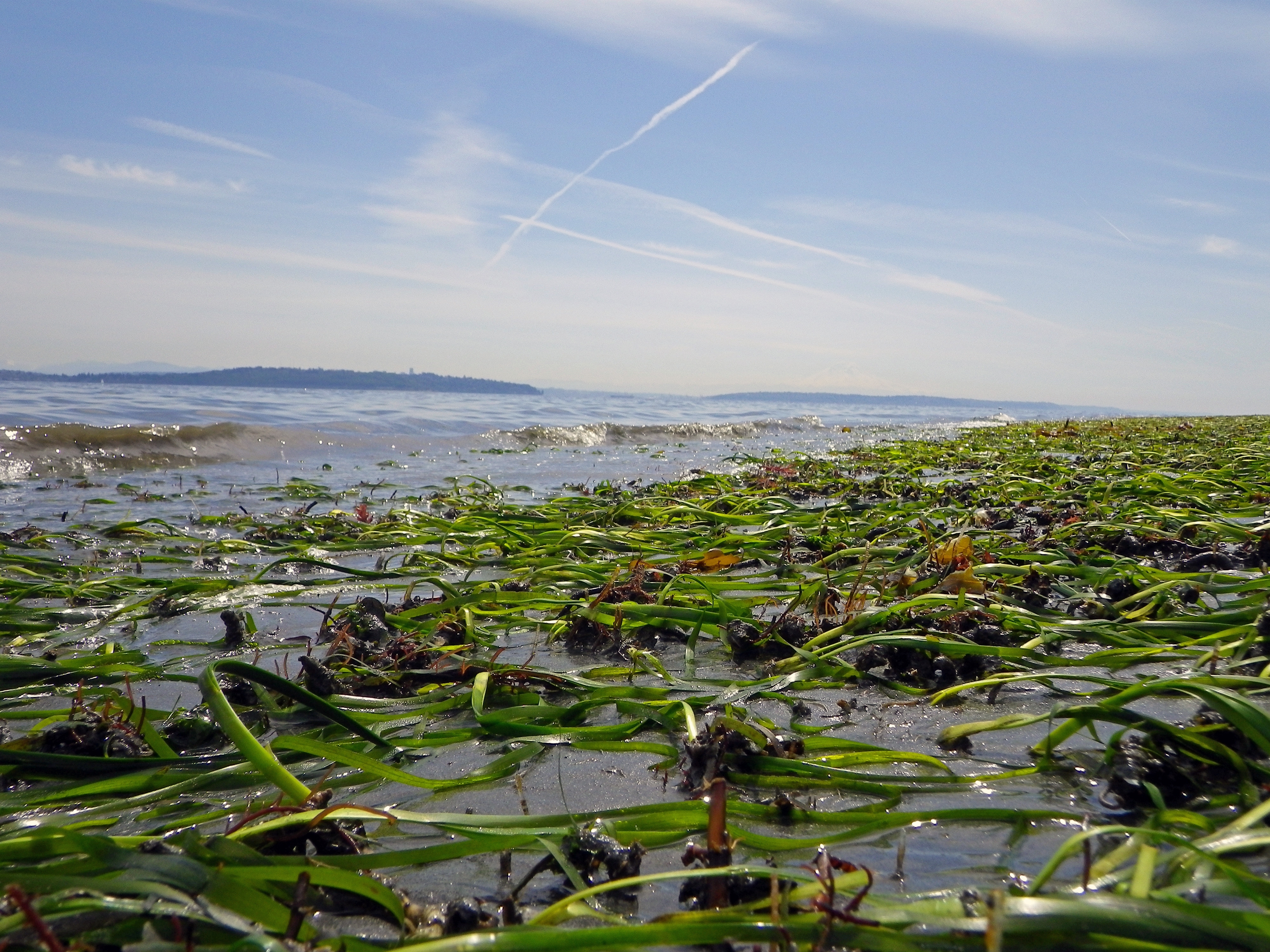
Seagrasses can combat ocean acidification by absorbing carbon dioxide from the ocean water when they photosynthesize. (Photo © David Ayers)
© David Ayers
Kelp forests: a buffer from acidic waters
Like seagrass meadows, kelp forests can sequester carbon and help animals survive ocean acidification.
These submarine forests grow along the Pacific coast of North America, towering up to 175 feet over the ocean floor. Beautiful and biologically complex, kelp forests provide food and shelter for a diverse community of plants and animals.
Like in the seagrass habitat, ocean acidification impacts kelp forest residents. It has been shown to negatively affect the metabolism and swimming speed of some rockfish species. Meanwhile, Dungeness crab, abalone, and other shelled animals may experience effects like shell corrosion.
As this habitat faces the challenges that come with warming waters, the kelp may help. The carbon-uptake effects of kelp forests may “provide a buffer for sensitive animals, allowing them to gradually adapt to acidic conditions,” according to a study from the Journal of Geophysical Research.
Sadly, these critically important habitats are threatened. About 95 percent of kelp forests in Northern California have disappeared. Unusual heat conditions and an explosion of the sea urchin population caused the sudden collapse of kelp forests in northern California in 2014. Now studies are being conducted to understand the future threats to kelp forests as marine heatwaves are projected to increase.
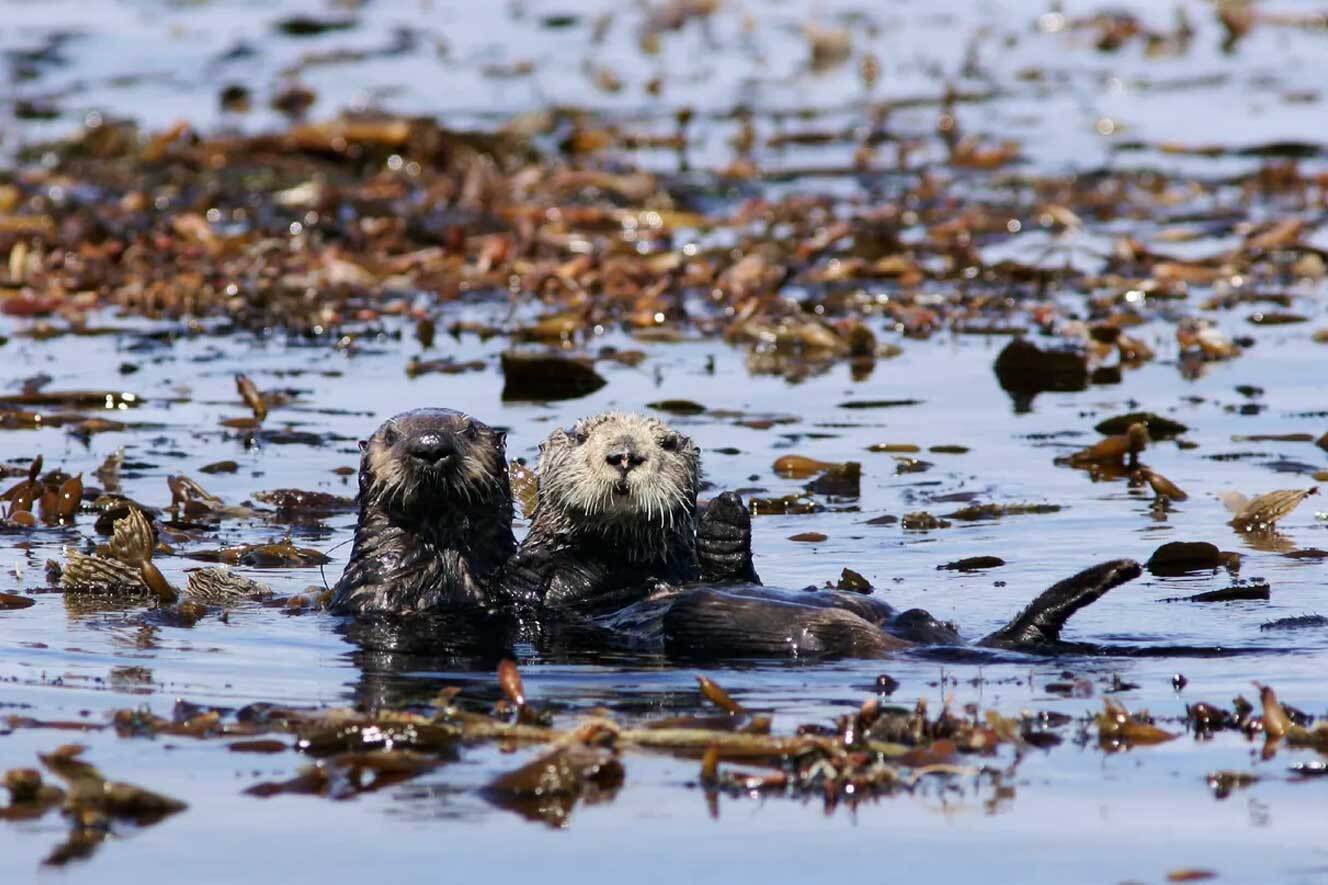
Beautiful and biologically complex, kelp forests provide food and shelter for a diverse community of plants and animals.
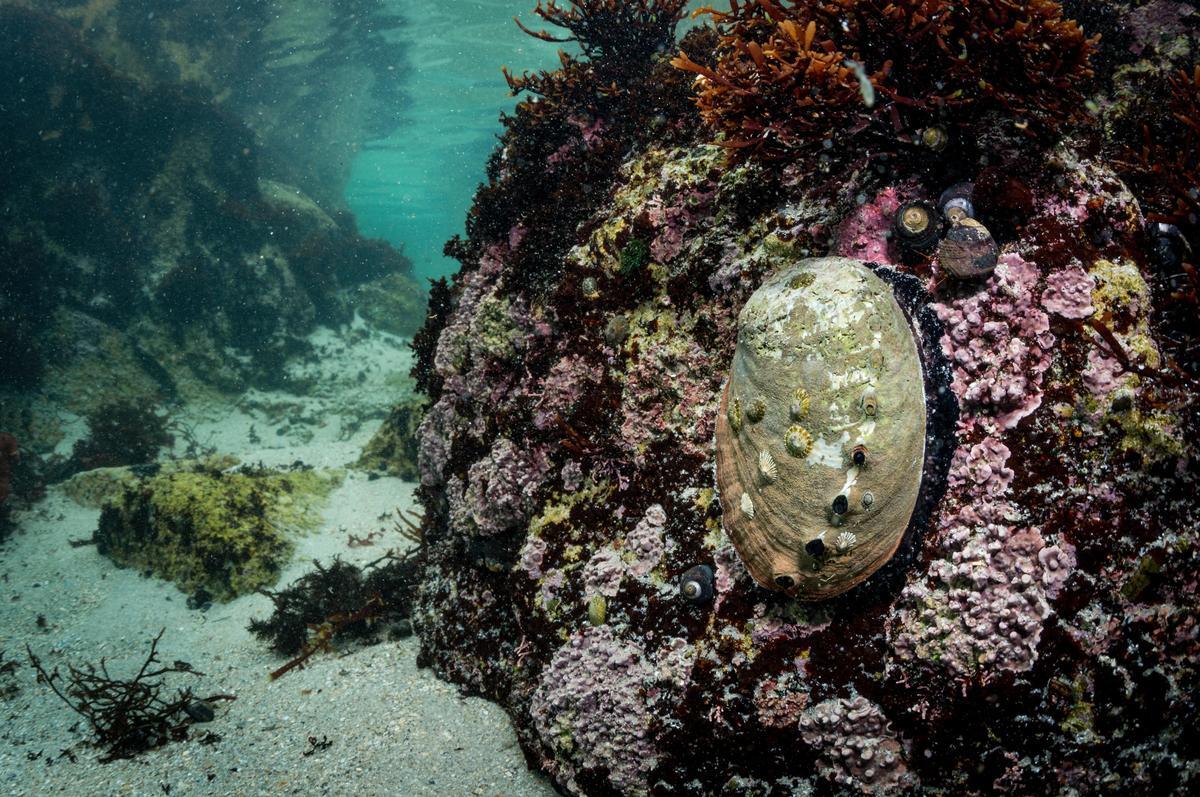
Ocean acidification impacts kelp forest residents. Abalone and lobster—among other shelled animals—may experience effects like shell corrosion.
California spotlights seagrass as a “blue carbon” tool
A state plan to reduce greenhouse gas emissions aims to leverage the power of seagrass. California’s Climate Adaptation Strategy proposes to utilize nature-based solutions to climate change, including the strategic plan to safeguard California's coast and ocean through the end of the decade (2030). Ocean and coastal ecosystems with this power to capture and store carbon dioxide are called “blue carbon ecosystems.”
As excessively warm ocean temperatures become the new global normal, kelp and seagrass will play an increasingly important role in keeping the ocean—and our coastal communities—healthy. We must support the ecosystems we depend upon.
Protecting and restoring these important habitats will help defend coastal communities from the impacts of climate change, enhance fish habitats, and increase the biodiversity that keeps the ocean resilient in a time of rapid global change.
Ecosystem
Kelp forest
Giant kelp plants that provide food and shelter for a diverse community of plants and animals.
Keep exploring
Story
From Vietnam to California
From farms to CA schools, your food choices help wildlife, fishers, and global coastal food systems thrive.
Read story – From Vietnam to California
Story
Earth Month 2026
This Earth Month, embrace wonder. Ask questions, dive in, and join our community caring for the ocean.
Read story – Earth Month 2026
Story
From bridges to better seafood: investing in coastal communities
Projects we finance aim to improve the overall quality of life in small-scale fishing and farming communities.
Read story – From bridges to better seafood: investing in coastal communities