

What is tidepooling?
Twice a day, rising tides submerge the rocky formations along the ocean’s edge. Urchins, mussels, fish, and other animals must hold on tightly to avoid being swept away by crashing waves.
Some animals, like snails and chitons, use a strong muscular foot to cling to rocks. California mussels attach themselves with tough fibers called byssal threads. Others, like anemones and seaweeds, survive by bending with the waves instead of resisting them.
When the tide recedes, these animals face a different challenge. Exposed to sun and air, they must stay hydrated until the water returns. Tide pools can warm up and become saltier as water evaporates.
Many animals have special adaptations to survive these conditions. Mussels clamp their shells closed to keep moisture inside. Soft-bodied anemones often huddle together to reduce exposure. Fish like sculpins move to deeper pools while the tide is out, returning to their home pools when the tide comes back in.
Common tide pool animals you might see
California’s rocky tide pools are home to a fascinating community of marine life. As you explore, you might spot animals such as:
Each of these animals is specially adapted to survive the challenging conditions of the intertidal zone.
Related videos
Meet tide pool animals

Tide pools are teeming with life. Hermit crabs, anemones and more make their home in a tide pool's rocky crevices. Watch this video to meet animals that live in this coastal habitat.
Intertidal zones explained
As you explore the rocky shore, you may notice different bands of life along the rocks. These areas are called intertidal zones, and each supports its own community of plants and animals.
The high intertidal zone is closest to land. Animals like periwinkles and barnacles spend most of their time out of the water.
Below that is the mid intertidal zone, which is covered and uncovered twice a day by the rising and falling tide.
The low intertidal zone is only visible during the lowest tides. Most of the time, this area remains underwater and supports a rich diversity of marine life.
Best time to go tidepooling
The best time to explore tide pools is during low tide, when the ocean recedes and reveals the rocky shore.
Check a local tide chart before your visit and plan to arrive about one hour before the lowest tide. This gives you plenty of time to explore as more tide pools become visible.
Winter and spring often bring the lowest daytime tides, making them some of the best seasons for tidepooling along the California coast
Tidepooling tips for visitors
Exploring tide pools can be exciting and rewarding. Keep these tips in mind while visiting the rocky shore:
- Go tidepooling with a buddy.
- Always keep an eye on the ocean and watch for incoming waves.
- Watch where you step to avoid damaging fragile habitats.
- Stay low to the ground—you’ll see more animals and reduce your chance of slipping.
How to protect tide pool animals
You will undoubtedly encounter many amazing animals in Monterey's tide pools. Have a conversation with your children about how to care for these critters before heading off to explore.
- Look closely. Instead of picking them up, quietly stop and watch the rocky shore animals for a few minutes. You will see and learn much more this way. Touching with dry fingers can damage delicate surfaces. If you do touch an animal, wet your hands first.
- Touch gently. If the animal tries to escape, let it go.
- Leave ocean animals in their homes. Most will die if pried from the rocks, and all of them need the oxygen from seawater to breathe.
- Always return animals exactly as you found them. Replace any rocks or shells that you turn over — they are homes for many animals. In the Monterey Bay Nationl Marine Sanctuary, plants, animals, rocks and shells are protected. Collecting them is not allowed, even those found high on the beach. Collection will result in fines.
- Remember to use all your senses. Close your eyes and listen to the sounds of the waves and birds; feel the cool ocean breeze; smell the salty air.
Tidepool safety tips
Rocky shores can be slippery and unpredictable. Take a few precautions to stay safe:
- Watch where you step—rocks can be sharp, and seaweed can be slippery.
- Never turn your back on the ocean. Large waves can be dangerous, even deadly.
- Wear sturdy shoes with good traction.
- Check the tide schedule before visiting to plan your trip during low tide.
Preserve our sanctuary
The Monterey Bay coastline, including its tide pools, is part of Monterey Bay National Marine Sanctuary. The sanctuary protects the many marine habitats and plants and animals living along our coast.
Some activities that could harm the ocean's health, such as oil drilling, are prohibited. But many others, such as fishing, boating and exploring the coastline are allowed. Visiting the rocky shore can provide you and your children with an exciting look at ocean plants and animals in their native habitat.
Most importantly, tell others what you've learned and what you're doing to help the oceans. Conservation of the ocean starts with you.
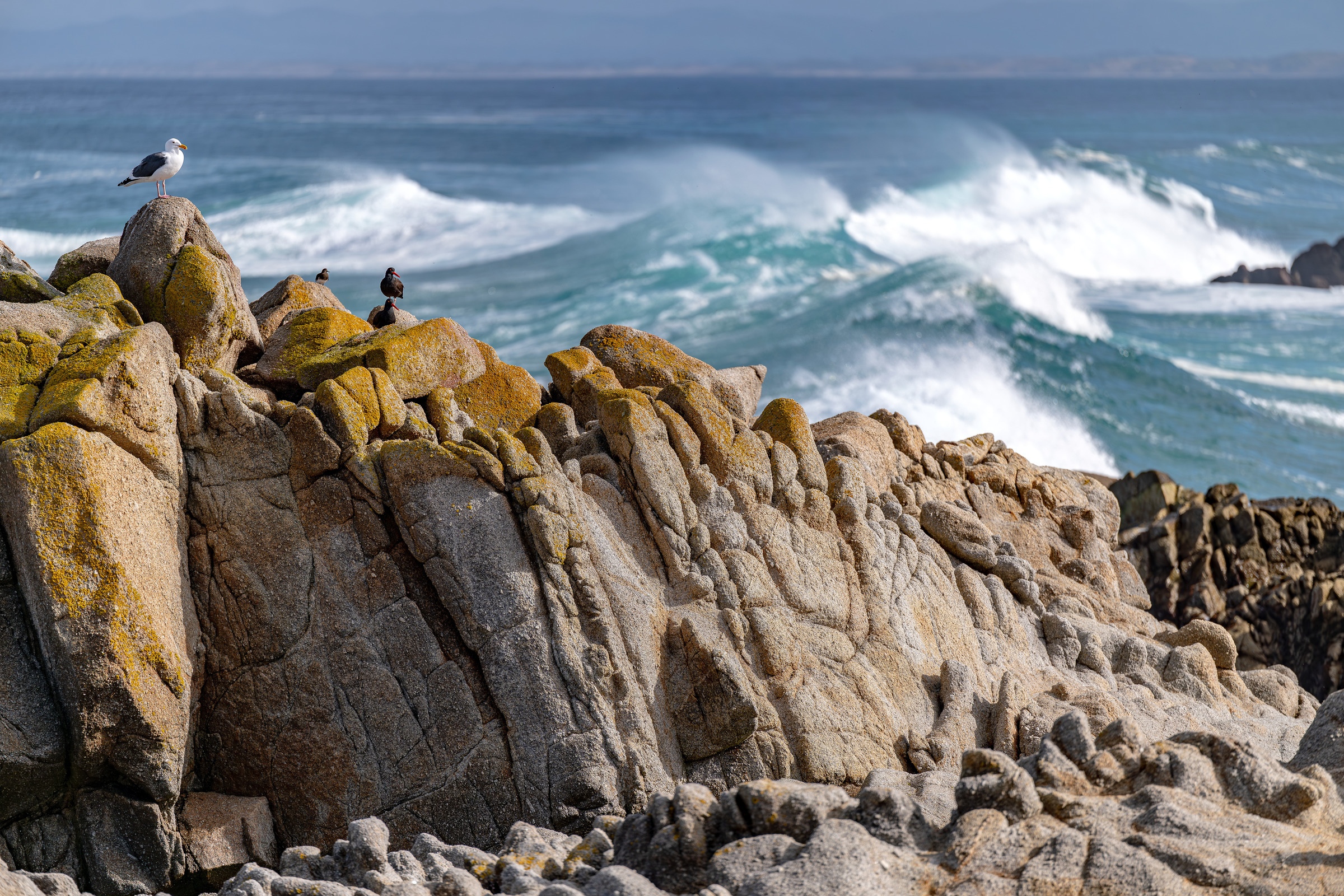
Ecosystem
Rocky shore
Learn more about the rocky shore environment and what animals you can see.
Explore ecosystem – Rocky shore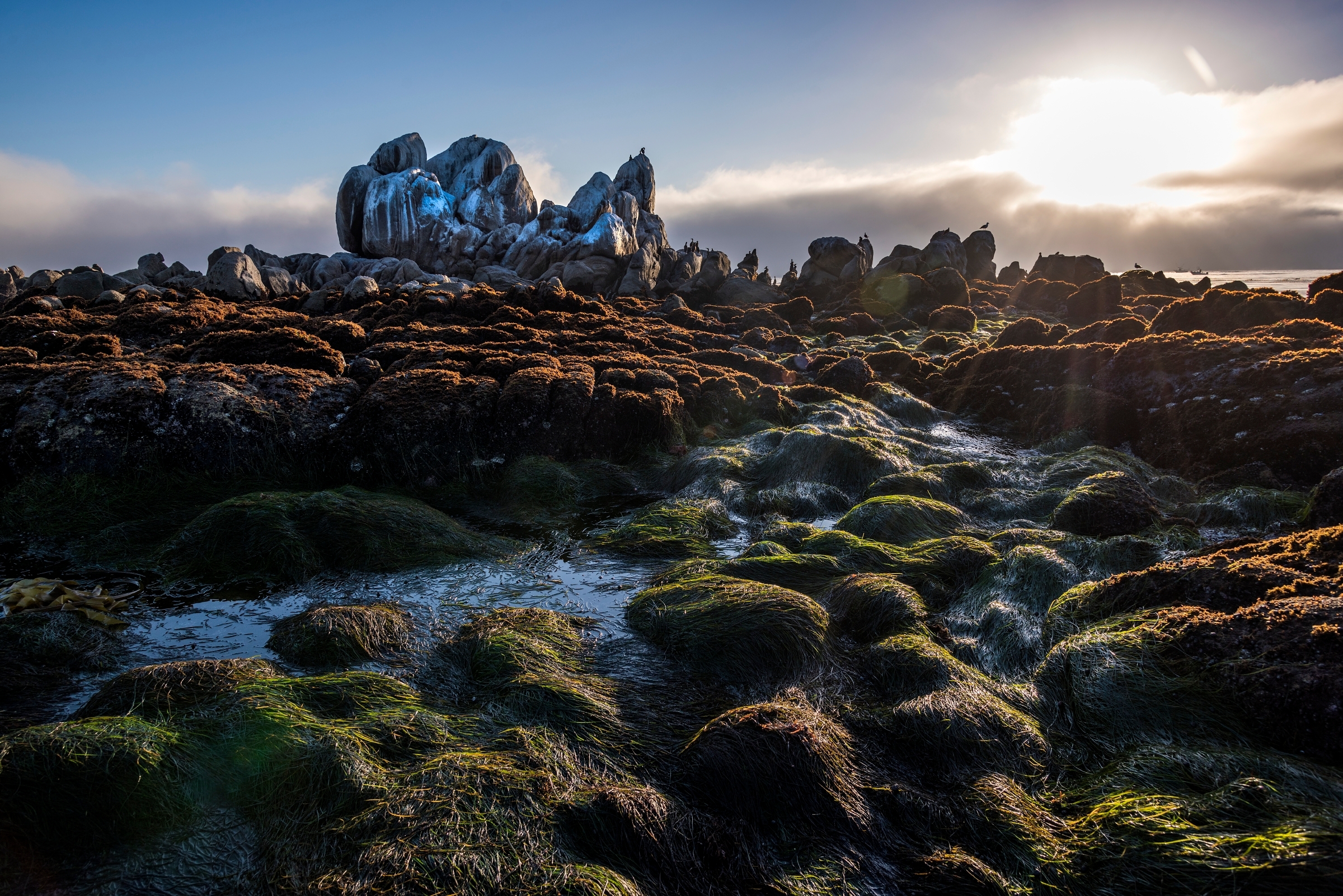
Visit
Monterey Bay National Marine Sanctuary
Tide pools, wetlands, kelp forests and deep canyons create a rich mosaic of habitats for countless species.
Read more – Monterey Bay National Marine SanctuaryTidepooling FAQ
Is it okay to touch tide pool animals?
Some animals can be gently touched if your hands are wet, but it’s best to observe wildlife without disturbing it. Never remove animals from their habitat.
Why are tide pools important?
Tide pools provide habitat for many marine animals and give scientists and visitors a unique window into ocean ecosystems.
What should I wear when tidepooling?
Wear sturdy shoes with good grip. Rocky shores can be slippery, and proper footwear helps keep you safe.
Keep exploring
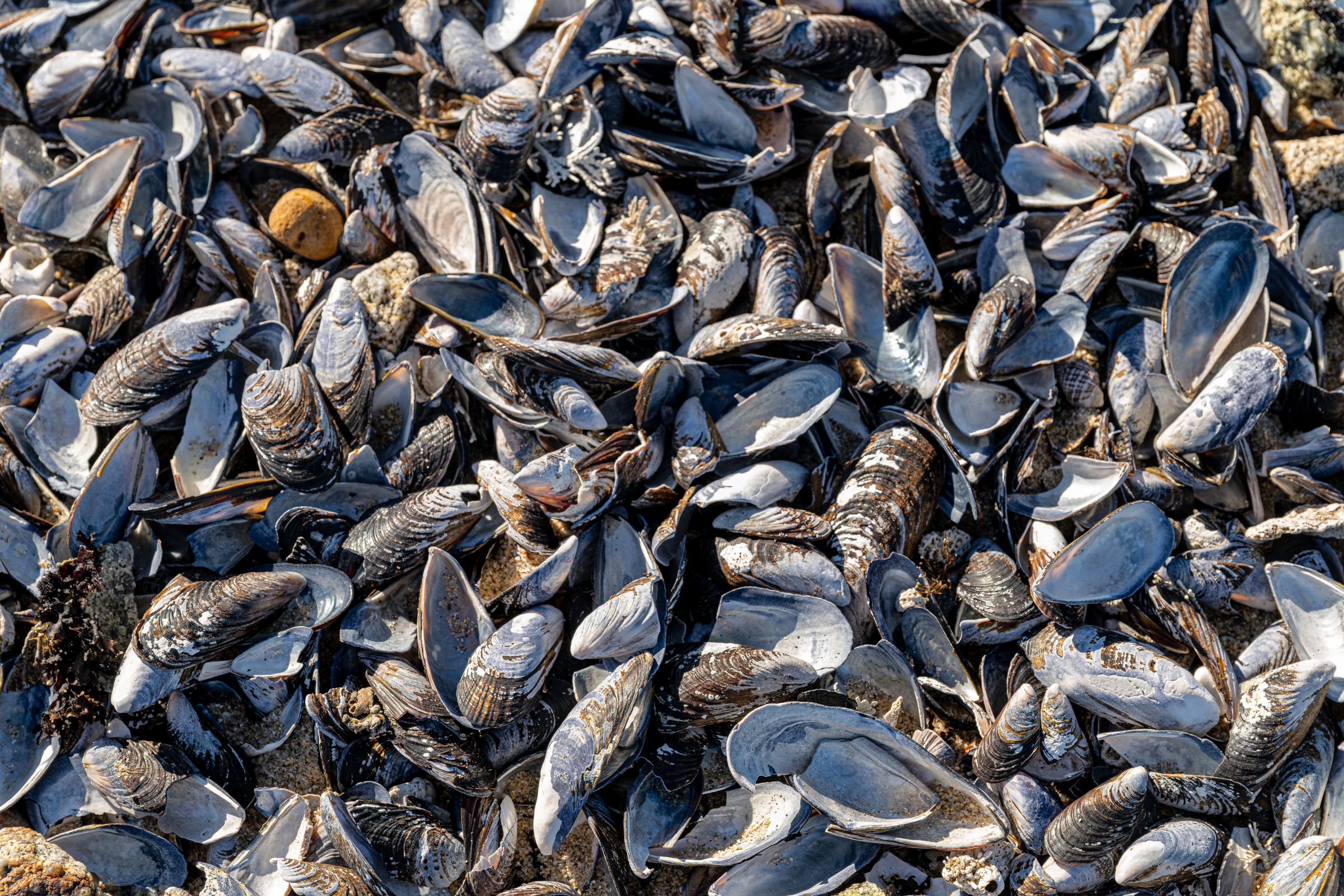
Story
What winter storms bring to shore
Winter storms combined with extreme tides can create ideal conditions for exploring the beach.
Read story – What winter storms bring to shore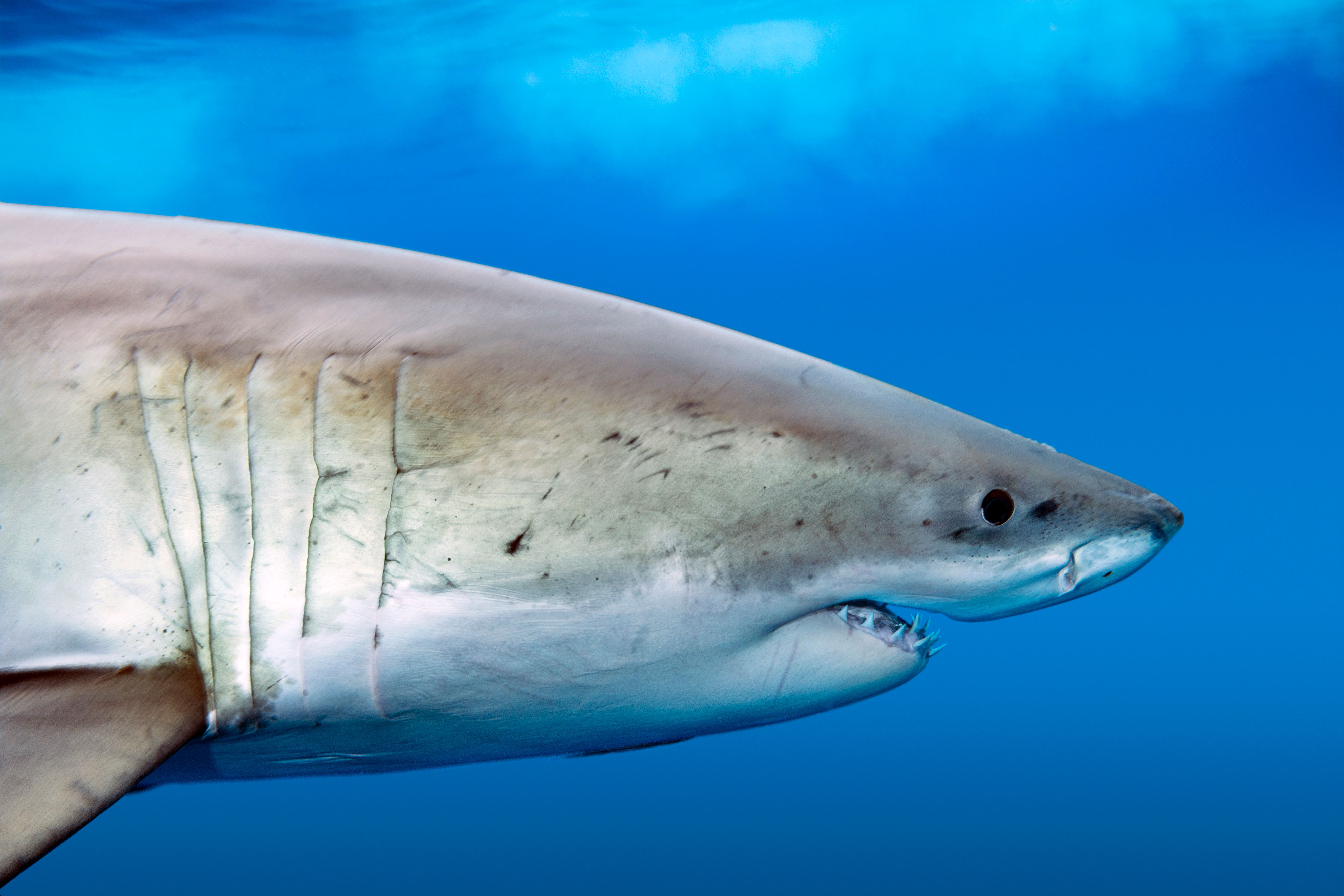
Story
What does a warming ocean mean for white sharks?
Sharks have evolved for about 400 million years, but how will they respond to a rapidly changing climate?
Read story – What does a warming ocean mean for white sharks?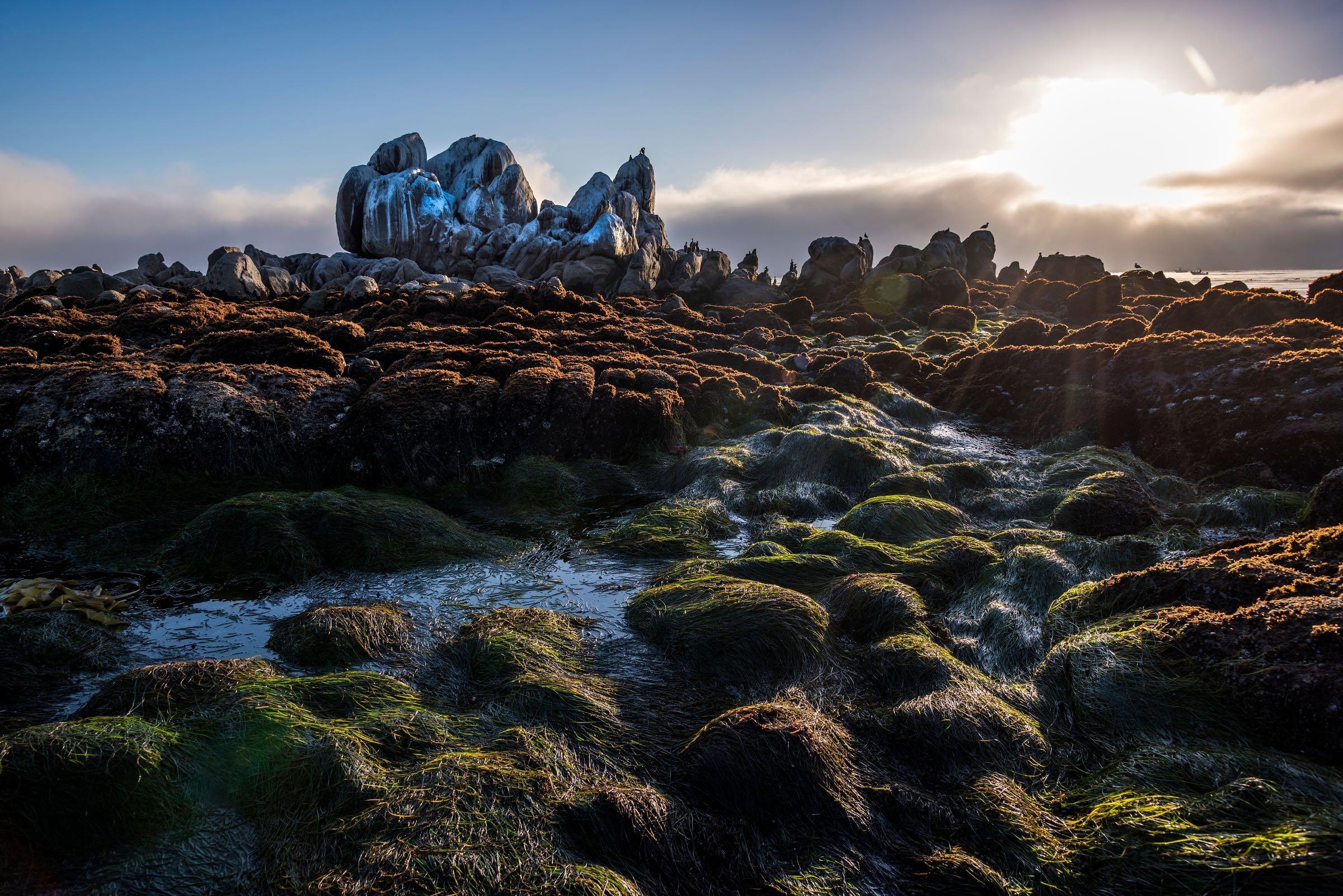
Story
King tides 101
King tides are the year’s most extreme tides, bringing especially high and low water to California’s coast.
Read story – King tides 101