

Question: Tell us a bit about yourself?
Answer: I grew up outside of Los Angeles and weekends were usually spent at the beach. Over the years I traveled north with the ocean literally by my side: first, school at UC Santa Barbara, then settling into the San Francisco Bay Area for many years, and now in Tacoma, WA on the Puget Sound. Along the way I had a career in modern dance, founded an integrative medicine clinic, and became a psychotherapist. The years in the arts and public health are all important influences in my current role as a climate psychology educator and consultant.
Q: What does psychology have to do with climate change?
A: Just about everything! Why do we continue living the way we do, given the overwhelming evidence of the damage it’s causing to ourselves and the entire biosphere? What can we do to make a difference when we feel so small in the face of such a complex crisis? How can we work with the waves of strong feelings generated by environmental destruction? There are many hopeful answers found within psychology as we better understand our human nature, and tools that can help us make necessary systemic change for planetary health.
Q: What do you want people to know about emotional resilience when it comes to facing the climate crisis?
A: When we feel distressed by climate chaos and don’t have emotional resiliency, our brains protect us from overwhelm, usually unconsciously. This can appear as apathy, doomism, or minimizing the problem. Often, it’s not that people don’t care, but rather they are not equipped to navigate difficult emotions like eco-anxiety and grief that are natural responses to the damage being inflicted on our environment and cultures. To meet the challenges ahead, we need to cultivate resilience to be fully present and more effective in our efforts with eco-wise changes.
Q: How do you think your work connects to the Aquarium’s mission to inspire conservation of the ocean?
A: My work promotes the understanding that our internal ecosystems (thoughts/feelings/perceptions) are inextricably connected to our external ones, including the ocean. For example, do we perceive the ocean as a living balanced ecosystem and have our behaviors consistent with our view, or see it falsely as an inexhaustible supply of seafood. Do we use the beaches carelessly leaving behind a trail of litter, not recognizing the damage to wildlife, and increasing plastic pollution? Our perceptions shape our beliefs, and what we believe fuels our behaviors. And it works the other way too: the beauty of the ocean uplifts our mood, and its health replenishes our bodies. It’s a flowing circle of interdependent reciprocity both practical and scientific that often goes unrecognized in our modern mindset.
Q: Where did the idea to do a book aimed at young people come from?
A: Research has revealed that many young people are more upset about environmental concerns than previous generations. And it makes sense: it’s a natural time to glance into the future and think about what they want to do, and where they want to go. That forward glance has them nose-to-nose with the harsh challenges of climate chaos. All the Feelings Under the Sun, published by the American Psychological Association, pairs climate science with emotional intelligence, and helps youth blend their talents, passions, and strength together for conservation efforts and socially just, meaningful change.
Q: What has your journey as a therapist and climate psychology educator been like?
A: As a very early voice in the formation of climate psychology and the benefits of bringing a behaviorist to interdisciplinary conservation efforts, I’ve been met with lots of quizzical looks and questions. But it’s exciting to see how quickly these vital links are being understood and implemented. Now many environmental organizations, agencies, as well as schools, are seeking climate psychology resources.
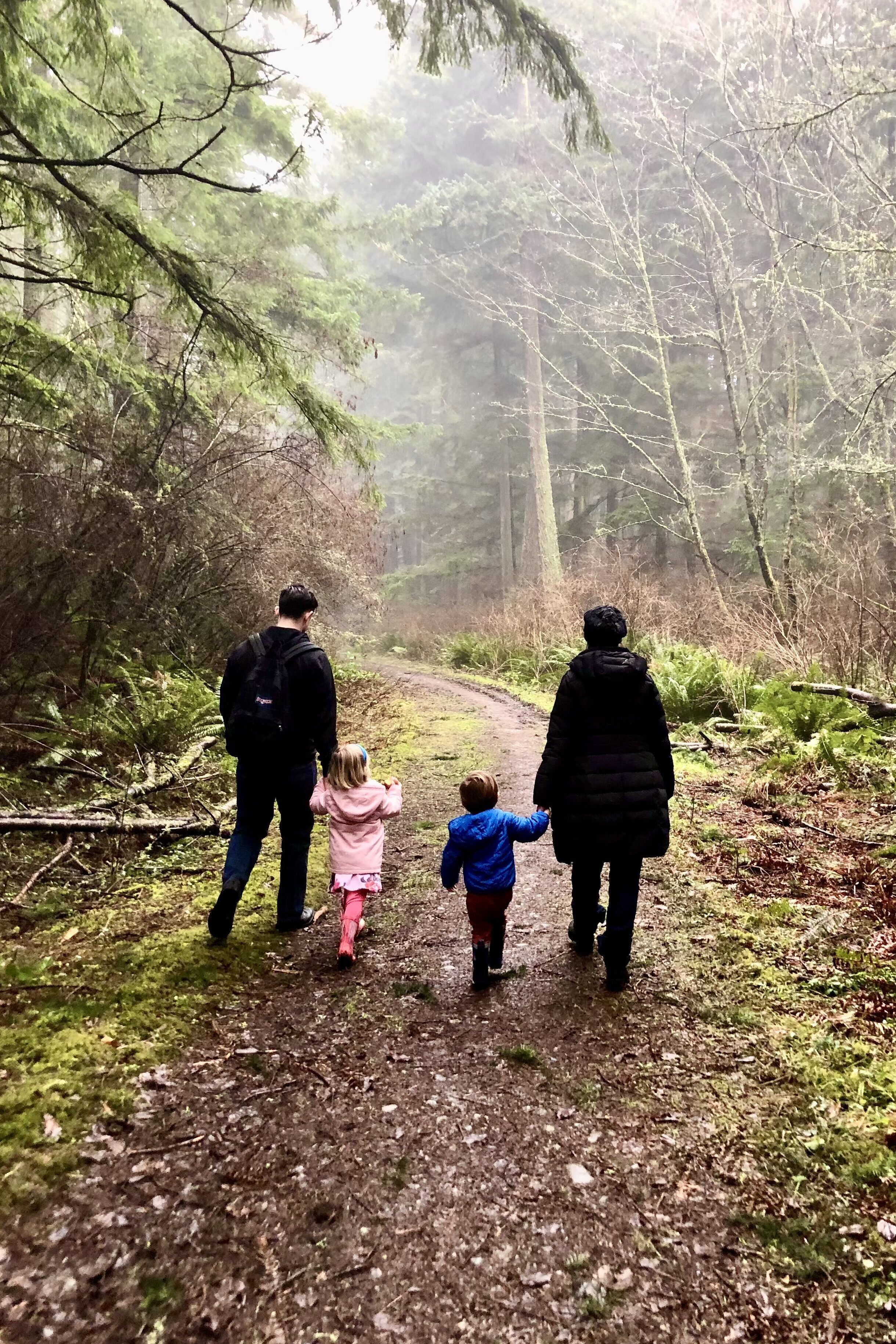
Leslie, her son, and grandkids enjoy spending time hiking on trails near their home in Tacoma, Washington.
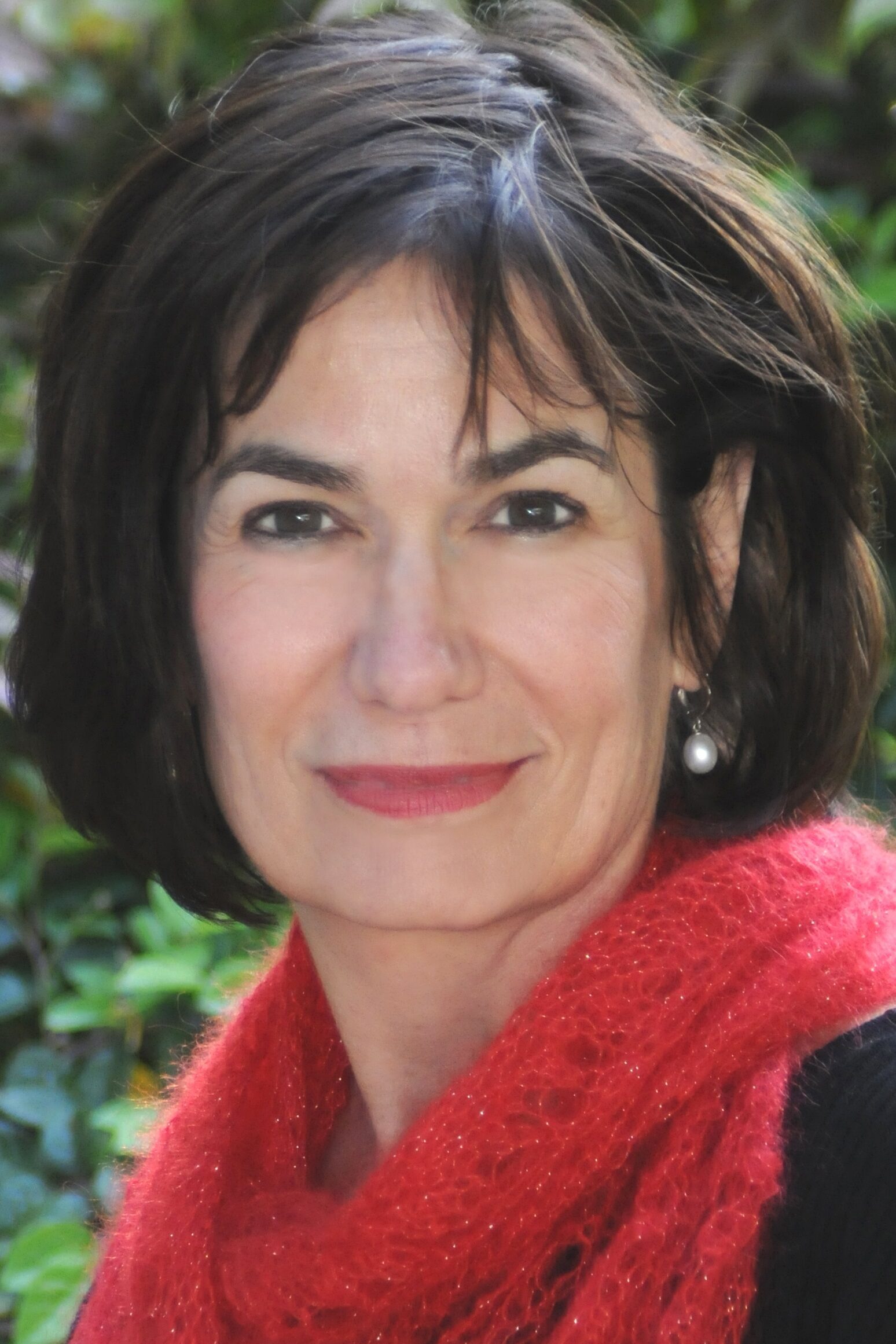
Leslie Davenport recognizes the impact perceptions, thoughts, and emotions can have on our ability to address the climate crisis.
Q: What drives your personal connection to this work?
A: It’s been about fifteen years since I understood the true magnitude of our climate crisis. At that time, I committed myself to addressing it as fully as I could with the resources I have. It’s hard to identify exactly how or why my pledge to this work runs so deep, except that it’s natural to want to protect places and people that we love. My heart and hands are open wide to this beautiful planet we call home.
Q: Do you have advice for young people who are looking for ways to make a difference for the ocean?
A: It’s hard to measure the ripple effect of our contributions, so know that no action is too small. Like a beautiful stained glass window, it's often consistent efforts fitting together over time that result in something more spectacular. Get involved in the areas that match your interests and talents. If you’re artistic, use your creative medium to communicate about the ocean; if you love to cook, help people learn about the importance of sustainable seafood; create an after school green club for conservation projects. We’re not meant to do this alone – join with others who share your passion and concern for our beautiful planet. We need all of us, together, in turning the tide on climate.
Keep exploring
Story
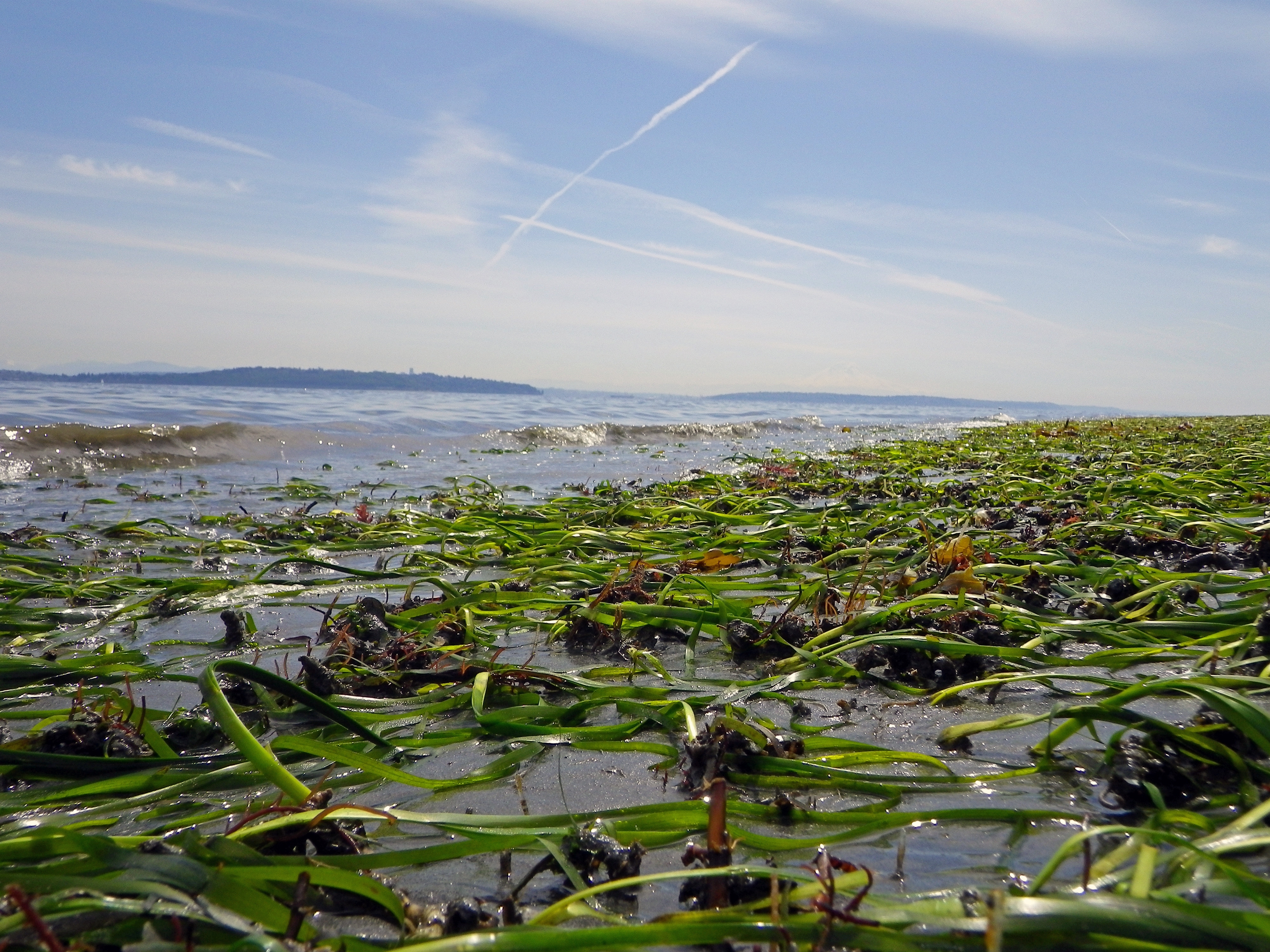
Algae and seagrasses buffer against the effects of climate change
Can eelgrass gardens and kelp forests protect wildlife from climate change’s worst impacts?
Read story – Algae and seagrasses buffer against the effects of climate change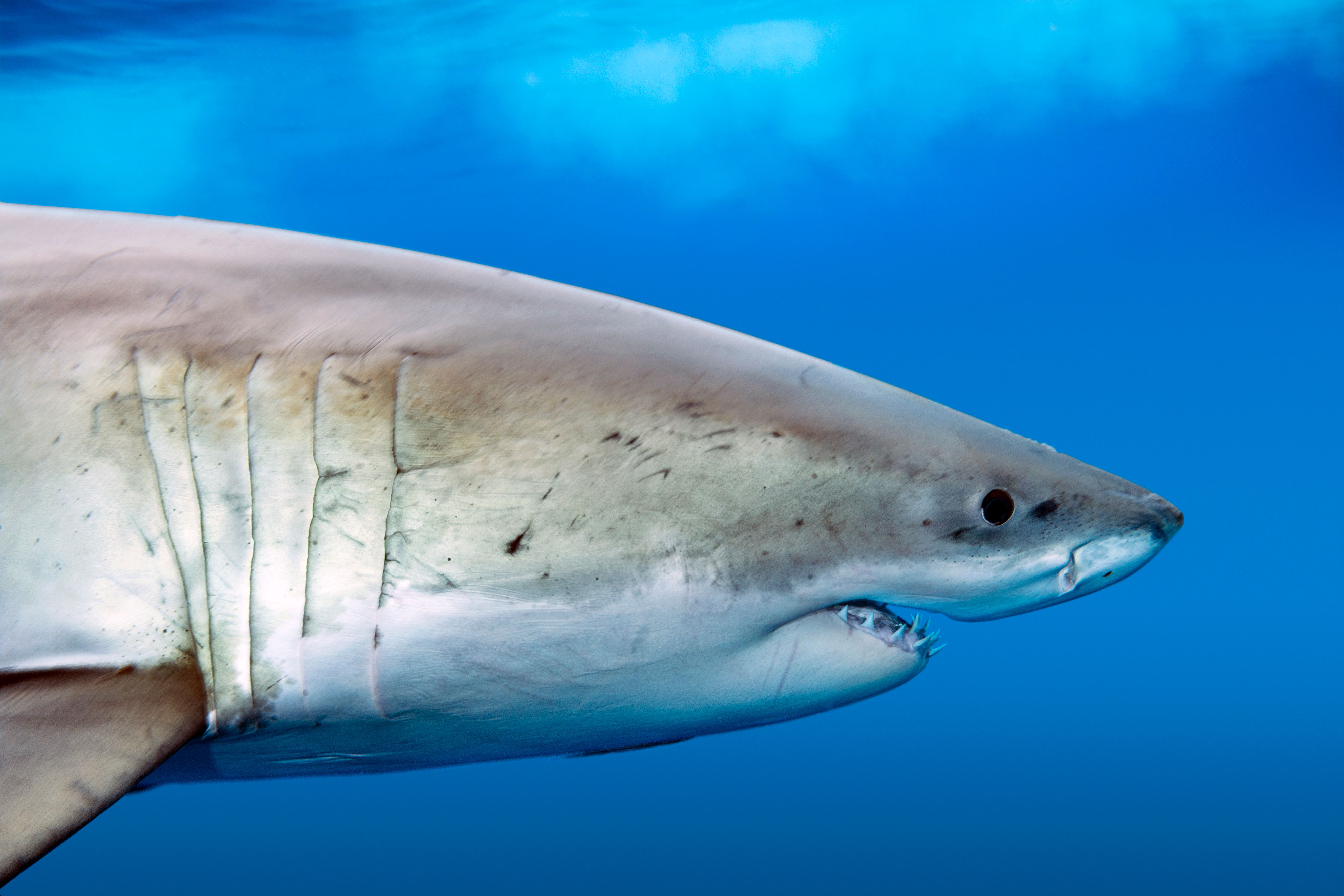
Story
What does a warming ocean mean for white sharks?
Sharks have evolved for about 400 million years, but how will they respond to a rapidly changing climate?
Read story – What does a warming ocean mean for white sharks?
Story
King tides 101
King tides are the year’s most extreme tides, bringing especially high and low water to California’s coast.
Read story – King tides 101