

Question: Can you tell us a bit about your career path and how it led you to the Aquarium?
Answer: I grew up visiting the Aquarium with my family and during school field trips. While I was an undergraduate student at University of California, Santa Cruz (UCSC) studying marine biology, I was able to become involved with the Aquarium as a volunteer. I volunteered to help track tagged sea otters in the wild, and this opened doors to meet other researchers and my current colleagues. From that volunteer role I was fortunate to be able to join the team as a part-time staff member, and my role expanded over the last 15 years to management of the program.
Q: How did you become interested in science and your field?
A: Growing up in the Bay Area, I took regular visits to Monterey—going to the Aquarium, kayaking and scuba diving, and just enjoying the coastline. From a young age, I knew I wanted to take part in marine science. I thought I would study something other than sea otters since everyone likes them. However, the volunteer opportunity made me realize, “No—this is actually really cool.” This pushed me back to marine ecosystem research and sea otters.
Q: What are you researching at the Aquarium?
A: Overall, our research is focused on better understanding sea otters, their importance, and what they need so that we can help in their recovery. For example, we previously collaborated with UCSC and the U.S. Geological Survey (USGS) to research how sea otters respond to ecosystem changes that have resulted from the sea star wasting syndrome and increases in sea urchins. We want to understand the nuances of the role that sea otters play in the different ecosystems they inhabit and the impacts of sea otters’ recovery.
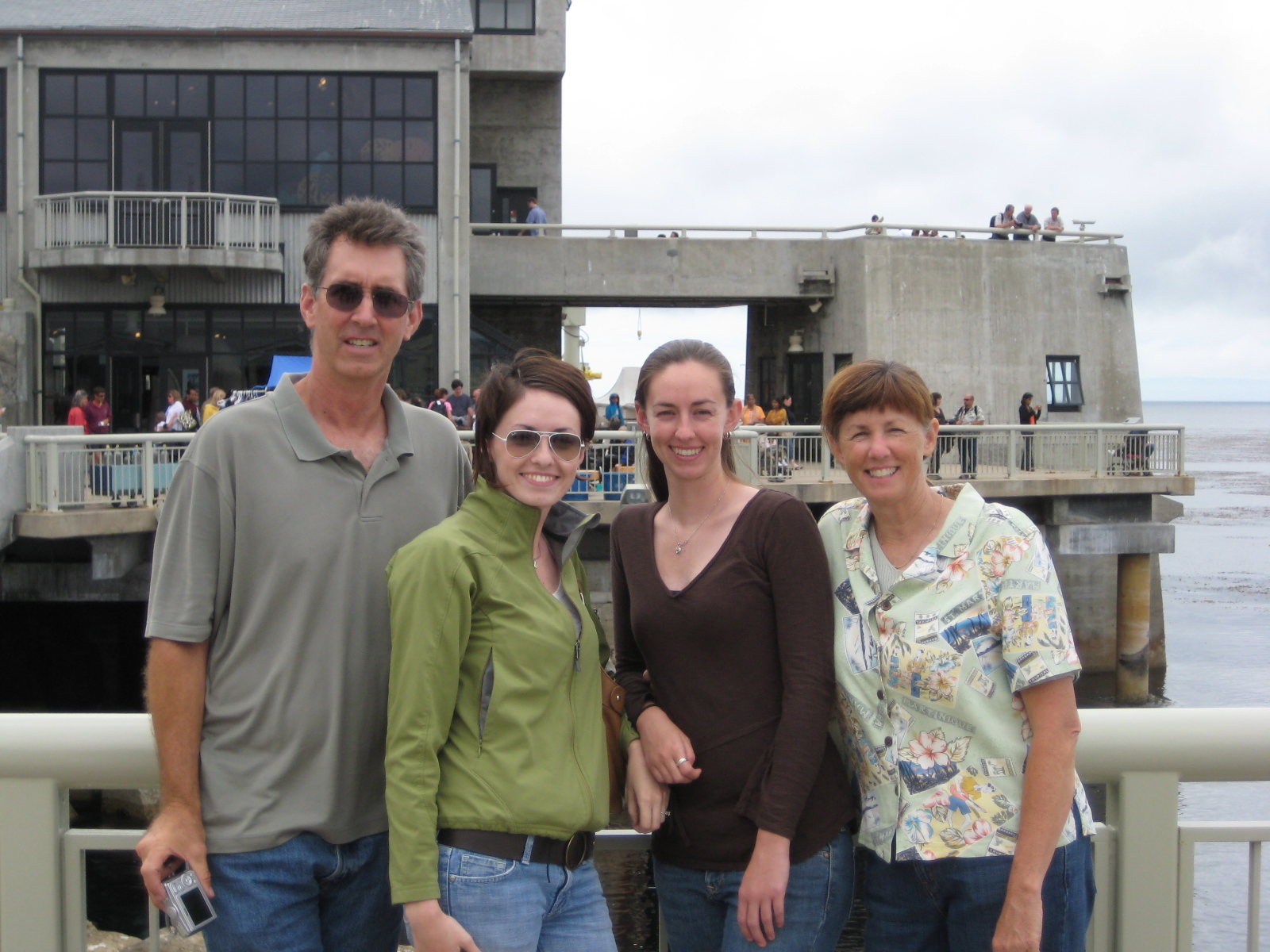
Jess with her sister and parents in 2009, visiting the Aquarium after graduating from UCSC.
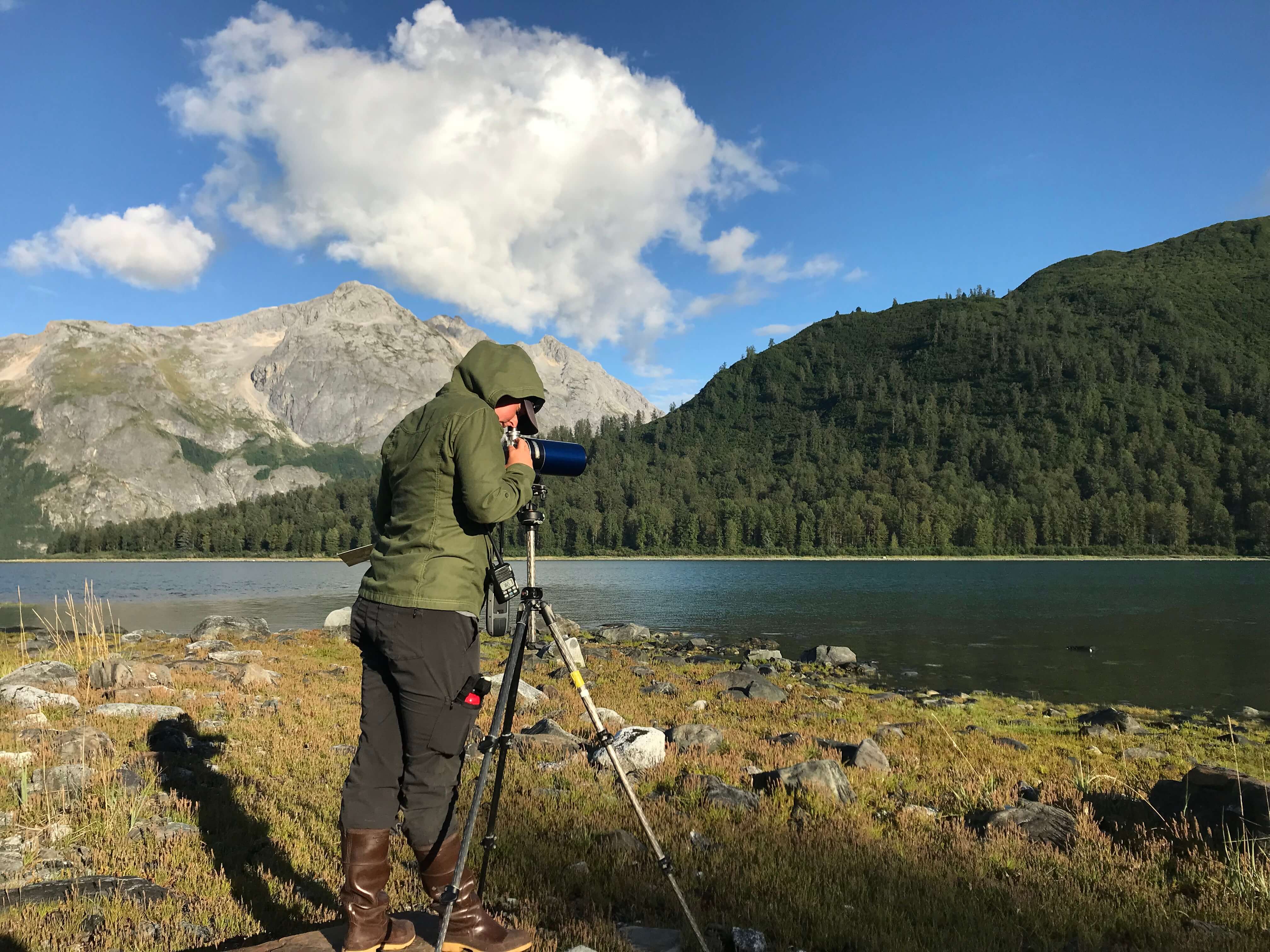
Jess looking through a high-powered telescope as she watches and records data on a feeding sea otter in Glacier Bay, Alsaka as part of a research project with USGS.
Q: Can you describe a typical day as the sea otter program manager?
A: It is very different depending on the day. A lot of my work is about supporting my team to make sure they can do their jobs effectively. I ensure that our sea otter care team can stay focused on rescue and rehabilitation of injured or orphaned sea otters. I also work with our research team and external collaborators so we collectively advance sea otter biology and ecosystem research. This may mean writing scientific papers, running statistical analyses, managing permits, or working with other teams at the Aquarium on sea otter-related communications. It also means working with colleagues to advance state and federal policies that benefit sea otters and the ecosystems where they live. Every once in a while I get to do field work, like I did in my early days. I help monitor the local sea otter population and track sea otters we rehabilitated and released back to the wild.
Q: What makes southern sea otters so important to marine ecosystems?
A: Their role as a keystone species makes them vital to kelp forests and seagrass meadows in estuary habitats. They have a cascading effect by supporting healthy habitats that benefit other marine life. These healthy habitats may also contribute to reducing the impacts of climate change. It's a ripple effect that we're still learning more about.
In a less scientific perspective, they are an iconic species and get people interested in the ocean and coastal environment. They can be ambassadors for the ocean. Sea otters also have a socio-economic impact since people love to visit areas where they can see them. Whichever way you view it, sea otters are really important.
"When the Sea Otter Program team released a young sea otter that was rescued and surrogate-raised at the Aquarium, we monitored her daily for two weeks and watched her figure out how to survive in the wild. I sat on the boat on day 14 of her release, and watched her through binoculars as she repeatedly found and ate urchins from the kelp forest—a great sign that her release was successful. I found it to be incredibly rewarding, especially when thinking about all of the people and hours it took to get to that point. And to then see her two years later raising a pup of her own; I never get tired of seeing those successes."
-Jess Fujii
Reflecting on her experiences with the Sea Otter Program
Q: What inspires your work?
A: All the people I work with are always so passionate and dedicated to helping sea otters even when the work is really physically or mentally challenging. It’s also energizing for me to observe sea otters in their environment.
Q: What’s your career advice for people who want to get into your field?
A: There are many ways to get involved in conservation work. Don’t let a particular course you struggle with in school stop you from pursuing a career path that you are passionate about.
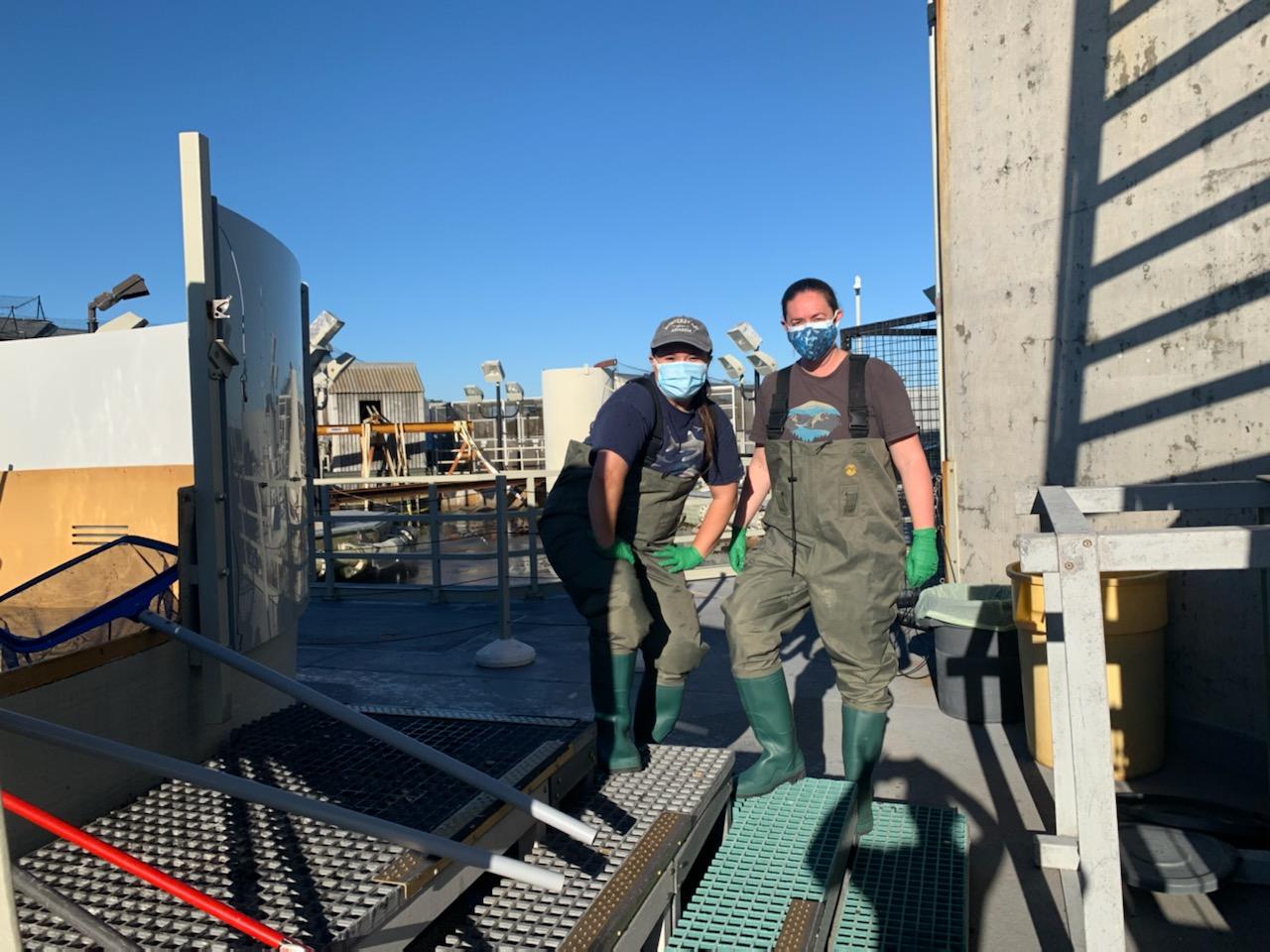
Jess with former Career Development Pathway intern Micah Rivera about to help clean a sea otter holding tank at the Aquarium.
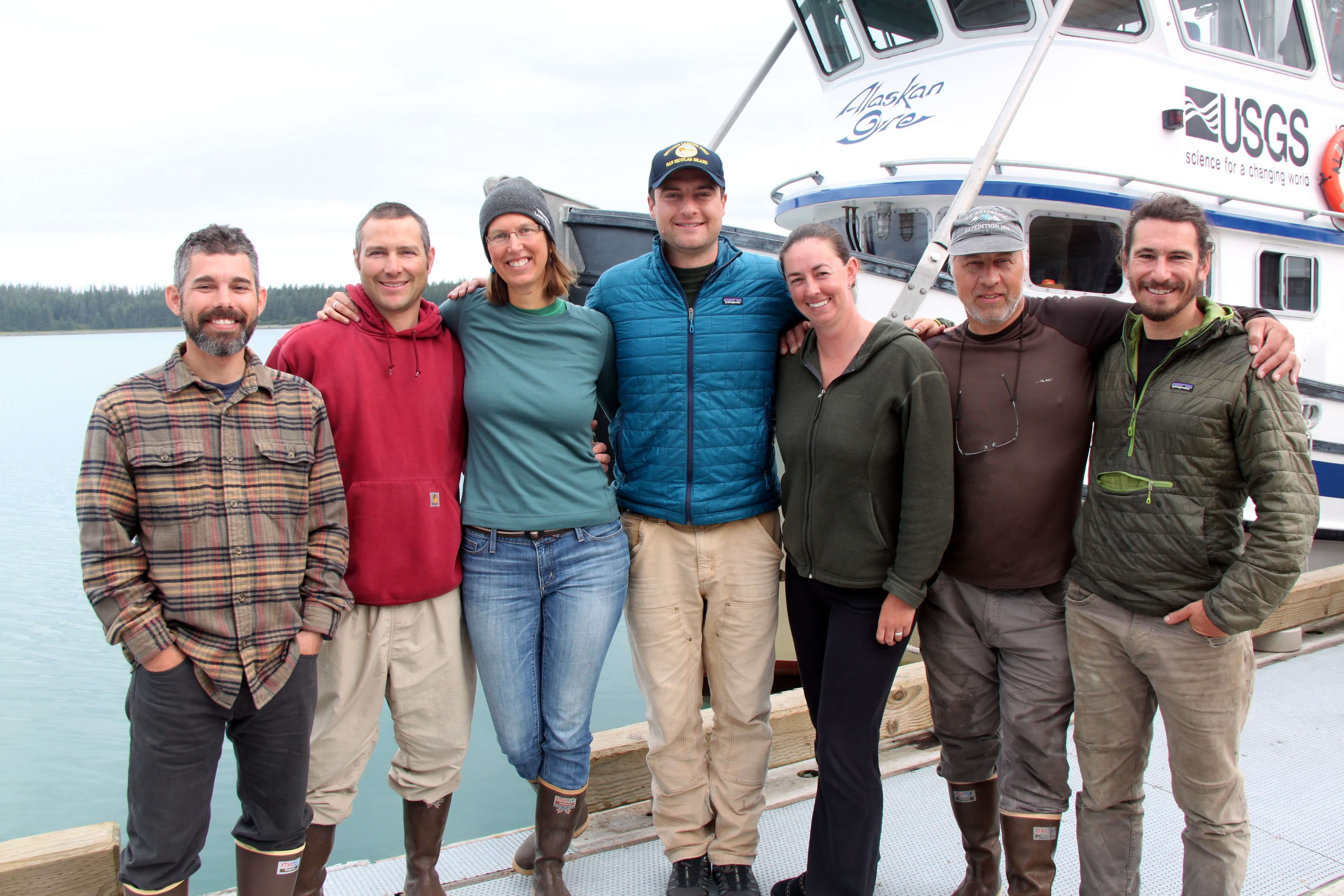
Jess with other researchers in front of the USGS research vessel the Alaskan Gyre used to conduct sea otter and ecosystem research in Alaska.
Keep exploring
Story
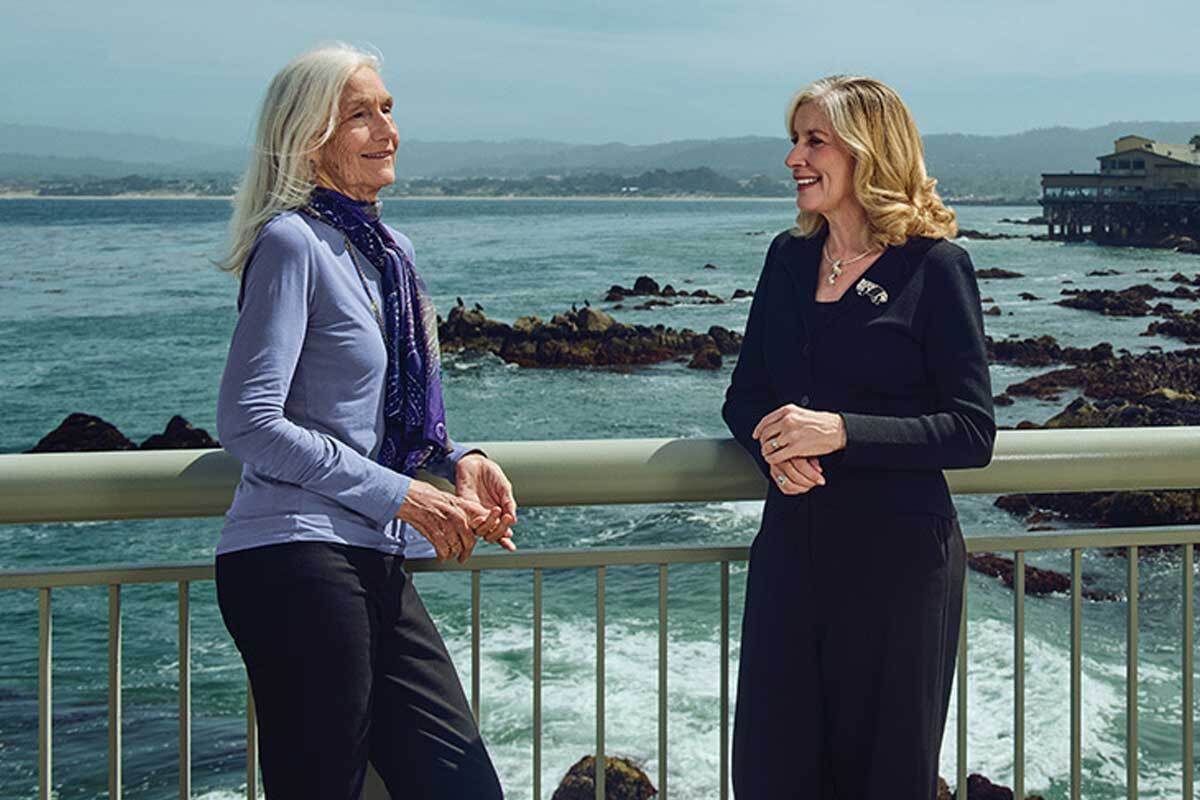
Q&A: Julie Packard and Dr. Jenny Gray
Get to know incoming Chief Executive Officer Jenny Gray in this Q&A with Julie Packard.
Read the Q&A – Q&A: Julie Packard and Dr. Jenny Gray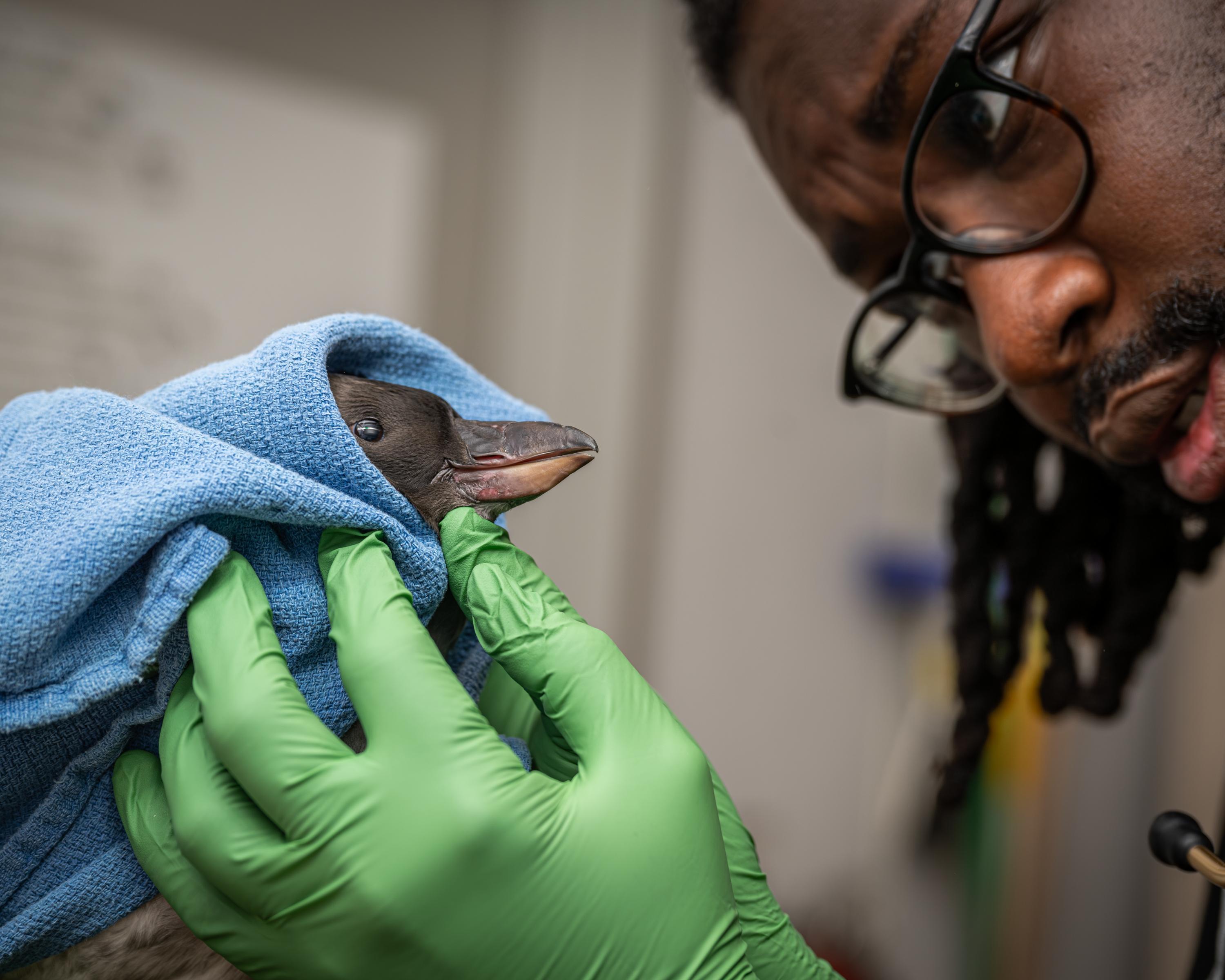
Story
Elevating Black voices in ocean science and conservation
Why representation in ocean science matters.
Read story – Elevating Black voices in ocean science and conservation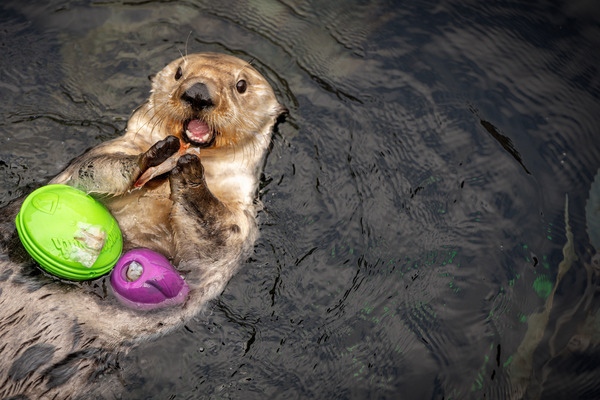
Story
From krill shakes to salmon steaks: A peek into our food room
Step into our food room—the hub where 75,000+ animals and plants get sustainable diets year-round.
Read story – From krill shakes to salmon steaks: A peek into our food room