

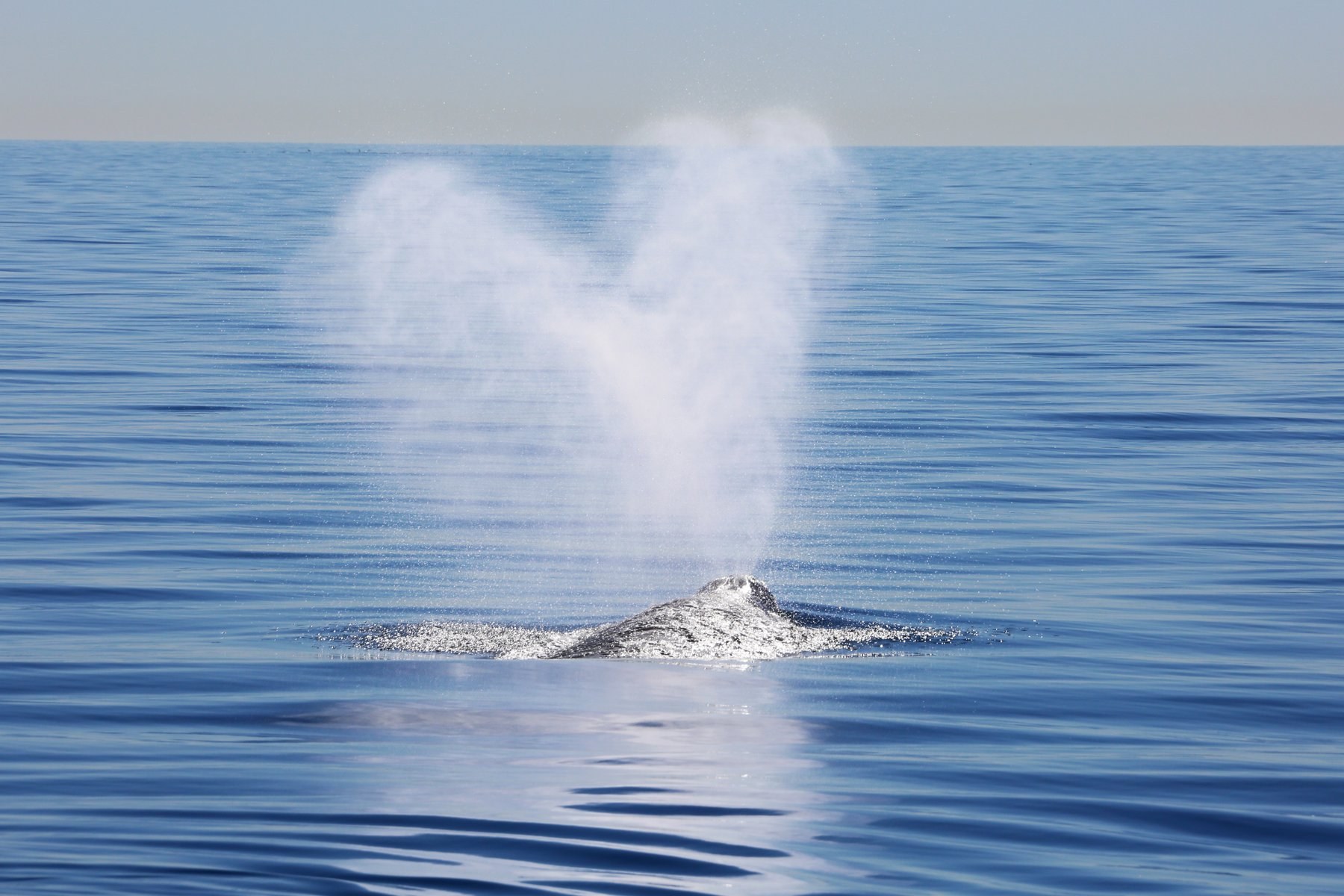
Hole-y halitosis!
The humpback whale is one sweet cetacean. When it exhales, it expels a plume of mist that can create a rainbow effect. It may sound charming, but the scent of this cetacean’s breath will leave you broken hearted. It's going to take more than a breath mint to cover up this whale-sized halitosis.
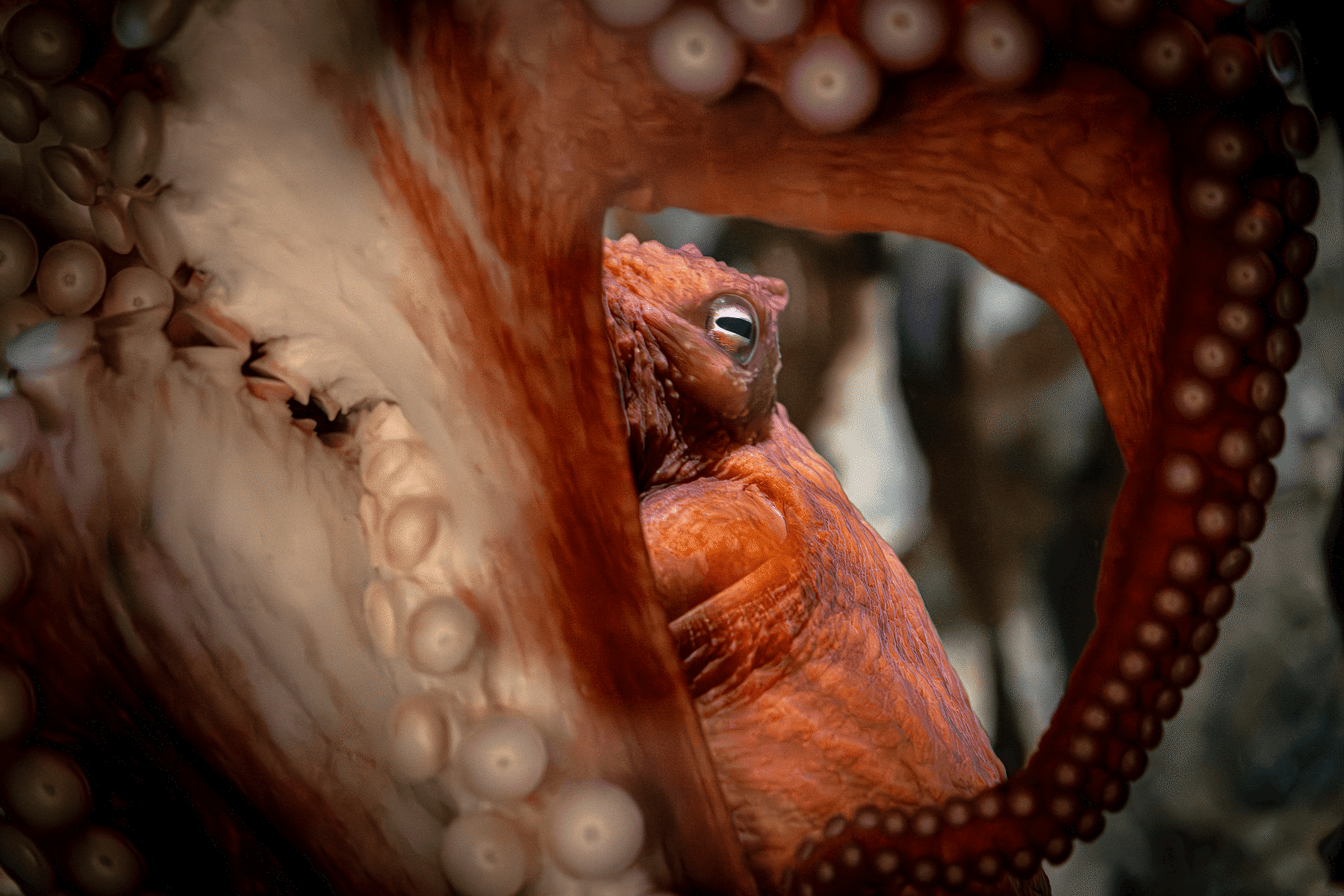
A sucker for sea scents
You probably knew octopuses have three hearts, but did you know they also have over 2,000 nostrils? That’s right, each sucker on an octopus's arms contains chemosensory cells that can detect scent molecules. So as an octopus explores with its arms, it’s also sniffing out its next meal.
Related videos
See how nudibranchs and bat rays smell and suck
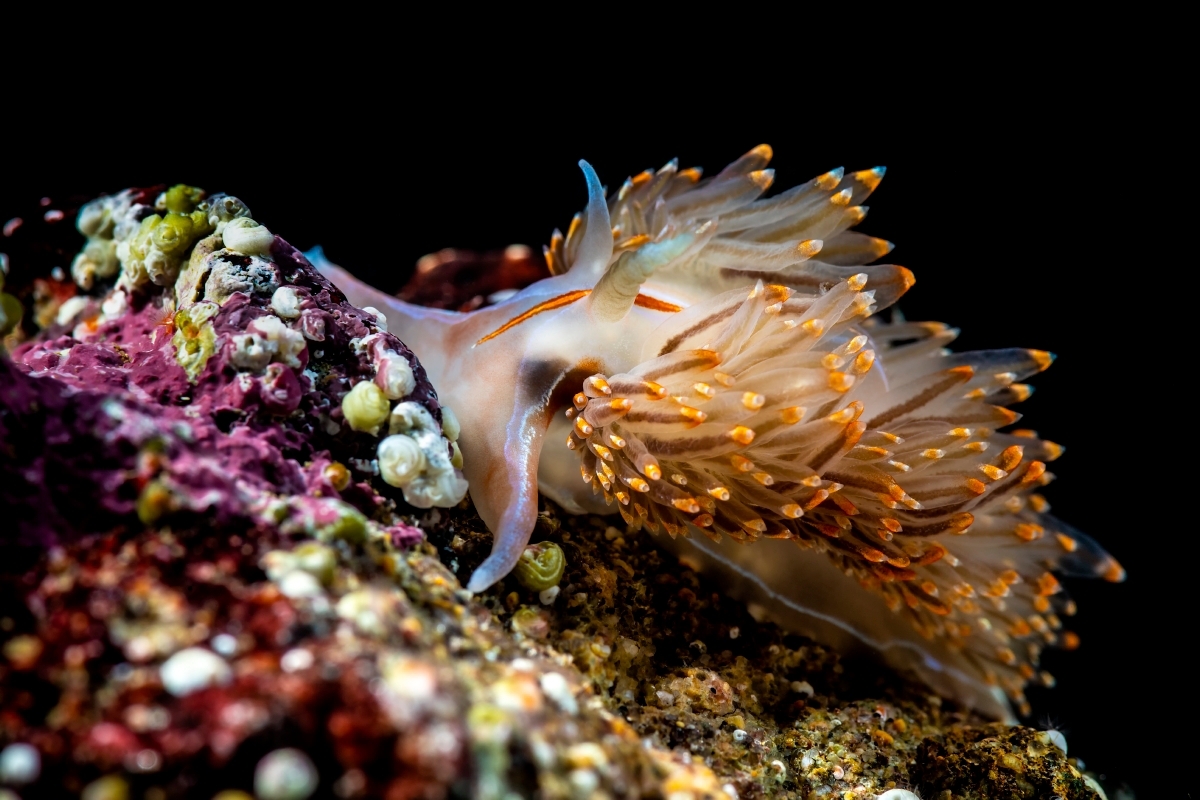
Sweet-smelling slugs
Nudibranchs are known for their dazzling colors and spectacular patterns, but did you know that some of them also stink? The lion’s mane nudibranch, for instance, has a scent reminiscent of watermelon candy—an uncommon smell in the briny ocean world. Another fragrant nudibranch is the sea lemon, whose citrus smell might get you craving a lemony treat. But what smells delicious to us is repulsive to potential predators in the sea. For a sea slug, being stinky also means staying safe!

Suction and filtration never looked so cute
Sometimes it’s important to suck, especially when that’s the way you get your food. A bat ray is like a little vacuum along the seafloor, slurping up clams, crabs and other bottom-dwelling critters as it moves its cute little mouth along the benthos.
For other animals, sucking is a way of life. Filter feeders like sponges, tunicates, mussels and clams spend all day sucking water into their bodies and filtering out a meal of delicious plankton and detritus.
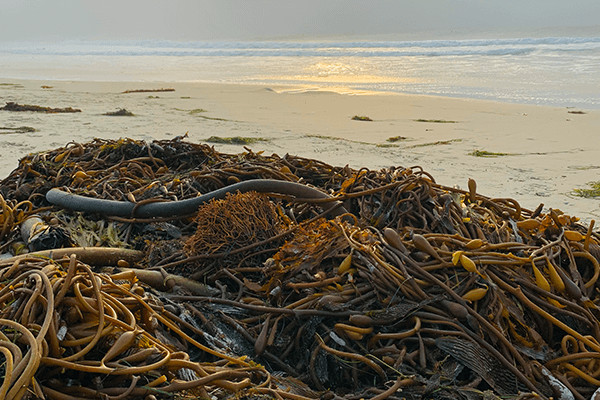
A stinky shelter
Our noses may rebel at the smell of kelp wrack—those stinky piles of algae on winter beaches buzzing with flies. But it sustains shorebirds and other beach creatures—and it performs an amazing feat! When it washes away, it sinks to the deep sea, feeding sea floor animals and locking away tons of carbon.
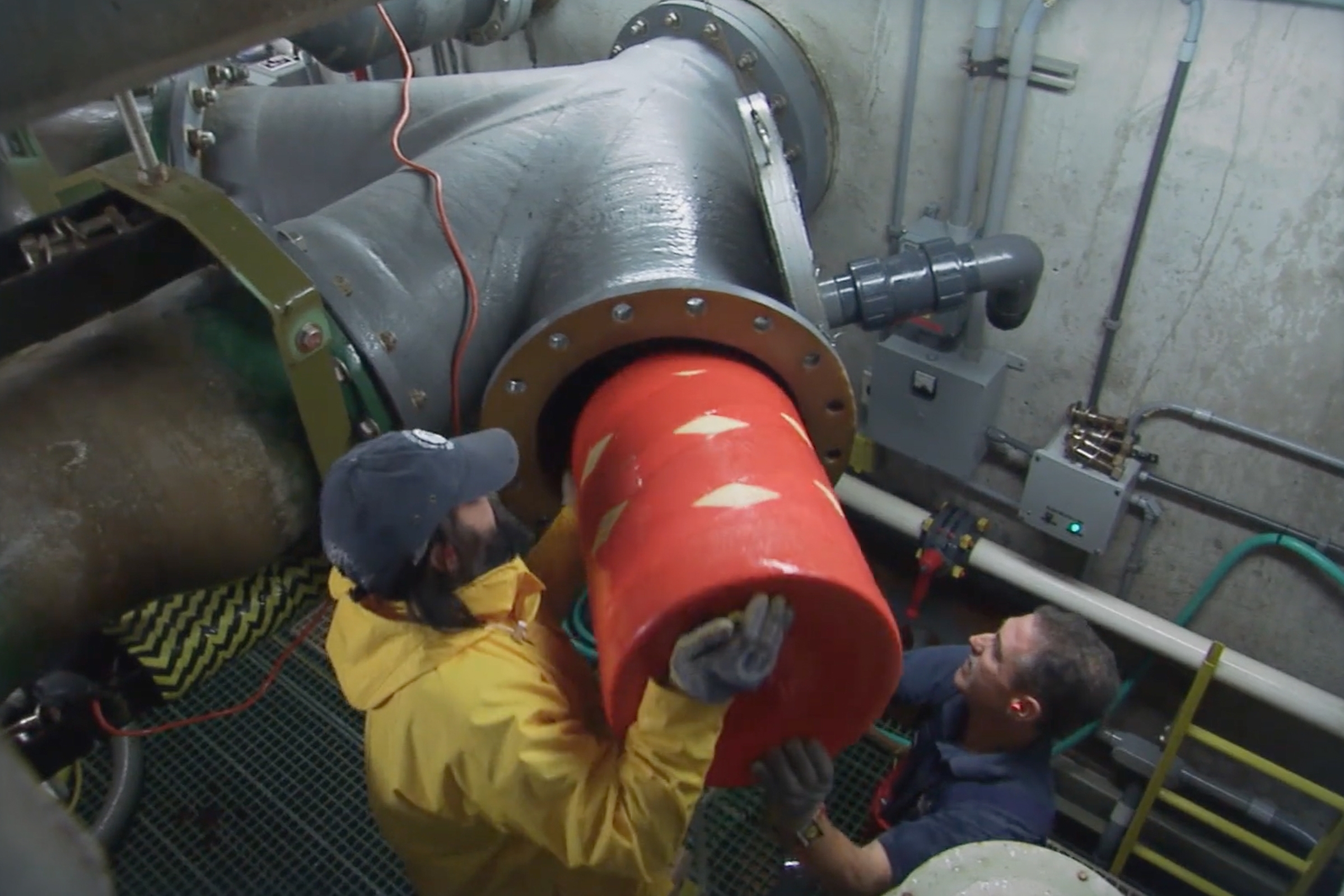
Our water system sucks
How do we get over a billion gallons of sea water into the Aquarium every year? We suck it in! Two pipes that lie on the seafloor just off our back deck suck raw sea water, packed with nutrients and food, directly into the underbelly of the Aquarium. From here the water flows throughout the Aquarium’s exhibits, supporting our nearly 80,000 plants and animals.
Stay informed with Aquarium updates
Get our best animal videos, Aquarium updates, at-home activities, and heart-warming animal stories delivered straight to your inbox.
Keep exploring
Story
2026 Lucile S. Packard Memorial Award and Youth Award recipients
We’re proud to announce the 2026 Lucile S. Packard Memorial and Youth Awards for outstanding volunteers!
Read story – 2026 Lucile S. Packard Memorial Award and Youth Award recipients
Story
From krill shakes to salmon steaks: A peek into our food room
Step into our food room—the hub where 75,000+ animals and plants get sustainable diets year-round.
Read story – From krill shakes to salmon steaks: A peek into our food room
Story
50,000 kids inspired by the ocean with Underwater Explorers
Underwater Explorers has been ‘stoking kids daily’ with up close and personal ocean experiences since 2002.
Read story – 50,000 kids inspired by the ocean with Underwater Explorers