

Beaches & dunes
Beaches and dunes are among the most visible and accessible of ocean habitats
These inviting coastal areas are popular with swimmers, surfers, fishermen, beachcombers, bird watchers, and clammers. But when the people are gone, they may seem deserted—barren except for shorebirds and kelp flies. Take a deeper look, and you'll see that beaches and dunes are filled with life.
Related exhibits and live cams
Exhibit
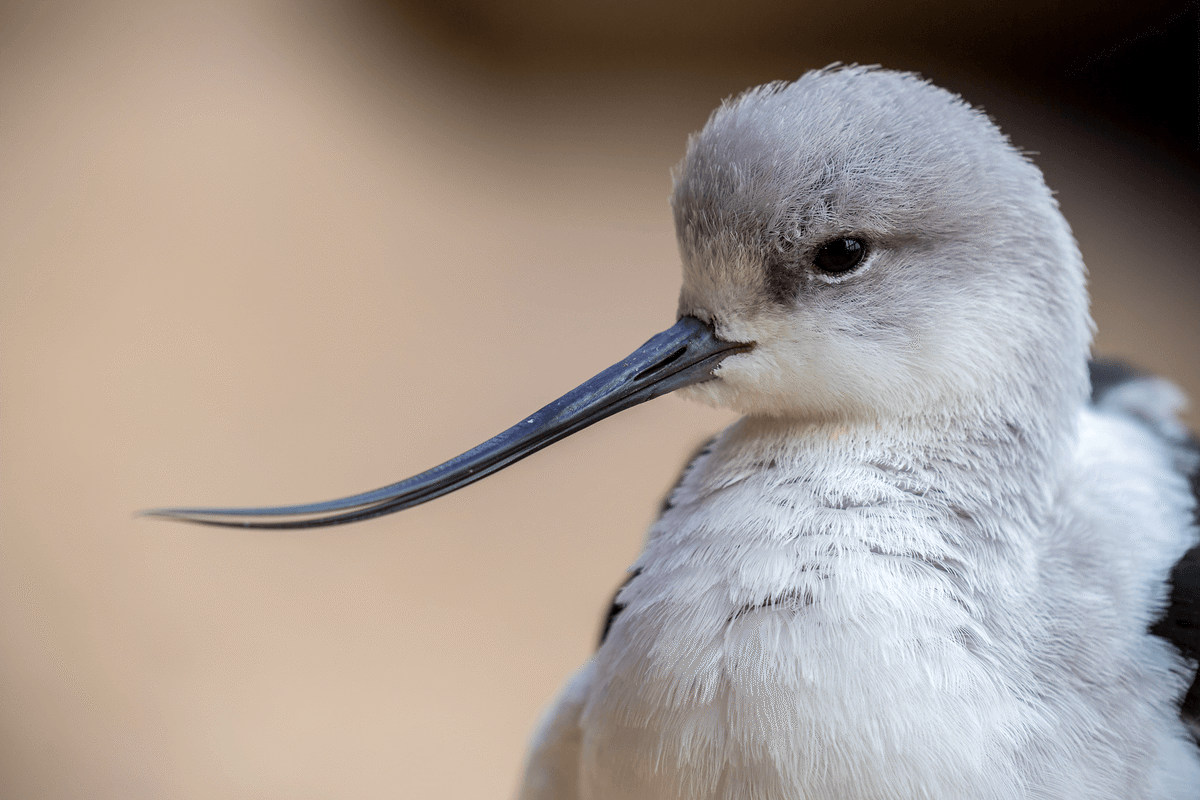
Sandy Shore & Aviary
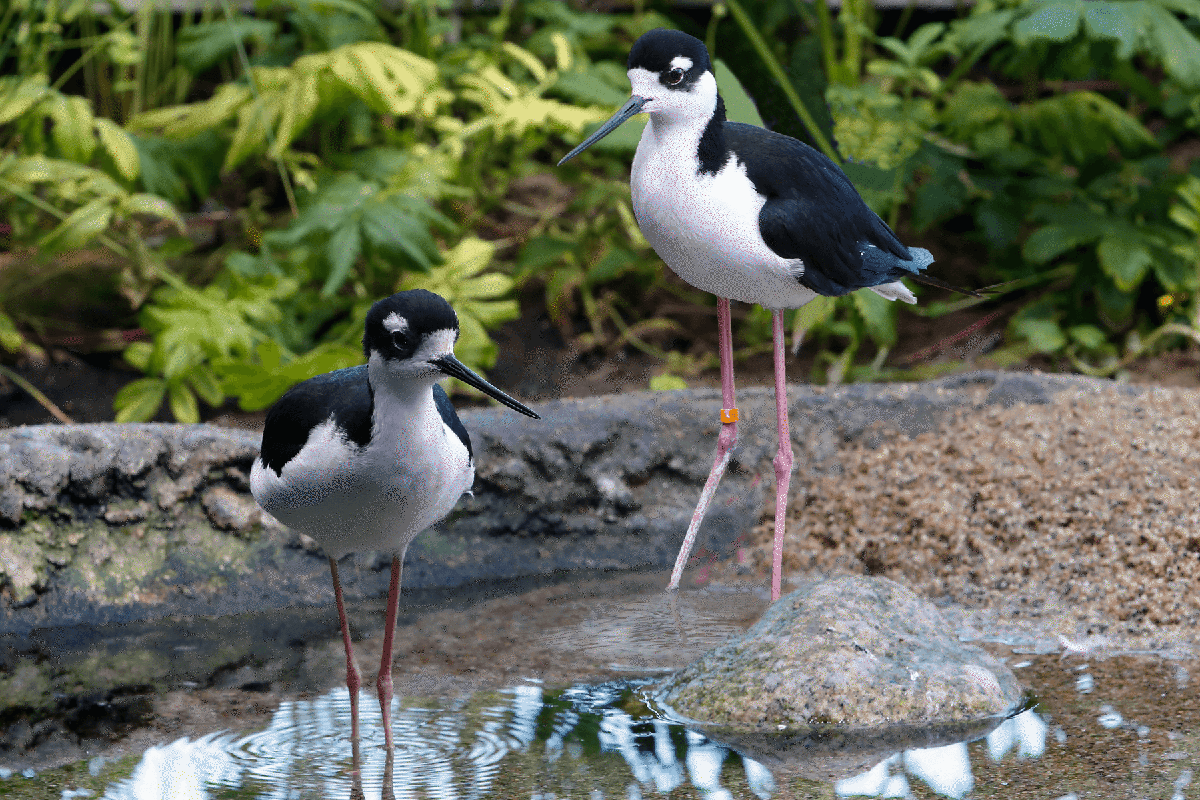
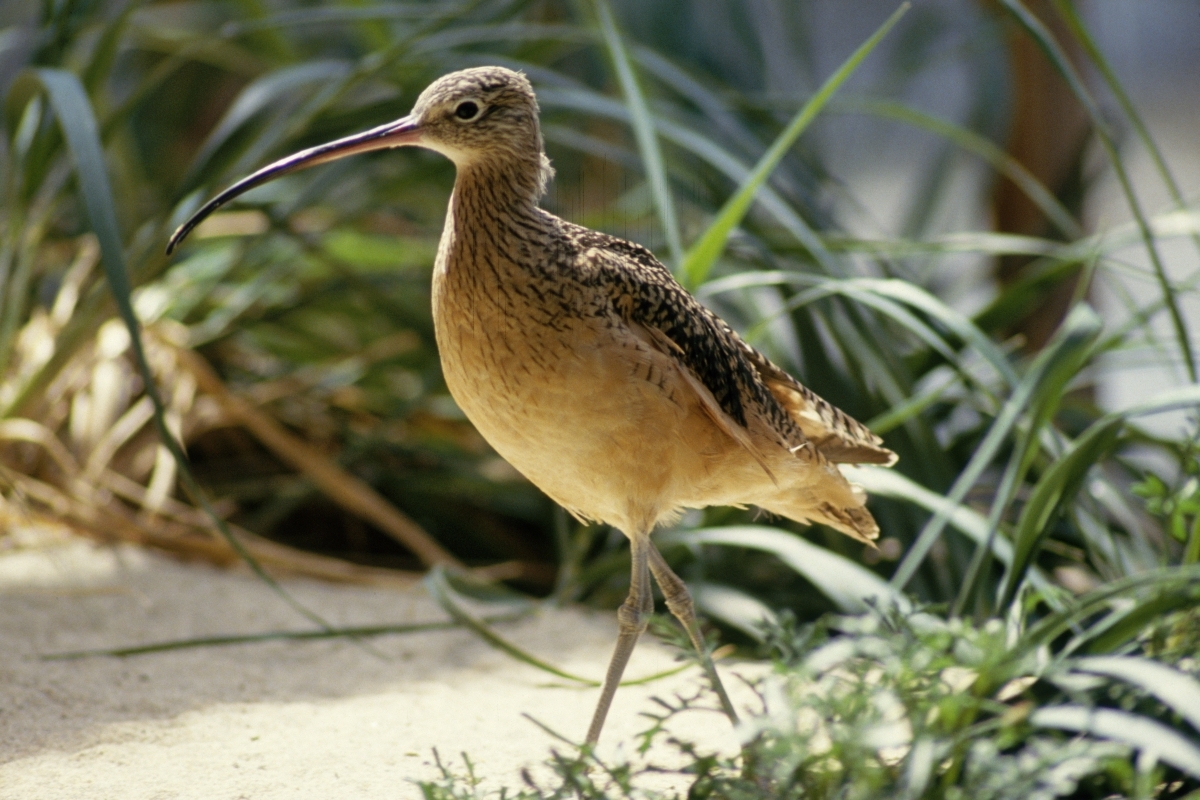
Explore mudflats and marshes where long-legged birds scour the sands and flounders lie flat to hide.
Explore exhibit – Sandy Shore & Aviary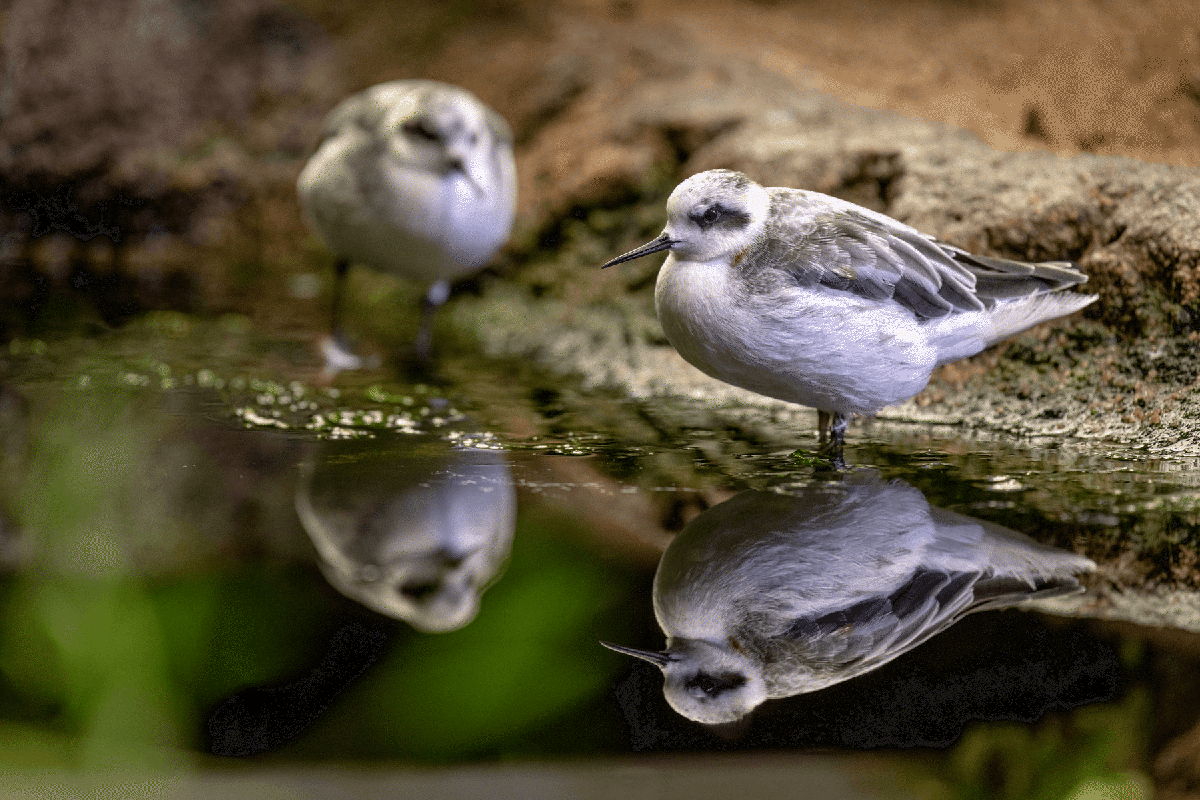
Live cam
Aviary Cam
Watch our live web cam of the Aviary at the Monterey Bay Aquarium for an adventure in birdwatching.
Watch cam – Aviary CamHow species adapt
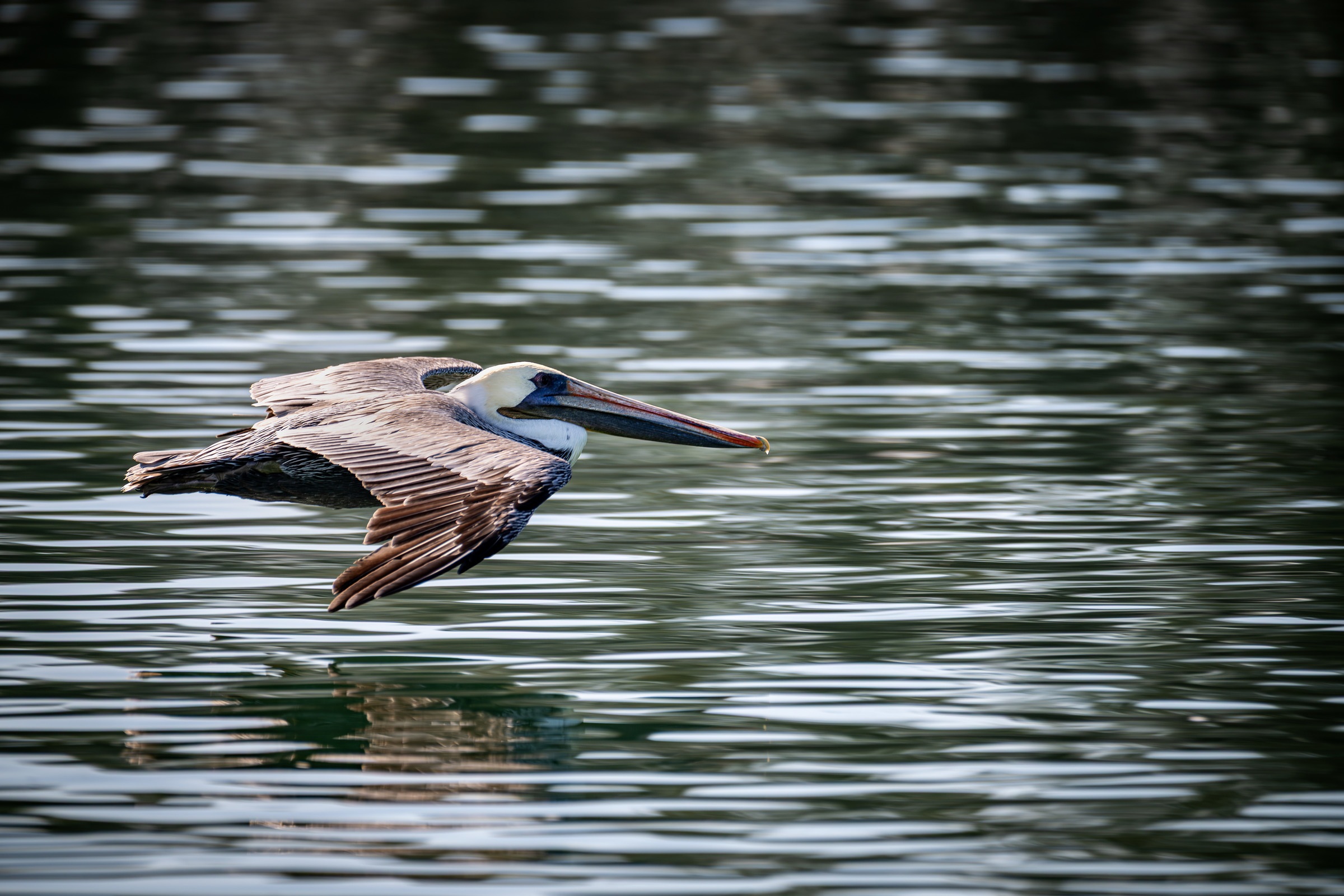
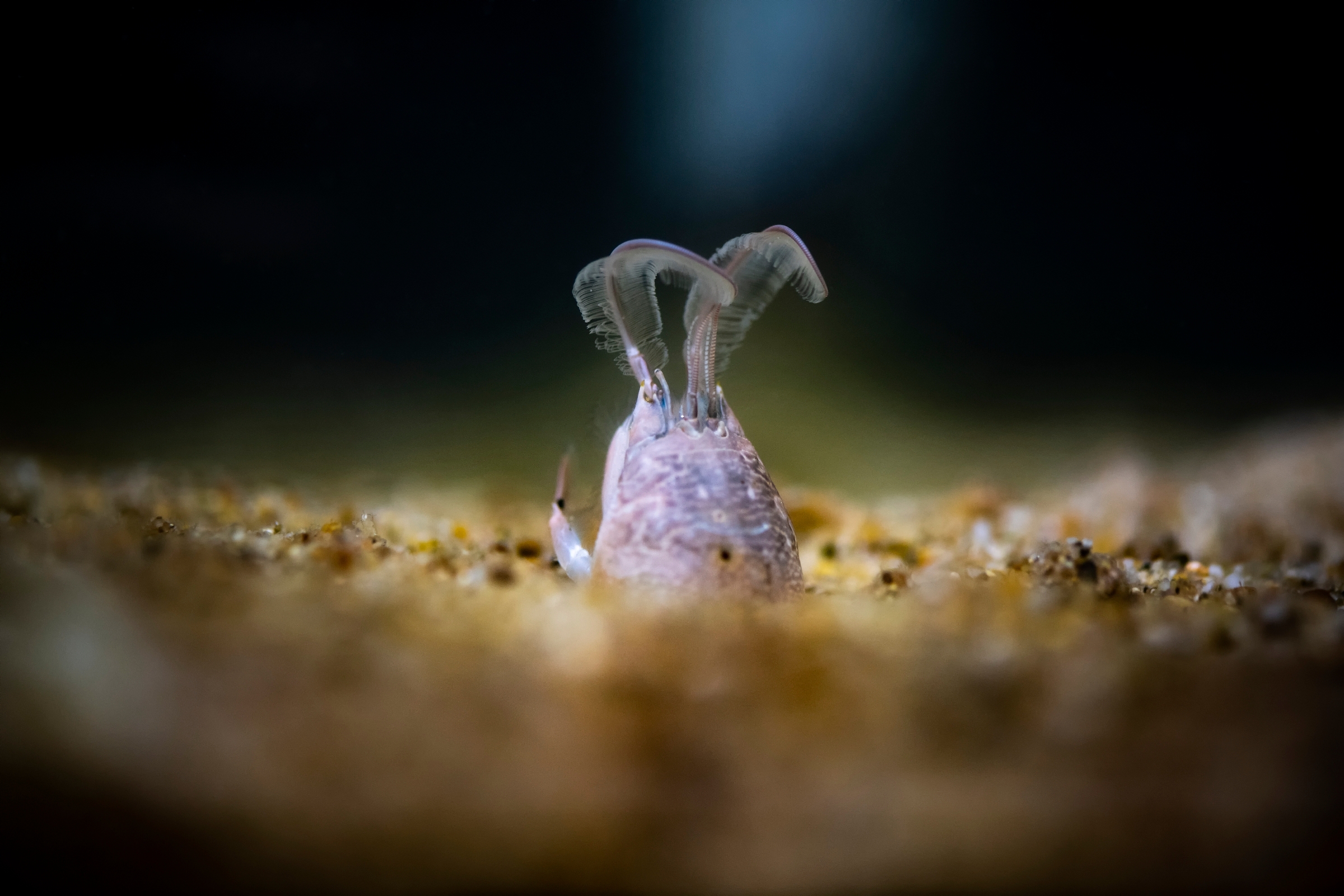
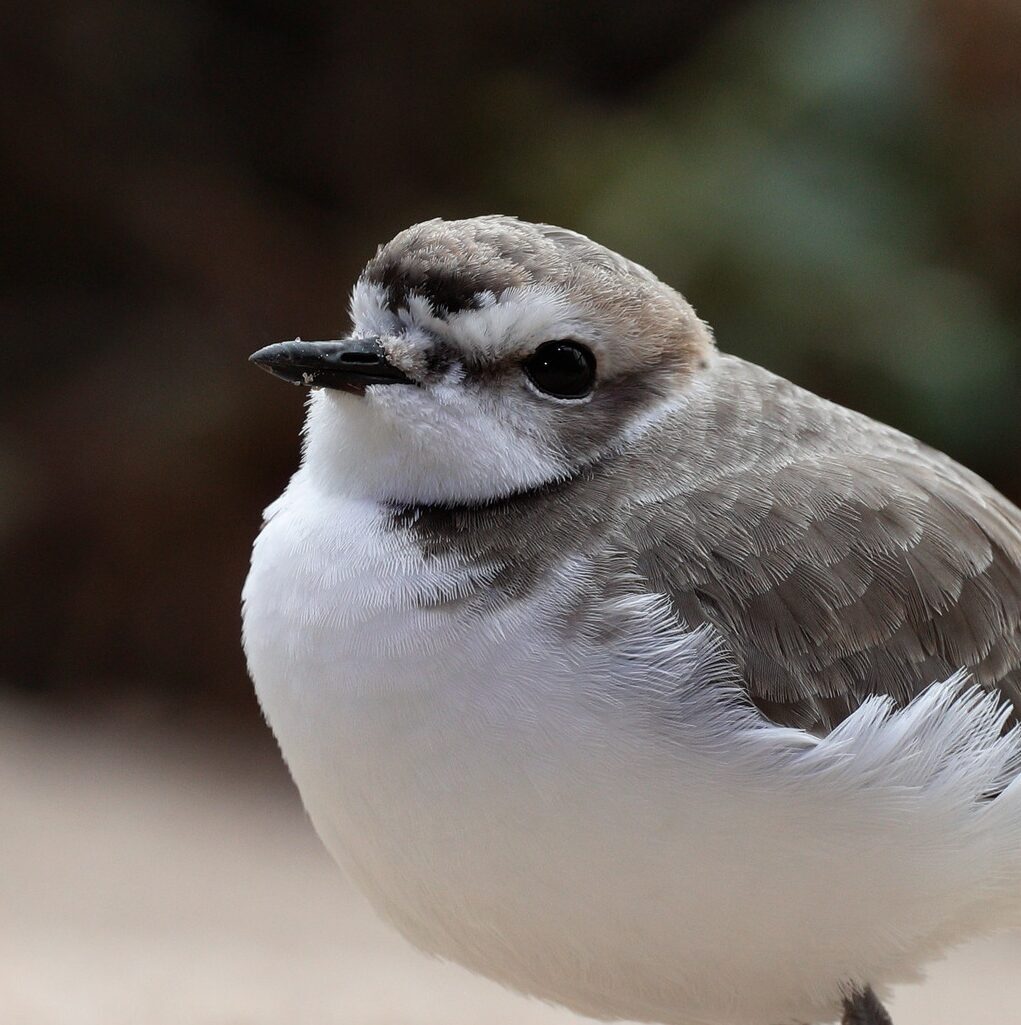
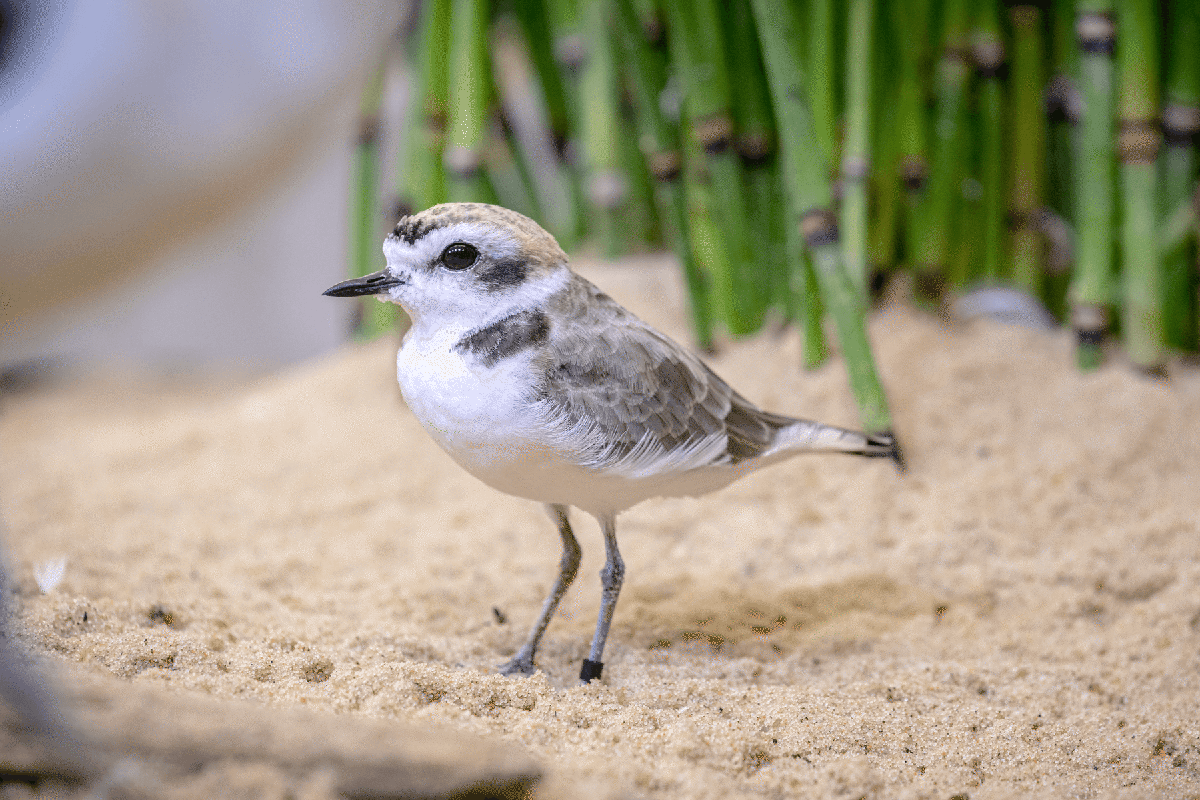
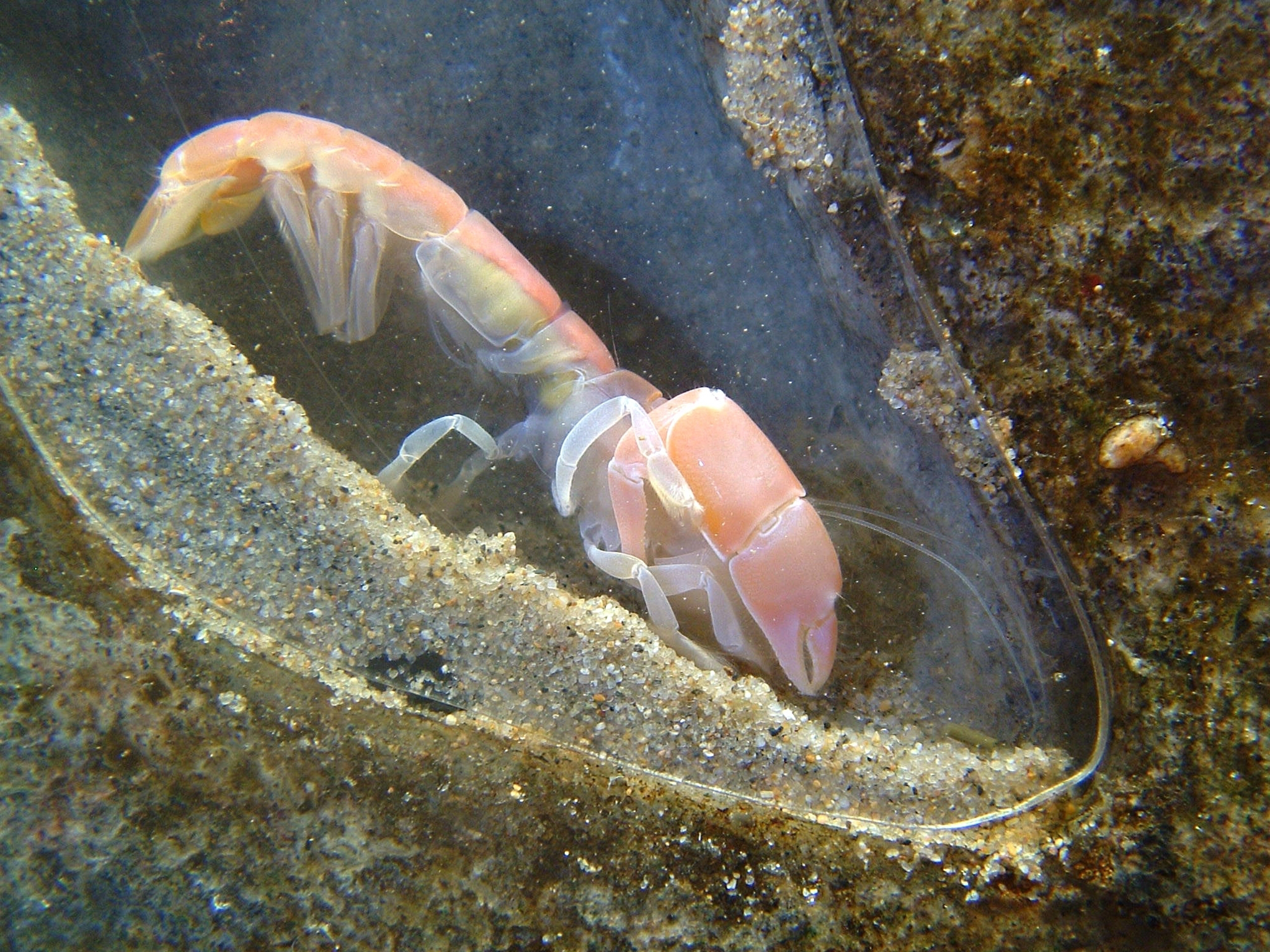
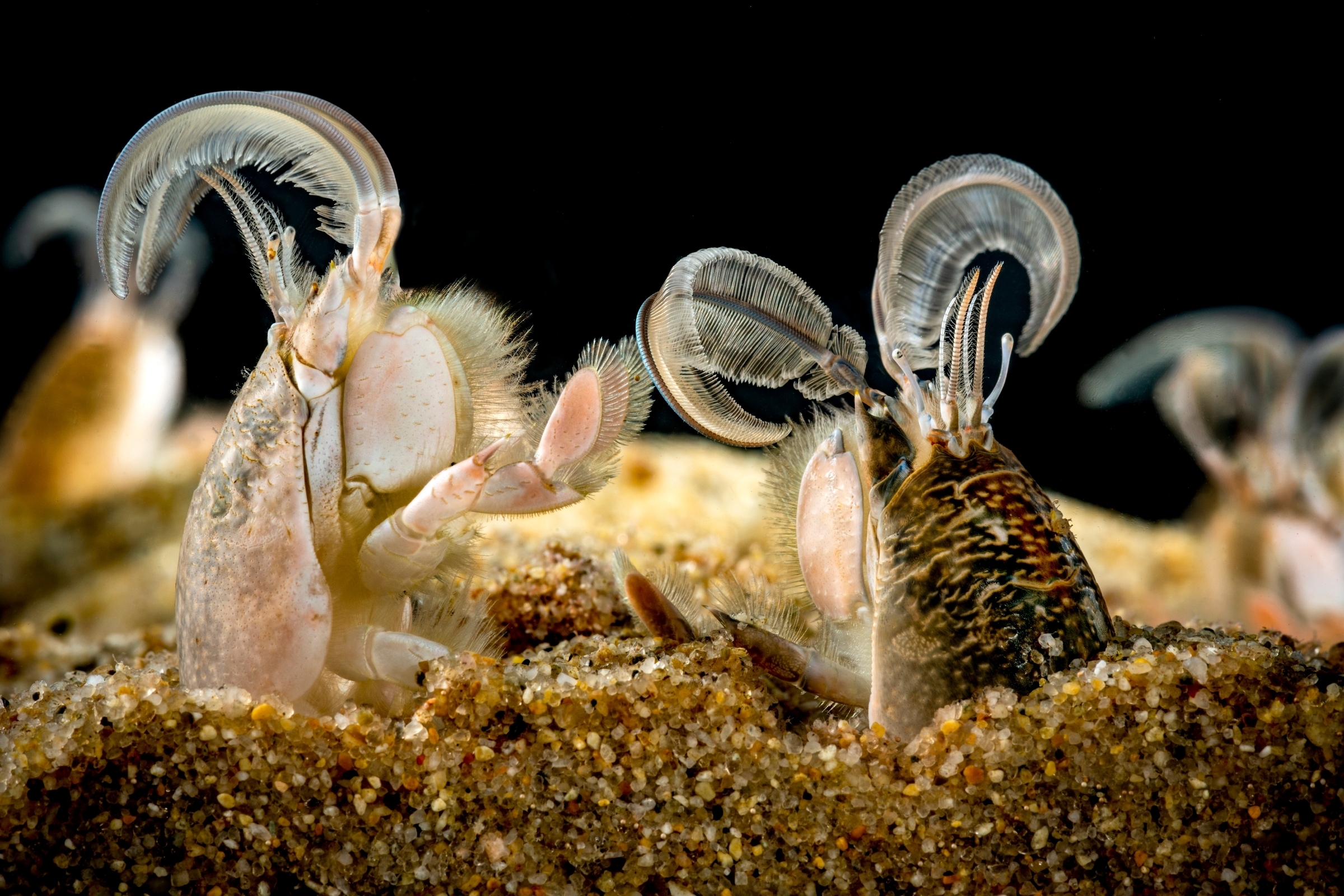
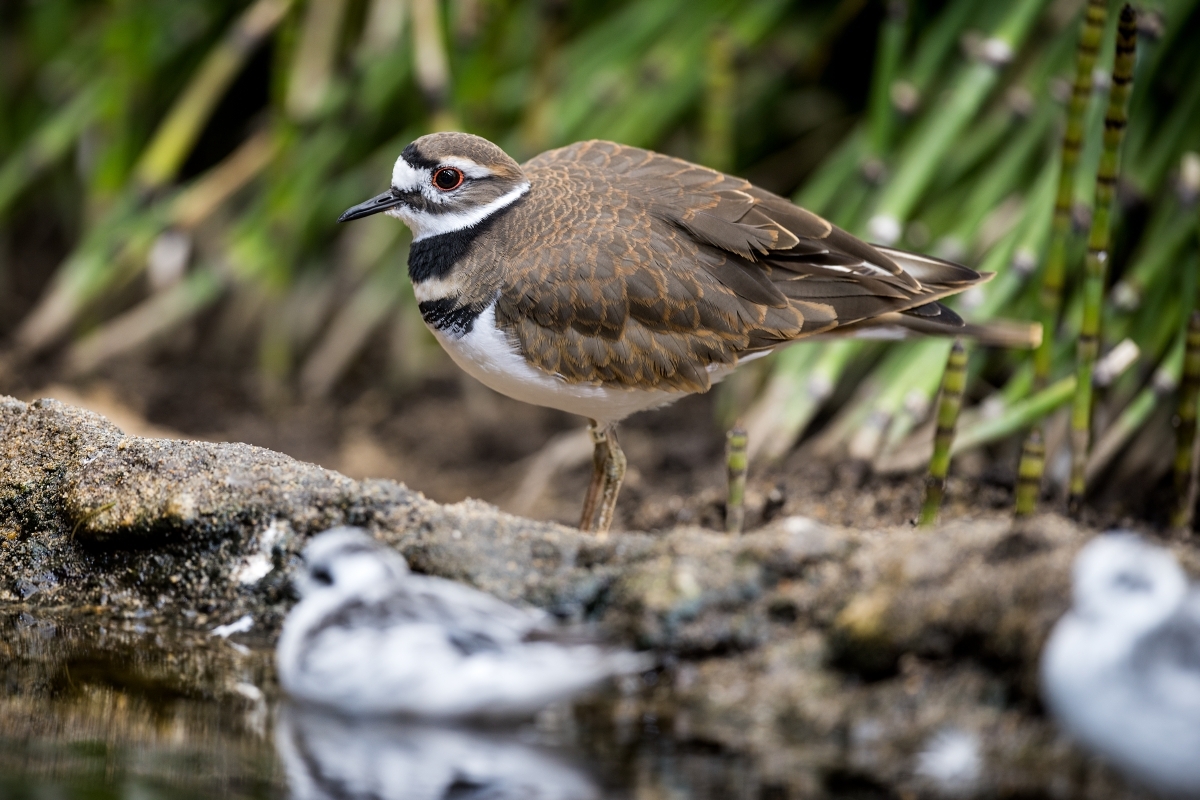
Many of the beach’s mobile inhabitants are in hiding: worms, sand crabs, beach hoppers, insects, and clams burrow into the sand. They do this to protect themselves from the drying sun at low tide, and from extremes in temperature and salinity. Some shorebirds, including the threatened western snowy plover, hide their nests in shallow spots right on the beach, or among the shifting dunes and rustling grasses.
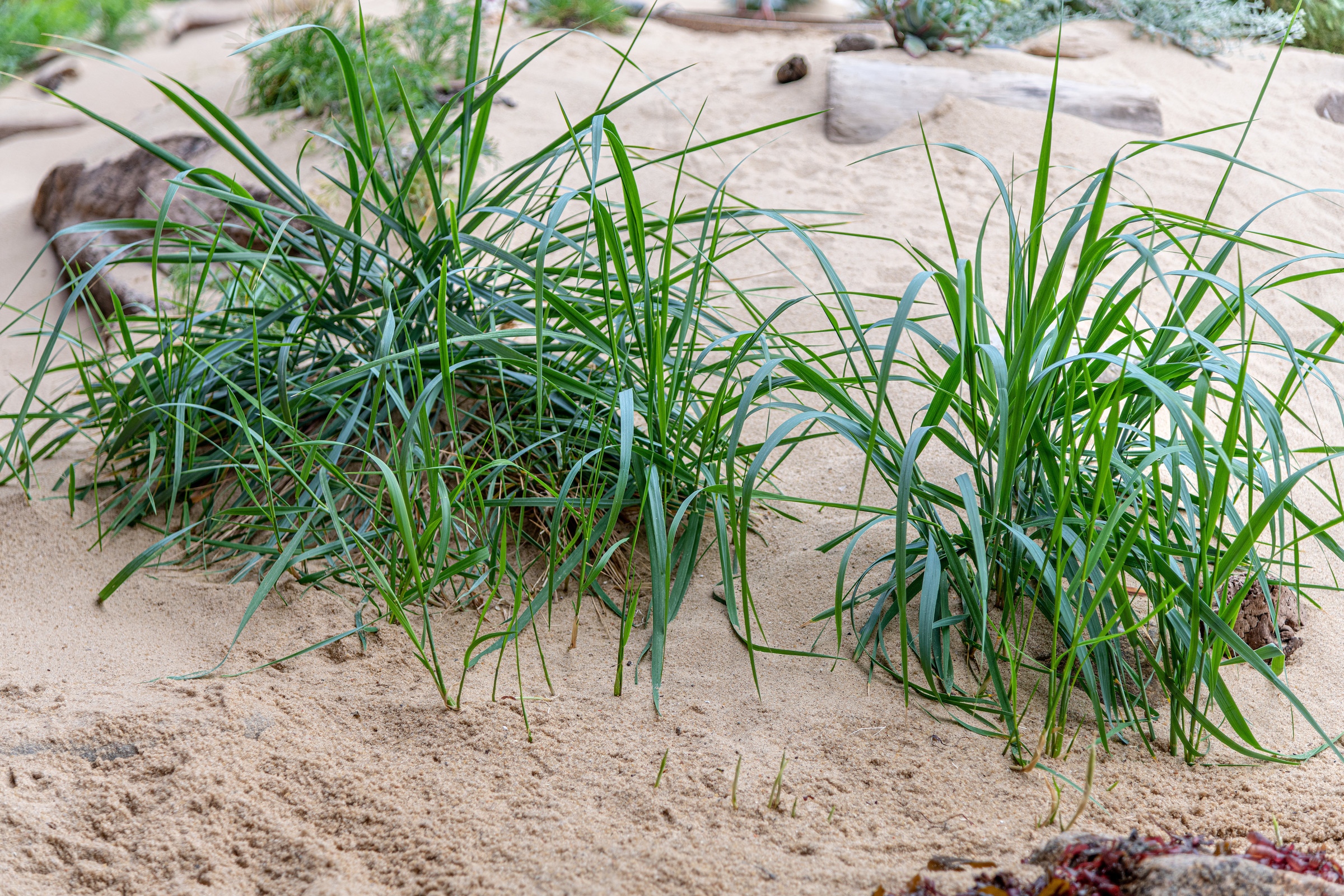
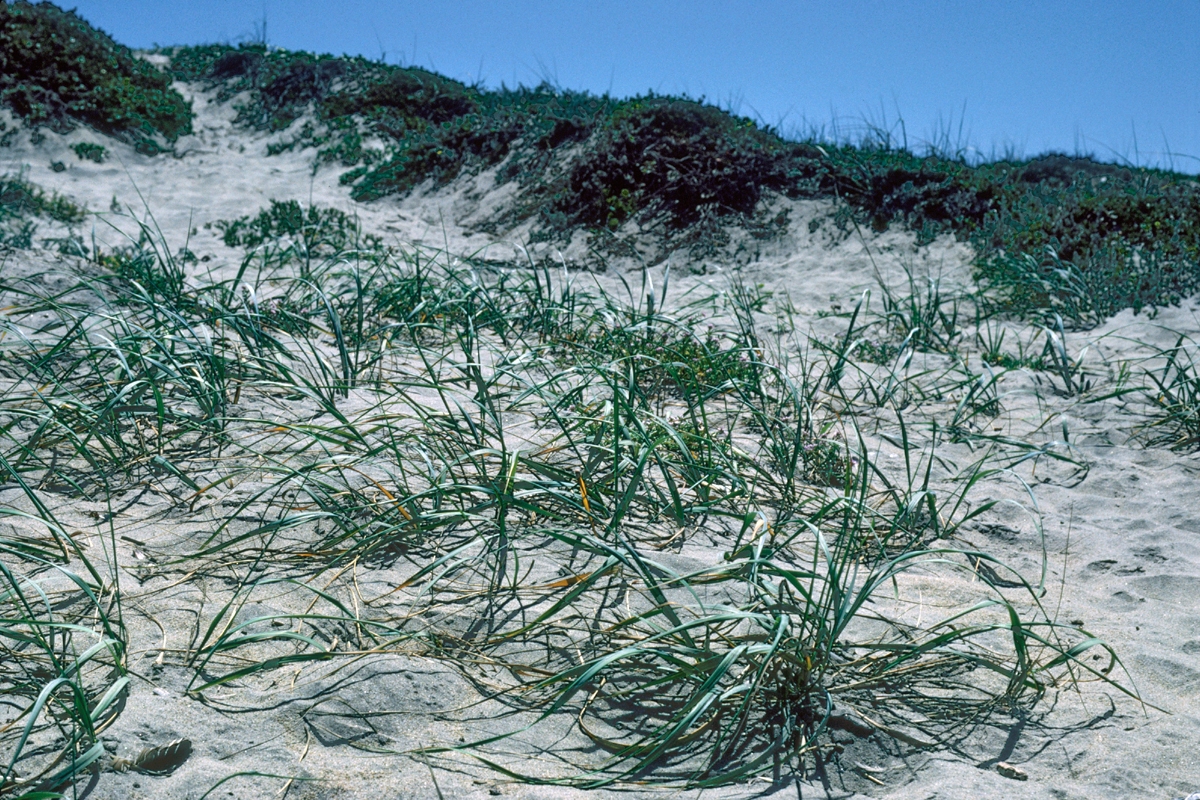
Few species can live in the shifting world of sand dunes. There is little soil, making it difficult for plants to take root. Those that do, such as dune grasses, must be able to tolerate a windy, salty environment with little water.
How this habitat changes
Wave and wind action are the most important factors affecting life on sandy beaches and dunes. Pounding waves, changing tides, and passing seasons continually restructure the beach. In winter, powerful waves create steep-sloped beaches of coarse sand. In summer, gentle waves produce broad, flat areas of fine sand.
Wind creates dunes
Strong winds and dry conditions create shifting mounds of sand called dunes. Sand dunes form when wind blows sand over and around an obstacle—such as a rock or a plant—that causes the wind to slow. When the wind slows, it drops grains of sand behind the obstacle. Over time, the grains accumulate into larger and larger mounds. Dunes can grow bigger or smaller, and even move, depending on the wind’s direction.
Why beaches and dunes matter
Dunes are a vital part of beach habitats, helping to diminish shoreline erosion and absorbing the impact from storm surges. Dunes also serve as critical nesting areas for birds, sea turtles, and other marine species.
Things to look for and notice
Drift seaweeds, washed up by waves, are a common site on most beaches and dunes. Rough waves rip seaweed from offshore rocks and toss it onto beaches. Often these tangles bring in offshore creatures that lived on the seaweed. These seaweeds are usually the only large plants you'll see on the beach, so they're centers of activity. Small animals like beach hoppers eat the decaying algae and hide beneath it. Larger animals, like shorebirds, come to hunt the smaller animals.
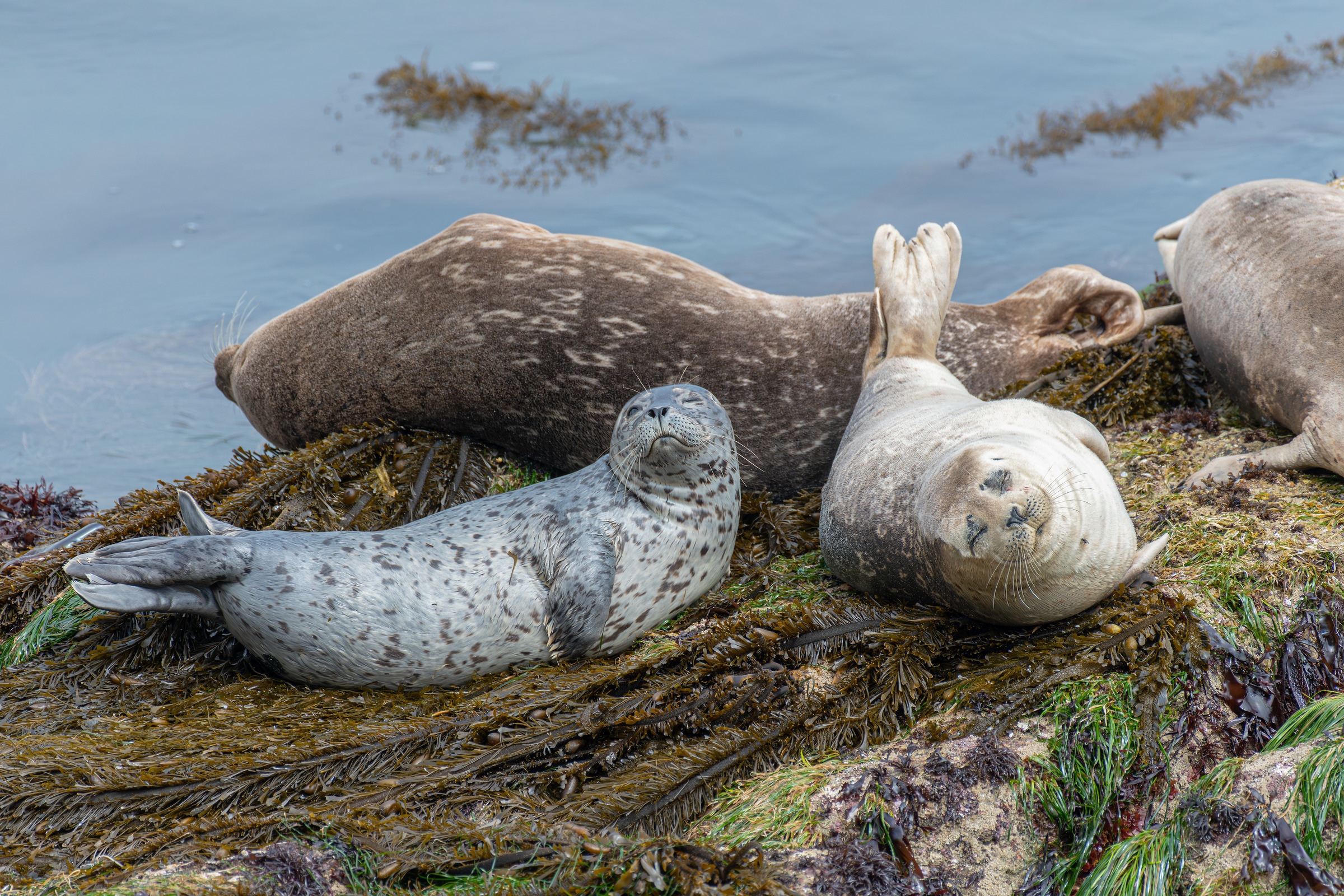
Harbor seals “haul out” on their favorite beaches to rest, mate, give birth, and raise their pups.
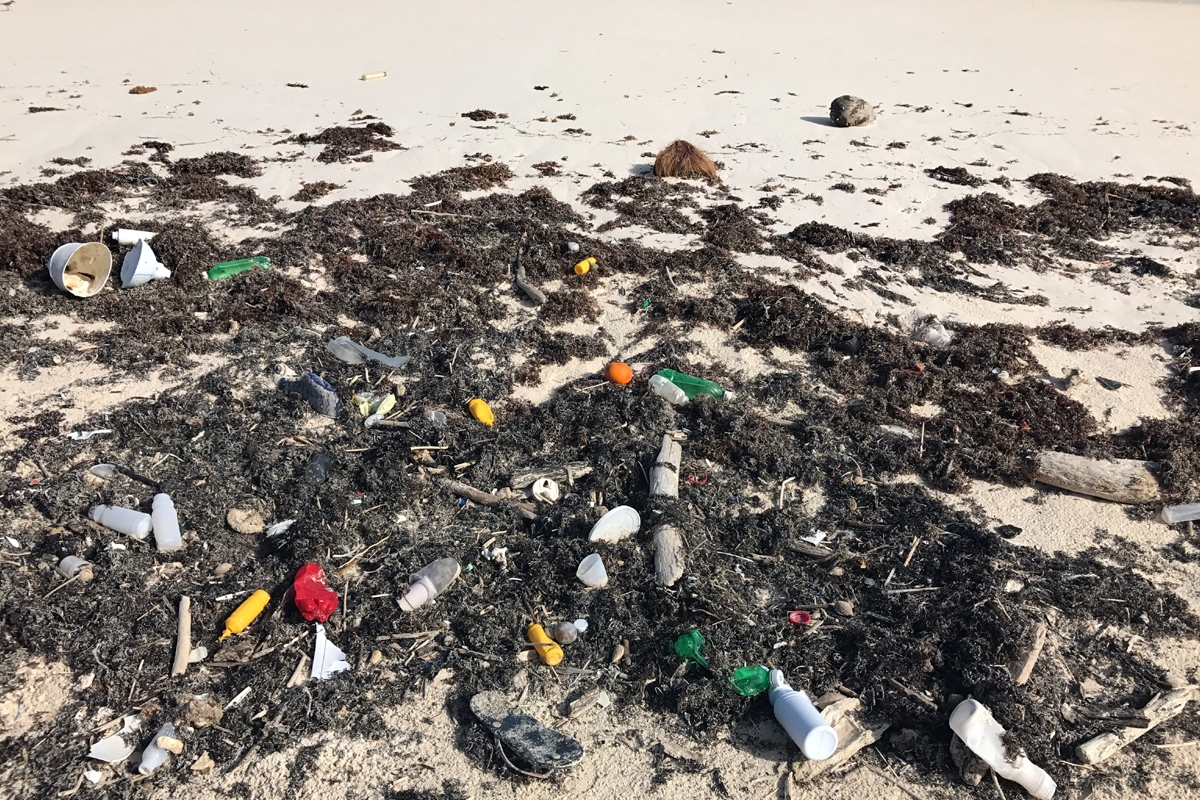
Plastic pollution and discarded fishing gear that wash up on beaches can harm animals in this habitat.
Vulnerable to change
Though the animals, insects and birds that call this habitat home are well adapted to survive the sometimes harsh conditions, they are extremely vulnerable to changes caused by visitors and human activity.
Construction and heavy use
Jetty, pier and home construction, off-road vehicles, and recreational beach use can significantly impact the species that live here. These activities can continue to impact animals in this habitat for many years, long after the people and machinery have gone.
Trash and plastic pollution
Trash left behind by visitors—as well as plastic pollution and discarded fishing gear that washes up on beaches—can harm animals in this habitat. Birds and marine life are easily tangled in fishing nets, plastic bags, and other trash. Animals commonly mistake shiny wrappers, balloon scraps, colorful bottle caps, straws, toys, and other plastic waste for food, which can cause them to get sick or die after ingesting the trash. For example, many Laysan albatross chicks die each year because their bellies are full of bottle caps, toothbrushes, and other plastic.
How to enjoy and protect this habitat
When you visit, walk with care. Don't uproot the plants or take animals from their homes.
Don’t chase the shorebirds you see, and don’t allow dogs or children to chase birds or disturb their nesting areas. Stay on designated beach paths, and avoid driving vehicles on beaches.
Pick up any trash that you find, such as bottle caps and food wrappers, that can harm marine life. Many people think that the biggest source of pollution in the ocean is oil spilled from ships, but most marine pollution is litter that starts out on land.
By minimizing your own use of plastic—especially disposable items—you can help reduce the amount of plastic that finds its way into the ocean. Carrying a reusable water bottle, mug, and utensils with you whenever you go out can be a great place to start. Learn more ways you can help reduce plastic pollution.
Explore this habitat in the Monterey Bay area
Explore more of the ocean
Ecosystem
Coral reefs
Built by tiny sea animals, coral reefs are underwater structures bustling with marine life.