

Despite conscientious efforts by some consumers, businesses, and governments, the production of plastic has skyrocketed over the last two decades and there's now more single-use plastic trash than ever before. The average American disposes of 290 pounds of plastic waste every year. Scientists estimate that around 12 million tons (U.S.) of plastic make their way from land into the sea every year.
But the problem with plastic isn't just that plastic bottles and bags are piling up in landfills or littering our parks and waterways. The effects of plastic pollution are huge and occur throughout the “life cycle” of plastic, which includes its production, use, and disposal. This relentless increase in plastic production has negative effects ranging from harming human health to hurting wildlife, contributing to climate change, and even adding to environmental injustices inflicted on overburdened communities.
Solution: A promising development is the Global Plastic Treaty, a legally binding international agreement to end plastic pollution involving 175 countries. This treaty, currently under negotiation, aims to address the entire lifecycle of plastic, from production to disposal, with the potential to reduce waste, greenhouse gas emissions, diseases, and societal inequities. United Nations Member States have been working on the treaty since 2022. While the most recent treaty negotiations stalled in 2025 over production caps, there is hope for the future. The next round of negotiations is expected to take place in late 2026 and early 2027.
Below we explore the main effects of plastic pollution and how the Global Plastic Treaty could help advance critical solutions to the global plastic crisis.
Plastic has negative human health effects
In the late 1990s and early 2000s, concerns started cropping up among government regulators, scientists, and consumers regarding the safety of Bisphenol A (BPA) used in plastic food and drink containers. Exposure to BPA was linked to a range of health issues, affecting fetal, infant, and child brain development, elevating blood pressure, and increasing the risk of cardiovascular disease.
BPA is just one of thousands of chemicals that are added to plastic to make it more bendable or rigid, give it color, or otherwise modify its appearance. Many of these chemicals are highly toxic—they include carcinogens, neurotoxins, and hormone disruptors known to be harmful to human health.
The entire lifecycle of plastic, from oil and gas extraction to product manufacturing and disposal, emits toxic chemicals into the air, water, and soil. Industrial workers in these sectors are more likely to suffer from heart disease, several different types of cancer, decreased fertility, and lung diseases.
Solution: Laws like California's Plastic Producer Responsibility Act, aka SB 54, lead the way toward safer plastic products by encouraging the removal of toxic additives and imposing fees for their use. The Minderoo-Monaco Commission on Plastic and Human Health strongly recommends that the Global Plastic Treaty mandate reductions in the chemical complexity of plastic, stringent health standards for plastic and plastic additives, the use of non-toxic materials, and disclosure of the components of plastic.
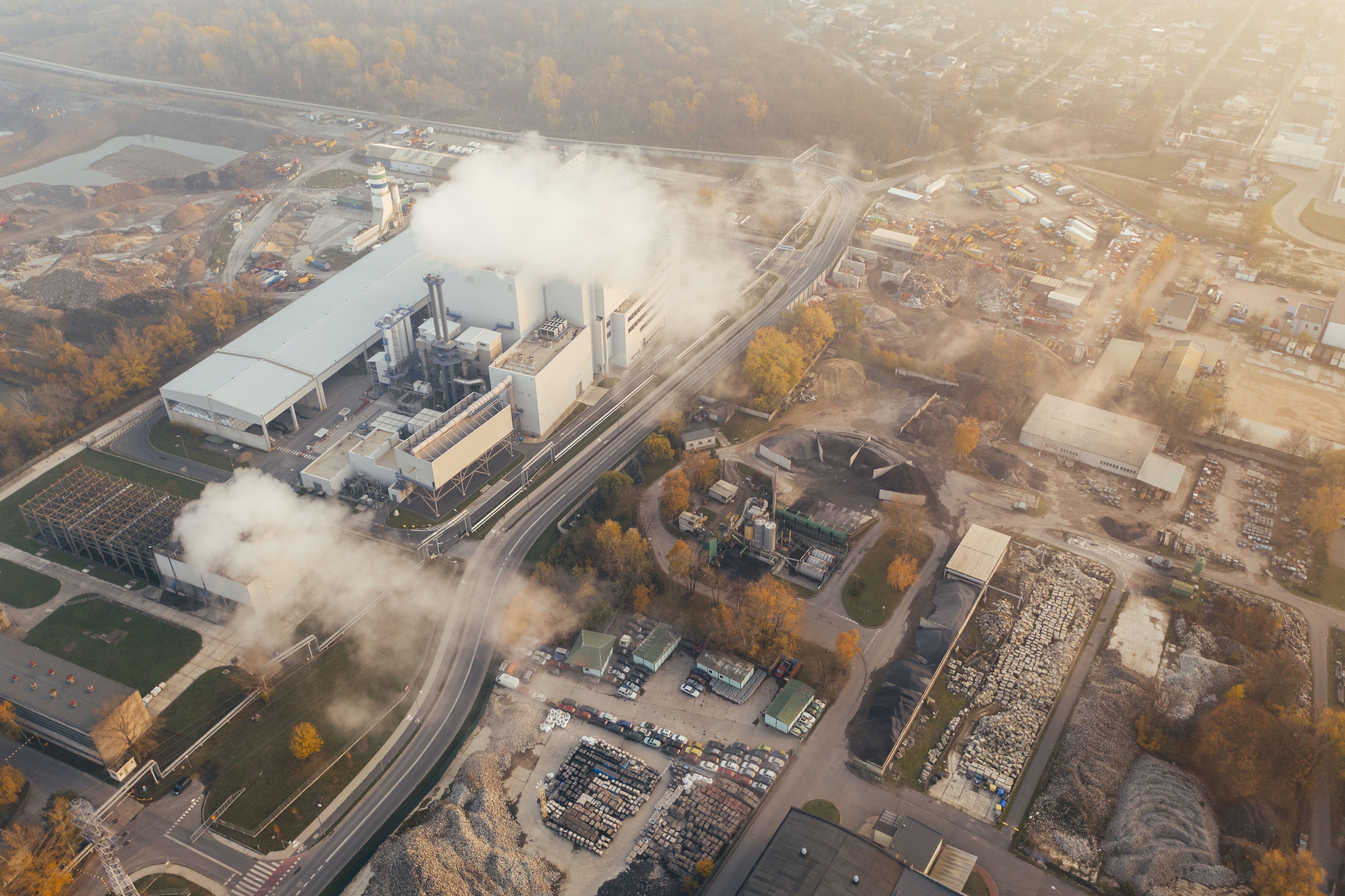
The production and disposal of plastic release harmful chemicals into the air, water, and soil putting workers and nearby communities at a higher risk for health issues such as heart disease, various types of cancer, reduced fertility, and lung diseases.
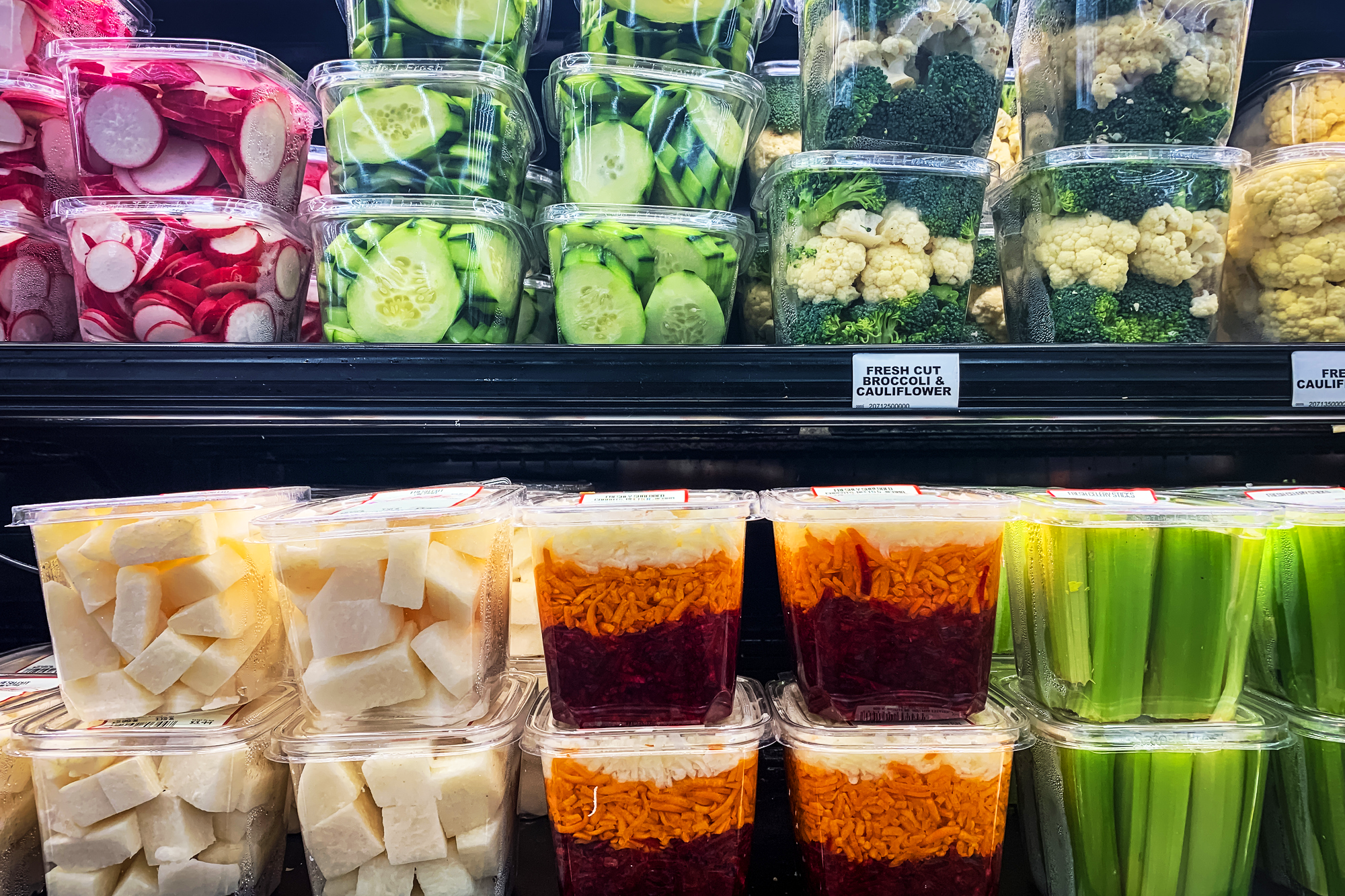
The plastics used for food and drink containers often contain chemicals that have been linked to a range of human health issues.
Plastic pollution harms ocean wildlife
Despite our best efforts, less than 10 percent of plastic is recycled, and many nations lack proper waste management systems. As a result, much of our plastic waste infiltrates the ocean—roughly one garbage truck’s worth of plastic waste every 45 seconds. This deluge of debris has devastating impacts on ocean wildlife. Sea creatures often mistake plastic for food, from sea turtles consuming plastic bags to seabirds feeding it to their chicks. The problem goes deeper, affecting krill, fish, invertebrates, and corals, causing starvation and digestive harm. To make matters worse, abandoned fishing nets, plastic bags, and other discarded plastic ensnare whales, sea lions, dolphins, turtles, and seabirds, making it difficult for them to feed and swim, often leading to their death.
Solution: To mitigate these devastating effects, the Minderoo-Monaco Commission urges that the Global Plastic Treaty put a cap on global plastic production—reducing the amount of plastic that is manufactured and eventually disposed of. Additionally, the Commission says nations must enforce an extended producer responsibility (EPR) policy, and hold plastic producers and manufacturers accountable for end-of-life management of their products.
Microplastics enter the food web
Plastic doesn't biodegrade; instead, it breaks down into minuscule particles known as microplastics. These small plastic particles—less than 5 millimeters in size—are found nearly everywhere on Earth including the deep sea, in fresh Antarctic snow, inside animals, and even within human feces, blood, and lungs. They often contain toxic chemicals—putting both animals and humans at risk for accumulating these harmful chemicals.
Solution: The Minderoo-Monaco Commission recommends that the Global Plastic Treaty include provisions banning or severely restricting the manufacture and use of problematic plastic items, especially single-use microbeads often found in personal-care products. It also supports oceanographic and environmental research to measure microplastic concentrations and understand their distribution and fate in the environment.
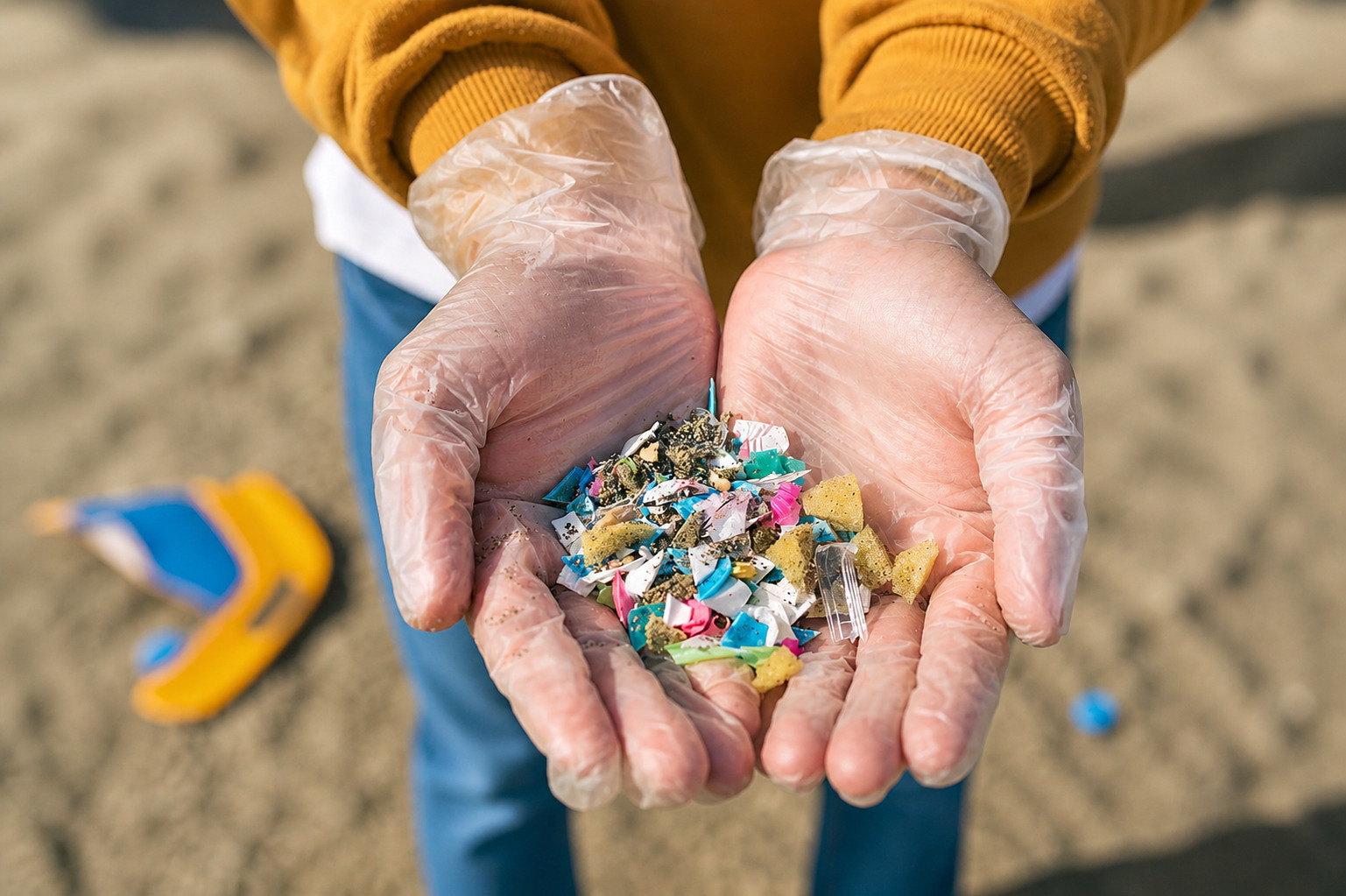
Microplastics are now found in nearly every habitat on Earth, and advocates are urging the Global Plastic Treaty to ban or severely restrict the manufacture and use of problematic plastic items, including microbeads.
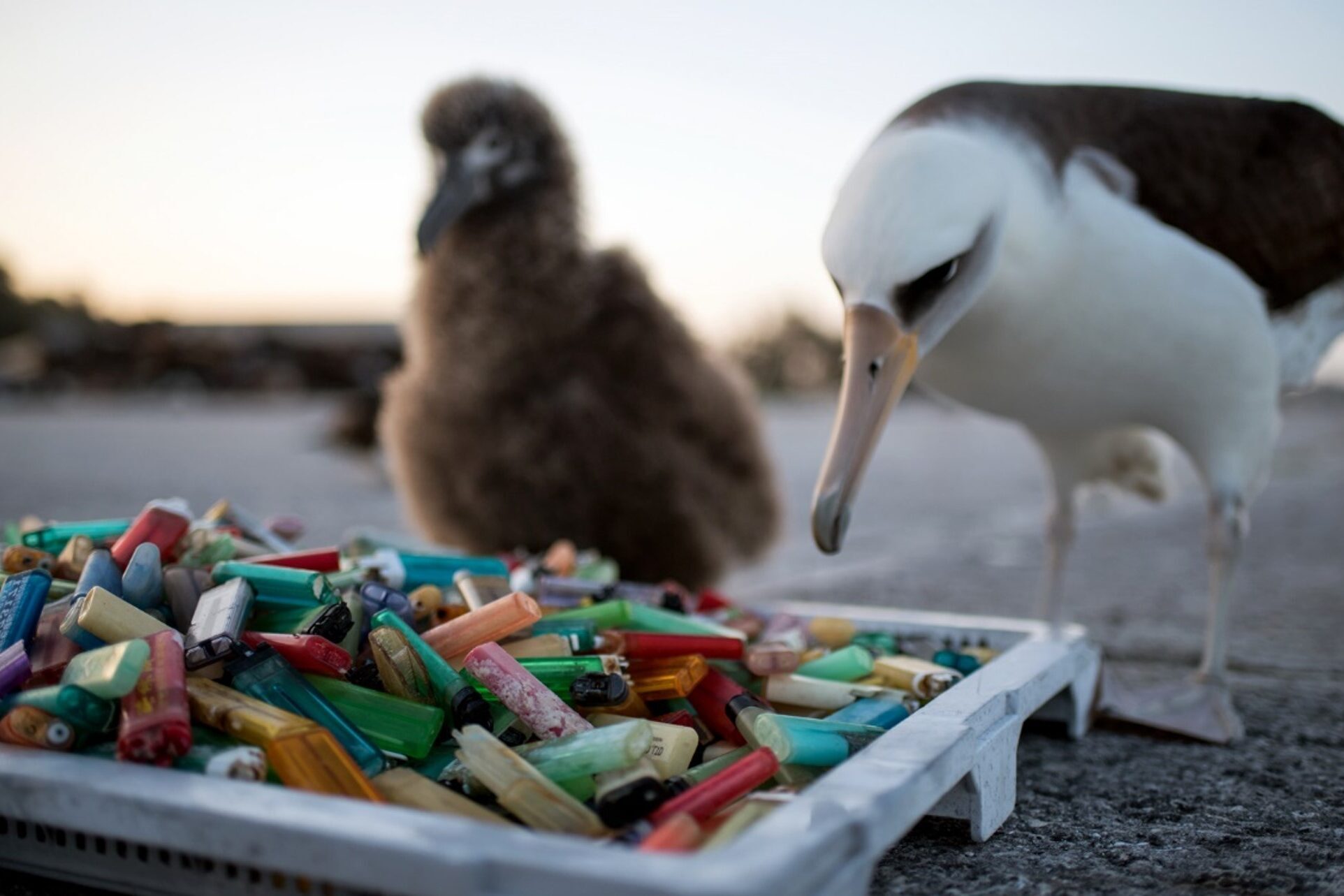
Ocean wildlife, like the Laysan albatross, mistakingly ingest plastic waste found at sea often resulting in their death.
Plastic contributes to climate change
As of 2021, roughly 98 percent of plastics are made from fossil fuels, contributing to rising greenhouse gas emissions. Global plastic production alone generates greenhouse gas emissions equivalent to approximately 1.96 gigatons of carbon dioxide annually. That’s more than the country of Brazil’s total emissions and is approximately four percent of all worldwide emissions.
According to the Minderoo-Monaco Commission, most plastic-associated greenhouse gas emissions (90 percent) result from production, including fossil fuel extraction, refining, and product manufacturing. The remaining 10 percent is generated during disposal and the trade of plastic materials.
Solution: Reducing plastic production, increasing the use of recycled materials, and promoting reusable and refillable systems are vital steps in mitigating climate change's devastating effects.
Plastic contributes to environmental injustices
People living in communities near plastic production sites bear a disproportionate burden of plastic pollution. Low-income or marginalized communities are often selected as sites for plastic production facilities, and their residents are unfairly excluded from decision-making that impacts their health and livelihoods. As a result, they suffer from air and water pollution, leading to health risks like asthma, heart disease, cancer, and premature birth.
The adverse effects of plastic waste are not evenly distributed either. In the Global North—a term used to refer to economically developed and industrialized regions including North America, Europe, Japan, South Korea, Australia, and New Zealand—plastic waste can be incinerated, recycled, sent to landfills, or exported to other countries (often to places without adequate waste management). However, in the Global South (regions in Africa, Latin America, the Caribbean, and parts of Asia and Oceania often characterized by lower income, high population density, poor infrastructure, and political or cultural marginalization) access to organized waste management systems is limited. As a result, more plastic waste is burned or enters the environment, leading to increased risk of floods due to clogged drainage systems, increased risk of exposure to infectious diseases, and less tourism to stimulate the economy.
Globally, nearly 20 million people work in the informal waste sector. Known as “waste pickers”, they make their living recovering recyclables or returnable items that have been thrown away. The majority of waste pickers are women from marginalized communities. In addition to possible exposure to the toxins in plastic, they deal with poor working conditions, low wages, and disrespect.
Solution: The Global Plastic Treaty must prioritize addressing social inequities throughout the plastic lifecycle. Laws like California's Plastic Producer Responsibility Act allocate resources for overlooked and under-resourced communities, funded by the industry. The treaty should work in collaboration with existing international agreements to effectively manage hazardous plastic waste and enhance fairness in the distribution of both the benefits and harms associated with plastic production among different populations.
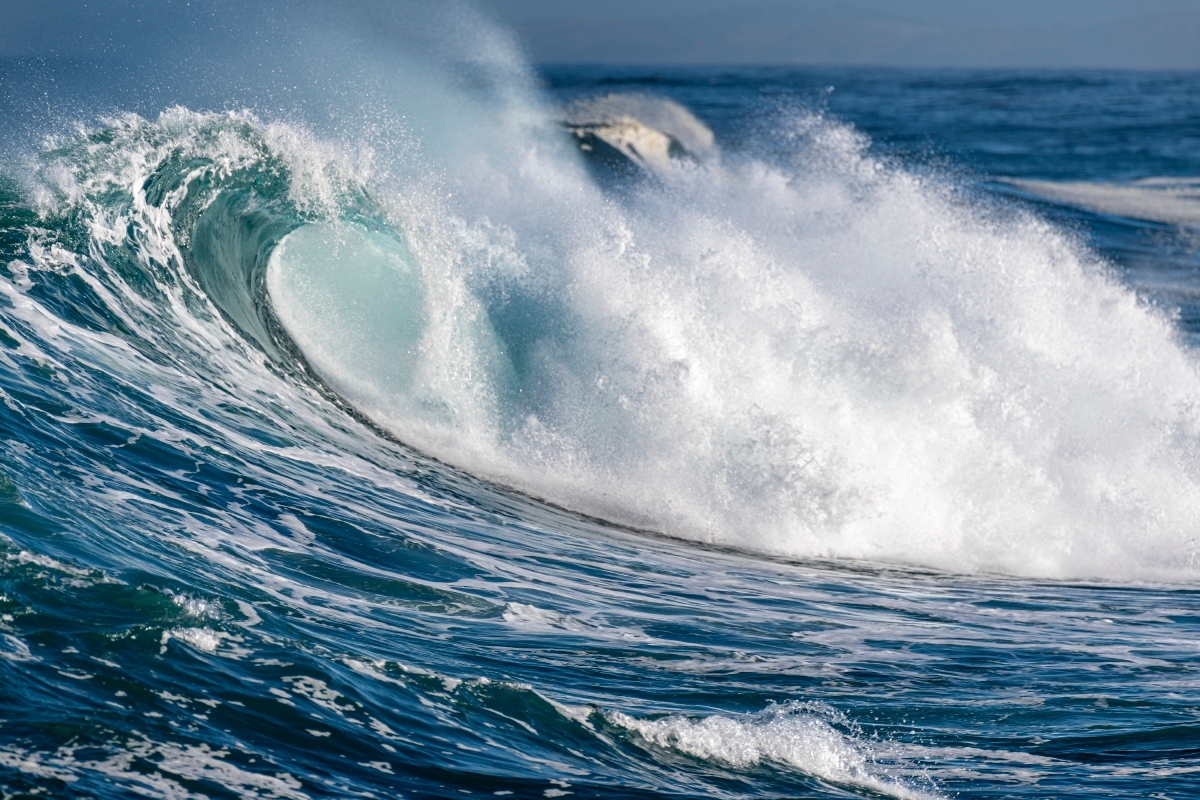
Since plastics are made from fossil fuels, they are a significant contributor to greenhouse gas emissions and the resulting climate change.
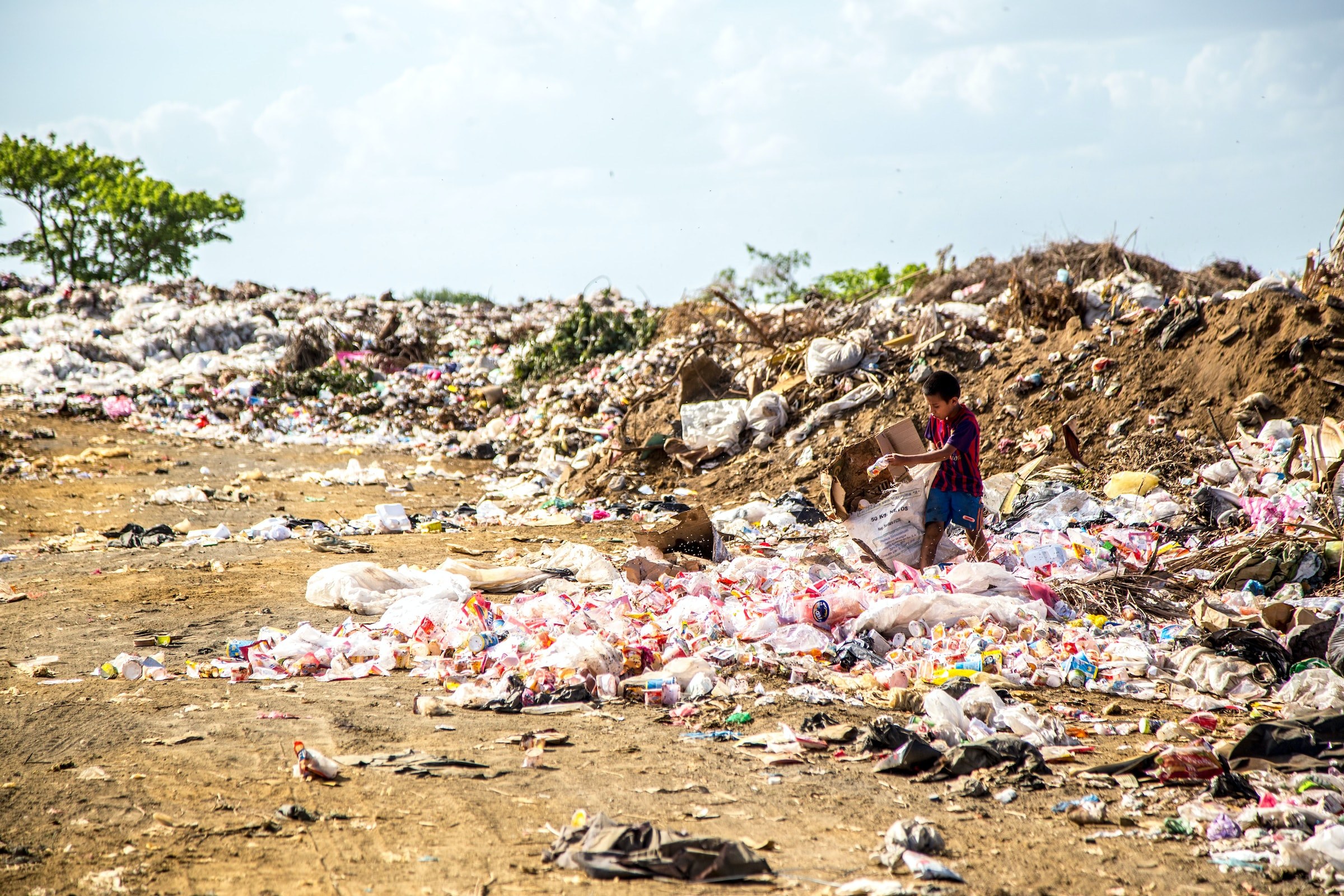
The unequal distribution of plastic pollution disproportionately affects communities near production sites, particularly in low-income areas, contributing to environmental injustices, health risks, and economic disparities.
Overall, the effects of plastic pollution are profound, but hope is on the horizon. The Global Plastic Treaty, along with legislative actions at regional levels, represents a crucial step toward mitigating the environmental, health, and social impacts of plastic pollution. By working together, we can transform our plastic-dependent society into one that prioritizes sustainability and environmental responsibility.
Keep exploring

Story
Reducing plastic packaging: How partnerships help keep plastic out of the ocean
We work with partners to reimagine processes and packaging to reduce ocean-bound plastic and protect ocean…
Read story – Reducing plastic packaging: How partnerships help keep plastic out of the ocean
Story
From Vietnam to California
From farms to CA schools, your food choices help wildlife, fishers, and global coastal food systems thrive.
Read story – From Vietnam to California
Story
Earth Month 2026
This Earth Month, embrace wonder. Ask questions, dive in, and join our community caring for the ocean.
Read story – Earth Month 2026