

A life of whale-sized impacts
As top predators, whales play a critical role in supporting the balance of marine ecosystems. By keeping prey populations, like krill, fish, or other marine mammal species in check, they help maintain healthy ocean food webs.
But their impact goes beyond predation. Whales often dive deep to feast on nutrient-rich prey containing vital elements like iron, nitrogen, and phosphorous. When they return to the surface to breathe (and poop), their enriched excrement acts as a powerful fertilizer and supports the growth of phytoplankton, the base of most marine food webs. In addition, these tiny plant-like organisms help sequester carbon dioxide from the ocean and atmosphere, and produce oxygen through photosynthesis. In essence, whales are not only important nutrient-cyclers, but also climate change challengers!
Whales can also be considered ecosystems in themselves. Like many marine organisms, whales can host parasites. Depending on species, this may include anything from worms to lice to barnacles to lamprey. While this relationship may not be entirely beneficial to the whale, they are supporting other marine life in the process.
Some whale species can live up to or over 100 years. The Arctic-dwellling bowhead whales can live upwards of 200 years! It’s truly incredible to consider the impact they have on the ocean throughout their long lifetimes.
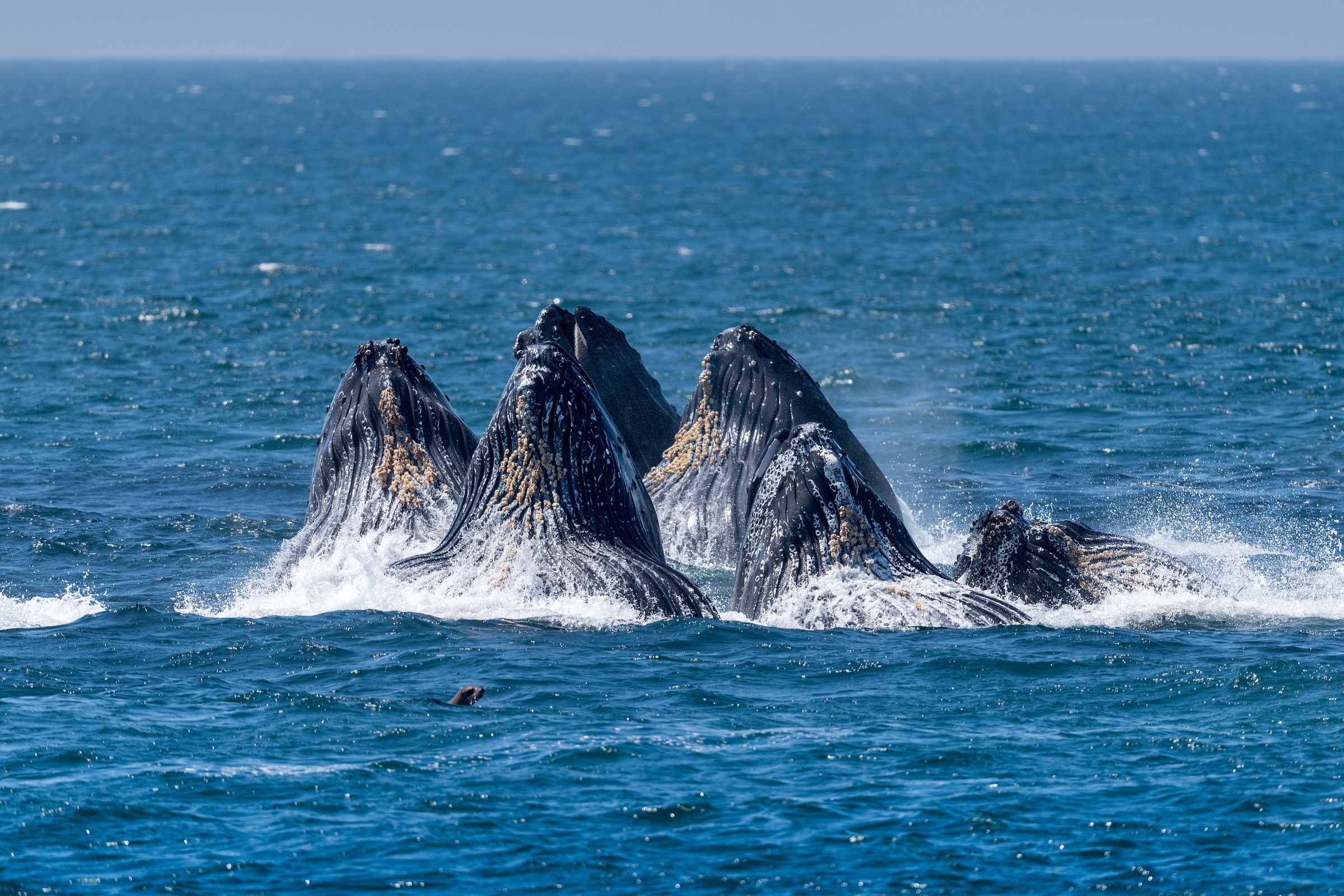
Throughout their lives, whales have an important impact on the ocean. They play a critical role in supporting the balance of marine ecosystems by keeping prey populations, like krill or sardines, in check.
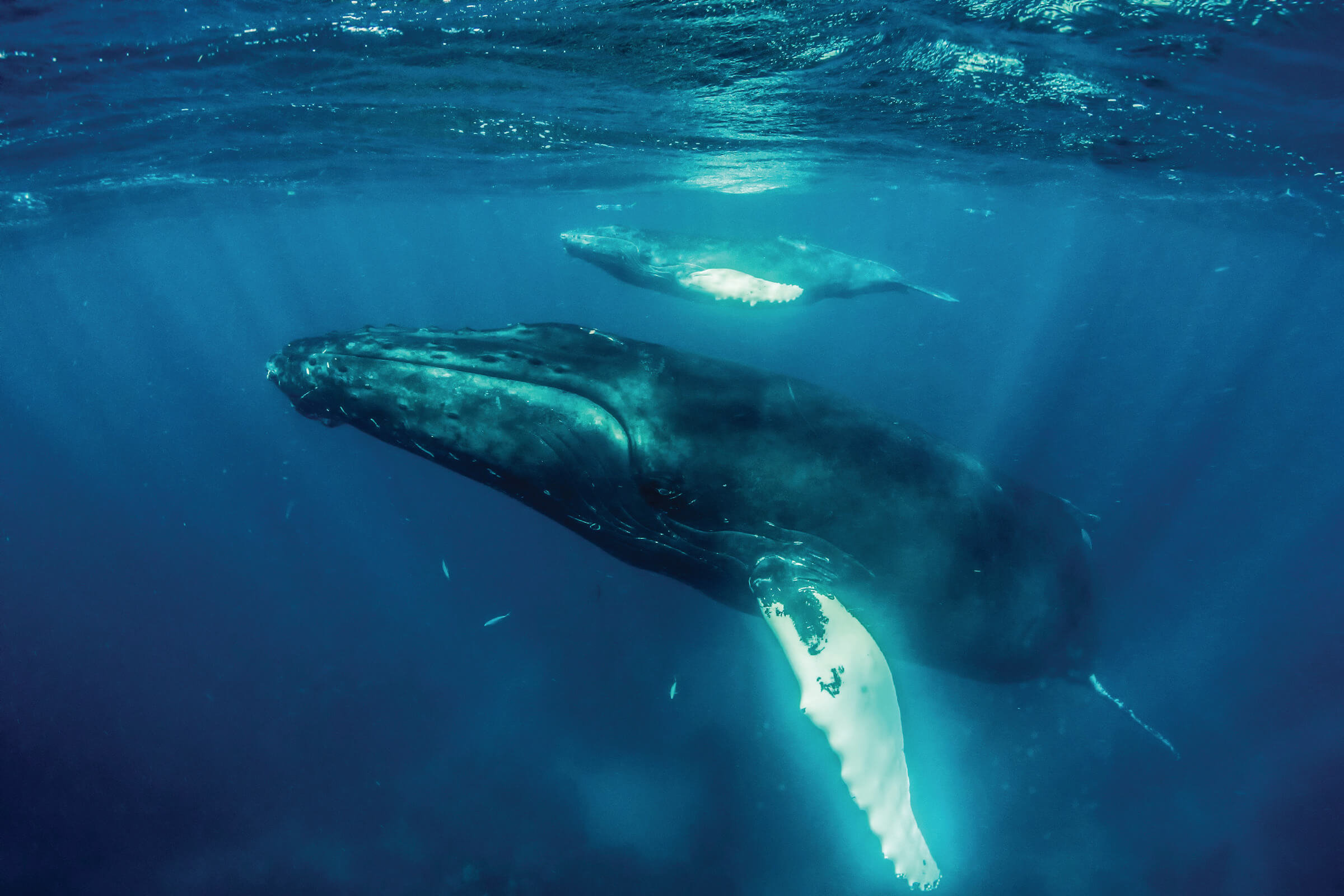
Whales can also support ocean food webs from the bottom up. Releasing their nutrient-rich excrement in surface waters acts as a powerful fertilizer supporting the growth of plant-like phytoplankton. (Photo © Christopher Michel)
How do whales die?
Like all living organisms, whales eventually die. Some die from natural causes such as complications from disease. And even though whales are some of the largest marine mammals, they can still become prey for predators such as white sharks, orcas, or even polar bears! Many whale species migrate long distances between mating and feeding grounds. As climate change affects prey distribution, some whales may have to travel farther to reach their feeding grounds. These longer journeys put them at risk, and they may succumb to starvation, unable to find nourishment in time.
The biggest threat to the survival of whales remains human activity. Millions of whales are estimated to have been killed by the commercial whaling industry during the last century, with many species hunted to near extinction for their oil, blubber, and cartilage.
While many countries have agreed to stop industrial whaling, and some populations have made a recovery, these majestic animals still remain vulnerable to threats including entanglement in fishing nets and gear intended for other animals. This often causes chronic injuries and infection for the whale, which can lead to a host of other problems, ultimately leading to its death.
They also face serious threats from ship strikes. When a ship hits a whale, it can cause bleeding, concussions, or internal injuries, which can eventually lead to infection or other serious issues, including death.
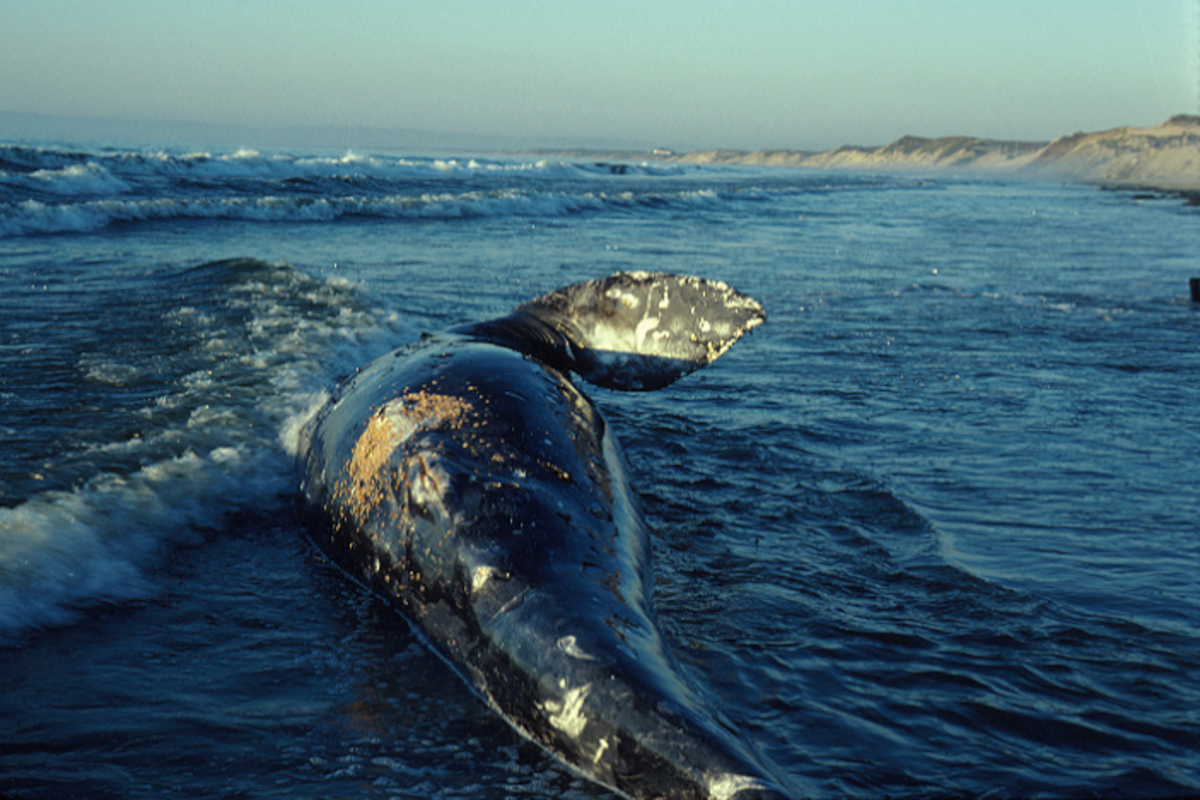
Whales can die from any number of causes. When they do, they may float or become beached, providing food for sharks and scavengers alike. Most whale carcasses eventually make their way down to the seafloor where they’re known as a whale fall.
What happens to a whale’s body after it dies?
When a whale dies, its journey is far from over. They continue to make contributions to the ocean environment. Whales initially float at the surface due to the gasses that build up in their stomach or other organs. Opportunistic predators like sharks and seabirds take advantage of this floating feast. Some whales can wash ashore on a beach, providing food for land scavengers and offering researchers a chance to gain further insights into the life of the whale and what possibly may have caused its death.
In most cases, the carcass eventually sinks thousands of feet, down to the seafloor. This process is what has earned its name—whale fall. And that’s where its afterlife truly begins.
Whale falls
A succession of deep-sea communities
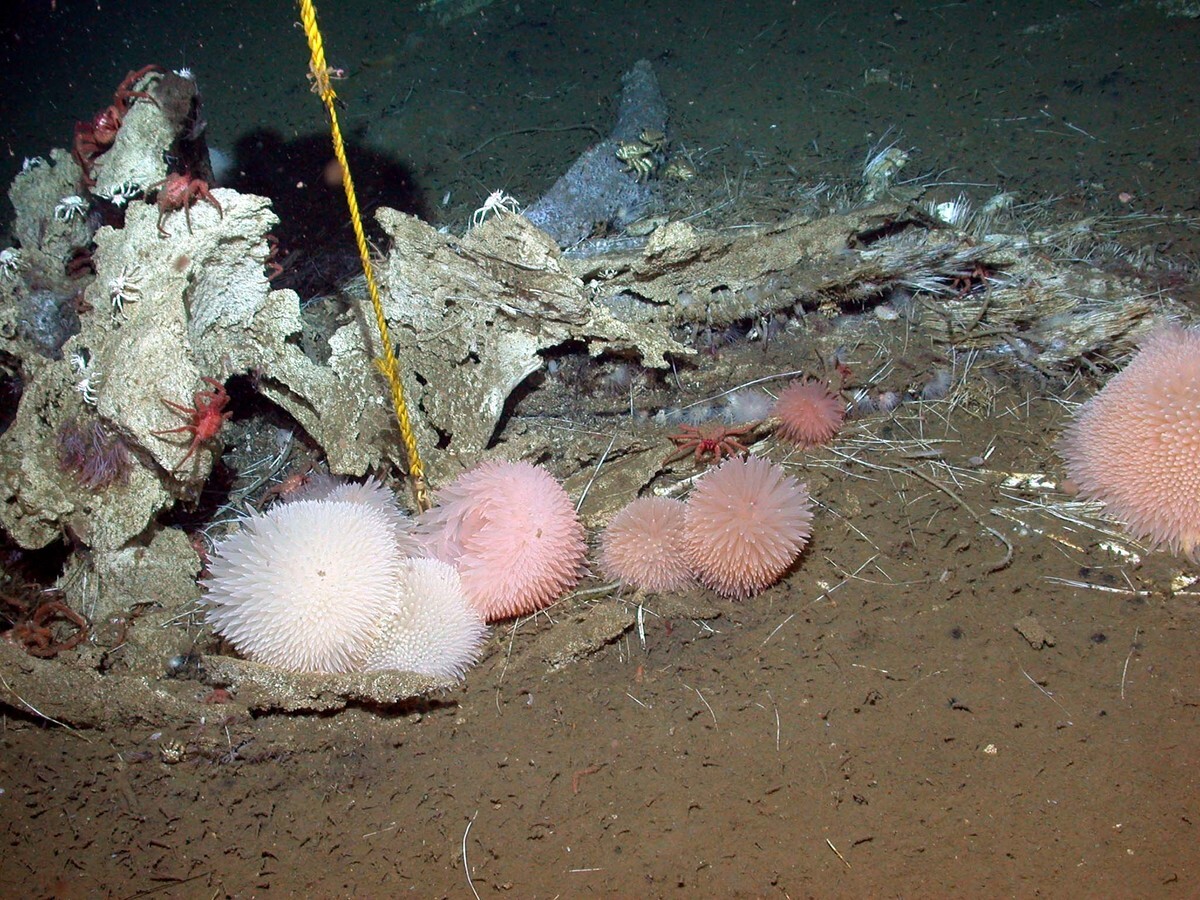
Our partners at the Monterey Bay Aquarium Research Institute (MBARI) studied whale falls to determine the communities of animals that are supported by this rich food source on the deep-sea floor.
Food in the deep sea usually arrives in the form of particles of marine snow—a slow, steady shower of organic material that rains down from the surface waters. Whale falls, on the other hand, are like a colossal cornucopia magically appearing to deliver an immense source of food. A single whale fall can provide as much organic material as several thousand years’ worth of marine snow.
As the whale slowly decomposes, new communities of deep-sea organisms arrive—from scavengers to invertebrates to bacteria — to take advantage of the incredible bounty. One whale can sustain deep-sea communities for several decades, in several succeeding stages.
© MBARI
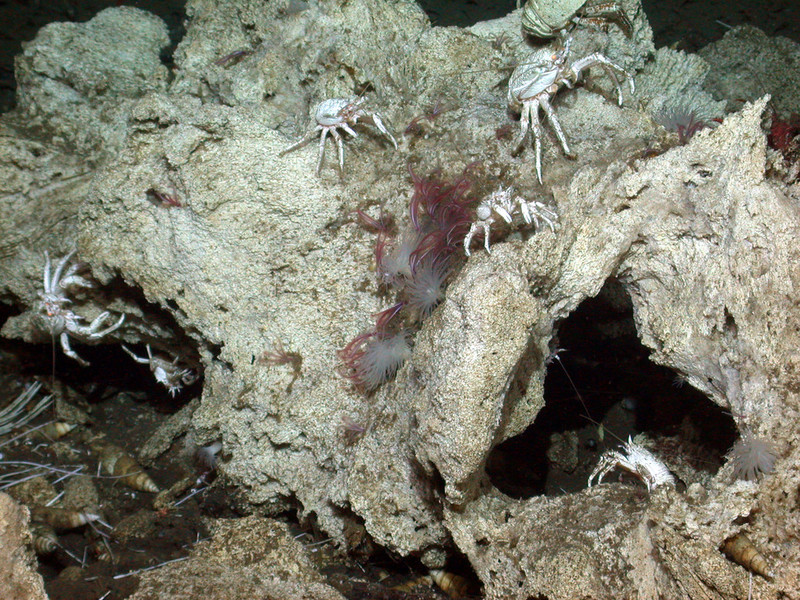
Stage 1: Mobile scavengers
Following the scent of food, scavengers like hagfish and sleeper sharks arrive within hours of a fresh whale fall to feed on the flesh and soft tissues. Other scavengers like giant amphipods, spider crabs, and octopuses may join the feast, ensuring no meat goes to waste. In many cases, the whale is stripped to the bone in a matter of months.
© MBARI
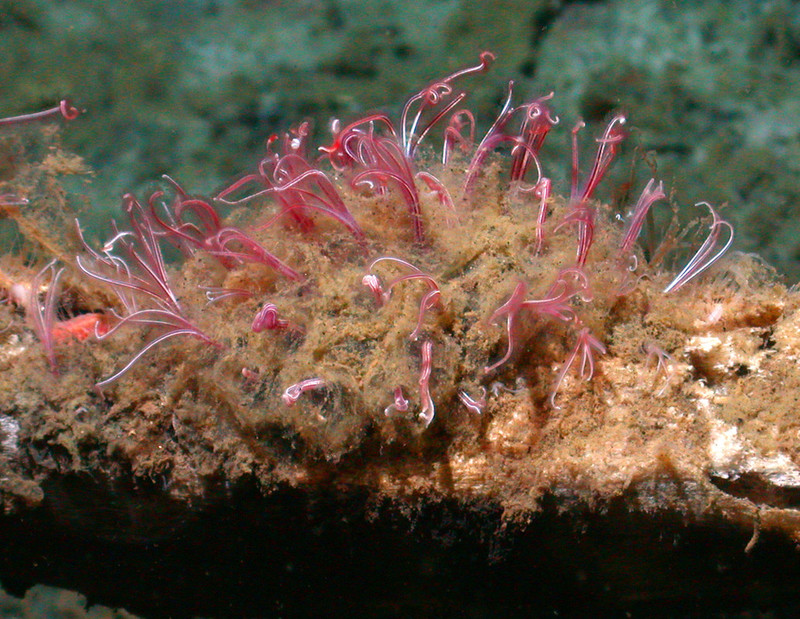
Stage 2: Enrichment opportunists
As the whale’s body continues to decompose, it releases nutrients into the surrounding sediment, enriching the seafloor. Worms, crustaceans, and mollusks burrow into this nutrient-rich sediment. While the bones may appear bare, they still provide a rich source of nutrition, particularly for Osedax spp. bone-eating worms (shown above). Commonly called “zombie worms,” these polychaete worms bore into the bone to feed on the fats (lipids) they contain.
© MBARI
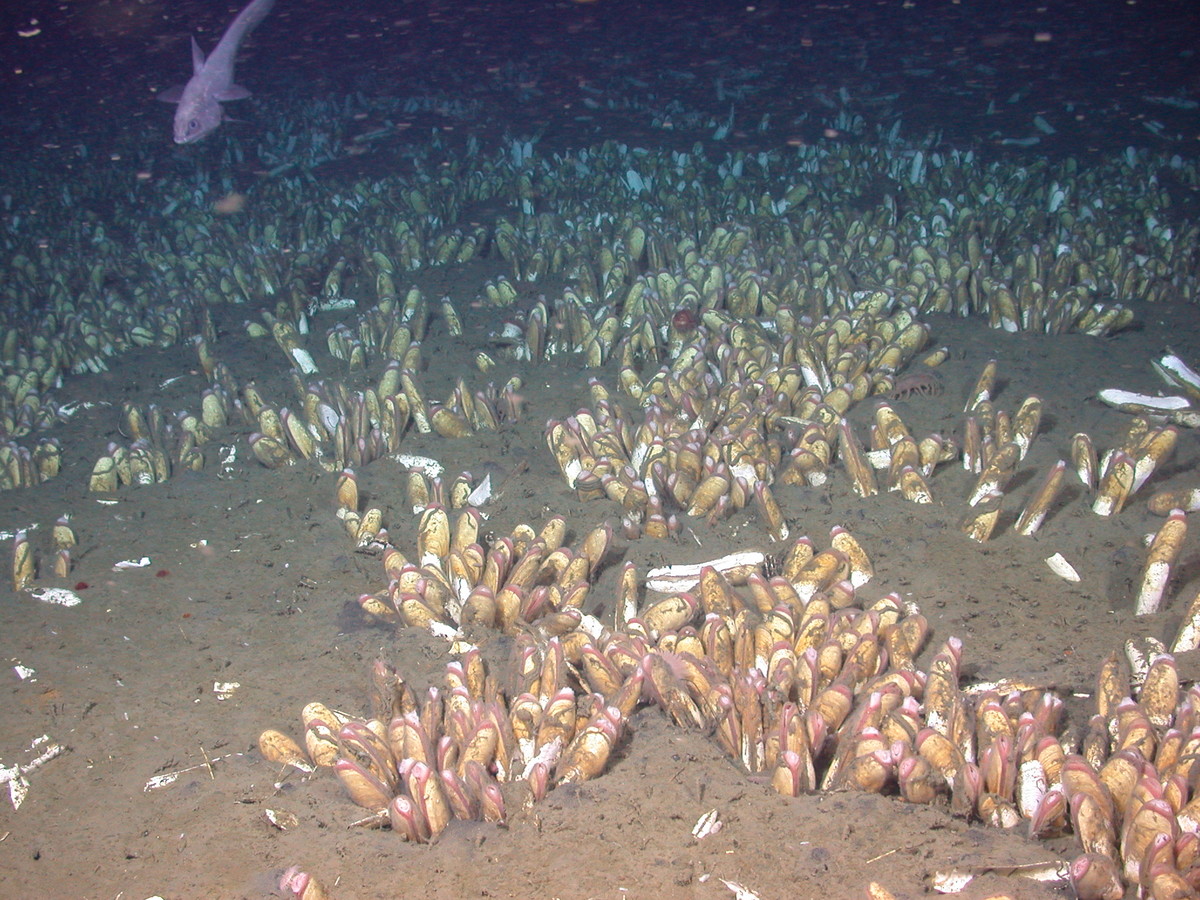
Stage 3: Sulfophilic bacteria
In the final stage of decomposition, other organisms like sulphophilic (sulfur-loving) bacteria also feed on the bones. In the process they release hydrogen sulfide, transforming the environment. These chemosynthetic bacteria provide energy for unique organisms like giant tube worms, clams, and mussels, forming rich, self-sustaining ecosystems where there was once just seafloor. This is the longest stage of whale fall community succession, lasting upwards of several decades.
Through all these stages, a whale can support deep-sea life for as long, if not longer, than it was alive.
Inspect a whale fall model
This is Rosebud, a 23-foot female fin whale that was struck and killed by a passing cargo ship in 2011. Scientists recovered her body from a San Diego beach and towed her out to sea before sinking her with eight tons of steel weights. This work provided them with an ideal location to study whale fall communities.
Rosebud Whale Fall by MBARI on Sketchfab
Preserving the legacy of whales
Whales are architects of the ocean’s health from the surface to the depths, and their continued survival is essential for a healthy ocean. By tackling the human-caused threats and promoting conservation of whale populations worldwide, we can ensure these ocean giants continue to play their vital role—both in life and in death—in maintaining the ocean’s delicate balance.
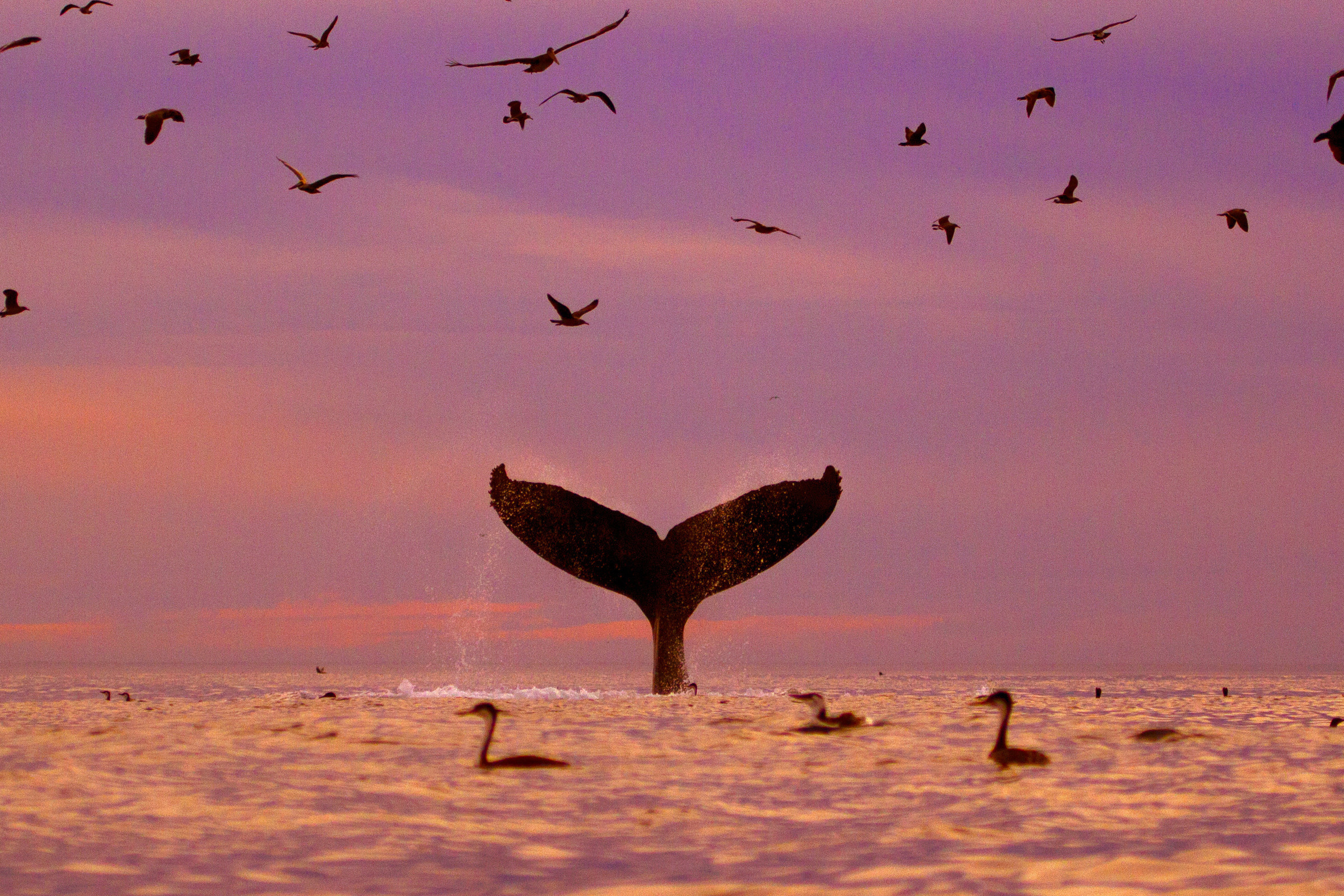
Whales are important to the ocean, both in life and in death.
© Giancarlo Thomae
Keep exploring
Story
Nature is queer
We’re excited to sea-lebrate the queerness of nature!
Read story – Nature is queer
Story
Birdwatching tips: A guide to enjoying and identifying local birds
Here are our best tips to help keep you and the birds safe and healthy during a birdwatching adventure.
Read story – Birdwatching tips: A guide to enjoying and identifying local birds
Story
Chumash Heritage National Marine Sanctuary is almost here
Chumash Heritage National Marine Sanctuary protects marine life and cultural resources on California’s coast.
Read story – Chumash Heritage National Marine Sanctuary is almost here