

Deep sea
The largest ecosystem on Earth lies between the ocean's sunlit upper layers and the distant floor of the deep sea.
Here in the midwater, beginning at a depth of about 660 feet (200 m), species must adapt to a world with little to no light, and no solid boundaries. Water temperatures are close to freezing, and the weight of the water above creates enormous pressure. Yet the animals here are so numerous, they likely outnumber those on land.
Related exhibits and live cams
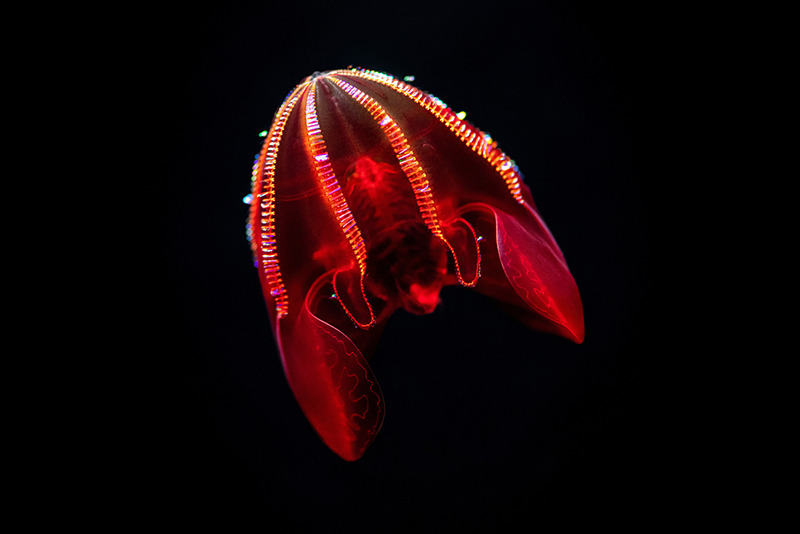
Exhibit
Into the Deep
Our Into the Deep exhibit explores the dark abyss that is mostly out of sight, but thriving with life.
Explore exhibit – Into the Deep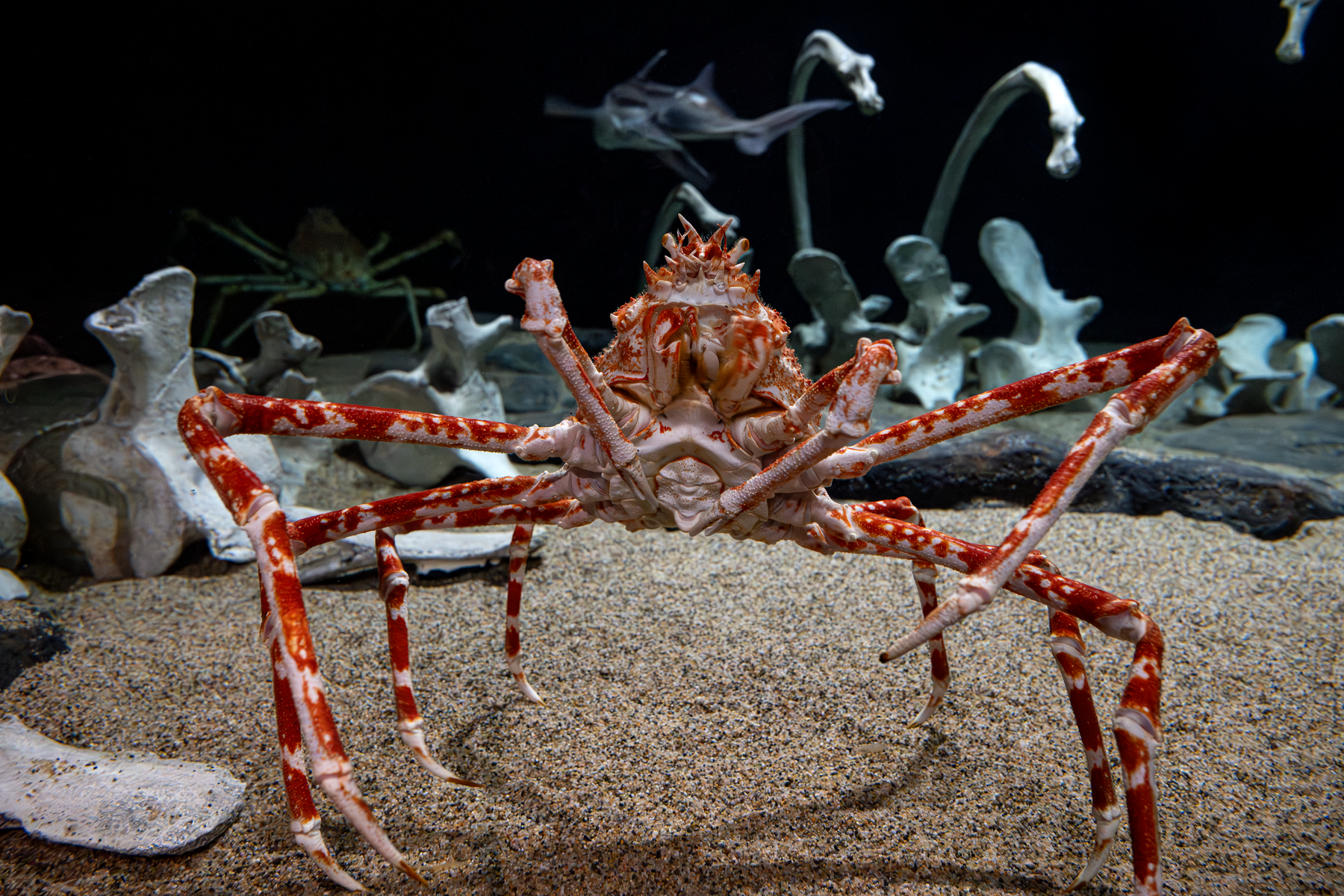
Live cam
Spider Crab Cam
Watch our Spider Crab Cam and see some of the largest deep-sea crabs in our Into the Deep exhibition.
Watch cam – Spider Crab CamFrom midwater to deep sea
The deep seafloor is, on average, 13,123 feet (4,000 m) below the ocean’s surface. It stretches across broad plains, jagged seamounts, hydrothermal vents, and abyssal trenches, covering more territory than all of Earth’s continents combined. Its farthest points reach 6.8 miles (11,000 m) deep. We know more about the moon than we do about this remote habitat—and its surprising diversity of bottom dwelling inhabitants.
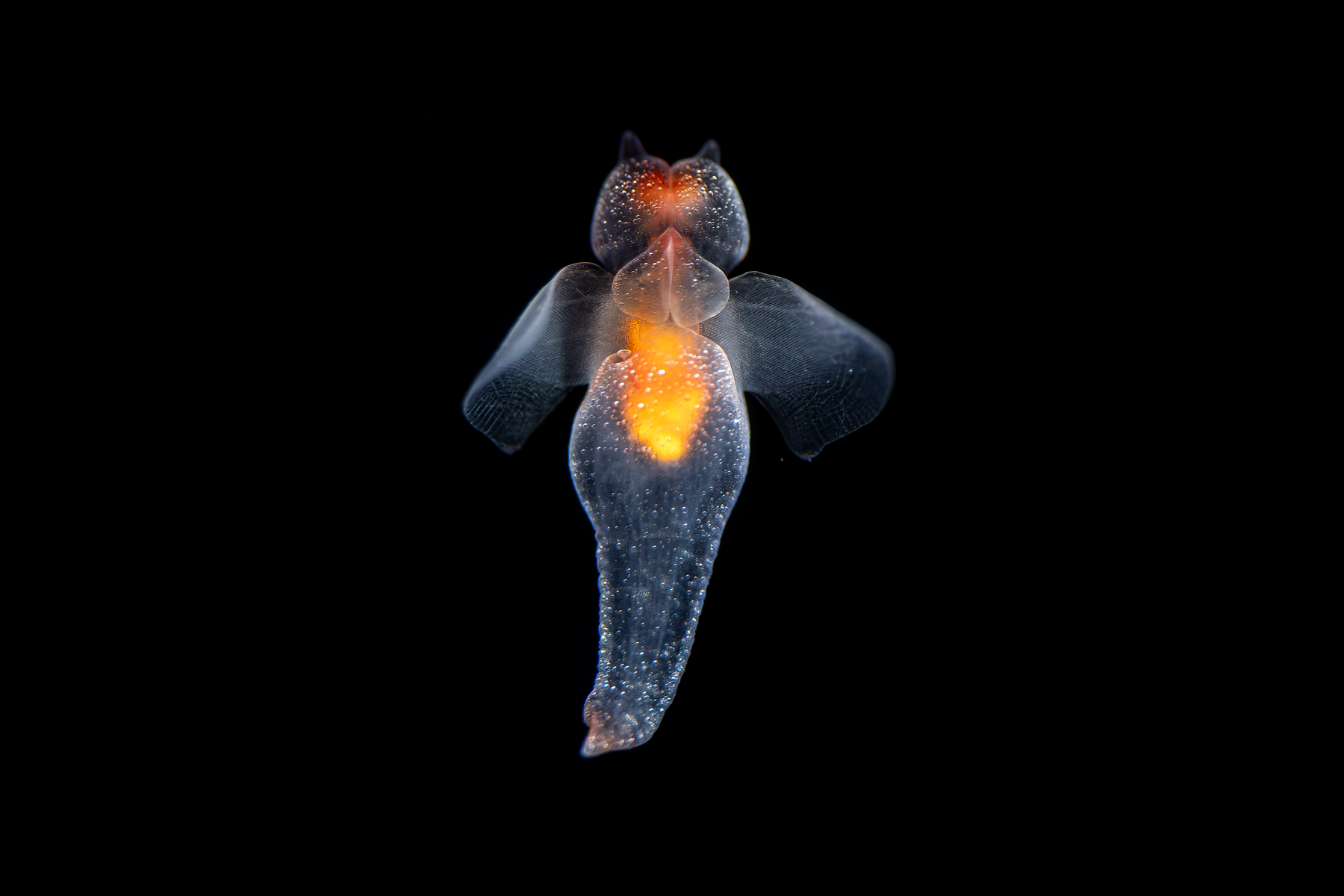
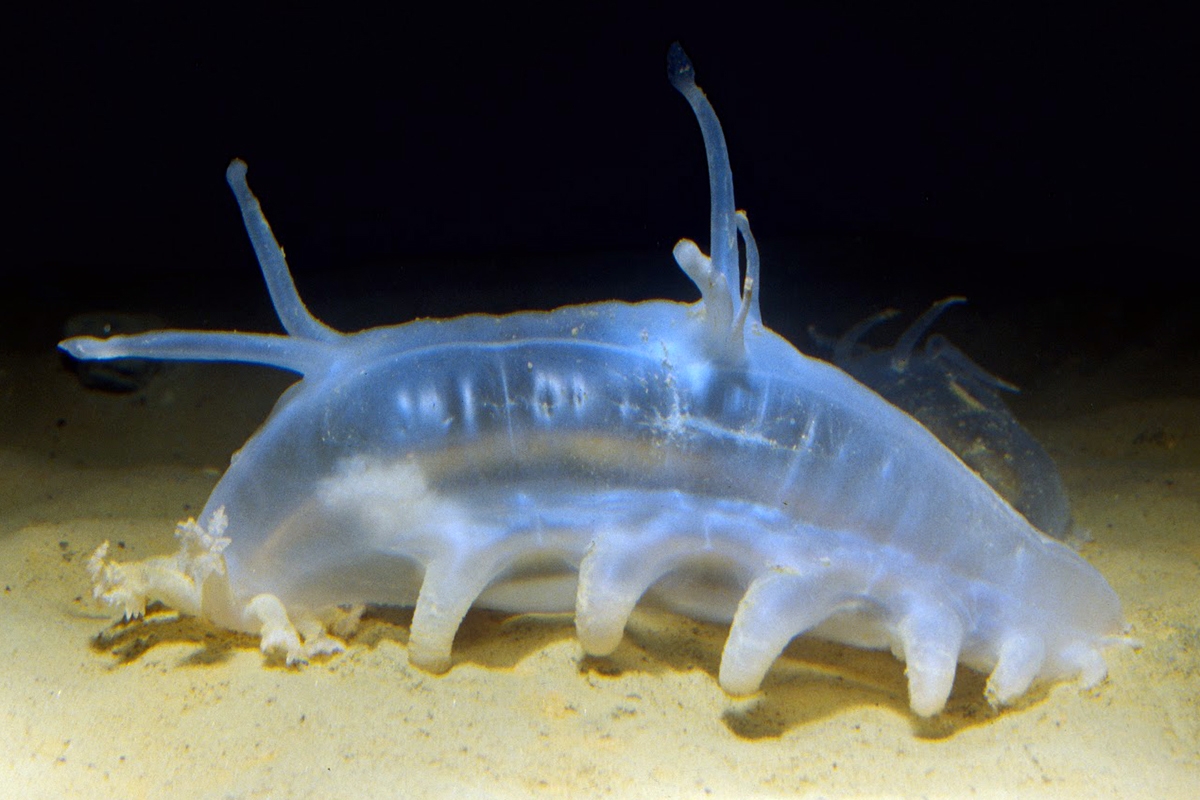
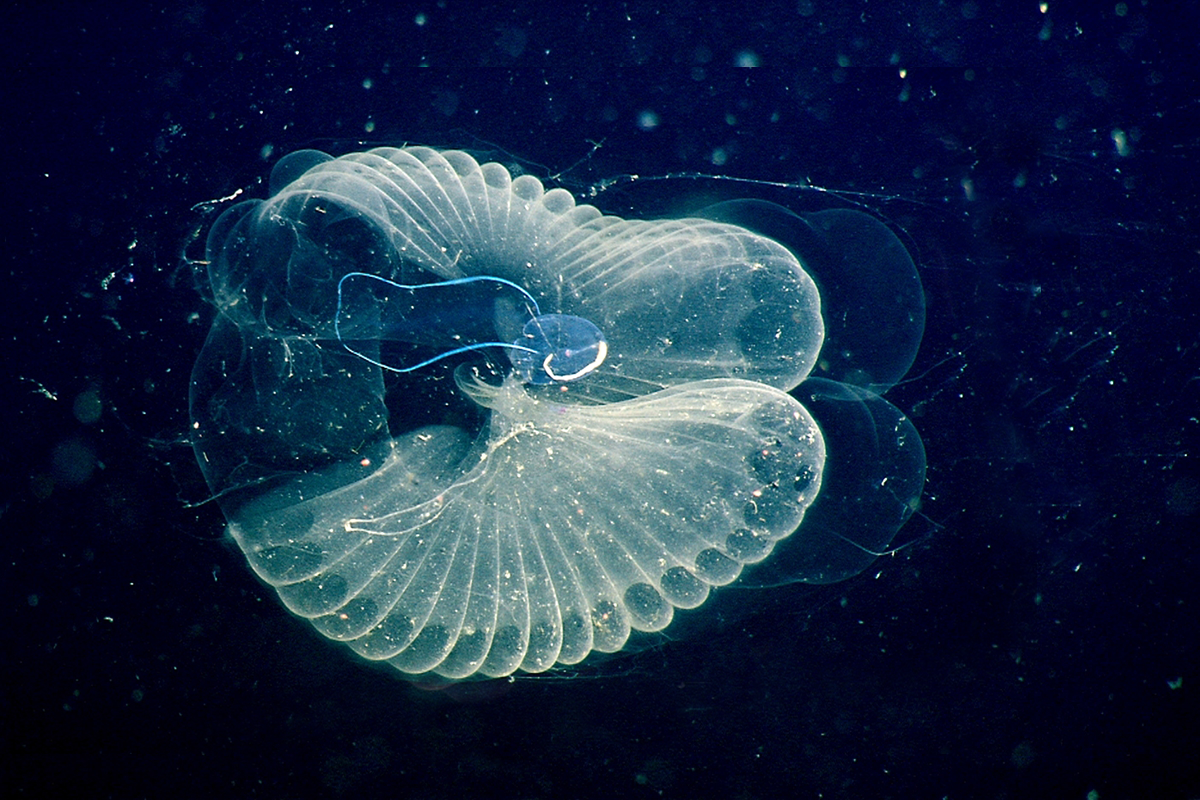
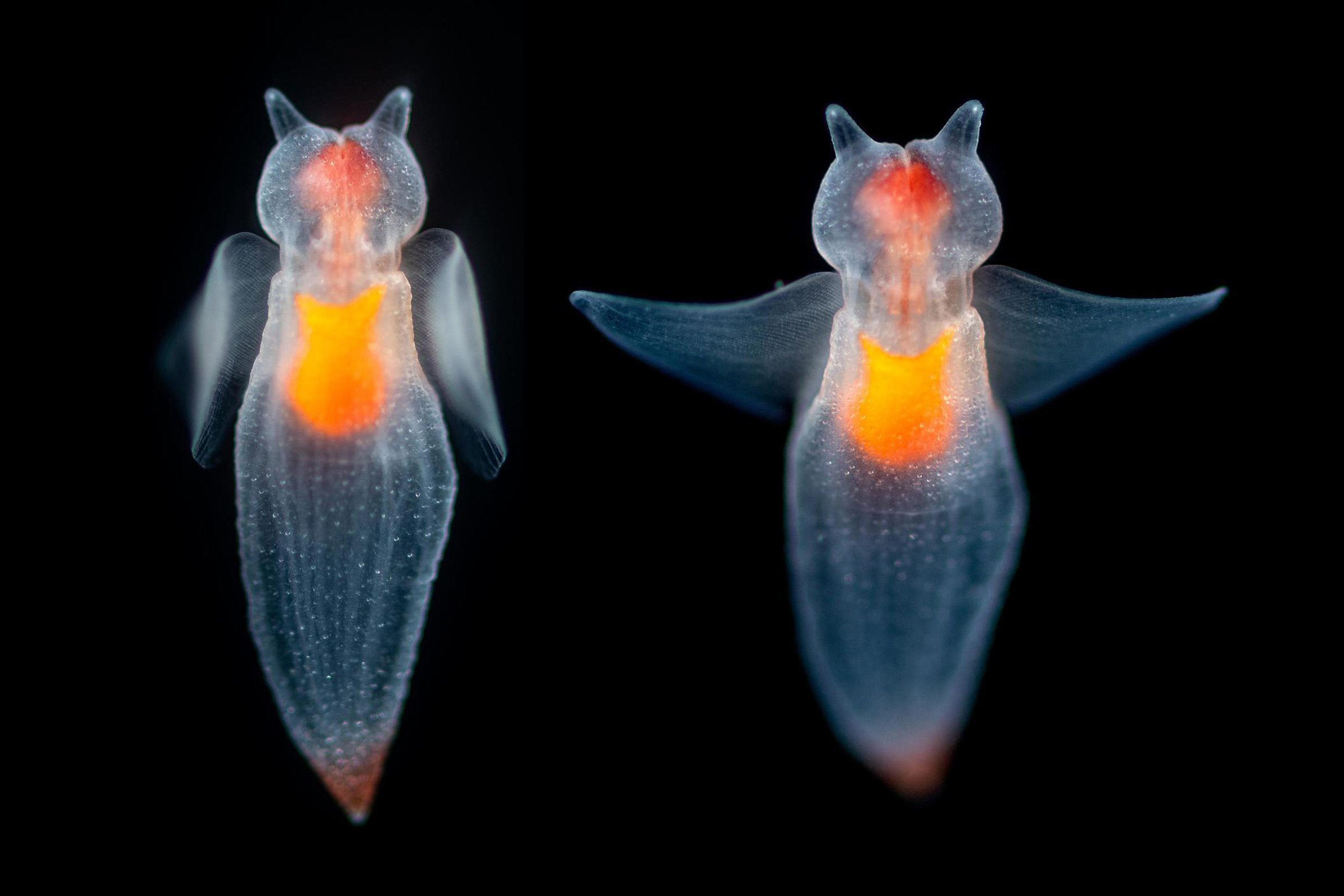
Sea angel swimming in the midwater.
How species adapt
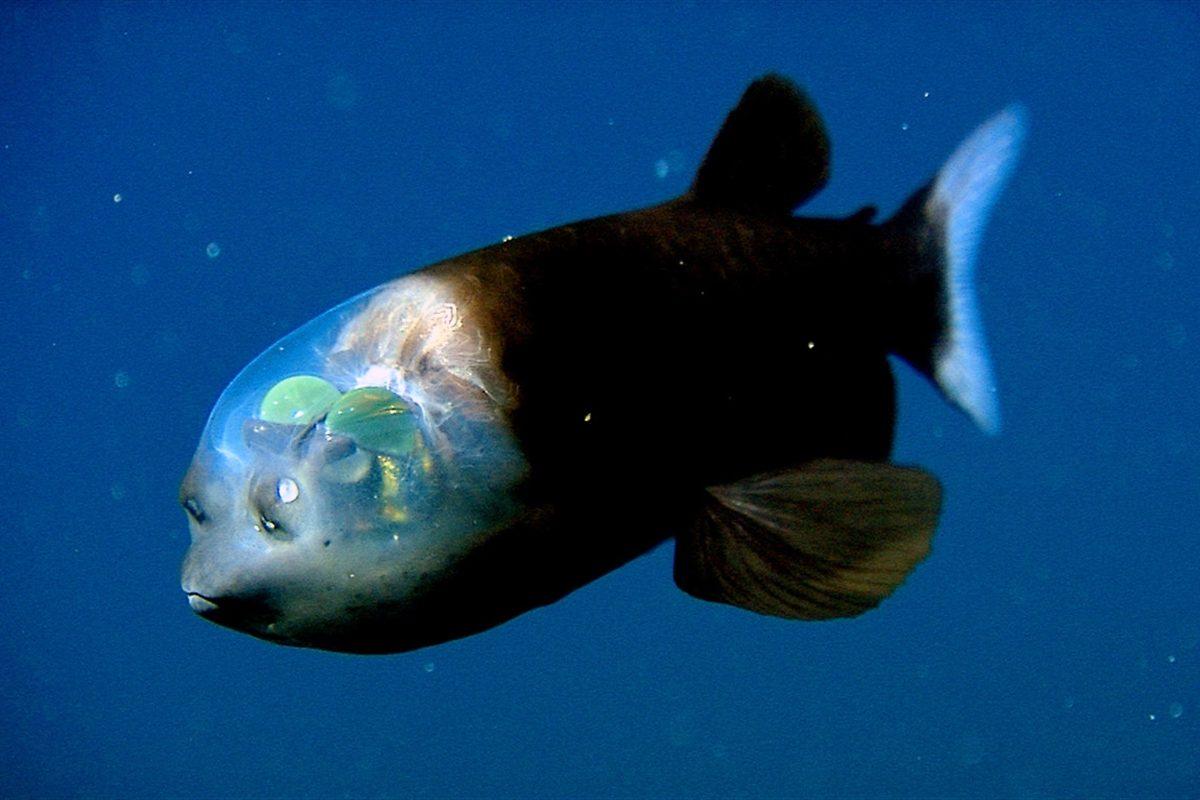
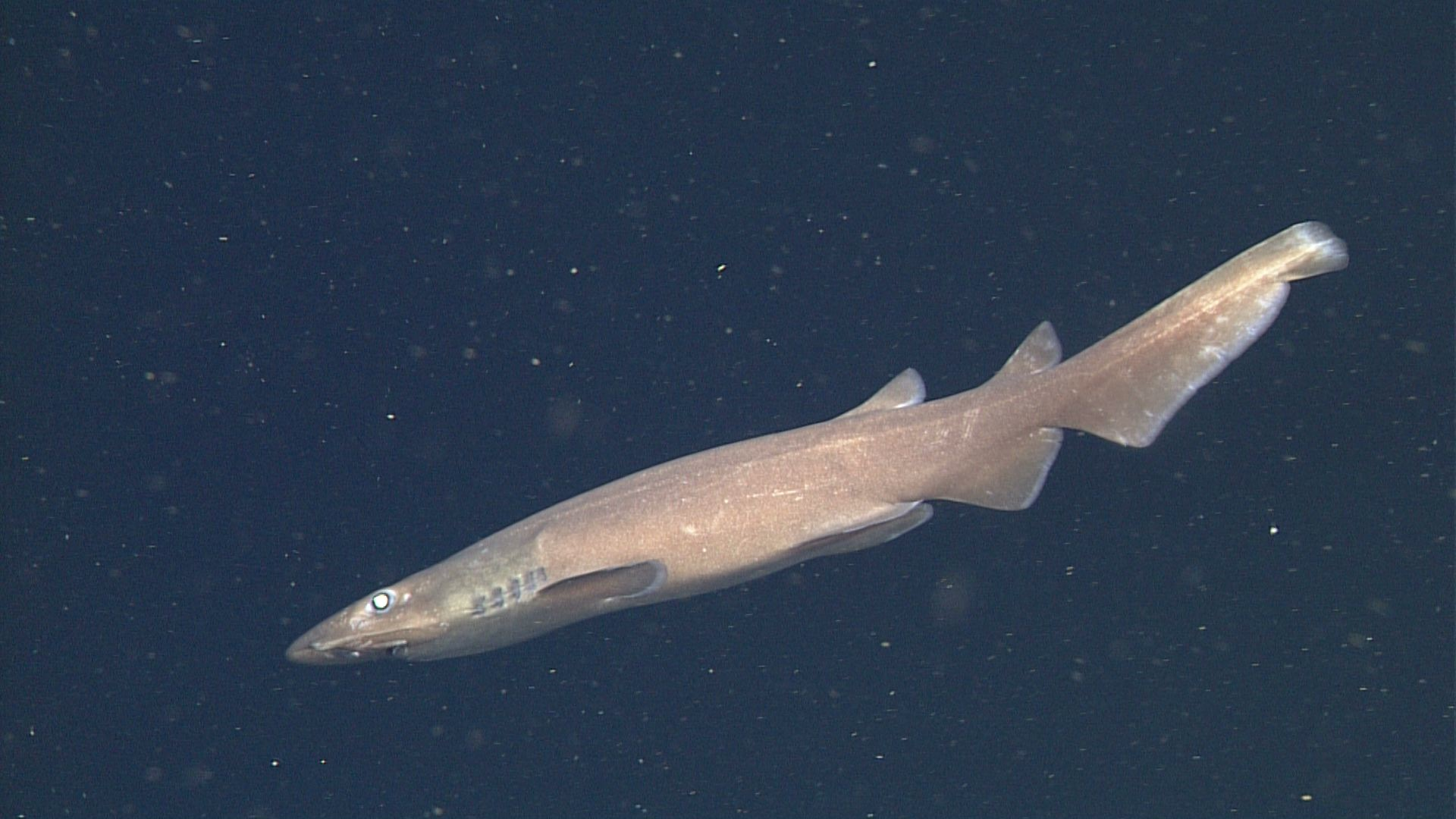
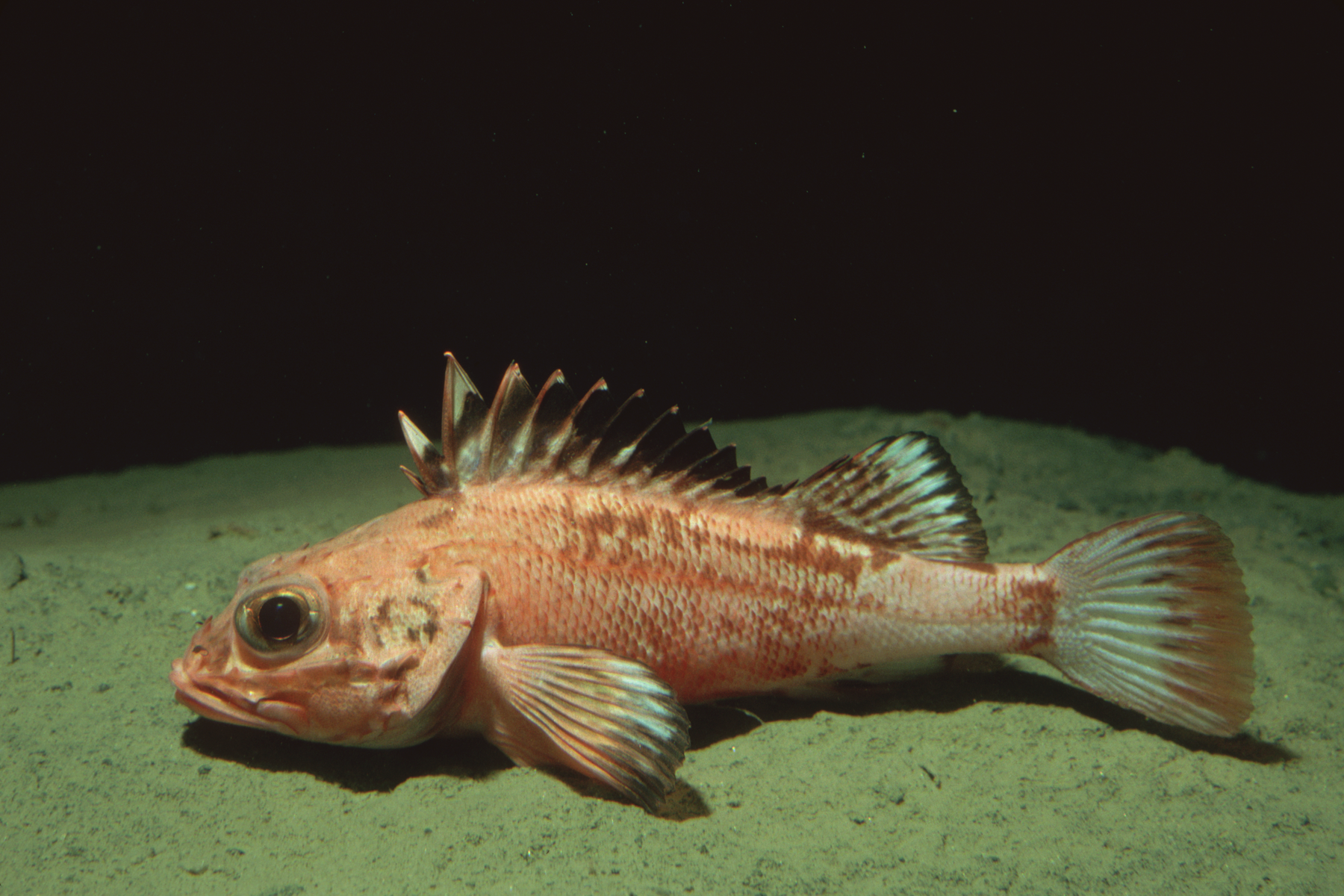
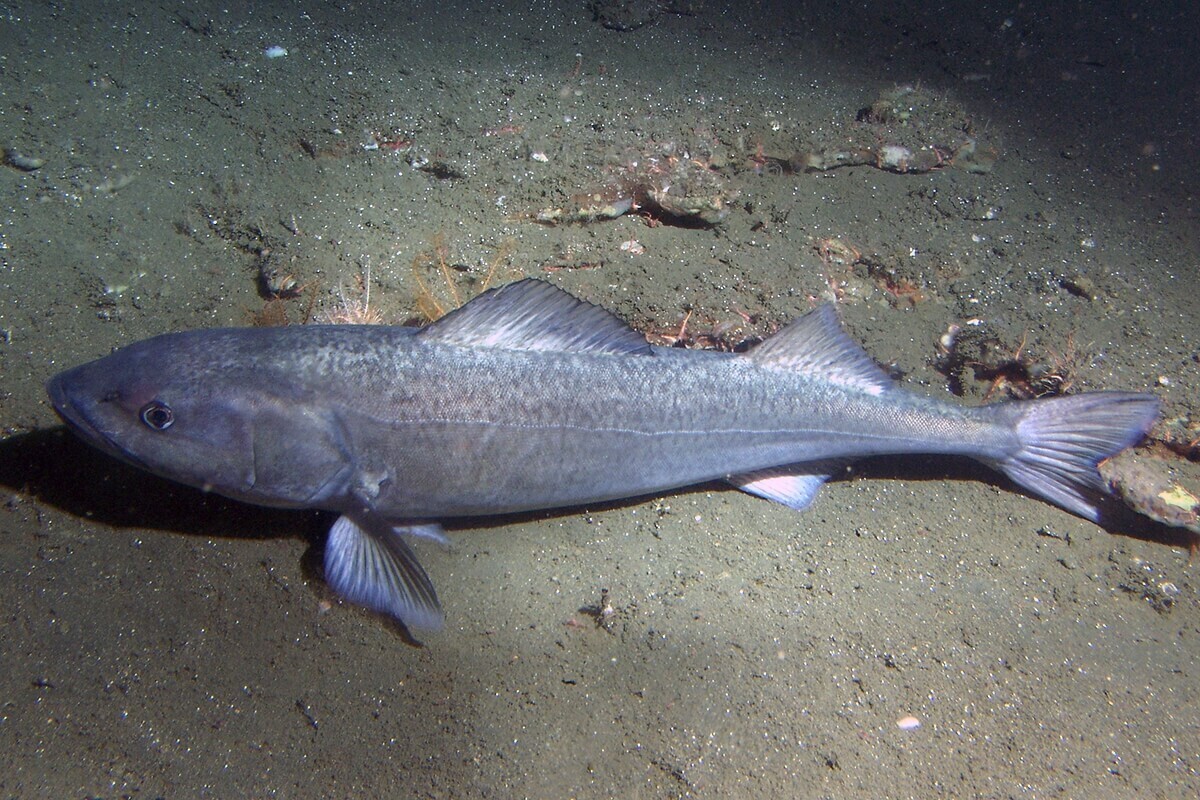
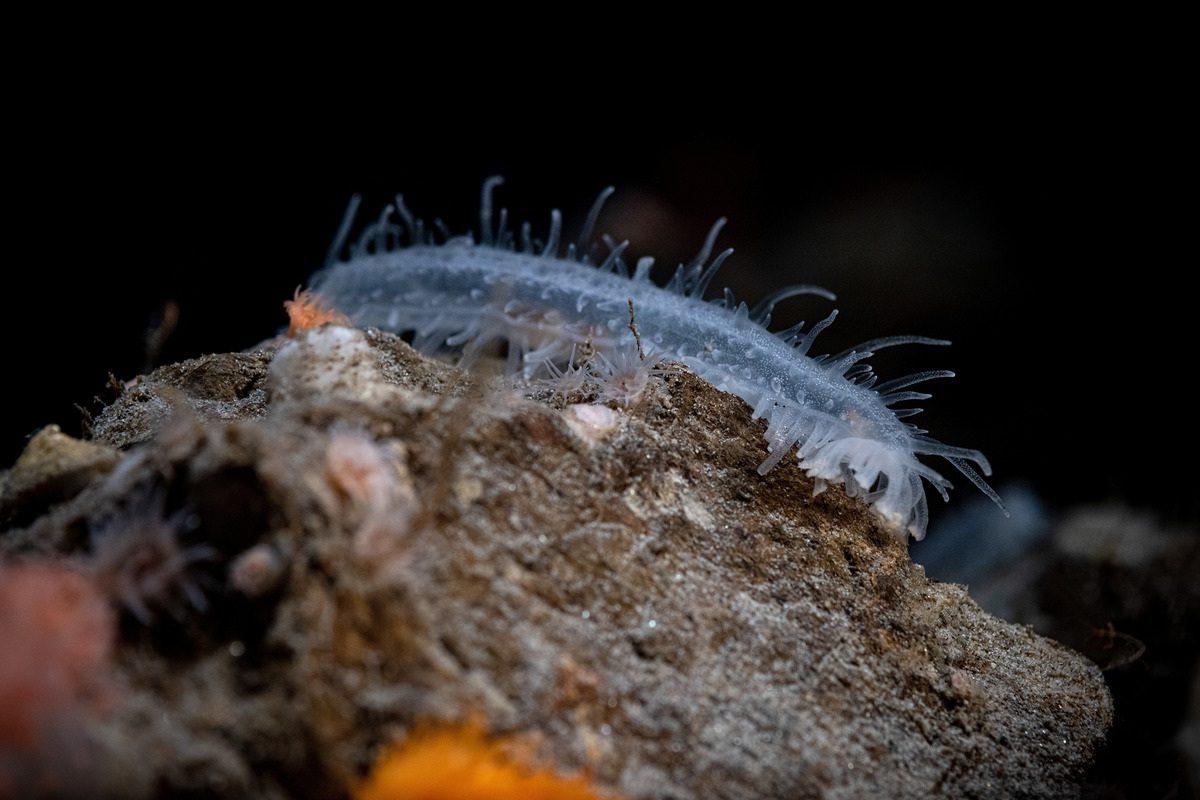
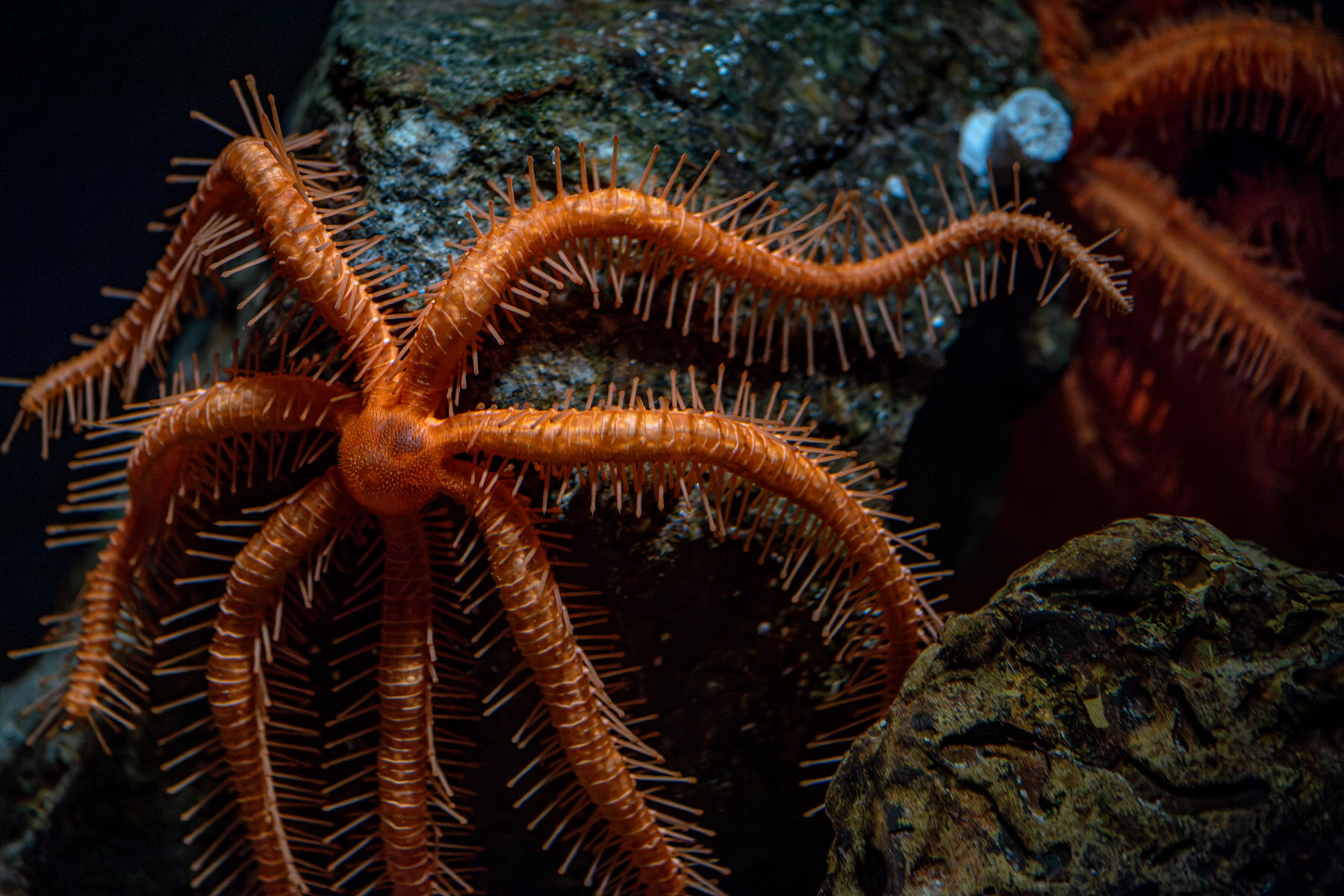
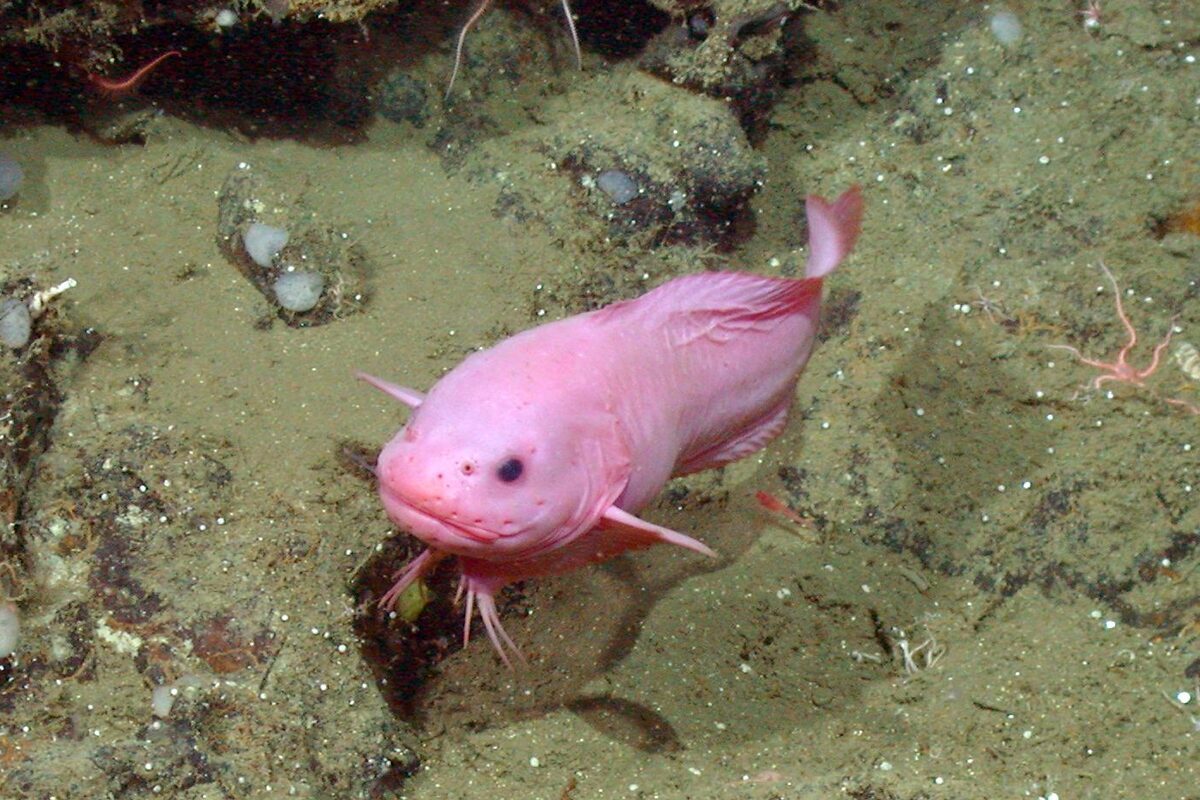
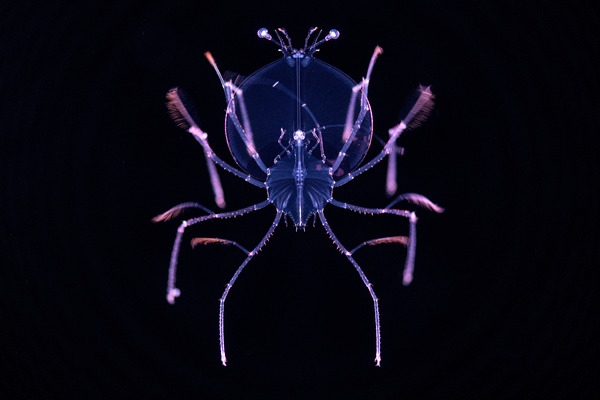
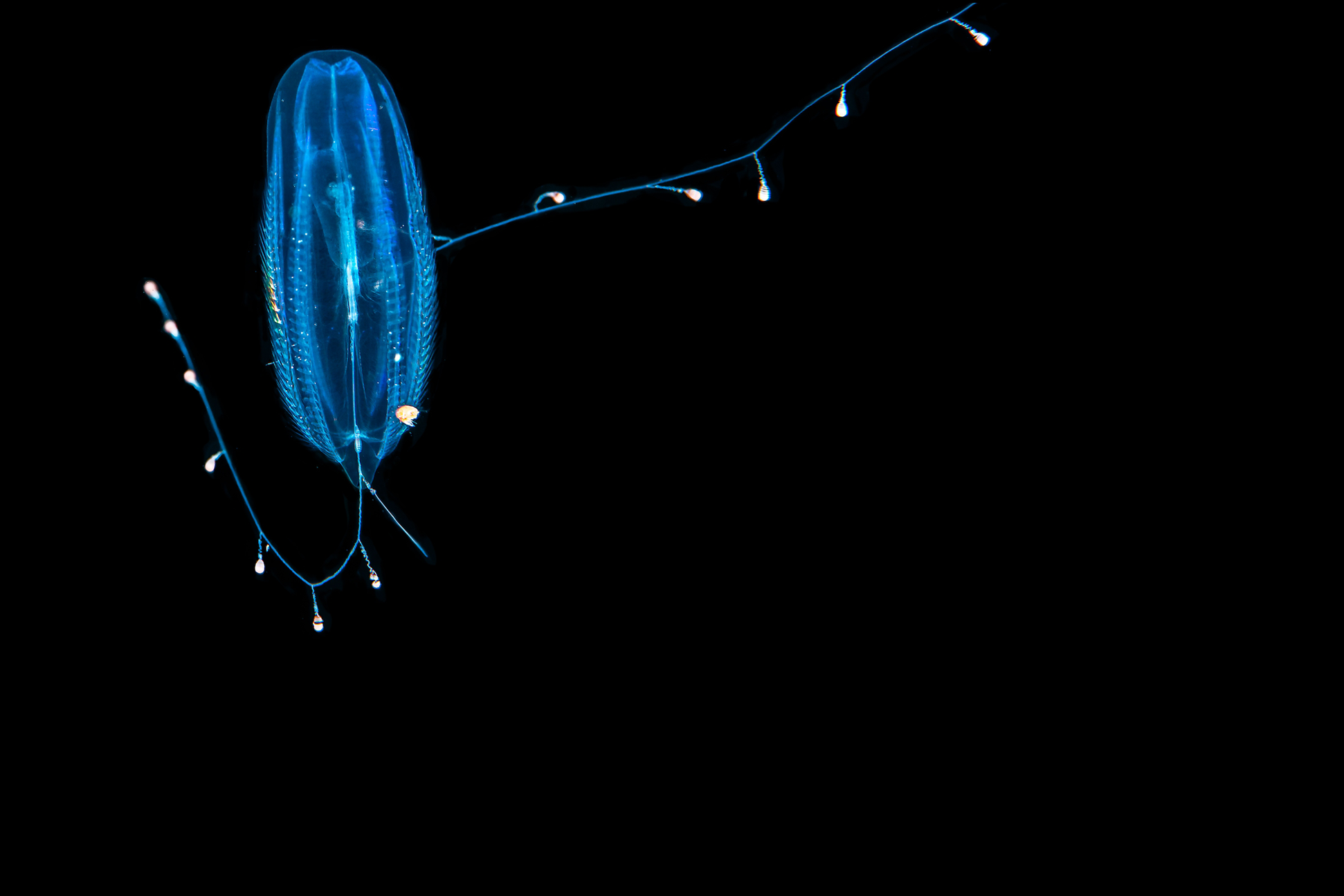
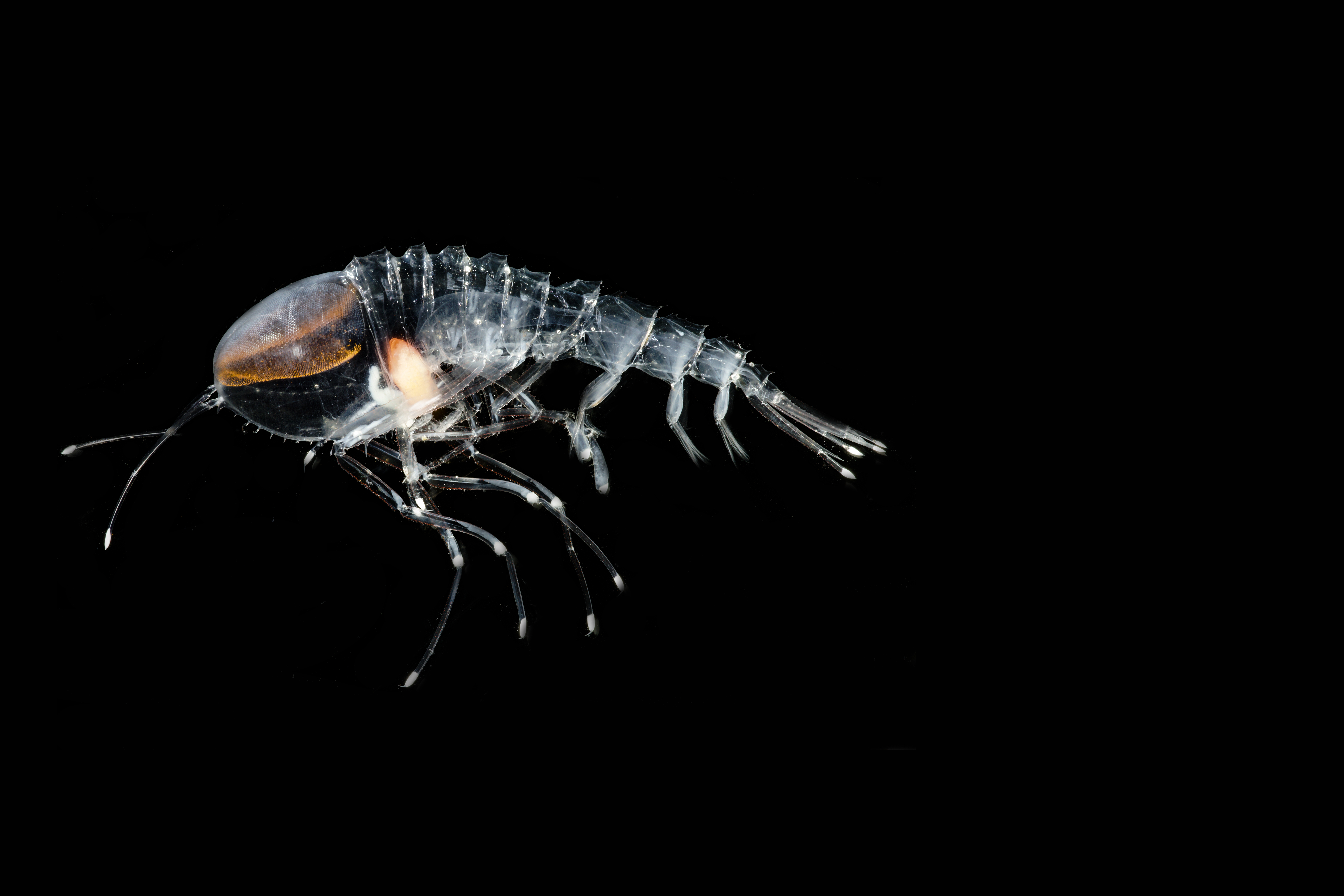
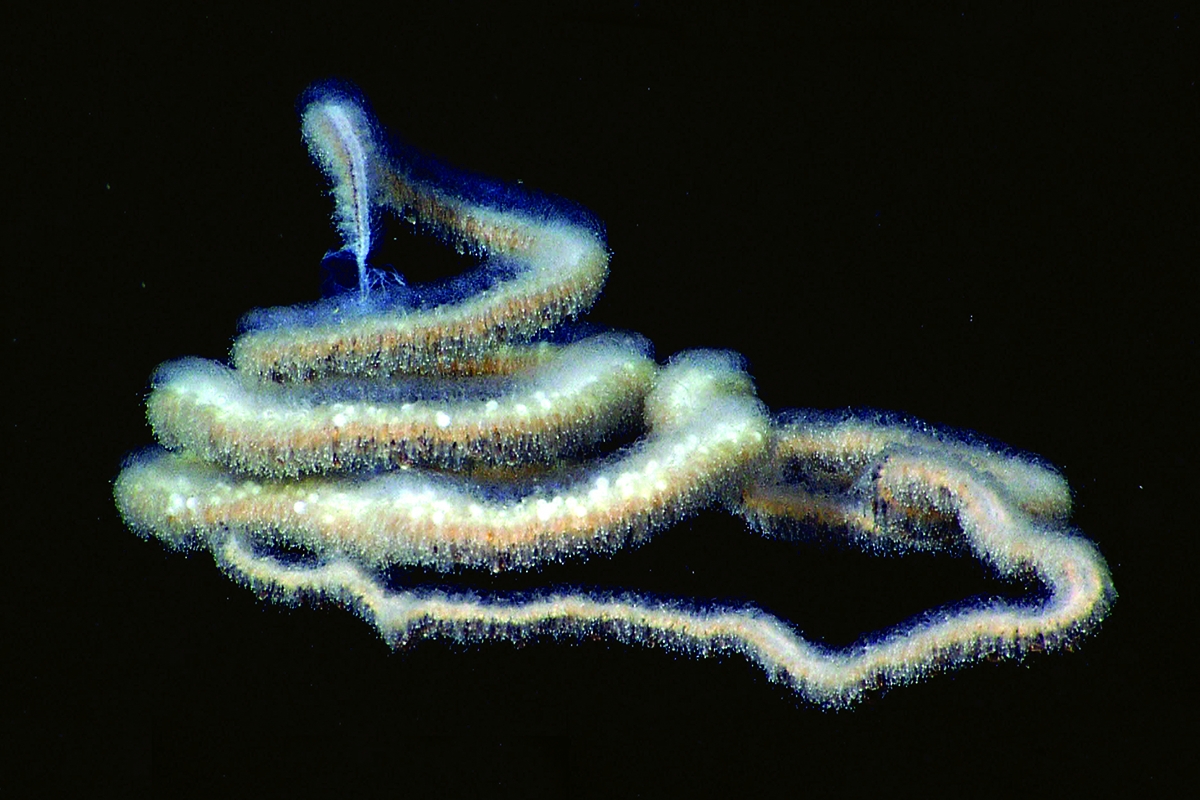
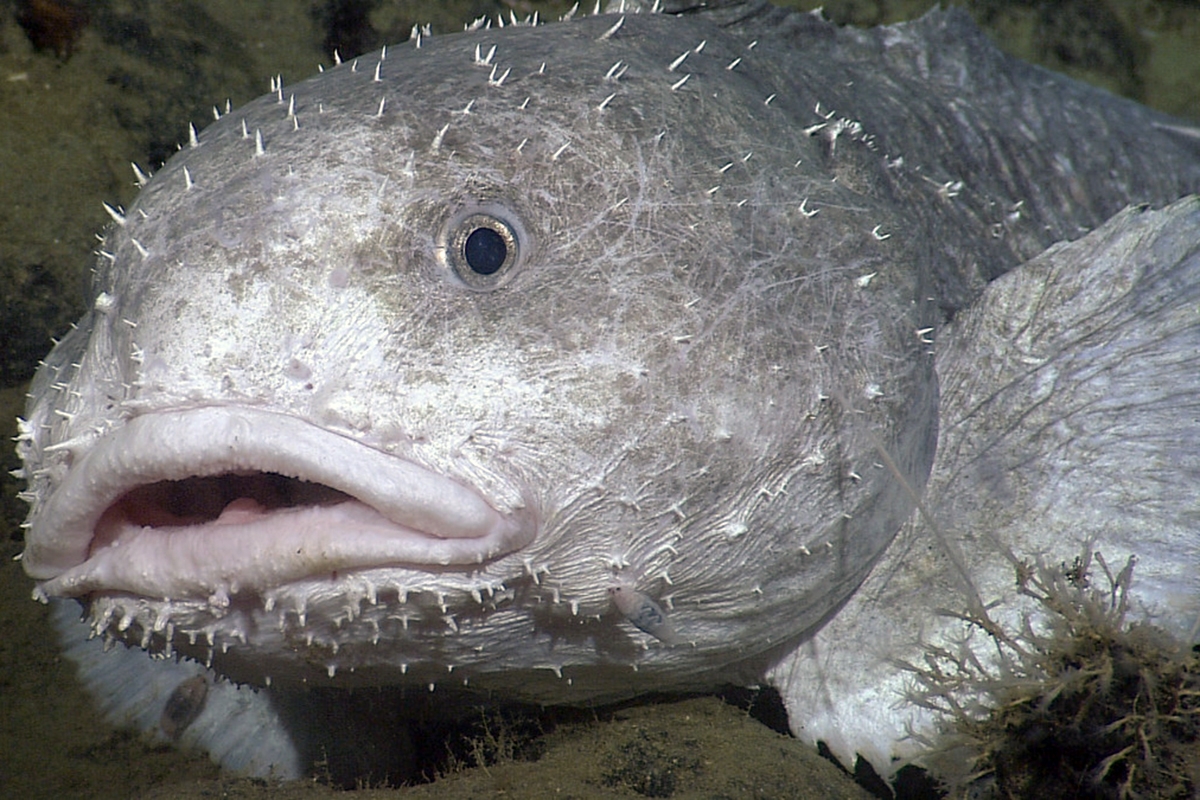
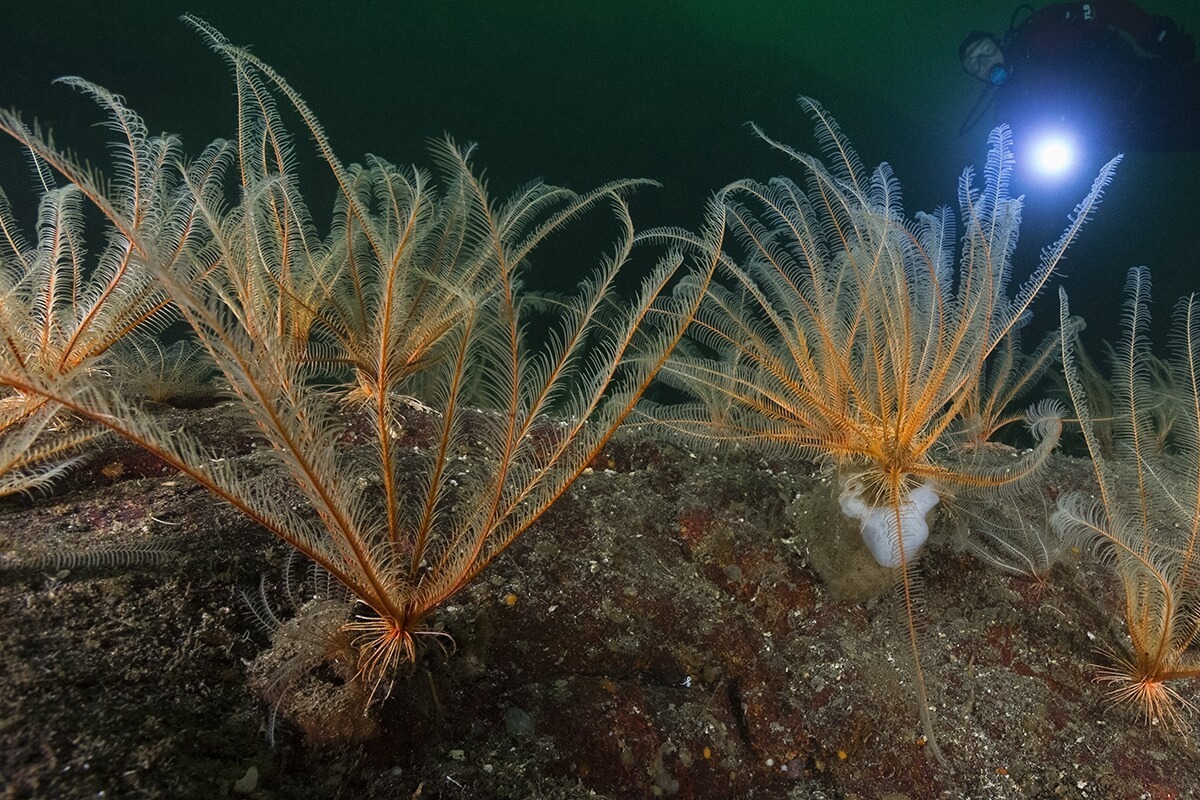
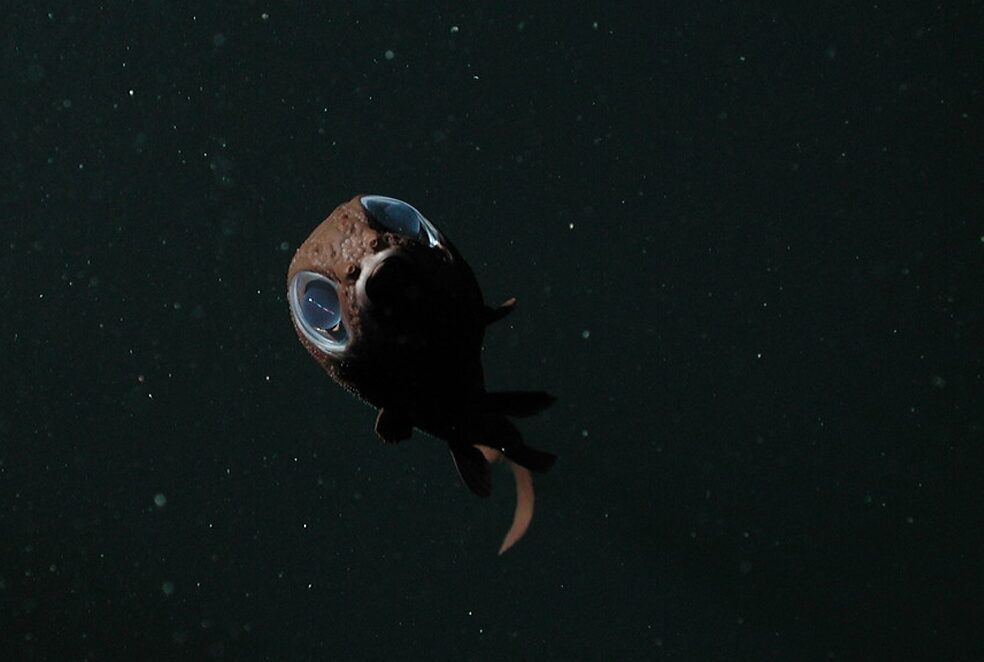
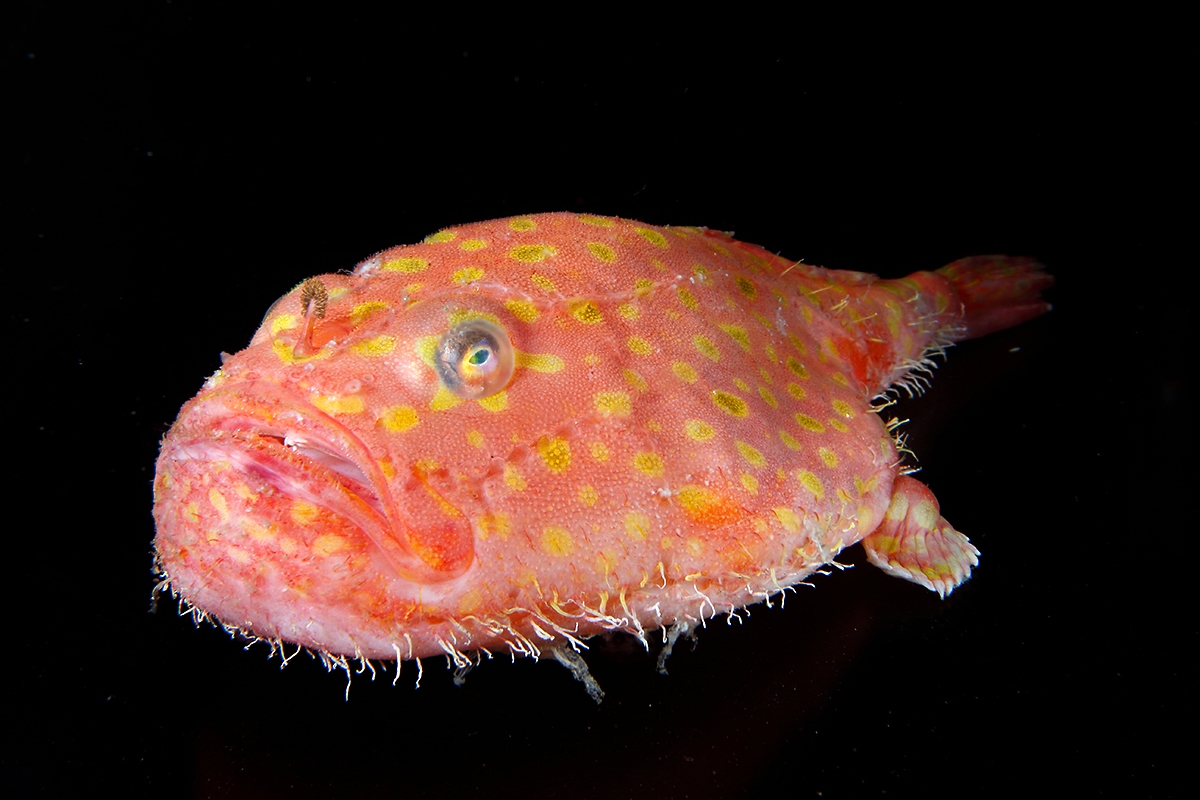
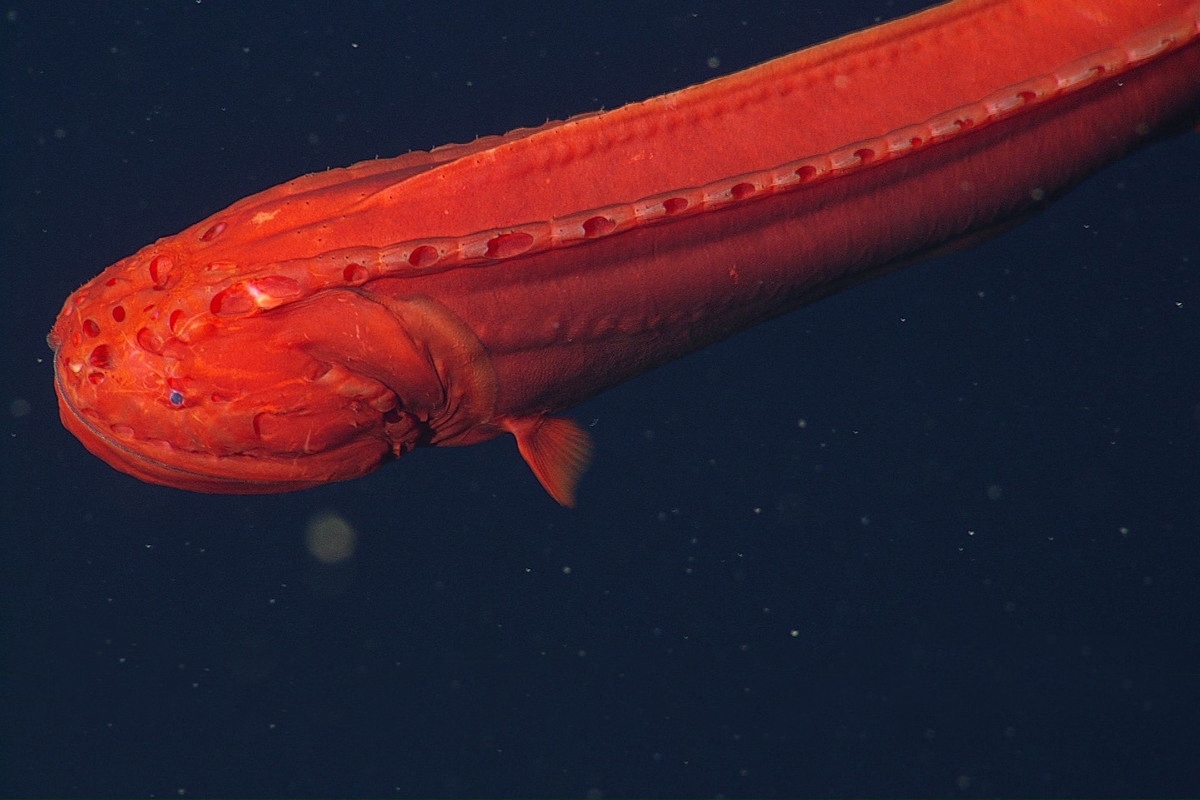
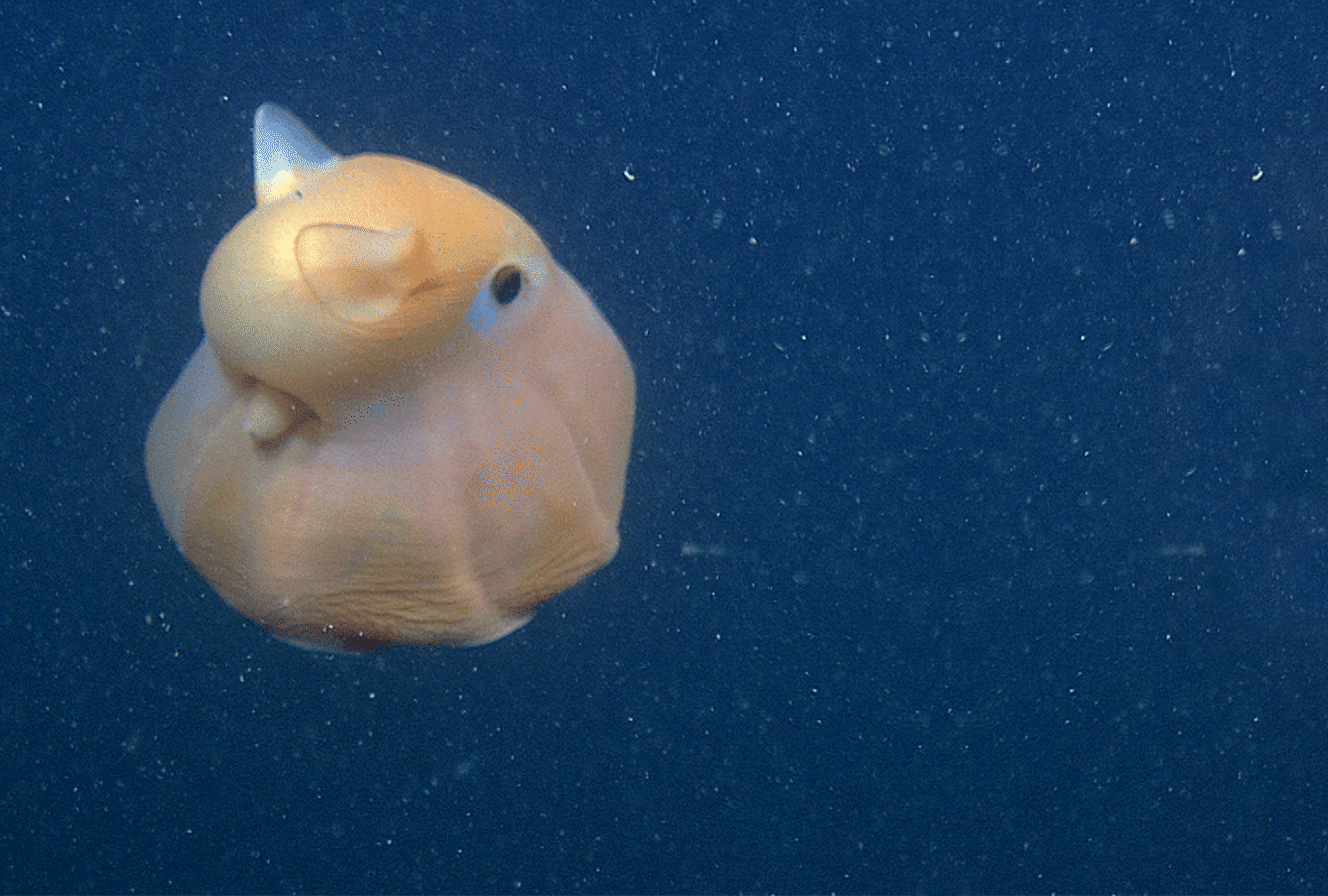
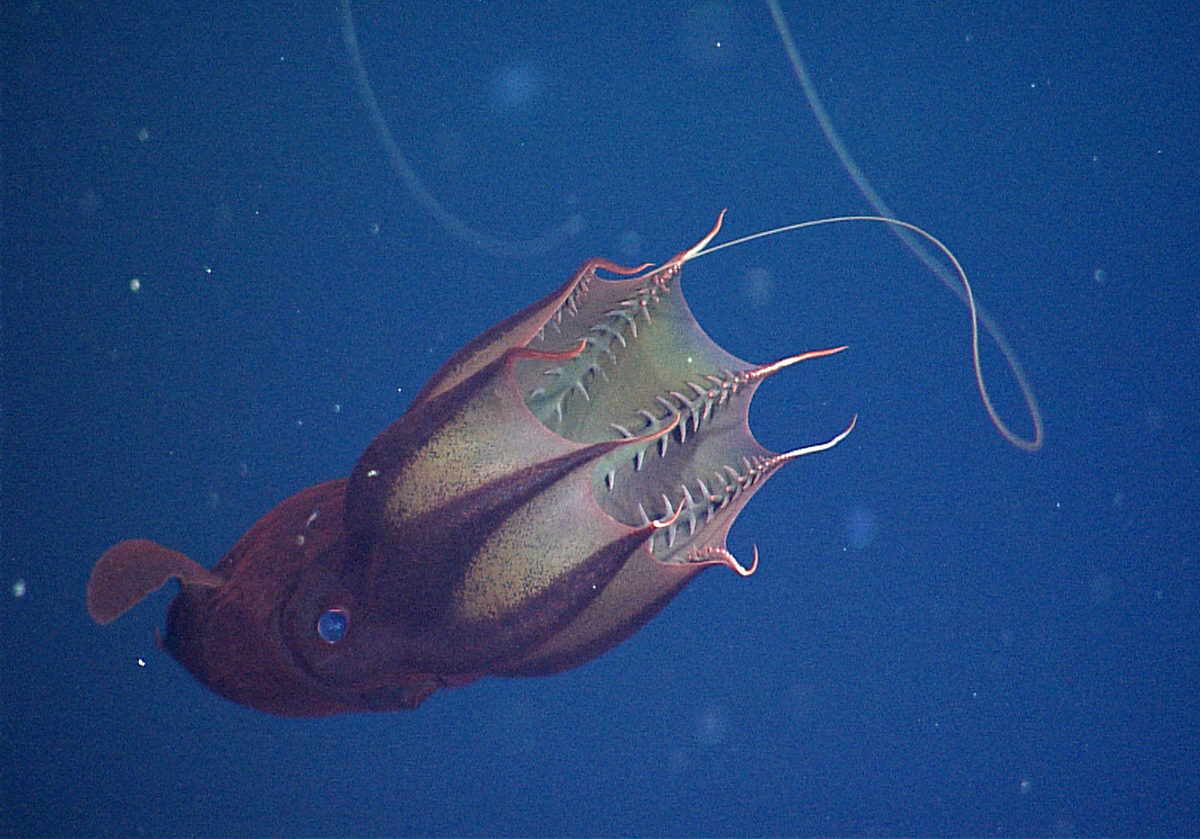
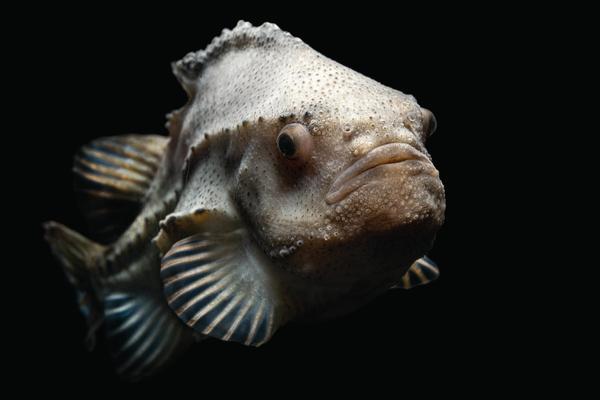
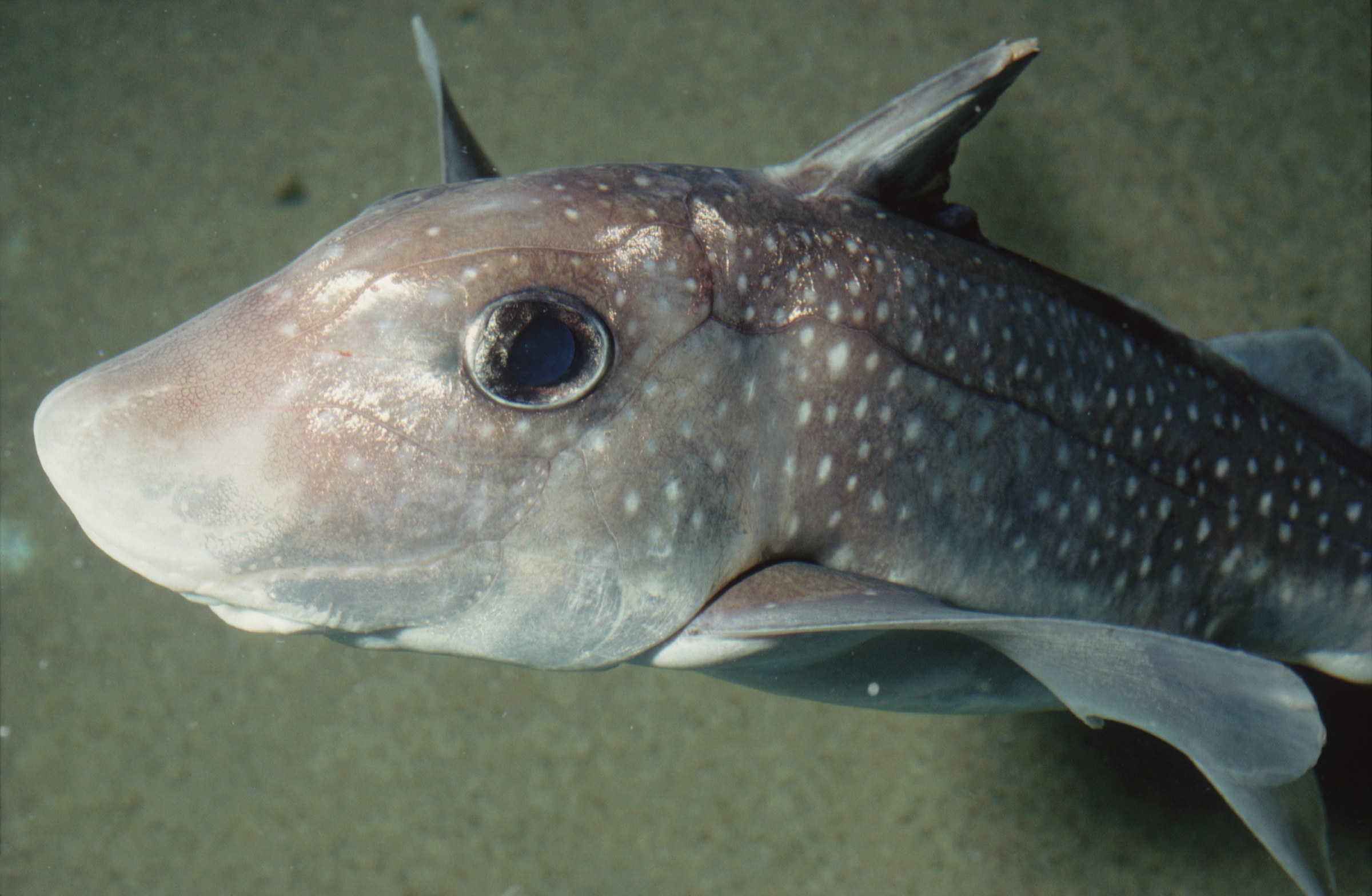
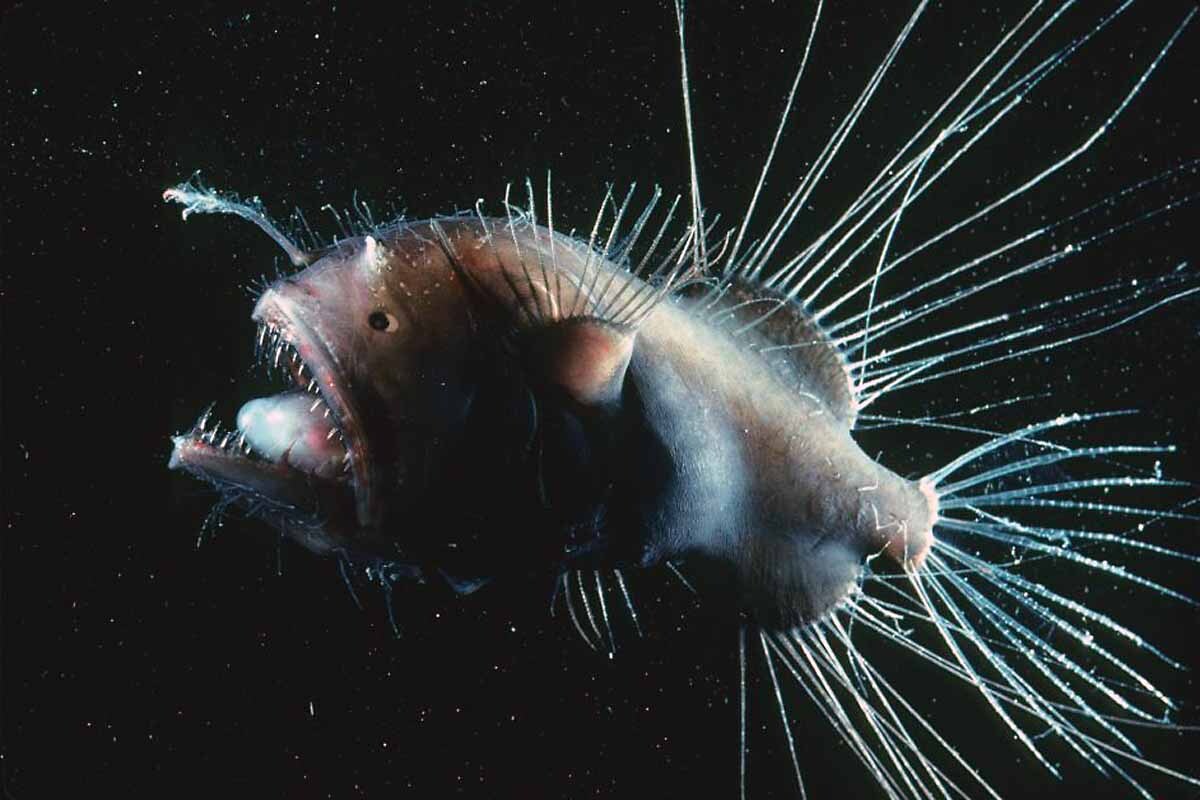
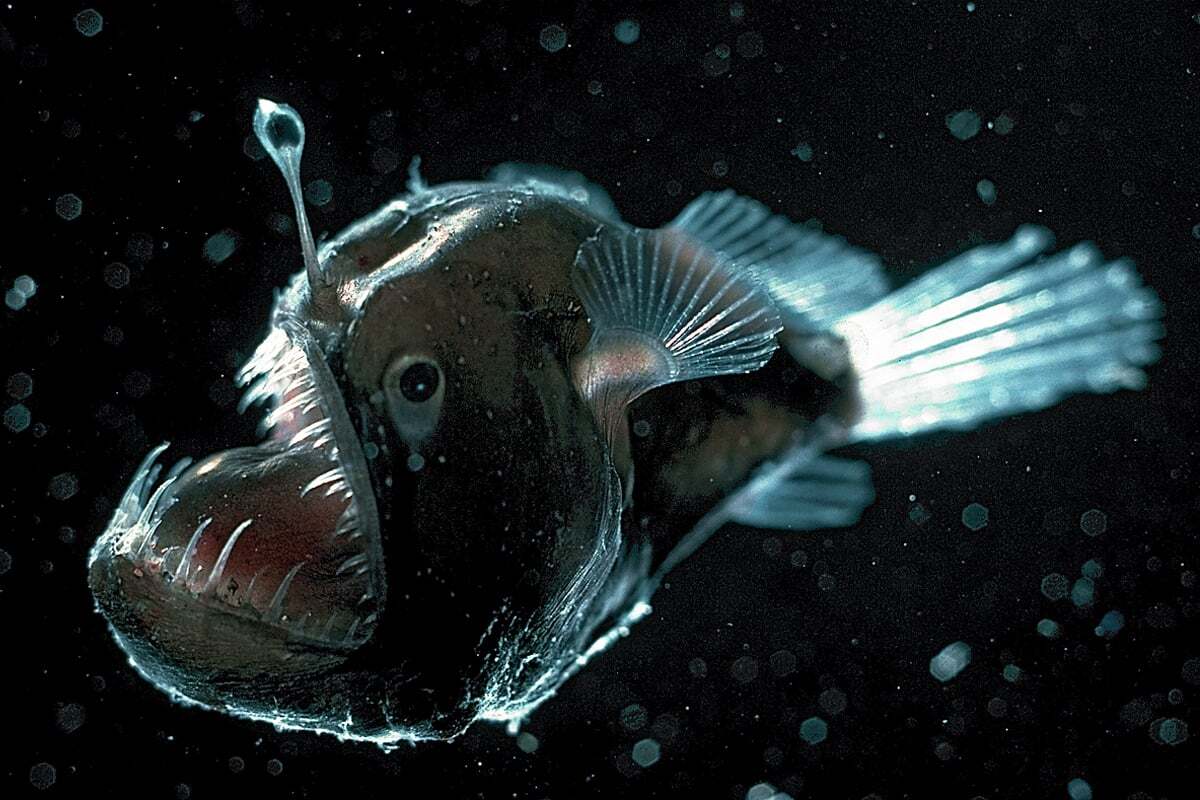
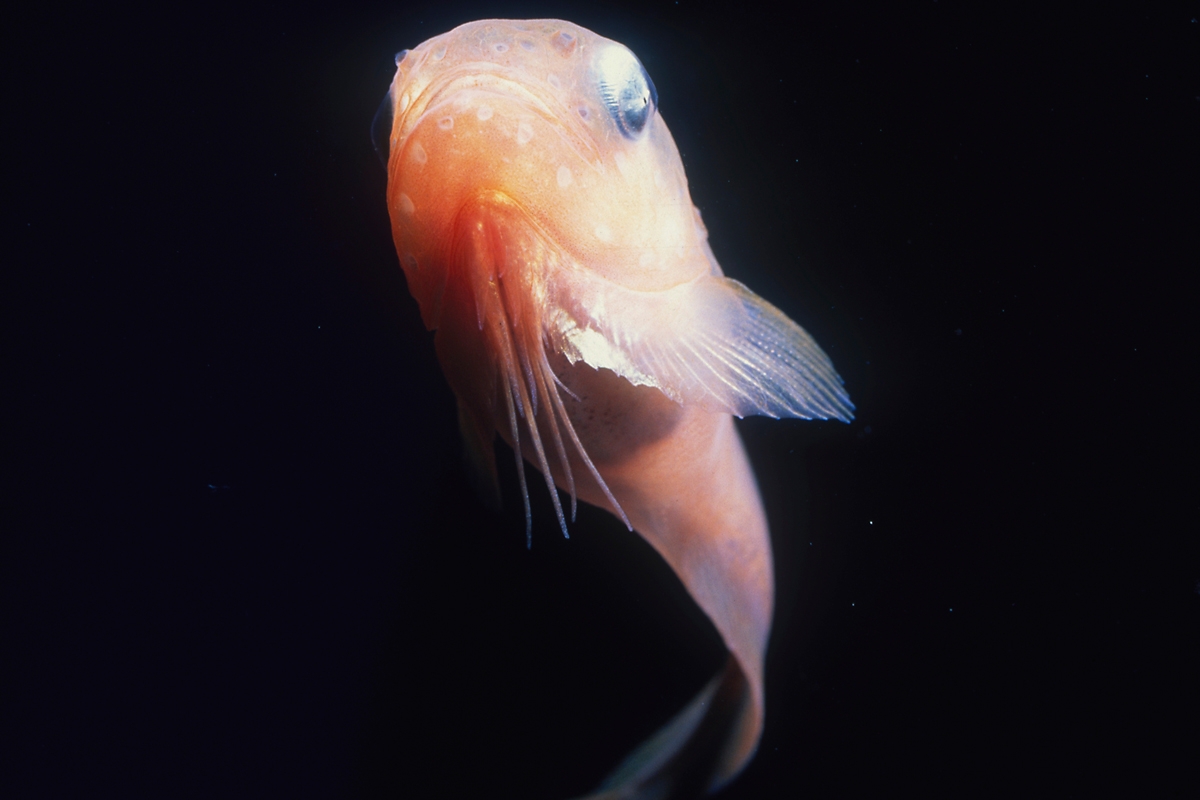
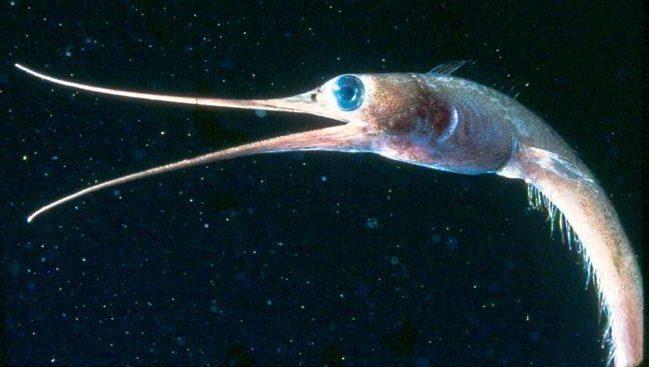
Most deep-sea animals don’t look or act like their cousins closer to the surface. Their unusual body shapes, colors and behaviors may seem odd to us, but these adaptations help them to survive in this challenging habitat.
Unusual shapes and sizes
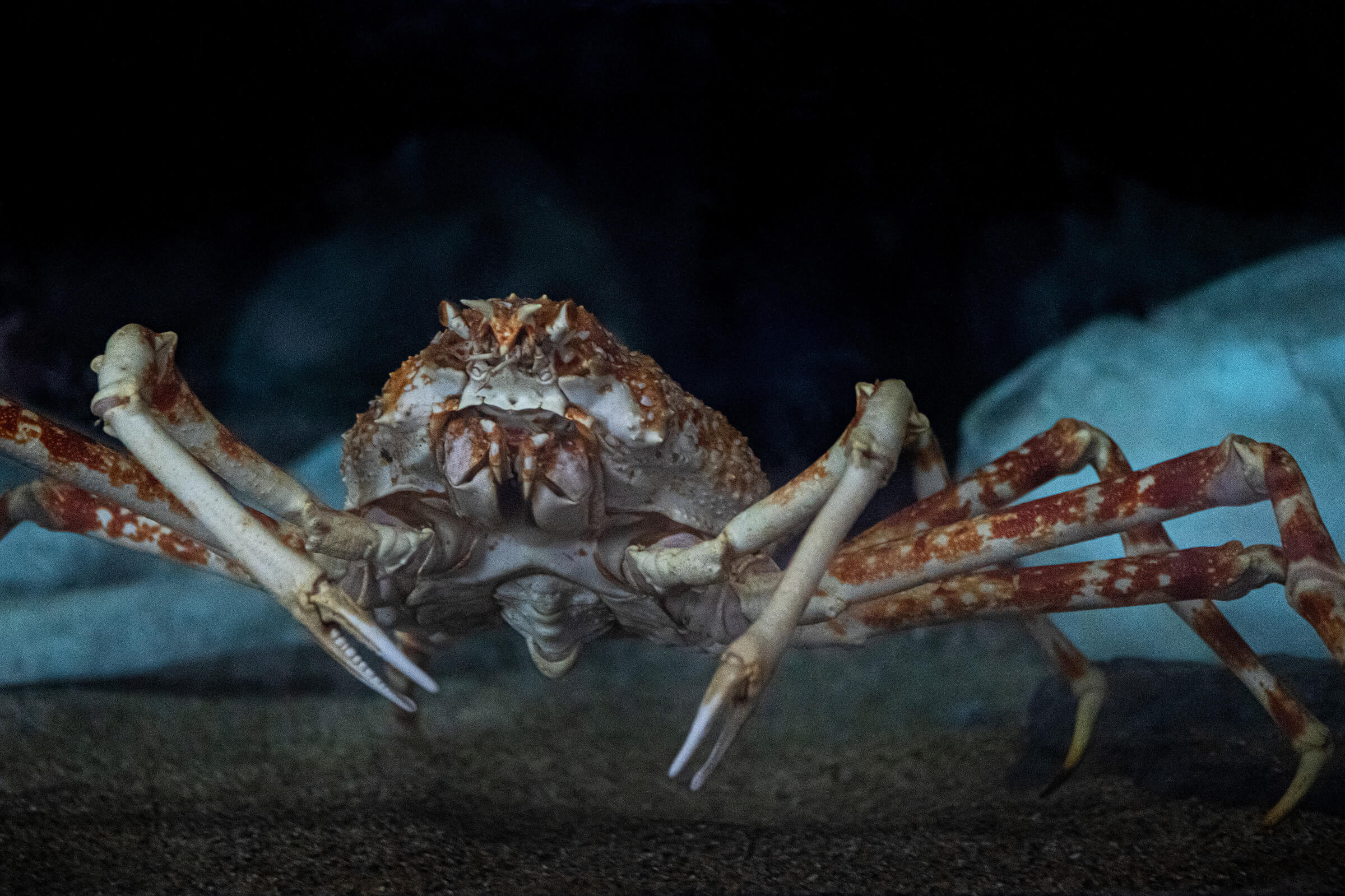
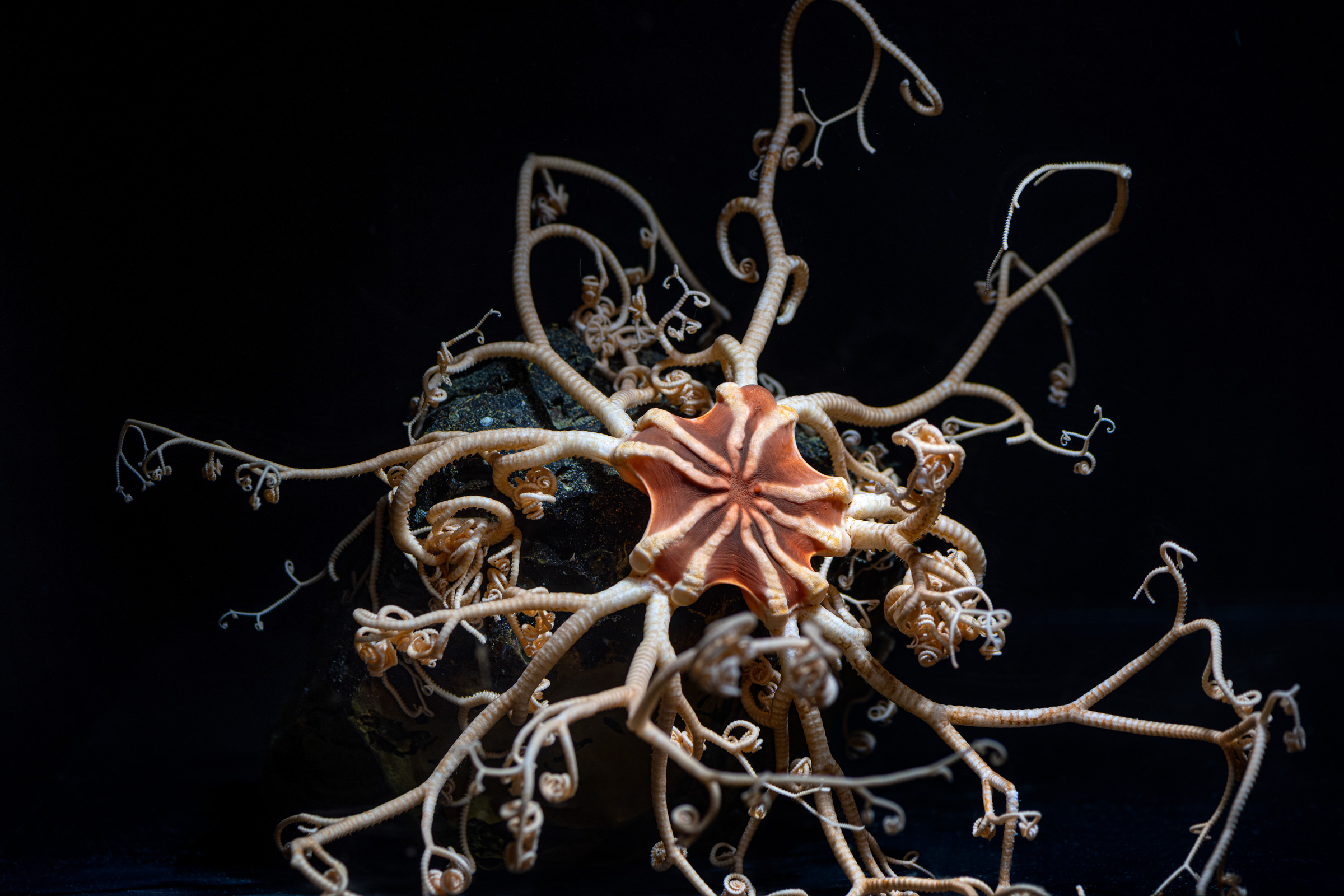
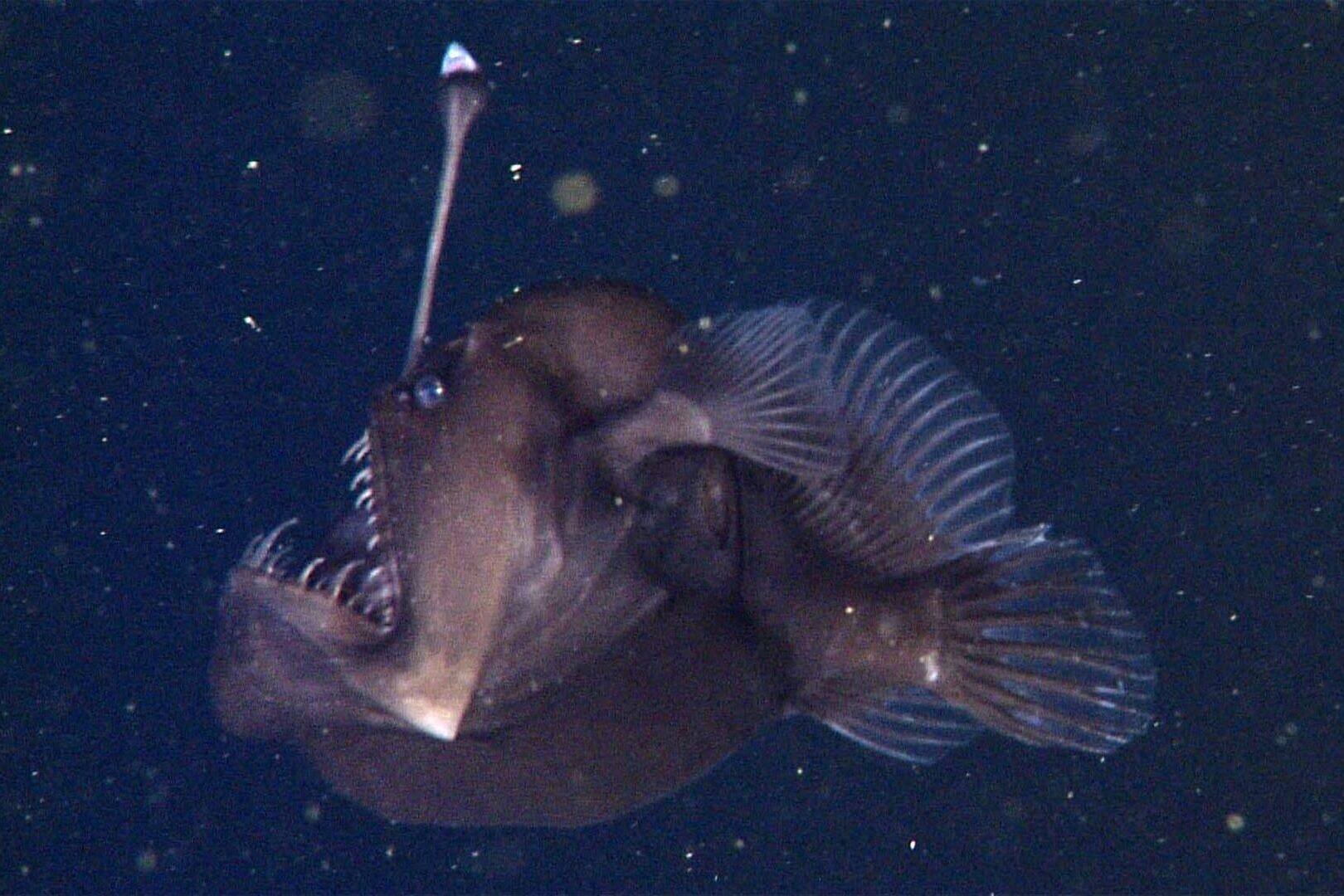
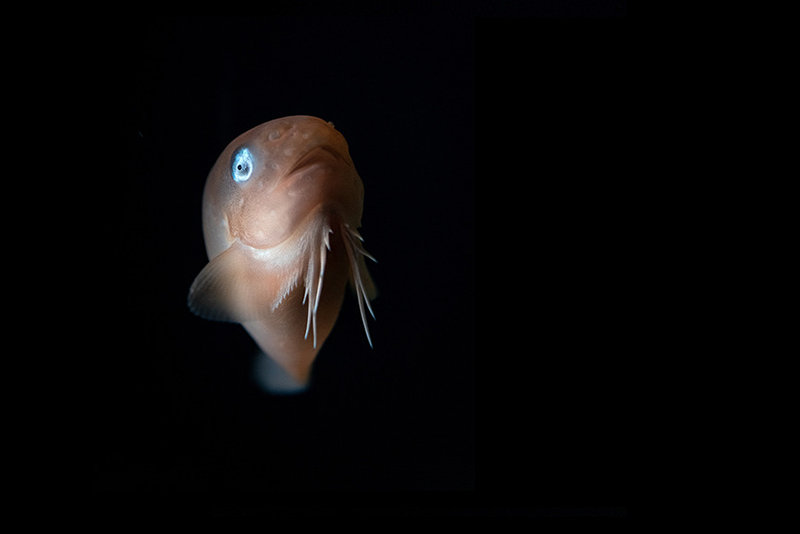
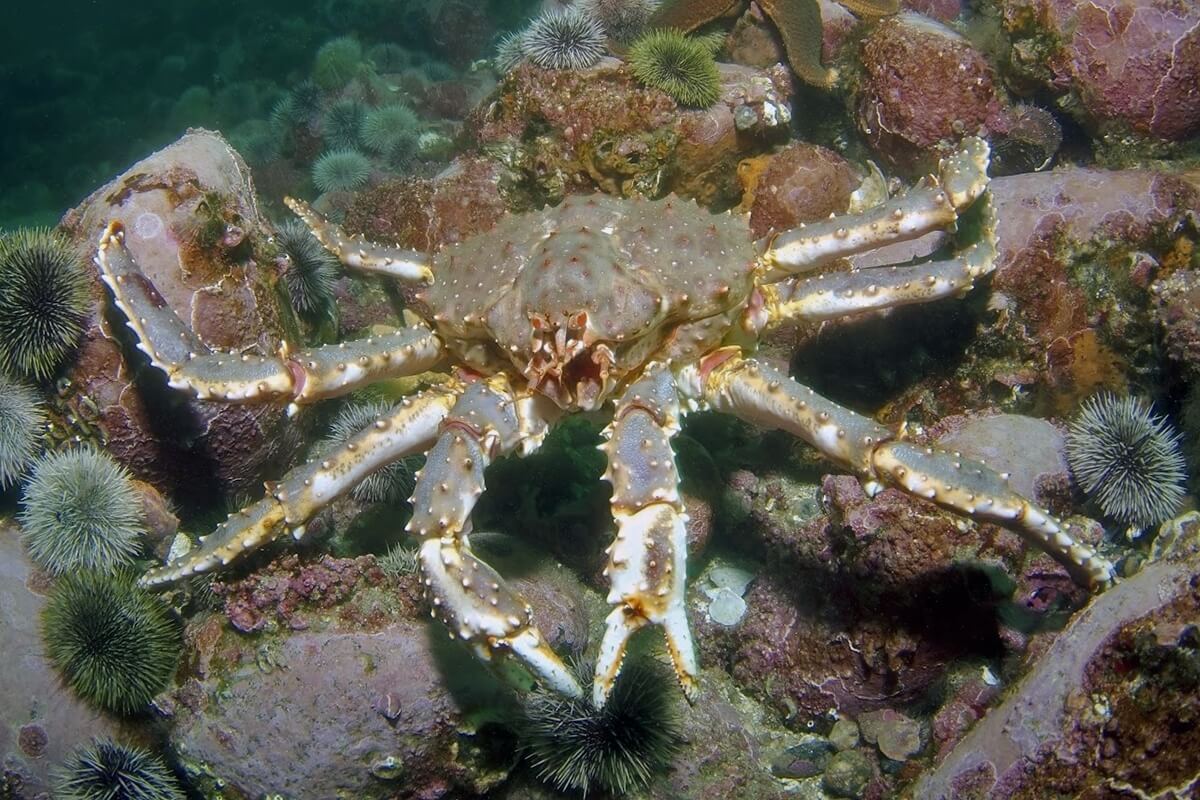
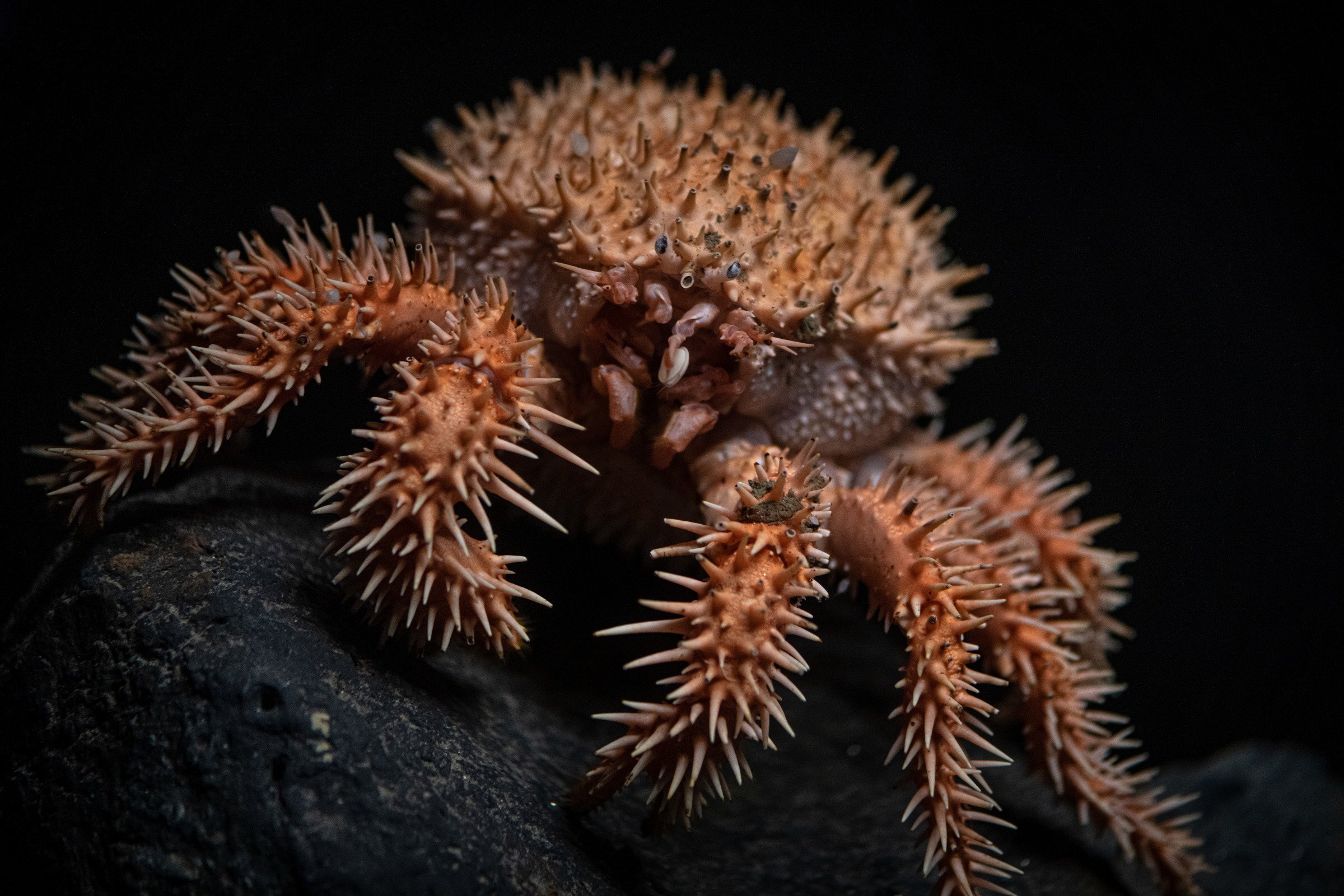
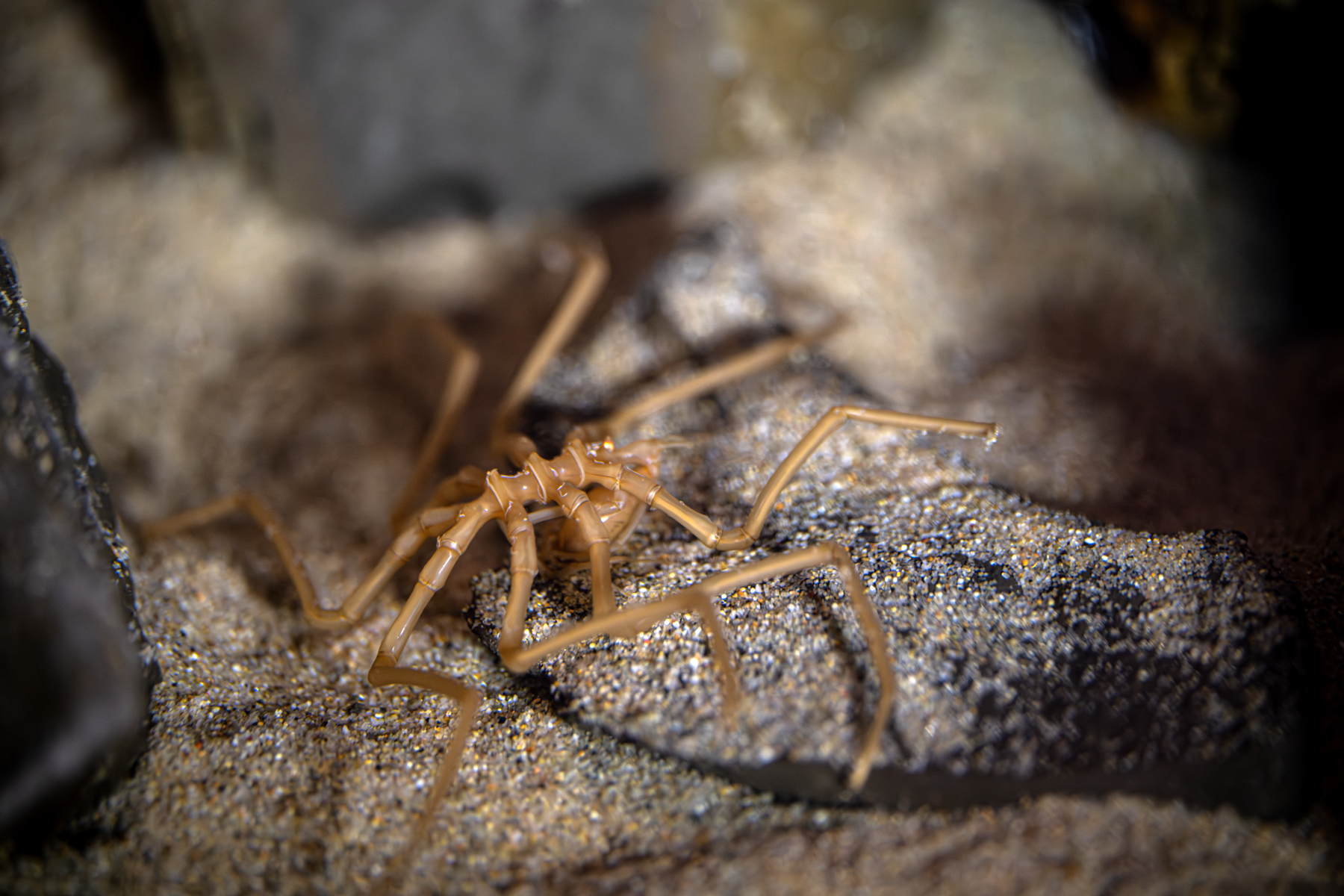
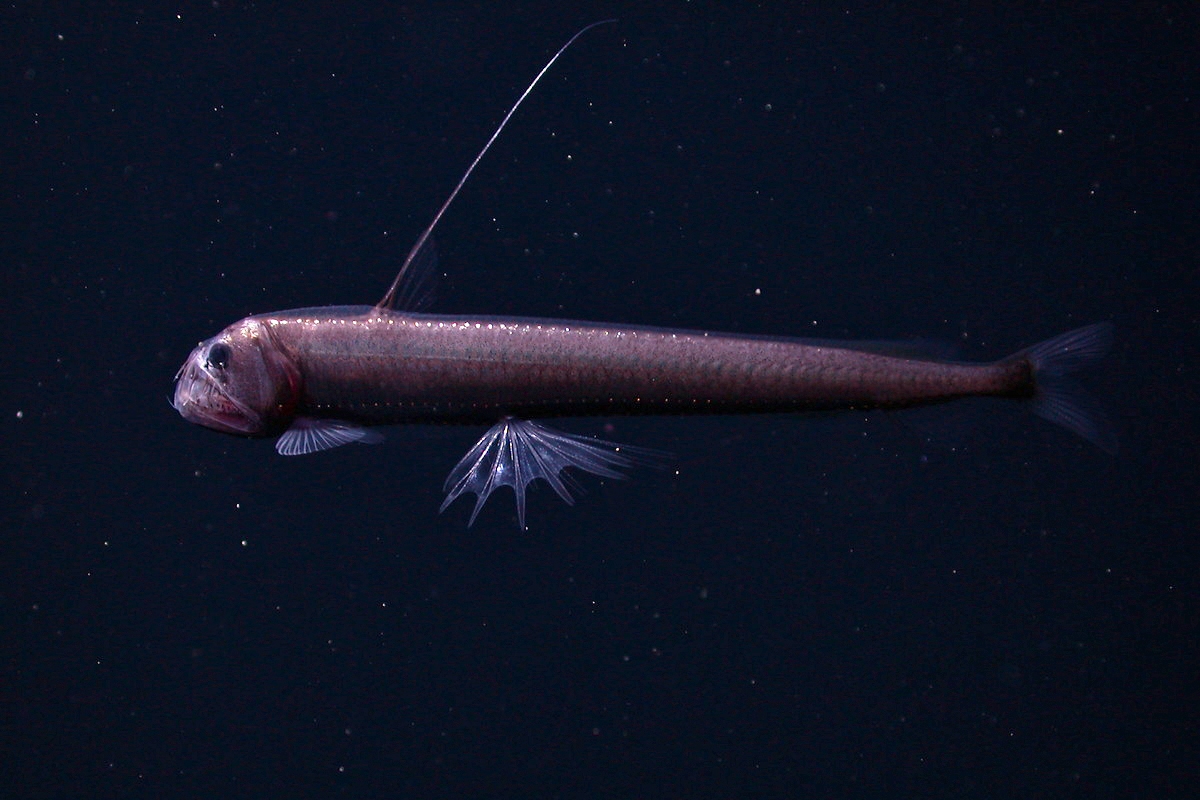
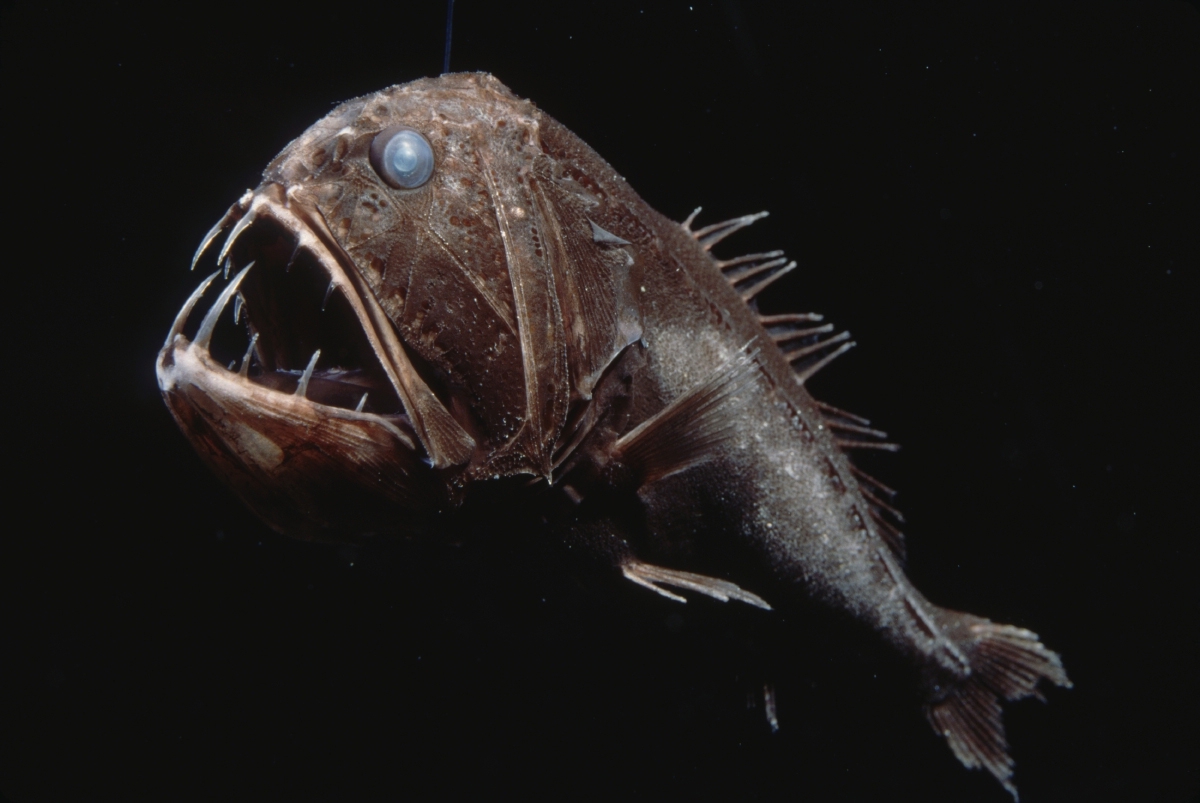
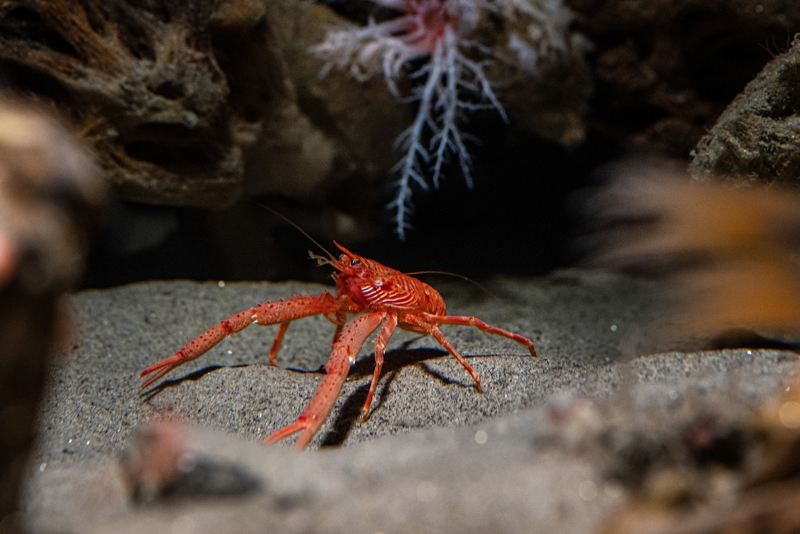
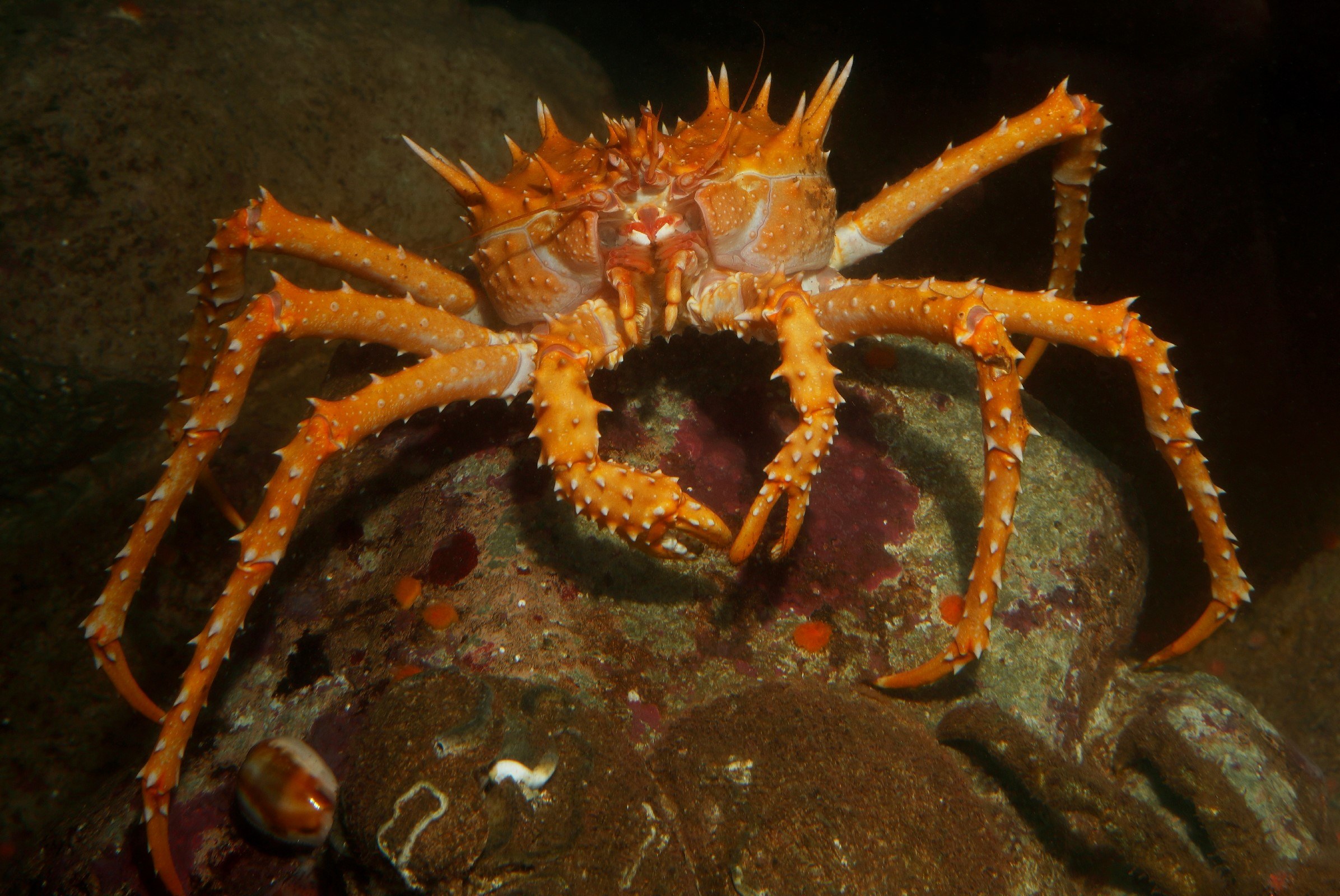
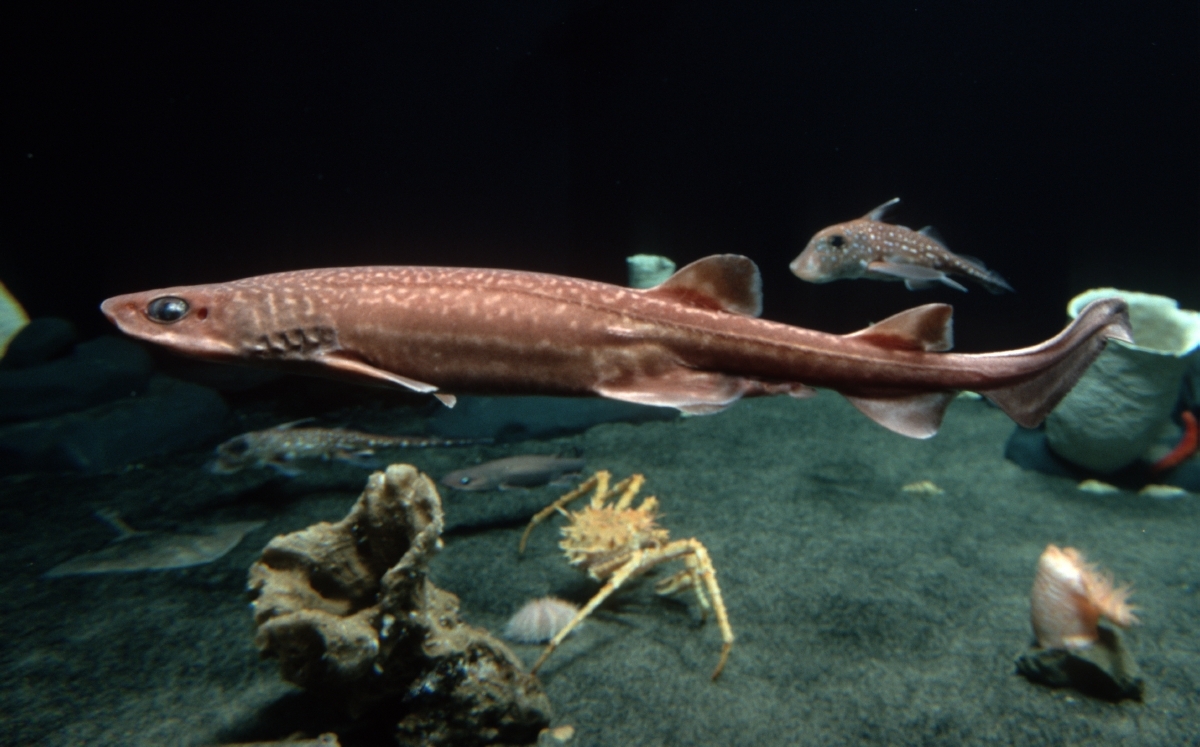
Large mouths and sharp teeth help fangtooth fishes and black swallowers gulp whatever food crosses their paths. Japanese spider crabs lumber around the slopes of the deep seafloor on exceptionally long legs. Like many animals on the deep seafloor, they feast on organic matter that falls from the waters above, like rotting whale carcasses (whalefalls).
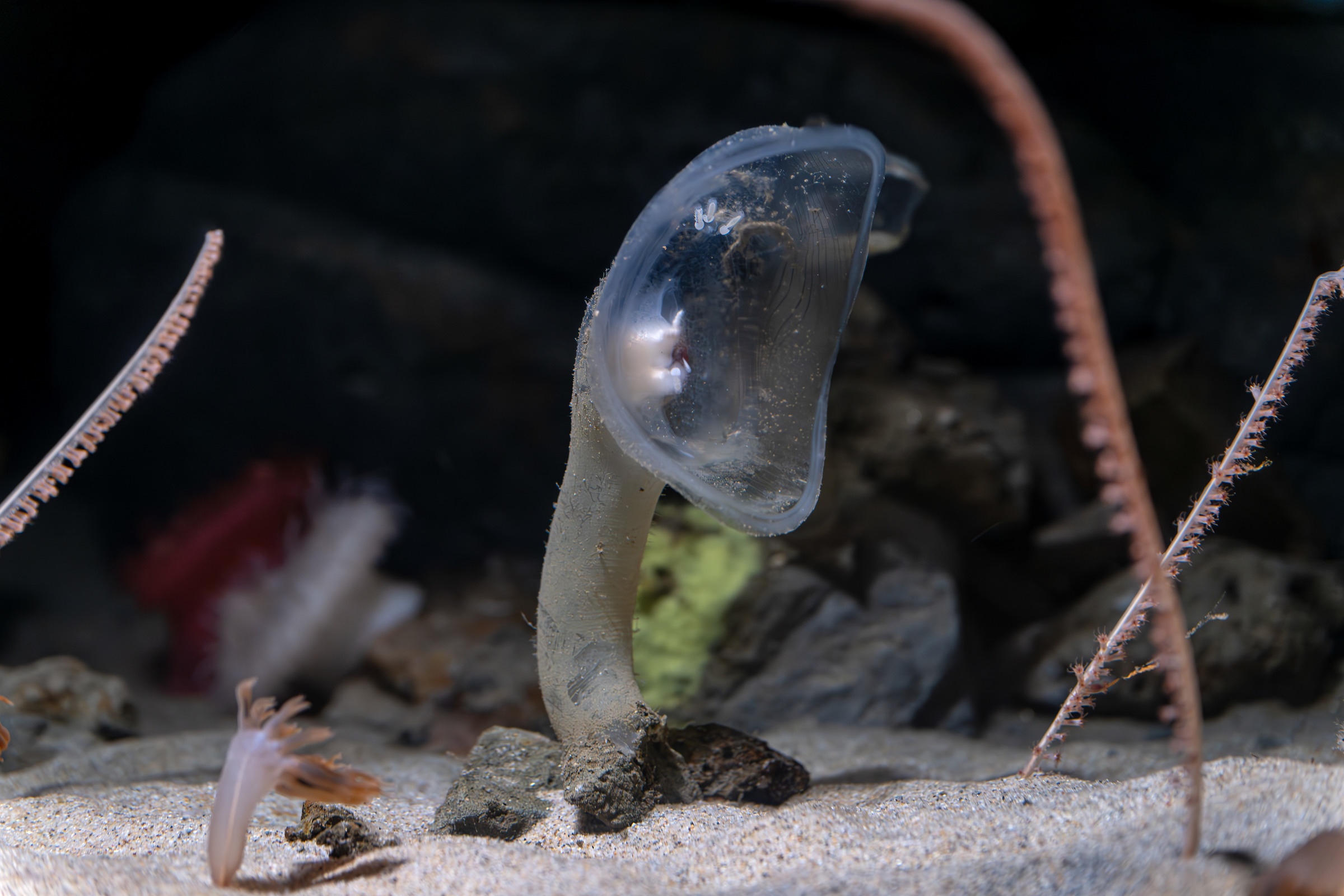
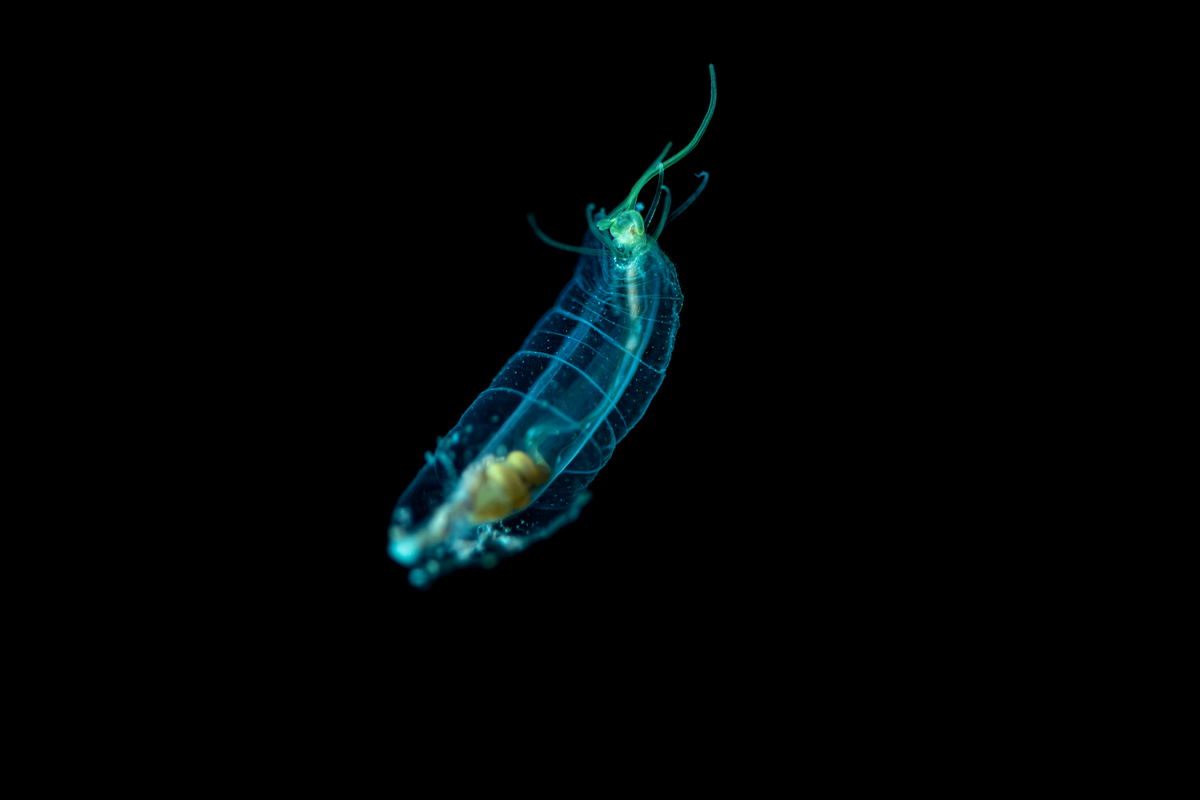
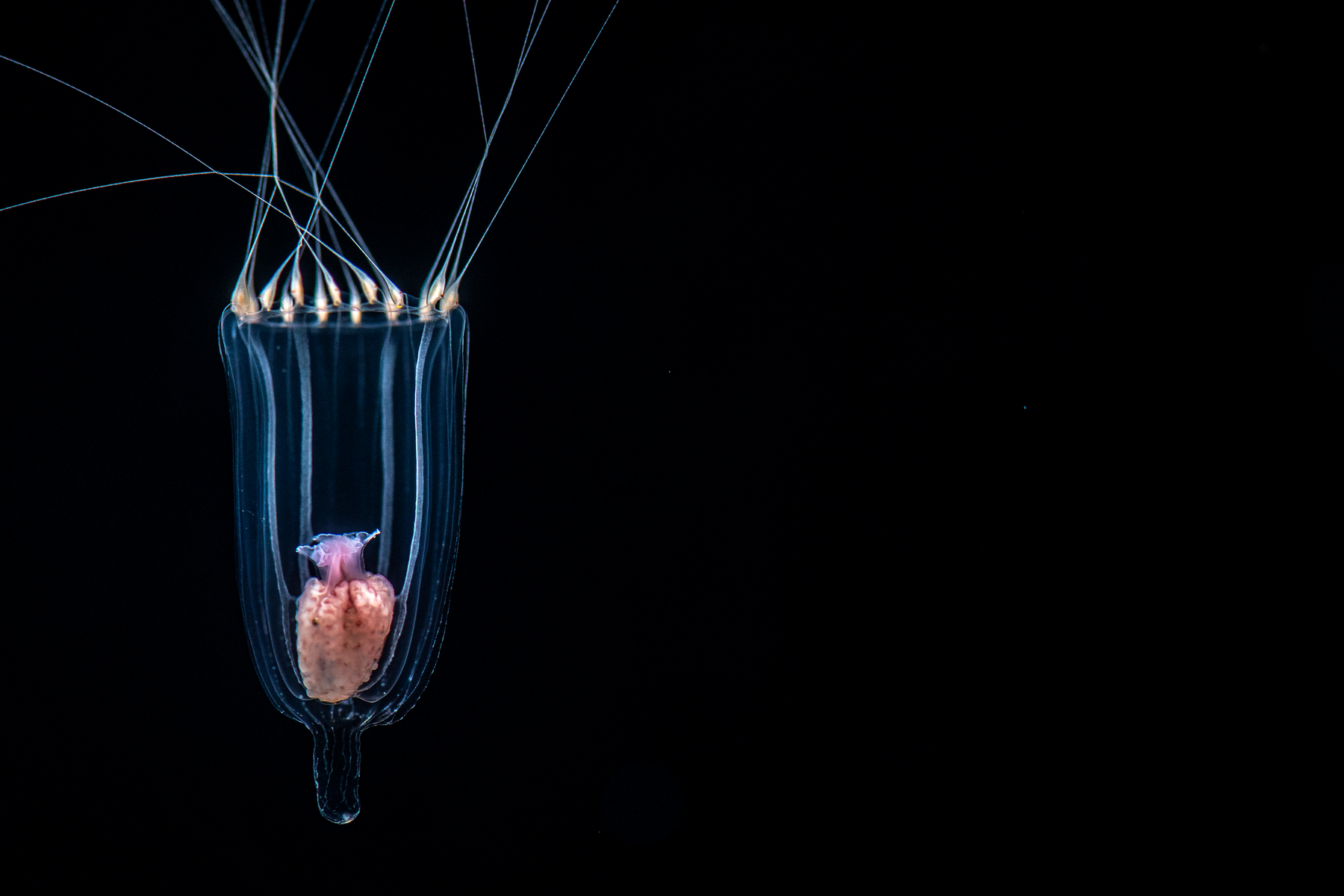
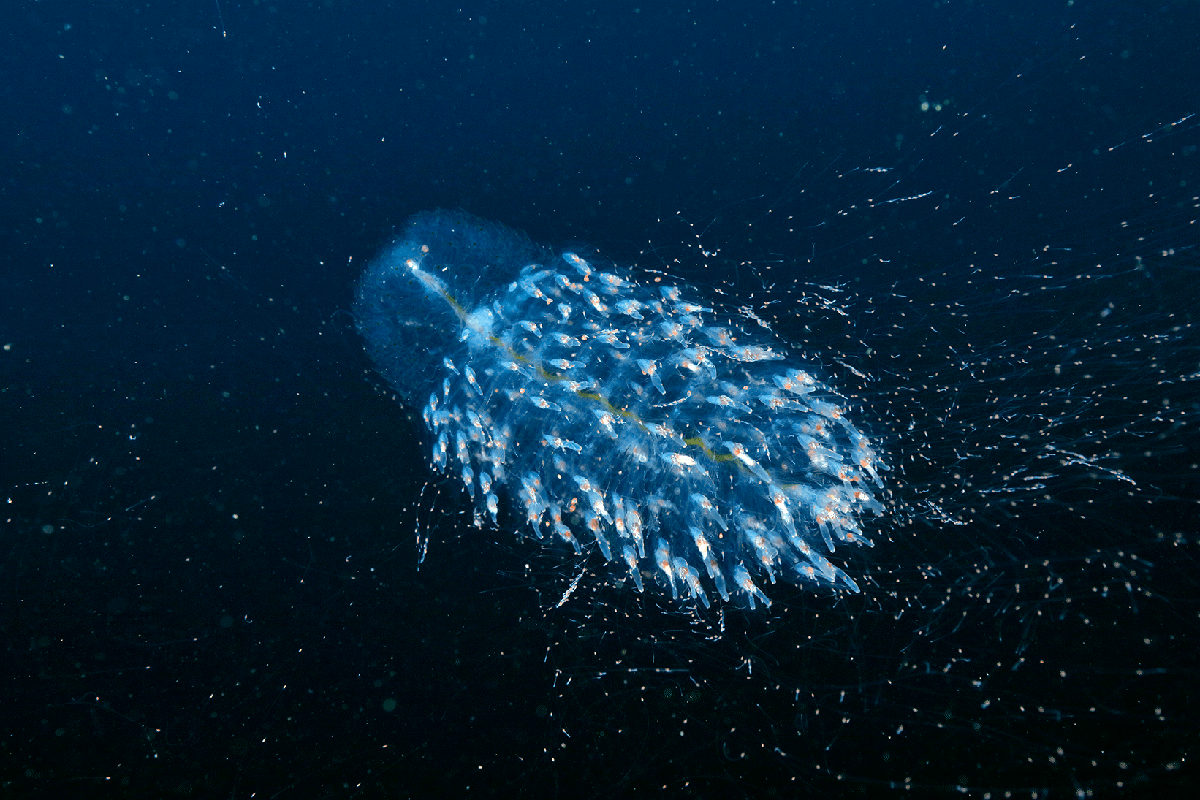
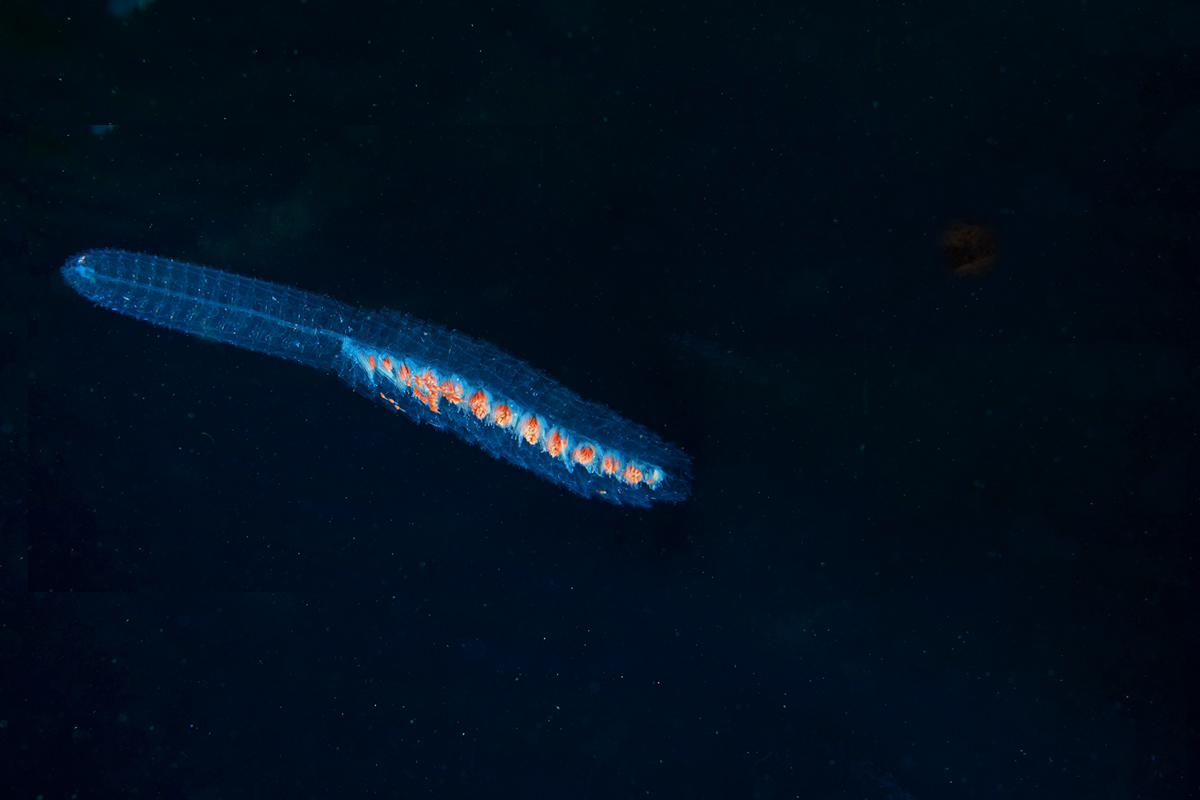
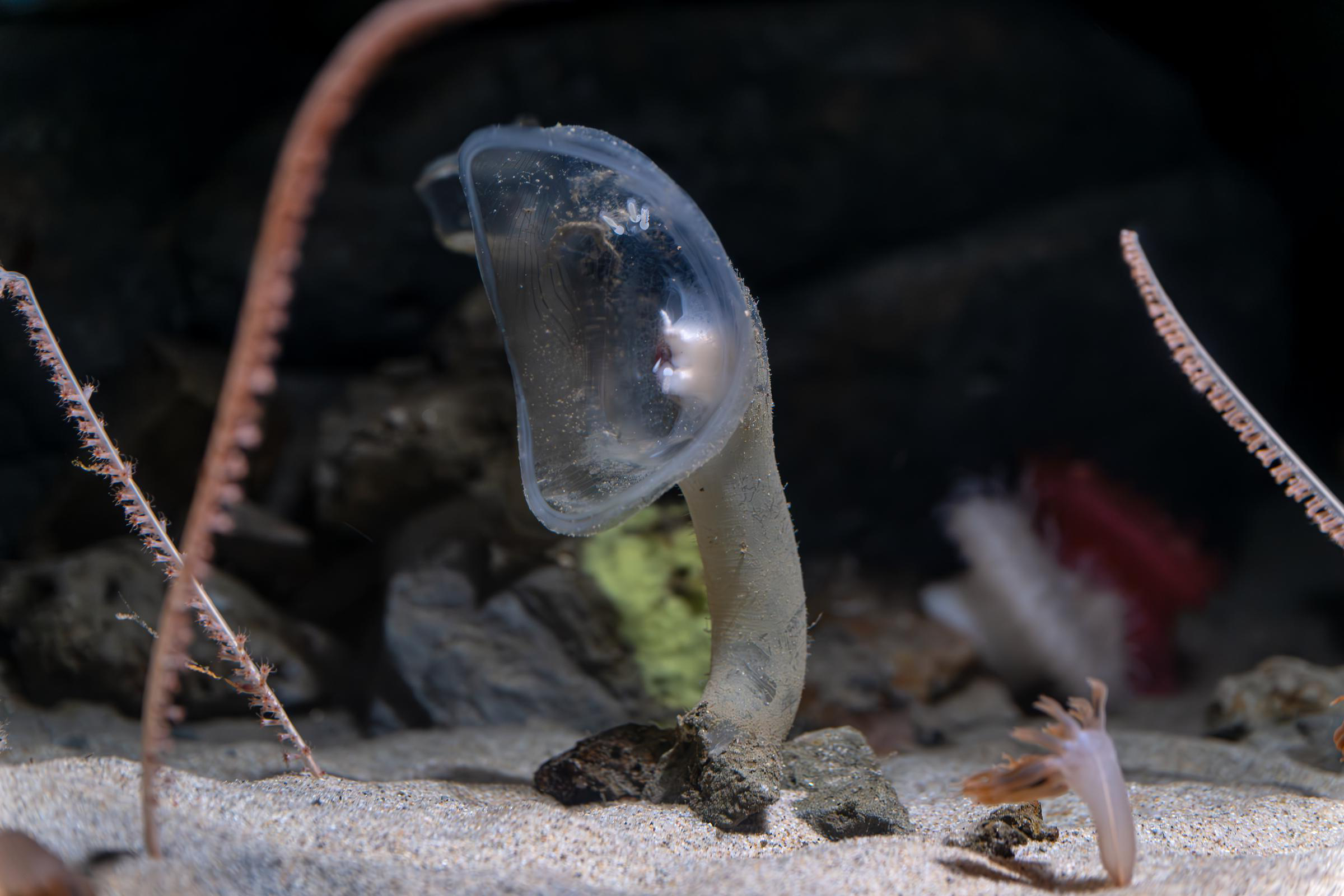
Predatory tunicate
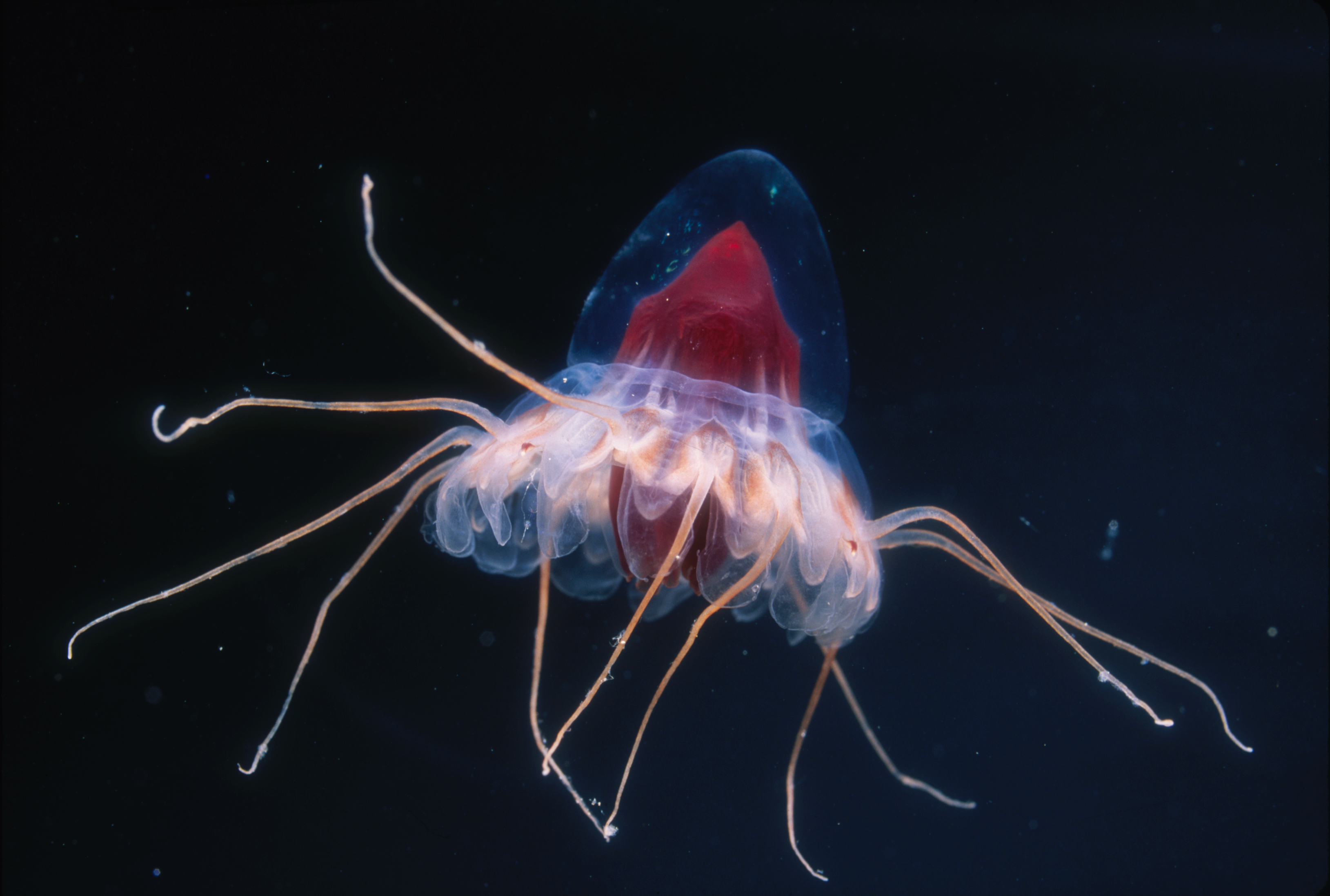
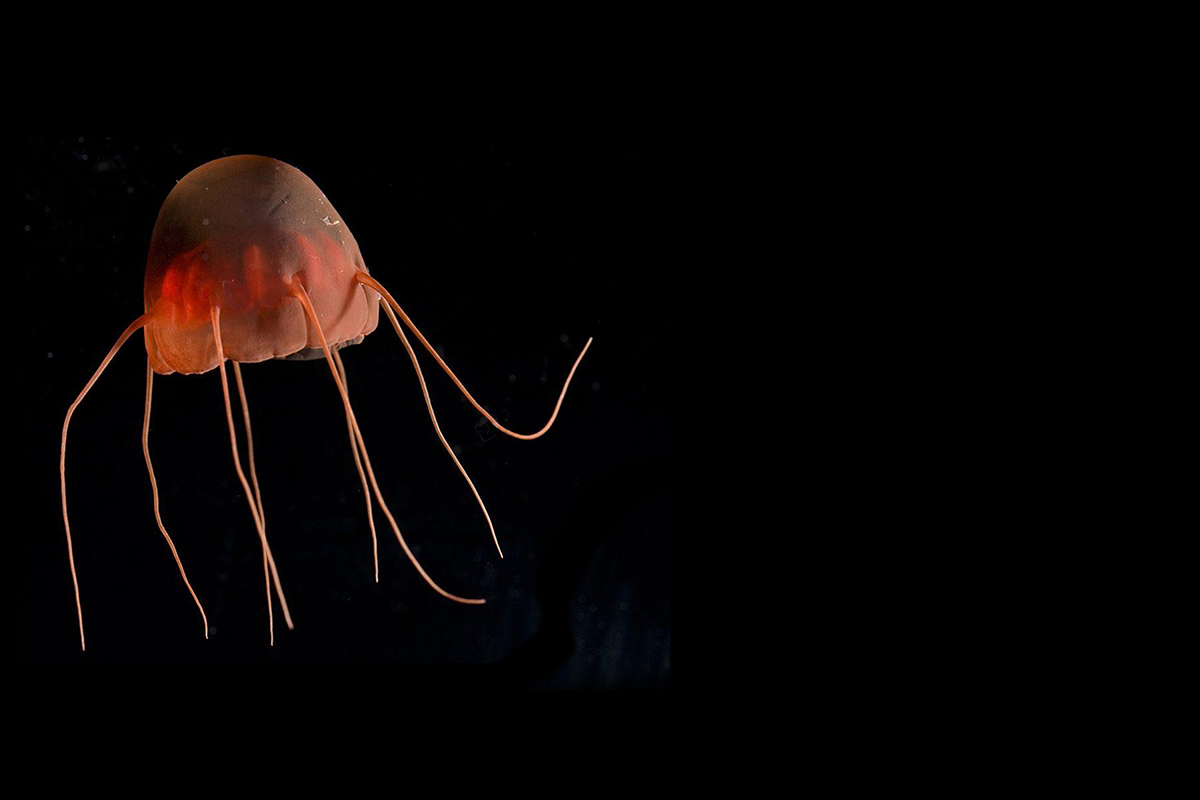
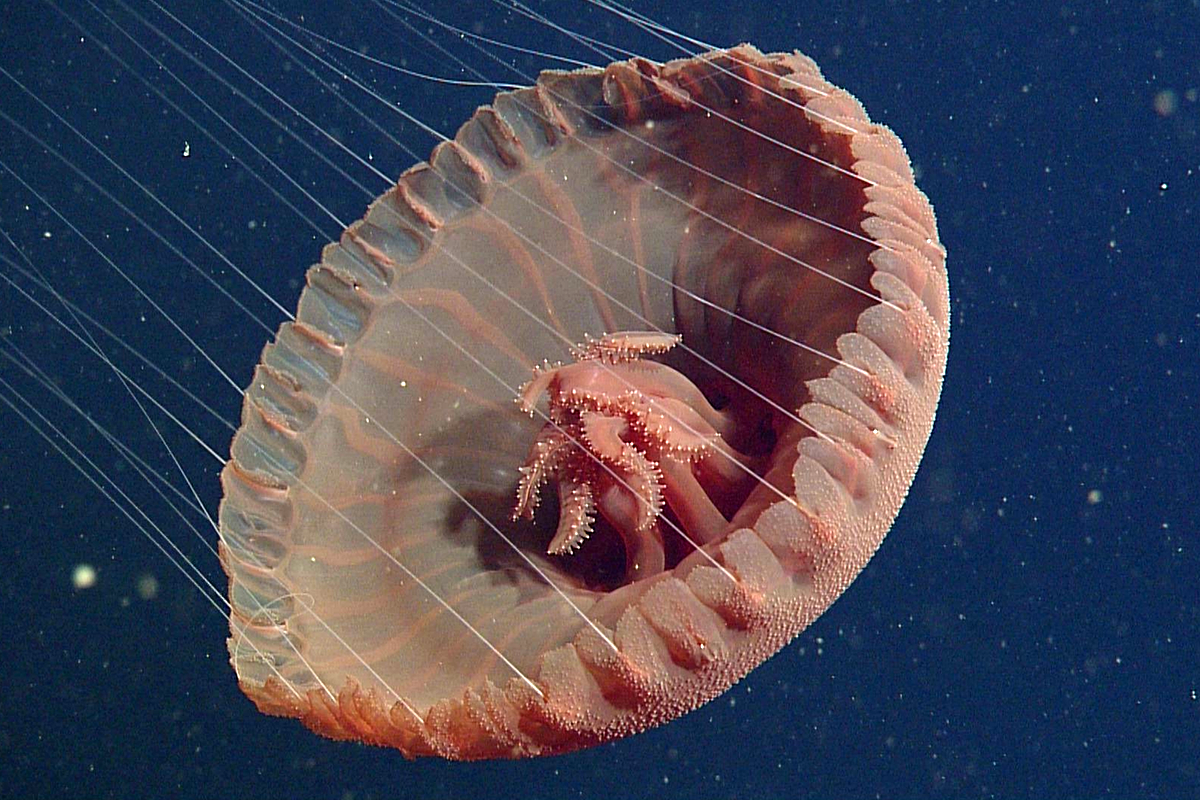
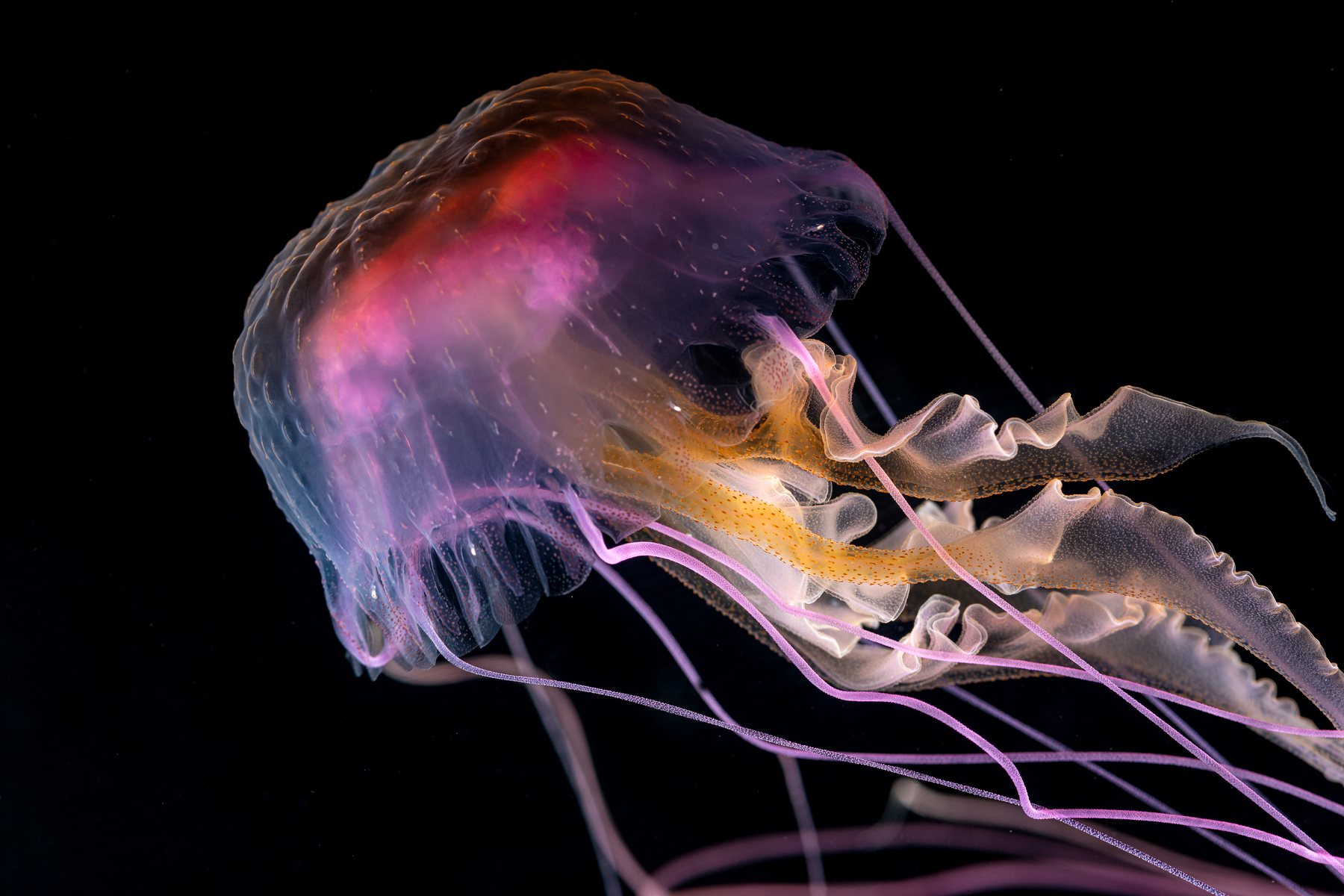
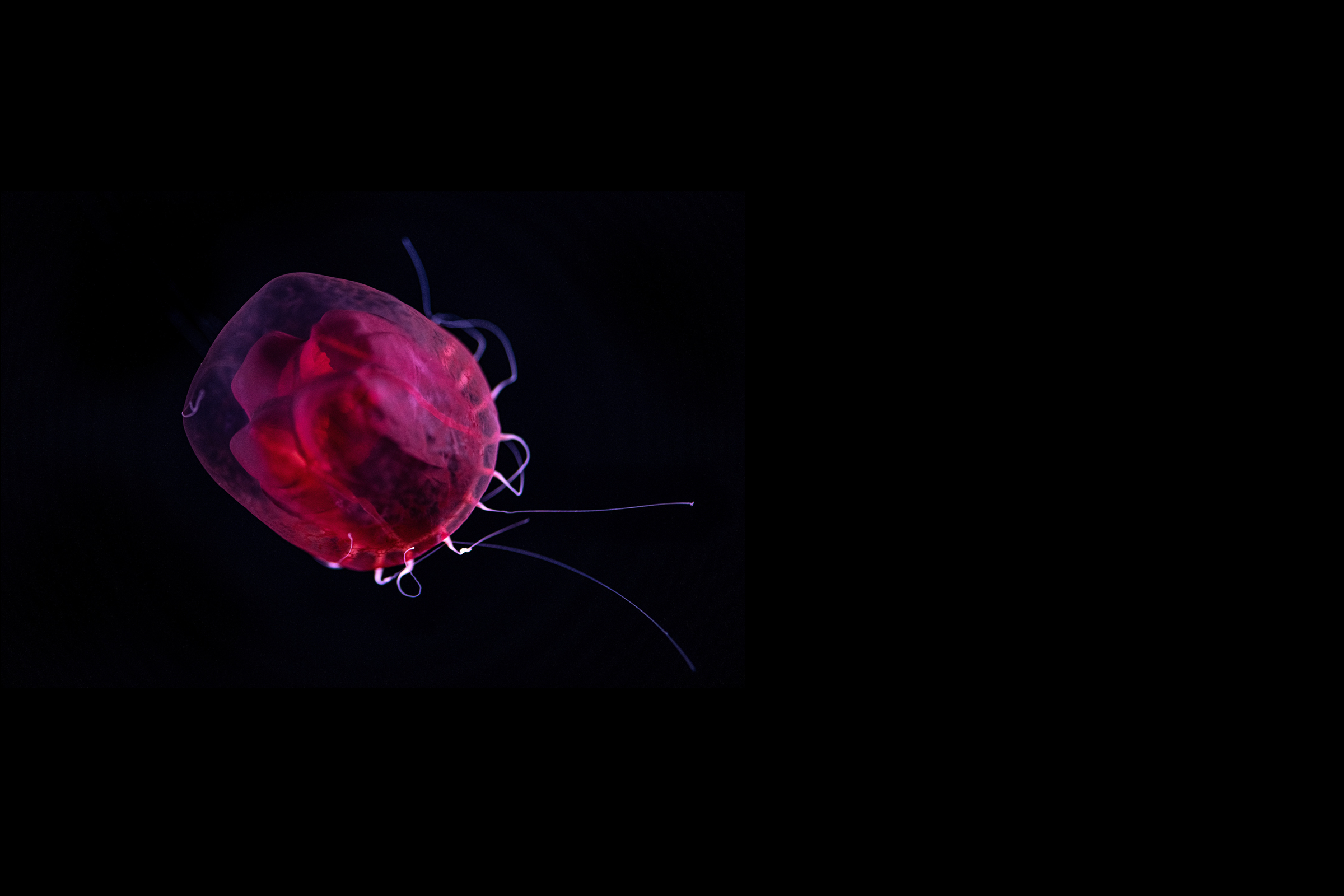
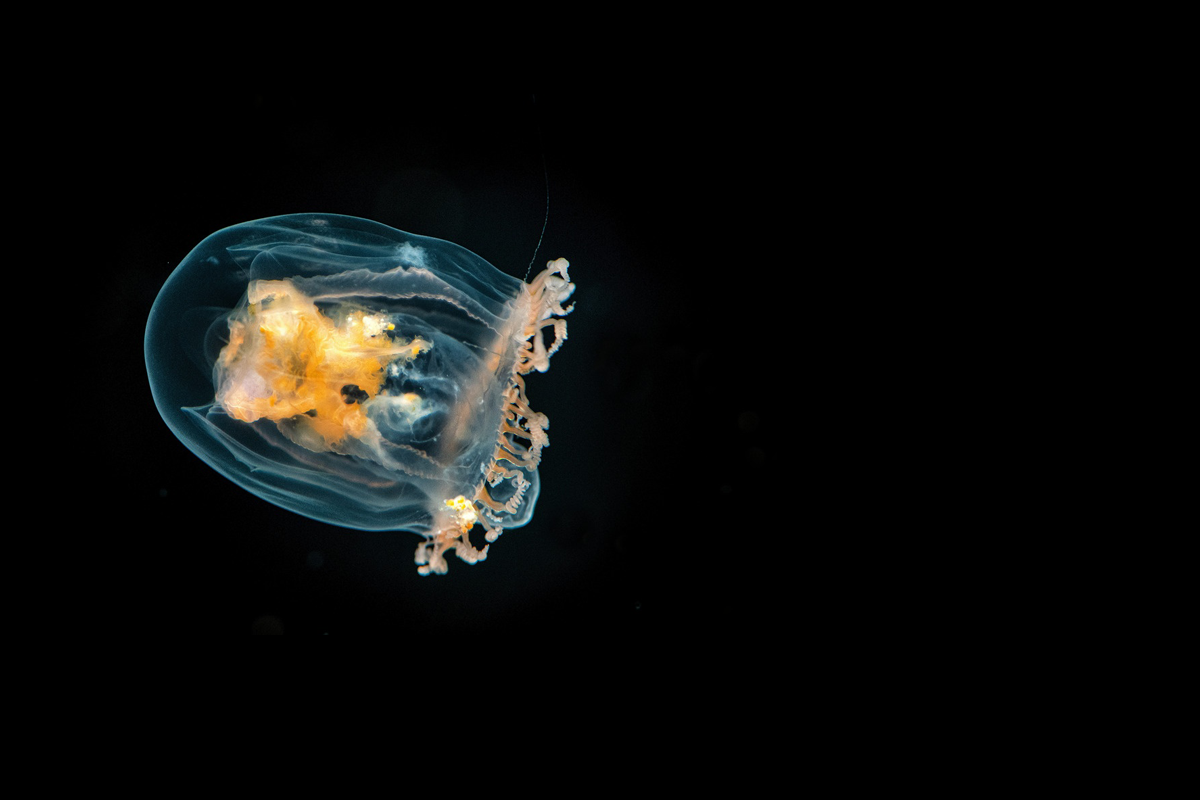
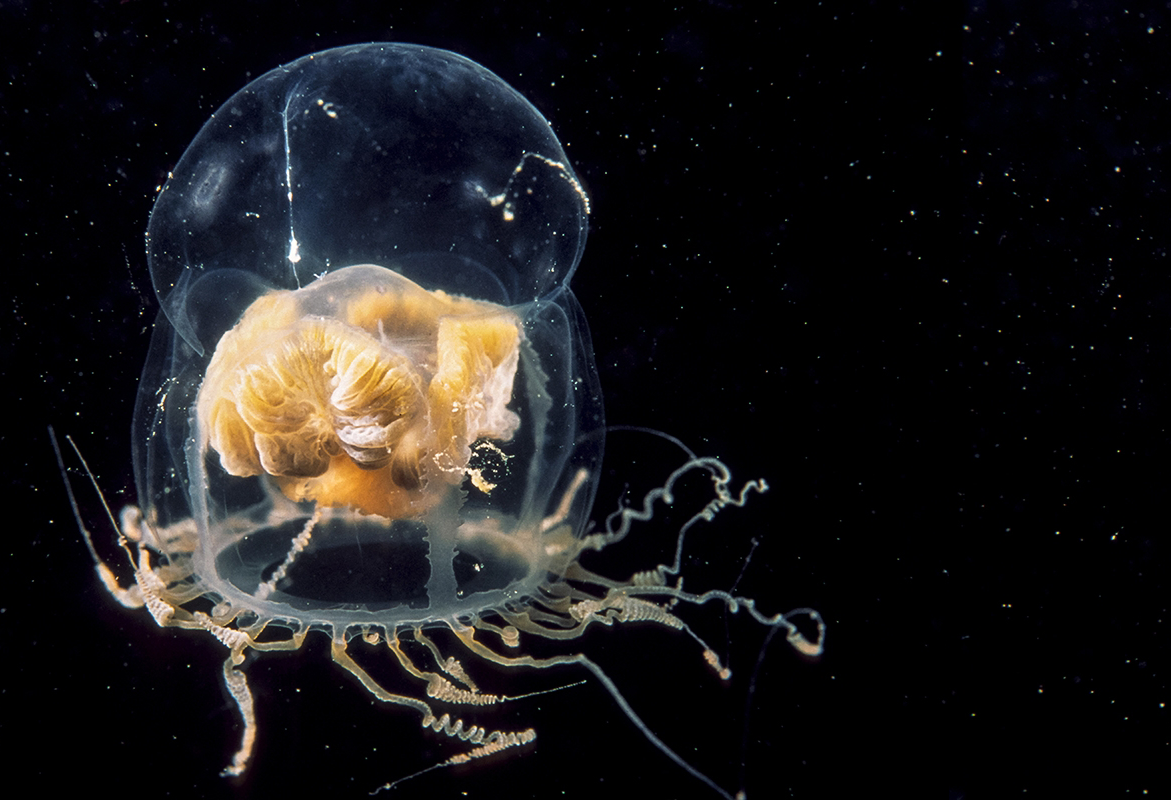
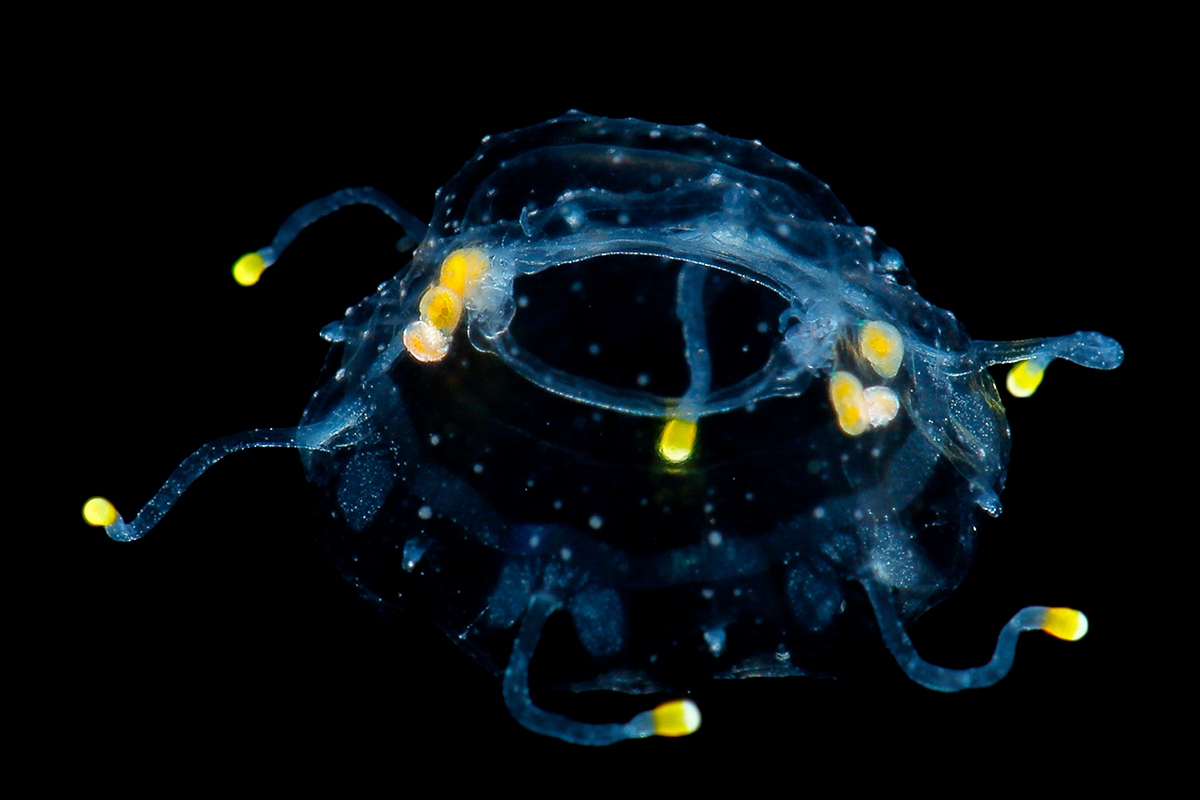
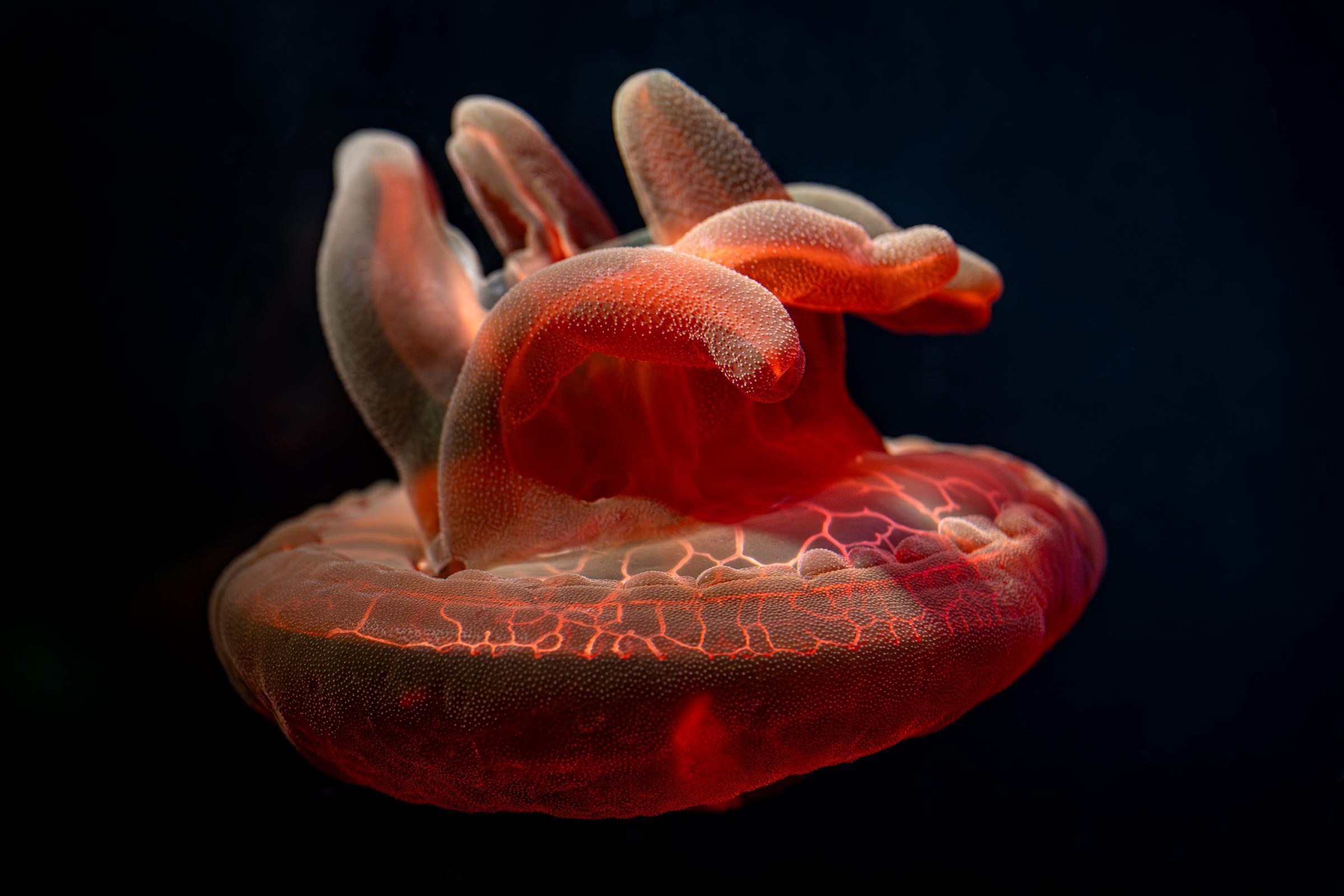
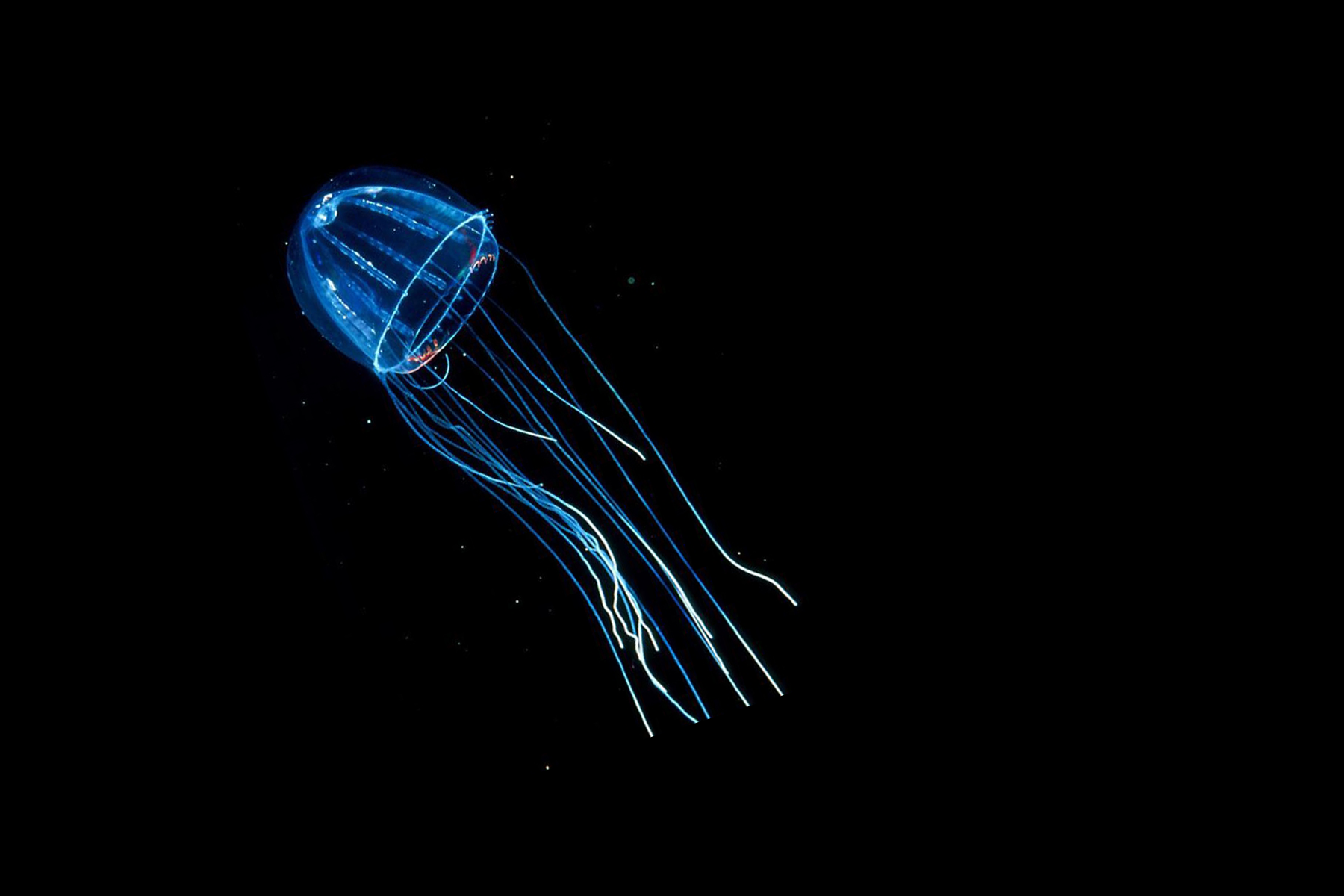
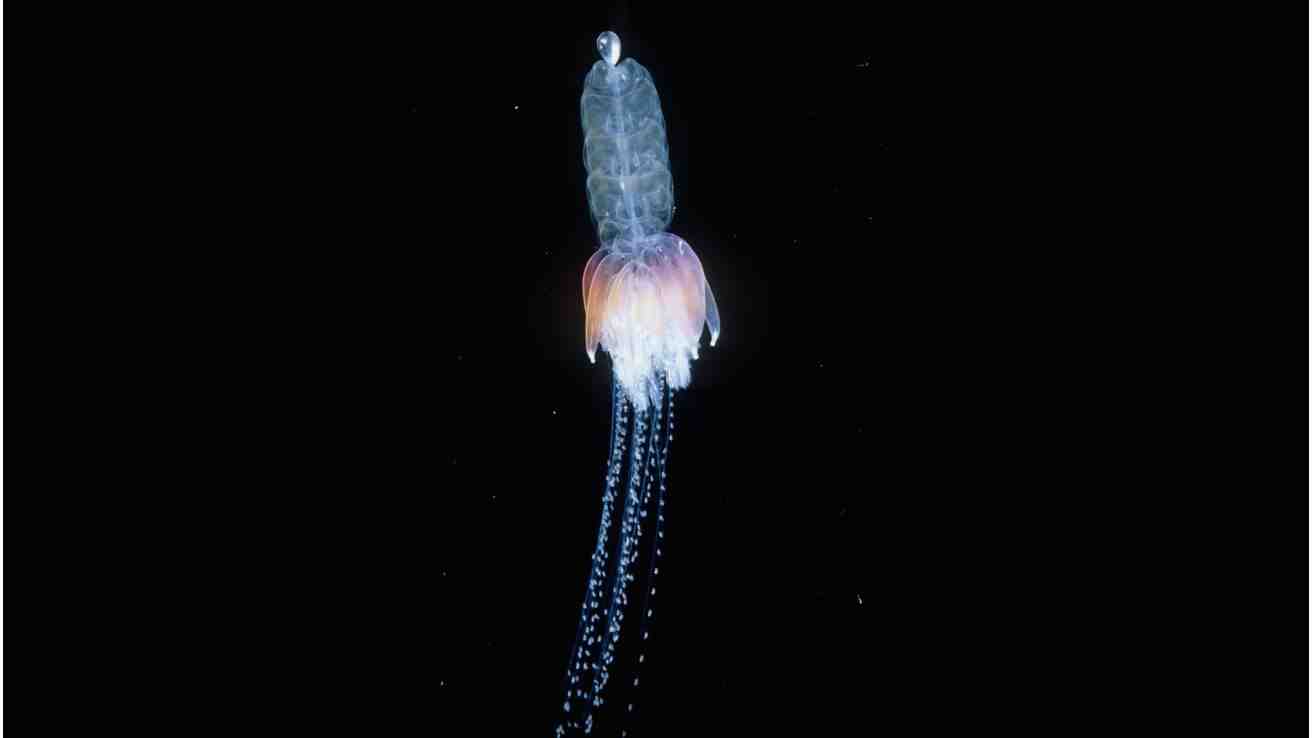
Deep sea jelly
Special camouflage
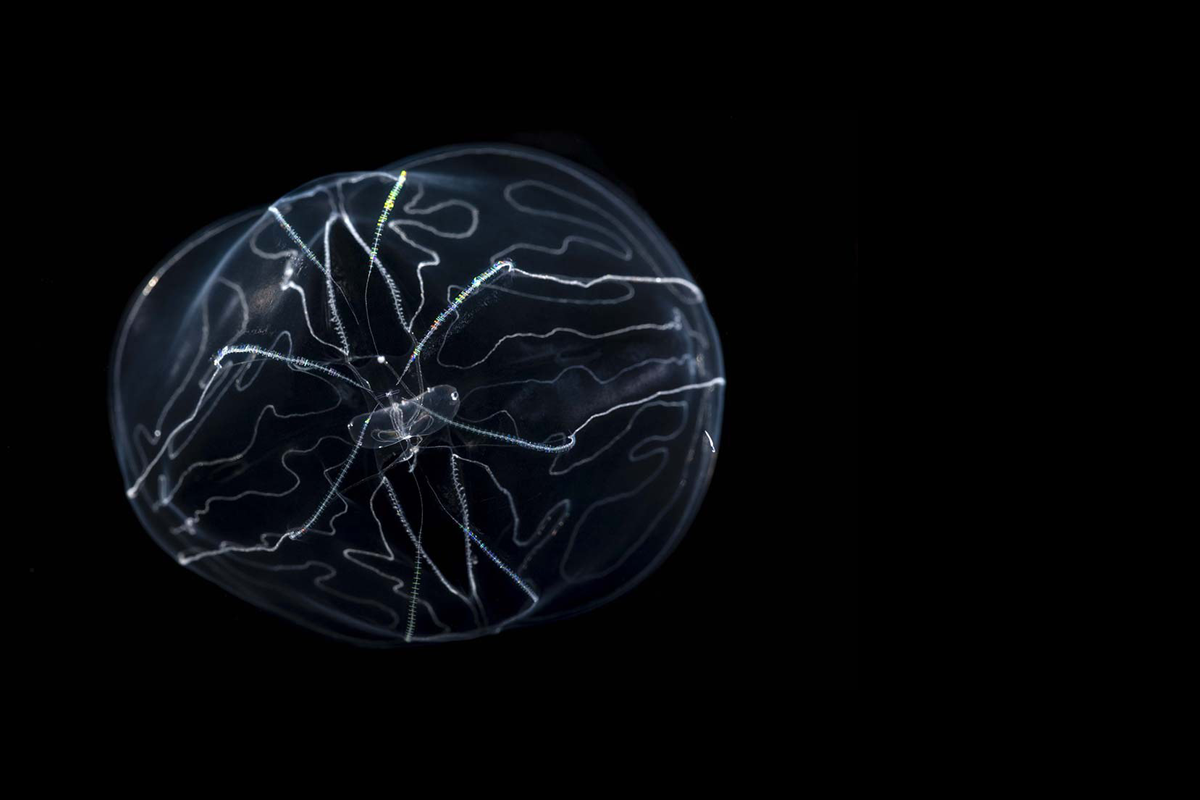
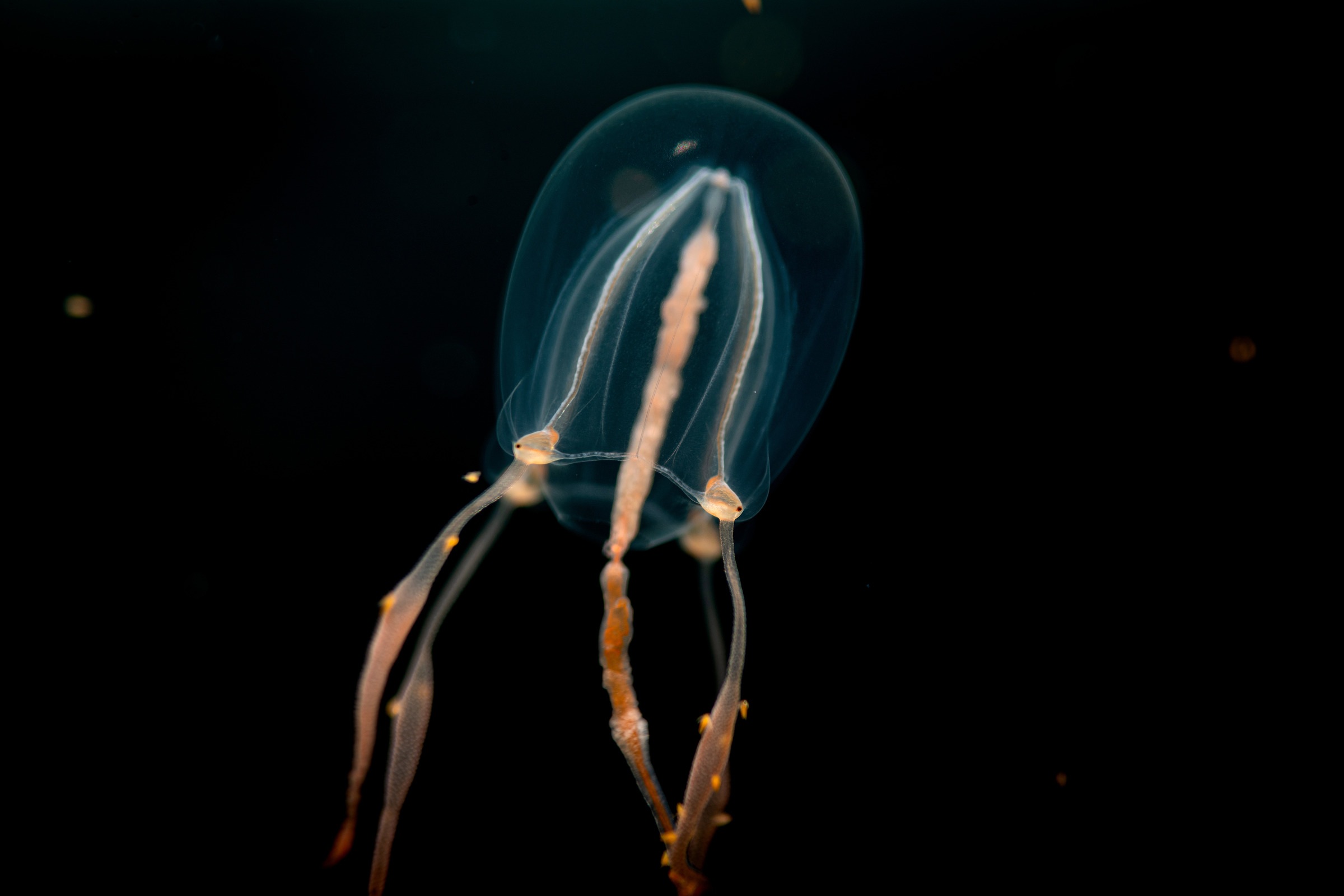
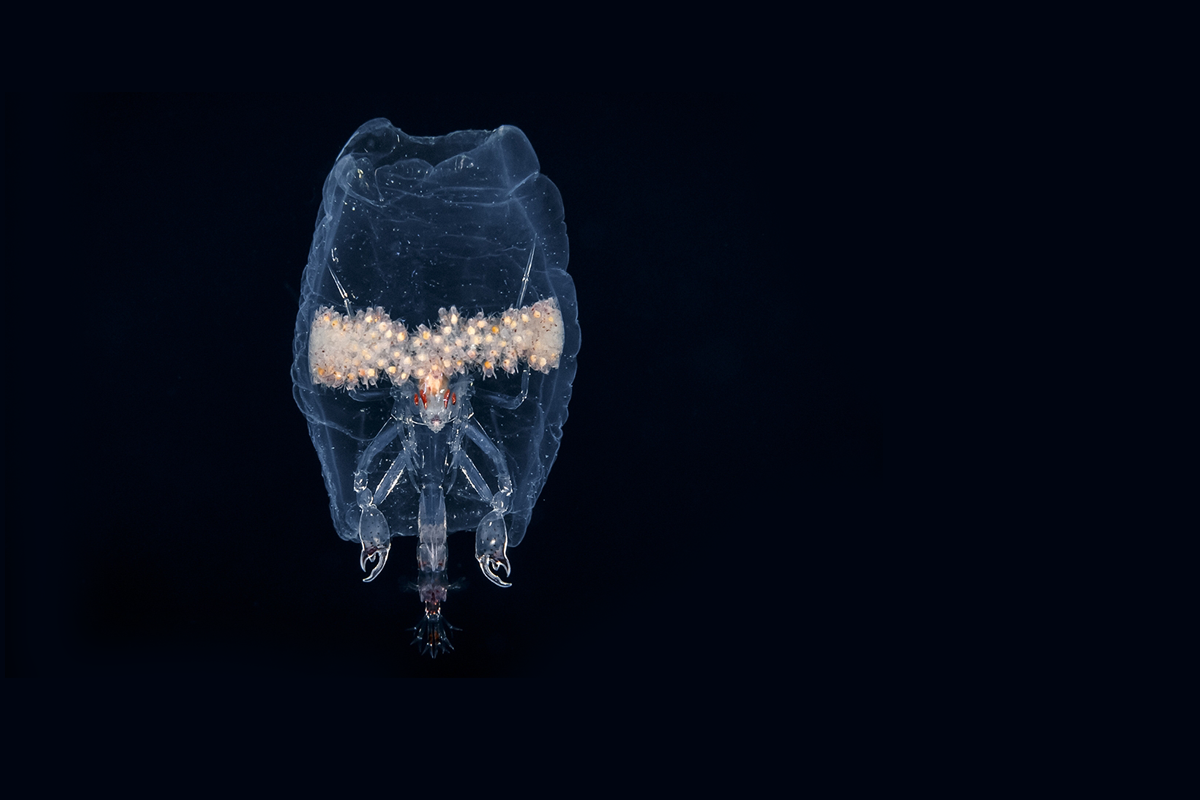
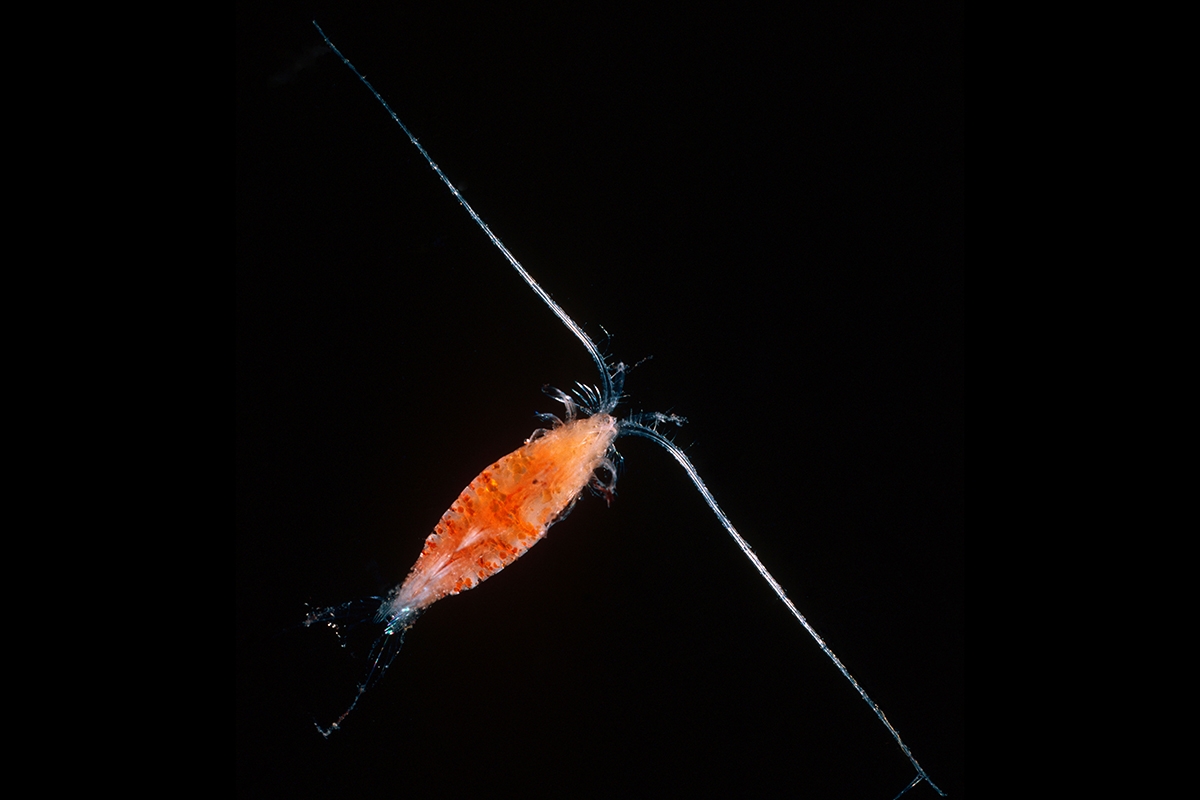
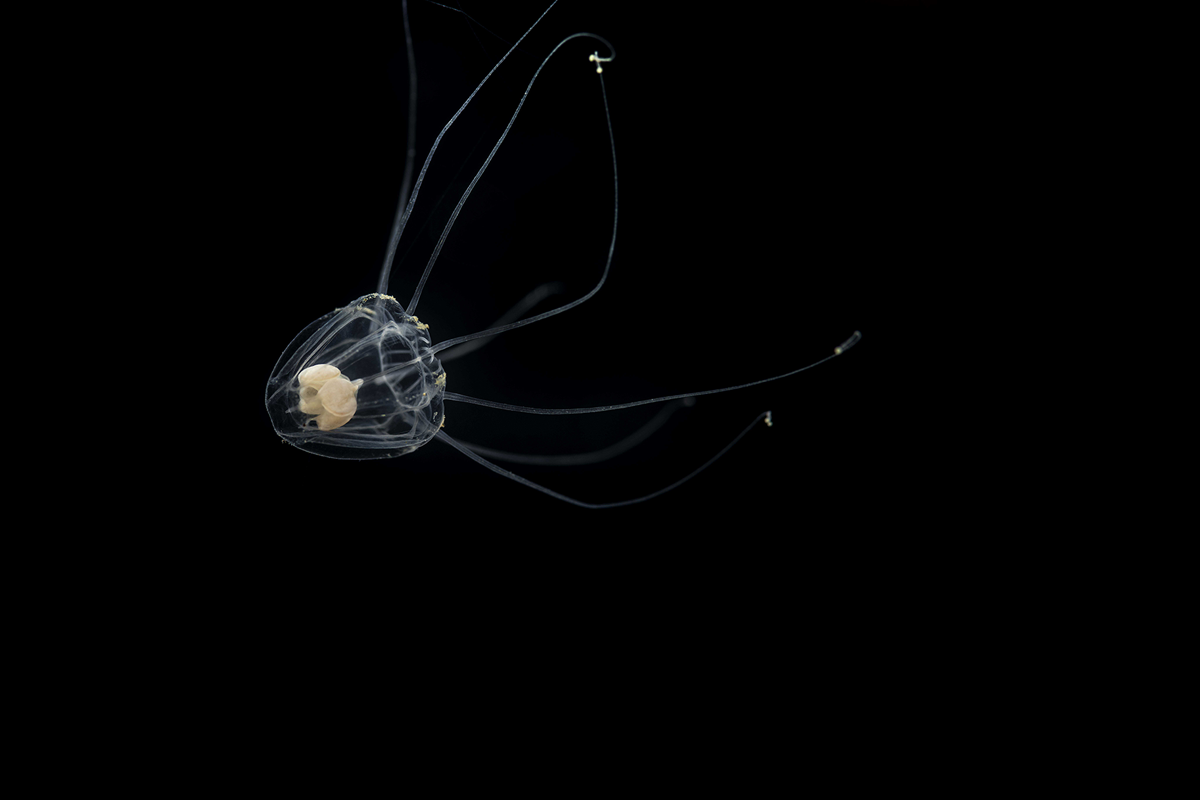
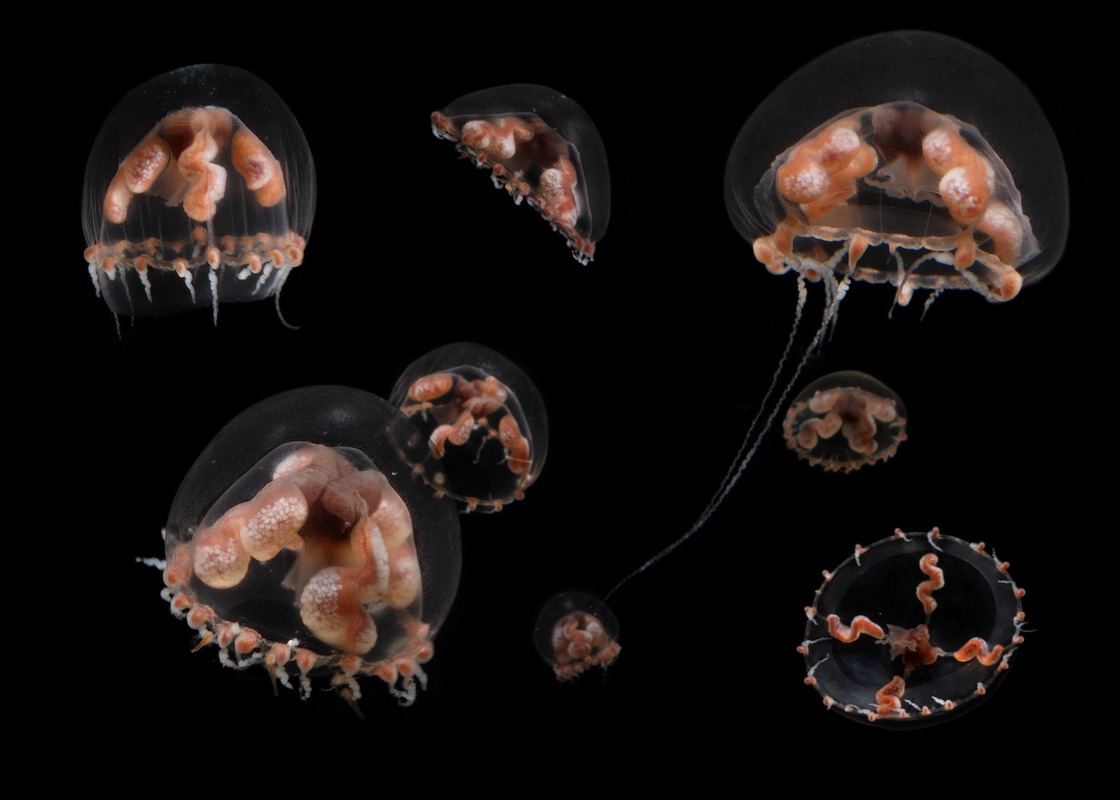
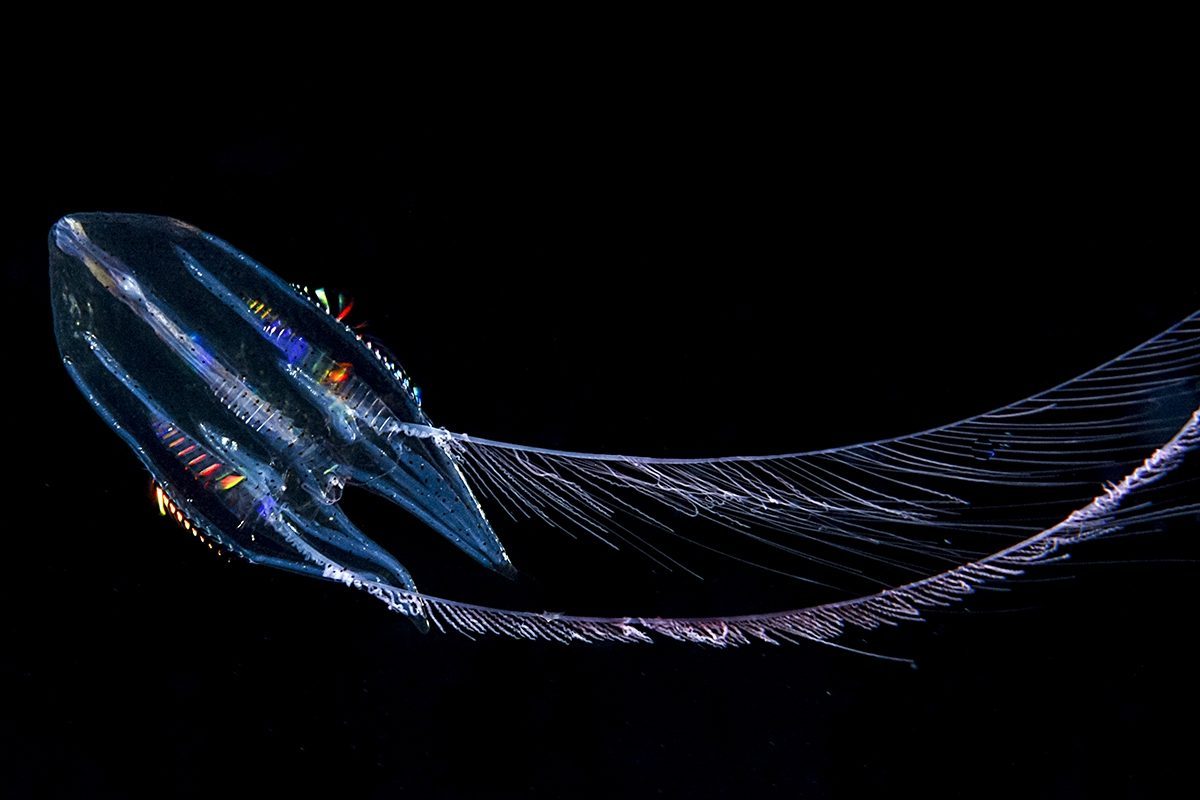
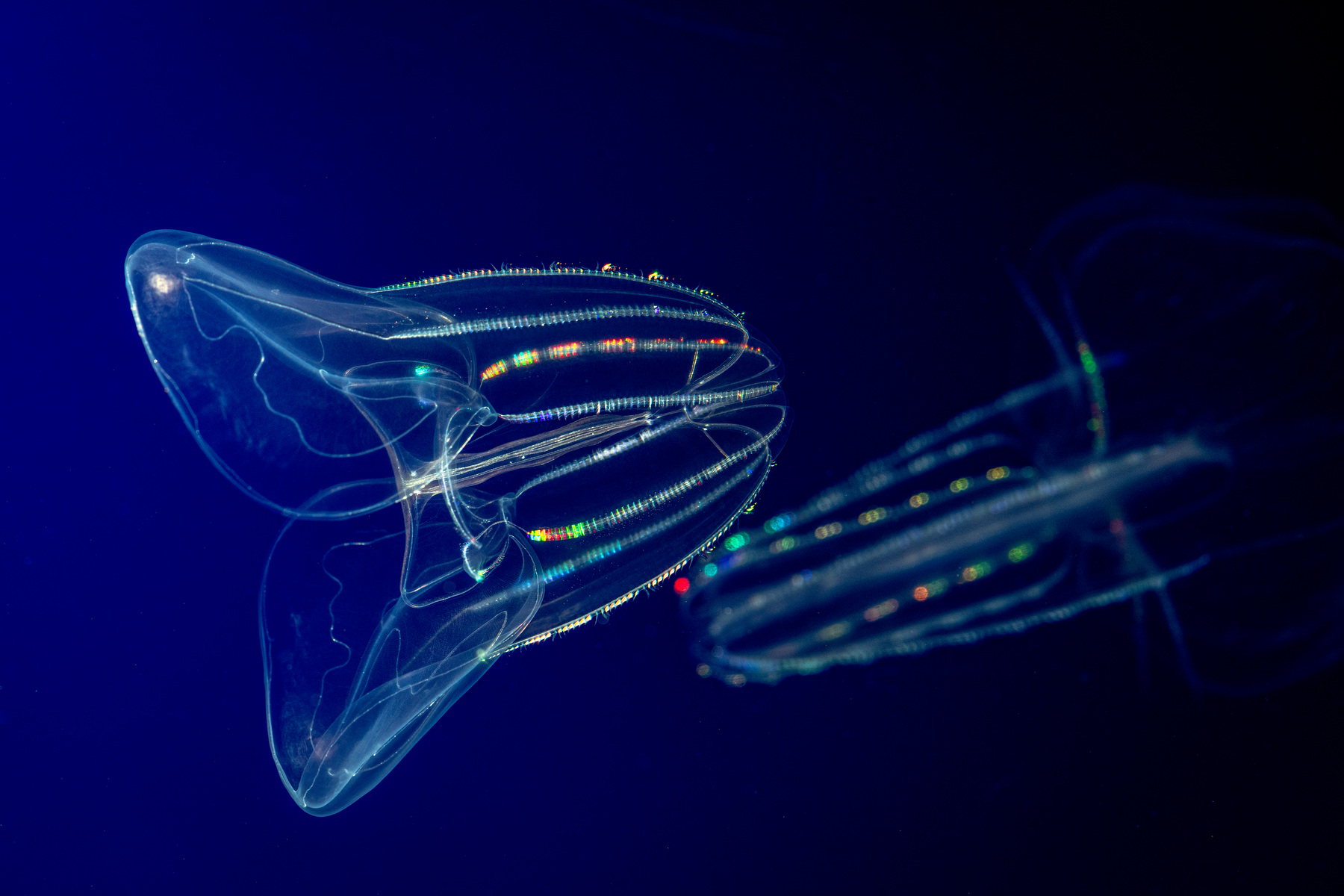
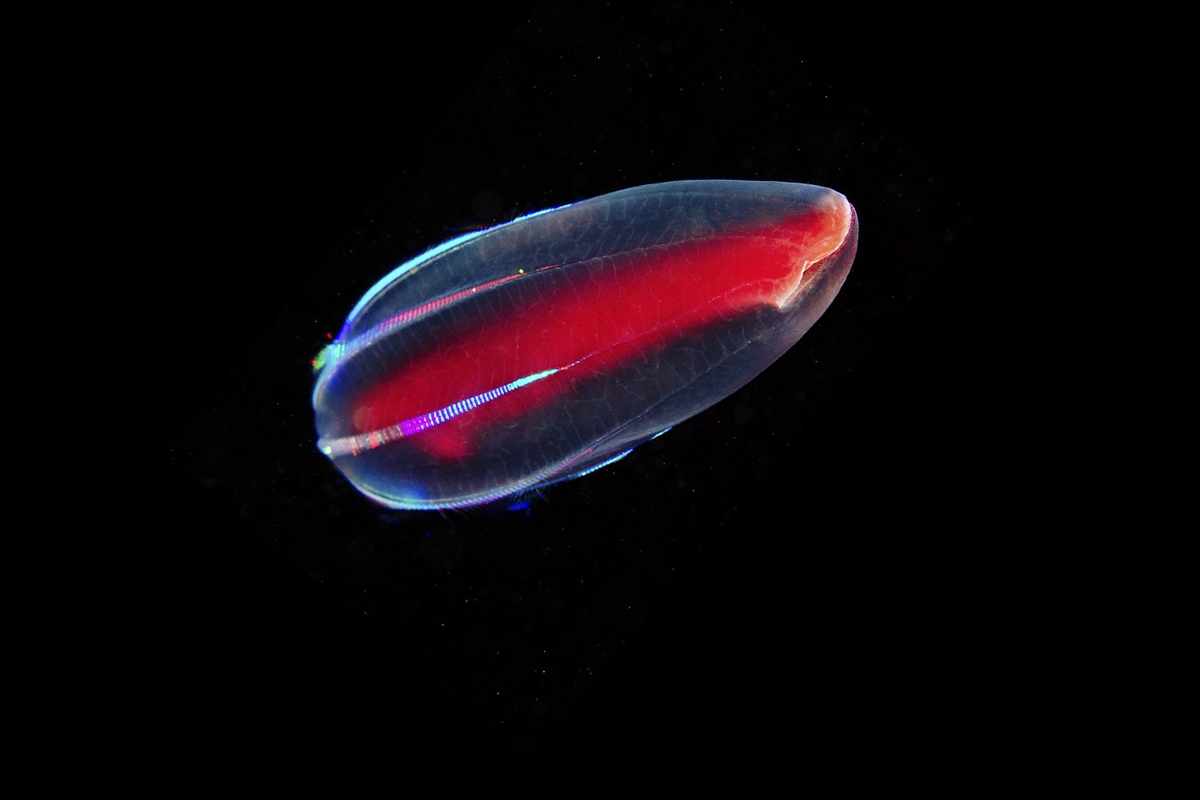
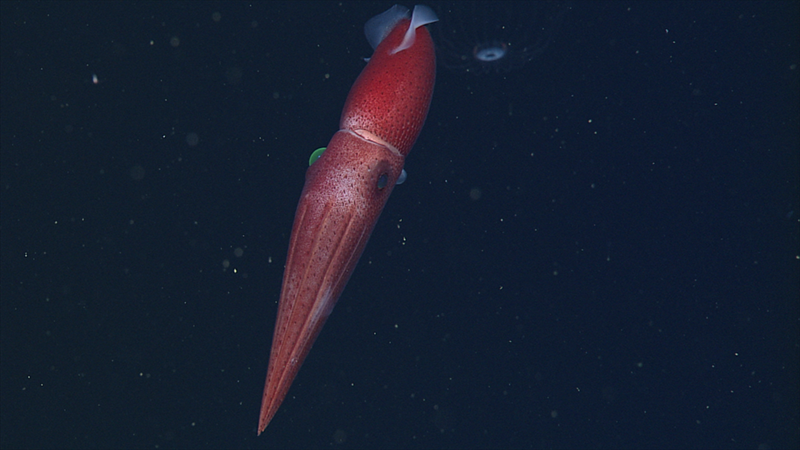
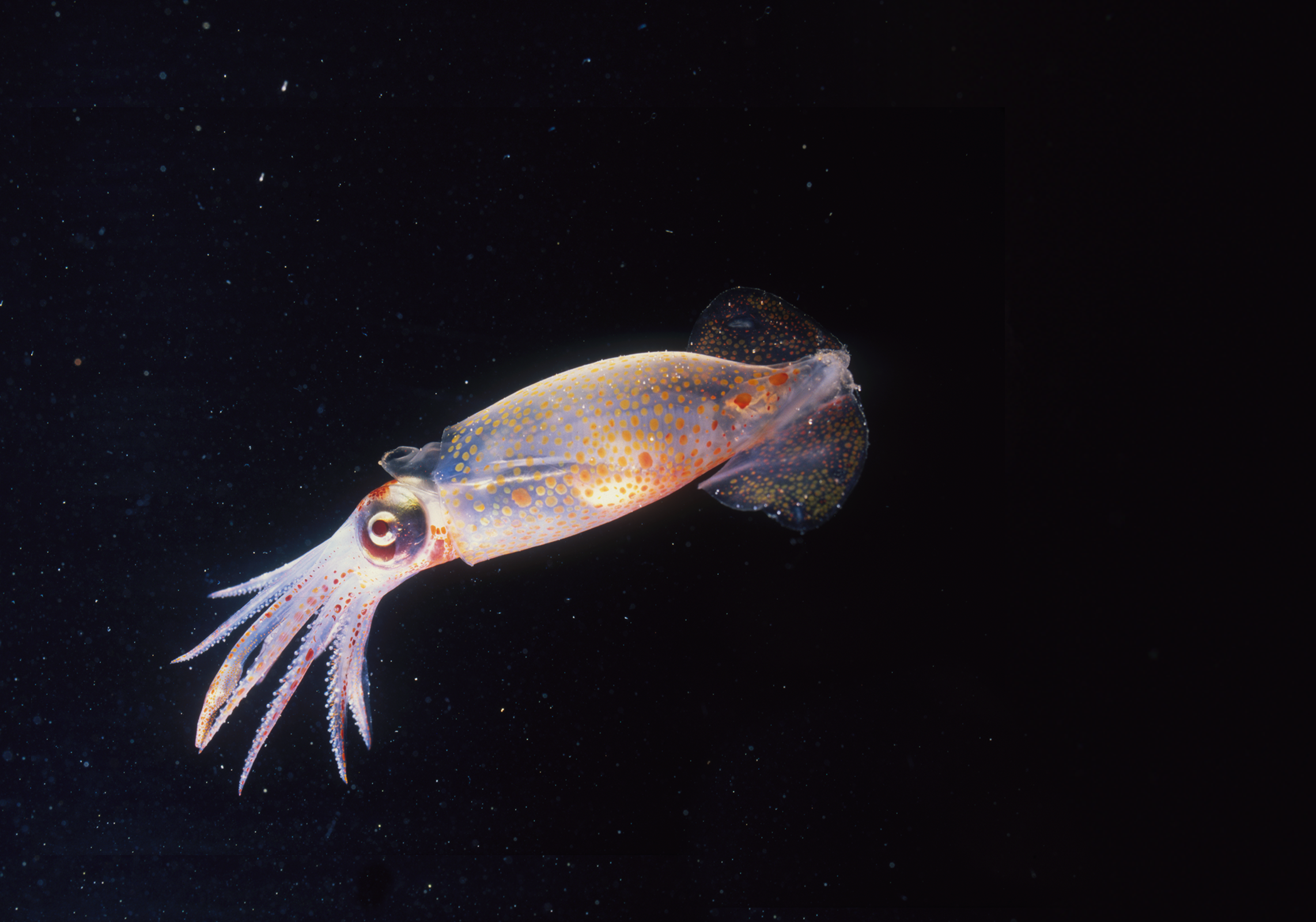
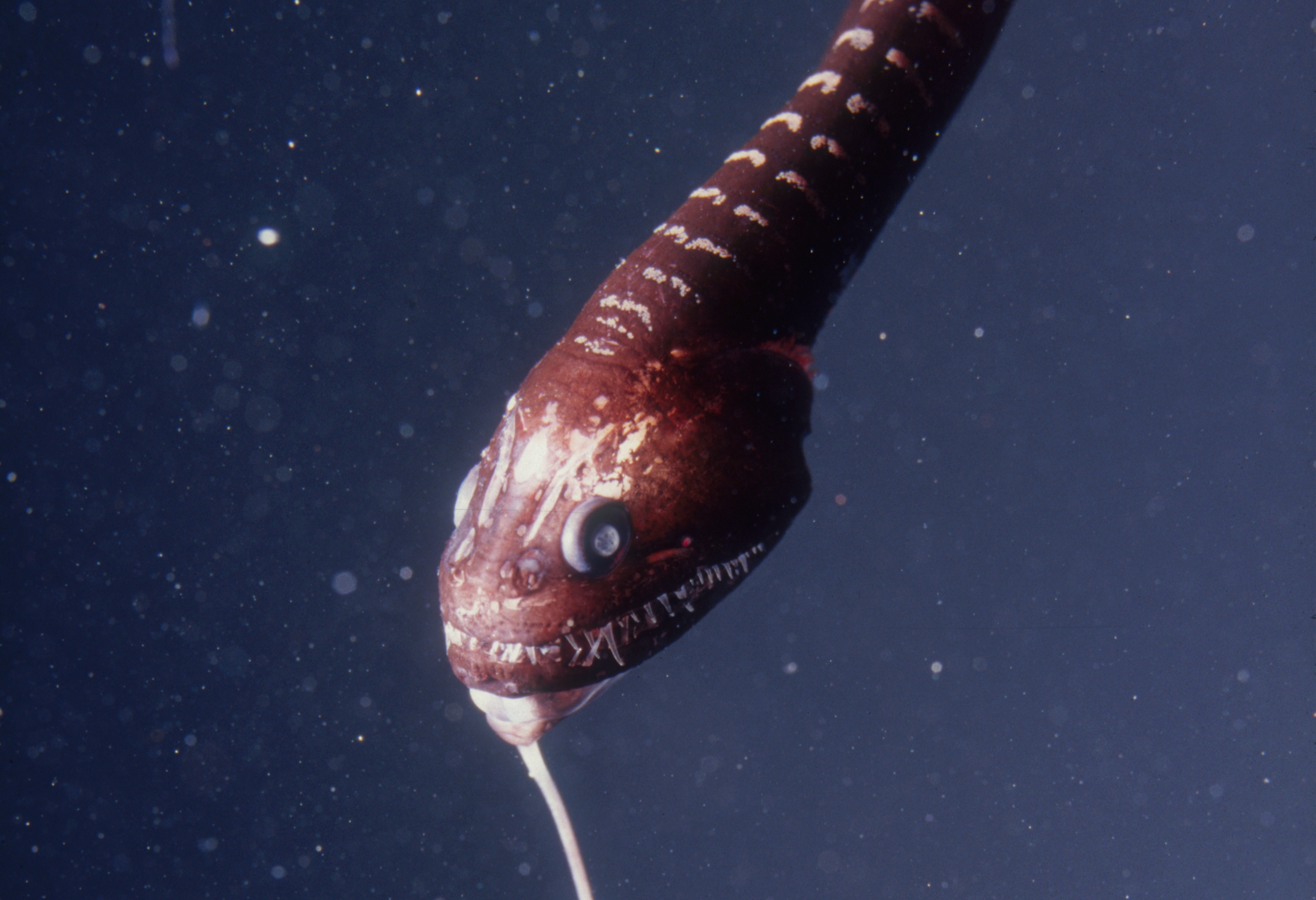
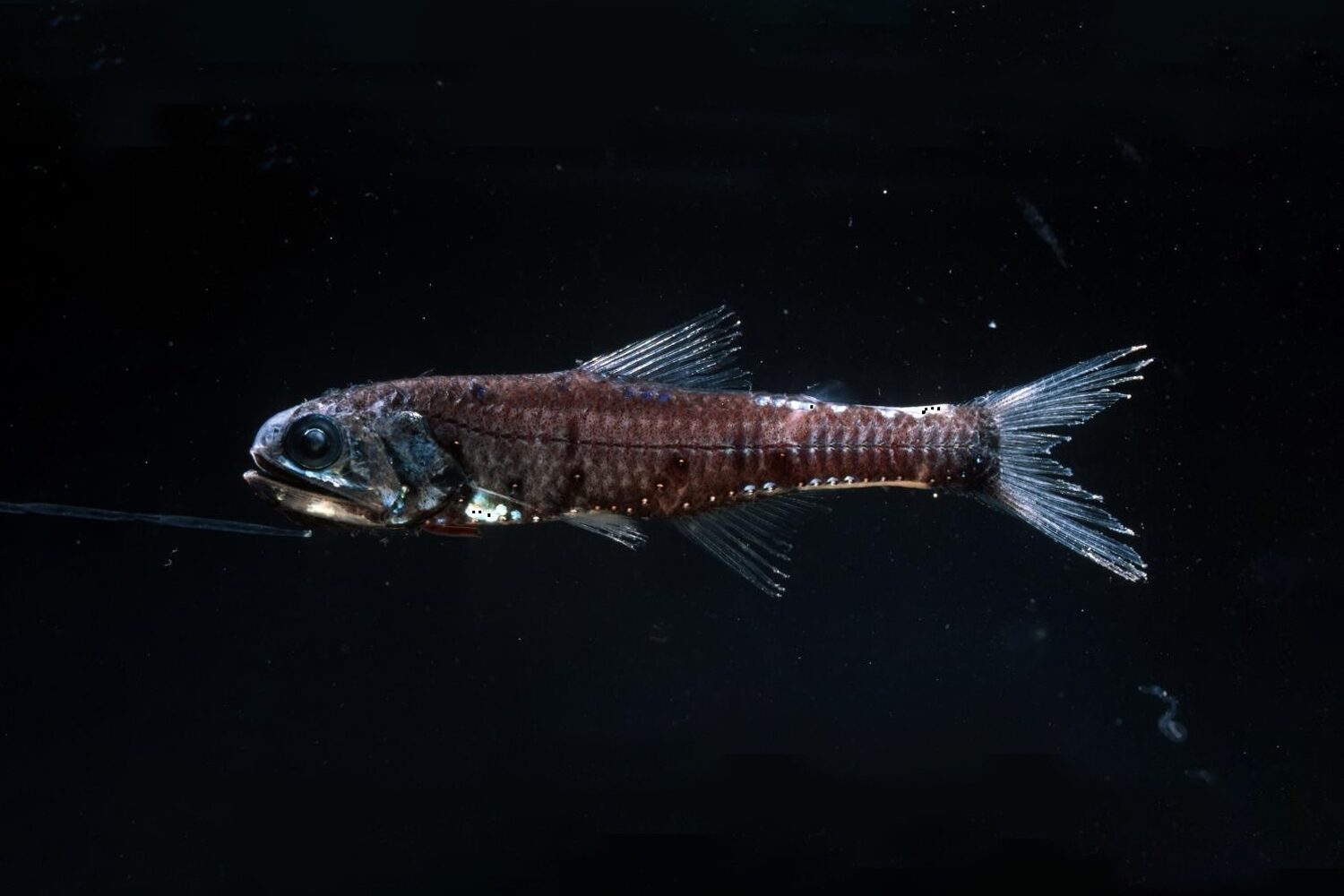
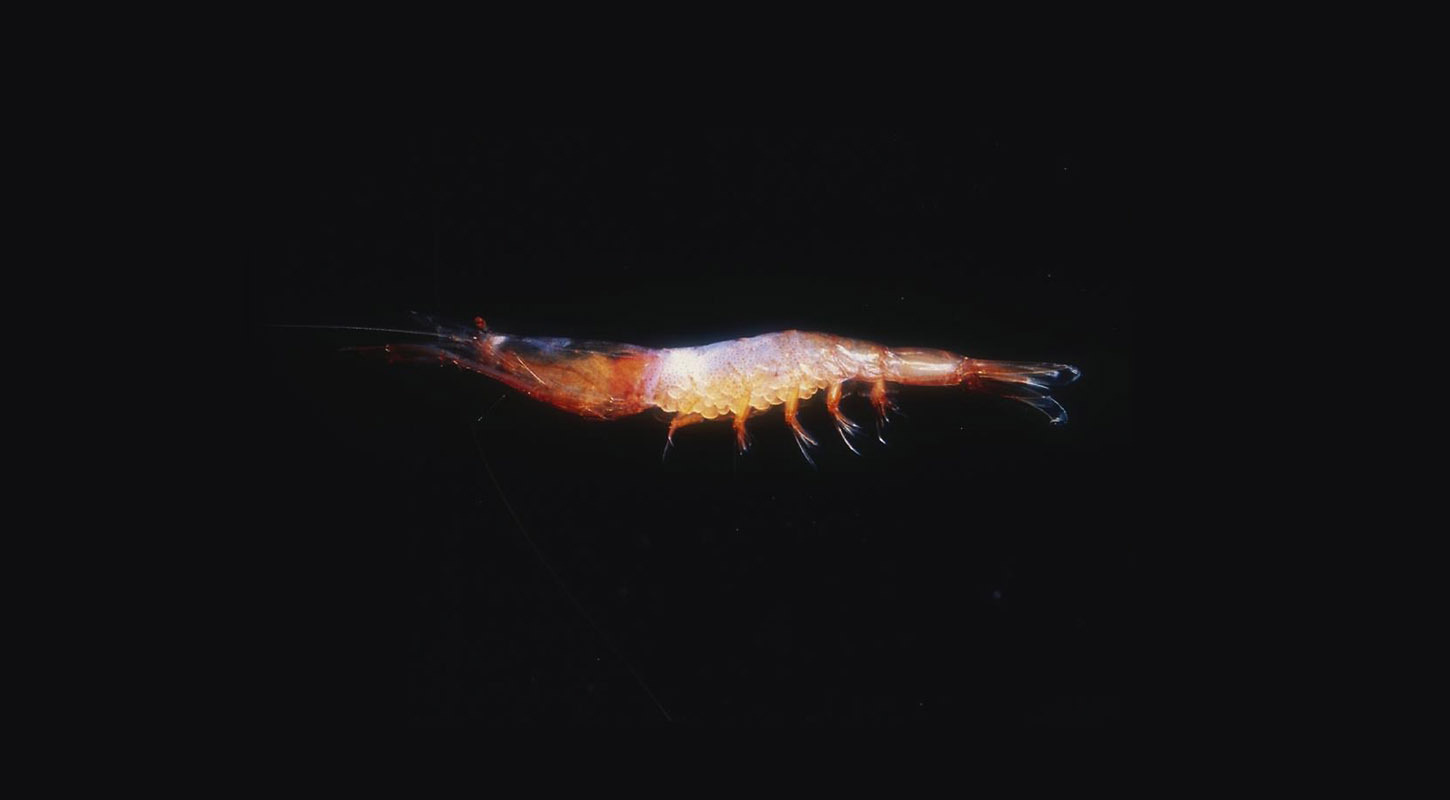
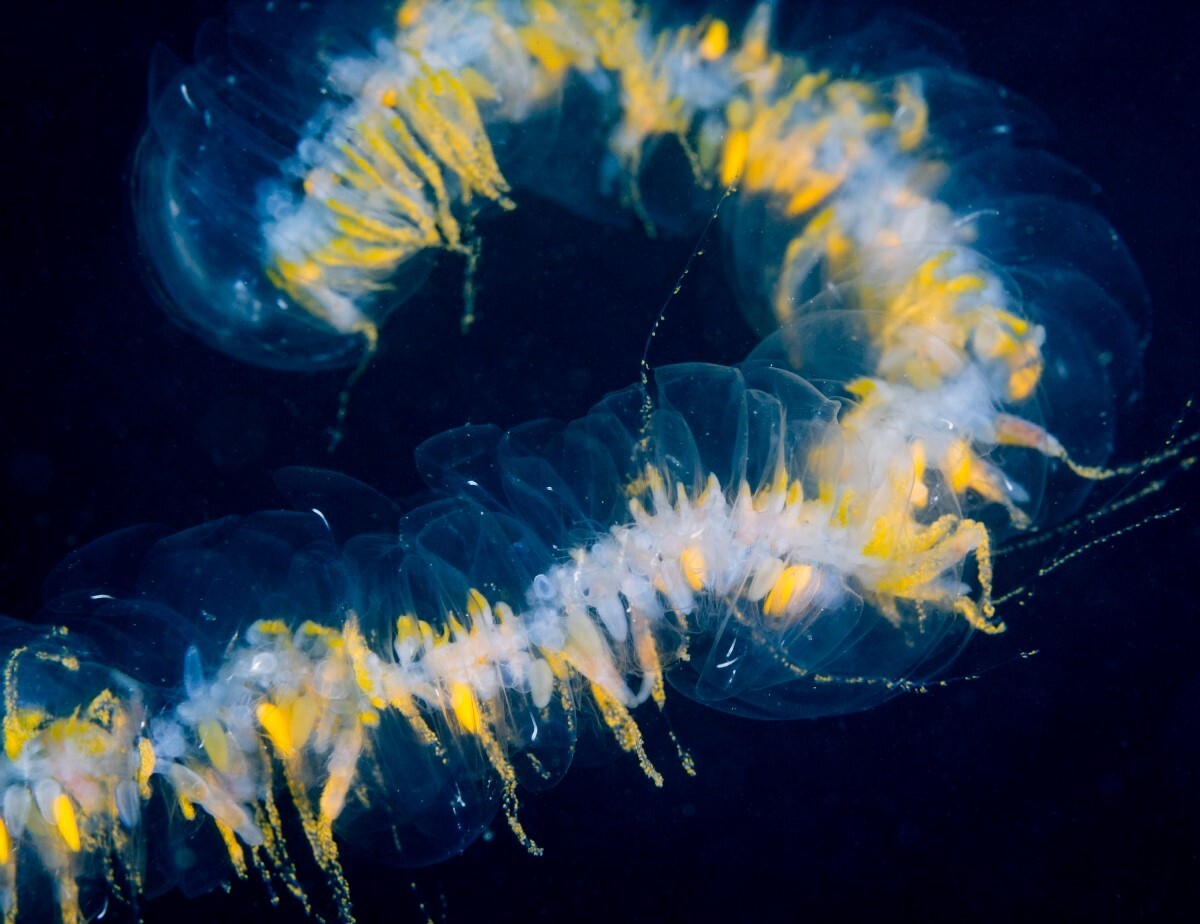
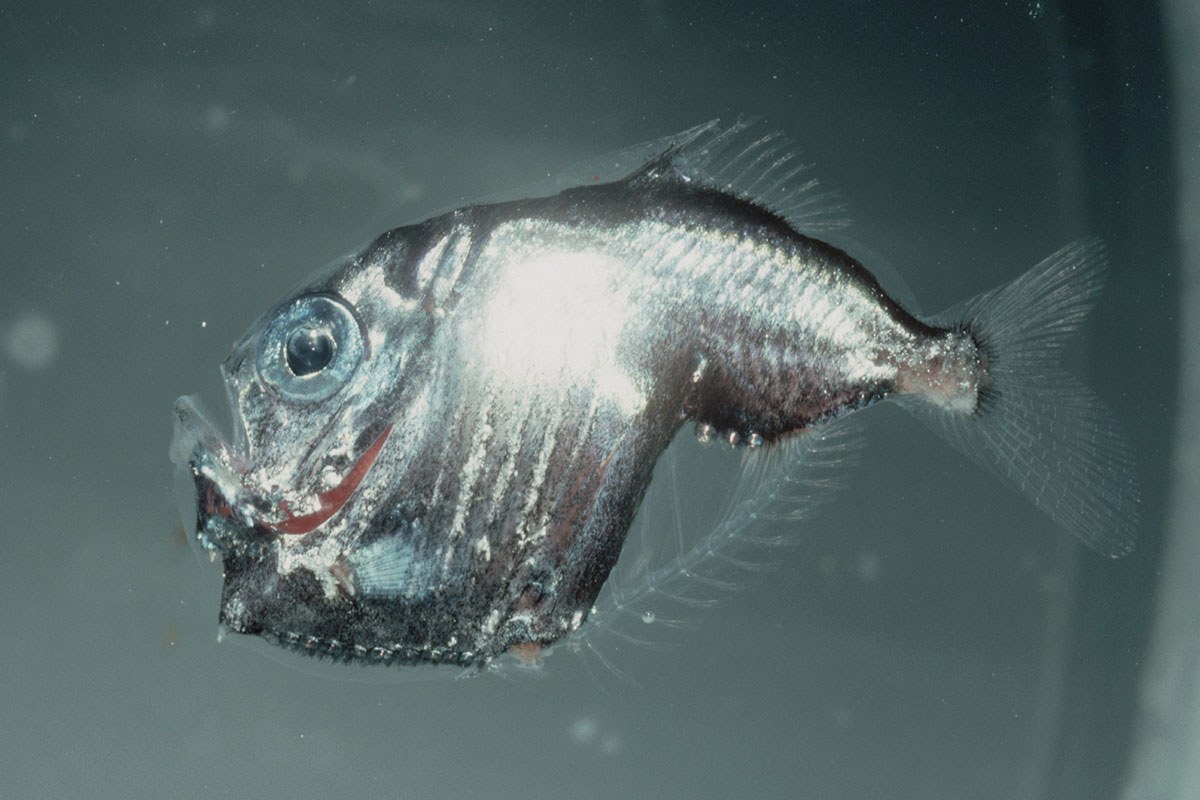
In the darkness of the deep sea, an animal’s body color can act as camouflage. Transparent midwater invertebrates like jellies seem invisible in the ocean twilight. Midwater fishes like the hatchetfish, viperfish, and lanternfish have silvery skin that reflects the dim light. Fishes like dragonfishes and pelican eels have black skin to hide them in the darkness of the deep, while red shrimps and red comb jellies appear black in the absence of red light.
Bioluminescence
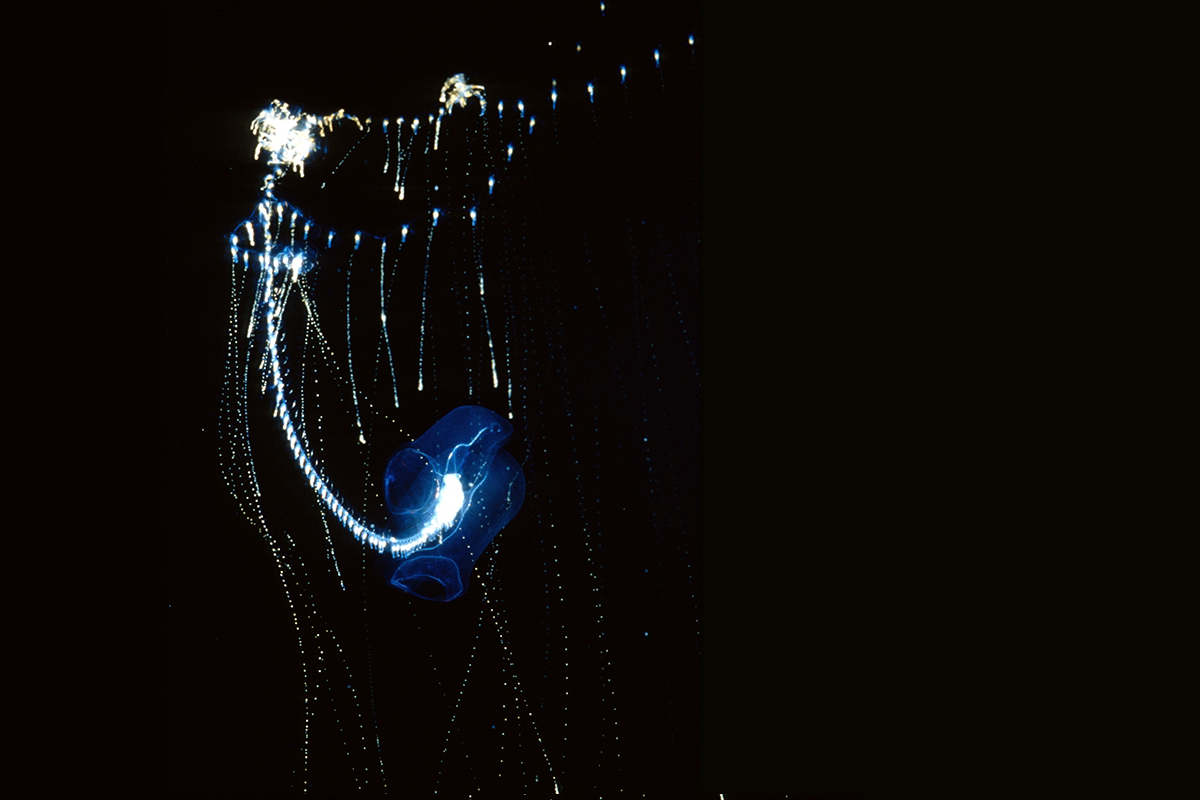
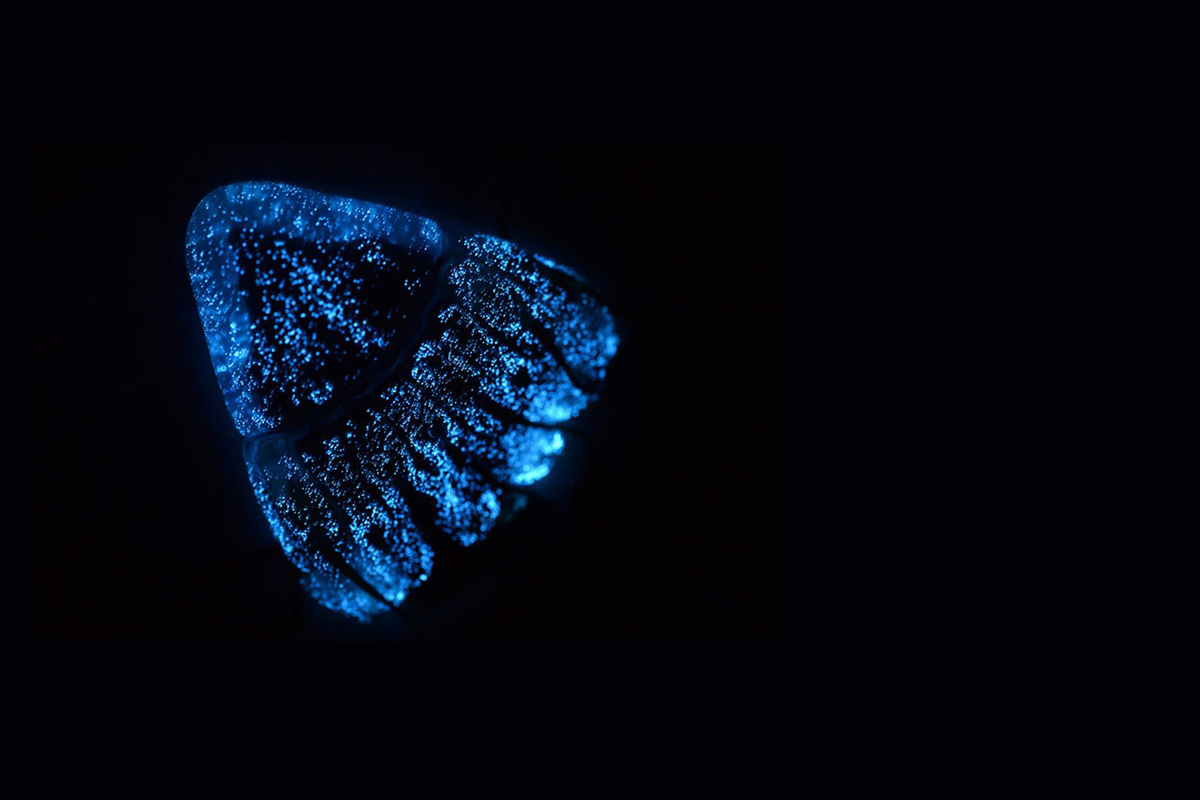
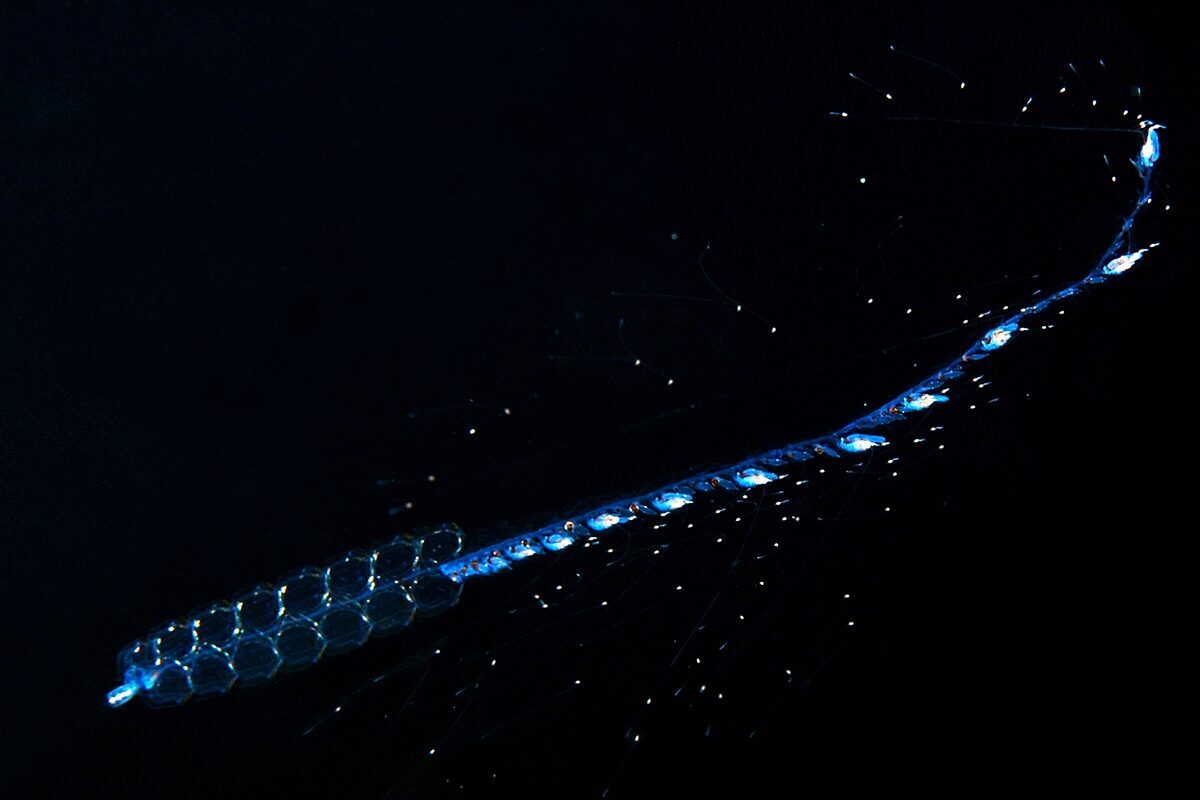
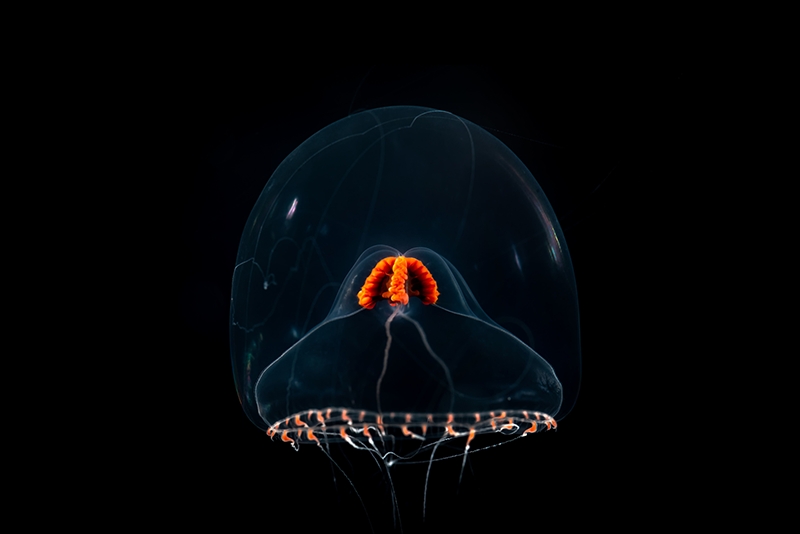
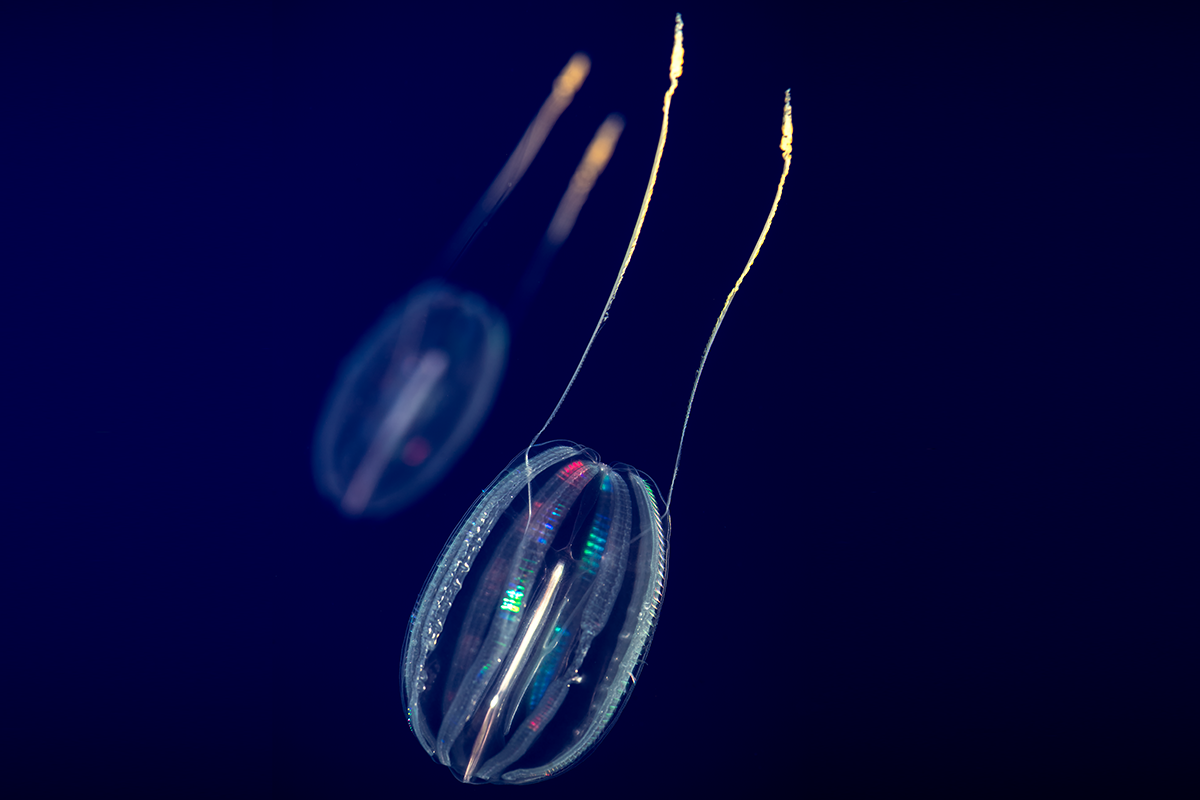
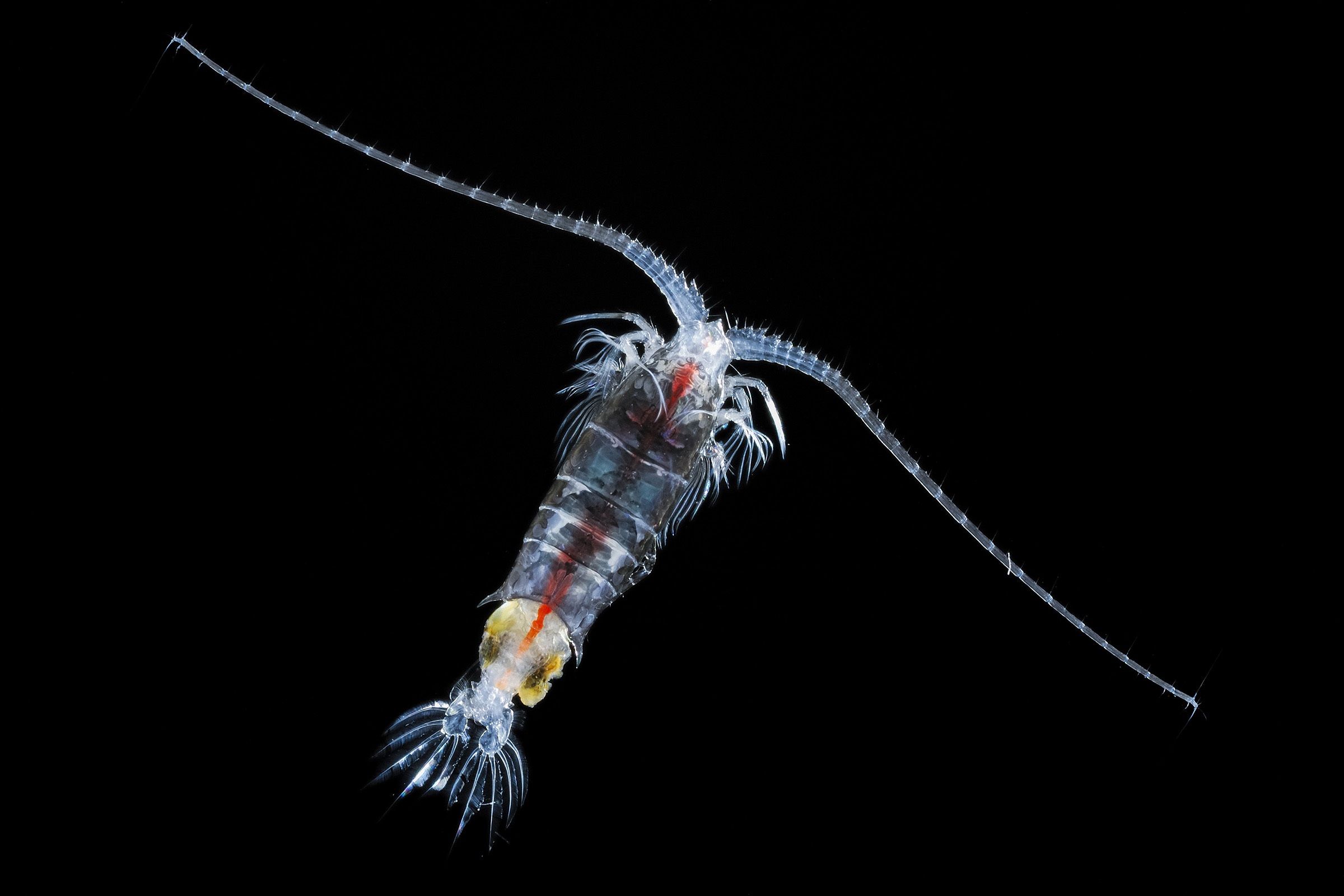
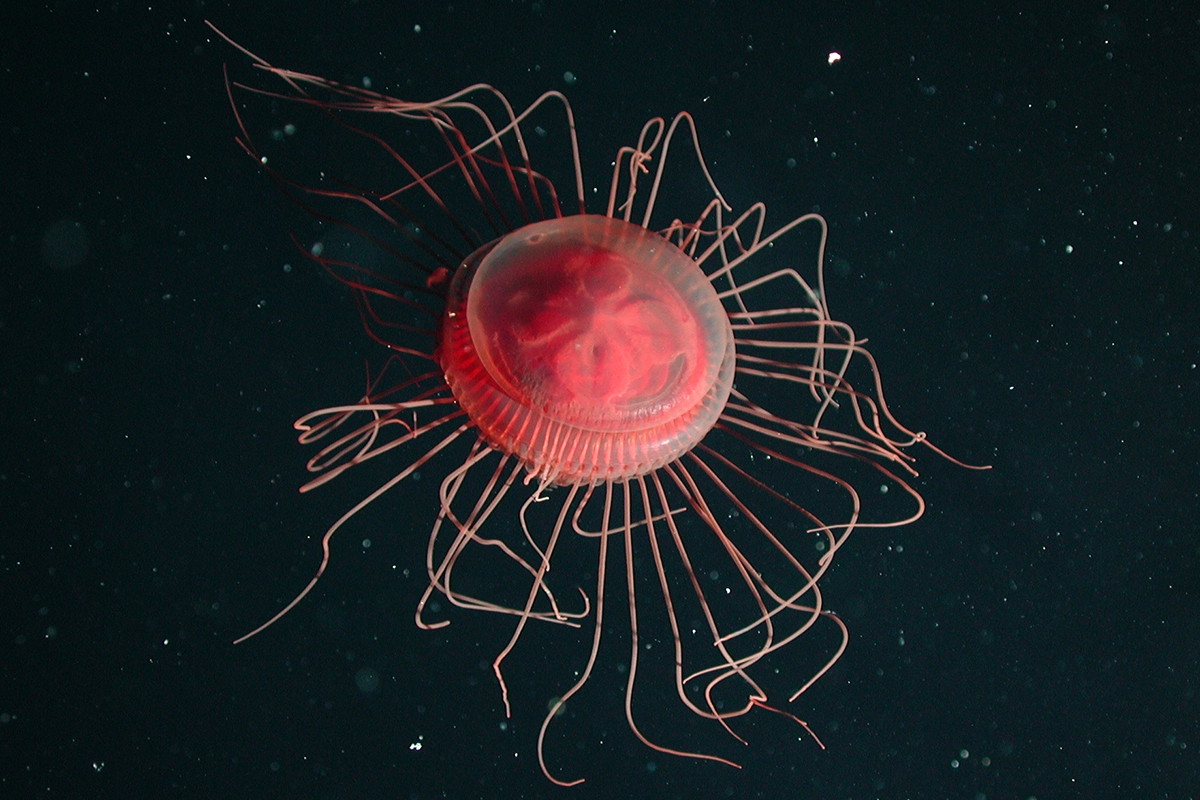
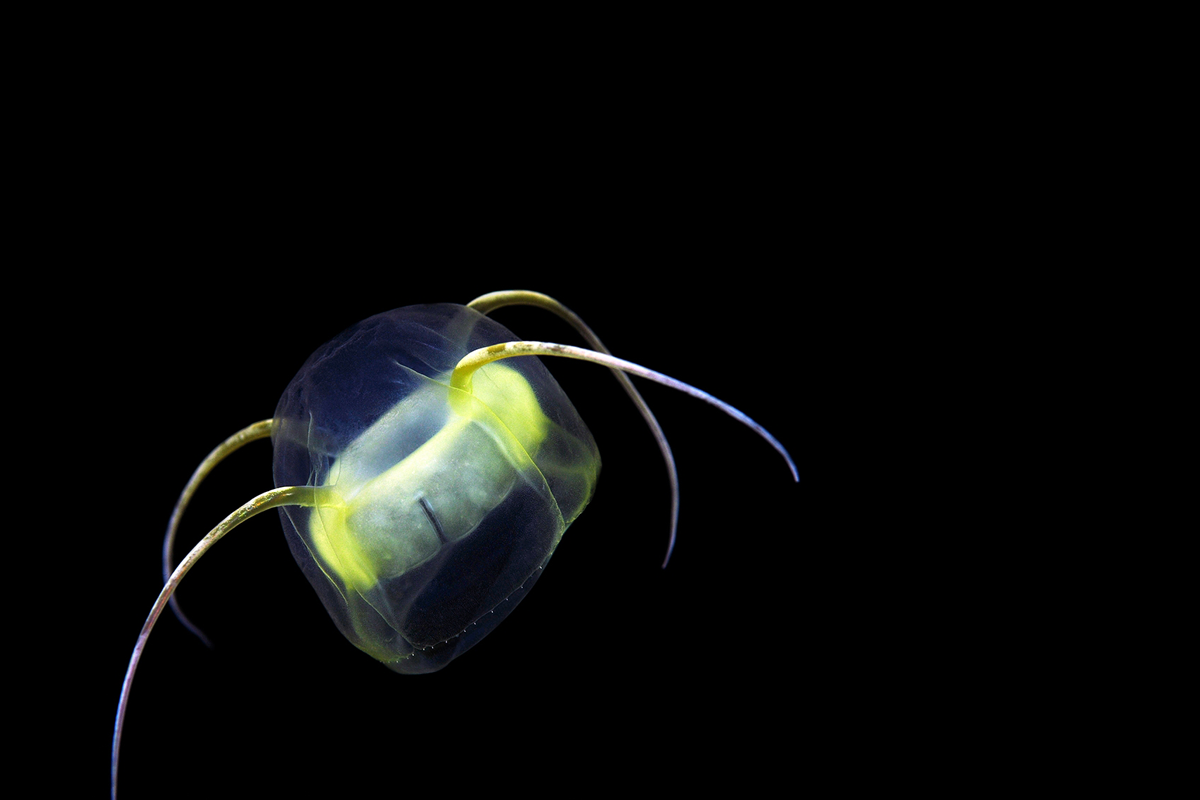
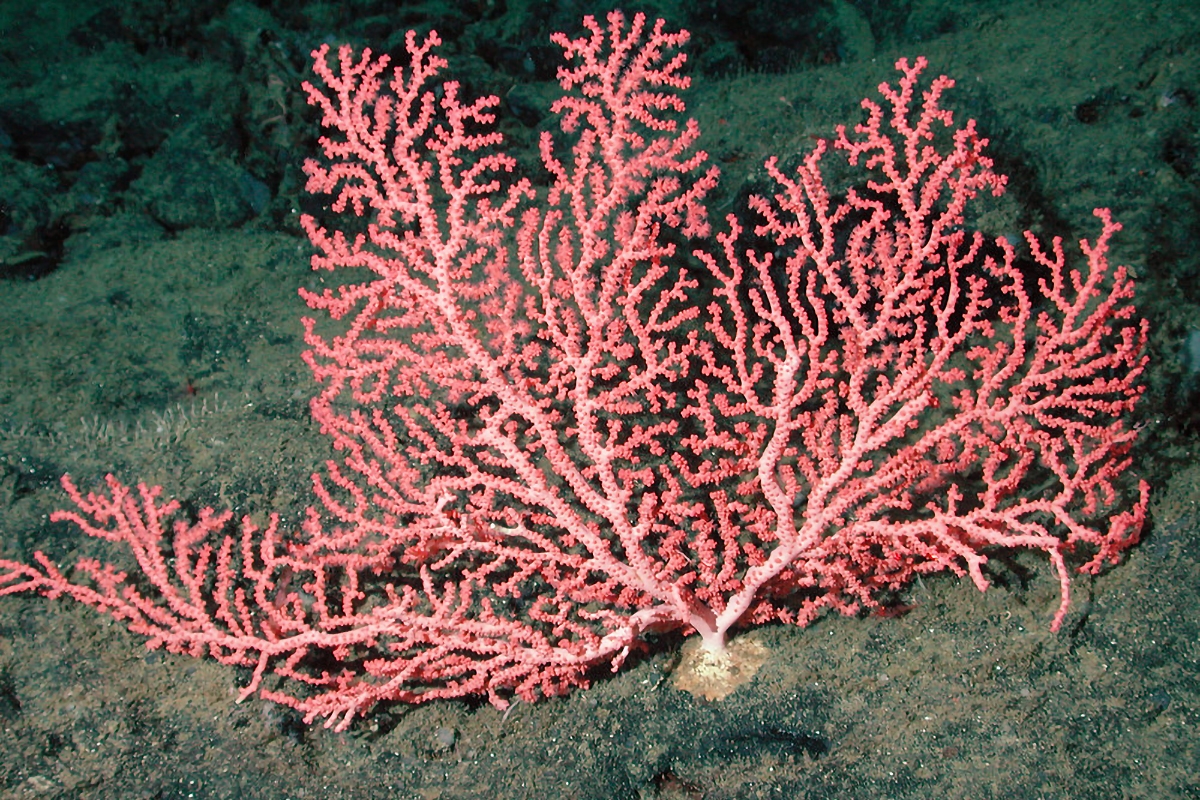
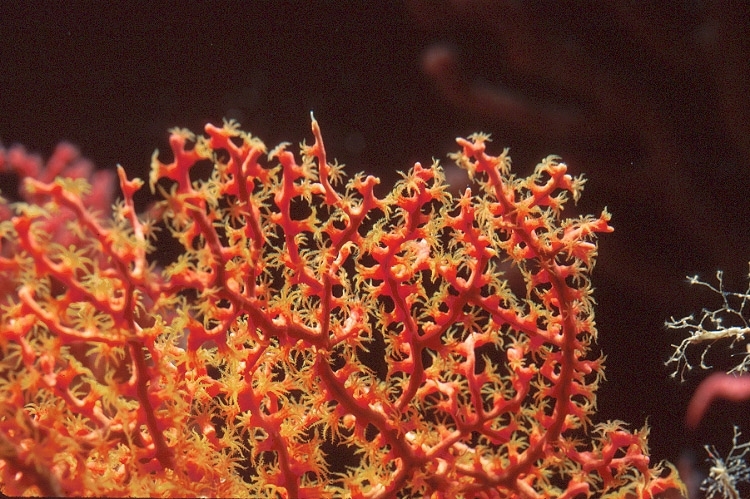
The majority of midwater species and almost half of all seafloor species in the deep sea produce their own light. This special ability is called bioluminescence. Different species of squid, jellies, fishes, worms, coral, and tiny crustaceans use bioluminescence to attract mates, lure prey, or confuse predators.
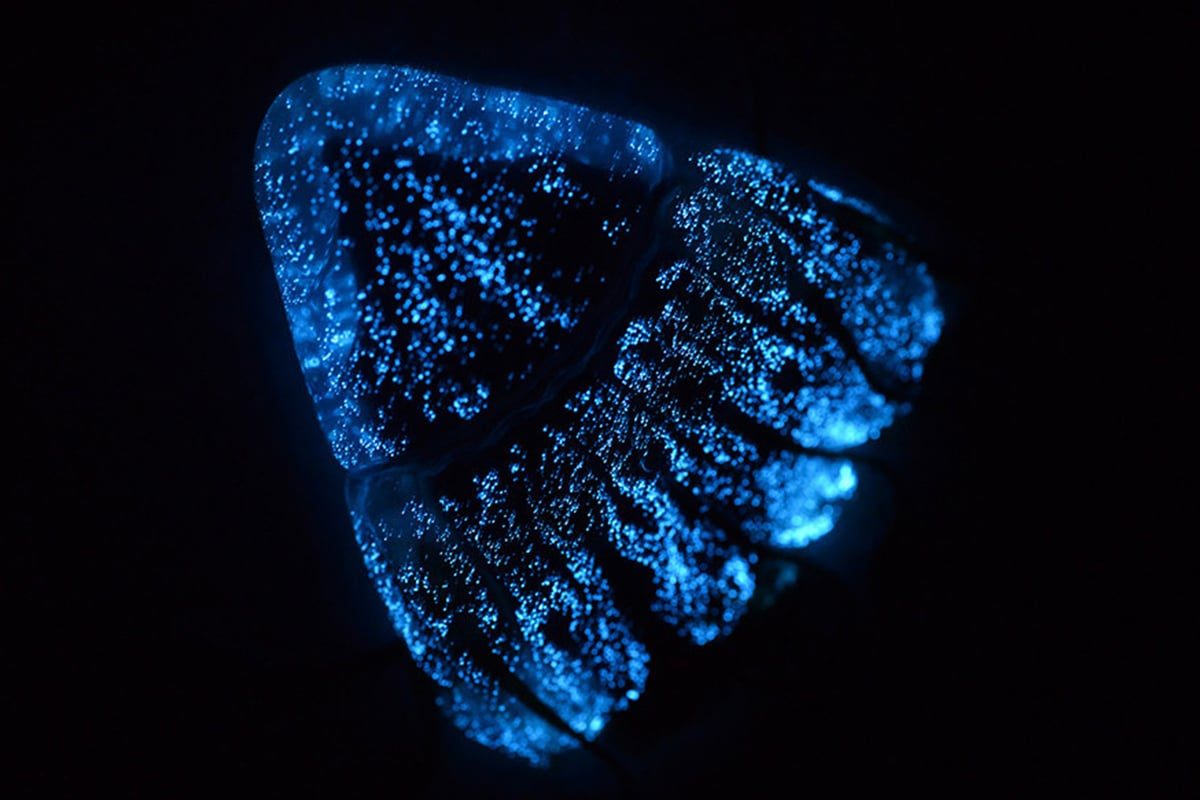
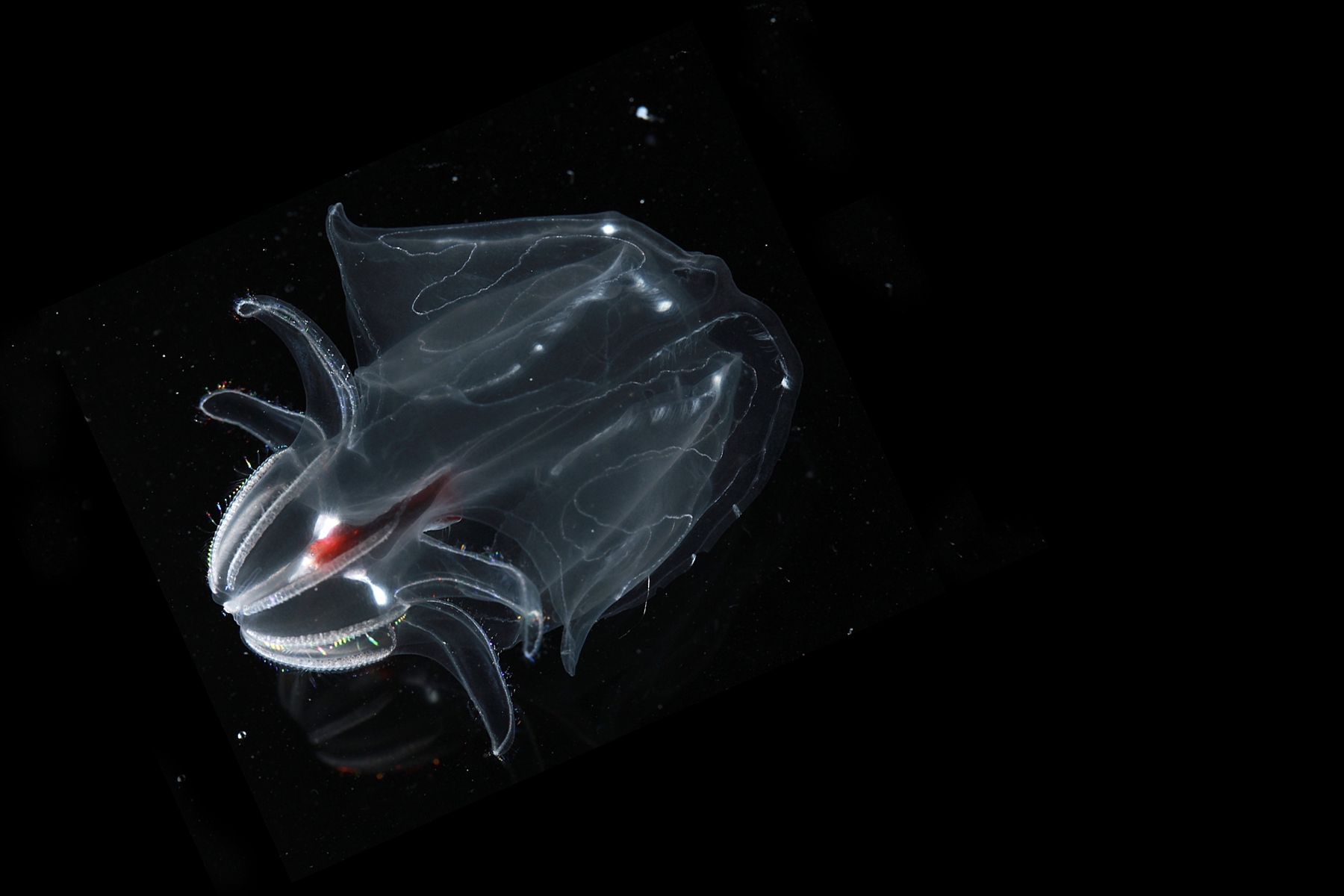
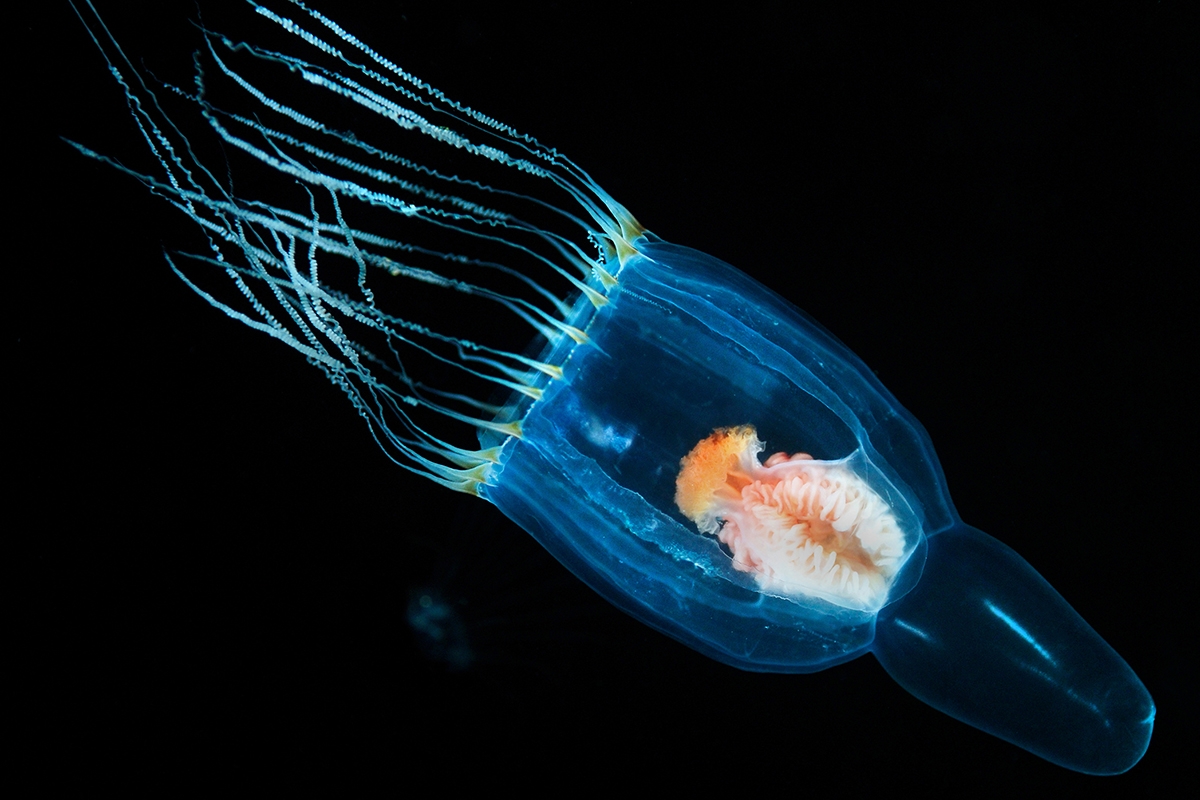
A helmet jelly glowing with bioluminescence in the dark ocean.
© S. Haddock/MBARI
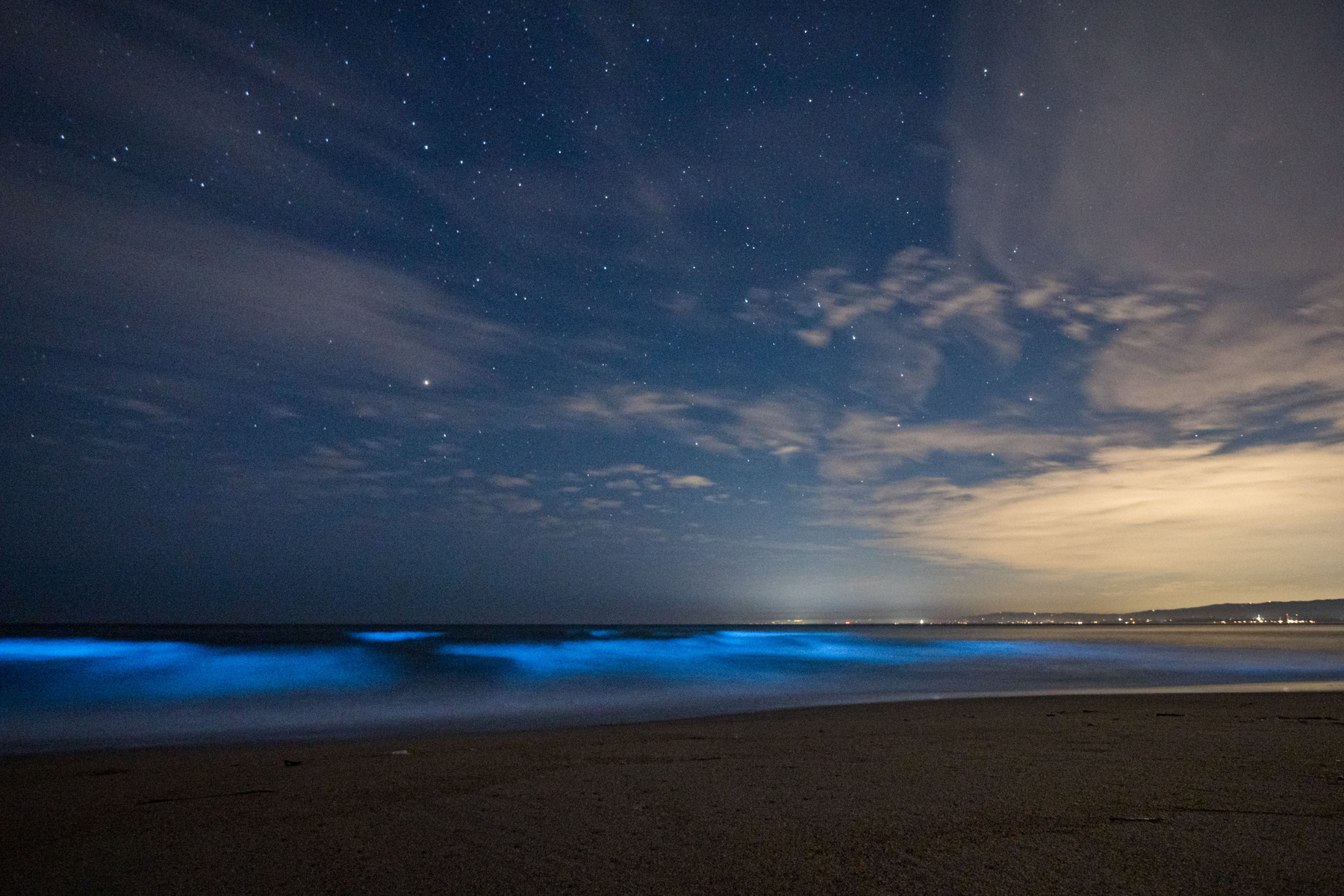
A bioluminescent dinoflagellate bloom seen along the coast in Moss Landing, near Monterey.
Things to look for and notice
Little is known about deep-sea life because it’s difficult and expensive to conduct research so far below the ocean’s surface. Scientists used to study midwater and deep-sea animals from afar by towing nets behind ships, and probing the ocean’s depths with sound. Today, new technologies are making it possible to study the animals that live here more directly.
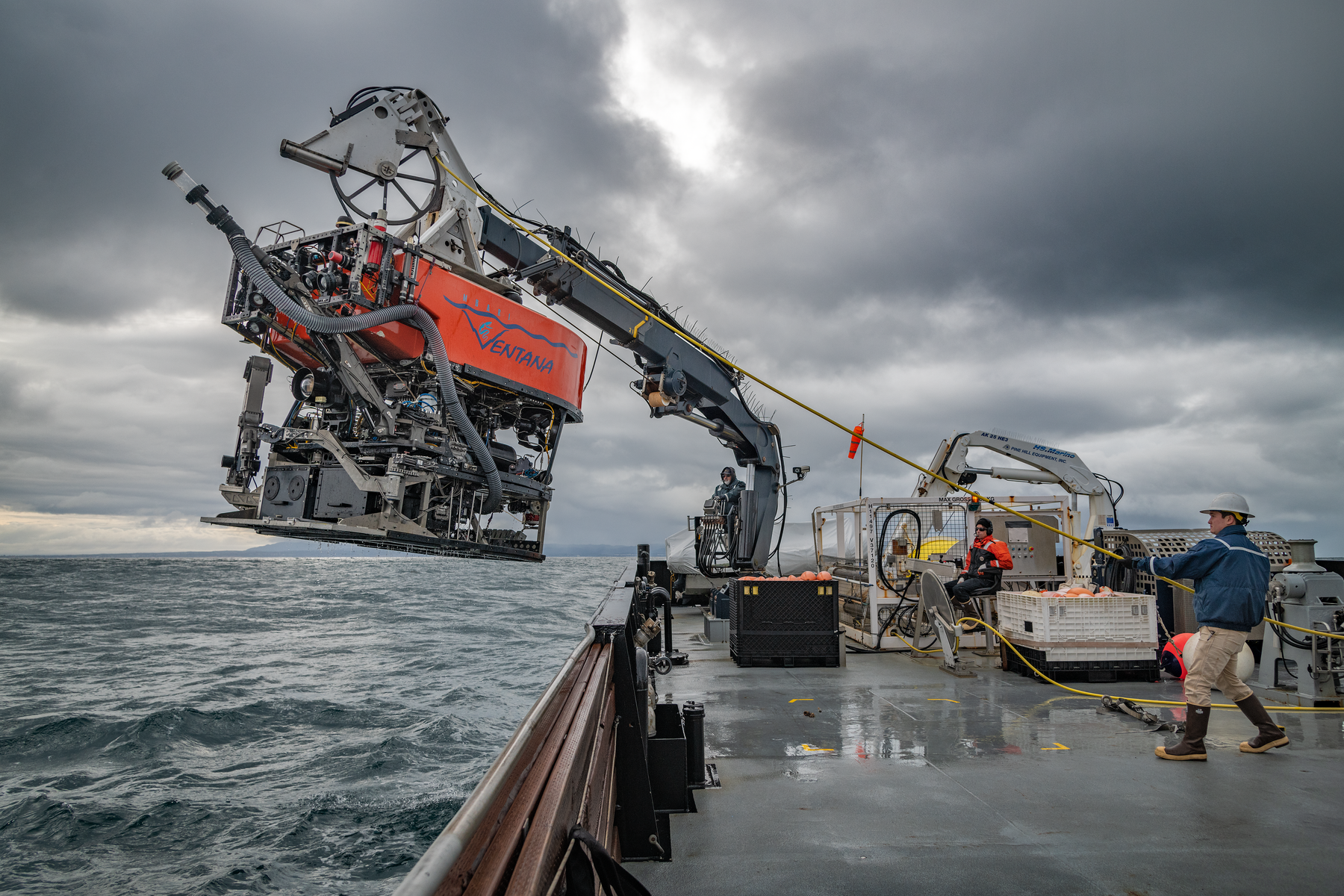
The Monterey Bay Aquarium Research Institute's (MBARI) remotely operated vehicle (ROV), Ventana, being lowered into the ocean during a research and collection trip aboard the Rachel Carson.
The Monterey Bay Aquarium Research Institute (MBARI) uses undersea vehicles to carry cameras, instruments, tools and samplers deep into the zones that make up this habitat. As a result, we’re rapidly increasing our understanding of the animals that swim or hover in the deep sea’s midwater depths, and those living on the deep sea bottom.
Advances in robotics and video technology are making the deep sea more accessible, giving even nonscientists a window into this extraordinary world. You can follow MBARI on social media to see some of the animals we encounter on our many expeditions to the deep.
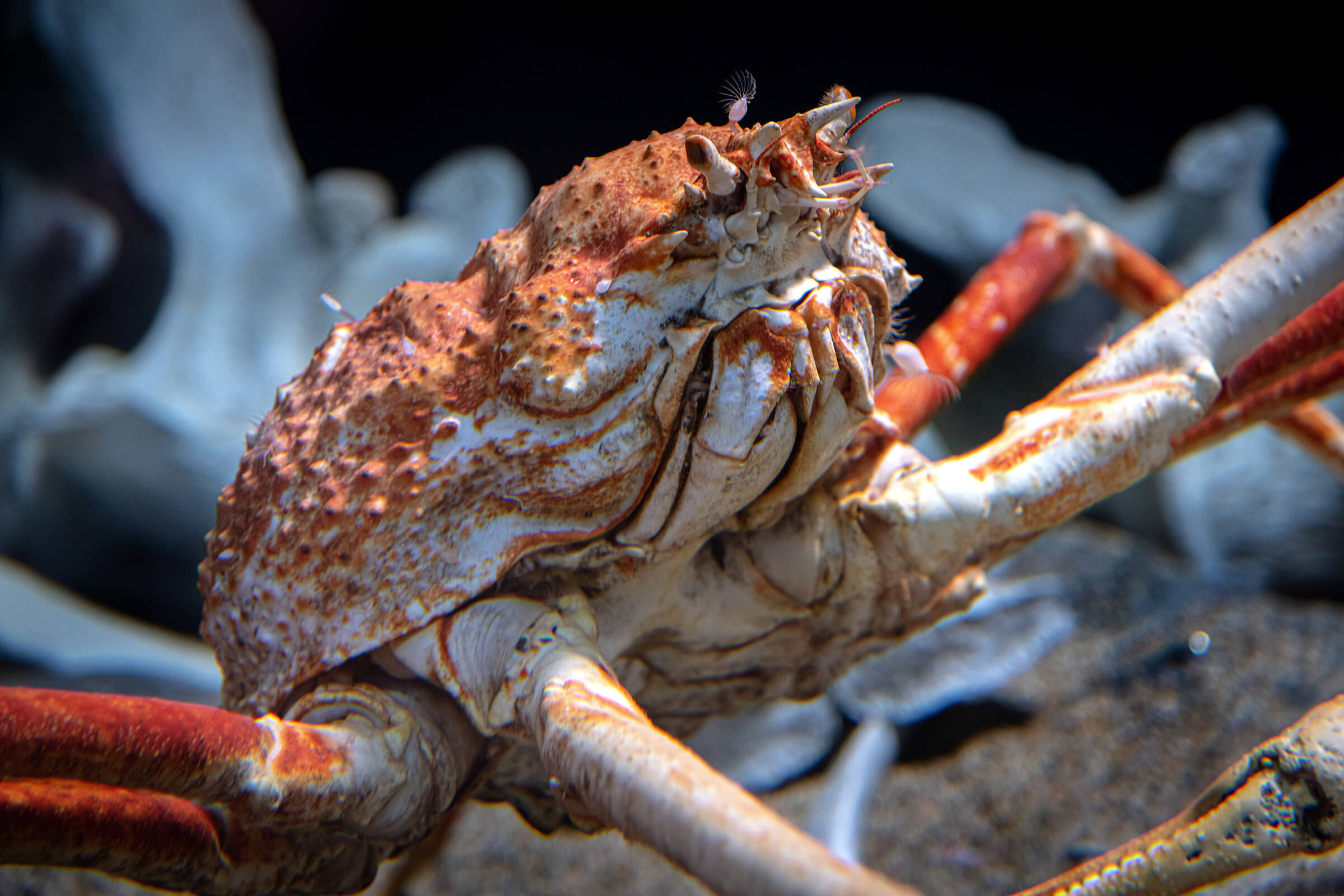
Japanese spider crab
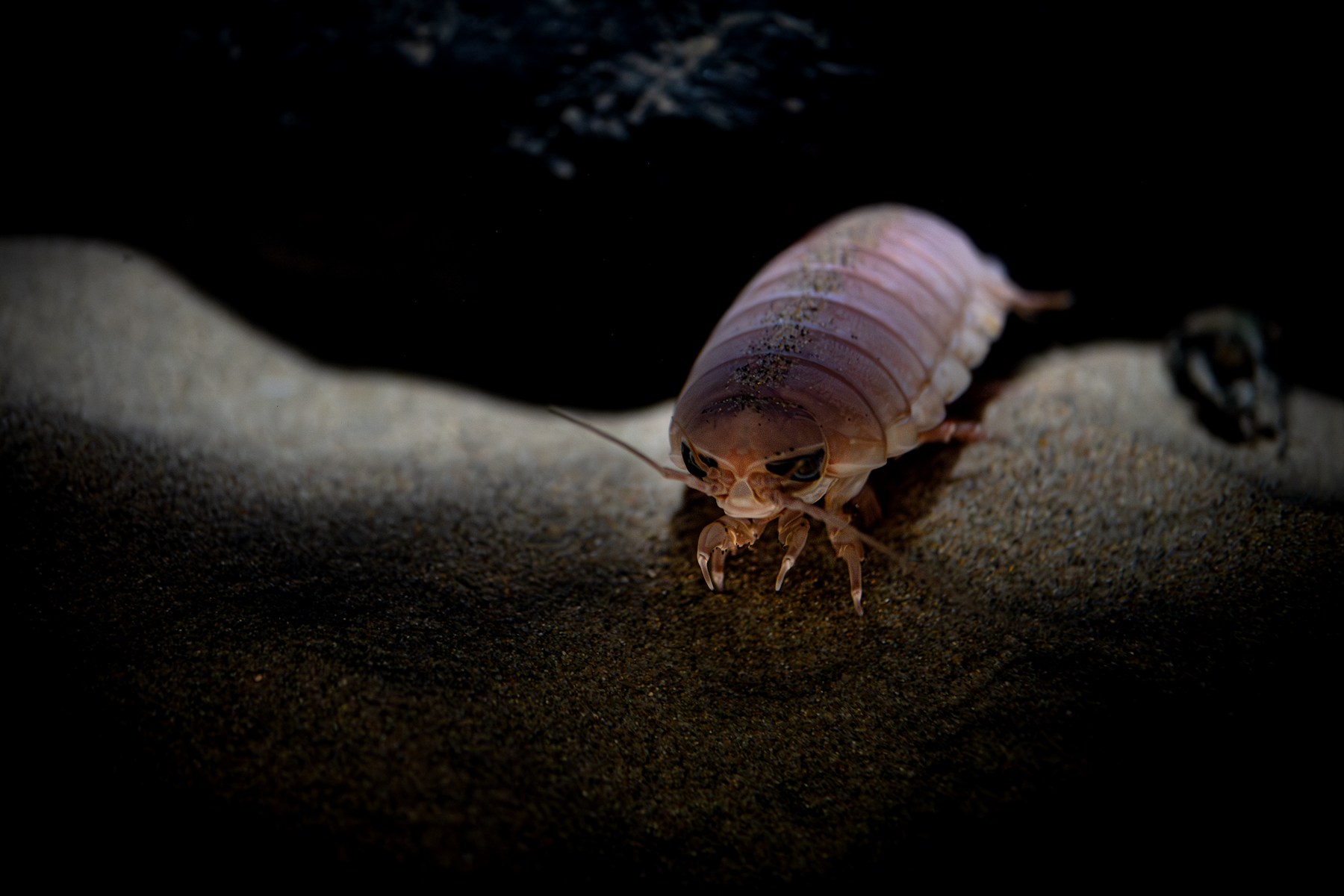
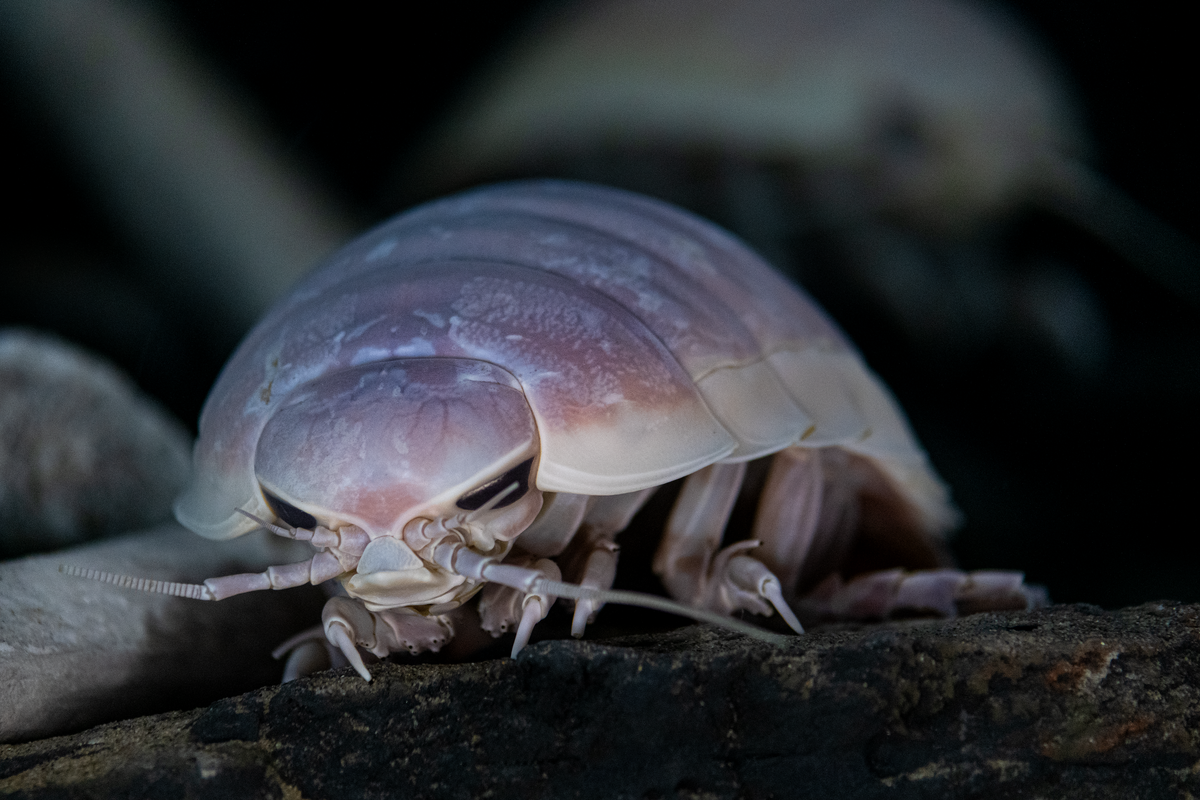
Giant isopod
How to enjoy and protect this habitat
Plastic pollution is everywhere now, even in the deep sea. Microplastics have been found on the seafloor at depths of 1,000 and 3,000 feet, and in the tissues of the creatures that live here.
You can help protect this habitat, and all of our ocean habitats, by reducing your plastic use overall. Bring your own bags, water bottles, cups and containers with you whenever you shop or eat out. Choose goods made from biodegradable materials, and pick up any plastic trash that you find on the ground. Explore our ocean conservation pages to learn more ways you can help.
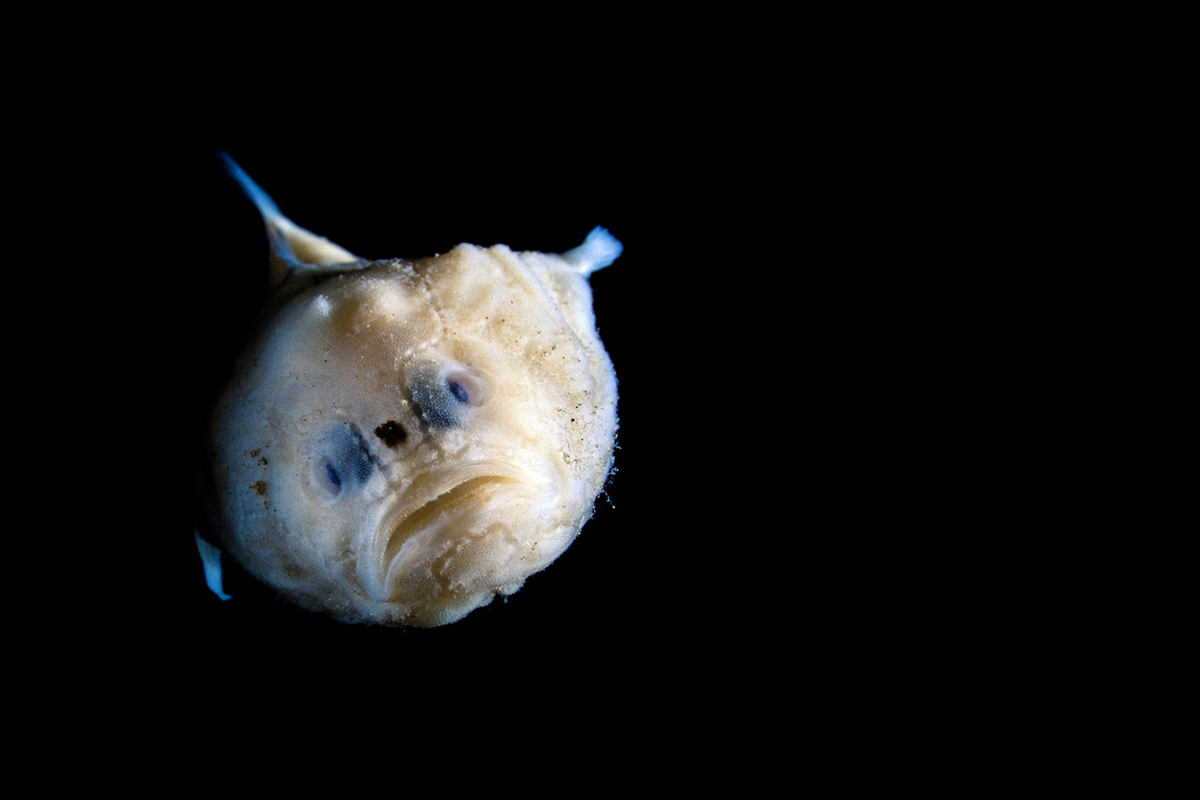
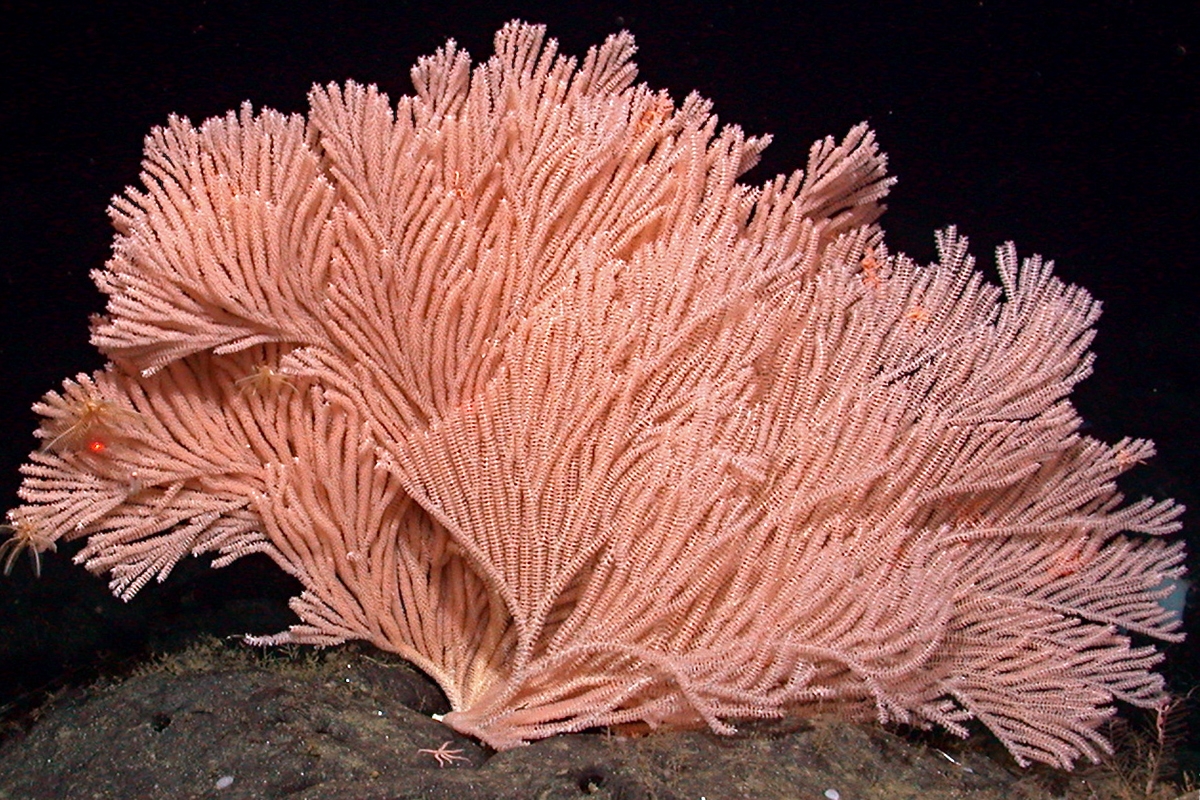
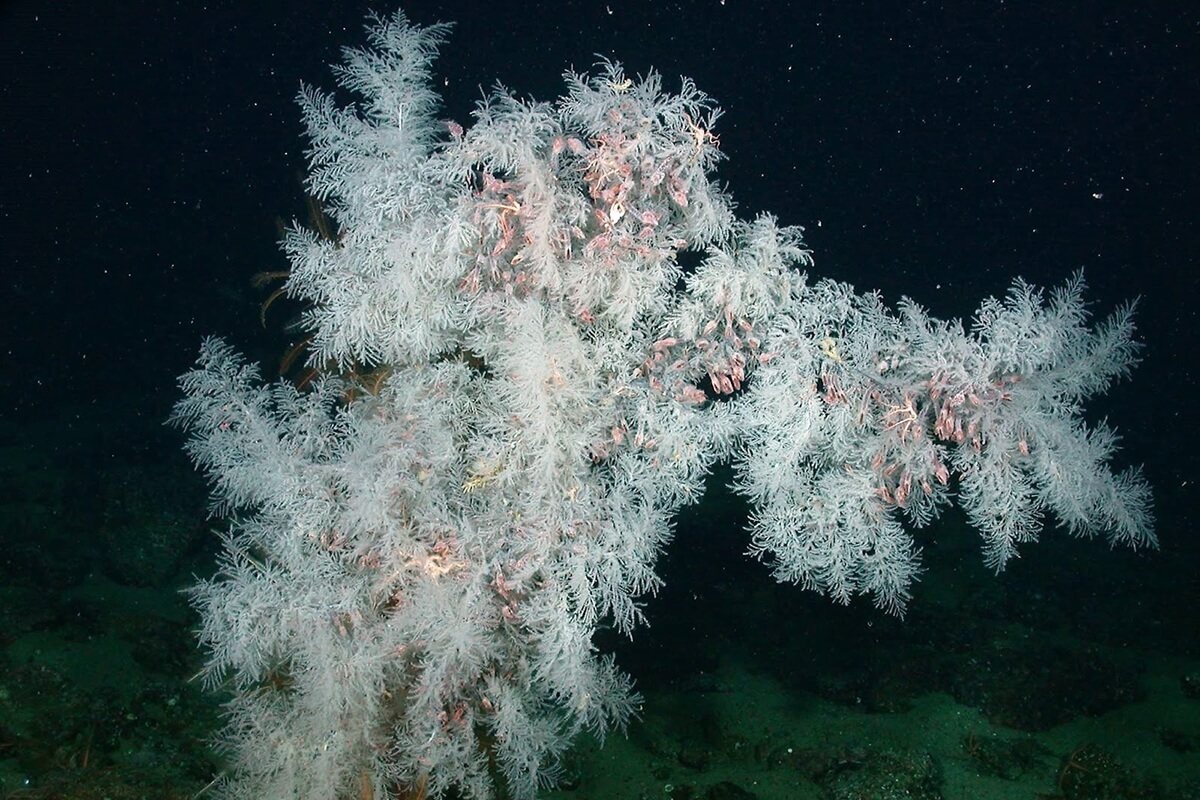
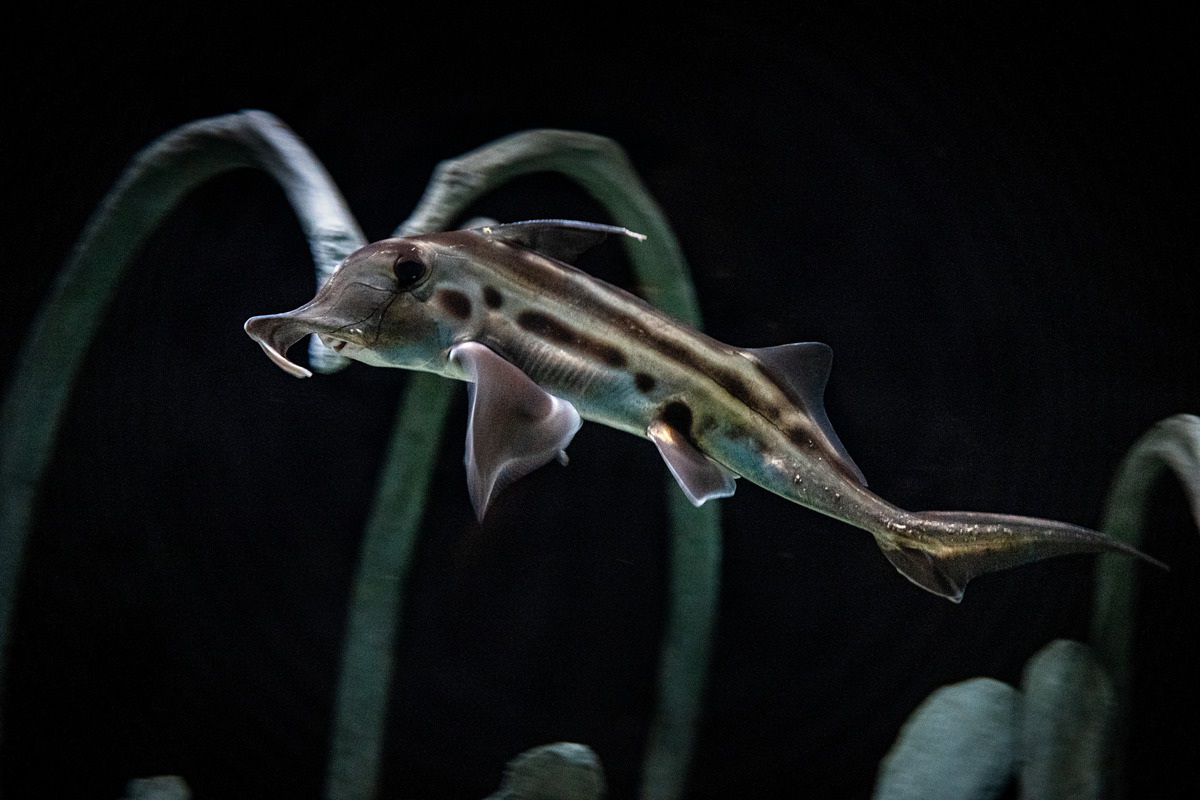
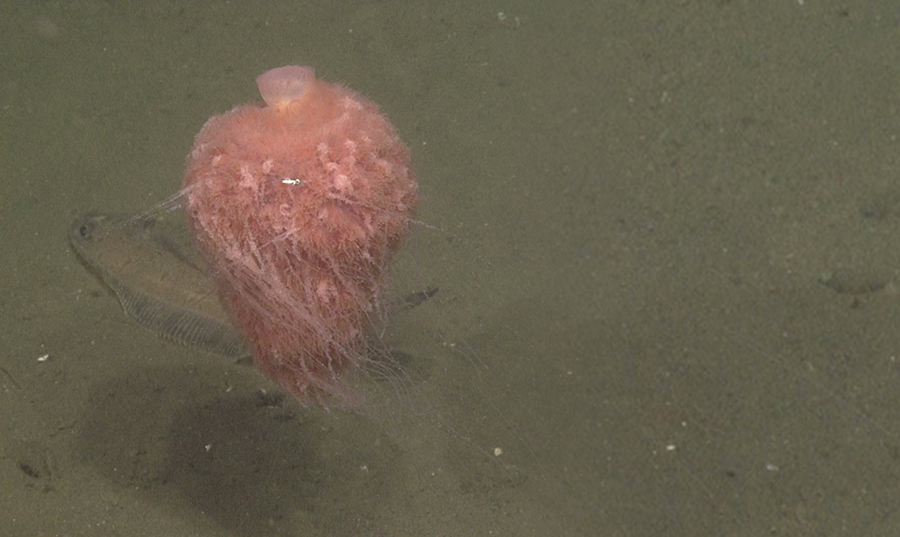
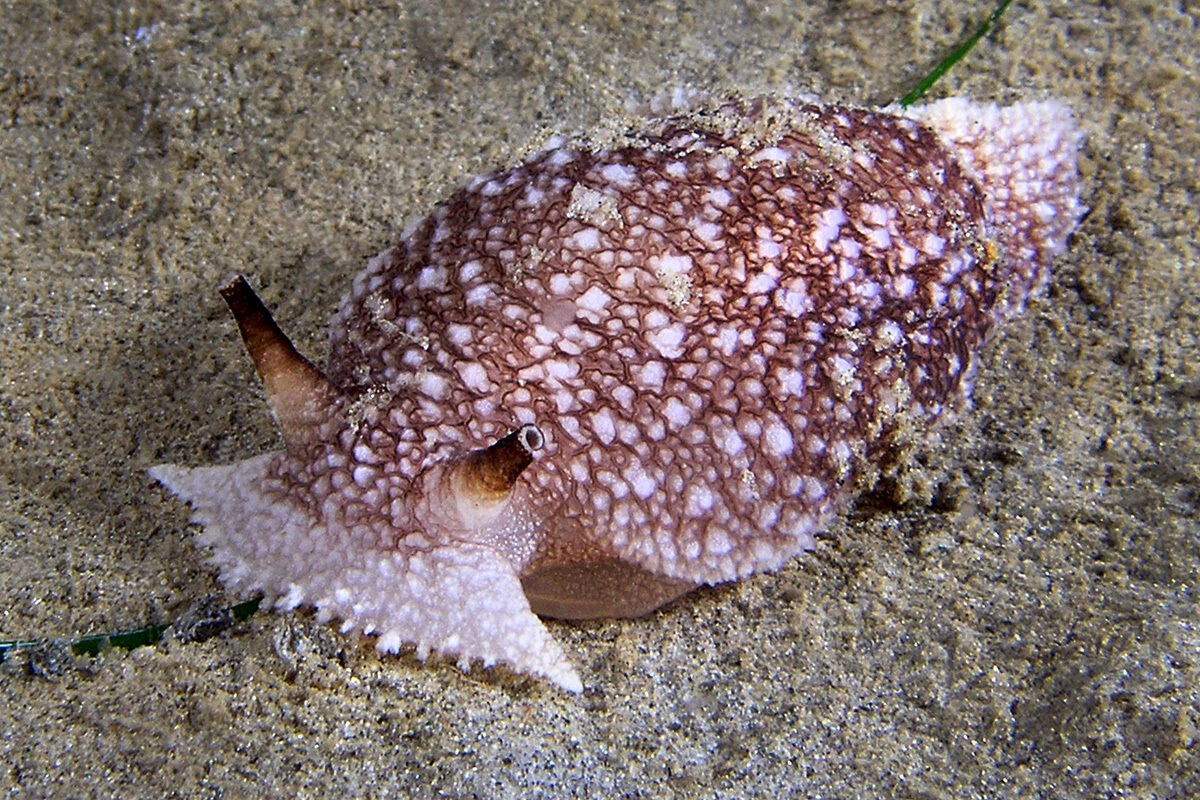
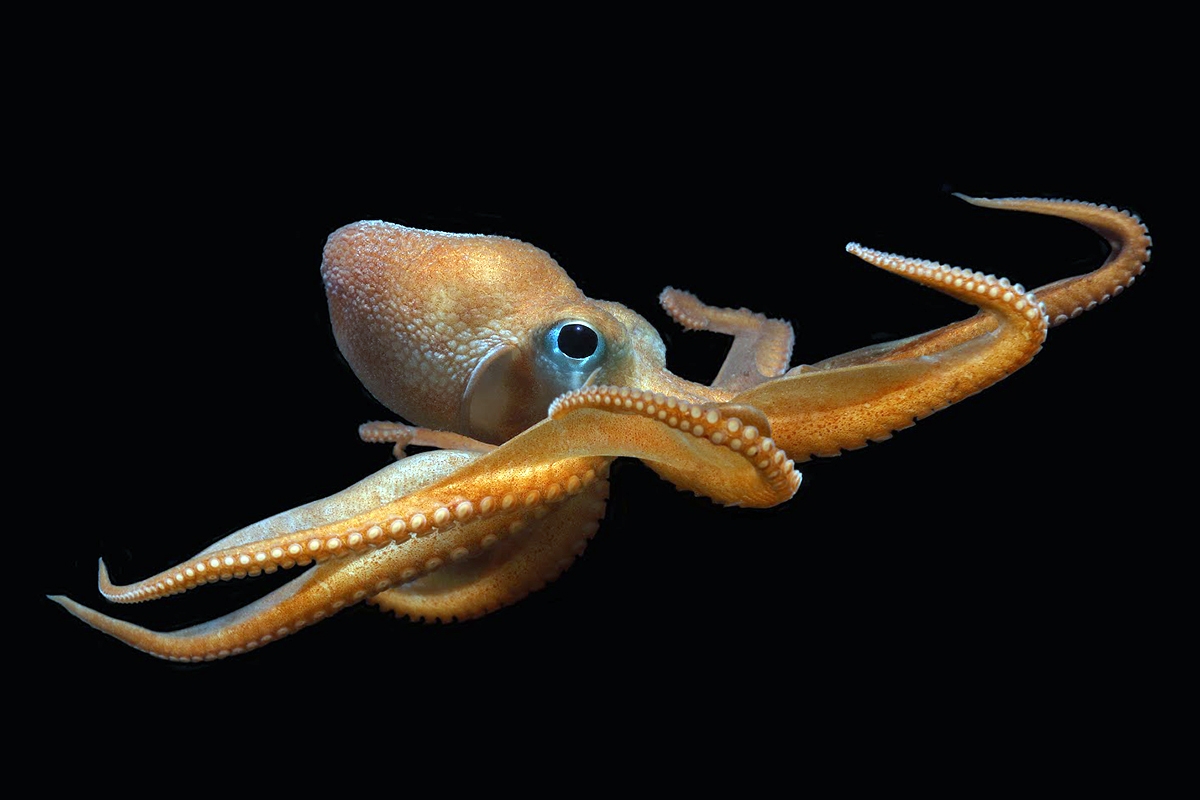
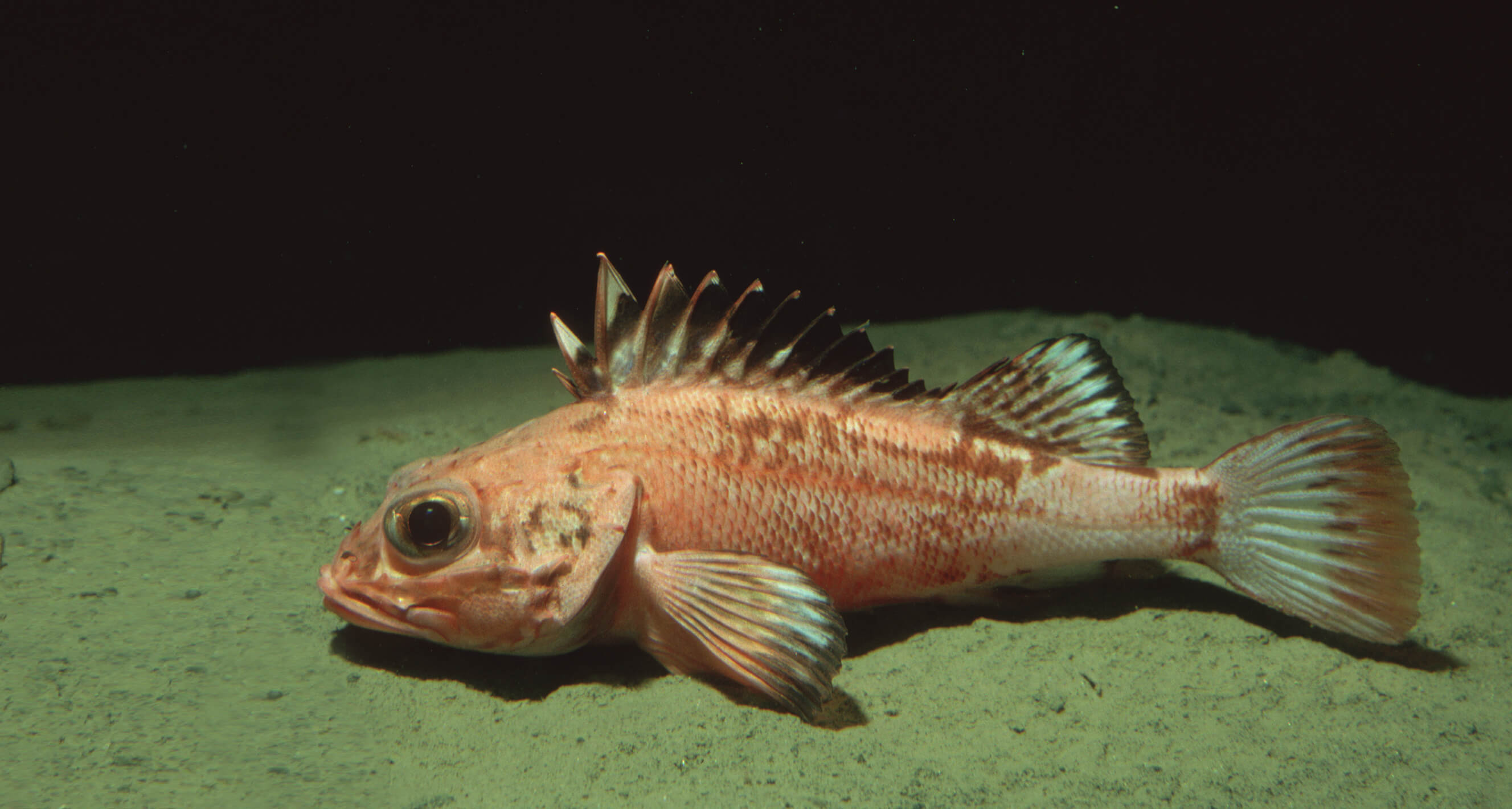
Uncover research in the deep sea
Learn more about the strange and wonderful creatures that live in the deep sea. Download a map of the Monterey Canyon, a deep-sea habitat just offshore from Moss Landing, California, that is deeper than the Grand Canyon, and follow MBARI's important work.
Explore more of the ocean
Ecosystem
Reefs & pilings
Man-made coastal structures like wharfs, piers, and jetties create artificial reefs filled with marine life.