

Harbor seal
Phoca vitulina
- Not on exhibit
- Animal type
- Marine mammals
- Ecosystem
- Coastal waters
- Relatives
- Ringed seals, bearded seals; Order: Pinnipedia; Family: Phocidae
- Diet
- Fishes, squid, octopus and crustaceans
- Range
- Temperate and subarctic coastal areas on both sides of the north Atlantic and north Pacific Oceans
- Size
- Males up to 6.3 feet (1.9 m) and 370 pounds (168 kg); females up to 5.7 feet (1.8 m) and 290 pounds (132 kg)
Meet the harbor seal
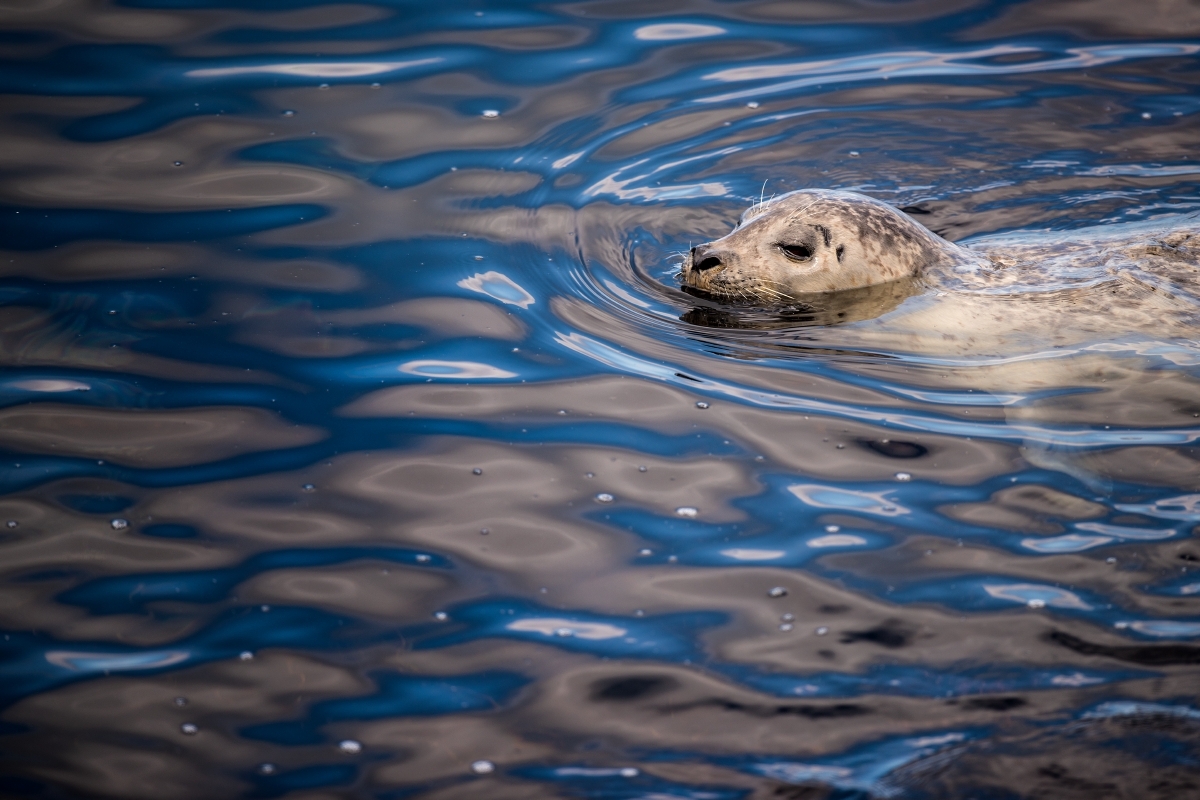
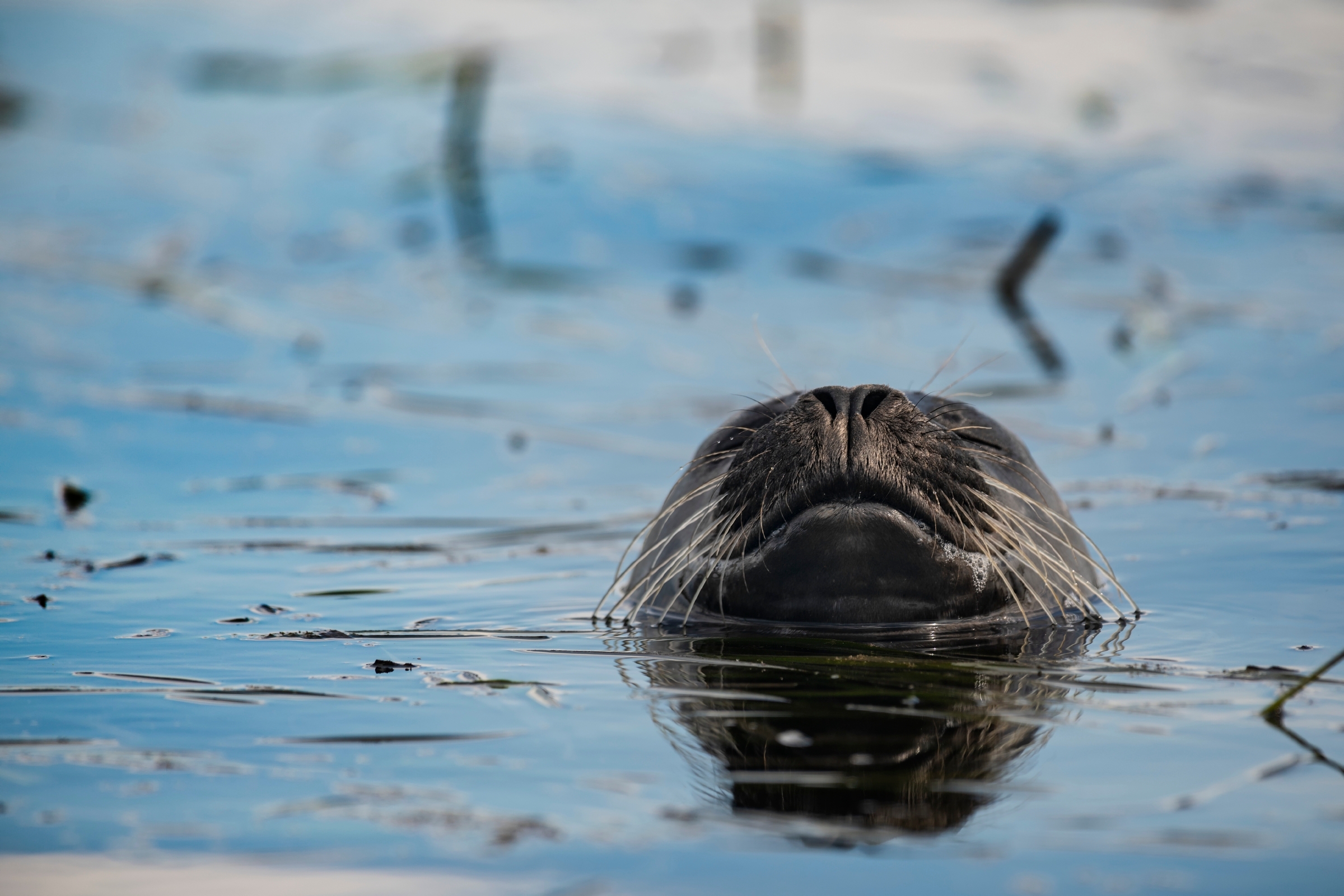
Awkward and cumbersome on land, harbor seals maneuver with grace and agility in the water. They can even sleep with their bodies nearly submerged in water, exposing only the tips of their noses to the air—a posture called “bottling.”
Natural history
Harbor seals forage in a variety of marine habitats, including deep fjords, coastal lagoons, kelp forests, estuaries and rocky coastal areas. Small groups of harbor seals haul out in protected shoreline areas to breed, moult and rest.
Conservation
There is currently no commercial hunting of harbor seals, but some native subsistence hunting of seals still occurs. Because they compete for many of the same species of fish, harbor seals are sometimes killed by commercial fishermen. Seals can also become entangled and drown in fishing nets and gear.
Contaminants from oil spills, wastewater discharges, urban runoff, and plastic trash can move up the food chain and accumulate in large predators like harbor seals. Because of their stores of fat, harbor seals accumulate these contaminants in their bodies. This build up of toxins can harm their immune and reproductive systems.
Related videos
Harbor seal critter corner

Cool facts
- Right next door to the Aquarium is a harbor seal breeding and birthing haul-out site—Hopkins Marine Station.
- Mother harbor seals raise their pups in groups with other mothers to help protect their seal pups from predators.
- Within five minutes of being born, a harbor seal pup has the ability to follow its mother into the water. During its first weeks of life, a pup will often ride on its mother’s back in the water and during dives.
- Some harbor seals spend much of their time in freshwater, either far up rivers or in lakes.
Up next in coastal waters
Animal
Common thresher shark
Keep exploring
Animal
Sea otter
Beyond their cute faces and fluffy fur, sea otters play an irreplaceable role in their coastal habitats.