

Coastal waters
Coastal waters are broad habitats that extend from the shoreline to within 200 nautical miles of the coast.
Many ocean animals seek out coastal habitats to hunt and forage for food, give birth, and raise their young. Coastal currents and pollution from land heavily influence these areas.
Related exhibits and live cams
Exhibit
Life on the Bay
Our Life on the Bay exhibit offers a great vantage point to spot wildlife, from sea otters to humpback whales.
Explore exhibit – Life on the Bay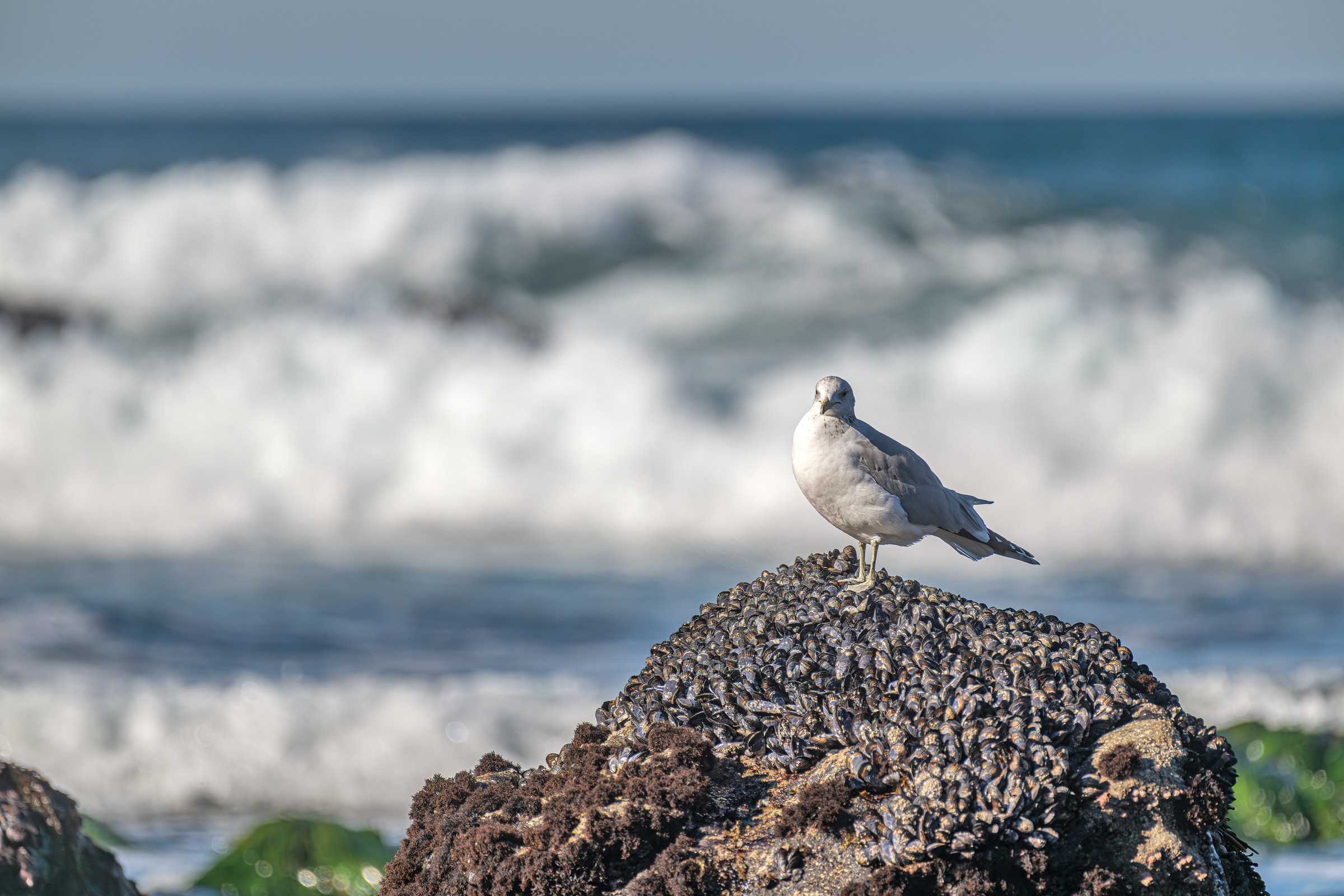
Live cam
Monterey Bay Cam
Watch our live web cam of Monterey Bay and look for otters, birds, and sailboats on Monterey Bay.
Watch cam – Monterey Bay CamHow species adapt
Often called "nearshore" waters, coastal waters overlap with and include other well-known habitats: beaches and dunes, sandy seafloors, rocky shores, kelp forests, and coastal wetlands. By looking at these habitats collectively as part of the larger coastal waters habitat, we can get a better idea of how each is intricately connected.
Coastal waters are unique places where we can experience, view and study ocean animals in their own realm—feeding, resting, playing, traveling and living in their natural environment.
Seasonal visitors
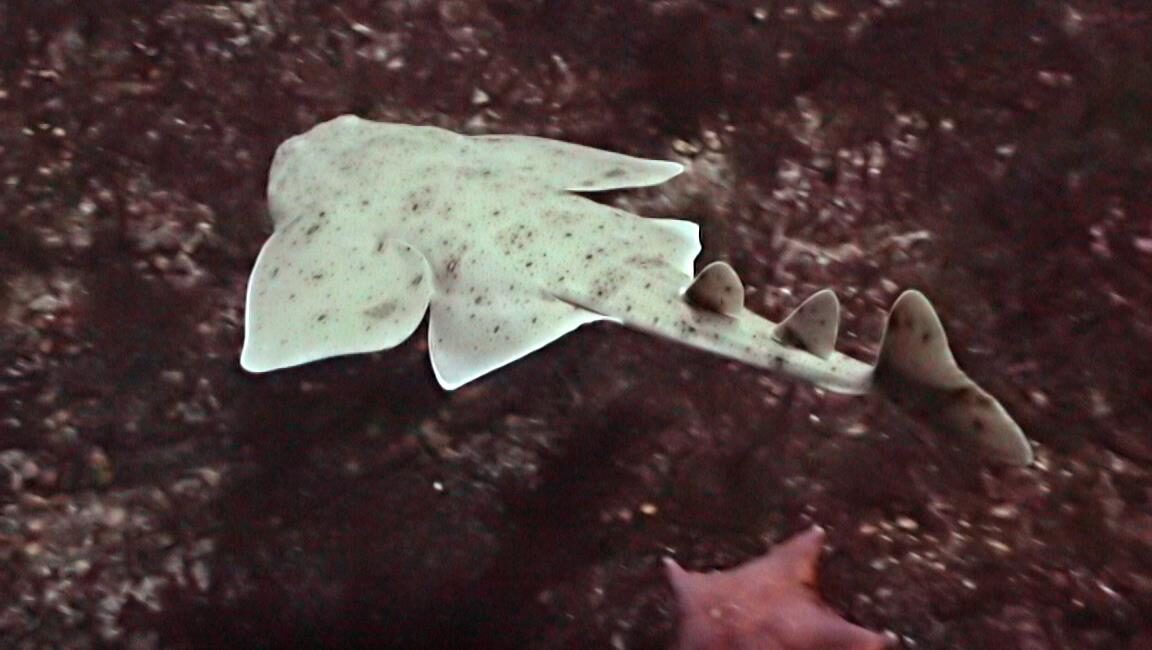
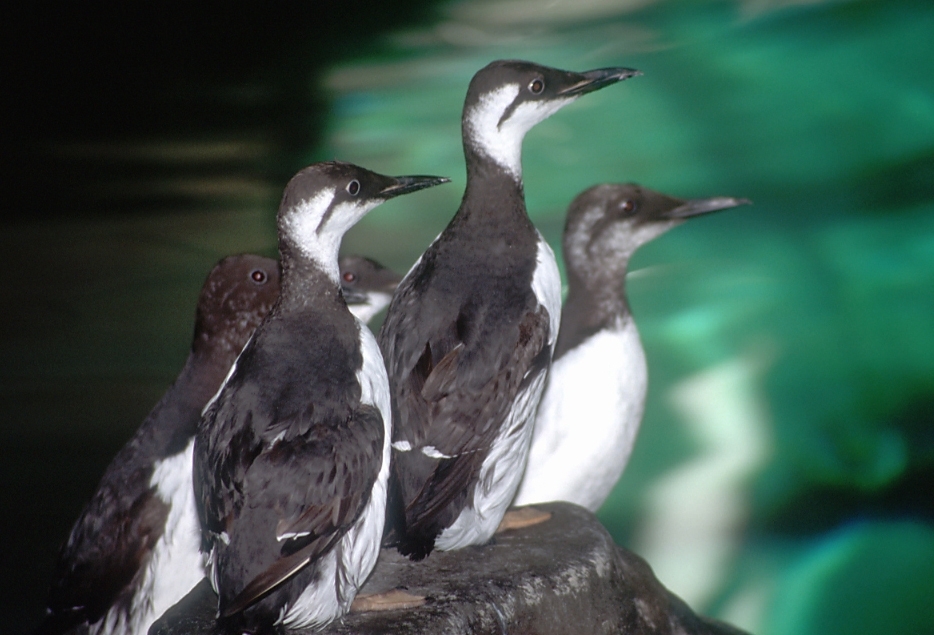
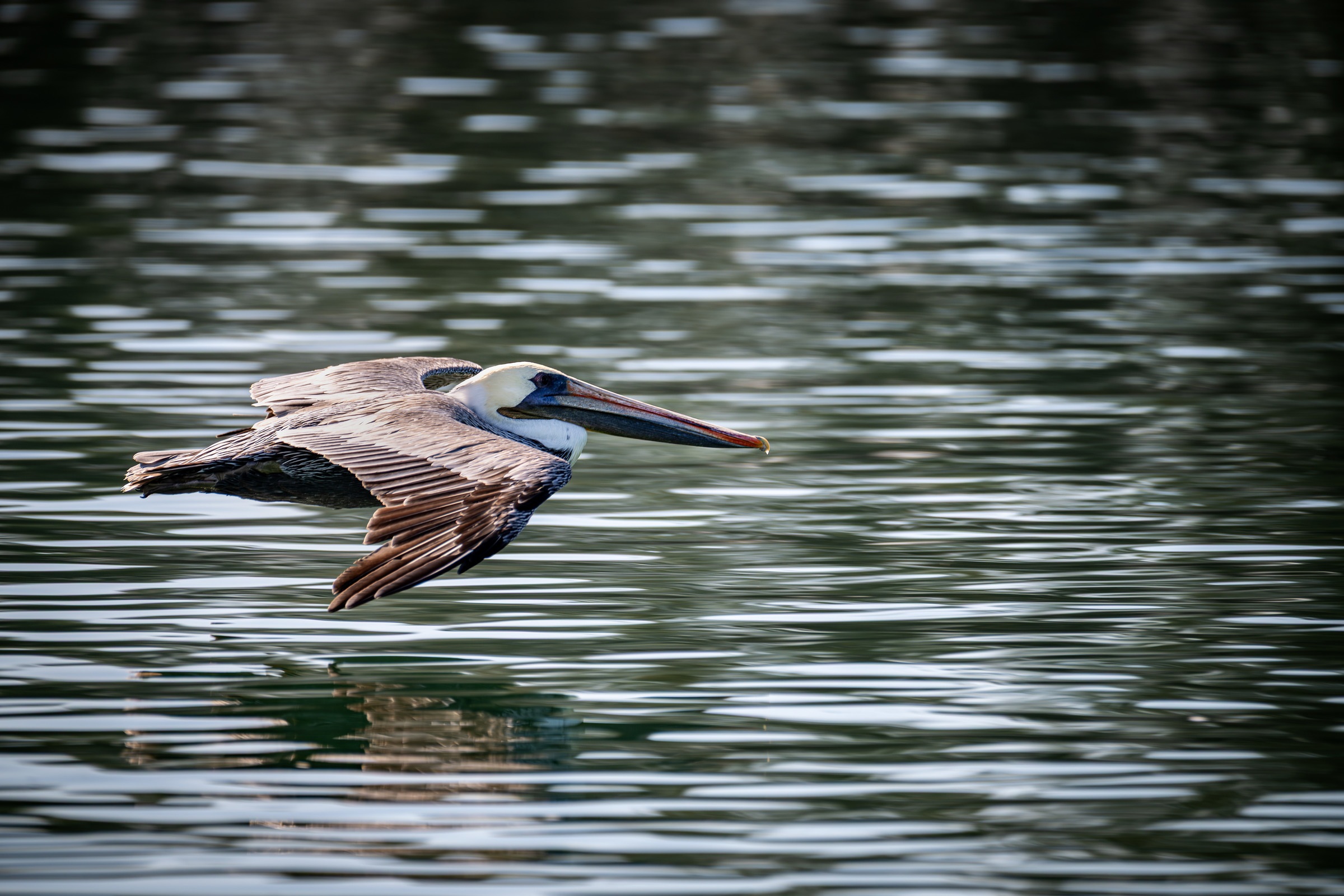
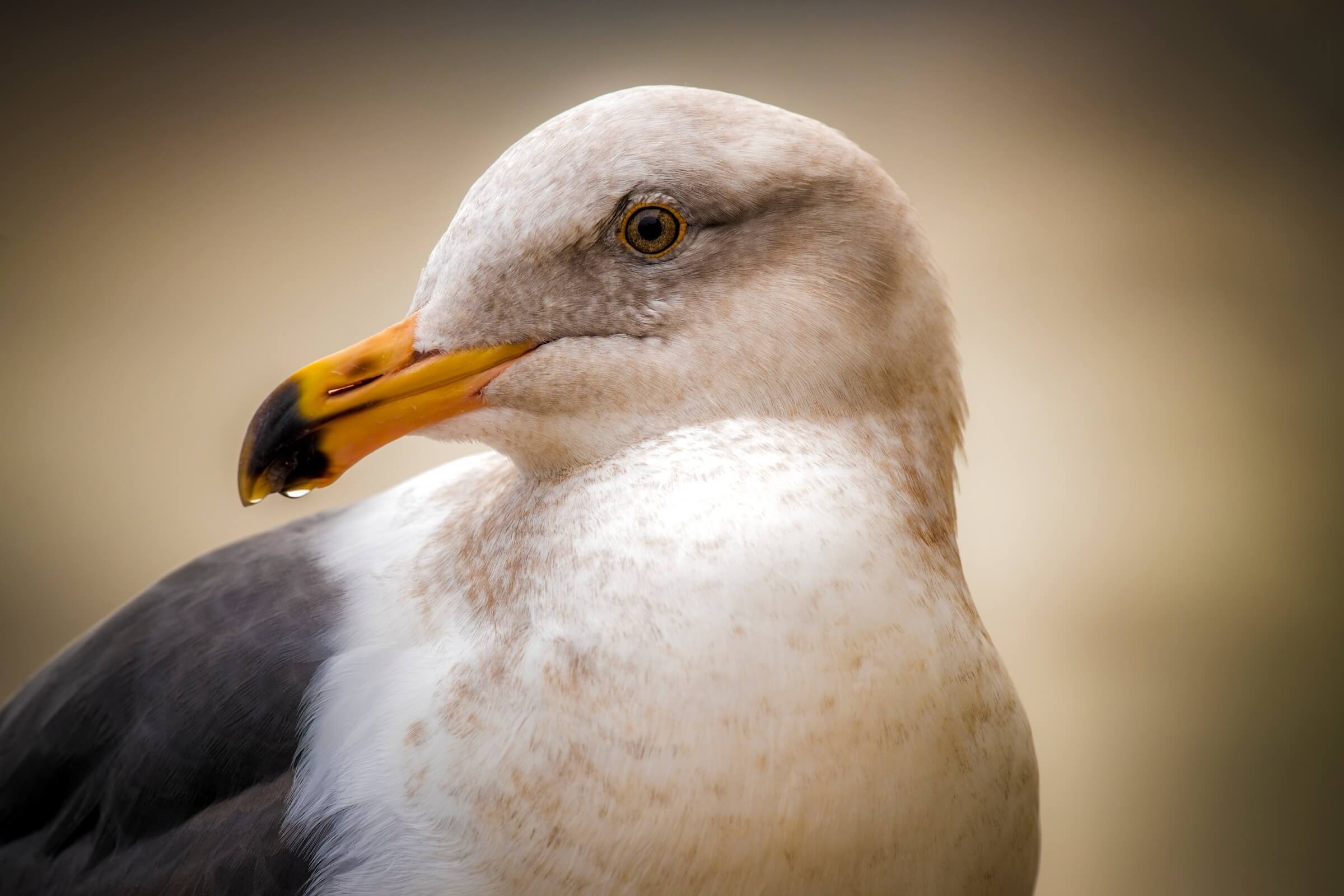
Schoolers, bottom dwellers and high flyers
How this habitat changes
People interact with this habitat daily, regularly changing the natural environment and affecting the animals that live here.
Overfishing
Commercial and recreational fishing create imbalances that affect all marine life. Overfishing occurs when animals are taken from the ocean faster than they can reproduce. More than 170 billion pounds (77 Kg) of marine life is removed from the world’s oceans each year. As of 2016, more than half of the world’s assessed fish populations were reported as fully-fished.
Pollution
Plastic packaging, plastic waste and discarded fishing gear often harm animals in this habitat. Birds and marine life are easily tangled in fishing nets. And birds, fish and marine mammals commonly mistake shiny wrappers, balloon scraps, colorful bottle caps, straws and other debris for food, which can cause them to get sick or die after ingesting the plastic.
Pesticides, fertilizers, motor oil, and other pollutants from urban runoff also threaten this habitat.
Climate change
Rising sea levels and coastal development are eroding shorelines, which in turn is altering coastal habitats.
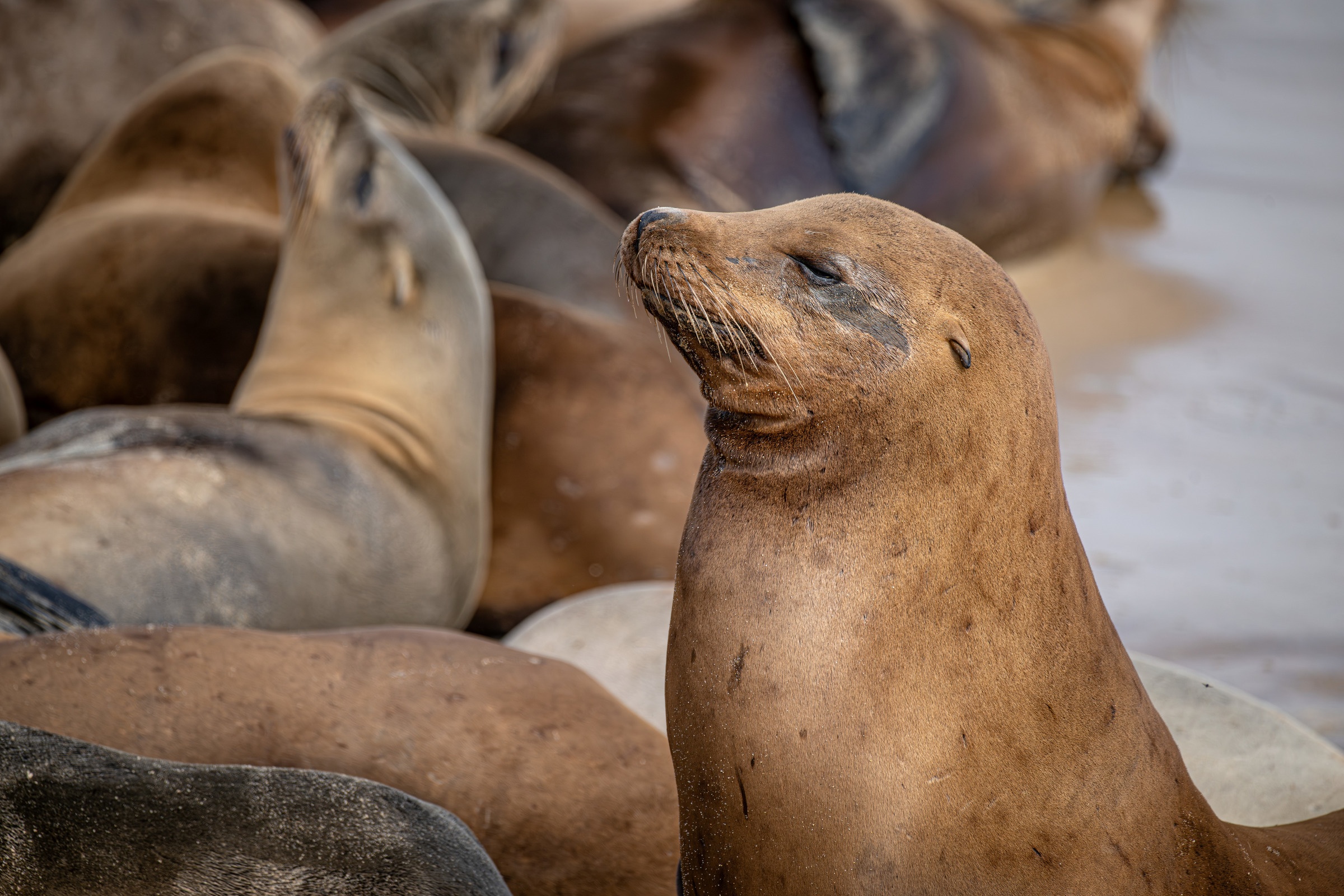
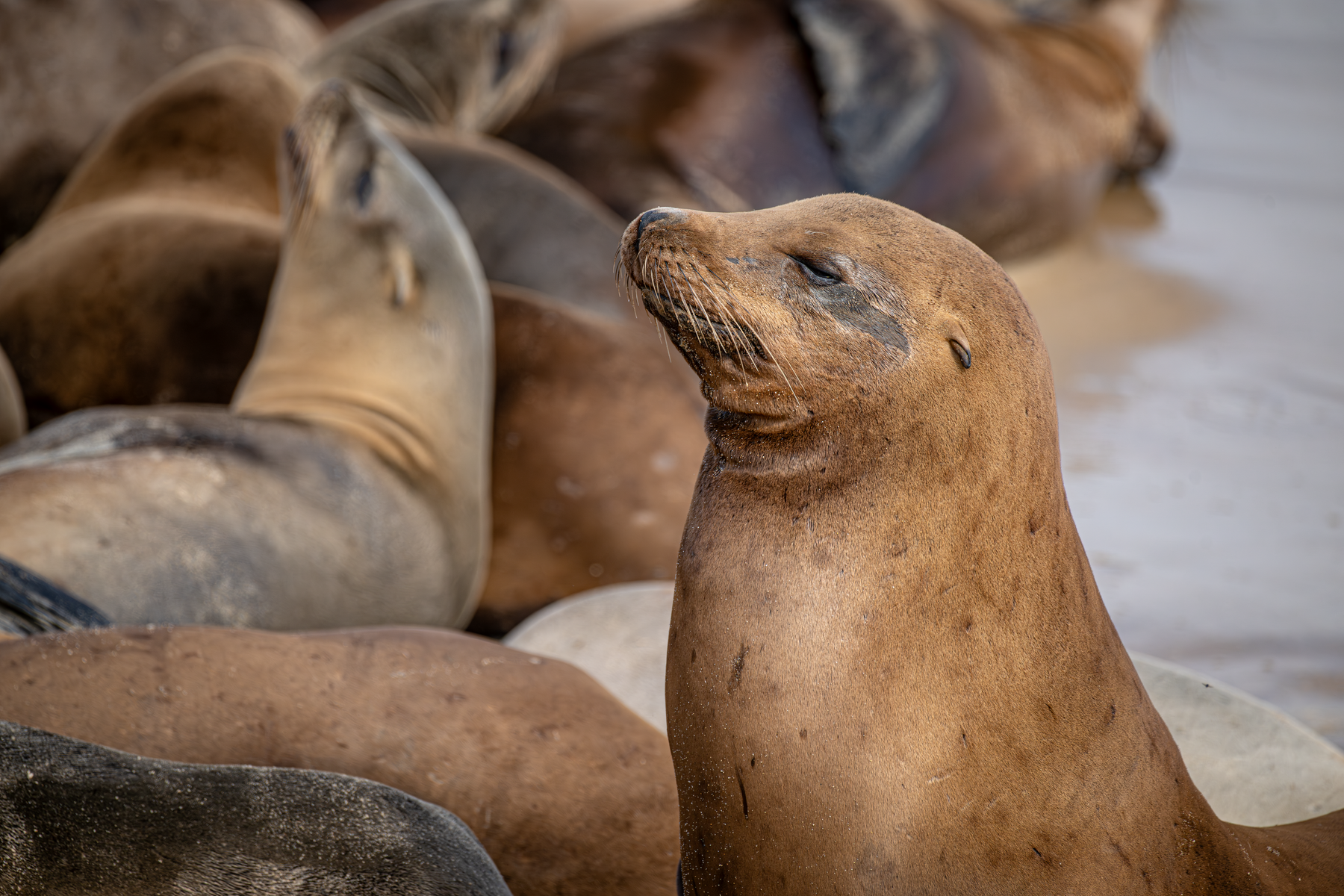
A California sea lion (Zalophus californianus) on the rocks near Breakwater Cove in Monterey, CA.
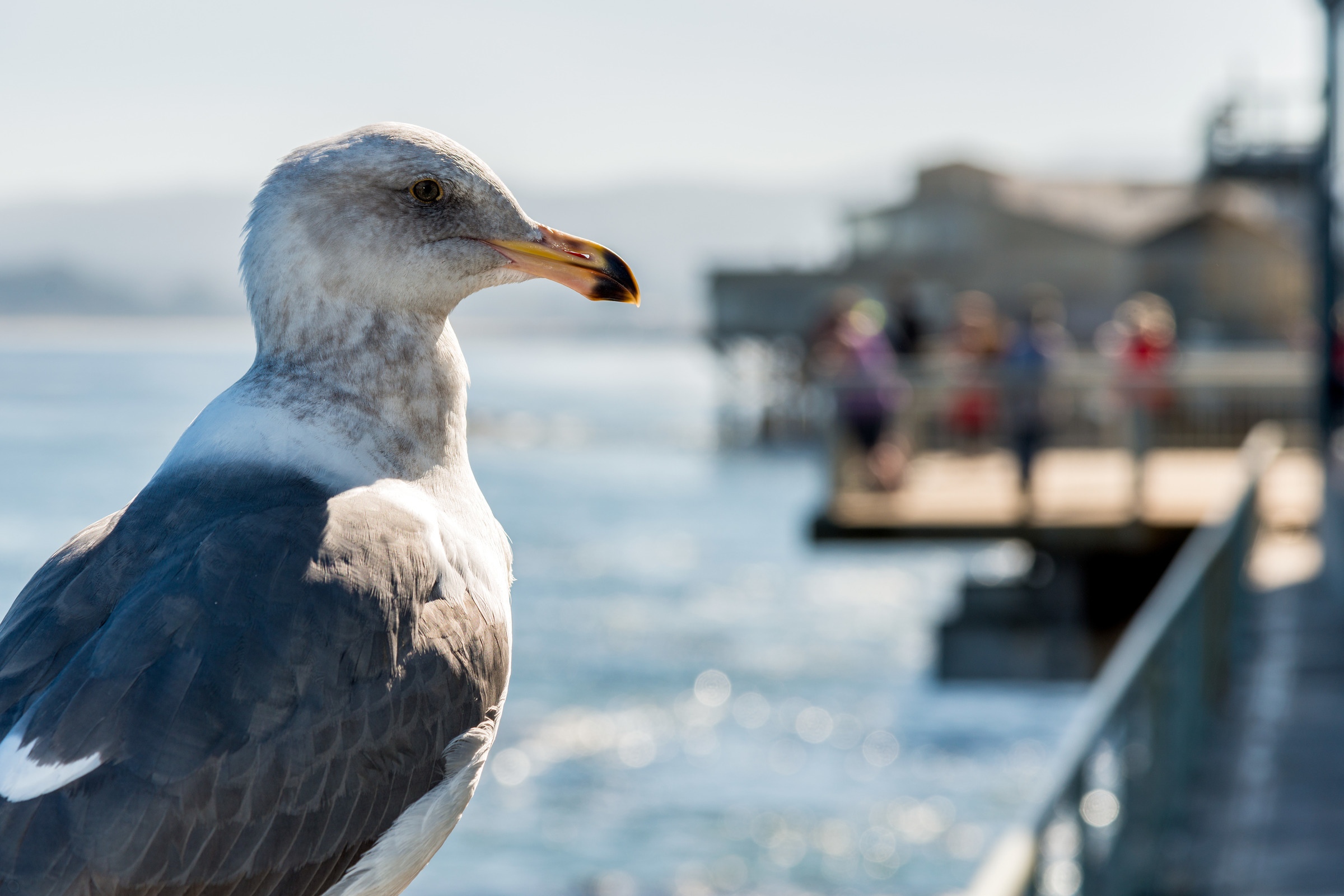
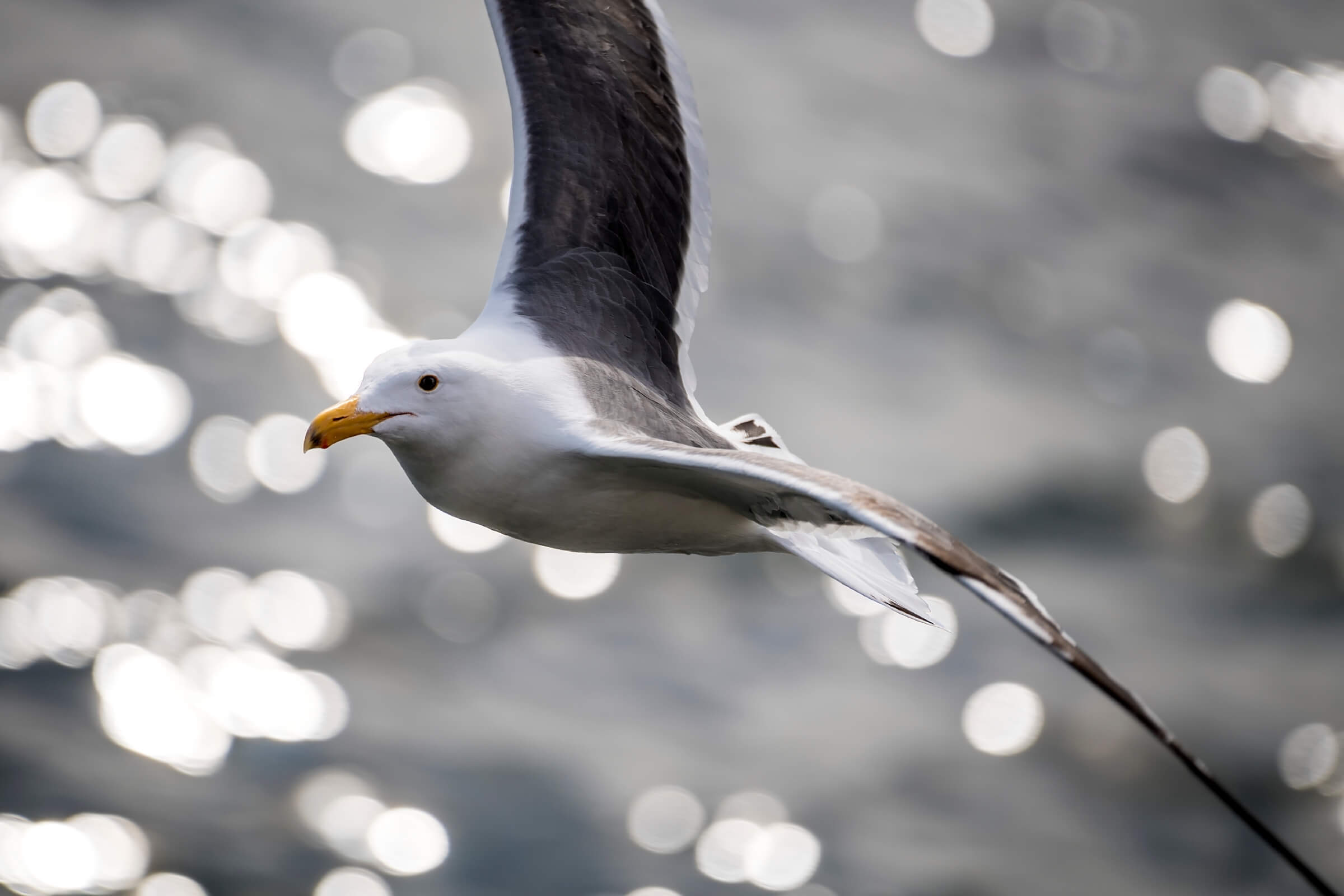
A Western gull (Larus occidentalis) on the railings of the back deck of the Monterey Bay Aquarium.
Things to look for and notice
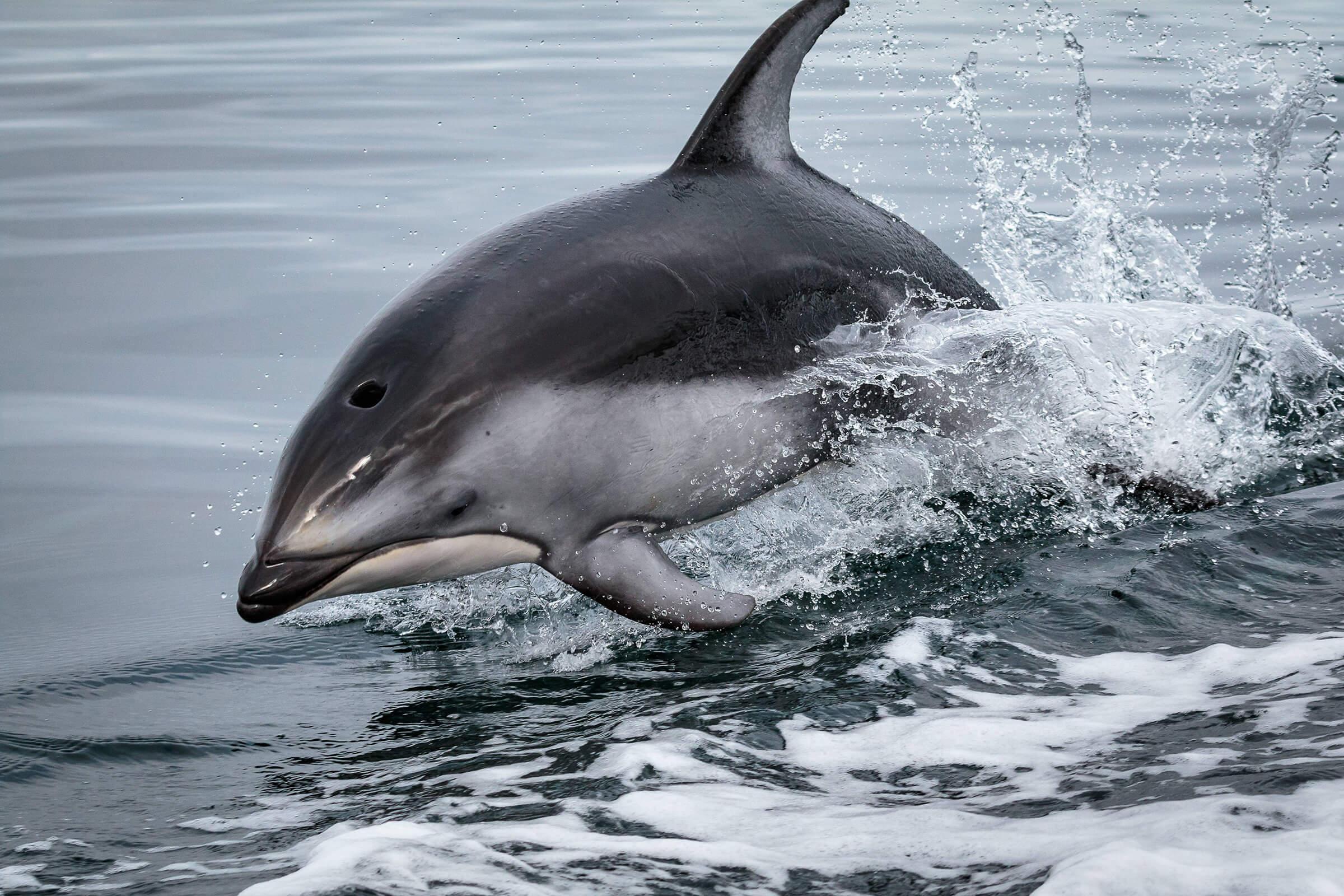
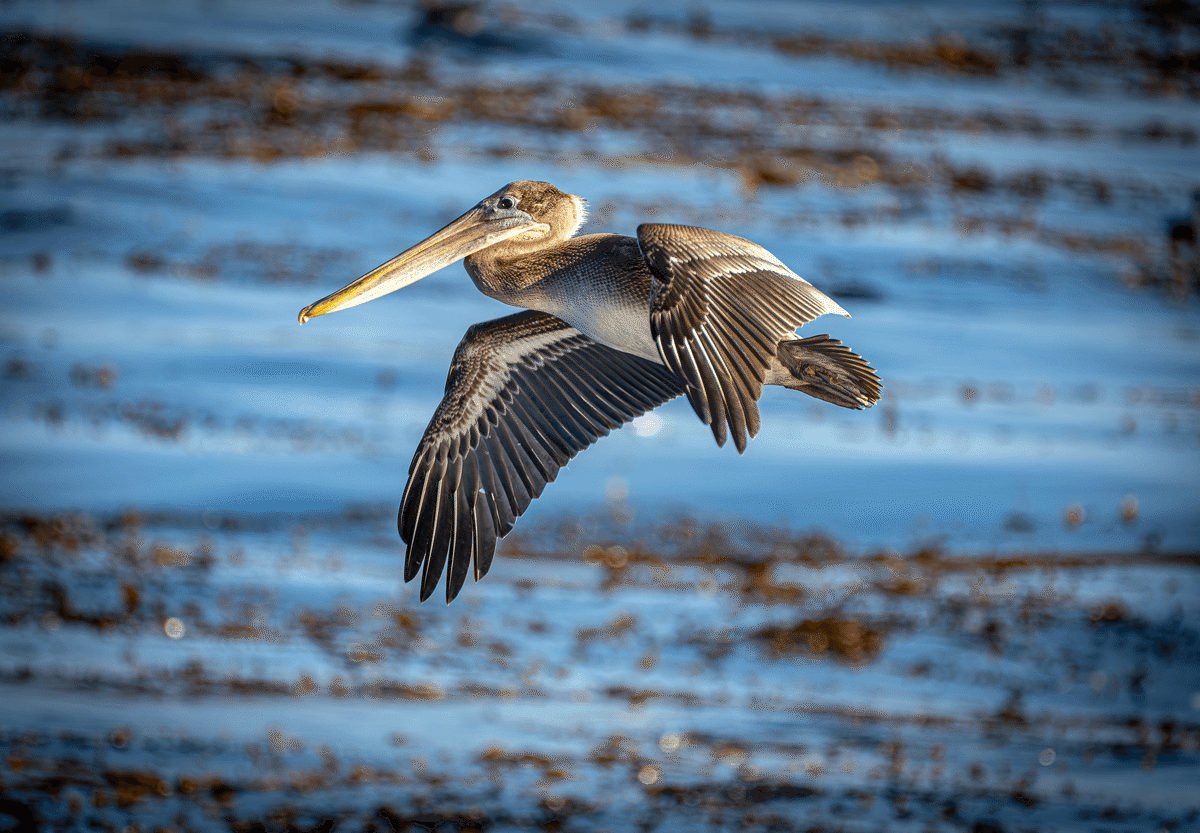
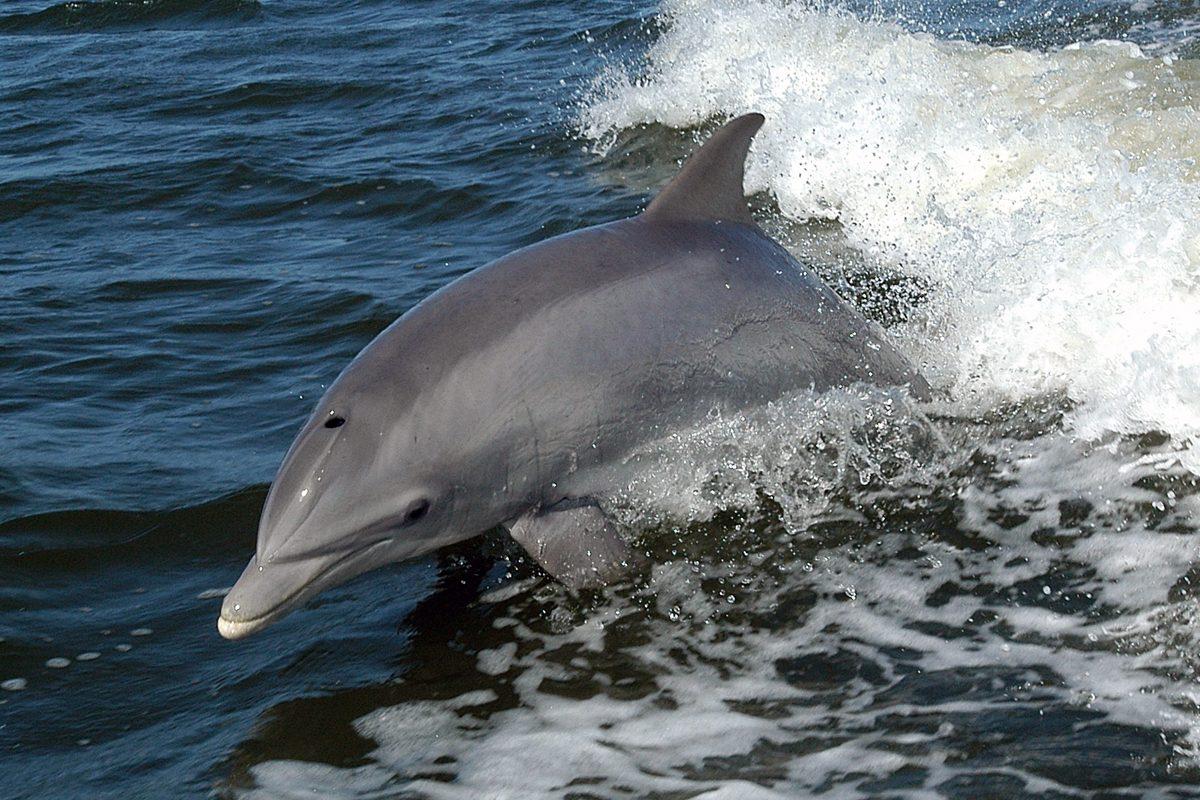
From shore, look for the distinctive spouts of water belonging to migrating whales. Watch for pelicans diving, gulls gliding overhead and murres swimming on the surface. If you surf, kayak, paddleboard or sail, watch for dolphins frolicking in the waves, and sea otters floating in the kelp.
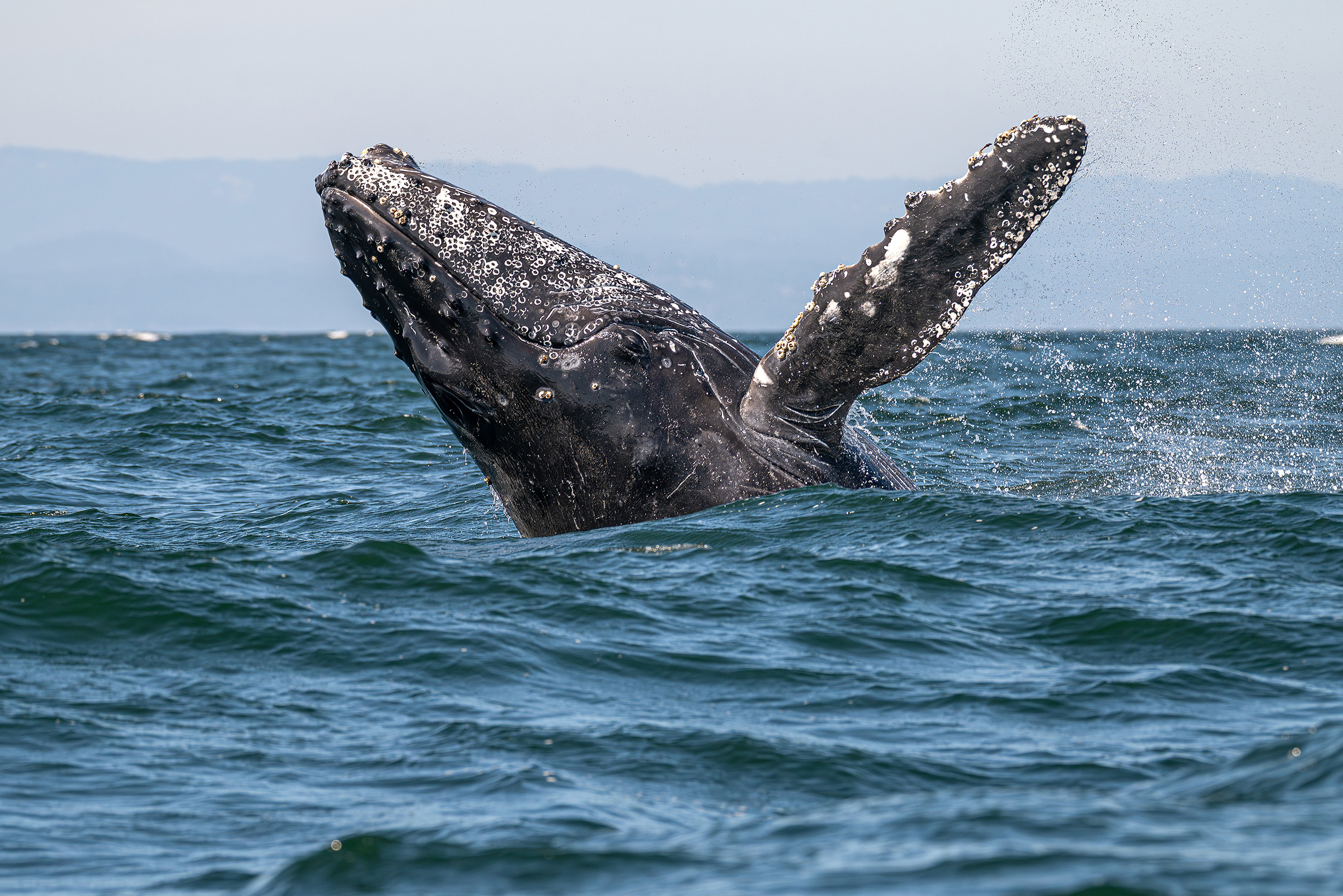
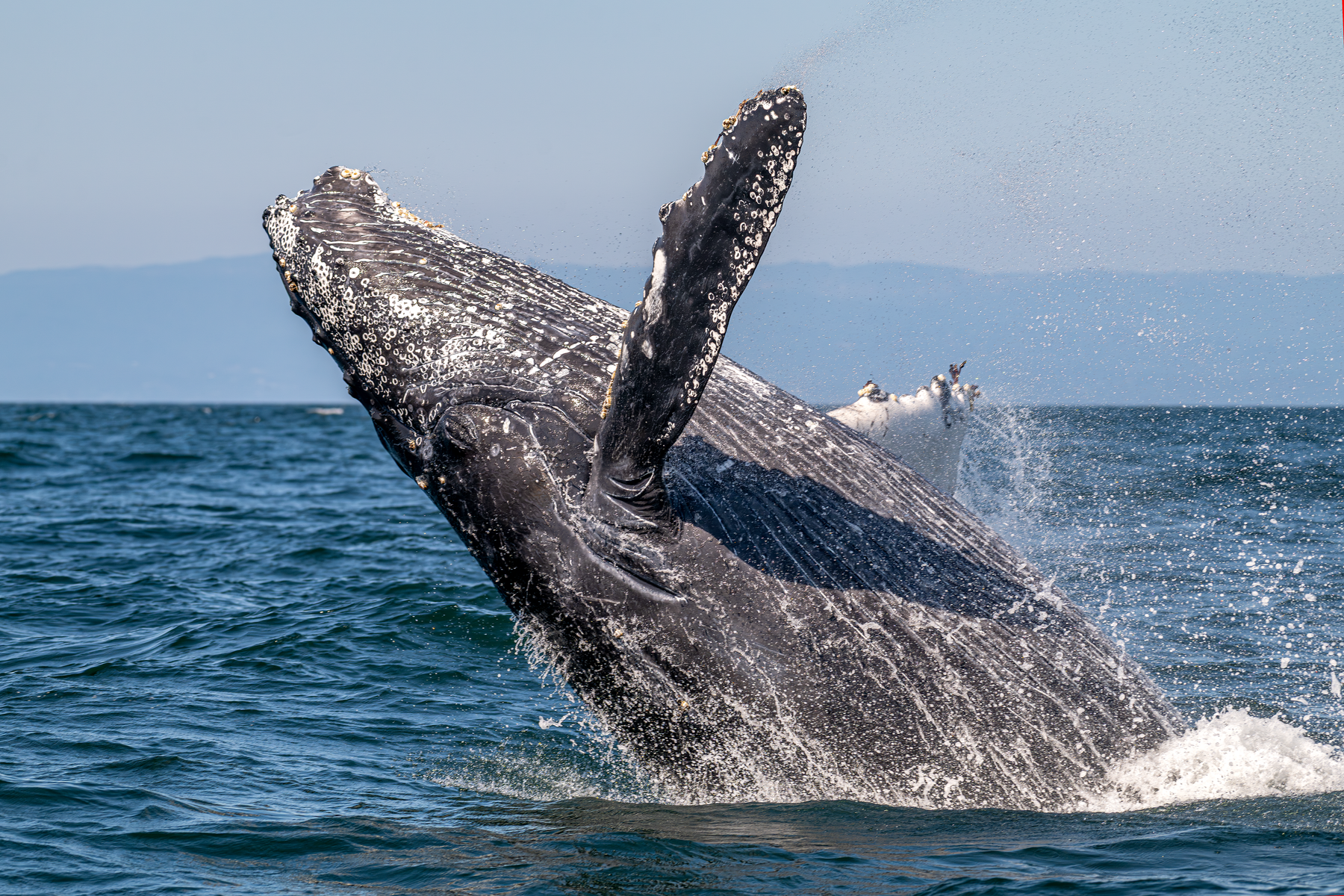
A humpback whale (Megaptera novaeangliae) breaching.
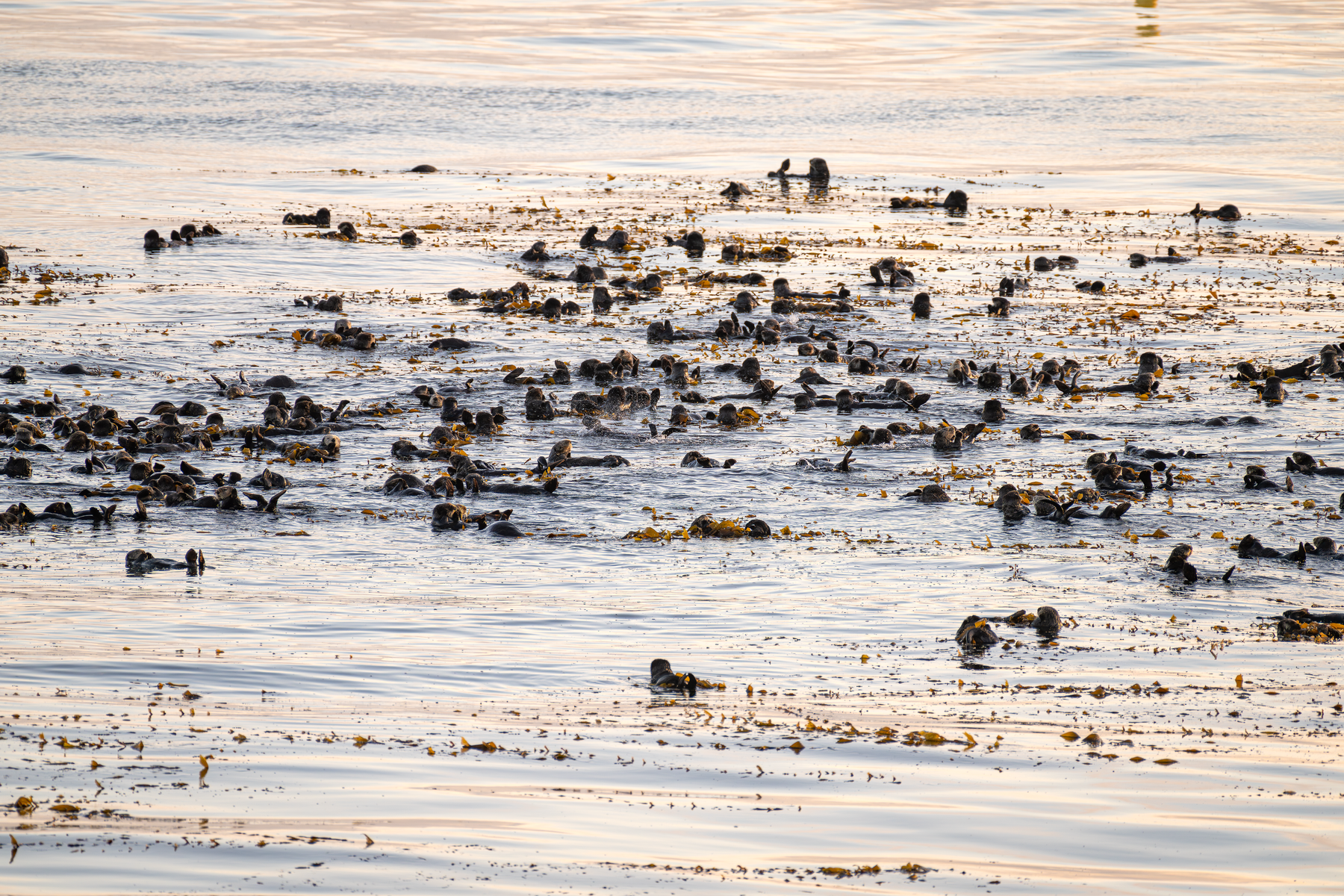
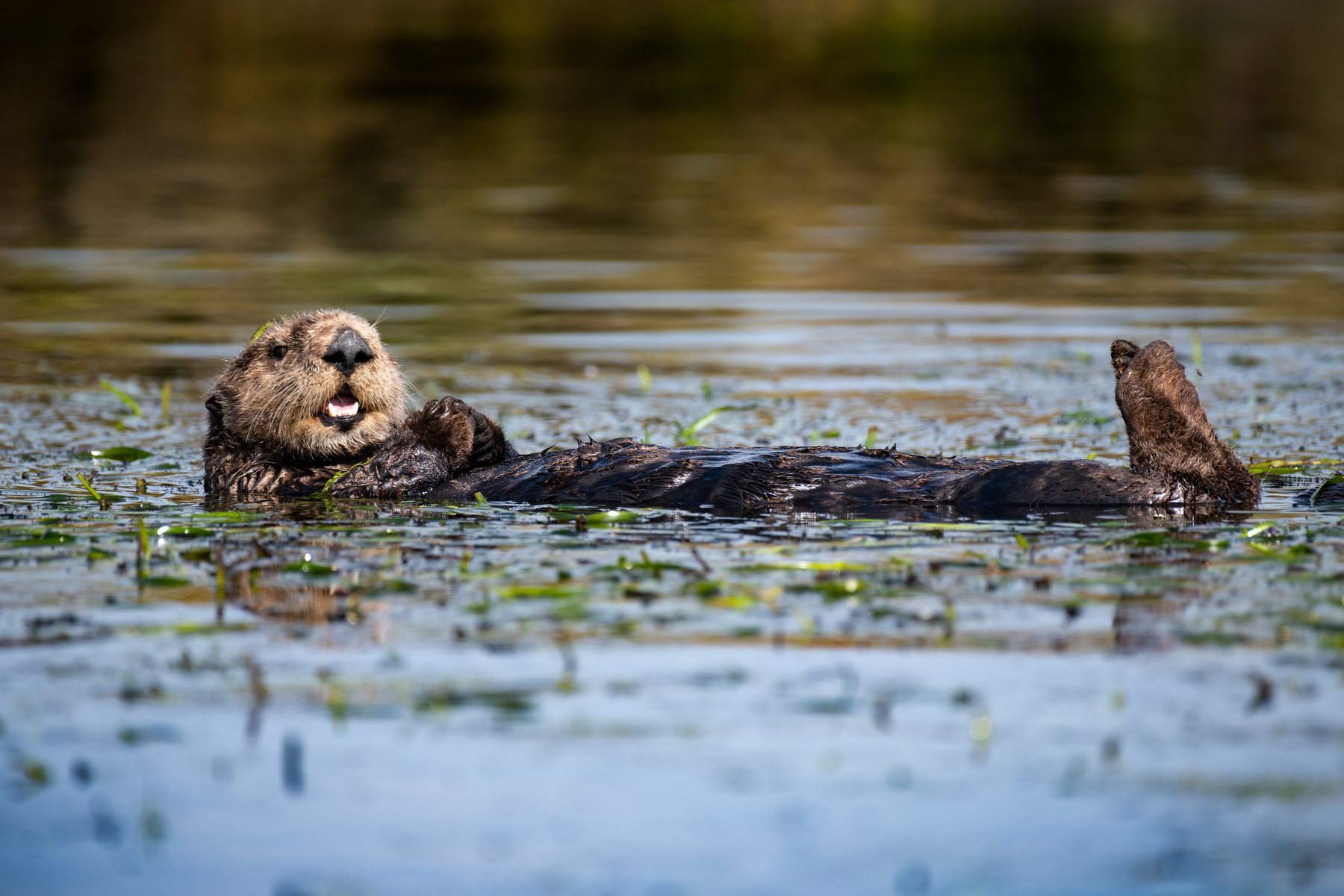
A raft of Southern sea otters (Enhydra lutris nereis) in Elkhorn Slough.
How to enjoy and protect this habitat
People are having a greater impact on the ocean’s inhabitants and water quality. We can help keep seas healthy by supporting effective environmental legislation, respecting and obeying fishing regulations, keeping trash off of our beaches and safely disposing of toxic chemicals.
Buy sustainable seafood
Choose seafood that is fished or farmed in ways that support a healthy ocean. Download our Seafood Watch consumer guides to learn which fish to choose at your favorite grocery store or restaurant, and which you should avoid. Learn other ways you can speak up for sustainable seafood.
Reduce your plastic use
Plastic pollution kills fish, birds, other marine life who mistake trash for food or get entangled in it. And sadly, plastic waste in our oceans is piling up. You can help by carrying reusable shopping bags, reusable utensils and a reusable water bottle with you whenever you go out. Reduce your own plastic use by saying “no thanks” to single-use plastic that is offered to you. Whenever possible, practice the four R’s: Reduce, reuse, recycle and repair.
Reduce your carbon footprint
Climate change and ocean acidification are profoundly affecting animals that live in coastal waters. You can help by making choices that reduce the amount of greenhouse gases you produce each day:
- Bike or walk instead of drive, take public transportation, and drive a fuel-efficient vehicle.
- Buy energy-efficient appliances, and use less fossil fuel energy at home.
- Increase the amount of fruits and vegetables in your diet; livestock production contributes to the emissions that cause climate change.
Find more climate-friendly actions you can take to protect the ocean.
Explore more of the ocean
Ecosystem
Beaches & dunes
When the people are gone, this habitat seems deserted. Look closely, and you’ll find it's filled with life.