

Sea otter
Enhydra lutris
- On view
- Sea Otters
- Animal type
- Marine mammals
- Ecosystem
- Coastal waters, Coastal wetlands, Kelp forest
- Relatives
- Weasels, river otters, ferrets; Family: Mustelidae
- Diet
- Crabs, snails, urchins, clams, abalone, mussels and other invertebrates; northern sea otters also eat fish
- Range
- Southern sea otters: along California's central coast, from San Mateo County in the north to near Santa Barbara in the south
- Size
- Southern sea otters: up to 4 feet (1.2 m) in length and 70 pounds (32 kg) in weight
The secret life of otters
There is so much more to a sea otter than meets the eye. Beyond their cute faces and fluffy fur, sea otters are survivalists that play an irreplaceable role in the coastal ecosystems they call home. But these beloved marine mammals are endangered—and they need our help.
Watch in real time
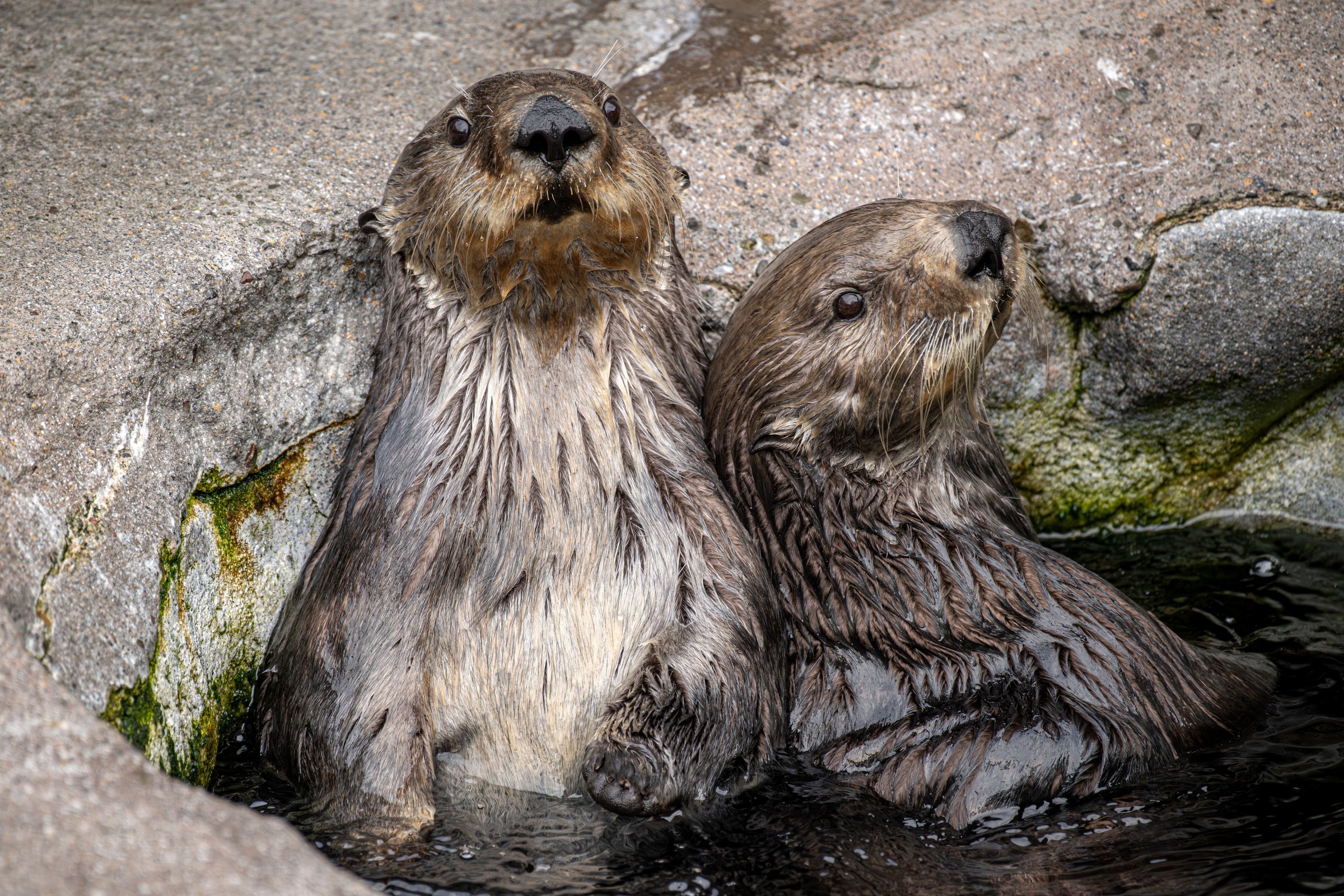
Sea Otter Cam
Check out this live cam – Sea Otter CamEndangered Species Act (ESA)
The ESA is a U.S. law that protects plants and animals at risk of extinction by classifying them as either Threatened or Endangered.
Threatened(active)
Endangered
International Union for the Conservation of Nature (IUCN)
The IUCN Red List is a global system that evaluates the conservation status of species and classifies them based on their risk of extinction.
Least concern
Near threatened
Vulnerable
Endangered(active)
Critical
Extinct in wild
Extinct
All about the sea otter
There are fourteen different otter species who live in diverse habitats around the world. Some live on land, some in freshwater, and others in the sea. Some live in the Americas, Asia, and Africa. There’s only one fully aquatic otter species—Enhydra lutris, the sea otter.
Scientific names
Enhydra lutris has three genetically distinct subspecies that live geographically separate populations:
- Enhydra lutris nereis—Southern sea otter; found along the coast of California.
- Enhydra lutris kenyoni—Northern sea otter; found along the coast of Alaska, British Columbia, and Washington
- Enhydra lutris lutris—Russian sea otter; found in the Pacific ocean off the coasts of Russia and Japan
Here at the Aquarium, our sea otters are all southern sea otters, also called California sea otters. The most notable physical difference between this subspecies and their northern cousins is size.
Whereas a female southern sea otter grows up to 60 pounds, a female northern sea otter can weigh up to 70 pounds. For males, the difference is also significant—a southern male grows up to 90 pounds while a northern male can reach up to 100 pounds!
On this page we’ll focus on the life and natural history of the southern sea otter.

Size
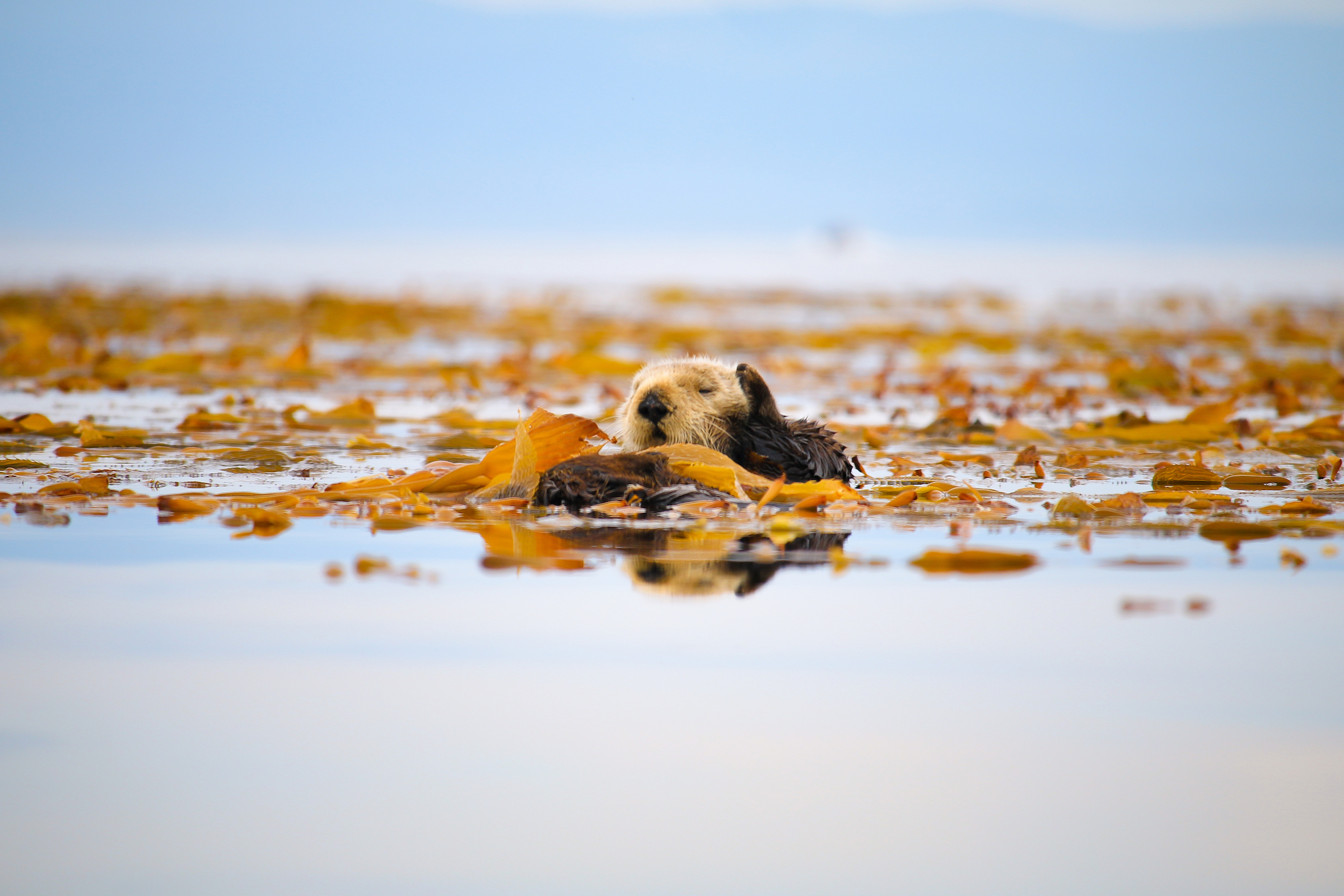
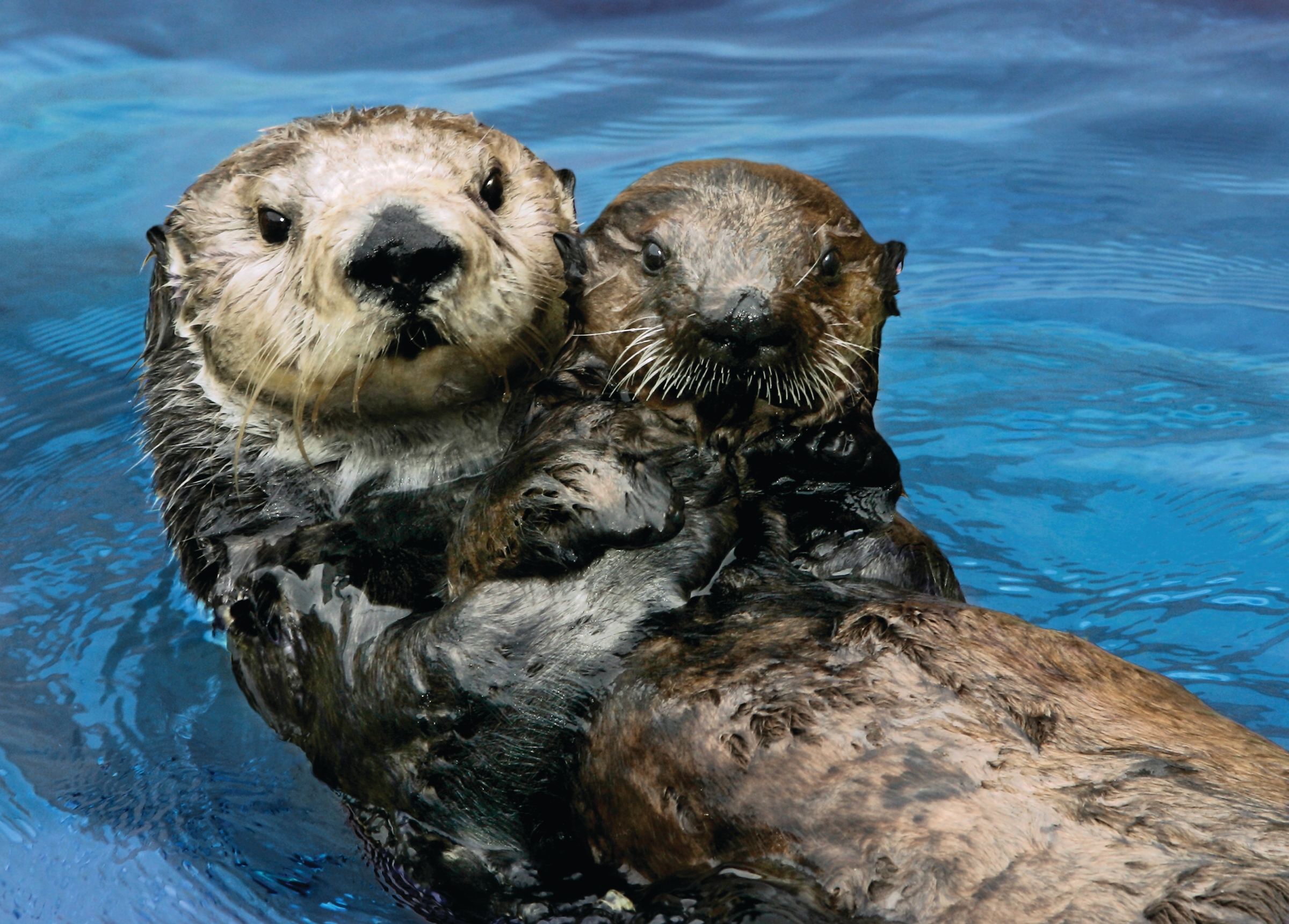
The southern sea otter is the smallest marine mammal in North America at up to 4 feet (1.2 m) long and up to 50 pounds (23 kg) for females and 70 pounds (32 kg) for males. South America’s marine otter—Lontra felina—is the smallest marine mammal in the world.
Range
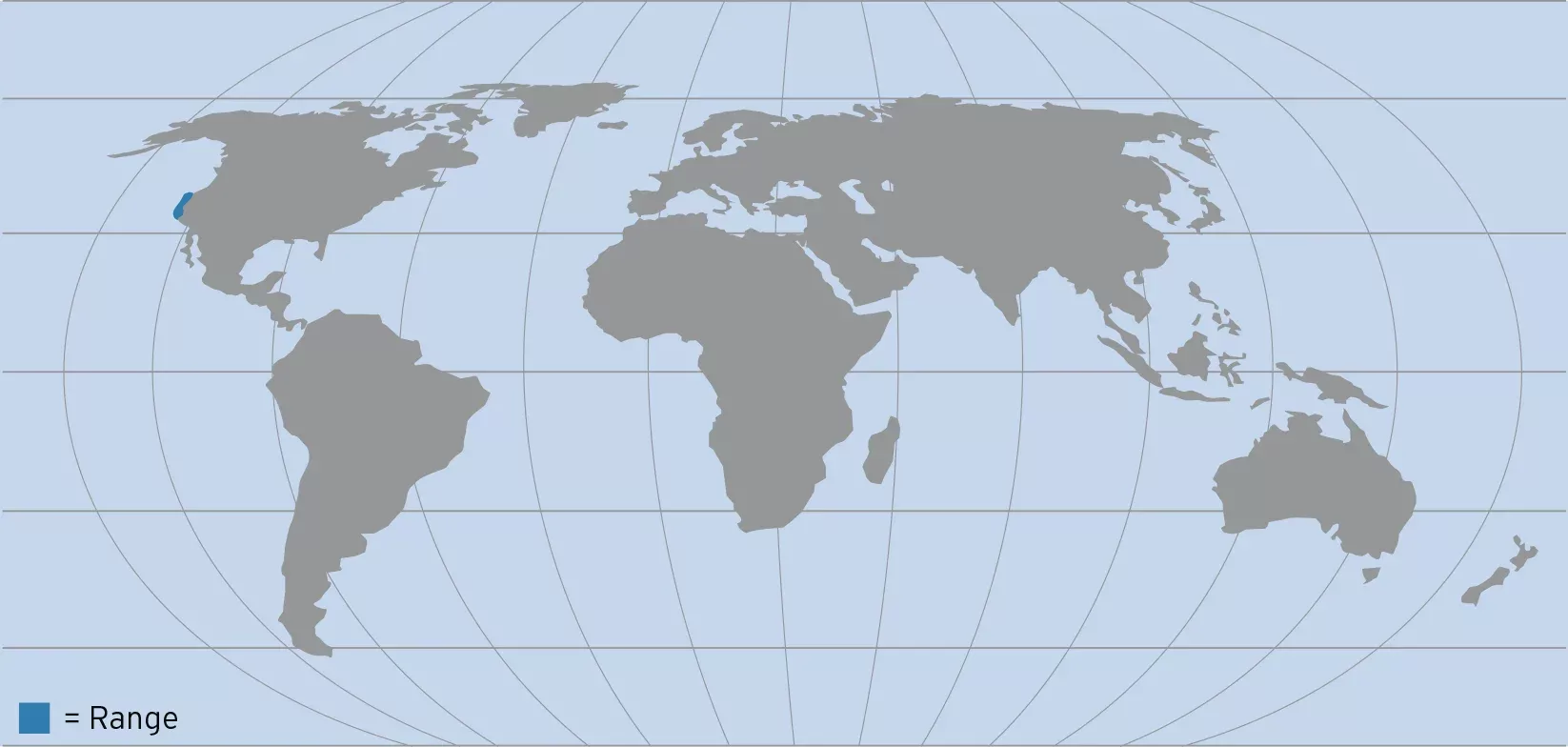
Southern sea otters can be found along California's central coast, from San Mateo County in the north to near Santa Barbara in the south.
Habitat
In California, the sea otter lives in kelp forests, estuaries, and other coastal habitats like harbors and shallow waters near the shores of sandy beaches.
Southern sea otters play an important role in these habitats. They’re a keystone species, meaning their presence has a big impact on the habitats where they live. In turn, the health of sea otter populations also indicates the health of other species and nearby ecosystems.
In the kelp forest, sea otters prey on urchins and other invertebrates that graze on giant kelp. Without sea otters, sea urchin populations grow unchecked and overwhelm the delicate balance of the kelp forest ecosystem. The hungry grazers devour the kelp, leaving behind desolate areas called “urchin barrens” where only urchin-covered rocks remain.
But when sea otter populations are healthy, these keystone predators keep urchin populations under control. Their role in maintaining a balanced ecosystem helps the kelp grow and flourish, in turn supporting a rich and diverse community of marine life.
Sea otters are also keystone species in an estuary called Elkhorn Slough here in Monterey Bay. Eelgrass is one of the few marsh plants to grow underwater in wetlands like the Slough. Eelgrass beds are home to a variety of animals, and the blades of this plant are an important nursery for fish eggs and larvae, Otters keep eelgrass healthy by eating crabs, which in turn allows sea slug populations to thrive. These sea slugs eat algae that would otherwise coat and smother the eelgrass that fish need for food and shelter.
What do sea otters eat?
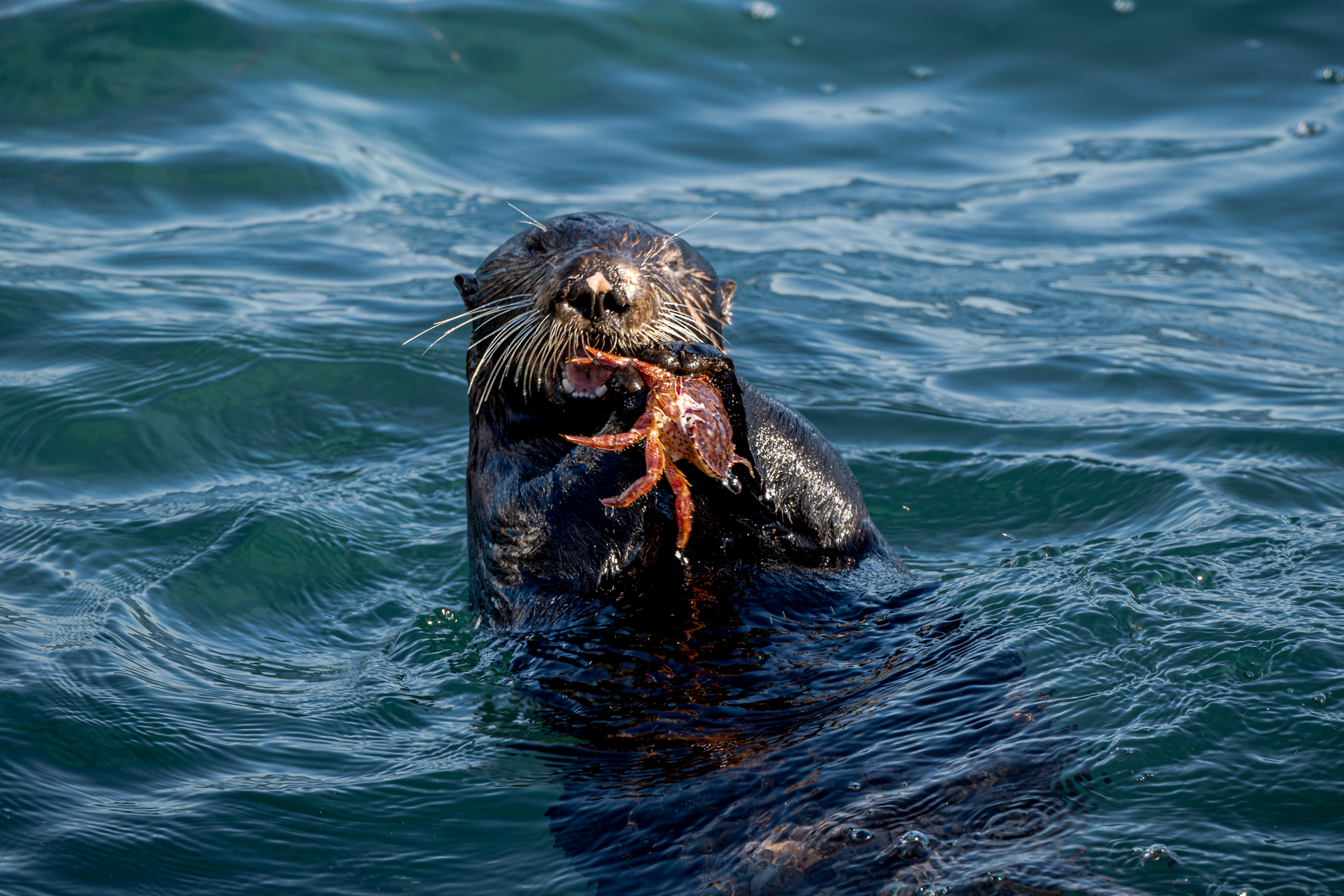
The southern sea otter eats invertebrates like crabs, snails, urchins, clams, abalone, and mussels—for breakfast, lunch, dinner, and plenty of snacks in between! Northern sea otters are also known to eat fish.
A sea otter may hunt on the seafloor, but they always return to the surface to eat. Floating there on their back, an otter uses their chest as a table. If a hard-shelled morsel like a crab or clam is on the menu, the otter may use a rock to crack open their prey.
Do you ever treat yourself to several snacks when you simply can’t choose? An otter does, too! An otter's coat has pockets—loose skin under each forearm they use to stash prey during a dive, which leaves their paws free to hunt for more.
Population
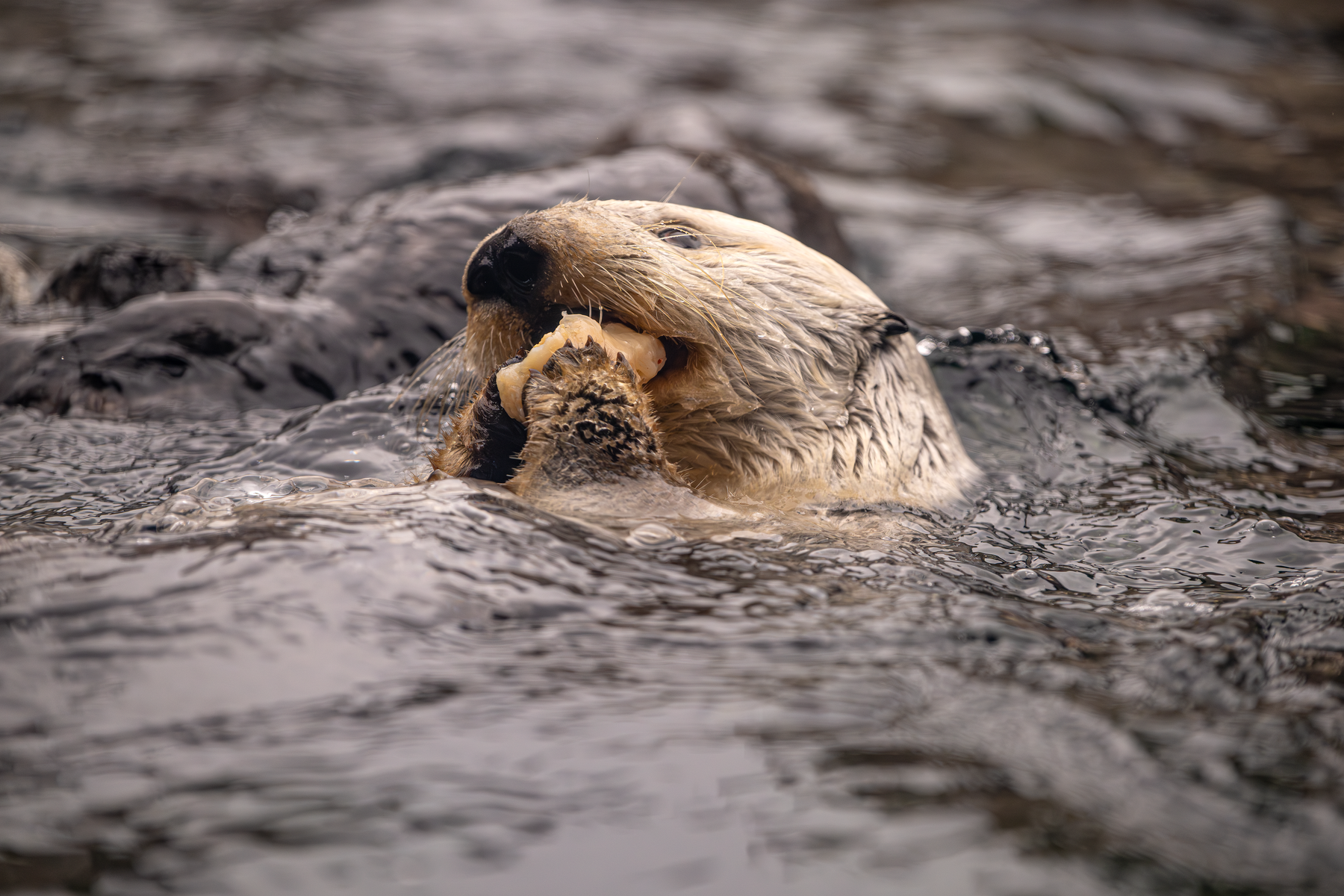
The current southern sea otter population averages around 3,000 individuals. Since the California population of sea otters has a limited range and are vulnerable to increased threats to their health and habitat, they’re considered threatened under the Endangered Species Act.
Fur
Unlike other marine mammals, the sea otter doesn’t have a thick layer of blubber. To stay warm in chilly ocean waters, they have the world's densest fur—at its thickest, this two-layer fur is made up of more than a million hairs per square inch. For reference, you've probably got 100,000 hairs or less on your whole head!
Grooming
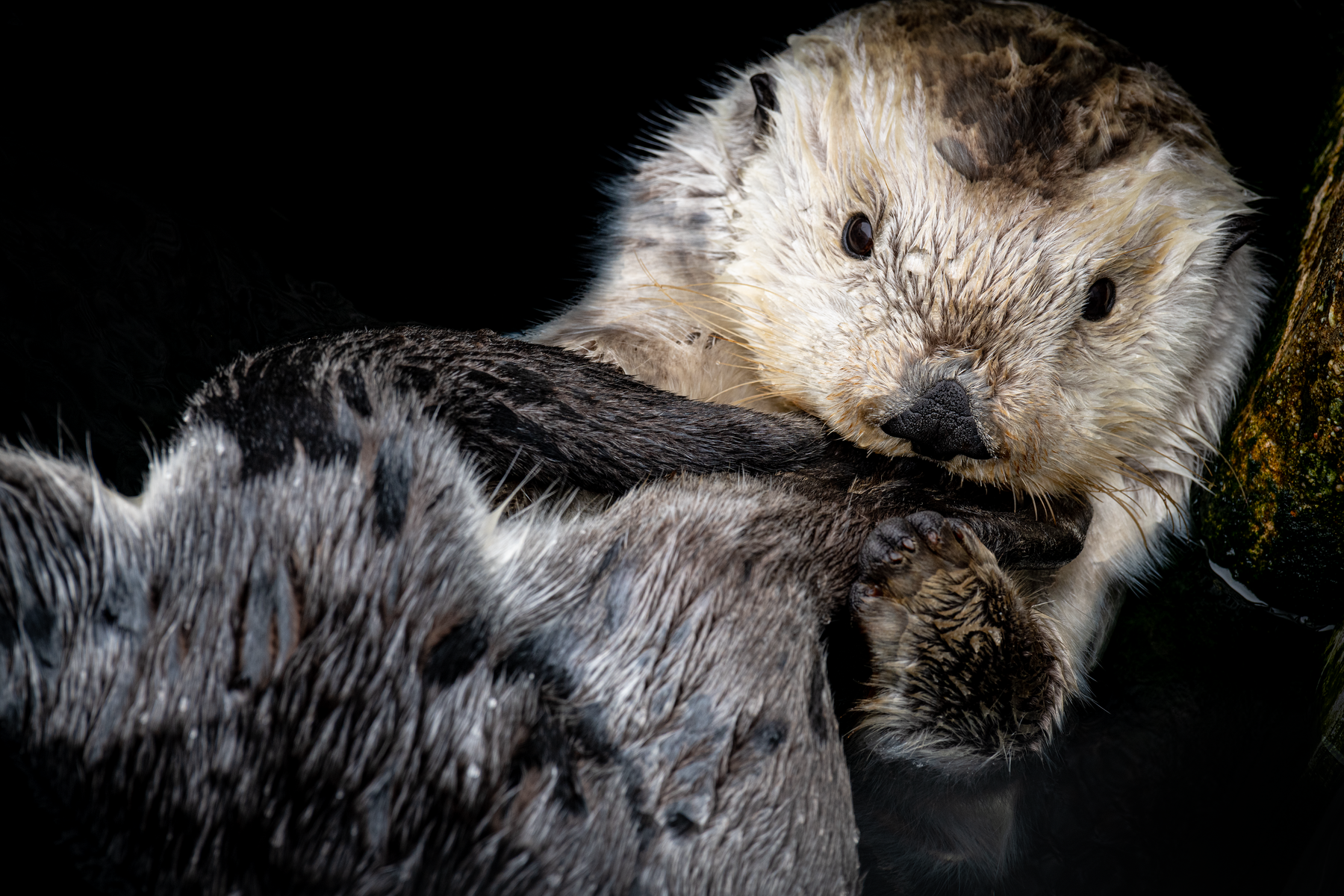
To keep their luxurious coat waterproof, an otter spends many hours a day cleaning and grooming. Their grooming coats the fur with natural oils from their skin and fluffs it up with insulating air bubbles.
Metabolism
Otters stay warm thanks to their high metabolism and hefty appetite to match—a single sea otter eats about a quarter of their body weight each day. A 150-pound person would have to eat 35 to 40 pounds of food a day to match that! Their eating habits help otters maintain an average body temperature of 100 degrees Fahrenheit.
Related videos
Watch our Sea Otter 101 series
How much does a sea otter eat?
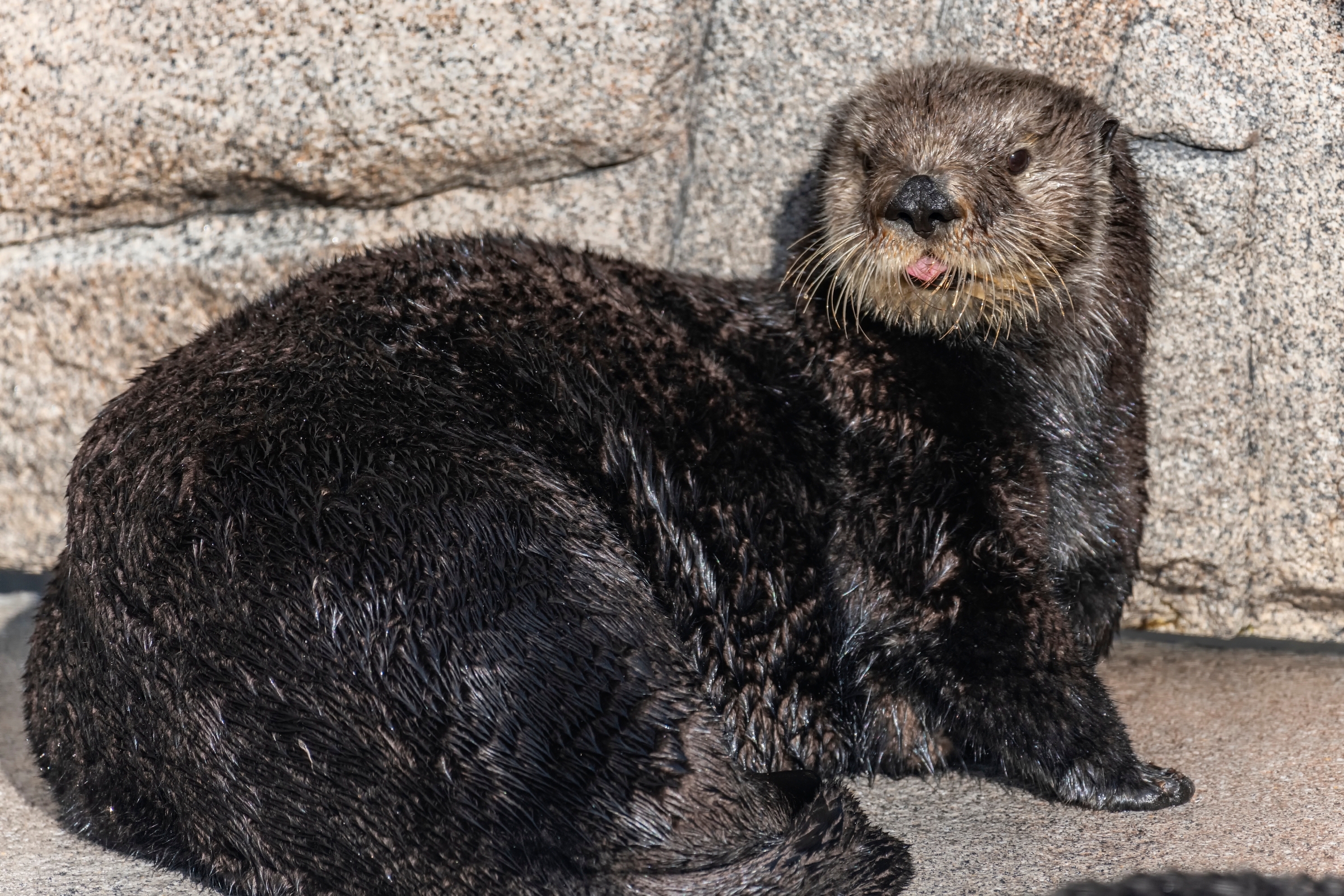
Learn all about sea otter fur.
Sea otters and humans
Cute as they are, you should never approach a sea otter in the wild. If you encounter a sea otter in the wild, even if one approaches you, maintain your distance! A sea otter is a wild animal, so maintaining a safe distance is safest for both you and the otter.
Visit seaottersavvy.org to learn more about co-existing with sea otters.
What do sea otters eat?
The southern sea otter eats invertebrates like crabs, snails, urchins, clams, abalone, and mussels—for breakfast, lunch, dinner, and between-meal snacks! Northern sea otters are also known to eat fish.
A sea otter may hunt on the seafloor but always returns to the surface to eat. Floating there on its back, it uses its chest as a table. (And if dinner is a crab or clam, the otter may use a rock to crack open its prey.)
Do you ever carry a snack for later? An otter does, too! An otter's coat has pockets—loose skin under each forearm. An otter uses them to stash prey during a dive, which leaves its paws free to hunt some more.
Metabolism
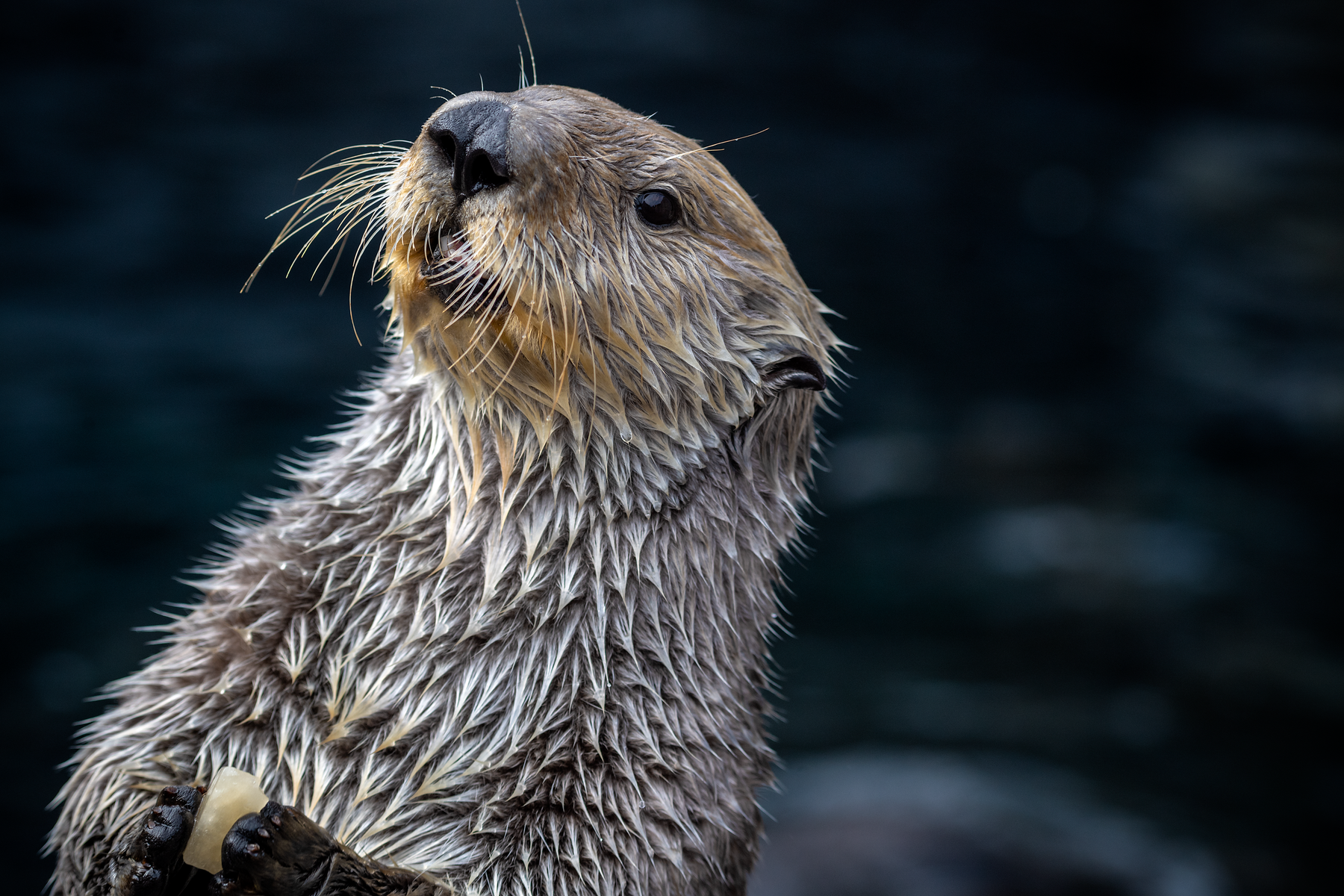
Another way the sea otter stays warm is with its high metabolism—it will eat about a quarter of its body weight each day (A 150-pound person would have to eat 35 to 40 pounds of food a day to match that). This helps it maintain an average body temperature of 100 degrees Fahrenheit!
At the Aquarium
Surrogacy program
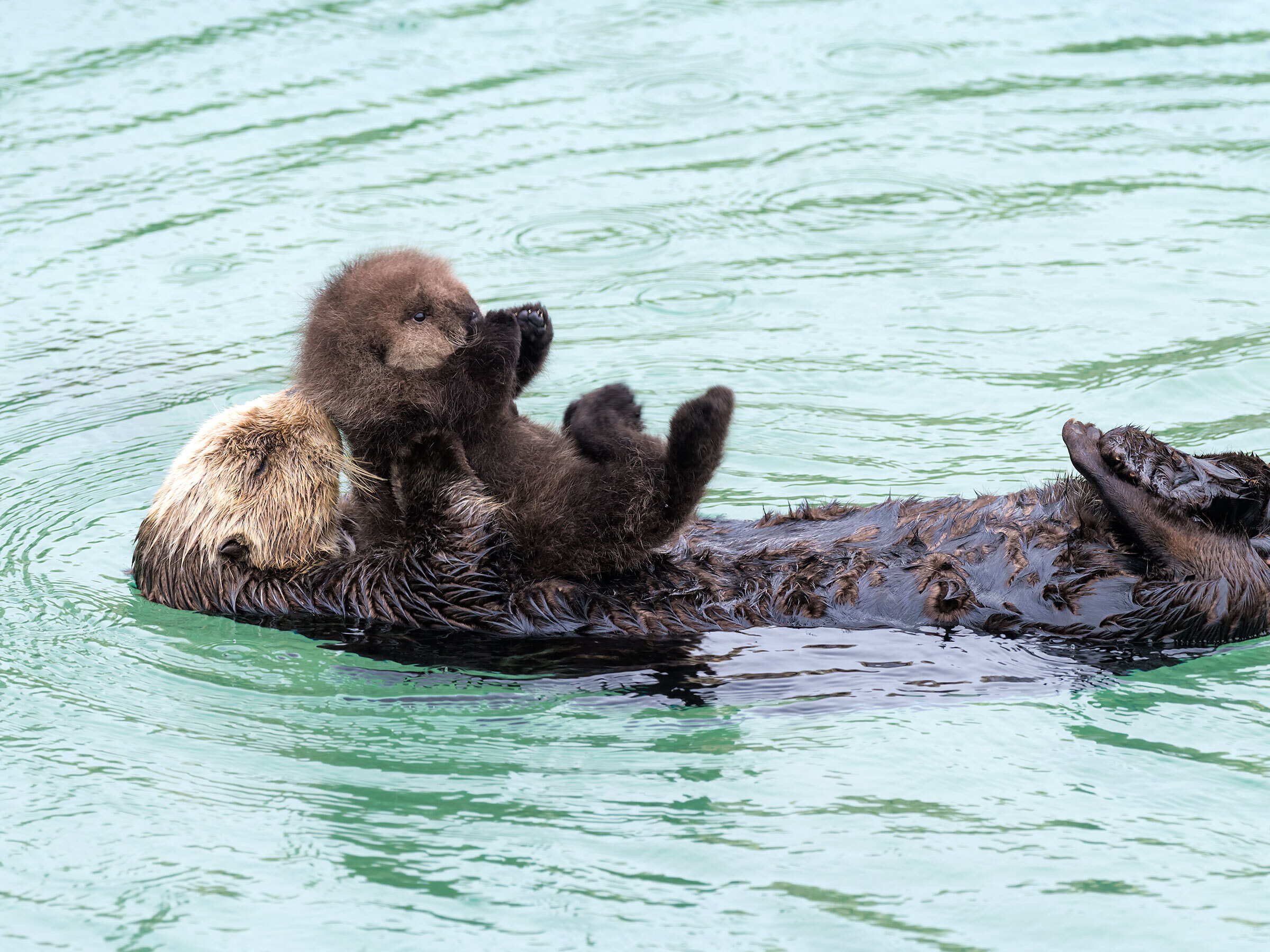
The Aquarium is home to an important group of non-releasable female sea otters. Behind the scenes, these otters act as surrogate mothers to rescued sea otter pups that they raise as their own. After the surrogate mothers teach these pups essential survival skills like grooming and foraging, our sea otter team can release the pups into the wild.
As of 2025, nearly 300 southern sea otters of all ages have been released back to the wild after being cared for in our Sea Otter Program. An additional 98 rehabilitated sea otters have gone on to find homes at zoos and aquariums across the country after being deemed non-releasable by the U.S. Fish and Wildlife Service . Though these otters are unable to return to the wild due to injuries and other factors impacting their survival, they now play an important role as lovable ambassadors for their endangered species.
Extra healthy
Our surrogacy program does double duty—stranded pups get nursed to health and released into the wild, going on to support wild populations and habitats, keeping a nearby estuary healthy and thriving!
Between 2001 and 2016 , our staff released 37 surrogate-reared pups in Elkhorn Slough, an estuary in Monterey Bay. Scientists found that these otters and their offspring accounted for more than half of Elkhorn Slough’s otter population growth rate over that time period .
The program has since gone on to rescue, rear, and release over 80 surrogate-reared sea otters throughout their current range.
Life of a rescued otter
Read about one of our rescued pups, otter 696, through his journey at the Aquarium—when he was rescued, regaining strength, meeting mom and more.
In Monterey Bay
The sea otter is an iconic species emblematic of the beauty and diversity of life in Monterey Bay. They spend their days floating and foraging among kelp forests, outer coves, and bays. Sea otters can sometimes be seen off sandy beaches and even local harbors.
Tips for spotting a sea otter
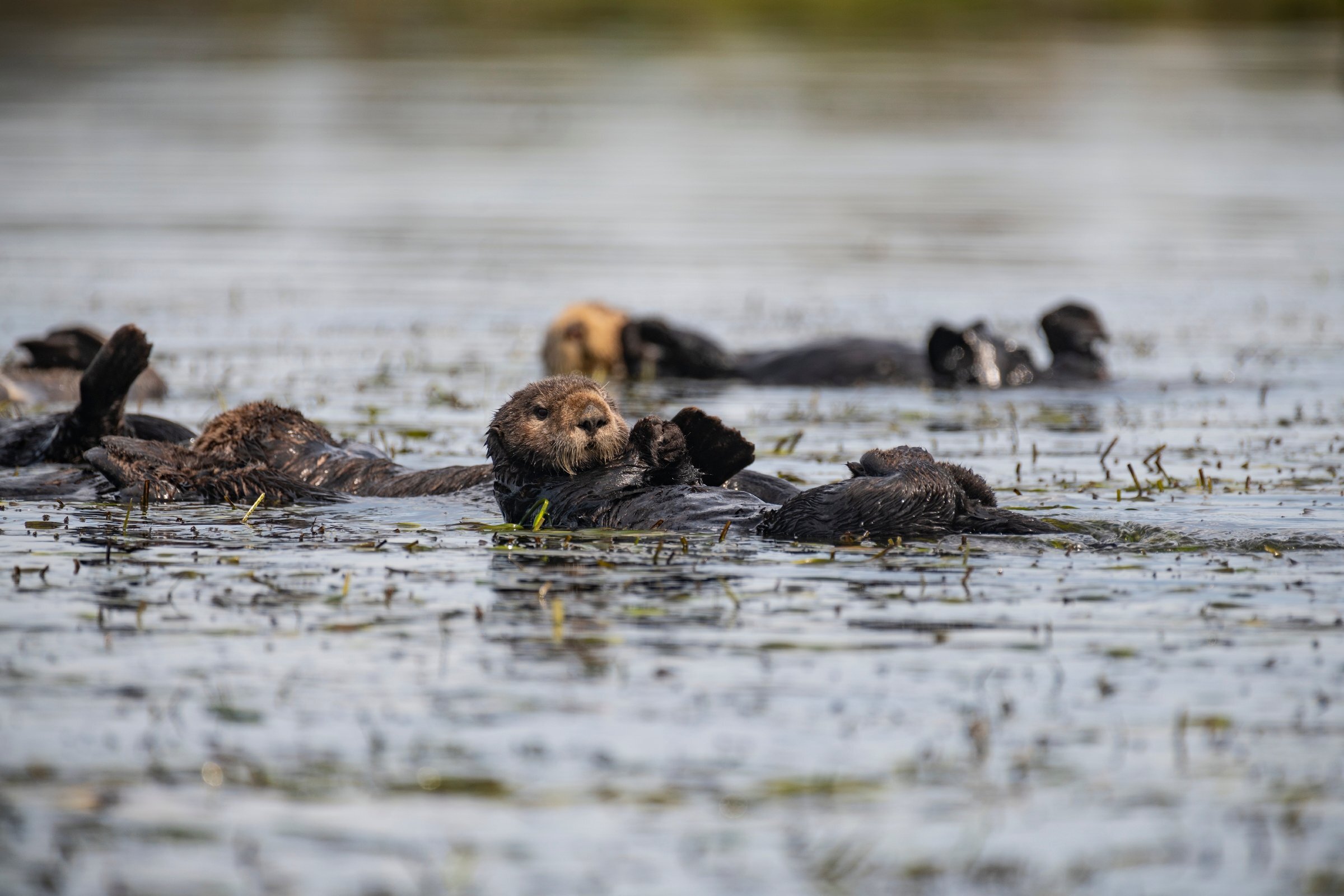
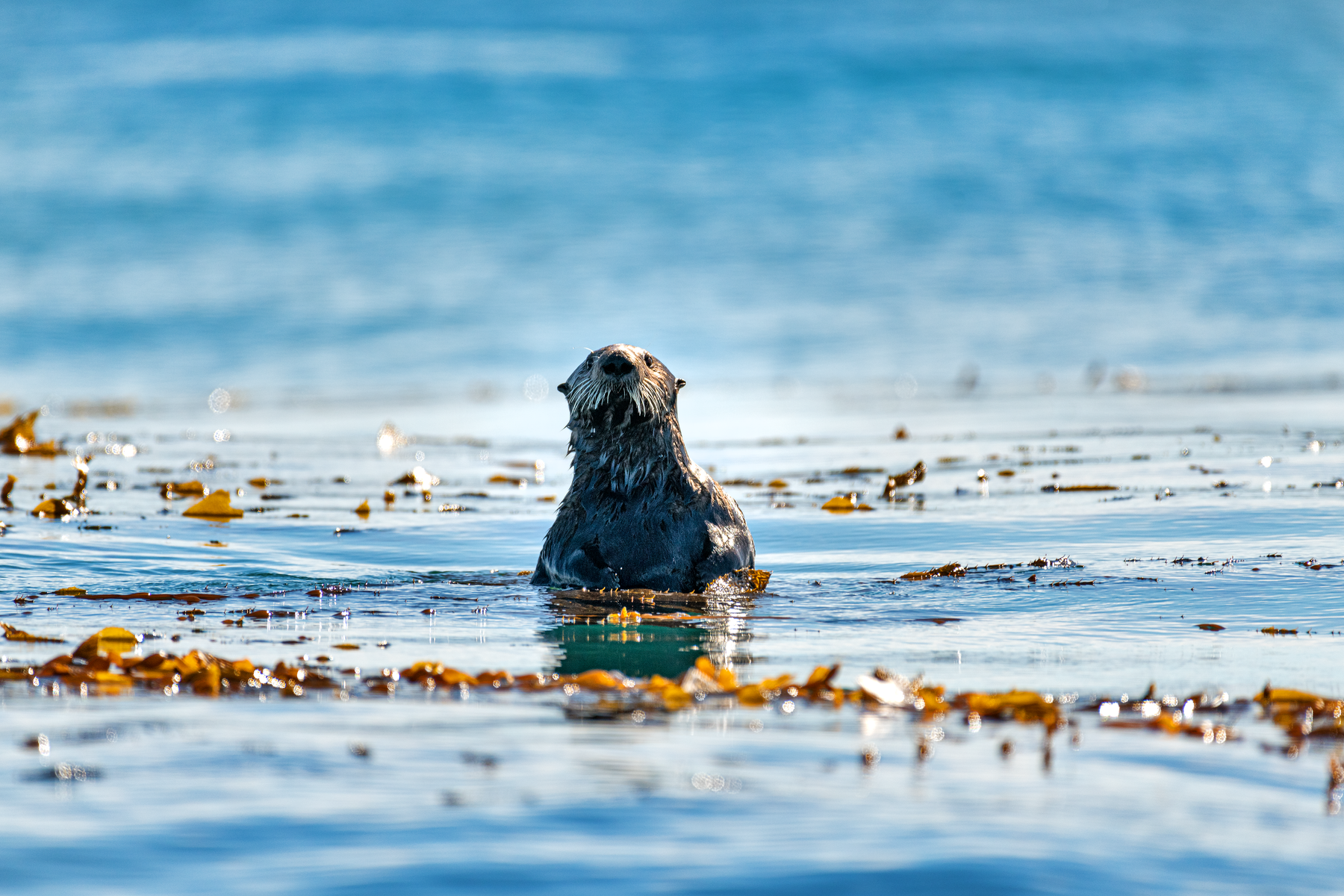
Sea otters can usually be found in kelp beds. They rest on their backs with their heads, arms, and flippers in the air, and look very much like lumps of kelp floating on the surface! When swimming, look for a body with sleek, dark fur instead of blubber.
If you’re lucky, you may spot otters off the Aquarium's ocean-view decks or when walking along the Coastal Recreation Trail toward Lovers Point. Another good bet would be to take a kayaking trip in nearby Elkhorn Slough. Remember, though—never approach a wild sea otter.
Conservation
Why is the sea otter endangered?
The sea otter once ranged from the coasts of Baja California, to the Pacific Northwest, all the way to Russia and Japan. But in the 1700s and 1800s, hunters and fur traders killed so many sea otters that their populations were devastated. By the 1900s, sea otters were on the brink of extinction, and were even thought to be extinct for a period of time.
Miraculously, in 1938 some 50 sea otters were found off the coast of Big Sur in California—a tenacious group that managed to survive the extermination. These otters have since been the basis for the repopulation of the southern sea otter subspecies.
A rising tide
With conservation efforts, California's sea otter population has slowly grown to around 3,000 individuals. Their recovery is possible thanks to legal protections—in 1972 sea otters were protected under the Marine Mammal Protection Act and in 1977 under the Endangered Species Act. The research and conservation work of nongovernmental organizations also support efforts to grow sea otter populations and restore their habitats.
The current range of the southern sea otter extends from approximately Half Moon Bay in the north to near Point Conception in the south—only a small part of their historic range. In recent years, the population has not expanded their range. Scientists believe the plateau in population growth is most likely due to to the high risk of shark-bites in their current range, a major cause of sea otter mortality,
Still endangered
Sea otters are on the red endangered list of the International Union for the Conservation of Nature and Natural Resources (IUCN).
Although the sea otter population has increased since they became protected by law, their geographic range has not expanded to match their growth. Additionally, their small populations are fragile—oil from a single tanker spill near San Francisco or off the Central Coast would threaten the entire California sea otter population.
Can we prevent the extinction of sea otters?
The central range, from Monterey Bay to the south of the Big Sur coast, can't support higher numbers of sea otters. Now, southern sea otters need to keep expanding their range and find new areas with abundant food. The Aquarium and our partners have contributed to the protection of California's sea otter population. We continue to research how to help sea otters with our groundbreaking conservation efforts. You can help us save this beloved species by supporting our Sea Otter Program!
Otterly common questions
Can a sea otter breathe underwater?
No—the sea otter breathes air! To forage for food underwater, a sea otter can dive to 600 feet (183 m) and stay down for 6 to 7 minutes, although most dives are shorter and shallower.
Can a sea otter live on land?
Although a sea otter breathes air and can climb on rocks, it depends on the ocean to survive. Its food is in the ocean, and it moves clumsily on land with its webbed back feet.
Why are sea otters so cute?
With its thick and fluffy fur, large eyes and large noses, the sea otter may be—scientifically speaking — one of the cutest animals in the world.
Why are sea otters important?
The sea otter isn’t just cute—it keeps local ocean ecosystems healthy. In Monterey Bay, specifically, the sea otter is important for kelp forest and estuary ecosystems.
The sea otter is also a good indicator of ocean health. Since it is a top predator of invertebrates along the California coast, changes in the health of its population can make scientists aware of variations in the ocean environment itself. This is why we consider the sea otter a keystone species.
Up next in coastal waters
Animal
Pacific angel shark
At first glance, this shark looks like its cousins—rays and skates—with its flattened body and large pectoral…
Keep exploring
Animal
Hawaiian bobtail squid
Native to the Pacific Ocean, the Hawaiian bobtail squid buries itself in sand or muddy areas by day and…