

Pelagic cormorant
Phalacrocorax pelagicus
- Not on exhibit
- Animal type
- Birds
- Ecosystem
- Kelp forest
- Relatives
- Crested and pelagic cormorants
- Diet
- Fishes
- Range
- Alaska to Baja California
- Size
- Up to 35 inches (89 cm)
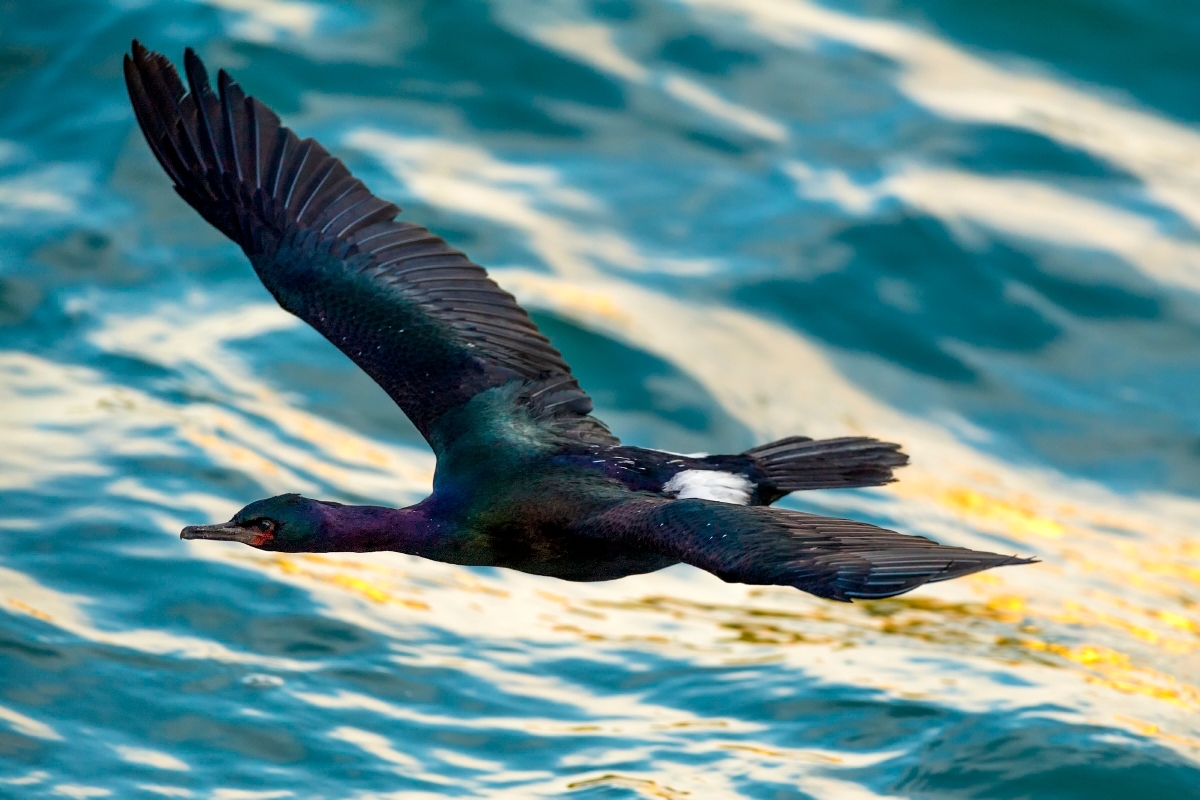
Meet the pelagic cormorant
Pelagic cormorants live along open, windswept coasts. They nest along with other cormorants and other seabirds on steep, remote cliffs where they're safer from predators.
Watch in real time
Monterey Bay Cam
Check out this live cam – Monterey Bay CamDid you know?
Unlike Brandt's cormorants, which sometimes hunt cooperatively, pelagic cormorants hunt alone. They often diving into heavy surf for crabs, worms and small fishes. Though they typically dive in shallow water along the shores, they can also make very deep dives—sometimes to 180 feet (55 m) or more.
Conservation
Cormorants feed largely on fish of little commercial value, though in times past they were harassed by fishermen who blamed the birds for depleting their catches.
Safe nesting sites are becoming scarcer for cormorants and other seabirds.
Cool facts
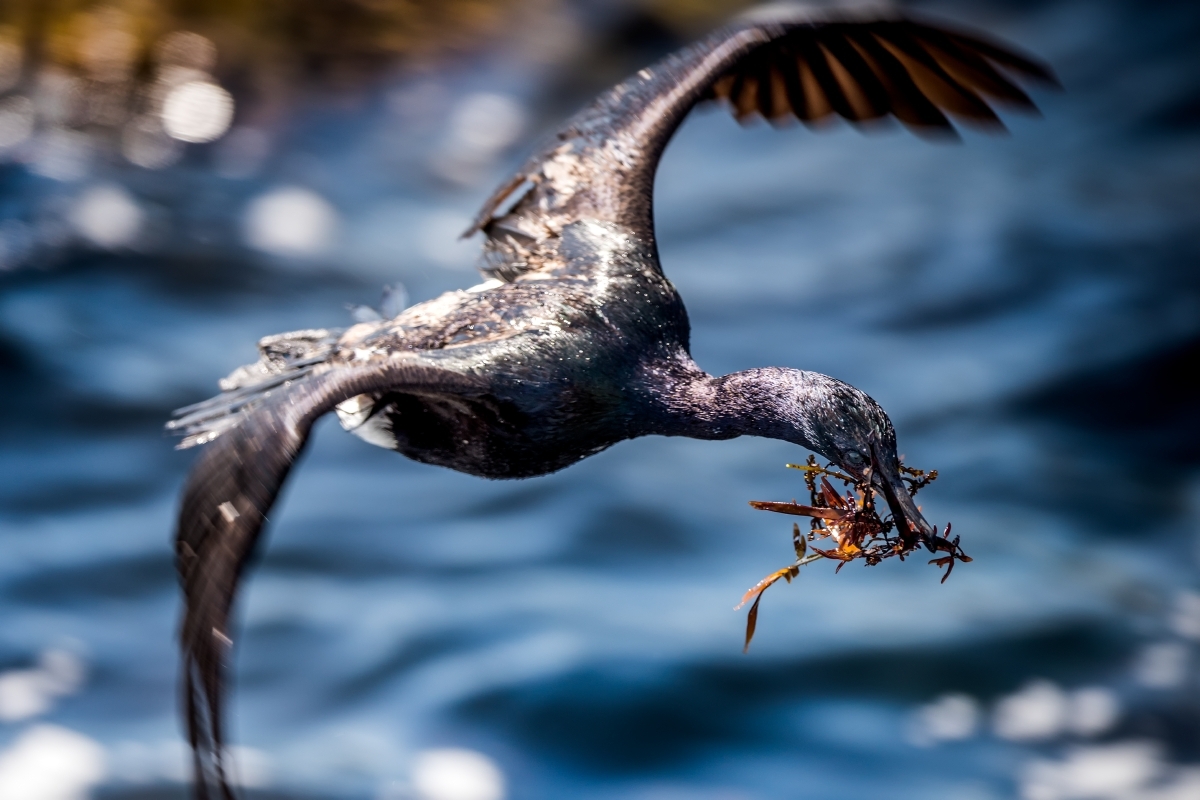
- Pelagic cormorants will use one nest for several years, piling up seaweed, grass and ocean debris until the mound is five to six feet high.
Wallpaper
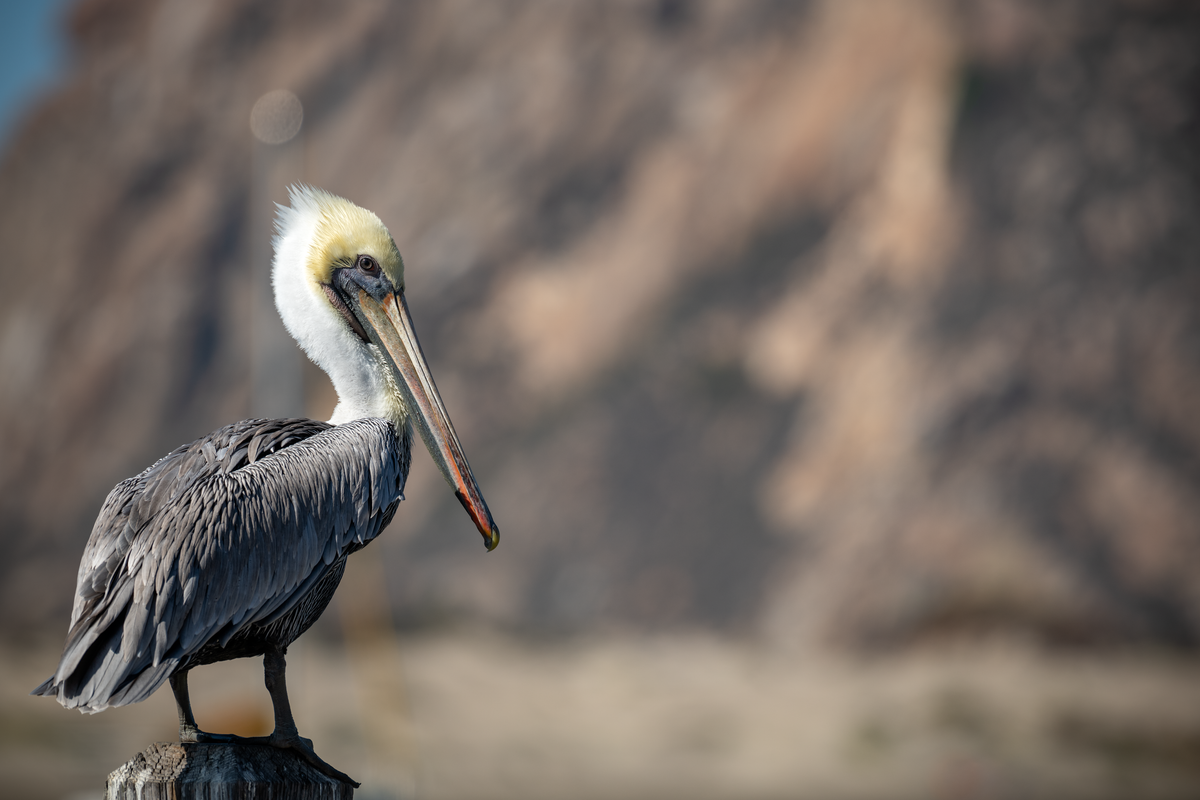
Brown pelican wallpaper
Download a beautiful brown pelican wallpaper for your desktop or mobile device.
Get wallpaper – Brown pelican wallpaperUp next in kelp forest
Animal
Acid seaweed
This harmless-looking seaweed has a secret weapon to discourage grazing fishes and invertebrates.
Keep exploring
Animal
Leopard shark
Leopard sharks live in shallow waters of bays and estuaries and occasionally patrol the kelp forest.