

Red-necked phalarope
Phalaropus lobatus
- On view
- Sandy Shore & Aviary
- Animal type
- Birds
- Ecosystem
- Beaches & dunes
- Relatives
- Sandpipers, dowitcher, curlew; Family: Scolopacidae
- Diet
- In saltwater: plankton, insects, brine shrimp. In freshwater: insects, crustaceans, molluscs
- Range
- Arctic and sub-arctic tundra to breed; Southern Hemisphere to winter, chiefly at sea
- Size
- Up to 8 inches (20 cm)
Meet the red-necked phalarope
Like other phalaropes, red-necked phalaropes are pelagic shorebirds—they spend most of their lives at sea. Unable to dive, these birds have developed a unique feeding method. They swim in tight circles at many revolutions per minute, which brings plankton to the surface of the water where they can grab it with their bills.
Watch in real time
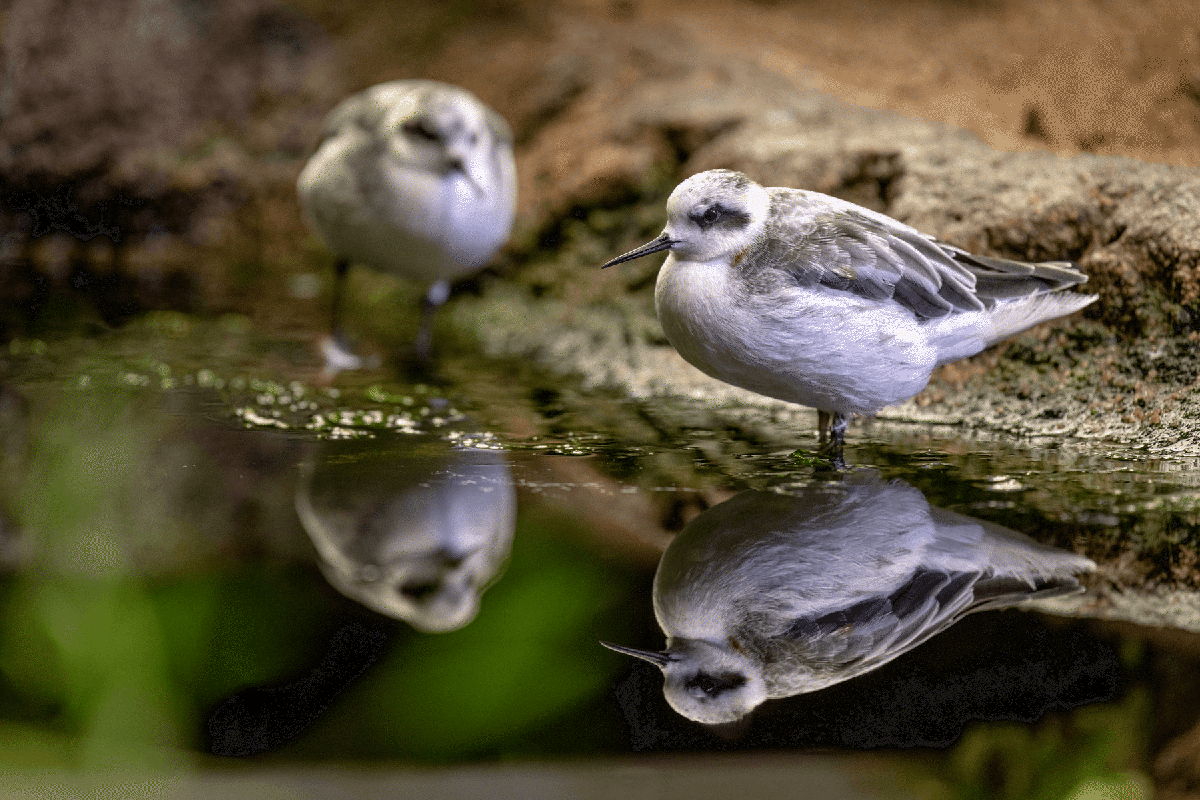
Aviary Cam
Check out this live cam – Aviary CamNatural history
To distinguish red-necked phalaropes from red phalaropes, look for the red-necked phalarope's darker winter plumage with a heavily striped back, blacker crown and more contrasting wing stripe. Also look for the red-necked phalarope's thin, straight needlelike bill.
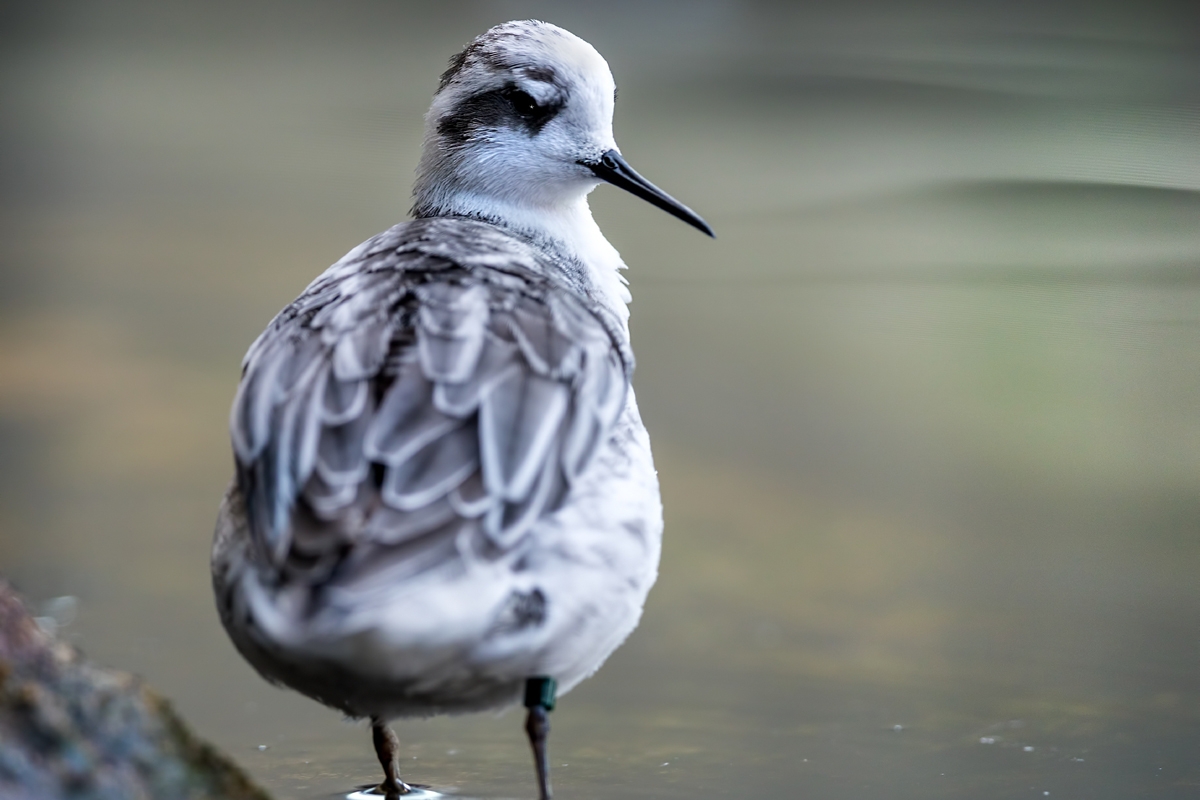
A red-necked phalarope displaying winter plumage.
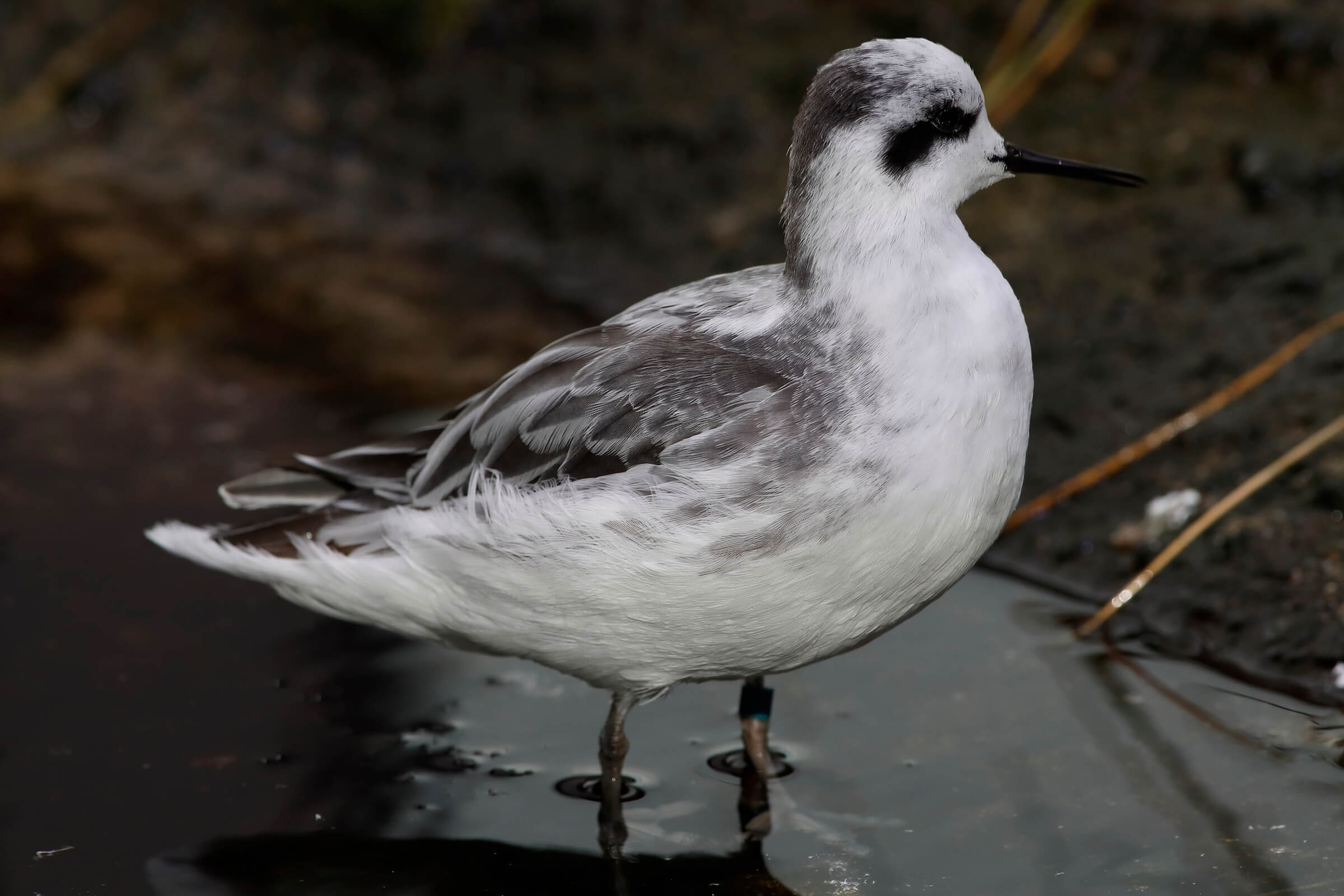
A male red-necked phalarope in the Aviary exhibit.
Conservation
Because they feed on the surface of the water, red-necked phalaropes are exposed to pollutants discarded into the ocean. This makes them especially vulnerable to oil spills.
Cool facts
- With this bird, courtship roles are reversed—the larger, brighter females do the courting. In fact, a female has been seen engaging in aerial pursuit of a male, usually in the company of many females. The males always incubate the eggs and raise the chicks. Able to swim from birth, chicks leave the nest soon after hatching. Sometimes females mate with more than one male. Where food is abundant and a male is available, females may produce two batches of eggs, thereby increasing the number of their offspring.
Up next in beaches & dunes
Animal
Western snowy plover
The snowy plover nests in shallow nooks in the sand—sometimes even using human footprints to keep its eggs.
Keep exploring
Animal
Sand crab
No bigger than a thumb, a sand crab spends most of its time buried in shifting sand.